Unlocking Your Living Room’s Potential: The Definitive Guide to Paint Colors for Dark Brown Furniture
Let’s be real: staring at a living room with beautiful, solid dark brown furniture and wondering what paint color will truly make it sing can feel like a daunting task. You want a space that feels cohesive, inviting, and reflects your style, not one that looks mismatched or dull. I get it. Dark brown furniture, whether it’s a rich leather sofa, a grand wooden coffee table, or a sturdy media console, brings warmth, depth, and a timeless quality to any room. But it also demands a careful hand when it comes to choosing its wall color companion.
The good news? Far from being a limitation, dark brown furniture is a wonderfully versatile base. It’s like the little black dress of interior design—it can be dressed up, dressed down, and paired with an astonishing array of colors to create wildly different moods. The key isn’t just picking a ‘pretty’ color; it’s about understanding how that color interacts with the brown, your room’s lighting, and your personal aesthetic. I’m here to walk you through exactly how to nail it.
So, what is the best paint color for a living room with dark brown furniture? While there’s no single ‘best’ answer, the most impactful choices often fall into categories like warm whites and creams, soft greys and greiges, serene blues and greens, or even deep, dramatic hues. Each category offers unique benefits, transforming your dark brown pieces from mere furniture into statements of style.
Understanding Your Dark Brown Furniture: The Foundation of Color Choice
Before we even think about a single paint chip, we need to get to know your dark brown furniture a little better. It’s not just ‘brown’; it has nuances that will dictate which paint colors will truly complement it and which might clash.
The Power of Undertones: Warm vs. Cool Brown
This is perhaps the most critical step. Just like paint colors, brown furniture has undertones—subtle hints of other colors that make it lean either warm or cool. Ignoring these can lead to a room that feels off, even if the individual colors are beautiful.
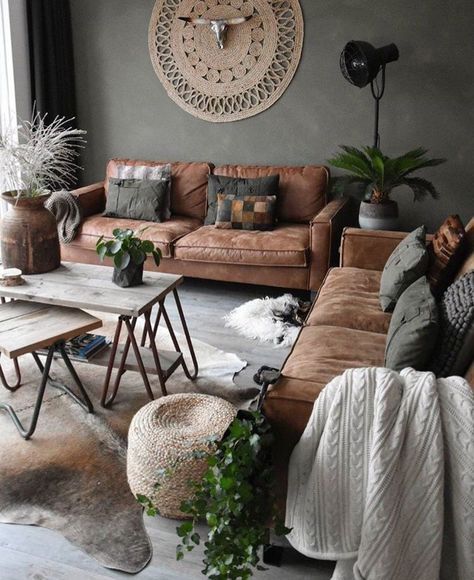
- Warm Brown Undertones: Does your dark brown furniture have hints of red, orange, or yellow? Think cherry wood, mahogany, or a rich, reddish-brown leather. These warm undertones will feel inviting and cozy.
- Cool Brown Undertones: Does your furniture have hints of grey or even a slight purplish tinge? Think espresso, very dark walnut, or a grey-brown stained piece. These cooler undertones lend themselves to a more contemporary or sophisticated feel.
How do you tell? Place a white sheet of paper next to your furniture in natural light. Does the brown seem to pull red? Yellow? Grey? Knowing this will be your guiding star.
Beyond the Sofa: Considering Room Size and Natural Light
Your room itself plays a huge role. Paint colors don’t exist in a vacuum; they react to their environment.
- Room Size: Generally, lighter colors can make a small room feel more expansive and open. Darker colors can make a large room feel cozier and more intimate. If your living room is on the smaller side, be cautious with overly dark wall colors, or reserve them for an accent wall.
- Natural Light:
- North-facing rooms tend to have cooler, dimmer light. Warm paint colors can counteract this, bringing a much-needed glow.
- South-facing rooms receive bright, warm light throughout the day. Almost any color works here, but cooler tones can help balance the intensity.
- East-facing rooms get bright, warm morning light and cooler afternoon light. Colors might appear different at various times of the day.
- West-facing rooms have cooler morning light and intense, warm afternoon/evening light.
Always observe how paint samples look in your specific room at different times of the day.
Top Paint Color Categories for Living Rooms with Dark Brown Furniture
Now, let’s dive into the colors! I’ve broken them down into categories to help you envision the mood and style each can create.
The Timeless Neutrals: Creating a Sophisticated Backdrop
Neutrals are never boring when done right. They allow your dark brown furniture to truly shine, providing a clean, sophisticated, and incredibly versatile canvas.
- Warm Whites & Creams:
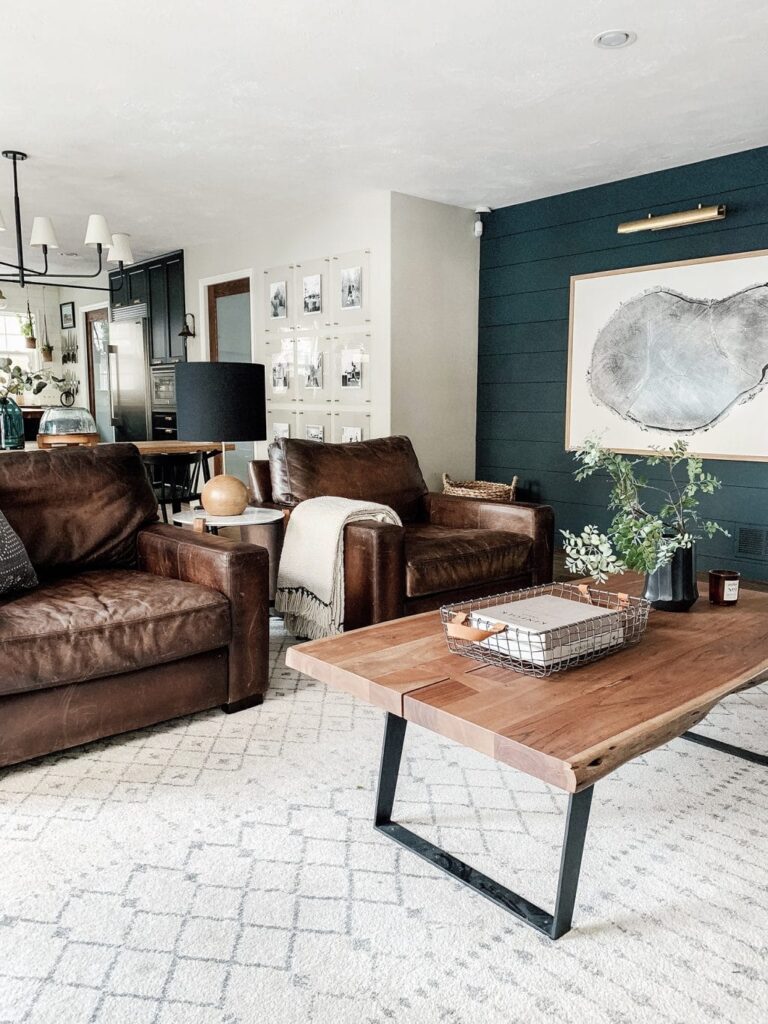
- Why it works: A classic for a reason. Warm whites (like Benjamin Moore’s “White Dove” or Sherwin-Williams’ “Dover White”) and creams provide a beautiful, crisp contrast to dark brown, making the furniture pop without feeling stark. They brighten the room, make it feel more expansive, and offer a clean, airy aesthetic. They are incredibly versatile for layering with different textures and accent colors.
- Considerations: Avoid stark, cool whites that can make your room feel sterile. Look for whites with yellow, beige, or greige undertones to maintain warmth and sophistication.
- Soft Greys:
- Why it works: Grey can be a wonderful modern complement to dark brown, especially if your brown furniture has cooler undertones (espresso, grey-brown). Soft greys like Sherwin-Williams’ “Agreeable Gray” or Benjamin Moore’s “Revere Pewter” provide a calm, grounded backdrop. They offer a sophisticated contrast that feels contemporary without being cold, especially when paired with warm brown.
- Considerations: Be mindful of grey’s undertones. Blue-greys can sometimes clash with very warm browns. Opt for greys with beige (greige) or subtle green undertones for better harmony.
- Warm Tans & Greiges:
- Why it works: These colors are masters of cohesion. A warm tan or a greige (a blend of grey and beige, like Benjamin Moore’s “Balboa Mist” or Sherwin-Williams’ “Accessible Beige”) can create a rich, enveloping, and incredibly inviting space. They echo the natural tones of the brown furniture, creating a harmonious and earthy scheme. They are perfect for a cozy, traditional, or transitional style.
- Considerations: Ensure the tan doesn’t match the brown furniture too closely, as this can make the room feel flat. Look for a noticeable difference in lightness. Check for muddy or overly yellow undertones that might not work with your specific brown.
Serene Cool Tones: A Breath of Fresh Air
If you want to introduce a sense of calm, nature, or a sophisticated contrast, cool tones are your go-to.
- Sage Greens & Olive Greens:
- Why it works: Nature’s best pairing! Greens, particularly muted sage (like Farrow & Ball’s “Sage Green“) or deeper olive, are incredibly grounding and organic. They provide a beautiful, sophisticated contrast to dark brown, reminiscent of trees and earth. They create a tranquil, earthy, and naturally elegant living room.
- Considerations: The intensity of the green matters. A very bright or saturated green might overpower, while a muted, grayish-green provides softness. Consider the amount of natural light to prevent the green from feeling too dark or dull.
- Muted Blues & Gray-Blues:
- Why it works: Blue and brown are a classic, sophisticated combination. Muted blues (like Sherwin-Williams’ “Rainwashed” or Benjamin Moore’s “Palladian Blue”) or deeper gray-blues (like Benjamin Moore’s “Hale Navy”) offer a refreshing contrast to the warmth of dark brown. They evoke tranquility, depth, and a timeless elegance, suitable for traditional or coastal-inspired spaces.
- Considerations: Ensure the blue has enough grey or green in it to mute it, preventing it from feeling too childish or stark. Very cool blues might need warmer accents elsewhere to balance the room.
Rich & Dramatic: Making a Bold Statement
If you’re not afraid to go bold, these colors can create truly stunning and memorable living spaces.
- Deep Greens:
- Why it works: Think jewel tones! Rich forest greens, emeralds, or even deep teal (like Benjamin Moore’s “Salamander” or Sherwin-Williams’ “Forest Green”) paired with dark brown furniture create a luxurious, sophisticated, and deeply enveloping atmosphere. This combination feels dramatic, cozy, and incredibly elegant, perfect for a library-like feel or a modern, moody aesthetic.
- Considerations: Best for larger rooms or rooms with ample natural light to prevent it from feeling too dark. Balance with lighter textiles, metallic accents, and layered lighting to keep it from becoming overwhelming.
- Charcoal & Deep Taupe:
- Why it works: For a contemporary, chic, and sophisticated look, charcoal grey (like Benjamin Moore’s “Kendall Charcoal”) or a very deep, rich taupe (Sherwin-Williams’ “Urbane Bronze”) can be incredibly powerful. They create a moody, intimate backdrop that allows the dark brown furniture to blend in while still maintaining its presence. This pairing feels very intentional and high-end.
- Considerations: Definitely for rooms with good lighting or if you’re aiming for a deliberately dramatic, cozy ambiance. Ensure there’s enough lighter contrast through rugs, artwork, and ceiling color to prevent the room from feeling like a cave.
- Warm Golds & Terracottas:
- Why it works: If your dark brown furniture has strong warm (red, orange, yellow) undertones, leaning into the warmth with colors like a muted golden yellow (Sherwin-Williams’ “Sawdust”) or a soft terracotta can be absolutely stunning. These colors create an energetic, inviting, and vibrant space that feels globally inspired or deeply rustic chic.
- Considerations: These are more impactful colors. Use them in well-lit rooms or consider them for an accent wall if you’re nervous about overwhelming the space. Ensure the tone is more earthy and muted rather than bright and primary.
Choosing Your Perfect Palette: A Step-by-Step Approach
Ready to get practical? Here’s my advice on navigating the paint selection process.
Step 1: Analyze Your Furniture’s Undertones (Seriously, Do It!)
I can’t stress this enough. Grab that white sheet of paper, look at your furniture in different lights throughout the day. Is it warm, cool, or relatively neutral brown? This initial assessment will eliminate many colors that simply won’t work and guide you towards those that will harmonize beautifully.
Step 2: Consider Your Room’s Light and Layout
Think about the amount of natural light your living room receives and from which direction. A north-facing room might crave more warmth, while a south-facing room can handle cooler tones. Also, consider the size of the room and if you want it to feel more expansive or more intimate.

Step 3: Define Your Desired Mood and Style
What feeling do you want to evoke? A calm sanctuary? A vibrant social hub? A sophisticated retreat? The paint color you choose will be the biggest driver of this mood. Do you prefer modern, traditional, bohemian, industrial, or something in between? Your chosen style will lean towards certain color palettes.
Step 4: Gather Inspiration and Sample Paint Colors
Start with online galleries, magazines, or even a mood board. Once you have a few contenders, head to the paint store. Don’t just pick a chip—buy sample pots! They are your best friend in this process.
Step 5: Test, Test, Test: The Golden Rule
This is non-negotiable. Paint large swatches (at least 2’x2′) directly onto your walls or onto large foam boards that you can move around the room. Observe them over several days and at different times of day—morning, noon, evening, and with artificial lighting. See how they interact with your dark brown furniture, your flooring, and any other fixed elements in the room. What looks perfect in the store might look completely different in your actual living room.
Paint Color Pairing Guide for Dark Brown Furniture
Here’s a quick reference guide to help you compare the popular choices we’ve discussed:
| Color Category | Mood/Style Created | Best Furniture Undertones | Room Size Suitability | Key Considerations |
|---|---|---|---|---|
| Warm Whites & Creams | Bright, Airy, Timeless, Sophisticated | Warm & Cool Browns (highly versatile) | Small to Large (expands space) | Choose creamy, non-stark whites. Layer textures. |
| Soft Greys | Modern, Calm, Grounded, Chic | Cool Browns, neutral Warm Browns | Small to Large (adds sophistication) | Opt for greys with warm (greige) or green undertones. |
| Warm Tans & Greiges | Cozy, Earthy, Harmonious, Inviting | Warm Browns (especially) | Small to Large (creates cohesion) | Ensure contrast in lightness; avoid muddy tones. |
| Sage & Olive Greens | Natural, Tranquil, Organic, Elegant | Warm & Cool Browns | Small to Large (calming, earthy) | Choose muted, grayish greens; consider natural light. |
| Muted Blues & Gray-Blues | Serene, Sophisticated, Timeless, Refreshing | Warm & Cool Browns | Small to Large (adds depth and calm) | Lean towards dusty, muted blues over bright ones. |
| Deep Greens | Luxurious, Dramatic, Enveloping, Moody | Warm & Cool Browns | Medium to Large (best with good light) | Balance with lighter accents and layered lighting. |
| Charcoal & Deep Taupe | Contemporary, Intimate, Chic, High-end | Cool Browns, neutral Warm Browns | Medium to Large (creates dramatic flair) | Requires strong lighting/lighter contrast. |
| Warm Golds & Terracottas | Energetic, Inviting, Globally-Inspired, Rustic | Warm Browns (especially) | Small to Large (adds vibrancy) | Use muted, earthy versions; consider as accent. |
Beyond Paint: Tying It All Together with Accessories and Decor
Remember, your walls are just one piece of the puzzle. To truly create a cohesive and inviting living room with dark brown furniture, consider how other elements interact with your chosen wall color.
:max_bytes(150000):strip_icc()/GettyImages-2162174315-fe693d41cb4d44148a6754a70e78e447.jpg "How to Pick Paint Colors That Go With Brown Furniture ...")
- Accents: Introduce complementary colors through throw pillows, blankets, rugs, and artwork. If you have cool walls, warm accents can add vibrancy. If you have warm walls, cool accents can provide balance. Think about textures—knits, velvets, linens—to add depth.
- Materials: Mix up materials. Pair your dark wood or leather with glass, metal (gold, brass, matte black), lighter wood tones, or even woven natural fibers (jute, rattan) to add interest and prevent the room from feeling too heavy.
- Lighting: Layered lighting is crucial. Overhead lighting for general illumination, floor and table lamps for task lighting and ambient glow, and even accent lighting to highlight artwork can transform the mood and make your chosen wall color truly sing, especially with dark furniture.
- Greenery: Plants always add life and freshness. Their natural greens will beautifully complement both your dark brown furniture and almost any wall color you choose.
Common Pitfalls to Avoid When Painting with Dark Brown Furniture
I’ve seen it all. Here are a few traps to sidestep on your color journey:
- Ignoring Undertones: Choosing a cool grey for a very red-toned brown sofa, for instance, can make both colors look off. Always match or thoughtfully contrast undertones.
- Choosing Colors That Are Too Stark or Too Muddy: A bright, primary color can clash harshly with sophisticated dark brown. Conversely, a muddy, dull color can make the whole room feel lifeless. Seek out nuanced, slightly desaturated tones.
- Not Testing Samples: This is the biggest mistake. What looks good on a tiny chip or a screen is rarely an accurate representation of how it will look on your walls.
- Forgetting Balance: If you go with a dark wall color, ensure you have enough lighter elements (ceiling, trim, rug, artwork) to provide visual relief. Conversely, if your walls are light, don’t forget to add depth with textures and darker accents.
- Overlooking Lighting: Both natural and artificial light dramatically affect how a color appears. A color might look great in daylight but turn flat or too dark under your evening lamps.
Final Thoughts: Embrace the Journey
Choosing the perfect paint color for a living room with dark brown furniture doesn’t have to be a source of stress. Think of your dark brown pieces not as constraints, but as anchors of elegance and warmth. With a thoughtful approach to undertones, lighting, and your desired mood, you have the power to transform your living room into a space that feels both stylish and deeply personal.
Take your time, trust your instincts (after you’ve done your homework, of course!), and most importantly, enjoy the process of creating a beautiful home you’ll love living in. Happy painting!
Frequently Asked Questions
What are the most versatile paint colors for dark brown furniture?
The most versatile paint colors often include warm whites (like off-white, cream, ivory), soft greys with warm undertones (greige), and muted light tans. These provide a clean, sophisticated backdrop that allows dark brown furniture to stand out without clashing, and they work well across various design styles.
How do I choose between warm and cool paint colors for my brown furniture?
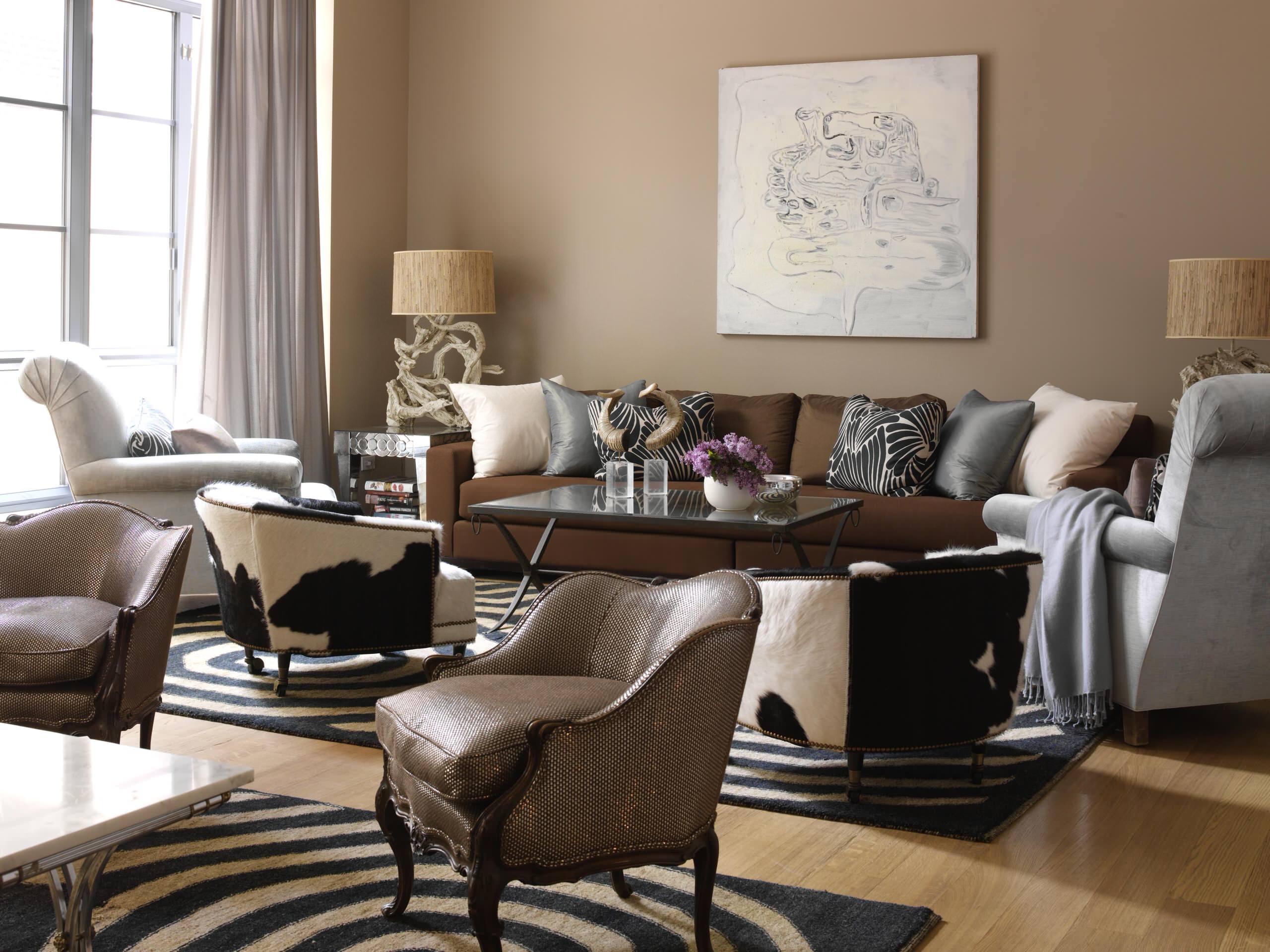
Start by identifying the undertones in your dark brown furniture: does it lean reddish/orange (warm) or grayish/cool? For a harmonious look, pair warm brown furniture with warm wall colors (creams, warm tans, golden hues) or complementary cool tones (greens, blues). For cool brown furniture, you can lean into cooler wall colors (soft greys, blues) or add warmth with creamy whites or rich, earthy tones to balance the space.
Can I use dark paint colors in a living room with dark brown furniture?
Absolutely! Using deep, dramatic colors like charcoal, deep greens (e.g., forest green, emerald), or even a deep navy can create an incredibly luxurious, cozy, and sophisticated atmosphere. This works best in larger rooms or rooms with ample natural light to prevent it from feeling too enclosed. Balance is key: use lighter accents, varied textures, and strategic lighting to add contrast and prevent the space from feeling overwhelmingly dark.
Why is understanding undertones so important when picking paint for dark brown furniture?
Understanding undertones is crucial because it ensures your paint color and furniture ‘talk’ to each other harmoniously. If you pair a cool-toned paint with warm-toned furniture (or vice-versa) without careful consideration, the colors can clash, making the room feel unbalanced or ‘off.’ Matching or deliberately complementing undertones creates a cohesive and visually pleasing design.
Should I match my living room paint color to other elements in the room, like flooring or trim?
Yes, definitely consider all fixed elements! While your dark brown furniture is a major focal point, your flooring, trim, and even window treatments play a significant role. Aim for a paint color that harmonizes with these existing elements, rather than clashing. For example, if you have warm-toned hardwood floors, a cool grey paint might need warmer accents to tie everything together.
How can I test paint colors effectively before committing?
The golden rule is to ‘test, test, test.’ Purchase sample pots of your top 2-3 paint choices. Paint large swatches (at least 2’x2′) directly onto your walls or on large foam boards you can move around the room. Observe these samples over several days, in morning, midday, and evening light, and with your artificial lighting on. This allows you to see how the color truly behaves in your specific environment with your dark brown furniture.