Unlocking the Secret: The Best Interior Paint Colors for Indian Homes (A Definitive Guide)
Dreaming of transforming your home with the vibrant, soulful hues inspired by Indian design? Maybe you’re looking to infuse your space with the warmth, tradition, and elegance that defines Indian interiors, or perhaps you’re simply curious about the popular color palettes dominating homes in India. Whatever your motivation, choosing the right paint color for your interior walls is about more than just aesthetics; it’s about creating a feeling, a mood, and a reflection of a rich cultural tapestry.
As someone who appreciates the beauty of thoughtful design, I know the struggle: you want that perfect balance between tradition and trend, something that feels both authentic and fresh. This guide cuts through the noise to bring you the definitive resource on the best interior paint colors for Indian homes, blending aesthetic appeal with practical considerations like climate, light, and even ancient wisdom.
Understanding the Essence of Indian Interior Design
Indian interior design is a captivating blend of rich history, diverse regional influences, and a deep connection to nature and spirituality. It’s characterized by warmth, intricate details, vibrant colors, and a focus on comfort and hospitality. When we talk about paint colors, we’re not just picking shades; we’re selecting elements that contribute to this profound character.
The Influence of Climate and Light
India is a land of diverse climates, but a common thread across much of the country is intense heat and abundant sunlight. This climatic reality plays a significant role in color selection:
- Light, Airy Colors: Lighter shades like whites, creams, light blues, and soft greens are incredibly popular. They help rooms feel cooler, brighter, and more spacious, reflecting heat rather than absorbing it.
- Maximizing Natural Light: Homes are often designed to welcome natural light, and paint colors are chosen to amplify this. Reflective finishes and lighter tones can make even smaller spaces feel expansive and airy.
Cultural and Traditional Significance of Colors
In India, colors are imbued with deep symbolism and cultural meaning, going far beyond mere decoration. Choosing a color often carries an unspoken message:
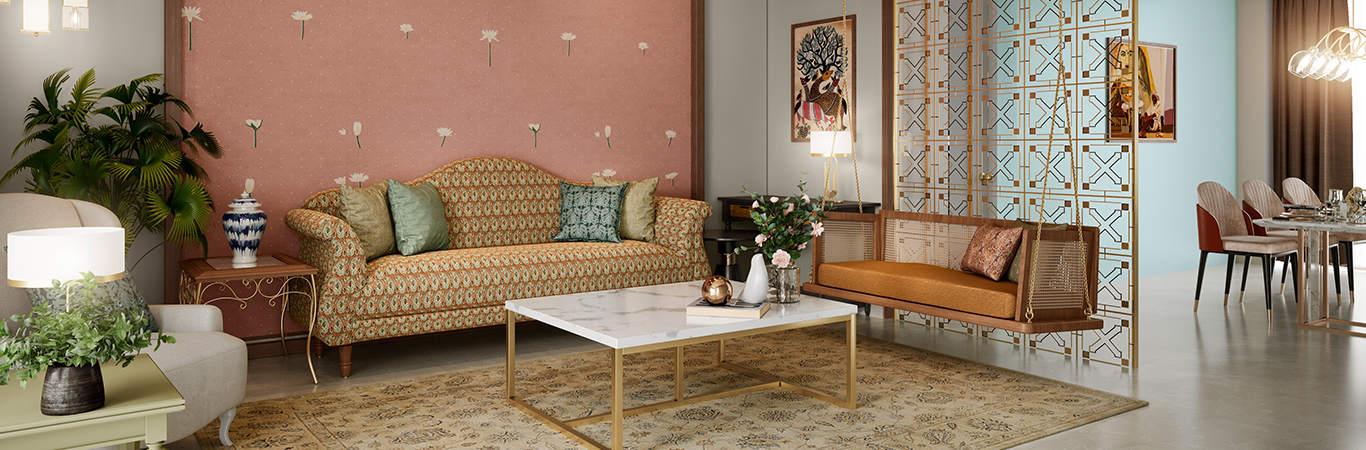
- Red: Symbolizes passion, love, bravery, and celebration. Often seen in traditional attire and festive decorations.
- Yellow/Saffron: Associated with knowledge, prosperity, purity, and spiritual enlightenment.
- Green: Represents nature, growth, harmony, and fertility. A calming and refreshing color.
- Blue: Linked to divinity, strength, and peace. Think of Lord Krishna and the vastness of the sky and ocean.
- White: Purity, peace, and new beginnings. Universally revered for its simplicity.
- Gold/Orange: Warmth, radiance, and auspiciousness.
Vastu Shastra & Color Selection: Harmonizing Your Home
No discussion about Indian home design is complete without mentioning Vastu Shastra. This ancient Indian science of architecture guides the design, layout, and orientation of buildings to promote harmony and positive energy flow. When it comes to interior paint colors, Vastu offers specific recommendations to enhance well-being, prosperity, and peace.
While not everyone adheres strictly to Vastu, many Indian households consider its principles, especially for significant decisions like home construction or renovation. Incorporating Vastu-approved colors can add another layer of intention and positive energy to your space.
Vastu-Approved Colors for Each Direction & Room
Here’s a simplified guide to Vastu-friendly colors for various directions and rooms:
| Room/Direction | Recommended Colors | Vastu Benefit |
|---|---|---|
| Living Room (North, East, Northeast) | Light blue, white, yellow, green | Promotes peace, prosperity, and spiritual growth. |
| Master Bedroom (Southwest) | Cream, light brown, shades of pink or green | Enhances stability, strong relationships, and good health. |
| Children’s Room (Northwest) | White, light green, light blue | Supports growth, creativity, and good sleep. |
| Kitchen (Southeast) | Orange, red, yellow (accent walls) | Activates the fire element, bringing energy and prosperity. |
| Pooja Room (Northeast) | White, light yellow, saffron, cream | Fosters spirituality, peace, and concentration. |
| Bathroom (Northwest) | White, light blue, light green | Promotes cleanliness and good health. |
Colors to Avoid (and why)
While there are no universally “bad” colors, Vastu suggests moderation or avoidance of certain shades in specific areas:
- Dark Colors: Excessive use of black, dark grey, or deep brown can sometimes be associated with negativity or depression, especially in living spaces or bedrooms.
- Overly Bright/Aggressive Colors: Too much bright red or orange in a bedroom can disrupt peace and sleep.
Room-by-Room Guide: Best Paint Colors for Indian Interiors
Each room in your home serves a different purpose, and its color scheme should reflect that. Here’s a breakdown of popular and effective choices for Indian homes:
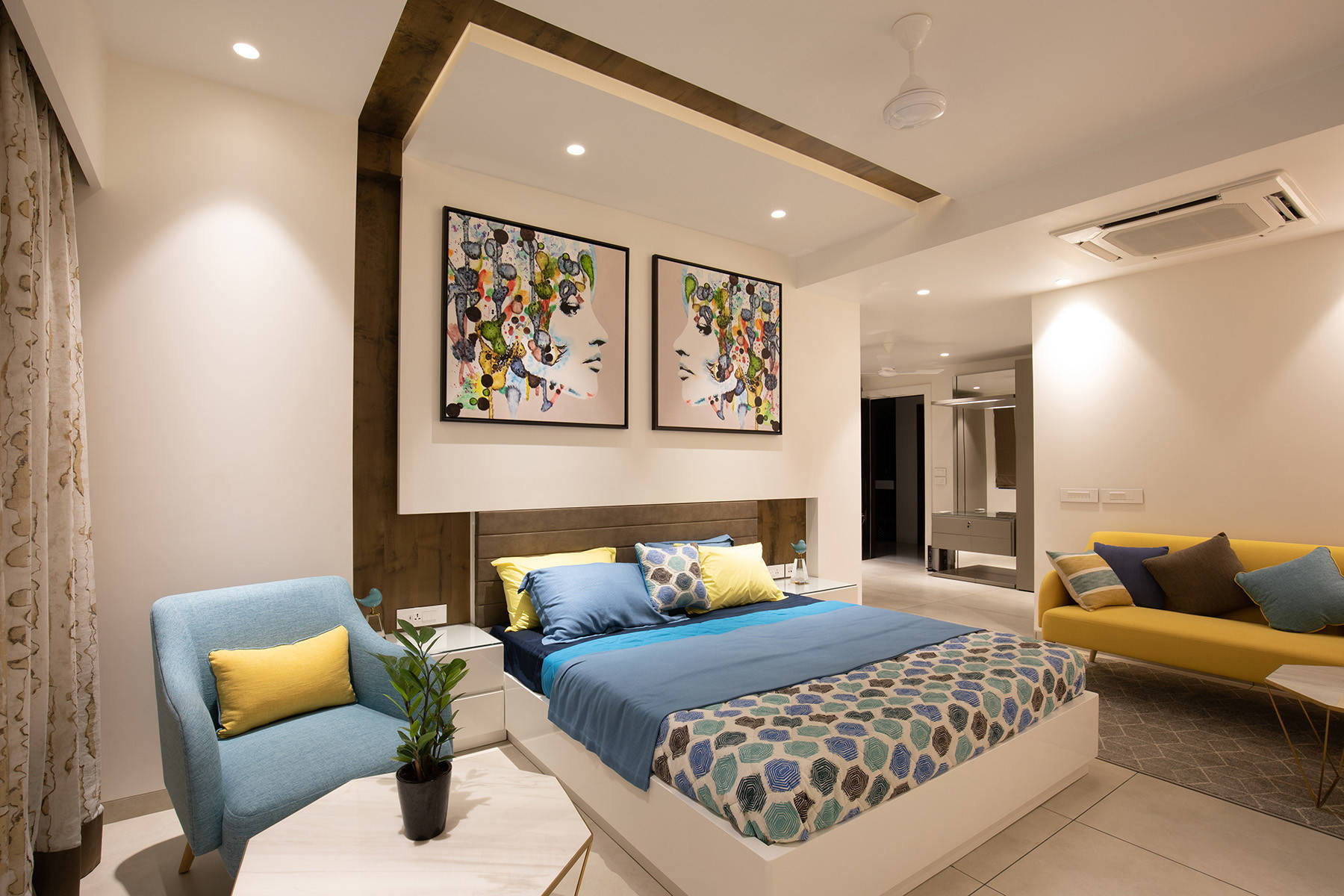
Living Room: Welcoming & Grand
The living room is often the heart of an Indian home, a place for family gatherings and welcoming guests. It needs to feel spacious, inviting, and a reflection of your style.
- Earthy Neutrals with Jewel Tone Accents: Think warm beige, cream, or light taupe for main walls, paired with a feature wall in a deep maroon, emerald green, or royal blue. This creates a sophisticated yet grounding effect.
- Soft Blues and Greens: For a calming and expansive feel, light sky blue or mint green can work wonders, especially in homes with ample natural light. They evoke nature and serenity.
- Warm Whites and Off-Whites: Timeless and versatile, these shades provide a clean canvas, allowing your furniture, artwork, and traditional Indian textiles to truly shine.
Bedrooms: Serene Sanctuaries
Bedrooms are personal havens for rest and relaxation. The colors here should promote peace and tranquility.
- Calming Blues and Greens: Soft pastel blues, sea greens, or sage green create a soothing atmosphere, perfect for winding down.
- Warm Whites and Creams: For a cozy and inviting feel, these colors offer warmth without being overwhelming. They also pair beautifully with traditional wooden furniture often found in Indian homes.
- Soft Lavenders or Pinks: For a touch of romance and calm, muted lavender or blush pink can create a very pleasant and serene bedroom environment.
Kitchen & Dining: Energetic & Inviting
The kitchen is a place of activity and nourishment, while the dining area is for sharing meals. Colors here can be more vibrant to stimulate appetite and conversation.
- Bright Yellows and Oranges (Accents): A feature wall or specific areas in a bright yellow or a muted terracotta orange can inject energy and warmth, resonating with the fire element.
- Neutral Backdrops: Cream, light grey, or white walls provide a clean, practical base, allowing kitchen cabinets, countertops, and dining decor to stand out.
- Fresh Greens: A light pistachio or lime green can bring a fresh, lively vibe to the kitchen, symbolizing freshness and vitality.
Pooja Room: Sacred & Peaceful
The Pooja (prayer) room is a dedicated space for worship and meditation. Colors should be subtle, pure, and conducive to introspection.
- White and Off-White: Symbolizing purity and peace, these are ideal choices. They create a serene backdrop for idols and religious artifacts.
- Light Yellow or Saffron: These colors are associated with spirituality and auspiciousness, adding a gentle warmth without distraction.
- Pastel Shades: Very light blue, green, or pink can also be used to create a tranquil and meditative atmosphere.
Children’s Rooms: Playful & Stimulating
For children’s rooms, the aim is to create a space that is both stimulating and comforting, encouraging creativity and play.
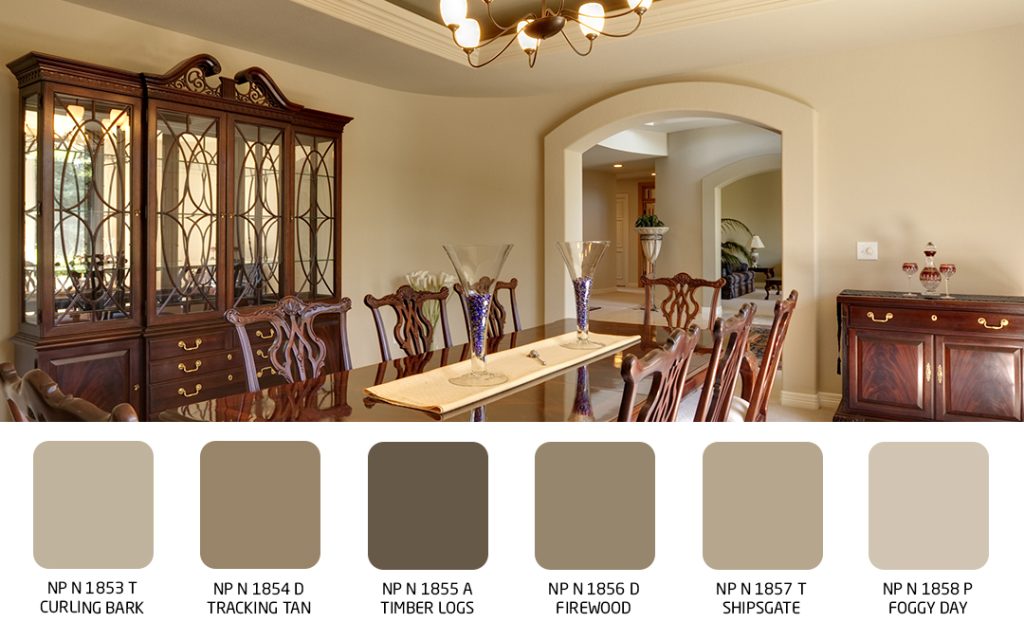
- Vibrant but Balanced: Think a combination of a calming base (light blue, cream) with playful accents (bright yellow, orange, or green).
- Pastel Rainbow: Soft pastel shades of different colors can be used in blocks or stripes for a fun, energetic yet gentle environment.
- Themed Colors: Incorporating colors from their favorite cartoons, nature, or space themes can make the room truly their own.
Trending Indian Interior Paint Colors (2024-2026)
While classic choices remain popular, Indian homes are also embracing global trends, often adapting them with a unique Indian twist. Here’s what’s currently trending:
The Rise of Earthy Neutrals
Beyond traditional whites and creams, there’s a growing love for sophisticated earthy neutrals. Think warm greiges, soft mauves, and muted browns. These shades offer a versatile backdrop that feels natural, grounded, and incredibly chic.
Jewel Tones as Accents
Instead of painting entire rooms in bold colors, jewel tones like deep emerald green, sapphire blue, ruby red, and amethyst purple are being used strategically for accent walls, niches, or trim. They add a luxurious pop of color and drama without overwhelming the space.
Calming Pastels
Soft, muted pastels like dusty rose, mint green, powder blue, and butter yellow are gaining traction for creating serene and contemporary spaces, particularly in bedrooms and living rooms. They offer a refreshing departure from bolder palettes.
Dynamic Dual-Tone Combinations
Two-color combinations are a classic Indian home staple, but the pairings are getting more adventurous. We’re seeing combinations like:

- Greys with Deep Blues: Modern and sophisticated.
- Orange with Neutrals: Energetic yet balanced.
- Green with Cream: Natural and calming.
Here’s a quick overview of some trending palettes and their impact:
| Trending Color Palette | Mood/Vibe | Best Paired With |
|---|---|---|
| Warm Greige & Terracotta | Earthy, Rustic, Grounding | Natural wood, woven textures, indoor plants |
| Dusty Rose & Sage Green | Soft, Feminine, Tranquil | White furniture, metallic accents (gold/rose gold) |
| Deep Indigo & Crisp White | Sophisticated, Coastal (modern Indian twist) | Light wood, rattan, geometric patterns |
| Mustard Yellow & Charcoal Grey | Bold, Contemporary, Energetic | Black metal, modern art, minimalist decor |
| Coral & Cream | Vibrant, Youthful, Tropical | White furniture, bamboo accents, bright textiles |
Choosing the Right Paint Type and Finish for Indian Homes
Beyond color, the type of paint and its finish significantly impact durability, maintenance, and the overall aesthetic of your walls. Indian homes often face specific challenges like humidity, dust, and the need for easy cleaning.
Types of Paint: Distemper, Emulsion, Enamel, Luster, Textured
- Distemper Paints: Economical and easy to apply, but less durable and washable. Best for temporary solutions or areas with low wear and tear.
- Emulsion Paints: The most popular choice for interiors. Available in various finishes (matte, silk, satin), they are durable, washable, and offer a smooth finish. Brands like Asian Paints Royale or Berger Easy Clean are common.
- Luster Paints: Offer a rich, silky finish with a subtle sheen. They are more durable and washable than distemper but less so than high-end emulsions.
- Enamel Paints: Highly durable and easy to clean, often used for doors, windows, and metal surfaces. Can be used for walls in high-traffic areas like kitchens or bathrooms where maximum durability is needed, though they provide a very glossy finish.
- Textured Paints: Used to create artistic patterns and tactile effects on accent walls. Adds depth and character, but can be harder to change.
Understanding Finishes: Matte, Eggshell, Satin, Semi-Gloss, High-Gloss
- Matte Finish: Offers a non-reflective, sophisticated look. Hides imperfections well but is less durable and harder to clean. Ideal for low-traffic areas like bedrooms.
- Eggshell/Satin Finish: A slight sheen that is more durable and washable than matte. Excellent for living rooms, dining rooms, and hallways, providing a balance of elegance and practicality.
- Semi-Gloss/High-Gloss Finish: Very durable, highly reflective, and easy to clean. Best for trim, doors, and areas requiring extreme washability like kitchens and bathrooms, though the high sheen can highlight wall imperfections.
Here’s a comparative table to help you decide:
| Paint Type/Finish | Durability | Washability | Best Application | Aesthetic |
|---|---|---|---|---|
| Distemper | Low | Poor | Ceilings, rental properties | Flat, chalky |
| Matte Emulsion | Medium | Limited | Bedrooms, low-traffic areas | Sophisticated, non-reflective |
| Eggshell/Satin Emulsion | Good | Good | Living rooms, dining rooms, hallways | Soft sheen, elegant |
| Luster Paint | Medium-Good | Good | Feature walls, areas needing a soft glow | Silky, pearl-like sheen |
| Semi-Gloss/High-Gloss Enamel | Excellent | Excellent | Kitchens, bathrooms, doors, trim | Shiny, highly reflective |
| Textured Paint | Good (surface) | Varies (can trap dust) | Accent walls, specific design elements | Tactile, dimensional |
Practical Tips for Selecting Your Perfect Indian Home Palette
Ready to pick up that brush (or hire someone to)? Here are some crucial tips to ensure your color choices are perfect for your space:
Consider Your Home’s Natural Light
The direction your room faces significantly impacts how a color appears throughout the day:
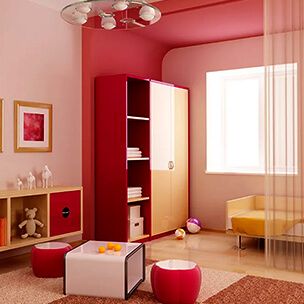
- North-Facing Rooms: Receive cooler, indirect light. Warm colors (yellows, creams, soft oranges) can make these rooms feel cozier.
- South-Facing Rooms: Bathed in warm, intense light. Cooler shades (blues, greens, greys) can balance the warmth and prevent the room from feeling too hot.
- East-Facing Rooms: Get bright, warm morning light, which fades in the afternoon. Any color can work, but consider a color that looks good with morning light, perhaps a warm neutral or a soft pastel.
- West-Facing Rooms: Receive intense, warm afternoon light. Similar to south-facing rooms, cooler tones can help balance the warmth, or you can embrace the glow with warm neutrals.
Evaluate Existing Furniture & Decor
Your wall color should complement your existing furnishings. If you have heavy, dark wooden furniture, lighter wall colors can provide balance. If your furniture is light and modern, you might consider a deeper accent wall for contrast. Always think about how the colors will interact with your textiles, rugs, and artwork – which are often vibrant in Indian homes.
Test, Test, Test: The Power of Swatches
Never commit to a color based solely on a paint chip. Purchase small sample cans and paint large swatches (at least 2×2 feet) on different walls in your room. Observe them at different times of day and under various lighting conditions. This step is non-negotiable for making an informed decision.
Consult Local Experts (or online inspiration)
Many Indian paint brands (Asian Paints, Nippon Paint, Berger, JSW Paints) offer online visualizers or in-store consultants who can provide expert advice tailored to your specific needs and preferences. Browsing their color palettes can provide excellent inspiration.
Bringing Indian Aesthetics to Your US Home
For those of you in the US eager to infuse your homes with Indian aesthetics, the good news is that the core principles are universally applicable. You can absolutely achieve that vibrant, welcoming Indian look!
- Color Matching: While specific Indian paint brands might not be readily available, major US paint companies (Sherwin-Williams, Benjamin Moore, Behr, Valspar) can often custom-match colors if you have a physical swatch. Alternatively, explore their existing palettes for close approximations of the earthy neutrals, jewel tones, and pastels popular in India.
- Focus on Warmth: Prioritize colors with warm undertones (creams, yellows, oranges, reds) or deep, rich hues (emerald, sapphire) to evoke the vibrant energy of Indian homes.
- Layer with Decor: The paint is just the beginning. Enhance the Indian aesthetic with decorative elements. Think:
- Textiles: Rich silks, block-printed cottons, embroidered cushions, vibrant throws.
- Furniture: Carved wooden pieces, low seating, ornate accent tables.
- Lighting: Lanterns, brass lamps, ambient lighting to create warmth.
- Art & Artifacts: Traditional paintings, pottery, metallic decor.
- Plants: Indoor greenery to bring in a natural, calming element.
- Embrace Handcrafted Elements: Indian design often celebrates the handmade. Look for artisans or stores that offer unique, handcrafted decor to complement your chosen paint colors.
Conclusion: Your Indian-Inspired Color Journey Awaits
Choosing the best interior paint colors for your Indian home – or an Indian-inspired home – is a deeply personal and exciting journey. It’s about more than just picking a shade; it’s about understanding cultural nuances, adapting to climate, and creating a space that resonates with warmth, harmony, and your unique personality. Whether you lean towards serene pastels, grounding neutrals, or vibrant jewel tones, remember to consider your room’s purpose, natural light, and the timeless wisdom of Vastu. With these insights, you’re now equipped to transform your walls into a canvas that tells your home’s beautiful story.