The Ultimate Guide to Pairing Paint Colors with Dark Wood Furniture (2024 Edition)
So, you’ve got beautiful dark wood furniture. Maybe it’s a treasured antique mahogany dresser, a sleek espresso dining table, or perhaps some inherited oak pieces with a rich, deep stain. Whatever it is, you love the gravitas and warmth it brings to your home. But now comes the million-dollar question: what paint color will truly make it sing?
Choosing the right wall color to complement dark wood furniture can feel like a high-stakes game. Pick the wrong shade, and your room might feel heavy, dated, or just… off. Pick the right one, and you unlock a synergy that transforms your space into something truly stunning – whether you’re aiming for airy and bright, cozy and traditional, or strikingly modern.
Forget the guesswork. This isn’t about random swatches; it’s about understanding the nuances of color theory and your specific wood. By the end of this guide, you’ll have the clarity and confidence to select a paint color that doesn’t just co-exist with your dark wood, but elevates it.
Decoding Your Dark Wood: Understanding Undertones is Key
Before you even think about paint swatches, you need to become a detective. Your dark wood furniture isn’t just “brown”; it has an undertone. This subtle hue peeking through the dominant color is your secret weapon, and ignoring it is the most common mistake people make.
Think of undertones as the personality of your wood. They can be warm (red, orange, yellow) or, less commonly in dark wood, neutral/cool. Understanding this will guide whether you choose a paint color to complement (match undertones), contrast (oppose undertones), or harmonize (use a balanced approach).
How to Spot Your Wood’s Undertone:
- The White Paper Test: Hold a pure white sheet of paper next to your wood. This neutral backdrop helps isolate the underlying colors.
- Compare to Other Woods: Look at your furniture next to other pieces. Does it lean redder than the cherry, or yellower than the walnut?
- Natural Light is Best: Observe the wood in various lighting conditions, especially natural daylight, as artificial light can skew perception.
Here’s a quick guide to common dark wood types and their typical undertones:

| Dark Wood Type | Typical Appearance & Undertone | Common Paint Pairing Strategy |
|---|---|---|
| Mahogany | Rich reddish-brown to deep red. Strong Red/Purple Undertones. | Contrast with cool greens/blues, or complement with deep, muted warm tones. |
| Walnut | Dark brown with grayish, purplish, or sometimes reddish hints. Varies (often cooler brown, sometimes purple/red). | Versatile; works well with warm grays, greiges, blues, and creams. |
| Cherry (Dark Stained) | Deep, often glossy brown with prominent red tones. Strong Red/Orange Undertones. | Cool contrasts like blues and greens are popular; warm creams for softness. |
| Espresso/Wenge | Very dark, almost black brown. Often neutral, sometimes subtle red/yellow. | High contrast with crisp whites, cool grays, or dramatic jewel tones. |
| Dark Oak/Mission Style | Medium to dark brown, often with visible grain. Yellow/Orange/Golden Undertones. | Softer cool grays, muted greens, or creamy off-whites to balance warmth. |
Your Strategy: Blend, Contrast, or Harmonize?
Once you know your wood’s undertone, you can decide on your design objective. There are three main paths to take:
Blend: Creating a Seamless, Cohesive Look
This strategy involves choosing paint colors with similar undertones to your wood. The goal is a unified, often cozy or sophisticated space where the furniture integrates smoothly with the walls. For instance, pairing a warm-toned dark wood (reddish mahogany) with a rich, muted warm paint color (like a creamy beige or a warm greige with red undertones) can create an enveloping, traditional feel.
Contrast: Making Your Furniture Pop
Opting for contrast means choosing a paint color with opposing undertones or a significantly lighter/darker shade. This makes your dark wood furniture stand out as a focal point, adding visual interest and often brightening the room. If your wood has strong red undertones, a cool blue or green paint will create a striking contrast. Espresso furniture, almost black, contrasts beautifully with crisp whites or light grays.
Harmonize: A Balanced Approach
Harmonizing involves using colors that are neither direct blends nor stark contrasts, but rather exist in a complementary relationship. This often means using neutral colors with a subtle nod to the wood’s undertone, or soft, muted versions of contrasting colors. A soft greige that has both warm and cool elements can harmonize beautifully with many dark woods, creating a balanced and refined aesthetic without being too bold.
Top Paint Color Families for Dark Wood Furniture (with Specific Recommendations)
Now, let’s dive into the exciting part: specific paint colors that consistently shine when paired with dark wood furniture. Remember to consider your wood’s undertones and your desired strategy!
The Brighteners & Lighteners: Whites, Off-Whites & Creams
These are your go-to if you want to make a room feel expansive, fresh, and bring a clean, crisp counterpoint to heavy dark wood. They offer maximum contrast and can visually lighten even the darkest pieces.

- Creamy Whites: These whites have subtle yellow or beige undertones, making them feel warm and inviting. They soften the intensity of dark wood without making it feel stark. Great for traditional or rustic styles.
- Sherwin Williams Alabaster (SW 7008): A soft, warm white without being overtly yellow. Fantastic for creating a cozy, yet bright atmosphere.
- Benjamin Moore White Dove (OC-17): A versatile, slightly off-white that reads clean but not cold. Perfect for balancing warmer dark woods like cherry or mahogany.
- Cooler Whites: These possess subtle gray or even blue undertones, providing a crisp, modern contrast. Best for contemporary spaces or when you want to emphasize a sleek look.
- Sherwin Williams Pure White (SW 7005): A true, clean white with minimal undertones, offering a sharp contrast to dark wood.
- Benjamin Moore Chantilly Lace (OC-65): Often called the “perfect white,” it’s incredibly crisp and clean, ideal for making dark furniture pop in a minimalist setting.
The Sophisticates: Grays & Greiges
Grays and greiges (a blend of gray and beige) offer a modern, sophisticated backdrop for dark wood. They can be incredibly versatile, providing either a cool contrast or a warm embrace depending on their undertones.
- Warm Grays/Greiges: These have a healthy dose of beige or brown, making them feel inviting and preventing a room from feeling too cold. Excellent for harmonizing with warmer dark woods like oak or walnut.
- Benjamin Moore Revere Pewter (HC-172): A classic, mid-tone greige that can read more gray or beige depending on the light. It’s incredibly adaptable and provides a soft, sophisticated backdrop.
- Sherwin Williams Agreeable Gray (SW 7029): Another beloved greige, slightly lighter than Revere Pewter, with a perfect balance of warm and cool. It works with nearly any dark wood.
- Sherwin Williams Accessible Beige (SW 7036): A true greige that leans more beige than gray, bringing warmth and balance to cooler dark woods or complementing warmer ones.
- Cooler Grays: These grays have blue or purple undertones, creating a crisp, calming, and often contemporary feel. They provide a beautiful contrast to red- or orange-toned dark woods.
- Benjamin Moore Stonington Gray (HC-170): A beautiful light-medium cool gray that offers a subtle contrast and a serene atmosphere, especially effective with red-toned woods.
- Sherwin Williams Repose Gray (SW 7015): A popular light gray with subtle warm undertones, but still reads cool enough to contrast well with many dark woods without feeling stark.
The Calmers: Blues & Greens
Blues and greens, being cool colors, are natural counterparts to the warm undertones often found in dark wood (reds, oranges, yellows). They bring a sense of serenity, nature, and sophistication to a space.
- Soft Blues: Muted, ethereal blues can be incredibly soothing and create a beautiful, classic contrast with dark wood, especially those with reddish hues.
- Benjamin Moore Pale Smoke (2129-70): A greenish-gray-blue that shifts beautifully with light, offering a gentle, calming contrast.
- Sherwin Williams Sea Salt (SW 6204): A serene, muted green-blue-gray that’s incredibly popular for its calming effect. It brings a spa-like quality and beautifully balances warm dark woods.
- Deep Greens: For a bolder, more dramatic, or earthy look, deep greens can be incredibly striking. They create a sophisticated, jewel-box effect and lean into a rich, natural aesthetic.
- Farrow & Ball Green Smoke (No. 47): A sophisticated, smoky green that feels historic and cozy, providing a luxurious backdrop for dark wood.
- Sherwin Williams Evergreen Fog (SW 9130): A subtle, earthy green-gray that’s both calming and deeply elegant, perfect for a refined, natural look.
The Warm Hugs: Earth Tones & Beiges
If your goal is ultimate coziness, warmth, and a blend-focused aesthetic, earth tones and classic beiges are your friends. They create an inviting, grounded atmosphere.
- Rich Tans & Beiges: These can pick up on the warmer undertones in dark wood, creating a seamless, organic flow.
- Sherwin Williams Kilim Beige (SW 6106): A popular warm, light beige that offers a soft, enveloping feel, particularly good with brown-toned dark woods.
- Benjamin Moore Manchester Tan (HC-81): A classic, sophisticated beige that provides a warm, neutral backdrop, allowing dark wood to anchor the room.
The Unexpected Pops: Deep Jewel Tones (for bold statements)
For those unafraid of drama, deep jewel tones can create truly stunning, luxurious spaces. These are often best for accent walls or smaller rooms where you want a concentrated dose of impact.
- Deep Burgundy/Plum: Evokes richness and sophistication, especially with very dark, almost black wood, or deep mahogany.
- Navy Blue: A timeless classic that offers a dramatic yet elegant contrast to any dark wood, creating depth and a sense of refinement.
- Emerald Green: Paired with dark wood, this creates a stately, opulent, and slightly vintage feel.
Crafting the Perfect Vibe: Mood & Functionality
Your paint choice isn’t just about matching; it’s about creating an atmosphere. Consider what you want your room to feel like:
For a Bright & Airy Feel:
Opt for crisp whites (BM Chantilly Lace), light cool grays (BM Stonington Gray), or very pale, muted blues (SW Sea Salt). Use reflective surfaces and good lighting to amplify the effect.
For Cozy & Inviting Spaces:
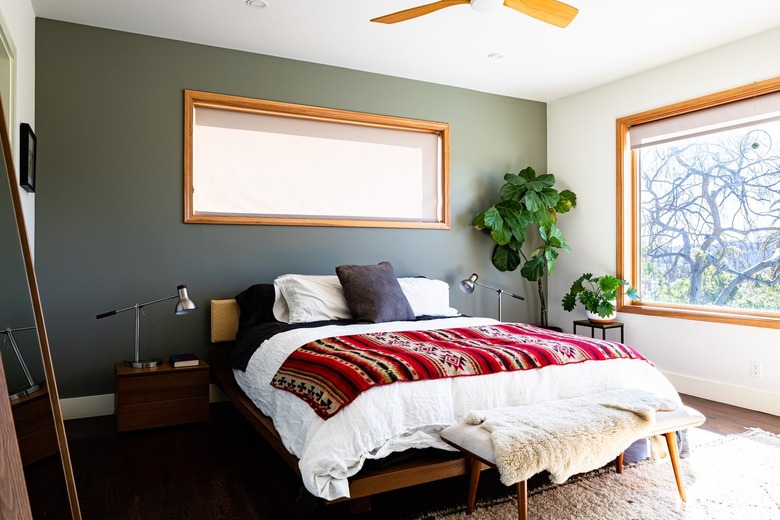
Lean into creamy off-whites (SW Alabaster), warm greiges (SW Accessible Beige), or even rich, deep greens (F&B Green Smoke) for an enveloping, intimate atmosphere. Darker walls can actually make a room feel cozier, not smaller, if chosen correctly.
For Modern & Minimalist Aesthetics:
Stick to true whites (SW Pure White), cool grays (SW Repose Gray), or even a deep charcoal. Clean lines and uncluttered spaces will enhance this look.
For Elegant & Traditional Rooms:
Classic choices include creamy whites, sophisticated warm grays (BM Revere Pewter), or muted blues and greens. These choices respect the gravitas of traditional dark wood furniture.
Here’s a matrix to help you visualize these pairings:
| Paint Color Family | Effect with Dark Wood | Ideal Mood/Room | Best Wood Undertones |
|---|---|---|---|
| Creamy Whites (e.g., SW Alabaster) | Soft contrast, brightens, adds warmth. | Airy, cozy, traditional living rooms, bedrooms. | All (especially good for softening strong reds/oranges). |
| Crisp Whites (e.g., BM Chantilly Lace) | Sharp contrast, clean, modern. | Modern, minimalist, contemporary, clean aesthetic. | Espresso, neutral dark browns. |
| Warm Grays/Greiges (e.g., BM Revere Pewter) | Sophisticated harmony, subtle warmth. | Refined, versatile, offices, dining rooms, living rooms. | All (harmonizes well with warmer woods). |
| Cool Grays (e.g., BM Stonington Gray) | Clean contrast, calming, contemporary. | Serene bedrooms, modern living areas. | Red/orange-toned woods (for contrast). |
| Soft Blues/Greens (e.g., SW Sea Salt) | Calming contrast, natural, spa-like. | Bedrooms, bathrooms, living rooms seeking tranquility. | Red/orange-toned woods (classic complement). |
| Deep Greens/Blues (e.g., F&B Green Smoke) | Dramatic, luxurious, enveloping. | Cozy studies, sophisticated dining rooms, accent walls. | Neutral dark woods, espresso, or bold contrast with warmer woods. |
| Warm Beiges/Tans (e.g., SW Kilim Beige) | Harmonious, inviting, earthy. | Cozy living rooms, traditional spaces, areas needing warmth. | Warmer dark woods (oak, some walnuts). |
Practical Tips for Choosing Your Paint Color
Theory is great, but execution is everything. Here are crucial steps to ensure your chosen paint color looks as good on your walls as it does in your head.
Test, Test, Test: Why Large Swatches Are Essential
Never skip this step! A tiny chip looks vastly different from a large painted area. Buy sample pots of your top 2-3 choices. Paint large (at least 2’x2′) swatches on multiple walls in your room. Observe them at different times of day – morning, afternoon, evening, with natural and artificial light. Colors change dramatically with light.

Consider Your Lighting: Natural vs. Artificial, Warm vs. Cool Bulbs
- Natural Light: Rooms with ample natural light can handle slightly darker or cooler colors. North-facing rooms tend to have cooler, bluer light, while south-facing rooms have warmer, brighter light. East-facing rooms get warm morning light, west-facing rooms get warm afternoon light.
- Artificial Light: The type of light bulbs you use is critical. Warm white (2700K-3000K) bulbs will enhance warm tones in your paint and wood. Cool white (3500K-4100K) or daylight (5000K-6500K) bulbs will bring out cooler tones and make colors appear crisper, sometimes harsher.
Factor in Room Size & Ceiling Height
- Smaller Rooms: Lighter paint colors generally make a small room feel larger and more open, especially when paired with dark furniture that can visually shrink a space.
- Larger Rooms: You have more freedom here. You can embrace darker, moodier colors to create intimacy, or keep it light and airy to emphasize spaciousness.
- Ceiling Height: Painting ceilings a lighter color than the walls or keeping them white can make them feel higher. Matching the ceiling color to the walls (especially with lighter shades) can create a seamless, expansive effect.
Don’t Forget Trim, Ceilings & Accessories: The Supporting Cast
Your wall color doesn’t work in isolation. Consider your trim, ceiling color, and existing accessories like rugs, curtains, and artwork. These elements should either match, complement, or subtly contrast your chosen wall color and dark wood, contributing to a cohesive overall design. For trim, a crisp white often looks stunning with dark wood and almost any wall color, providing a clean frame.
The “Fifth Wall”: Ceiling Colors
Don’t just assume white. Painting your ceiling a very light tint of your wall color, or even a pale sky blue, can add depth and interest. With dark wood, a ceiling that isn’t stark white can soften the overall look, preventing a too-harsh contrast.
Common Mistakes to Avoid
Even with all this knowledge, it’s easy to stumble. Here are the pitfalls to steer clear of:
- Ignoring Undertones: We’ve stressed this, but it bears repeating. A beautiful gray paint can look jarringly purple if your wood has strong yellow undertones and the gray leans blue.
- Choosing Too Dark in a Low-Light Room: While dark walls can be cozy, they can also make a room feel like a cave if there isn’t enough natural or artificial light to balance the dark wood and dark walls.
- Not Testing Colors in Your Specific Space: Relying on online photos or tiny paint chips is a recipe for disappointment. Every room’s lighting is unique.
- Overlooking Complementary Accents: The wall color is a backdrop. Ensure your textiles, decor, and art tie everything together, bridging the gap between your dark furniture and your chosen wall color.
- Playing It Too Safe (or Too Wild): Find a balance. Don’t feel you *have* to use only neutrals if you crave color, but also don’t pick a neon green if you’re aiming for timeless elegance.
Choosing the best paint color for your dark wood furniture is an exciting journey of discovery, not just a utilitarian task. By understanding your wood’s unique character, defining your desired aesthetic, and testing colors thoughtfully, you’re not just painting a wall – you’re crafting an experience. Embrace the richness of your dark wood, and let your chosen paint color reveal its true potential, transforming your house into a home you truly love.
Frequently Asked Questions
What are the best paint colors to brighten a room with dark wood furniture?
To brighten a room with dark wood furniture, opt for crisp whites (e.g., Benjamin Moore Chantilly Lace, Sherwin Williams Pure White), creamy off-whites (e.g., Sherwin Williams Alabaster, Benjamin Moore White Dove), or light, cool grays (e.g., Benjamin Moore Stonington Gray). These colors provide a strong contrast that visually lightens the space and makes the dark furniture pop.
Should I choose warm or cool paint colors for dark wood?
It depends on your dark wood’s undertones and your desired effect. If your wood has warm undertones (red, orange, yellow), cool paint colors (blues, greens, cool grays) will create an appealing contrast. If you want to create a cohesive, warm, and inviting space, choose warm paint colors (creamy whites, warm greiges, earthy beiges) that complement your wood’s existing warmth. Neutral colors like greiges often work well for both.
How do I identify the undertones in my dark wood furniture?
Hold a pure white piece of paper next to your dark wood furniture. This neutral background helps reveal the underlying colors. Look for hints of red (mahogany, dark cherry), orange (dark oak, some cherry), yellow (some older oaks, pine), or even subtle grays/purples (some walnuts). Observing the wood in natural daylight will give you the most accurate reading.
Can I use dark paint colors with dark wood furniture?
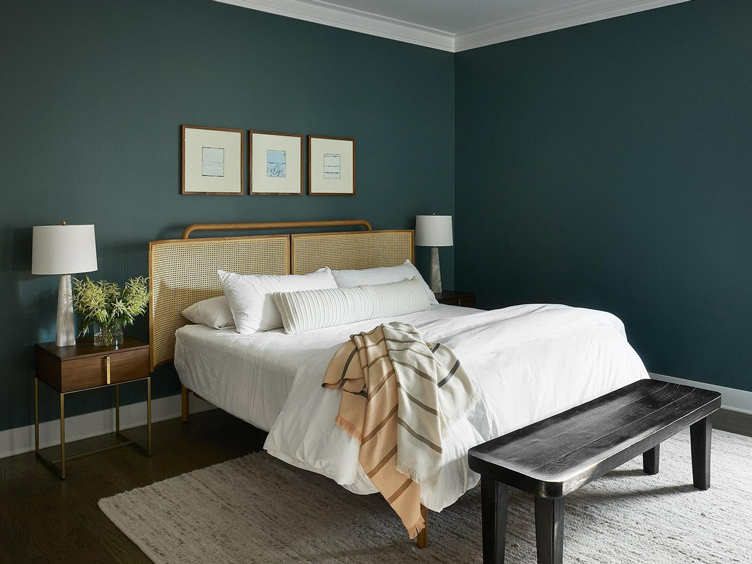
Yes, absolutely! Using dark paint colors (like deep greens, navy blues, or charcoal grays) with dark wood furniture can create a sophisticated, cozy, and dramatic “jewel box” effect. This works best in rooms with ample lighting to prevent the space from feeling too cavernous. The key is to choose colors that either share subtle undertones or provide a rich, harmonious contrast.
What paint sheen is best for walls with dark wood furniture?
For walls, an eggshell or satin sheen is typically recommended. Eggshell provides a subtle, soft luster and is durable, making it ideal for most living spaces. Satin has a slightly higher sheen, offering more durability and washability, often used in bathrooms or kitchens. Avoid flat finishes which can look dull and are harder to clean, and high-gloss finishes which can be too reflective for large wall areas.
How important is lighting when choosing a paint color for dark wood?
Lighting is critically important! Natural light sources (north, south, east, west-facing windows) and artificial light (warm vs. cool bulbs) dramatically impact how a paint color appears. A color might look vibrant in natural daylight but dull under warm artificial light. Always test paint samples on your walls and observe them at different times of day and under various lighting conditions to ensure you love the final result.
Are there any paint colors to avoid with dark wood furniture?
While personal preference plays a role, generally avoid paint colors that clash severely with your wood’s undertones without offering a pleasing contrast. For example, a strong yellow wall might look dated or overwhelming with dark, red-toned mahogany. Also, overly saturated or neon colors can often feel out of place with the classic gravitas of dark wood. The goal is balance and harmony, not visual discord.