The Definitive Guide to Choosing the Best Green Color for Your Bedroom Walls
Dreaming of a bedroom that feels like a serene sanctuary, a tranquil escape from the daily grind? Then you’re likely considering green for your walls. And you’d be spot on. Green isn’t just a color; it’s an experience, a connection to nature that inherently calms the soul and promotes rest. But with so many stunning shades out there, how do you pick the best green color for YOUR bedroom walls? It’s not about finding one ‘perfect’ green, but rather understanding which green will create the perfect mood and harmony in your unique space.
As an expert in color strategy and interior design, I’m here to guide you through the lush landscape of green paint. Forget generic lists; we’re diving deep into the psychology, the undertones, and the practicalities of making your bedroom an emerald haven.
Why Green is the Ultimate Bedroom Hue: A Deep Dive into Serenity
There’s a reason doctors’ offices often feature green elements, or why we instinctively feel better after a walk in the woods. Green has a profound, scientifically-backed impact on our well-being. And in a bedroom, where rest and rejuvenation are paramount, its power is amplified.
The Psychology of Green: Nature’s Embrace
Psychologically, green is associated with nature, growth, harmony, and balance. It’s the most common color in the natural world, which our brains interpret as a sign of life, safety, and abundance. This inherent connection makes us feel more grounded and relaxed when surrounded by it. It’s the color of renewal and fresh beginnings, perfect for waking up feeling refreshed.
The Physiological Benefits: Reduced Stress, Improved Sleep
Beyond feeling good, green actually does good. Studies suggest that exposure to green can:

- Reduce stress and anxiety: Its calming frequency has been shown to lower heart rate and blood pressure.
- Improve mood: Connecting to nature, even visually, can boost feelings of happiness and contentment.
- Aid concentration: While not the primary goal for a bedroom, a balanced mind helps with pre-sleep winding down.
- Enhance sleep quality: A calm environment is key to falling asleep faster and experiencing deeper, more restorative sleep.
Think about it: you want your bedroom to be a refuge. Green offers that refuge, wrapping you in a comforting embrace that whispers ‘relax.’
Navigating the Green Spectrum: Finding Your Perfect Shade
Not all greens are created equal. The vast spectrum, from vibrant lime to deep forest, each evokes a different feeling. The key is to understand what influences these perceptions.
Understanding Undertones: Blue, Yellow, Gray – Why They Matter
This is where most people get tripped up. An undertone is the subtle color lurking beneath the main hue, and it drastically changes how a green appears. It’s the difference between a cool, tranquil sage and a warm, earthy olive.
- Blue Undertones: These greens are cooler, more serene, and often feel spa-like or coastal. Think seafoam or celadon. They pair beautifully with cool whites and grays.
- Yellow Undertones: These greens are warmer, more inviting, and can range from vibrant chartreuse to muted olive. They feel organic and pair well with creams, browns, and natural woods.
- Gray Undertones: These are the chameleon greens, offering sophistication and subtlety. They’re often called ‘greige greens’ or ‘muddied’ greens, like sage or eucalyptus. They’re incredibly versatile and work with almost any decor style.
- Brown Undertones: More rare, these give greens a deep, rich, and earthy feel, like a moss green or a muted forest green, providing warmth and depth.
Ignoring undertones is the quickest way to end up with a color that clashes or feels ‘off.’ Always observe your paint samples in different lights to catch these subtle shifts.
Light and Its Impact: How Natural and Artificial Light Transform Green
Light is the ultimate color shifter. What looks perfect in the paint store can look entirely different on your wall.

- Natural Light:
- North-facing rooms: Receive cooler, dimmer light. Warm greens (yellow undertones) can help counteract the coolness, while cool greens (blue/gray undertones) might appear even darker and colder.
- South-facing rooms: Bathed in warm, bright light. Almost any green works here, but be aware that warm greens might intensify, and cool greens can provide a refreshing contrast.
- East-facing rooms: Get bright, warm morning light, then cooler light later. Choose a green that can handle both shifts gracefully.
- West-facing rooms: Receive warm, intense afternoon light. Similar to south-facing, but the dramatic shift can make colors appear very different morning vs. evening.
- Artificial Light:
- Warm bulbs (2700K-3000K): Enhance yellow and red undertones, making greens appear warmer and richer.
- Cool bulbs (3500K-5000K): Bring out blue and gray undertones, making greens appear crisper and cooler.
Always test your samples with both natural and artificial light sources that you’ll actually be using in your bedroom.
Room Size and Mood: Light vs. Dark, Expansive vs. Cozy
The intensity of your chosen green will dictate the perceived size and mood of your room:
- Light Greens: Think mint, pale sage, or celadon. These are excellent for smaller rooms, making them feel more expansive and airy. They create a refreshing, uplifting mood.
- Medium Greens: Shades like eucalyptus, moss, or classic sage. These offer a perfect balance, providing comfort without overwhelming the space. They create a harmonious, balanced mood.
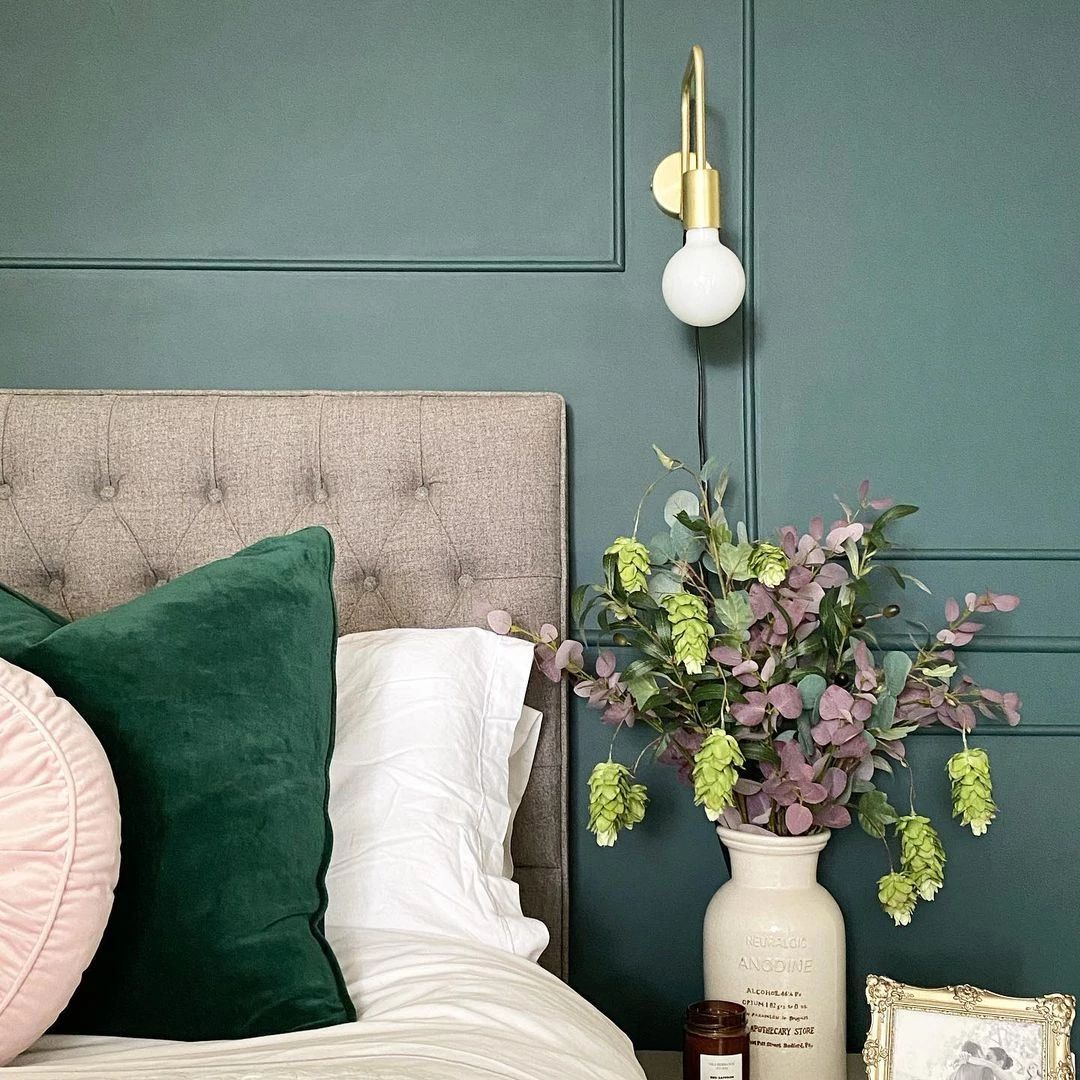
- Dark Greens: Deep forest green, emerald, or hunter green. Ideal for larger rooms where you want to create a dramatic, sophisticated, and incredibly cozy cocoon-like feel. They can make a statement and feel luxurious.
Top Green Paint Colors for a Dreamy Bedroom (With Detailed Reviews)
After analyzing countless shades and considering the specific needs of a bedroom, I’ve curated a list of greens that consistently deliver on mood, versatility, and aesthetic appeal. These are some of the most lauded and loved greens that can truly transform your sleep space.
Sage Green: The Calming Chameleon
Sage greens are arguably the most popular choice for bedrooms, and for good reason. Their muted, earthy quality makes them incredibly adaptable and endlessly soothing. They often have a significant gray undertone, giving them a sophisticated, almost neutral quality that blends beautifully with various decor styles.
- Benjamin Moore October Mist 1495: Voted Benjamin Moore’s Color of the Year in 2022, October Mist is a gently shaded sage that acts as a fantastic bridge between traditional and contemporary styles. It has a soft, greenish-gray-yellow undertone, making it feel organic and grounding. It shifts beautifully throughout the day, looking cool in certain lights and warmer in others. Pairs well with natural wood tones, crisp whites, and muted blues.
- Sherwin-Williams Evergreen Fog SW 9130: Another Color of the Year (2022), Evergreen Fog is a mid-tone, soothing gray-green with a hint of blue. It’s incredibly versatile, reading as more green in bright light and more gray in dimmer settings. It creates an enveloping sense of calm and sophistication without being too dark. Excellent with dark woods, creams, and brass accents.
- Farrow & Ball Mizzle No. 266: Mizzle is a delicate, earthy gray-green that has a wonderfully understated quality. It gets its name from West Country dialect for a misty drizzle, perfectly describing its atmospheric, subtle nature. It reads as a soft green but has distinct gray-brown undertones. Ideal for creating a soft, ethereal backdrop in both traditional and modern homes.
Mint & Soft Celadon: The Refreshing Whisper
For those who crave a lighter, airier feel, mint and soft celadon greens are perfect. They often carry a hint of blue, contributing to their refreshing, almost spa-like quality. They’re excellent for smaller rooms, making them feel more expansive and bright.

- Benjamin Moore Healing Aloe 1562: This is a quintessential spa-like green. Healing Aloe is a very light, soft green with pronounced blue and gray undertones. It’s incredibly serene and can sometimes read as a pale blue or soft gray depending on the light. Perfect for creating a tranquil, clean, and airy bedroom environment. Works beautifully with bright whites, light woods, and silver accents.
- Sherwin-Williams Sea Salt SW 6204: A hugely popular color, Sea Salt is a gentle green-gray-blue. It’s a true chameleon, appearing more green in some lights, more blue in others, and very gray in dim settings. It evokes a coastal, relaxing vibe, perfect for unwinding. It’s light enough not to overwhelm and calming enough to be ideal for a bedroom. Pairs well with bright whites, natural textures, and light-colored furnishings.
Olive & Deep Forest Green: The Earthy Embrace
If you’re aiming for a cozier, more grounding, and sophisticated feel, look towards olive and deeper forest greens. These shades bring a sense of richness and depth, often with warm, yellow or even brown undertones that make a bedroom feel like a comforting retreat.
- Benjamin Moore Spanish Olive 1509: A rich, muted olive green with noticeable yellow-brown undertones. Spanish Olive brings a lovely warmth and depth to a room, creating a very grounded and earthy feel. It’s not overly dark but provides enough saturation to make a statement. Excellent for a cozy, traditional, or even Mediterranean-inspired bedroom. Complements dark wood furniture, creams, and terracotta tones.
- Farrow & Ball Studio Green No. 93: For a truly dramatic and luxurious statement, Studio Green is an incredibly deep, almost black-green. It has subtle blue undertones that prevent it from feeling harsh, instead giving it an opulent, velvety quality. It creates an incredibly intimate and sophisticated cocoon, perfect for larger bedrooms or as an accent wall. Best paired with crisp white trim, rich fabrics, and metallic accents.
Blue-Green & Teal Greens: The Coastal Calm
These greens lean heavily into their blue side, offering a refreshing and sophisticated calm that often evokes images of the ocean or clear skies. They are fantastic for creating a sophisticated yet tranquil atmosphere.
- Benjamin Moore Quiet Moments 1563: This is a beautiful blend of blue, green, and gray, landing firmly in the blue-green family. Quiet Moments is slightly deeper than Healing Aloe but carries a similar serene, spa-like quality. It’s incredibly soothing and versatile, adapting well to different lighting conditions. It’s a go-to for creating a calm, reflective bedroom space. Pairs exquisitely with warm woods, creams, and deep navy accents.
- Sherwin-Williams Cascade Green SW 0066: A vibrant yet calming blue-green that truly captures the essence of a tranquil lagoon. Cascade Green has more saturation than Quiet Moments, making a bolder statement while still retaining its serene qualities. It’s fantastic for bedrooms where you want a pop of color that still contributes to a restful environment. Works well with crisp whites, natural textures, and hints of coral or peach.
Comparative Analysis: Best Green Bedroom Paint Colors
To help you visualize and compare these top picks, here’s a detailed table breaking down their key characteristics. Remember, paint colors are always best judged in your actual space with your lighting!
| Paint Name | Brand | Dominant Mood | Primary Undertone | Light Reflection | Best For… |
|---|---|---|---|---|---|
| October Mist 1495 | Benjamin Moore | Calming, Earthy | Gray-Yellow | Medium | Versatile, Modern Organic, Transitional |
| Evergreen Fog SW 9130 | Sherwin-Williams | Serene, Sophisticated | Gray | Medium | Modern, Tranquil, Minimalist Spaces |
| Healing Aloe 1562 | Benjamin Moore | Light, Airy, Spa-like | Blue-Gray | Light | Small Rooms, Coastal, Serene Retreats |
| Sea Salt SW 6204 | Sherwin-Williams | Coastal, Relaxing | Gray-Blue | Light-Medium | Bright Rooms, Beachy Vibes, Guest Rooms |
| Quiet Moments 1563 | Benjamin Moore | Tranquil, Sophisticated | Blue-Gray-Green | Light-Medium | Bedrooms, Bathrooms, Reflective Spaces |
| Spanish Olive 1509 | Benjamin Moore | Warm, Earthy, Traditional | Yellow-Brown | Medium-Dark | Cozy Rooms, Mediterranean, Traditional |
| Mizzle No. 266 | Farrow & Ball | Soft, Atmospheric | Gray-Brown | Medium | Transitional, Elegant, Understated |
| Studio Green No. 93 | Farrow & Ball | Dramatic, Luxurious | Blue-Black | Dark | Large Rooms, Statement Walls, Opulent |
Practical Steps to Choosing Your Green Bedroom Paint
Theory is great, but execution is everything. Follow these actionable steps to ensure you choose the green that’s truly best for your bedroom.
Step 1: Define Your Desired Mood
Before you even look at paint chips, close your eyes and imagine how you want your bedroom to feel. Do you want:
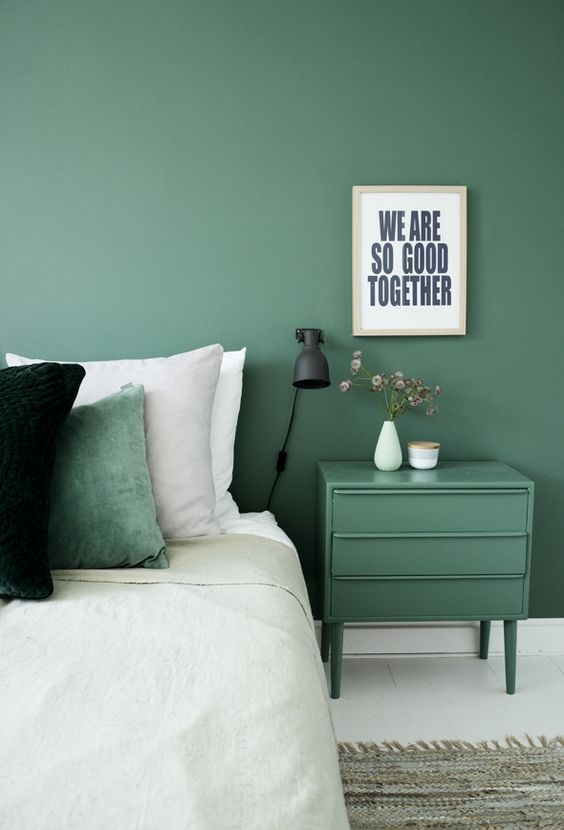
- A calm, spa-like retreat? Look for soft sages, blue-greens, or celadons.
- A cozy, earthy haven? Consider warmer olives or deeper moss greens.
- A dramatic, sophisticated boudoir? Dark forest greens or teals might be your answer.
- A fresh, uplifting space? Mint or very pale greens will work wonders.
Your desired mood is the compass that will guide all your other choices.
Step 2: Assess Your Room’s Lighting
As discussed, lighting is paramount. Stand in your bedroom at different times of the day (morning, midday, evening) and observe the quality of light. Is it bright and direct? Soft and diffused? Does it change dramatically? Consider the direction your windows face. This will help you decide if you need a warmer green to balance cool light or a cooler green to temper intense warm light.
Step 3: Consider Existing Elements
Unless you’re starting from scratch, your walls won’t be in isolation. Take stock of your existing furniture, flooring, bedding, and window treatments. Do you have warm wood tones or cool metal finishes? Are your fabrics patterned or solid? Choose a green that harmonizes with these elements, rather than clashing. For example, warm olive greens pair beautifully with oak and walnut, while cool sages look stunning with gray wash woods and chrome.
Step 4: Sample, Sample, Sample!
I cannot stress this enough: do not skip this step! Paint large swatches (at least 2’x2′) on multiple walls in your bedroom, not just one. Observe them throughout the day and into the evening. See how the colors change with natural light, artificial light, and against your existing furniture. Compare them side-by-side. This is the only way to truly understand how a color will behave in your unique space. Most paint companies offer peel-and-stick samples now, which are even better for testing!
Step 5: Pick the Right Sheen
The paint finish, or sheen, affects how the color appears and the durability of your walls.
- Matte/Flat: Absorbs light, offering a soft, velvety look that hides imperfections well. Ideal for a sophisticated, low-sheen finish in a bedroom, but less durable and harder to clean.
- Eggshell: Slightly more reflective than matte, with a soft sheen like an eggshell. It’s more durable and washable, making it a popular choice for bedrooms. A great balance of beauty and practicality.
- Satin: A mid-level sheen, smoother and more reflective than eggshell. More durable and easier to clean, but will highlight wall imperfections more. Can look lovely for a subtle glow.
For most bedrooms, I recommend an eggshell finish. It offers a beautiful depth of color without being too reflective, and it’s practical for everyday living.
Beyond the Walls: Harmonizing Your Green Bedroom Design
Once your green walls are chosen, it’s time to complete the picture. The surrounding elements will enhance and complement your chosen green, creating a cohesive and inviting space.
Complementary Colors: Neutrals, Metallics, Contrasting Accents
- Neutrals: Cream, off-white, beige, and soft grays are natural partners for any green. They provide a calm backdrop that allows the green to shine without overwhelming the space.
- Metallics: Brass, gold, and copper bring warmth and luxury, especially with richer, deeper greens. Silver and chrome offer a cooler, more modern touch, perfect for blue-greens or light sages.
- Contrasting Accents: Don’t be afraid to introduce subtle pops of color. Soft pinks, muted terracotta, navy blue, or even a deep plum can create interesting visual tension and add personality without disrupting the calm.
Textiles and Materials: Natural Fibers, Wood, Plants
Lean into the natural connection of green with your material choices:
- Natural Fibers: Linen, cotton, wool, and jute in bedding, curtains, and rugs will enhance the earthy, organic feel.
- Wood Tones: Whether light or dark, wood furniture (bed frames, nightstands, dressers) is a perfect companion for green walls, bringing warmth and grounding to the room.
- Indoor Plants: Bring even more of nature indoors! Living plants not only boost air quality but also add varying shades and textures of green, creating a multi-layered, serene environment.
Lighting and Accessories: Enhancing the Green Palette
Thoughtful lighting and accessories can elevate your green bedroom:
- Layered Lighting: Combine ambient (overhead), task (reading lamps), and accent (mood lighting) to create a versatile and inviting atmosphere. Warm light sources will make greens feel cozier.
- Mirrors: Strategically placed mirrors can bounce light around the room, making light greens feel brighter and adding depth to darker greens.
- Art: Choose artwork that complements your green walls, whether through harmonious colors or contrasting elements that draw the eye.
Common Green Bedroom Painting Mistakes to Avoid
Even with the best intentions, it’s easy to make missteps. Here are a few to watch out for:
- Ignoring Undertones: As we discussed, a green with the wrong undertone for your lighting or existing decor can throw off the entire room.
- Not Sampling Adequately: A tiny paint chip simply doesn’t tell the full story. Always test large swatches on your walls.
- Underestimating Light: Forgetting to observe how natural and artificial light interacts with your chosen green is a common pitfall.
- Overlooking Paint Sheen: Choosing too high a sheen can make a beautiful green look glossy and less inviting in a bedroom.
- Pairing with Clashing Colors: While accent colors are great, too many clashing hues can disrupt the tranquil vibe you’re trying to create with green.
Final Thoughts: Embrace the Green Revolution in Your Bedroom
Choosing the best green color for your bedroom walls is a journey of discovery – for your room, for your personal style, and for the mood you wish to cultivate. Green offers an unparalleled opportunity to create a space that nurtures well-being, promotes relaxation, and feels utterly beautiful.
Take your time, trust your instincts (after sampling, of course!), and allow the power of green to transform your bedroom into the peaceful, stylish sanctuary you deserve. Go forth and paint, my friend; your calmest sleep awaits!