The Ultimate Guide to Choosing the Best Paint Color for Your Bedroom Walls
Your bedroom isn’t just a room; it’s your sanctuary. It’s where you unwind, recharge, and start and end your day. So why settle for a paint color that doesn’t speak to your soul, soothe your senses, or perfectly reflect your style? Choosing the best paint color for your bedroom walls is about more than just aesthetics; it’s about crafting an environment that supports your well-being, promotes restful sleep, and sparks joy every time you walk in.
Forget the generic advice and the overwhelming sea of swatches. This definitive guide will cut through the noise, offering you expert insights and actionable strategies to find that perfect hue. We’ll explore color psychology, decode the impact of light, and reveal the most popular, timeless shades that will transform your bedroom into the oasis you deserve.
Understanding the Psychology of Bedroom Colors: More Than Just a Shade
Colors have a profound impact on our mood, emotions, and even our sleep quality. In a space as intimate as your bedroom, understanding this psychology is crucial. You want colors that invite calm, relaxation, and serenity, not stimulation or restlessness.
The Calming Power of Cool Tones (Blues, Greens, Purples)
Cool colors are typically found on the blue side of the color wheel. Think of ocean waters, clear skies, and lush forests. These shades are renowned for their ability to evoke feelings of peace, tranquility, and stability. They can actually help lower heart rate and blood pressure, making them ideal for a restful sleep environment.
- Blues: Associated with serenity, wisdom, and calm. Lighter blues feel airy and expansive, while deeper navies can be incredibly comforting and sophisticated.
- Greens: Symbolize nature, growth, and harmony. Sage, mint, and muted olive greens bring a sense of balance and freshness, connecting you to the natural world.
- Purples (light/lavender): Known for luxury, creativity, and spiritual calm. Lighter shades like lavender and lilac have a gentle, soothing quality, perfect for a dreamy bedroom.
The Cozy Comfort of Warm Tones (Reds, Oranges, Yellows, Browns)
Warm colors, found on the red side of the color wheel, are often associated with energy, passion, and coziness. While vibrant warm tones can be too stimulating for a bedroom, muted or earthy versions can create an incredibly inviting and intimate atmosphere.
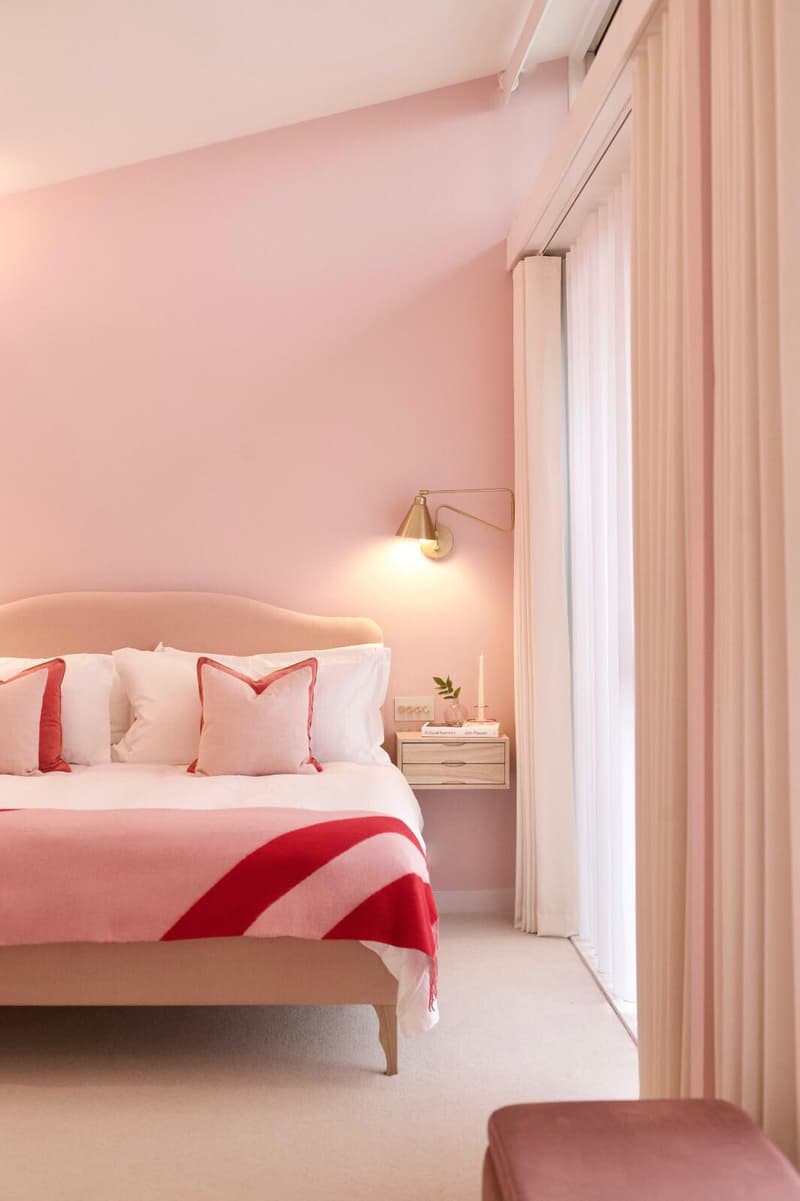
- Muted Reds/Terracottas: While bright red is a no-go, soft, muted terracotta or dusty rose can introduce warmth and a touch of romance without overstimulating.
- Soft Yellows/Golds: Bright yellows can be too energizing, but creamy, buttery yellows or soft golds can bring a subtle cheerfulness and warmth, especially in rooms lacking natural light.
- Earthy Browns/Neutrals: Rich chocolate browns, warm taupes, and sandy beiges create a grounded, cocoon-like feeling, perfect for deep relaxation.
The Serene Versatility of Neutrals (Grays, Whites, Beiges, Greiges)
Neutrals are the workhorses of interior design. They provide a clean, elegant backdrop that allows other elements in the room to shine. Far from boring, the right neutral can be incredibly sophisticated, calming, and adaptable, making them a consistently popular choice for bedrooms.
:strip_icc()/JetStream814-e85aa25624124da2a51aa16be0d25c8d.jpg "25 Calming Bedroom Paint Colors for a Restful Retreat")
- Whites: From crisp, pure whites to creamy, warm off-whites, this family offers a sense of purity, spaciousness, and calm. Warm whites are particularly inviting.
- Grays: Modern, chic, and incredibly versatile. Light grays can feel airy and sophisticated, while charcoal grays create a dramatic, enveloping retreat.
- Beiges & Greiges: Beige offers warmth and classic comfort, while greige (a blend of gray and beige) provides the best of both worlds – modern sophistication with a cozy undertone.
Top Bedroom Paint Colors That Never Go Out of Style (With Expert Picks)
While trends come and go, some bedroom paint colors have achieved classic status for their enduring appeal and proven ability to create a harmonious sleep environment. Here are the categories that consistently rank as the best choices for bedroom walls:
Soft Blues: For Tranquility and Rest
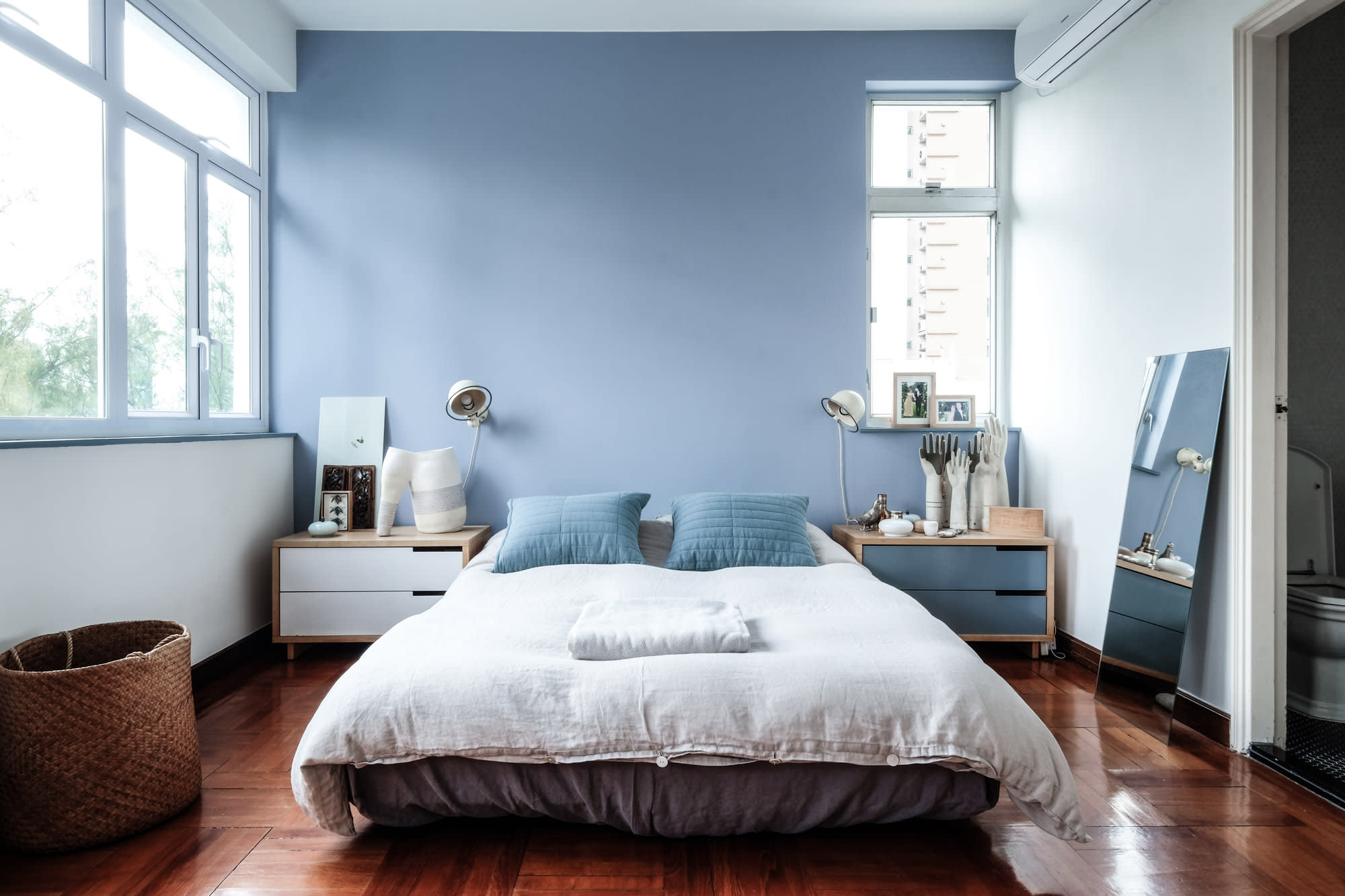
It’s no secret that blue is a perennial favorite for bedrooms, and for good reason. Soft, muted blues mimic the expansive sky and tranquil ocean, promoting feelings of peace and relaxation. Think beyond just “baby blue.” Explore shades like:
- Dusty Blue: A gray-infused blue that feels sophisticated and serene.
- Sky Blue: Light and airy, perfect for creating a spacious feel.
- Powder Blue: Gentle and comforting, a true classic.
- Teal (muted): A deeper, more saturated blue-green that offers depth without being overwhelming.
Why it works: Scientifically proven to lower heart rate and blood pressure, soft blues are the ultimate sleep aid in paint form. They create a serene backdrop that encourages unwinding.
Earthy Greens: Bringing Nature Indoors
As we spend more time indoors, bringing the soothing qualities of nature into our homes has become paramount. Earthy greens are incredibly grounding and rejuvenating, connecting you to the peace of the outdoors.
- Sage Green: A muted, sophisticated green with gray undertones, perfect for a spa-like retreat.
- Olive Green: Deeper and richer, evoking a sense of organic warmth and calm.
- Mint Green (muted): Light and fresh, offering a subtle pop of color that’s still incredibly soothing.
Why it works: Green is the color of nature, balance, and harmony. It’s easy on the eyes and promotes a sense of renewal, making it ideal for a bedroom.
Warm Whites & Creamy Off-Whites: Bright, Airy, and Versatile
Don’t dismiss white as boring! The right shade of white can be transformative, creating a bright, airy, and incredibly clean canvas. The key is to choose a warm white or an off-white with creamy undertones to avoid a stark, clinical feel.

- Alabaster White: A soft, warm white that provides a gentle glow.
- Creamy White: Off-whites with a hint of yellow or beige that feel inviting and cozy.
- Ivory: A slightly deeper, richer off-white that adds a touch of classic elegance.
Why it works: Warm whites reflect light beautifully, making small rooms feel larger and brighter. They offer immense versatility, allowing you to easily change your decor and bedding without repainting.
Calming Grays & Greiges: Modern Serenity
Grays have been a dominant force in interior design for years, and for good reason. They are sophisticated, versatile, and can create a wonderfully calming atmosphere. Greige, a warm gray with beige undertones, offers the best of both worlds.
- Light Gray: An airy, modern neutral that provides a sophisticated backdrop.
- Greige: Warm and inviting, this shade prevents a room from feeling too cold while retaining a contemporary edge.
- Charcoal Gray (accent or large room): For those who love a dramatic, cocooning feel, a deep charcoal can be incredibly luxurious and conducive to sleep, especially in larger rooms.
Why it works: Grays and greiges are incredibly adaptable, pairing well with almost any other color or decor style. They provide a sense of grounded tranquility and understated elegance.
Subtle Lavenders & Purples: A Touch of Sophistication
While bold purples might be too vibrant, delicate lavenders and muted purples can create a romantic, dreamy, and surprisingly soothing bedroom environment. These shades often evoke a sense of luxury and calm.
- Lavender: A gentle, pale purple that is deeply calming and often associated with relaxation and sleep (think lavender essential oil).
- Lilac: A slightly pinker, softer purple that feels fresh and inviting.
- Dusty Lilac: A more muted version, incorporating gray to create a sophisticated, understated elegance.
Why it works: These softer purples combine the stability of blue with the warmth of red in a gentle way, offering a unique blend of calming and comforting properties.
Deep Teal & Navy: Dramatic and Enveloping
For those who desire a bolder, more intimate bedroom, deep teal and navy can be excellent choices. These rich, saturated colors create a sense of being enveloped, perfect for a cozy, cave-like sleep space. They add a touch of drama and luxury without sacrificing serenity.
:max_bytes(150000):strip_icc()/Haywoodmade-7_11_23-9-9862376265fd401f87ace8fc1c5f45b0.jpg "18 Bedroom Paint Colors That Will Turn Your Space Into a Haven")
- Deep Teal: A sophisticated blue-green that feels luxurious and deeply calming, like the depths of the ocean.
- Navy Blue: A classic, elegant deep blue that provides a strong, grounding presence and sophisticated appeal.
Why it works: Darker colors absorb light, creating a perceived smaller, cozier space that feels incredibly safe and private, ideal for a deep sleep. They also pair beautifully with metallic accents and warm wood tones.
Beyond the Hues: Essential Factors When Choosing Bedroom Paint
The perfect color isn’t just about the shade itself; it’s about how it interacts with the rest of your room. Neglecting these factors is where most people go wrong.
The Impact of Natural and Artificial Light
This is perhaps the single most important factor. Paint colors look drastically different under various lighting conditions. A color that looks perfect in a brightly lit showroom might appear dull or overly intense in your bedroom.
- North-facing rooms: Receive cooler, indirect light. Warm whites, soft yellows, or colors with warm undertones (like greige) can help brighten and warm up the space.
- South-facing rooms: Bathed in warm, bright light throughout the day. Almost any color works here, but cool colors can help balance the intensity.
- East-facing rooms: Get bright, warm morning light, which turns cooler in the afternoon. Consider colors that look good in both lights, or embrace the morning glow with a soft green or blue.
- West-facing rooms: Receive warm, intense afternoon and evening light. Cool tones can help counteract the heat and strong glow.
- Artificial Light: Incandescent bulbs cast a warm, yellow glow; fluorescents are cool and blue; LEDs vary but often mimic daylight. Always test your paint with your room’s primary artificial light sources.
Room Size and Ceiling Height: Creating Illusions
Color can dramatically alter the perceived size and shape of a room.
- Small rooms: Lighter, cooler colors (like pale blues, greens, or warm whites) tend to make a room feel more expansive and open by reflecting light. Avoid overly dark or highly saturated colors that can make the space feel claustrophobic, unless you’re intentionally aiming for a cozy, cave-like effect.
- Large rooms: Can handle deeper, more saturated colors. Darker hues can make a large room feel cozier and more intimate, bringing the walls in visually.
- Low ceilings: Painting the ceiling a lighter color than the walls, or even a very pale version of the wall color, can make the ceiling appear higher. High gloss ceiling paint can also reflect light and visually lift the ceiling.
Existing Furniture, Flooring, and Decor: Harmonizing Your Space
Your wall color is just one piece of the puzzle. It needs to harmonize with your existing elements. Consider:
- Furniture: Do you have warm wood tones, cool metal, or upholstered pieces? Choose a color that complements them.
- Flooring: The color and material of your floor (carpet, wood, tile) will influence how the wall color appears.
- Bedding & Textiles: These are often the largest blocks of color after your walls. Ensure your chosen paint color creates a cohesive palette with your preferred bedding.
- Art & Accessories: Think of your walls as a backdrop. Will the paint color enhance your favorite artwork or clash with your decorative pieces?
Your Personal Style and Mood Goals
Ultimately, this is your bedroom. What mood do you want to create? Do you crave:
- A spa-like retreat? Think muted greens, soft blues, and warm grays.
- A cozy, intimate den? Consider deep teals, charcoal grays, or rich, earthy tones.
- A bright, airy sanctuary? Opt for warm whites, pale blues, or light greiges.
- A romantic escape? Explore dusty rose, soft lavender, or deep jewel tones.
Your personal preference is paramount. If a color makes you feel happy and relaxed, that’s the right color for you.
Paint Finish (Sheen): From Matte to Semi-Gloss
The finish of your paint drastically affects its appearance and durability.
- Matte/Flat: Absorbs light, offering a sophisticated, velvety look. Best for hiding wall imperfections. Less durable, so best for low-traffic areas like bedrooms.
- Eggshell/Satin: Has a slight sheen, making it more durable and easier to clean than matte. A popular choice for bedrooms, offering a soft glow without being too shiny.
- Semi-Gloss: Higher sheen, very durable and washable. Typically used for trim, doors, and high-moisture areas. Generally too shiny for bedroom walls.
For most bedrooms, an eggshell or satin finish strikes the perfect balance between aesthetics and practicality, offering a soft glow that enhances the color without being overly reflective.
How to Test Paint Colors Like a Pro (And Avoid Costly Mistakes)
This step is non-negotiable. Skipping it is the number one mistake people make, leading to disappointment and repainting.
Don’t Rely on Swatches: Paint Large Samples
Small paint chips can be incredibly deceiving. Instead, purchase sample pots of your top 2-3 choices. Paint large squares (at least 2’x2′) directly onto your bedroom walls, or on large poster boards that you can move around the room.
Observe Throughout the Day: Light Changes Everything
Watch how the colors change from morning to evening, under natural light, and under your artificial lights. A color might look serene in the morning, but too cold or too vibrant by night. This process takes time, but it’s invaluable.
Consider the Undertones
Every color has an undertone – a subtle hint of another color. A “gray” might have blue, green, or even purple undertones. A “white” might lean yellow, pink, or cool blue. These undertones become more apparent when painted on a large surface and can clash with your existing decor if not chosen carefully. If you’re unsure, ask for help at the paint store, or compare swatches next to true primary colors to discern their hidden leanings.
Expert Tip: Complementary Colors and Accent Walls
Don’t feel limited to a single color! An accent wall can add depth, interest, and personality to your bedroom without overwhelming the space. Choose one wall – often the headboard wall – and paint it a deeper or bolder version of your main wall color, or a complementary shade.
For example, if your main walls are a soft sage green, an accent wall in a deeper forest green or even a rich navy could look stunning. If you have warm white walls, a dusty blue accent wall can provide a calming focal point. This technique allows you to experiment with stronger colors in a controlled way and can dramatically elevate your bedroom’s design.
Table: Bedroom Paint Color Guide – Mood, Best Use, and Considerations
| Color Family | Psychological Effect | Best For… | Considerations |
|---|---|---|---|
| Soft Blues | Calm, Serenity, Tranquility, Promotes Sleep | Creating a restful oasis, spa-like feel, small rooms (expands space) | Can feel cool; balance with warm textures & lighting; watch for gray undertones. |
| Earthy Greens | Harmony, Nature, Balance, Rejuvenation | Bringing the outdoors in, natural decor styles, creating a sense of calm. | Avoid overly bright or acidic greens; subtle, muted shades work best. |
| Warm Whites & Creams | Purity, Spaciousness, Light, Airiness, Comfort | Brightening small rooms, versatile backdrop, minimalist or farmhouse styles. | Choose warm undertones to avoid starkness; test with your specific lighting. |
| Calming Grays & Greiges | Sophistication, Modernity, Grounding, Understated Calm | Contemporary homes, versatile decor, creating a chic, serene atmosphere. | Be aware of cool (blue/purple) or warm (beige) undertones; greige offers warmth. |
| Subtle Lavenders & Light Purples | Dreamy, Romantic, Soothing, Luxurious | Creating a unique, gentle sanctuary, feminine or bohemian styles. | Opt for muted or dusty shades; avoid overly saturated purples. |
| Deep Teals & Navys | Intimacy, Drama, Enveloping, Sophistication, Coziness | Large rooms, creating a den-like feel, luxurious or moody aesthetics. | Can make small rooms feel smaller; balance with ample lighting & lighter textiles. |
Colors to Approach with Caution (or Avoid) in the Bedroom
While personal preference is key, some colors are generally not recommended for a sleep sanctuary due to their stimulating nature. These are the shades that amp up energy, which is the opposite of what you want when trying to unwind.
Bright Reds & Oranges: High Energy, Low Rest
Vibrant reds and oranges are powerful, passionate colors that elevate heart rate and blood pressure. While fantastic for a dining room or living space where conversation and energy are desired, they can make it difficult to relax and fall asleep in a bedroom. If you love these hues, consider incorporating them as small accents in decor rather than on large wall surfaces.
Overly Saturated Yellows: Can Be Too Stimulating
Bright, pure yellows are joyful and energizing, associated with sunshine and happiness. However, too much intense yellow in a bedroom can feel overstimulating and even anxiety-inducing for some. If yellow is your preferred color, opt for very soft, buttery, or muted shades, or use it sparingly as an accent to bring a subtle warmth.
Final Thoughts: Your Bedroom, Your Oasis
Choosing the best color paint for your bedroom walls is a deeply personal journey. It’s about combining color psychology, practical considerations, and your unique aesthetic to create a space that truly serves its purpose: a haven for rest, relaxation, and rejuvenation.
Take your time, trust your instincts, and remember to test your chosen colors extensively in your room’s specific lighting conditions. With a little thought and careful consideration, you’ll uncover the perfect hue that transforms your bedroom into the ultimate personal sanctuary. Sweet dreams start with the right color on your walls!