Master Your Domain: The Definitive Guide to Bedroom Wall Colour Combinations for Men
Let’s be real: your bedroom isn’t just a place to crash. It’s your sanctuary, your personal retreat, the one space where you can truly express who you are without compromise. For too long, conversations about men’s bedroom design have been relegated to vague ‘bachelor pad’ stereotypes or a limited palette of grey and blue. But you’re beyond that, right?
You want a space that reflects your unique style, supports your mood, and feels undeniably *yours. And the fastest, most impactful way to achieve that? Through the right wall colour combination. It sets the foundation for everything else in the room.
Forget generic lists. This isn’t about slapping on a random shade. We’re diving deep into the psychology, the aesthetics, and the practical application of colour to help you craft a bedroom that doesn’t just look good, but feels* right. Ready to master your domain?
Beyond the Bachelor Pad: Understanding Your Style & Vibe
Before we even talk paint swatches, let’s talk about you. Your style isn’t a one-size-fits-all label. Are you the modern minimalist who values clean lines and calm spaces? The rugged adventurer who brings the outdoors in? The sophisticated gentleman with an eye for timeless design? Understanding your personal aesthetic is the first step to choosing a colour scheme that resonates.
The Psychology of Color: Setting the Mood
Colours aren’t just visual; they evoke feelings. They can calm, energize, inspire, or soothe. Tapping into this power means selecting a palette that aligns with the mood you want to cultivate in your most personal space.
- Blues: Think calm, sophisticated, intellectual. Perfect for unwinding after a long day. Darker blues add depth and luxury, while lighter blues offer serenity.
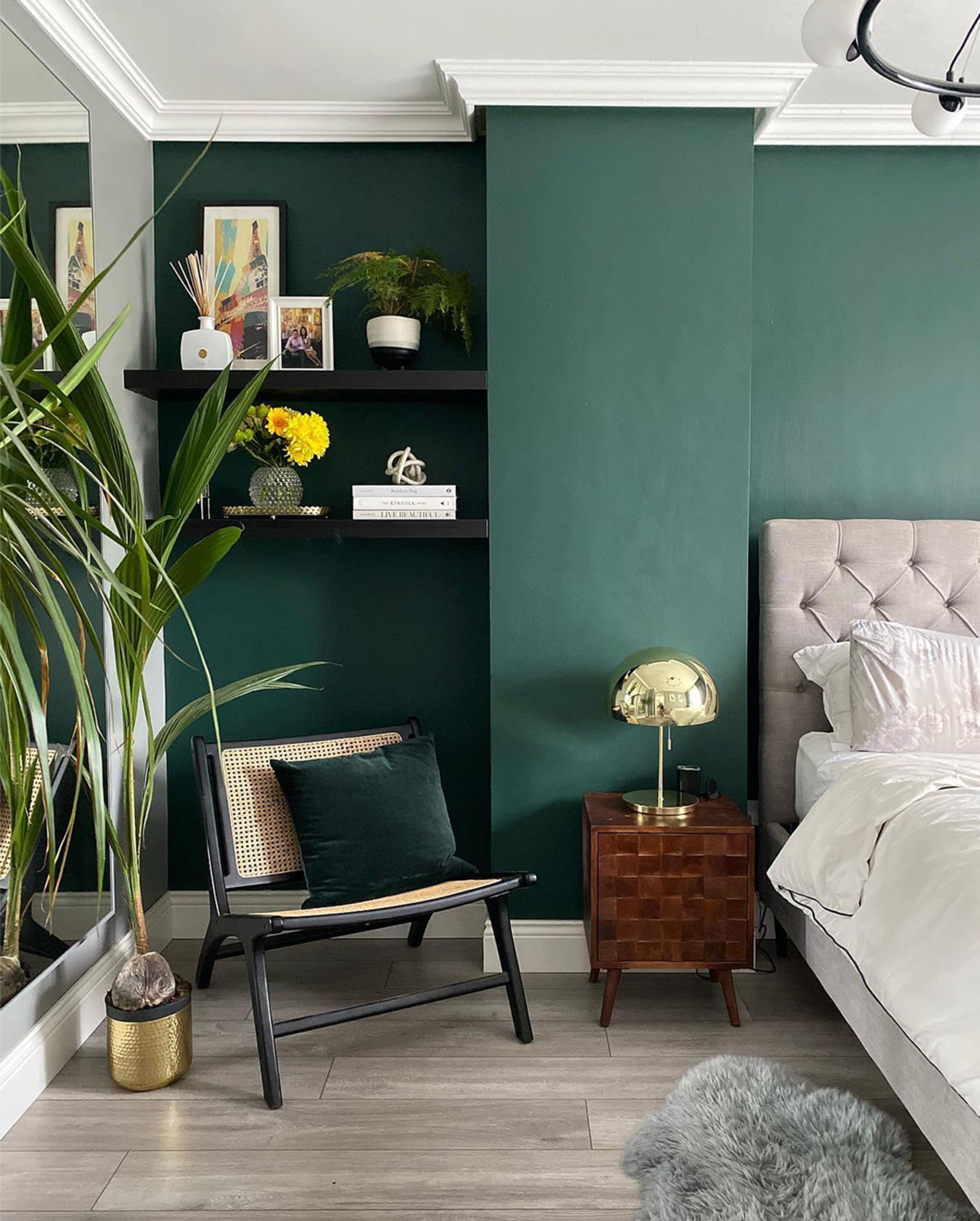
- Greens: Nature’s own palette, greens bring balance, tranquility, and a refreshing vibe. From deep forest to muted sage, they connect you to the outdoors.
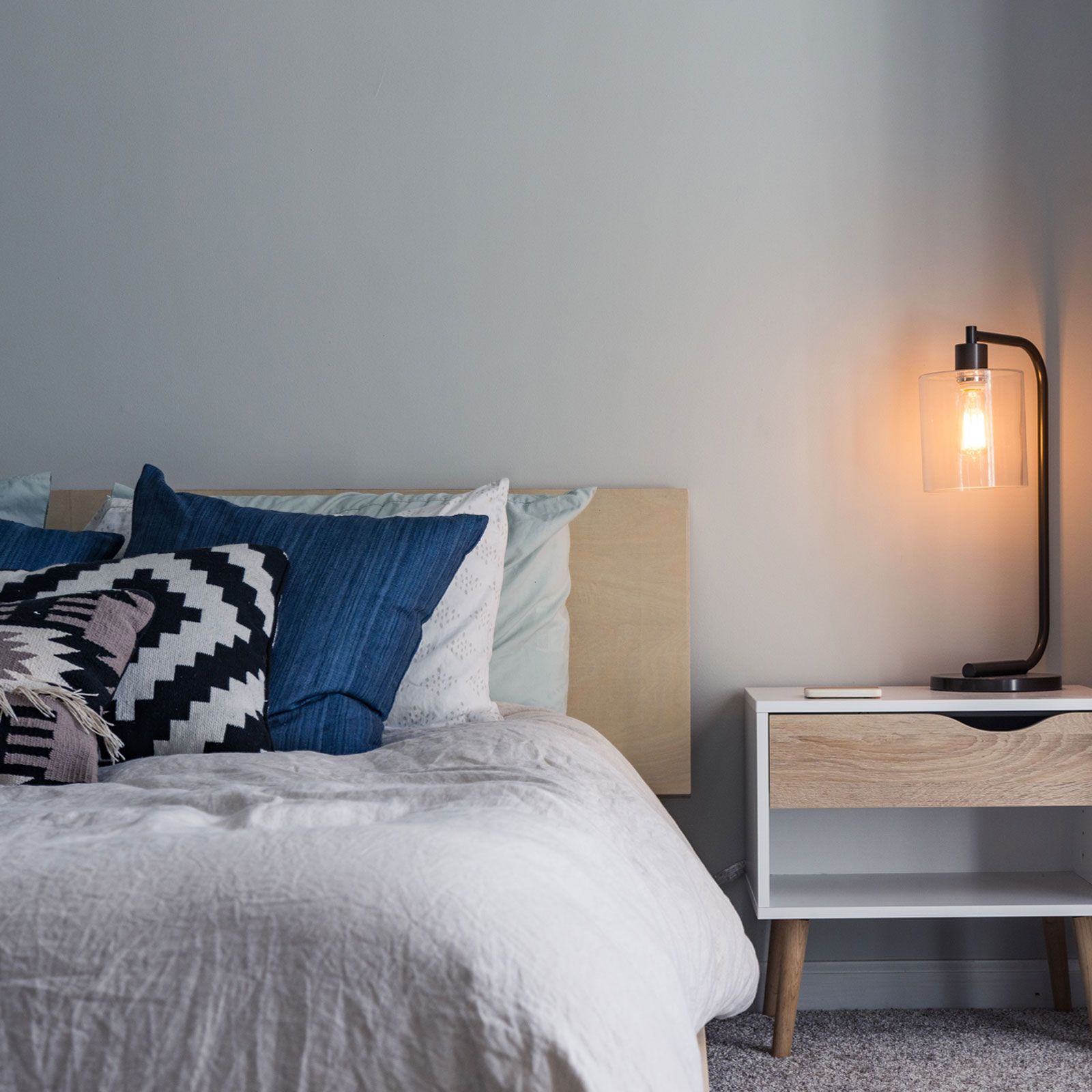
- Grays/Neutrals (Beige, Taupe, Greige): The ultimate chameleons. Modern, versatile, and grounded, they serve as an excellent canvas, allowing textures and furniture to shine. Warm grays feel inviting, cool grays feel sleek.
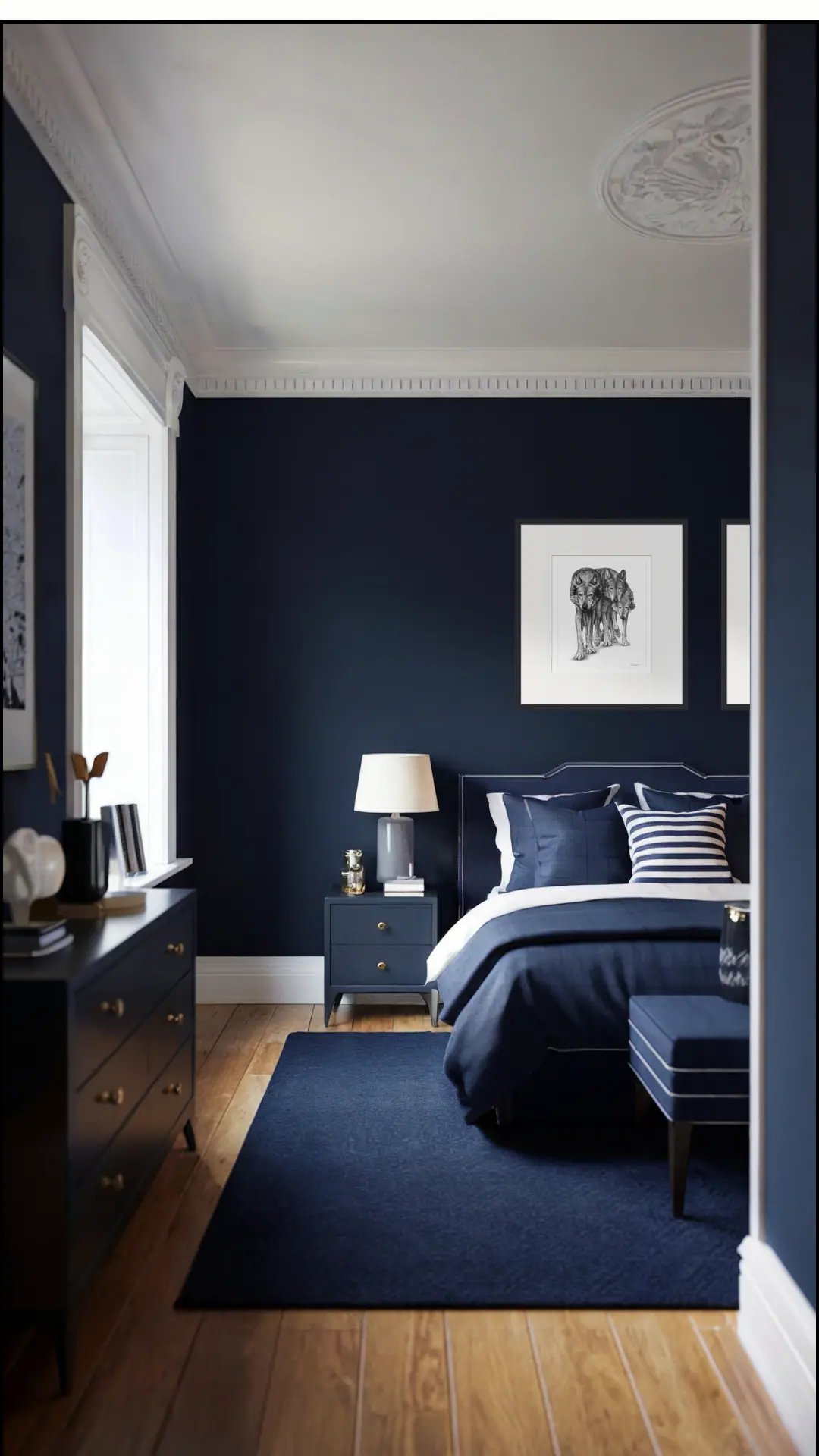
- Blacks/Darks (Charcoal, Deep Navy): Bold, luxurious, and intimate. Used strategically, dark colours can create a cocoon-like sanctuary, adding drama and sophistication without being overwhelming.
- Earth Tones (Browns, Terracotta, Ochre): Warmth, comfort, and a rugged, grounded feel. These colours evoke natural landscapes and bring a sense of stability.
- Accents (Deep Reds, Burnt Oranges, Mustard Yellows): These aren’t for primary wall colours in most bedrooms, but as accent walls or decor, they can inject energy, passion, or creative inspiration. Use sparingly for maximum impact.
Top Tier Wall Colour Combinations for Men: Curated for Impact
It’s not just about picking a single colour; it’s about the harmony between two or three. Here are six distinct, powerful wall colour combinations, specifically curated for men, that go beyond basic and offer a true reflection of diverse styles.
1. The Modern Minimalist: Sleek, Calm, Understated
- Combination: Cool Gray (Main Walls) + Crisp White (Trim/Ceiling) + Charcoal Gray (Accent Wall)
- Why it Works: This combination is the epitome of contemporary sophistication. Cool grays create a serene, uncluttered backdrop, while crisp white keeps the space feeling open and airy. A charcoal accent wall adds depth and a focal point without overwhelming the minimalist aesthetic. It speaks of order, clarity, and thoughtful design.
- Best For: Smaller rooms that need to feel expansive, those who appreciate clean lines, modern furniture, and a tranquil, Zen-like atmosphere.
- Enhance With: Metallic accents (brushed chrome, matte black), geometric patterns in textiles, and abstract or minimalist art.
2. The Industrial Edge: Urban, Raw, Authentic
- Combination: Concrete Gray (Main Walls) + Deep Navy or Black (Accent Wall/Trim) + Exposed Brick (Faux or Real) / Dark Wood
- Why it Works: This look celebrates the raw elegance of urban environments. Concrete gray provides a rugged yet refined base, while deep navy or black accents lend gravitas and sophistication. The inclusion of an exposed brick texture (or a clever wallpaper imitation) introduces a crucial element of industrial charm, balancing the coolness of the grey.
- Best For: Loft apartments, urban dwellers, those who appreciate a rugged yet sophisticated aesthetic, and spaces with modern-industrial furniture.
- Enhance With: Leather furniture, metal fixtures (black iron, copper), exposed filament bulbs, and distressed wood elements.
3. The Classic Gentleman: Timeless, Refined, Inviting
- Combination: Sage Green or Deep Olive (Main Walls) + Cream/Off-White (Trim/Ceiling) + Dark Wood Tones (Walnut/Mahogany furniture/accents)
- Why it Works: This palette evokes a sense of heritage, warmth, and understated luxury. Sage or deep olive greens are calming and sophisticated, offering a timeless backdrop that feels both classic and fresh. Cream or off-white trim provides a gentle contrast, and the natural richness of dark wood furniture grounds the space with a sense of enduring quality.
- Best For: Individuals with traditional or vintage furniture, those seeking a cozy yet elegant retreat, or anyone who values a mature, balanced aesthetic.
- Enhance With: Tufted upholstery, antique maps or botanical prints, natural fabrics like linen and wool, and brass or bronze accents.
4. The Rugged Outdoorsman: Earthy, Grounded, Adventurous
- Combination: Forest Green or Deep Teal (Accent Wall) + Warm Tan/Beige (Main Walls) + Dark Brown/Terracotta (Minor Accent/Textile)
- Why it Works: Bringing the serenity and robustness of nature indoors, this combination is perfect for those who feel at home in the wilderness. Warm tan or beige walls create a cozy, grounded base, while a deep forest green or teal accent wall evokes lush landscapes or deep waters. Touches of dark brown or terracotta through decor add another layer of natural texture and warmth.
- Best For: Rustic themes, log cabin or modern lodge aesthetics, natural materials, and a relaxed, unpretentious atmosphere.
- Enhance With: Reclaimed wood furniture, stone accents (fireplace, decor), woven textures (rugs, blankets), and landscape photography or wildlife art.
5. The Urban Explorer: Bold, Energetic, Dynamic
- Combination: Midnight Blue (Main Walls) + Burnt Orange or Mustard Yellow (Accent Wall/Art) + Light Gray (Trim/Ceiling)
- Why it Works: For the man who’s not afraid to make a statement, this combination is vibrant, modern, and full of personality. Midnight blue provides a deep, sophisticated base, while a strategic pop of burnt orange or mustard yellow introduces energy and creative flair. Light gray keeps the overall scheme balanced and prevents it from feeling too heavy. It’s about dynamic contrast.
- Best For: Creative individuals, larger rooms that can handle bold colours, those with contemporary furniture and a desire for a unique, energetic space.
- Enhance With: Abstract art, graphic patterns, unique and modern lighting fixtures, and textured fabrics.
6. The Bold & Dramatic: Luxurious, Intimate, Powerful
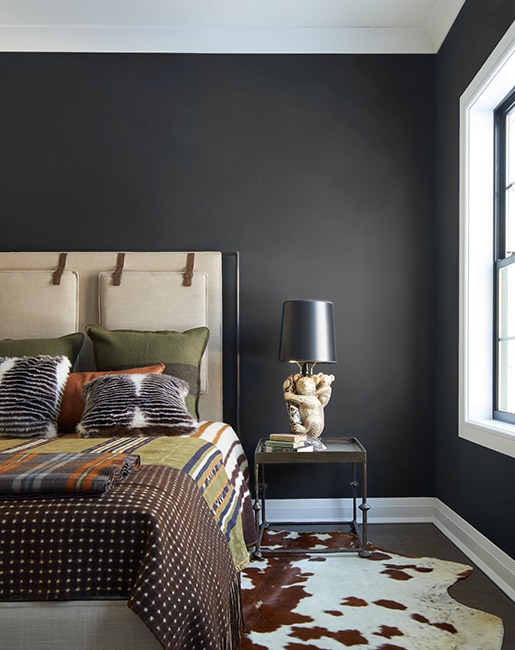
- Combination: Deep Charcoal Gray or Black (Main Walls) + Rich Emerald Green or Deep Burgundy (Accent Wall) + Gold/Bronze (Metallic Accents)
- Why it Works: This is a high-impact combination designed to create a truly luxurious and intimate sanctuary. Deep charcoal or black on the main walls wraps the room in a sophisticated embrace, while an emerald green or deep burgundy accent wall adds a jewel-toned opulence. Metallic gold or bronze accents elevate the entire scheme, lending a touch of grandeur and warmth.
- Best For: Larger rooms with high ceilings, individuals who crave a dramatic and cocooning effect, and those who appreciate a touch of refined luxury.
- Enhance With: Velvet upholstery, reflective surfaces (mirrors, glass), sophisticated mood lighting, and high-quality, tactile fabrics.
How to Choose YOUR Perfect Combination: A Practical Framework
Feeling inspired? Great. Now, let’s nail down the perfect combo for your specific space.
1. Assess Your Space: Size, Light, and Existing Elements
- Room Size: Lighter colours tend to make a small room feel larger and more open. Darker colours can make a large room feel cozier and more intimate.
- Natural Light: How much natural light does your room get? North-facing rooms receive cooler light, which can be warmed up with paint. South-facing rooms get warmer light, which can balance cooler tones.
- Existing Elements: What’s staying? Your flooring (carpet, wood), large furniture pieces, or built-in shelving should inform your colour choices. You want cohesion, not clashing.
2. Define Your Desired Mood: Calm, Energetic, Sophisticated?
Refer back to the psychology of colour. Do you want your bedroom to be a serene escape, a vibrant personal hub, or a sleek, sophisticated haven? Let the mood be your compass.
3. Consider Your Lifestyle & Personality
Are you a minimalist, a collector of unique items, an avid reader, or a gamer? Your bedroom should support your daily life and showcase your personality. If you have a lot of colourful art, a neutral backdrop might be best. If your furniture is very understated, a bold wall colour can provide the necessary punch.
4. The Power of the Accent Wall
An accent wall is a game-changer. It’s an opportunity to introduce a bold colour or texture without overwhelming the room. Typically, the wall behind your headboard is the ideal spot, drawing the eye and grounding the bed as the focal point. But consider other options: a wall with a window, a built-in bookshelf, or even a section of the ceiling for unexpected drama.
5. Don’t Forget the Details: Trim, Ceiling, & Beyond
- Trim: White is classic and crisp. Matching trim to your main wall colour creates a seamless, modern look. Darker trim can frame lighter walls beautifully.
- Ceiling: Often overlooked, a ceiling painted a few shades lighter than your walls, or even a very light, soft version of your wall colour, can elevate the space. White is safe, but don’t be afraid to experiment.
- Doors: Keep them consistent with trim or, for a dramatic statement, match them to an accent wall.
6. Test, Don’t Guess!
This is crucial. Paint large swatches (at least 2’x2′) on different walls and observe them throughout the day. Light changes everything. What looks good online or on a tiny chip can look completely different in your room’s unique lighting.
Enhancing Your Chosen Palette: Textures, Lighting, & Furniture
Your wall colours are the star, but the supporting cast makes the show. To truly master your bedroom’s aesthetic, think holistically.
Layering Textures: Adding Depth and Comfort
A monochromatic room can feel flat without texture. Introduce tactile elements like:
- Wood: From sleek modern finishes to rustic reclaimed wood.
- Leather: Headboards, accent chairs, or even small decor items.
- Metal: Industrial light fixtures, bed frames, decorative objects.
- Wool & Linen: Rugs, blankets, throw pillows for warmth and softness.
- Stone/Concrete: Via decor or accent panels.
Lighting as a Design Element
Lighting profoundly impacts how colours appear. Think in layers:
- Ambient Lighting: General overhead light (dimmable is key).
- Task Lighting: Reading lamps, bedside lamps.
- Accent Lighting: Up-lights, picture lights to highlight art or architectural features.
- Warm vs. Cool Bulbs: Choose bulbs (measured in Kelvin) that complement your colour scheme. Warmer light (2700-3000K) enhances earthy tones and creates a cozy feel. Cooler light (3500-4000K) pairs well with grays and blues for a modern, crisp look.
Furniture & Decor: The Supporting Cast
Your furniture and decor should harmonize with your wall colours, not compete. If your walls are bold, opt for more understated furniture. If your walls are neutral, you can introduce stronger furniture pieces or more vibrant art. Always aim for balance.
Common Mistakes to Avoid (And How to Fix Them)
- Too Much Dark Without Balance: A dark room can be luxurious, but without lighter elements (ceiling, trim, bedding, lighting) it can feel cavernous or oppressive. Add contrasts.
- Ignoring Natural Light: Painting a north-facing room a cool blue can make it feel freezing. Use warmer tones to compensate, or embrace the coolness.
- Not Testing Colors: We can’t stress this enough. A tiny swatch is not enough. Buy sample pots and paint large sections.
- Forgetting the Ceiling and Trim: These are integral parts of your colour scheme. Don’t default to builder’s white if it doesn’t fit your vision.
- Over-Accessorizing: Even the most beautifully painted room can be ruined by clutter. Curate your decor. Less is often more, especially in a masculine space.
Color Combination Comparison Table
| Combination Name | Primary Wall Colors | Vibe/Mood | Best For | Key Accents & Materials |
|---|---|---|---|---|
| Modern Minimalist | Cool Gray, Crisp White, Charcoal Accent | Sleek, Calm, Understated | Small rooms, contemporary furniture, tranquil spaces | Metallic finishes (chrome), geometric patterns, minimalist art |
| Industrial Edge | Concrete Gray, Deep Navy/Black, Exposed Brick/Dark Wood | Urban, Raw, Authentic | Loft styles, modern-industrial furniture, urban dwellings | Leather, metal (iron), exposed bulbs, distressed wood |
| Classic Gentleman | Sage Green/Deep Olive, Cream/Off-White, Dark Wood Tones | Timeless, Refined, Inviting | Traditional furniture, cozy retreats, mature aesthetics | Tufted upholstery, antique prints, natural fabrics, brass |
| Rugged Outdoorsman | Warm Tan/Beige, Forest Green/Deep Teal Accent, Dark Brown/Terracotta | Earthy, Grounded, Adventurous | Rustic themes, natural materials, relaxed atmosphere | Reclaimed wood, stone accents, woven textures, landscape art |
| Urban Explorer | Midnight Blue, Burnt Orange/Mustard Yellow Accent, Light Gray | Bold, Energetic, Dynamic | Creative individuals, larger rooms, statement pieces | Abstract art, graphic patterns, unique lighting, textured fabrics |
| Bold & Dramatic | Deep Charcoal Gray/Black, Emerald Green/Deep Burgundy Accent, Gold/Bronze | Luxurious, Intimate, Powerful | Larger rooms, high ceilings, luxury aesthetic | Velvet, reflective surfaces, mood lighting, high-quality fabrics |
Your bedroom is a reflection of your identity. It’s the one space that’s truly yours, and the wall colour combination you choose dictates its entire personality. By moving beyond conventional ideas and embracing a palette that speaks to your personal style and desired mood, you’re not just painting walls—you’re crafting an experience.

So, take this guide, assess your space, define your vibe, and don’t be afraid to experiment. Your ultimate bedroom awaits. Go ahead, make it undeniably yours.
Frequently Asked Questions
What are the most popular bedroom wall colour combinations for men?
The most popular combinations often revolve around sophisticated neutrals like cool grays and crisp whites, industrial tones combining concrete gray with deep navy, or classic palettes featuring sage green and cream. Earthy greens with warm tans are also gaining popularity for a grounded, rugged feel.
How do I choose a wall colour combination that reflects my personal style?
Start by identifying your preferred aesthetic (e.g., modern minimalist, industrial, classic, rugged). Then, consider the mood you want to create (calm, energetic, luxurious). Match these to colour psychology and specific combinations. Always assess your room’s size, natural light, and existing furniture to ensure harmony.
Can dark colours work in a small men’s bedroom?
Yes, dark colours can work in a small bedroom by creating a cozy, intimate, and sophisticated ‘cocoon’ effect. The key is balance: use lighter trim, ceiling, bedding, and strategically placed lighting to prevent the room from feeling too enclosed or oppressive. A single dark accent wall can also add depth without overwhelming the space.
Should the trim and ceiling be the same colour as the walls?
Not necessarily. While classic white trim offers a crisp contrast, painting trim a few shades lighter or darker than the walls can create subtle depth. Matching trim to the wall colour provides a sleek, modern, seamless look. The ceiling can be white, a lighter version of the wall colour, or even an unexpected complementary shade for dramatic effect.
How important is lighting when choosing bedroom wall colours?
Lighting is extremely important. It significantly impacts how colours are perceived. Natural light’s direction (north vs. south-facing) and the temperature of artificial light bulbs (warm vs. cool Kelvin) can drastically change a paint colour’s appearance. Always test paint swatches on your walls and observe them throughout the day under different lighting conditions.
What role do textures play in a masculine bedroom’s colour scheme?
Textures add crucial depth, warmth, and interest, especially with neutral or monochromatic colour schemes. Incorporating materials like wood, leather, metal, wool, and linen through furniture, rugs, bedding, and decor prevents a room from feeling flat and enhances the overall sensory experience of your chosen palette.
Are there any colour combinations to avoid for a men’s bedroom?
There aren’t strict ‘rules’ to avoid, but generally, be cautious with overly vibrant or clashing combinations that might feel too stimulating for a bedroom’s calming purpose. For example, a bright red and electric yellow might be overwhelming. Focus on cohesive palettes that evoke the desired mood without creating visual tension.