Unlock Your Dream Bedroom: The Ultimate Guide to Paint Colors with White Furniture
Staring at a bedroom full of beautiful white furniture, but utterly stumped on what color to paint the walls? You’re not alone. White furniture is a design chameleon, offering endless possibilities – which, ironically, can make choosing a paint color feel overwhelming. But here’s the secret: white furniture isn’t a limitation; it’s your biggest asset.
It acts as a brilliant blank canvas, allowing you to infuse personality, mood, and style into your space purely through your wall color. Whether you crave a serene sanctuary, a vibrant personal retreat, or a sophisticated modern haven, the right paint color will bring your vision to life. This guide will cut through the clutter, giving you clear, actionable strategies and stunning color ideas to transform your bedroom into exactly what you’ve been dreaming of.
Why White Furniture is Your Secret Weapon for Bedroom Design
Before we dive into color, let’s celebrate why white furniture is such a fantastic foundation for your bedroom design. It’s not just a trend; it’s a timeless choice, and here’s why:
- Unmatched Versatility: White goes with EVERYTHING. Seriously. This means your furniture will adapt beautifully whether your style shifts from bohemian chic to minimalist modern.
- Instant Brightness & Spaciousness: White reflects light, making even the smallest bedrooms feel larger, airier, and more open. It’s a magic trick for tight spaces.
- Clean & Fresh Aesthetic: There’s an inherent sense of cleanliness and calm associated with white. It provides a peaceful backdrop, perfect for a restful sleep environment.
- Highlights Other Elements: With white furniture, your wall art, bedding, and decorative accessories truly pop. The furniture steps back, allowing other elements to shine.
- Timeless Appeal: Unlike trendy colored furniture, white pieces rarely go out of style. This means a smarter, longer-lasting investment.
Because your furniture is so adaptable, the power of transformation lies entirely in your paint choice. Let’s figure out how to wield that power!
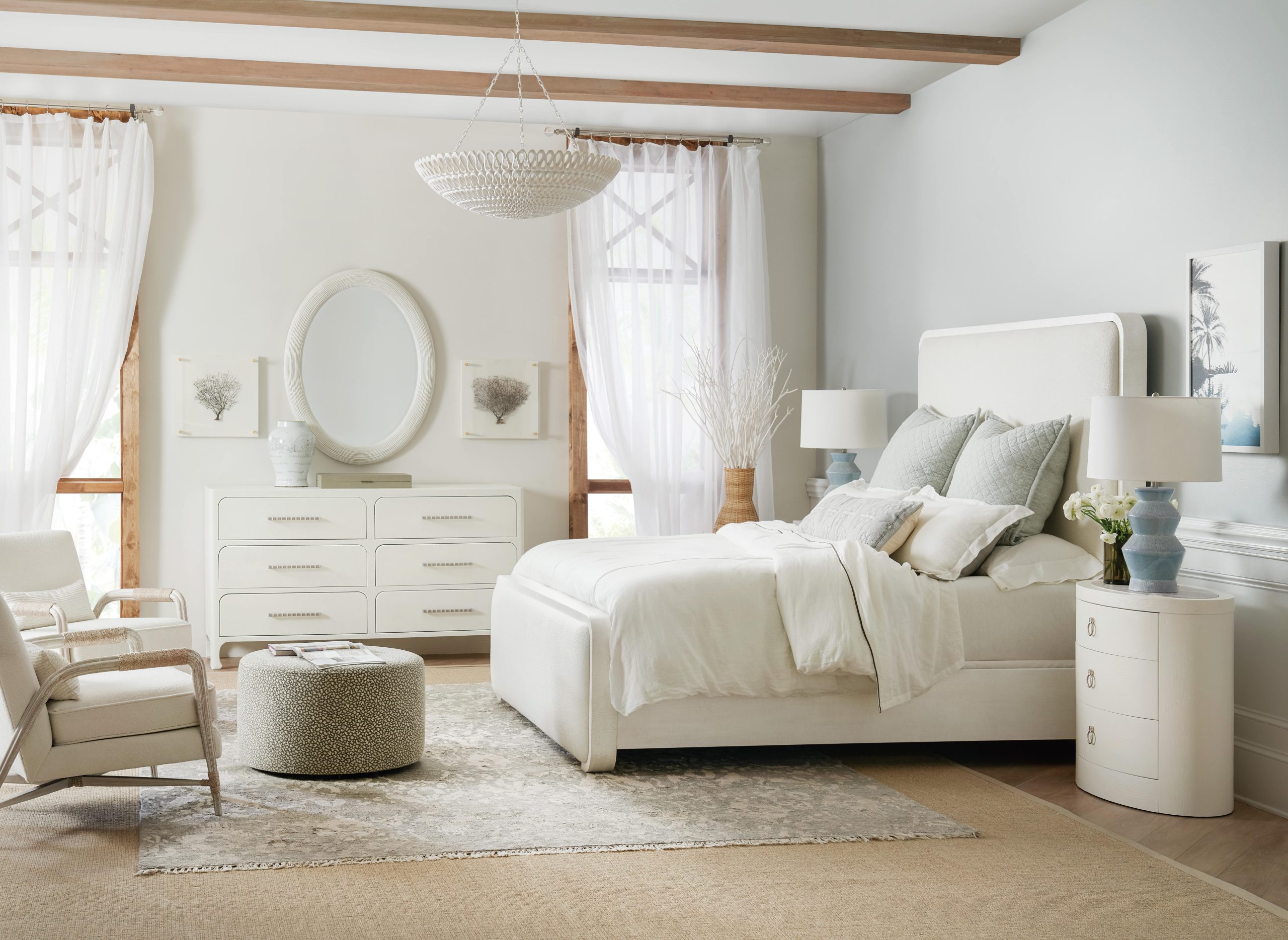
The Foundation: Understanding Color Principles for Your Bedroom
Choosing a paint color isn’t just about what looks pretty; it’s about understanding how color interacts with light, space, and even your mood. Getting these fundamentals right will empower you to make an informed decision you’ll love for years.
Light Reflectance Value (LRV): Why It Matters
Ever wonder why two “light gray” paints can look drastically different in your room? Part of the answer lies in LRV. This is a number, typically found on paint swatches or manufacturer websites, that indicates how much light a color reflects. LRV ranges from 0 (absolute black) to 100 (pure white).
- High LRV (60+): These colors reflect a lot of light, making a room feel brighter and more spacious. Great for smaller rooms or those with limited natural light.
- Low LRV (under 40): These colors absorb more light, creating a cozier, more intimate, or dramatic feel. They can make a large room feel more grounded.
When pairing with white furniture, a high LRV paint can amplify the bright, airy feel. A low LRV paint will create a striking contrast, allowing the white furniture to pop dramatically.
Undertones: The Unseen Influencers
This is where many people get tripped up! Every color, even seemingly neutral ones, has an undertone – a subtle hint of another color lurking beneath the surface. Undertones can be warm (red, orange, yellow) or cool (blue, green, purple).
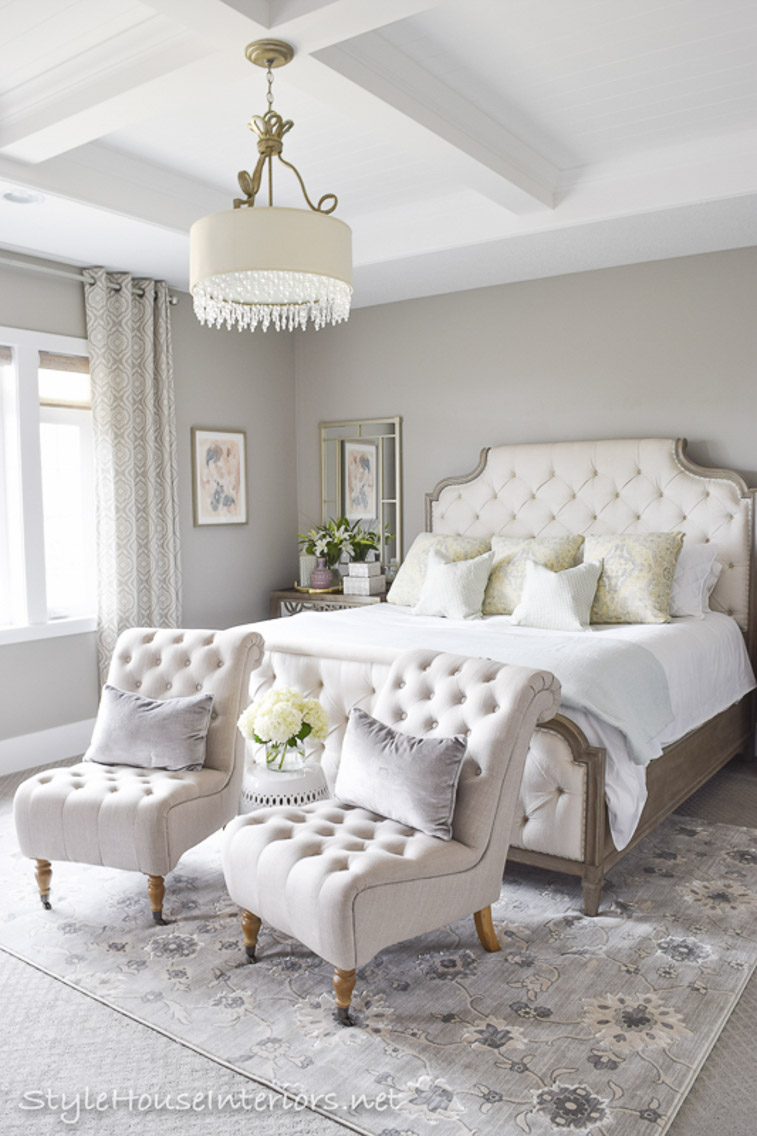
Why does this matter for white furniture? Your white furniture itself has an undertone. Is it a crisp, cool white, or a warmer, creamy white? Paying attention to the undertones in both your furniture and your chosen paint color ensures harmony:
- Cool White Furniture: Often looks best with cool-toned paints (blues, greens, grays with blue/green undertones) for a cohesive, fresh look.
- Warm White Furniture: Harmonizes beautifully with warm-toned paints (creams, beiges, grays with yellow/brown undertones, blush pinks) for a cozy, inviting feel.
- Intentional Contrast: You can also intentionally contrast undertones for a dynamic look, but proceed with caution and always sample first!
The Power of Psychology: How Colors Affect Mood
Your bedroom is your sanctuary, so the mood it evokes is paramount. Different colors are scientifically proven to affect our emotions and even our sleep quality. Consider what feeling you want your bedroom to inspire:
- Blue: Calm, serene, peaceful. Often associated with water and sky, promoting relaxation.
- Green: Nature, balance, rejuvenation. A tranquil choice for promoting well-being.
- Gray: Sophisticated, stable, modern. Can be soothing or sterile depending on the shade and undertone.
- Pink: Gentle, comforting, romantic. Muted tones are especially good for creating a soft atmosphere.
- Yellow: Optimistic, cheerful, energizing. Best used in softer, muted tones for a bedroom to avoid overstimulation.
- Dark Colors (Navy, Charcoal): Cozy, dramatic, intimate. Can feel luxurious and enveloping.
Top Paint Color Families for White Furniture: Your Go-To Palette
Let’s get to the good stuff! Here’s a breakdown of the most effective paint color families to pair with your white furniture, along with their unique benefits and how to make them work for you.
| Color Family | Mood & Vibe | Best White Furniture Pairing | Complementary Accents |
|---|---|---|---|
| Serene Neutrals (Grays, Beiges, Greiges, Off-Whites) |
Timeless, sophisticated, calm, versatile, understated elegance. | Works with all whites; especially good with crisp whites for contrast or creamy whites for seamless blending. | Wood tones, metallic accents (gold, silver), textured fabrics, natural fibers. |
| Cool & Calming Hues (Soft Blues, Muted Greens, Lavenders) |
Tranquil, peaceful, fresh, spacious, promotes relaxation. | Pairs beautifully with cool-toned white furniture; provides a refreshing contrast to warmer whites. | Silver or chrome accents, light wood, white linens, delicate patterns. |
| Warm & Inviting Shades (Dusty Pinks, Terracottas, Soft Yellows) |
Cozy, comforting, romantic, earthy, gentle energy. | Complements warm, creamy white furniture perfectly; softens crisp whites. | Gold or brass accents, natural wood, woven textures, botanical prints. |
| Bold & Dramatic Statements (Deep Navy, Charcoal, Emerald, Black) |
Sophisticated, intimate, luxurious, modern, high-contrast drama. | Creates striking contrast with all white furniture, making it truly pop. | Metallic accents (especially gold), rich textures (velvet), reflective surfaces, bright art. |
Serene Neutrals: Timeless Elegance and Calm
Neutrals are never boring when paired with white furniture; they become the epitome of understated elegance. They allow textures and natural light to take center stage, creating a truly peaceful retreat.

- Light Grays: From almost-white silver grays to deeper, moody charcoals, gray offers sophistication. Cool grays with blue undertones create a modern, crisp feel. Warm grays (often called “greige”) with beige or brown undertones are cozy and inviting.
- Beiges & Greiges: Moving away from the cool trend, warm beiges and greiges are making a huge comeback. They bring warmth without overwhelming the senses. They pair beautifully with creamy white furniture and natural wood accents.
- Off-Whites & Creams: If you love the all-white look but want more depth, layer different shades of white. A soft cream or ivory wall color with crisp white furniture creates a subtle, sophisticated contrast, adding warmth and visual interest.
Cool & Calming Hues: Bringing Tranquility Indoors
These colors are your go-to for creating a truly tranquil and spa-like atmosphere. They naturally promote relaxation, making them perfect for a bedroom.
- Soft Blues: Think sky blue, powder blue, or muted denim. Blues are universally calming and expansive. They make a room feel larger and more serene, especially when paired with crisp white furniture.
- Muted Greens: Sage green, seafoam, or eucalyptus greens evoke nature and promote balance. They are incredibly grounding and work well with both traditional and modern white furniture styles.
- Lilacs & Lavenders: These pastel purples are soothing and sophisticated. They can add a touch of romance or whimsical charm, especially lovely with more ornate white furniture.
Warm & Inviting Shades: Cozy Comfort
If you want your bedroom to feel like a comforting hug, warm shades are the answer. They create a sense of intimacy and coziness, perfect for unwinding.
- Dusty Pinks & Blushes: Far from childish, muted rose or blush pinks are incredibly chic and soothing. They create a soft, romantic atmosphere that pairs beautifully with crisp white or vintage white furniture.
- Warm Terracottas & Rusts: For an earthy, bohemian, or Mediterranean vibe, consider a soft terracotta or muted rust. These colors bring warmth and a grounded feel, making white furniture feel less stark and more integrated.
- Soft Yellows: A pale butter yellow or a creamy daffodil can bring gentle sunshine into your room. It’s uplifting without being overly stimulating, creating a cheerful yet relaxing space.
Bold & Dramatic Statements: For the Fearless Decorator
Don’t shy away from drama! White furniture provides the perfect balance to rich, deep colors, allowing them to truly shine without making the room feel too heavy.
- Deep Navy & Midnight Blues: These sophisticated blues create a luxurious, enveloping feel. With white furniture, they offer stunning contrast and depth, making the room feel intimate and chic.
- Charcoal Grays & Blacks: For a truly modern, minimalist, or industrial look, pair white furniture with deep charcoal or even soft black walls. The white furniture acts as a stark, clean highlight against the dark backdrop.
- Emerald Greens & Jewel Tones: Feeling bold? A rich emerald green, sapphire blue, or even a deep burgundy can create an incredibly opulent and vibrant bedroom. White furniture provides the necessary visual relief to keep the space from feeling overwhelming.
Master Your Room’s Unique Challenges with Paint
Every bedroom has its quirks. Here’s how to use paint to solve common design dilemmas when you have white furniture.

Small Bedrooms: Maximizing Space with Color
White furniture already helps here, but paint can amplify the effect:
- Opt for High LRV: Light, cool-toned colors (soft blues, pale grays, mint greens) will reflect the most light, making walls visually recede and the room feel more expansive.
- Consider an Accent Wall (Carefully): A single accent wall in a slightly deeper shade can add interest without closing in the space, especially if it’s the wall behind your bed. Ensure the other walls are very light.
- Monochromatic Scheme: Using an off-white or very pale neutral that’s just a shade or two off your white furniture can create a seamless, cohesive look that tricks the eye into seeing more space.
Rooms with Low Natural Light: Brightening the Space
If your bedroom doesn’t get much sunshine, fight back with intelligent color choices:
- Embrace Warm Whites & Creams: Instead of stark white, consider warm off-whites or creamy yellows. These colors have a sunny disposition that can counteract a lack of natural light.
- Choose High LRV & Warm Undertones: Select colors with a high LRV that also lean warm (e.g., a warm pale gray, a soft peach). These will reflect light and bring a cozy glow.
- Avoid Cool, Dark Tones: While tempting for drama, deep cool colors can make a low-light room feel cave-like. If you use them, do so sparingly on an accent wall.
Large Bedrooms: Creating Coziness and Definition
With ample space, you have more freedom to experiment with darker, richer colors that might overwhelm a smaller room:
- Go Deeper: Rich blues, deep greens, charcoal grays, or even sophisticated browns can make a large bedroom feel more intimate and inviting. White furniture will provide a beautiful contrast.
- Multiple Color Zones: Consider painting one wall a different, deeper shade to define a sleeping area or a reading nook within the larger space.
- Textured Finishes: For large walls, consider paints with subtle textures or even wallpaper on an accent wall to add depth and interest that a flat color might not achieve.
Beyond the Walls: Harmonizing Your Entire Bedroom Design
The walls are a huge component, but your bedroom’s overall feel comes from how all elements work together. With white furniture as your anchor, these details become even more impactful.
:max_bytes(150000):strip_icc()/131388791_1387731984915988_4840594025920657850_n-2fd4c433fe064f5aaafb83b757c50874.jpg "40 White Bedrooms That Are Anything But Boring")
Layering Textures and Materials
White furniture offers a clean slate, making it easy to introduce tactile interest:
- Linens: Think crisp cottons, soft velvets, slubby linens, or chunky knits for bedding.
- Wood Tones: A natural wood nightstand, a wicker basket, or a wooden headboard can add warmth and organic texture.
- Metals: Introduce warmth with gold or brass accents, or a modern edge with chrome or black metal.
- Rugs: A plush area rug can ground the space, add color, and provide softness underfoot.
Lighting the Scene
Lighting is crucial for setting the mood and showcasing your chosen paint color.
- Ambient Lighting: A central overhead fixture (with a dimmer!) provides general illumination.
- Task Lighting: Bedside lamps are essential for reading. Consider their style and light temperature.
- Accent Lighting: Wall sconces or up-lights can highlight architectural features or artwork.
- Color Temperature: Use warm white bulbs (2700K-3000K) for a cozy, inviting glow in the bedroom. Avoid cool white or daylight bulbs, which can feel harsh.
Accessorizing with Intent
This is where you infuse personality and reinforce your chosen color palette.
- Pillows & Throws: Easily introduce pops of complementary or contrasting colors and patterns.
- Artwork: Choose pieces that either echo your wall color or provide a vibrant counterpoint.
- Plants: Greenery adds life, freshness, and another layer of natural texture, complementing almost any color scheme.
- Mirrors: Strategically placed mirrors not only add a decorative touch but also reflect light, making your chosen paint color appear brighter and the room feel larger.
Practical Tips for Choosing and Applying Your Paint
You’ve got your ideas; now let’s make sure the execution is flawless.
Sample, Sample, Sample!
This cannot be stressed enough. Paint swatches on a tiny card are misleading. Purchase small sample pots of your top 2-3 choices and paint large (at least 2×2 foot) swatches directly on your wall.
- Observe Throughout the Day: Watch how the color changes in natural light (morning, midday, evening) and artificial light.
- Place Next to Furniture: Ensure you see the samples next to your white furniture to check for harmonious undertones.
Consider the Finish (Sheen)
The paint finish affects how the color appears and how durable it is:
- Matte/Flat: Absorbs light, creating a soft, sophisticated look. Great for hiding imperfections but less durable. Ideal for low-traffic bedrooms.
- Eggshell/Satin: Slightly more sheen than matte, more durable and easier to clean. A popular choice for bedrooms, offering a subtle glow.
- Semi-Gloss/Gloss: Highly reflective and very durable, best for trim, doors, or furniture, not typically for entire bedroom walls as it can highlight imperfections and be too shiny.
Don’t Forget the Ceiling
The fifth wall! Traditionally, ceilings are painted white, and with white furniture, this is a safe, bright choice. However, you can also:
- Paint the Ceiling the Same Color: For a truly immersive, cozy feel, especially with darker wall colors.
- Tint the Ceiling: Use a lighter shade of your wall color (e.g., 25-50% lighter) for a subtle continuation that adds height.
Your Dream Bedroom Awaits
With white furniture as your foundation, the potential for a truly stunning bedroom is limitless. You now have the knowledge to move beyond simple color preferences and make informed, strategic choices that consider light, mood, and overall design harmony. Don’t be afraid to experiment with samples, trust your instincts, and create a space that genuinely reflects your style and provides the sanctuary you deserve. Your dream bedroom is just a paint brush away!