How To Paint A Room Like A Professional: The Definitive Guide To Flawless Walls
Ever gazed at a beautifully painted room and wondered how the pros get those crisp lines and a perfectly smooth finish, while your DIY efforts often end in drips, uneven coats, or a general sense of ‘good enough’? You’re not alone. The secret to painting a room like a professional isn’t some innate artistic talent; it’s a systematic approach, the right tools, and an unwavering commitment to preparation.
I’m here to tell you that achieving that magazine-worthy finish is absolutely within your reach. Forget the shortcuts that lead to frustration. This isn’t just another step-by-step guide; it’s a deep dive into the mindset and methods that separate the hobbyist from the true craftsman. We’re going to uncover the ‘why’ behind every crucial step, equip you with the knowledge to select the best materials, and teach you the techniques that deliver a stunning, lasting result.
By the end of this guide, you won’t just know how to paint a room; you’ll understand how to paint it with confidence, precision, and a finish that makes your friends ask, “Who was your painter?” Let’s ditch the amateur mistakes and transform your space with a truly professional touch.
Why “Professional” Painting Isn’t Just About the Brushstroke (It Starts Before You Open the Can)
Think about a pro athlete. Their performance isn’t just about what they do on game day; it’s about the relentless training, strategic planning, and top-tier equipment they use behind the scenes. Painting is no different. The difference between an average DIY job and a professional one lies almost entirely in the unseen work: the planning, the preparation, and the quality of your materials. Professionals understand that a flawless finish is built from the ground up, long before a single drop of paint touches the wall.
/learn-how-to-paint-a-room-like-a-pro-1822378-10-0490951aca854683b40d31d08fb70aa9.jpg "How to Paint a Room Like a Professional")
The Unsung Hero: Planning Your Project
Before you even think about buying paint, you need a plan. This isn’t just about picking a color; it’s about understanding your space and setting yourself up for success.
- Color Selection: Beyond Aesthetics: A paint color doesn’t exist in a vacuum. Consider the room’s natural and artificial lighting throughout the day. A color that looks great on a chip might appear entirely different on a large wall, especially under various light sources. Think about the room’s function, existing furniture, and how the color will flow with adjacent spaces. Grab several sample pots and paint large swatches on different walls to see how they truly look.
- Estimating Paint: How Much Do You Really Need?: There’s nothing worse than running out of paint halfway through a job, especially if the store is out of that specific batch. A good rule of thumb is that one gallon of paint covers approximately 350-400 square feet with one coat. Measure the length and height of each wall, multiply them, then add them together for your total wall square footage. Don’t forget to account for a second coat, and sometimes a third if you’re making a dramatic color change or using a thin paint. It’s always better to have a little extra for touch-ups later.
- Choosing the Right Time: Humidity and Temperature: Believe it or not, the weather plays a role. Extreme humidity can extend drying times, leading to drips or a less durable finish. Very cold or hot temperatures can also impact paint adhesion and flow. Aim for moderate temperatures (60-80°F) and low to moderate humidity for optimal results. Ensure good ventilation to help paint dry evenly and to disperse fumes.
Investing Smart: Tools & Materials That Make a Difference
Trying to achieve a professional paint job with subpar tools is like a chef trying to make a gourmet meal with dull knives and cheap ingredients. It just won’t happen. Professionals know that quality tools and materials are an investment that pays off in ease of application, a superior finish, and durability.
The Paint: It’s Not All Created Equal
This is where many DIYers cut corners, but it’s arguably the most critical component. High-quality paints offer better coverage, durability, and a smoother finish, often requiring fewer coats.
- Types of Paint:
- Latex (Water-Based): This is the go-to for most interior walls. It dries quickly, cleans up easily with water, and is flexible, making it resistant to cracking. Modern latex paints are incredibly durable and come in a wide range of finishes.
- Oil-Based (Alkyd): Historically known for its hard, durable finish and excellent adhesion, especially on trim, doors, and cabinets. However, it takes longer to dry, requires mineral spirits for cleanup, and emits stronger fumes. It’s less common for general wall use now due to environmental concerns and the advancements in latex technology.
- Paint Sheens: The Finish Line: The sheen you choose dramatically impacts the look, durability, and cleanability of your walls.
- Primers: The Foundation of Perfection: Think of primer as the base coat that prepares your surface for optimal paint adhesion and color vibrancy.
- When to Use: When painting over bare drywall, patching areas, switching from a dark color to a light one, painting over glossy surfaces, or dealing with stains (water, smoke, grease).
- Types: There are general-purpose primers, stain-blocking primers (crucial for problem areas), and bonding primers (for slick or challenging surfaces like ceramic tile or laminate).
| Paint Sheen | Appearance | Durability & Cleanability | Best Use |
|---|---|---|---|
| Flat/Matte | No shine, velvety. Hides imperfections well. | Least durable, difficult to clean without marring. | Ceilings, low-traffic areas like formal dining rooms or bedrooms (for a soft look). |
| Eggshell | Slight, subtle sheen, like an eggshell. | More durable and washable than flat. Good balance. | Most common choice for living rooms, dining rooms, and bedrooms. |
| Satin | Noticeable luster, slightly higher sheen than eggshell. | Highly durable and very washable. Good for active areas. | Kitchens, bathrooms, hallways, kids’ rooms. Excellent for trim. |
| Semi-Gloss | Shiny, reflective finish. | Very durable and easy to clean. Resists moisture well. | Trim, doors, cabinets, high-moisture bathrooms, utility rooms. |
| High-Gloss | Mirror-like, highly reflective. | Extremely durable and washable. Shows imperfections easily. | Furniture, specialty accents, front doors. Rarely used on walls. |
Essential Pro-Grade Tools You Can’t Skip
Skimping on tools will always cost you more in frustration, time, and a less-than-stellar finish. Here’s what the pros use:

- Brushes: Invest in quality angled sash brushes (2-2.5 inches). Natural bristles for oil-based, synthetic (nylon/polyester) for latex. Good brushes hold more paint, release it smoothly, and maintain a sharp edge for cutting in.
- Rollers:
- Nap Size: The thickness of the roller cover’s fibers. Use a 1/4-inch to 3/8-inch nap for smooth walls, and a 1/2-inch to 3/4-inch nap for textured surfaces (like stucco or popcorn ceilings).
- Roller Covers: Woven or microfiber covers are superior to foam or basic synthetic types. They hold more paint, reduce lint, and leave a smoother finish.
- Roller Frame: A sturdy, comfortable frame is essential. Look for one that allows an extension pole to be easily attached.
- Painter’s Tape: Don’t just grab the cheapest blue tape. Different tapes are designed for different uses. Blue painter’s tape (21-day clean removal) is standard. For delicate surfaces or fresh paint, consider a low-tack green or yellow tape. Always buy a reputable brand for a clean release and crisp lines.
- Drop Cloths: Canvas drop cloths are vastly superior to plastic. They absorb drips, don’t slip as easily, and are reusable. Use plastic for covering furniture, but canvas for floors.
- Other Essentials:
- Putty Knife & Spackle: For filling holes and cracks.
- Sanding Sponges (220-grit): For smoothing patched areas and scuffing glossy surfaces.
- Caulk Gun & Acrylic Latex Caulk: For filling gaps between trim and walls/ceiling.
- 5-in-1 Tool: A painter’s best friend for scraping, cleaning rollers, opening cans, and more.
- Paint Tray & Liners: Make cleanup a breeze.
- Extension Pole: Crucial for rolling walls and ceilings efficiently without back strain or ladders.
- Cutting Pot (Small Bucket): A small, clean container for your cutting-in paint is more ergonomic than dipping into a gallon can.
- Stir Sticks: For thoroughly mixing paint.
The Golden Rule: Preparation is 90% of the Job
This cannot be stressed enough: the quality of your finished paint job is directly proportional to the quality of your prep work. This is where most DIYers cut corners, and it’s why their results often look, well, DIY. Professionals spend more time preparing a room than actually painting it. Embrace this phase, and you’ll love the results.
Clearing the Deck: Emptying and Protecting the Space
- Furniture Removal/Centralizing: Ideally, remove all furniture from the room. If not possible, move it to the center of the room and cover it completely with lightweight plastic sheeting.
- Covering Floors: Lay down canvas drop cloths across the entire floor. Overlap them slightly to prevent gaps. Secure them with painter’s tape if needed. Never rely solely on thin plastic sheeting for floor protection, as paint can seep through or create a slippery surface.
- Removing Fixtures: Take down curtains, blinds, wall decor, and light fixtures. Carefully remove all outlet covers and switch plates. Label screws and covers (e.g., in a zip-top bag for each switch/outlet) to make reinstallation easy.
The Wall Makeover: Cleaning, Patching, and Sanding
You can’t paint over dirt and damage and expect a smooth, lasting finish.
- Cleaning: Walls accumulate grime, dust, and grease, especially in kitchens and bathrooms. Wash walls with a solution of warm water and a small amount of mild, non-sudsing detergent (like TSP substitute) or a wall cleaner. Rinse thoroughly with clean water and allow to dry completely. This step is critical for paint adhesion.
- Patching: Fill all nail holes, dings, and cracks with spackle or joint compound using a putty knife. For larger holes, use a wall repair patch. Allow the filler to dry completely according to manufacturer instructions (this can take hours, or even overnight).
- Sanding: Once patches are dry, sand them smooth and flush with the wall using a fine-grit sanding sponge (220-grit). This creates a seamless surface. If painting over glossy paint, a light scuff sanding over the entire wall will help the new paint adhere better. Wipe down sanded areas with a damp cloth or tack cloth to remove all dust.
- Caulking: Inspect all trim where it meets the wall and ceiling. Fill any gaps with a bead of paintable acrylic latex caulk. Smooth the caulk with a wet finger or a caulking tool. This creates a professional, finished look and prevents paint from seeping behind trim.
Taping Off Like a Surgeon
Good taping is an art form that guarantees crisp, clean lines.
- Proper Application: Apply painter’s tape along all trim, baseboards, window frames, door frames, and where the wall meets the ceiling (if you’re not painting the ceiling the same color). Press the tape down firmly with your finger or a putty knife to ensure a tight seal and prevent bleed-through.
- When to Remove Tape: This is crucial! Remove tape when the paint is still slightly wet but not tacky (within an hour or two of your final coat). Pull it off slowly at a 45-degree angle. If you wait until the paint is fully cured, it can peel off with the tape, ruining your crisp line. If the paint is already dry, score the edge of the tape with a utility knife before peeling to prevent tearing.
The Art of Application: Mastering Pro Techniques
With your meticulous preparation complete, it’s time to bring on the color. But don’t just slop it on! These application techniques are what truly distinguish a professional finish.
:max_bytes(150000):strip_icc()/learn-how-to-paint-a-room-like-a-pro-1822378-09-bf19a37b3b3f41118274654027b9e082.jpg "How to Paint a Room Like a Professional")
Priming for Perfection (If Needed)
If your walls require primer (due to new drywall, patching, color change, or stain blocking), apply it first. Use the same care and techniques you’ll use for your finish coats. Ensure even coverage and allow the primer to dry completely according to manufacturer instructions before applying paint.
Cutting In: The Sharp Edge of Professionalism
Cutting in is painting precisely along edges where walls meet ceilings, trim, and other surfaces. This is where a good brush and steady hand shine.
- Brush Loading: Dip your angled sash brush into your cutting pot, loading only about 1/3 to 1/2 of the bristles. Tap off excess on the side of the pot – don’t wipe it clean, you want paint on the brush!
- The “Two-Stroke” Method: First, make a line about an inch away from the edge. Then, move your brush towards the edge, letting the bristles flex slightly. As you get closer, lighten your pressure and use the tip of the brush to guide a thin, consistent line right up against the ceiling or trim. Maintain a consistent amount of paint on the brush.
- Cutting a Straight Line Freehand vs. Using Tape: While tape provides a safety net, true pros often freehand. Practice makes perfect. For critical areas, tape is your friend, but ensure it’s applied perfectly.
- The “Wet Edge” Principle: Always keep a wet edge. This means that as you cut in, you don’t let the paint dry completely before overlapping with the next section or before rolling the main wall. This prevents unsightly lap marks. Work in manageable sections (e.g., one wall at a time).
Rolling Like a Pro: Smooth, Even Coverage Every Time
Rolling is about efficiency and evenness. Your goal is to apply paint consistently without drips, streaks, or holidays (missed spots).
- Loading the Roller Properly: Pour paint into a roller tray. Dip the roller into the paint, then roll it up and down the ramp of the tray a few times. This ensures the roller cover is saturated evenly, but not dripping. An overloaded roller leads to drips and uneven coats.
- The “W” or “M” Pattern: Start rolling about 6-12 inches from the ceiling or a corner. Apply paint to the wall in a large “W” or “M” pattern, moving from one side to the other. Without lifting the roller, fill in the pattern with vertical strokes, overlapping each stroke slightly. This distributes paint evenly and avoids hard lines.
- Maintaining a Wet Edge: Just like cutting in, always work to a wet edge. Don’t stop in the middle of a wall and let the paint dry. Work from top to bottom, then move horizontally across the wall. Finish each section with light, consistent, downward strokes for a uniform texture.
- Overlap Technique: Each pass with the roller should slightly overlap the previous one (about 1/4 to 1/2 of the roller width). This ensures complete coverage and blends the paint seamlessly.
- Edge Feathering: When you roll near an already cut-in edge (ceiling or trim), slightly feather the edge of the roller by using lighter pressure. This helps blend the rolled paint with the brushed paint, minimizing texture differences.
| Common Painting Problem | Appearance | Pro Solution/Prevention |
|---|---|---|
| Lap Marks/Streaks | Visible lines where roller passes overlap, especially noticeable in certain sheens. | Maintain a wet edge. Work quickly and continuously across a section. Use an extension pole for smooth, long strokes. Don’t over-roll drying paint. |
| Drips & Runs | Excess paint accumulates and runs down the wall. | Don’t overload brushes or rollers. Wipe excess paint. Smooth out immediately with a dry brush or roller. Use thinner coats rather than one thick one. |
| Brush Marks | Visible lines left by brush bristles. | Use a high-quality brush. Don’t apply too much pressure. Consider a paint conditioner to improve flow. Finish with light, long strokes. |
| Paint Peeling/Flaking | Paint detaches from the surface. | Crucial: Proper surface preparation (cleaning, sanding, priming). Ensure surfaces are dry. Use appropriate primer for the surface type. |
| Uneven Sheen/Patchiness | Areas look duller or shinier than others, inconsistent finish. | Ensure even roller pressure and consistent paint application. Use enough coats. Apply primer where needed to ensure uniform absorption. |
Tackling Tricky Areas (Corners, Ceilings, Trim, Doors)
Pros follow a specific order and use specialized tactics for these challenging spots.
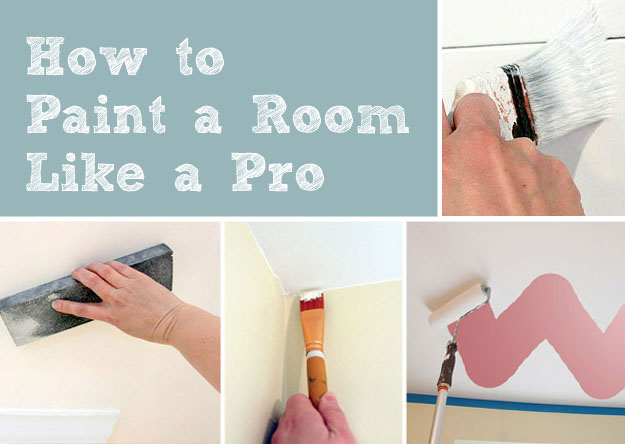
- Order of Operations: Always paint the ceiling first (if applicable), then the walls, then the trim, and finally the doors. This allows you to work from top to bottom, cleaning up any drips as you go.
- Corners: Use your angled sash brush to cut in the corners where walls meet. Blend these brushed areas with your roller as you paint the main wall sections to avoid harsh brush lines.
- Trim and Doors: For trim, use a smaller angled brush (1.5-inch) for precision. For doors, you can use a small roller (4-6 inch) for the flat panels and a brush for the recessed areas or edges. Always paint in the direction of the wood grain on trim and doors for the smoothest finish.
The Final Touches: Curing, Cleaning, and Admiration
You’re almost there! Don’t rush these last steps; they’re essential for durability and maintaining your professional results.
Patience is a Virtue: Drying & Curing Times
- Recoat Times vs. Full Cure: Paint typically feels dry to the touch in a few hours (recoat time). This is when you can apply a second coat. However, paint can take days, or even weeks, to fully ‘cure’ and harden to its maximum durability. Avoid scrubbing, heavy abrasion, or placing heavy objects against newly painted walls during the curing phase.
- Ventilation Tips: Keep windows open and fans running (pointing away from walls to avoid dust kicking up) to promote good airflow and aid in drying between coats.
Cleanup: Protecting Your Investment
- Cleaning Brushes and Rollers: For latex paint, immediately wash brushes and roller covers with warm, soapy water until the water runs clear. Use a brush spinner or comb for brushes to remove all paint. Store brushes in their original cardboard sleeves (or similar) to maintain their shape. Rollers can be thoroughly washed and air-dried. Proper cleaning extends the life of your quality tools.
- Proper Disposal: Never pour paint down the drain. Allow small amounts of latex paint to dry out in the can (add kitty litter or sand to speed it up) then dispose of with regular household trash. For larger quantities or oil-based paints, contact your local waste management for hazardous waste disposal guidelines.
The Reveal: Removing Tape and Admiration
Remember our rule: remove tape when the paint is still slightly wet. If it’s already dry, gently score the edge with a utility knife to break the paint film and prevent peeling. Pull the tape off slowly at a 45-degree angle, away from the painted surface. Step back and admire those razor-sharp lines and smooth, uniform walls. You’ve done it!
Beyond the Basics: Pro Tips & Troubleshooting
- Tinting Primer: A brilliant pro trick! Ask your paint store to tint your primer a shade or two lighter than your finish coat. This greatly improves the final color’s vibrancy and coverage, especially when going from dark to light.
- Boxing Paint: If you’re using multiple gallons of the same color, pour them all into a larger 5-gallon bucket and stir thoroughly. This ensures perfect color consistency across all cans, preventing subtle color variations between batches.
- Using a Paint Conditioner: For stubborn paints or if you’re working in a dry, warm environment where paint dries too quickly, a paint conditioner (like Floetrol for latex or Penetrol for oil-based) can improve paint flow and extend drying time, reducing brush marks and lap marks.
- Avoiding Lap Marks: This problem often occurs when you don’t maintain a wet edge. Always work quickly across a wall section, ensuring that your roller’s fresh paint overlaps with paint that is still wet. Don’t try to go back and re-roll areas that have started to dry.
- Dealing with Drips and Runs: If you spot a drip or run, catch it immediately! Smooth it out gently with a slightly drier brush or roller. If it has dried, you may need to carefully sand the imperfection and touch up the area.
Congratulations! You’ve successfully navigated the journey from aspiring DIYer to a true painting pro. By embracing the importance of meticulous preparation, investing in quality tools, and mastering application techniques, you’ve not only painted a room but you’ve also unlocked the secrets to a flawless, long-lasting finish.
Remember, patience and practice are your greatest allies. Each project builds your skill and confidence. So grab your brush, load your roller, and get ready to transform your home with the precision and pride of a true professional.

Frequently Asked Questions
What’s the most important step for a professional paint job?
Without a doubt, proper preparation is the most critical step. This includes thoroughly cleaning, patching, sanding, and caulking your walls, along with meticulous taping. Professionals often spend 70-80% of their time on prep work, as it directly impacts the smoothness, adhesion, and longevity of your paint finish.
Do I really need to use primer?
Primer isn’t always strictly necessary, but it’s highly recommended for a professional finish, especially when painting bare drywall, patching areas, making a drastic color change (dark to light), painting over glossy surfaces, or dealing with stains. Primer creates a uniform surface, ensures better adhesion, and helps achieve true color with fewer finish coats.
How do I avoid drips and roller marks?
To avoid drips, don’t overload your brush or roller. Tap off excess paint from brushes and roll off excess on a roller tray ramp. For roller marks, maintain a ‘wet edge’ – always overlap your new paint strokes with paint that is still wet. Use an extension pole for consistent pressure, and apply paint in ‘W’ or ‘M’ patterns, filling them in without lifting the roller.
When should I remove painter’s tape for the cleanest lines?
For the cleanest, crispest lines, remove painter’s tape when the paint is still slightly wet (within an hour or two of your final coat). Pull it off slowly at a 45-degree angle. If the paint has fully dried, score the edge of the tape with a utility knife first to prevent the paint film from tearing or peeling off with the tape.
What’s the best order to paint a room (ceiling, walls, trim)?
The professional order is always: 1) Ceiling, 2) Walls, 3) Trim (baseboards, window/door frames), and then 4) Doors. This allows you to address any drips from higher surfaces before moving to lower ones, ensuring a clean finish throughout.
How many coats of paint do I need?
Most quality paints will require two coats for full, even coverage, especially if you’re changing colors significantly or painting over bare primer. Some dramatic color changes or very thin paints might benefit from a third coat. Always follow the manufacturer’s recommended recoat times between applications.