Staring at a blank bedroom wall, or perhaps one that’s just not quite ‘you’ anymore, you’re probably dreaming of a space that feels both serene and stylish. If you’ve landed here, chances are you’ve already intuited the magic of blue-gray. It’s that elusive shade that promises tranquility without feeling cold, sophistication without being stuffy, and versatility that defies trends. But with a sea of ‘blue-grays’ out there, how do you find the perfect one for your personal sanctuary?
I get it. Choosing a paint color can feel overwhelming, like a high-stakes decision where one wrong brushstroke can ruin the whole vibe. You want your bedroom to be a refuge, a place where you can truly unwind and wake up refreshed. And blue-gray, when chosen right, absolutely delivers on that promise. This isn’t just a list of colors; it’s your definitive guide to understanding, selecting, and styling the ideal blue-gray for your bedroom, ensuring you create the peaceful haven you deserve.
The Definitive Guide to Choosing the Perfect Blue-Gray for Your Bedroom
Why Blue-Gray Reigns Supreme for Bedroom Sanctuaries
Let’s be real: your bedroom is more than just a place to sleep. It’s where you start and end your day, a personal retreat from the chaos of the world. And the colors you choose play a profound role in setting its mood. Blue-gray isn’t just a pretty shade; it’s a powerhouse for creating an optimal bedroom environment.
- Psychological Calm: Blue is universally recognized for its calming properties, reducing stress and promoting relaxation. Gray grounds it, adding maturity and stability. Together, they create a harmonious balance that signals peace and tranquility to your brain, making it easier to de-stress and drift off to sleep.
- Unmatched Versatility: Whether your style leans modern minimalist, rustic farmhouse, coastal chic, or classic traditional, blue-gray is a chameleon. It adapts beautifully, providing a sophisticated backdrop that allows your furniture, textiles, and art to truly shine. It’s a foundation, not a distraction.
- Timeless Elegance: Unlike fleeting trends, blue-gray possesses an inherent timelessness. It’s sophisticated without being ostentatious, always looking fresh and refined. This means you won’t feel the urge to repaint every few years, saving you time and money.
- Sleep Enhancement: Research suggests that bedrooms painted in shades of blue can contribute to better sleep. The calming effect of blue-gray can lower heart rate and blood pressure, priming your body for a restful night.
Decoding Blue-Gray: Understanding Undertones and Light Reflectance Value (LRV)
This is where many people get stuck. You see a blue-gray you love in a magazine, but on your wall, it looks entirely different. The secret lies in understanding undertones and LRV. These aren’t just technical terms; they’re the keys to unlocking the perfect shade for *your* specific space.
The Magic of Undertones: Warm vs. Cool Blue-Gray
Every color, even seemingly neutral ones, has an underlying hint of another color. These are its undertones, and with blue-gray, they typically lean either warm or cool.
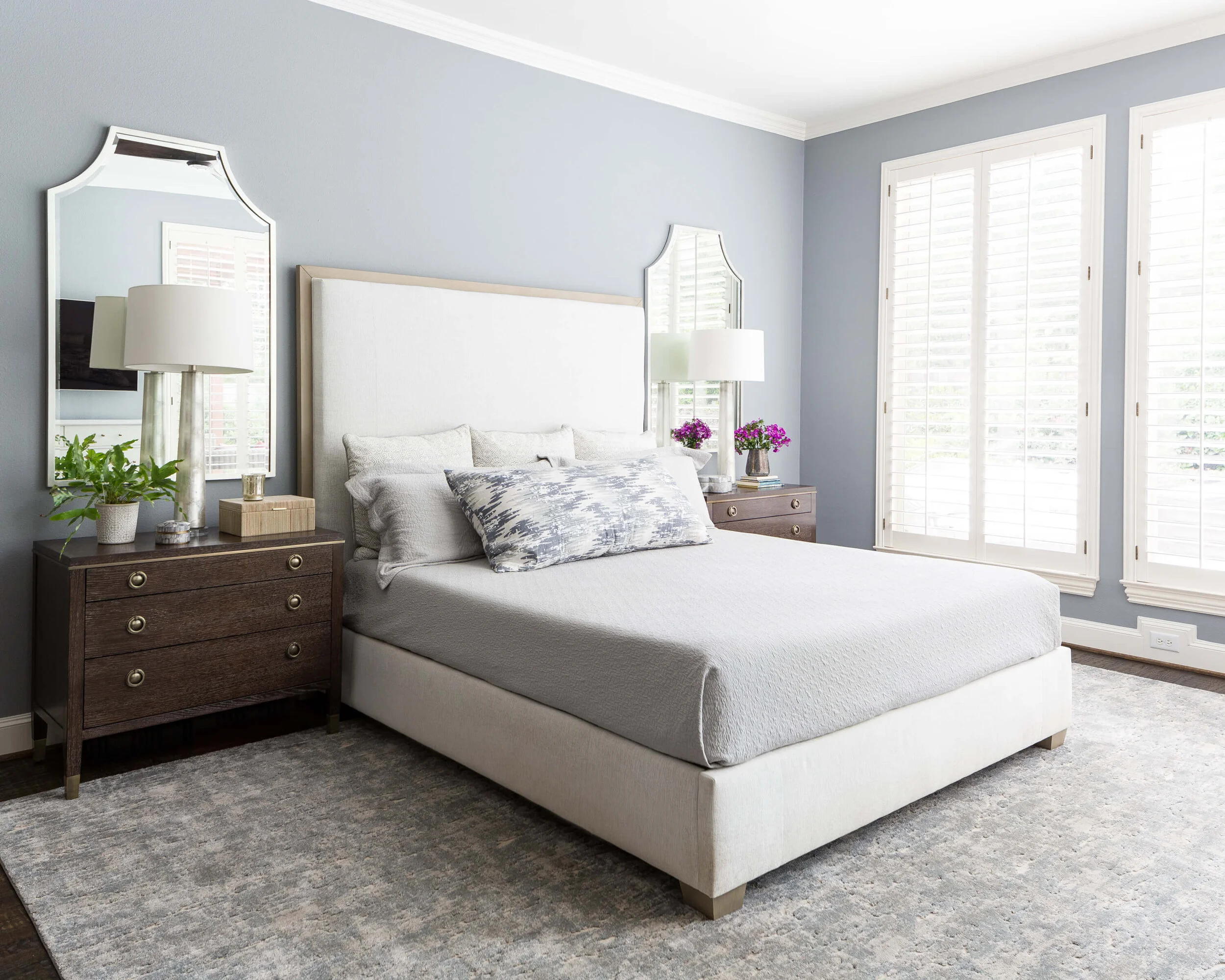
:max_bytes(150000):strip_icc()/Gibbs-Ave-134-9b2a24f2bc9448d7800258c65c193aa2.jpeg "40 Blue-Gray Paint Colors to Inspire Your Next Reno")
- Warm Blue-Grays: These shades carry subtle hints of green, violet, or even a touch of brown. They feel more inviting, cozy, and often a bit softer. They can prevent a room from feeling too sterile or cold. Think of colors that remind you of misty mornings or weathered driftwood. They’re excellent for north-facing rooms that often feel cool, as they can bring a much-needed warmth.
- Cool Blue-Grays: These have clearer, crisper blue undertones, or lean more heavily into the true gray with a definite blue cast. They evoke a sense of spaciousness, cleanliness, and a sophisticated calm. Picture clear skies or a deep ocean horizon. They can be incredibly refreshing and work well in south-facing rooms that get abundant, warm light, balancing out the brightness.
How to Spot Them: When comparing samples, look for the subtle leanings. Hold them up against a pure white or a true gray. Do you see a faint green? Or a stronger, clearer blue? It takes a bit of practice, but once you train your eye, you’ll be able to discern these nuances easily.
LRV Explained: How Lightness Impacts Your Space
Light Reflectance Value (LRV) is a number, typically ranging from 0 (absolute black, absorbing all light) to 100 (pure white, reflecting all light). It tells you how much light a paint color reflects.
- High LRV (typically 60+): Lighter blue-grays with high LRV bounce more light around the room, making a space feel larger, airier, and brighter. They’re your best friends for smaller bedrooms or rooms with limited natural light.
- Low LRV (typically 40 and below): Darker blue-grays with low LRV absorb more light. This creates a cozy, dramatic, and intimate atmosphere. Perfect for larger bedrooms where you want to create a cocoon-like effect, or to add significant depth and mood.
Understanding LRV helps you predict how a color will behave in your specific room. A high LRV can visually expand a cramped space, while a low LRV can make a sprawling room feel more intimate and luxurious. Always consider the light sources in your room – natural light and artificial lighting – as they significantly interact with the paint’s LRV.
Selecting Your Perfect Shade: A Step-by-Step Approach
Now that you’re armed with the knowledge of undertones and LRV, let’s walk through the practical steps to pinpoint your ideal blue-gray.
Step 1: Assess Your Bedroom’s Natural Light Exposure
This is arguably the most critical step. The amount and direction of natural light in your bedroom will dramatically alter how any paint color appears. Don’t underestimate its power!
- North-Facing Rooms: These rooms typically receive indirect, cooler light throughout the day. Blue-grays here can appear more muted and potentially cooler. Consider a blue-gray with a warmer (green or violet) undertone to counteract the cool light and add coziness.
- South-Facing Rooms: Bathed in bright, warm light all day, these rooms can handle a wider range of blue-grays. A cooler blue-gray can feel crisp and refreshing, balancing the room’s inherent warmth.
- East-Facing Rooms: Enjoy beautiful, warm morning light, which then transitions to cooler, shadier light in the afternoon. A balanced blue-gray that isn’t too warm or too cool often works well, looking lovely in the morning and maintaining its composure as the light changes.
- West-Facing Rooms: These rooms get cooler light in the morning and strong, warm, often golden light in the afternoon and evening. A blue-gray here will dramatically shift throughout the day, looking cool initially and potentially very blue or green in the evening. Test thoroughly!
Step 2: Consider Room Size and Ceiling Height
The dimensions of your bedroom also play a significant role in color selection. Paint can create illusions, making spaces feel larger or more intimate.
- Small Bedrooms: Generally, lighter blue-grays (higher LRV) are recommended. They reflect more light, making the walls recede visually and the room feel more expansive and open.
- Large Bedrooms: You have more flexibility here. Lighter shades will keep it airy, while darker blue-grays (lower LRV) can create a sophisticated, dramatic, and incredibly cozy, cocoon-like atmosphere, perfect for a luxurious retreat.
- Ceiling Height: Painting the ceiling a lighter shade than the walls (often a crisp white) will visually lift the ceiling. For a truly immersive, intimate feel in a large room, you might consider painting the ceiling the same blue-gray as the walls, blurring the boundaries.
Step 3: Harmonize with Existing Decor and Furniture
Unless you’re planning a complete overhaul, your paint choice needs to complement your existing elements. Take stock of:
- Fixed Elements: Flooring (hardwood, carpet, tile), trim color (often white), built-in cabinetry. These are often difficult to change and should be considered first.
- Furniture: The color and material of your bed frame, dressers, nightstands. Does your wood furniture have warm (cherry, mahogany) or cool (ash, birch) undertones? Do metal accents lean gold/brass or silver/chrome?
- Textiles: Your bedding, curtains, rugs. Do they have patterns or dominant colors that need to be considered?
The goal is to create a cohesive and harmonious palette, not a clash. A blue-gray with a green undertone might beautifully complement warm wood tones, while a crisper blue-gray could enhance cool-toned metals.
Step 4: The Power of Sampling (Seriously, Don’t Skip This!)
I cannot stress this enough: test your paint samples in your actual bedroom! What looks perfect on a tiny swatch in a store will look entirely different on your wall, under your specific lighting conditions.
- Get Large Swatches: Don’t rely on tiny chips. Invest in large peel-and-stick samples or buy small cans of paint and paint large squares (at least 2×2 feet) on several walls in your bedroom.
- Observe Throughout the Day: Watch how the color changes with natural light from morning to evening. See how it looks under your artificial lighting at night.
- Compare Side-by-Side: Paint a few contenders next to each other. This helps you discern those tricky undertones.
- Live with It: Leave the samples up for a few days. You’ll be amazed at how your perception of a color can change over time.
Top Blue-Gray Paint Colors for Bedrooms: Our Expert Picks & Insights
Ready for some inspiration? Based on popularity, versatility, and their beautiful performance in real-world bedrooms, here are some of our favorite blue-gray paint colors. Remember, these are starting points – always sample! I’ve included approximate LRV values to give you a sense of their lightness.
| Paint Name | Brand | LRV (Approx.) | Primary Undertone | Best For | Notes |
|---|---|---|---|---|---|
| Gray Owl | Benjamin Moore | 65 | Green-Blue | Airy, modern spaces; complements cool tones. | A very popular, light gray that can sometimes flash a soft green-blue. Highly adaptable. |
| Sea Salt | Sherwin-Williams | 63 | Green-Gray | Coastal, spa-like feel; brightens dim rooms. | A chameleon color that can look more green, blue, or gray depending on the light. Very soothing. |
| Boothbay Gray | Benjamin Moore | 44 | True Blue-Gray | Master bedrooms, sophisticated spaces; creates intimacy. | A mid-tone, very balanced blue-gray without strong green or purple hints. Rich and elegant. |
| Light French Gray | Sherwin-Williams | 53 | Cool Blue-Gray | Modern, sophisticated aesthetic; versatile backdrop. | A deeper true gray with a noticeable cool blue undertone. Pairs well with crisp whites. |
| Gray Cashmere | Benjamin Moore | 64 | Green-Blue | Subtle warmth, calming retreats; light-filled rooms. | A very soft, delicate blue-gray with a gentle green lean. Creates a serene, spa-like ambiance. |
| Rainstorm | Sherwin-Williams | 13 | Deep Slate Blue-Gray | Dramatic accent wall, luxurious master suites. | A rich, dark blue with a strong gray undertone. Creates an incredibly moody and sophisticated feel. |
| Hale Navy | Benjamin Moore | 8 | Deep Blue-Gray | Accent wall, dramatic, elegant, highly contrasting trim. | While primarily a navy, its significant gray undertones make it read as a very sophisticated, deep blue-gray. |
Dive Deeper: Specific Color Spotlights
Let’s take a closer look at a couple of these standouts:
- Benjamin Moore’s Gray Owl: This is a fantastic ‘greige-adjacent’ option that often surprises people with its subtle blue-green flash. It’s light, airy, and incredibly versatile, making it a go-to for many designers who want a neutral that isn’t boring. It’s perfect for creating a bright, welcoming bedroom without feeling sterile.
- Sherwin-Williams’ Sea Salt: If you dream of a coastal retreat or a serene spa, Sea Salt is your color. Its shifting green-gray-blue undertone makes it endlessly interesting. It reads as a soft, muted green in some lights, a calming blue in others, and a true pale gray in yet others. It’s incredibly soothing and pairs beautifully with natural textures.
- Benjamin Moore’s Boothbay Gray: This one hit the mark for ‘warm blue-gray’ in one of our competitor’s top picks, and for good reason. It’s a mid-tone blue-gray that offers excellent depth without being too dark. It feels established, classic, and comforting, making it a superb choice for a master bedroom that needs a touch of gravitas and elegance.
Bringing Your Blue-Gray Bedroom to Life: Decor, Textiles & Lighting
Choosing the paint is just the beginning! The true magic happens when you layer in complementary elements that enhance your chosen blue-gray, creating a cohesive and inviting bedroom.
Complementary Color Palettes to Elevate Your Blue-Gray
Blue-gray is incredibly versatile, making it easy to pair with a range of other colors. Consider these palettes to bring your vision to life:
- Warm Neutrals: Pair blue-gray with creamy whites, soft beiges, and sandy tones for a cozy, sophisticated look. These warm shades balance the coolness of blue-gray, creating a welcoming balance. Think linen bedding, natural wood furniture, and ivory rugs.
- Crisp Whites & Cool Grays: For a more modern, minimalist, or coastal aesthetic, combine blue-gray with bright whites (on trim, ceilings, or bedding) and other cool grays. This creates a fresh, clean, and expansive feel.
- Earthy & Organic: Infuse natural elements with colors like sage green, muted terracotta, deep forest green, or even mustard yellow. These grounded hues beautifully complement blue-gray, bringing the outdoors in and creating a calming, organic sanctuary. Think potted plants, woven baskets, and botanical prints.
- Metallic Accents: Don’t shy away from metallics! Gold and brass add warmth and a touch of luxury, while silver and brushed nickel reinforce a cooler, contemporary vibe. Use them in lighting fixtures, mirror frames, or decorative objects.
- Subtle Pops: If you want a bit more energy, introduce small pops of a contrasting color like muted coral, soft blush pink, or a dusty lavender. These can add personality without overpowering the calm of the blue-gray.
Furniture & Textiles: Layering for Comfort and Style
The textures and materials in your bedroom are just as important as the colors. They add depth, warmth, and a tactile richness.
- Wood Tones: Light oak or birch furniture can create an airy, modern Scandinavian feel against a blue-gray wall. Darker woods like walnut or mahogany add richness and tradition, creating a sophisticated contrast.
- Upholstery: A bed with a linen headboard, velvet pillows, or a chunky knit throw can introduce incredible texture. Don’t be afraid to mix and match.
- Bedding Strategies: Layering is key! Start with crisp white or cream sheets, add a duvet in a complementary solid or subtle pattern, and pile on pillows in varying textures and shades that harmonize with your blue-gray.
- Rugs and Curtains: A soft, plush rug underfoot adds warmth and defines the space. Curtains in a linen blend or a heavier velvet can soften windows and enhance the room’s mood.
Lighting the Scene: Enhancing Ambiance
The right lighting can make or break a blue-gray bedroom. You need a mix of light sources to create a versatile and inviting atmosphere.
:max_bytes(150000):strip_icc()/BEHR_22.03_TRENDS_BEDROOM_KM_001_IntercoastalGray-5513b7a2e99b4b089b6d25ee2e7c1741.jpg "18 Blue-Gray Paint Colors That Are Versatile, but Never Boring")
- Layered Lighting: Don’t rely on just one overhead light. Incorporate ambient lighting (general room illumination), task lighting (bedside lamps for reading), and accent lighting (mood lighting, perhaps art lights or dimmable sconces).
- Bulb Temperature: Opt for warm white bulbs (around 2700K-3000K). Cooler, bluer lights (4000K+) can make blue-gray walls appear stark or cold, defeating the purpose of a serene bedroom.
- Maximizing Natural Light: Use sheer curtains or blinds that allow natural light to filter in during the day. Mirrors placed opposite windows can also help bounce light around, making the room feel brighter and more open.
Art & Accessories: The Finishing Touches
These are the elements that inject your personality and complete the look.
- Artwork: Choose pieces that complement your blue-gray. Abstract art with complementary colors, serene landscapes, or black and white photography can all look stunning.
- Mirrors: Not only functional, but a well-placed mirror can also add light and expand a small room.
- Plants: Greenery brings life and freshness to any space and contrasts beautifully with blue-gray.
- Decorative Objects: Think vases, candles, books, and personal mementos. Arrange them thoughtfully to avoid clutter and maintain the calm aesthetic.
Common Pitfalls to Sidestep on Your Blue-Gray Journey
Even with the best intentions, it’s easy to make mistakes. Here’s what to watch out for:
- Ignoring the Importance of Samples: I’ve said it before, but it bears repeating. Don’t pick a color based on a tiny chip or a photo online. Your light is unique!
- Not Considering Fixed Elements: Forgetting about your flooring, trim, or permanent fixtures can lead to a disjointed look. Your new blue-gray needs to play nicely with what’s already there.
- Misjudging Natural Light: A color that looks vibrant in a brightly lit showroom might appear dull in your north-facing bedroom. Always factor in your room’s specific lighting.
- Overlooking Paint Sheen: Matte or flat finishes absorb light, creating a softer, more sophisticated look (ideal for bedrooms). Eggshell offers a slight sheen and durability, while satin or semi-gloss are generally too reflective for walls in a bedroom.
- Failing to Plan Complementary Elements: The paint color is just one piece of the puzzle. Think about the entire room – furniture, textiles, lighting – as a cohesive design project from the start.
Final Thoughts on Your Blue-Gray Bedroom Transformation
Choosing the perfect blue-gray for your bedroom is a journey, not a sprint. It involves understanding color theory, assessing your unique space, and most importantly, trusting your instincts after thorough sampling. When done right, a blue-gray bedroom isn’t just painted; it’s transformed into a tranquil, elegant sanctuary that supports relaxation, promotes better sleep, and reflects your personal style.
So go ahead, take a deep breath, and embark on your blue-gray adventure. You’re now equipped with the knowledge and confidence to create a bedroom that not only looks stunning but genuinely feels like home.
Frequently Asked Questions
What is the best blue-gray paint color for a small bedroom?
For a small bedroom, opt for a blue-gray with a higher Light Reflectance Value (LRV), typically 60 or above. These lighter shades reflect more light, making the room feel more expansive and airy. Benjamin Moore’s Gray Owl or Sherwin-Williams’ Sea Salt are excellent examples that can open up a smaller space.
:max_bytes(150000):strip_icc()/BondegatanSodermalmStockholmBedroomlampchairblueFantasticFrank-d4153e01738845caaaab184e2eecf7a7-33429fc42bfa411d988f8233f04fdfde-894916cc0c654d7cba491efcec62c1ba.jpg "40 Blue-Gray Paint Colors to Inspire Your Next Reno")
How do I choose between a warm blue-gray and a cool blue-gray?
Consider the natural light in your room. North-facing rooms, which tend to be cooler, often benefit from a warm blue-gray (with green or violet undertones) to add coziness. South-facing rooms, with abundant warm light, can embrace a cool blue-gray (with clearer blue undertones) for a crisp, refreshing feel. Always test samples in your room to see how the undertones truly appear.
What colors pair well with blue-gray in a bedroom?
Blue-gray is incredibly versatile. It pairs beautifully with warm neutrals like creamy whites, soft beiges, and natural wood tones for a cozy feel. For a modern look, combine it with crisp whites and cool grays. Earthy tones like sage green or muted terracotta, as well as metallic accents like gold or brass, can also elevate the space.
Should I use a matte or satin finish for blue-gray bedroom walls?
For bedrooms, a matte or flat paint finish is generally recommended for blue-gray walls. These finishes absorb light, creating a soft, sophisticated, and velvety appearance that is ideal for a serene sleeping environment. Eggshell is another good option, offering a slight sheen and increased durability, while satin or semi-gloss can be too reflective for large wall areas in a bedroom.
How important is sampling paint colors before committing?
Sampling paint colors is absolutely critical. A color can look drastically different on a small chip or online compared to how it appears on your wall under your unique lighting conditions. Purchase large peel-and-stick samples or small paint cans, apply them to several walls, and observe them throughout different times of day and under artificial light before making your final decision.
Can dark blue-gray make a bedroom feel too small or cold?
Dark blue-gray colors can make a bedroom feel smaller if not balanced correctly. However, in larger rooms, a darker shade can create an incredibly luxurious, cozy, and intimate ‘cocoon’ effect. To prevent it from feeling too cold, ensure you have warm lighting (2700K-3000K bulbs), integrate warm-toned woods, and layer with soft, tactile textiles like velvet or chunky knits.