The Definitive Guide to the Best Bedroom Paint Colors for 2026: Design Your Sanctuary
Your bedroom isn’t just a room; it’s your personal sanctuary. It’s where you start your day, unwind, and recharge. So, when it comes to choosing paint colors, it’s not just about what looks pretty—it’s about creating an environment that genuinely supports your well-being, mood, and sleep. As we look ahead to 2026, the trends aren’t just shifting; they’re deepening, aligning more closely with our innate need for calm, connection, and restorative living.
Forget the fleeting fads. This guide cuts through the noise to bring you the absolute best bedroom paint colors for 2026, backed by design insights and a deep understanding of what makes a bedroom truly nurturing. We’ll explore not just what colors are trending, but why they work, helping you design a space that feels both current and timelessly serene.
What’s Driving Bedroom Color Trends in 2026? (Beyond Just Pretty Hues)
The colors we choose for our bedrooms in 2026 reflect a broader societal shift. We’re actively seeking solace and authenticity in our personal spaces, a direct response to an increasingly digital and fast-paced world. This isn’t just about aesthetics; it’s about psychology and lifestyle.
The Rise of Wellness & Biophilia
The push for a healthier lifestyle extends to our homes. In 2026, we’re seeing an even stronger embrace of wellness-focused design. This means colors that promote calm, reduce stress, and encourage restorative sleep. There’s a heightened appreciation for biophilia—our innate human tendency to connect with nature. This translates into palettes inspired by the natural world: tranquil skies, deep forests, soft earth, and calming waters. These aren’t just colors; they’re invitations to breathe deeper and relax.
Soft Minimalism & Intentional Living
Clutter-free, functional, and beautiful spaces continue to dominate. In 2026, soft minimalism evolves to incorporate more texture and warmth without sacrificing simplicity. Color choices lean towards muted, sophisticated tones that create a serene backdrop, allowing carefully chosen furnishings and personal touches to shine. It’s about intentionality—every color, every object, serving a purpose in creating a peaceful haven.
Technology’s Influence on Our Spaces (Seeking Calm)
With screens dominating so much of our waking hours, there’s a collective yearning for spaces that offer a digital detox. Bedrooms, in particular, are becoming zones designed to counteract the stimulation of technology. This drives a preference for colors that are grounding, calming, and conducive to winding down, rather than exciting or demanding attention. Think gentle gradients, soothing solids, and colors that absorb light softly.
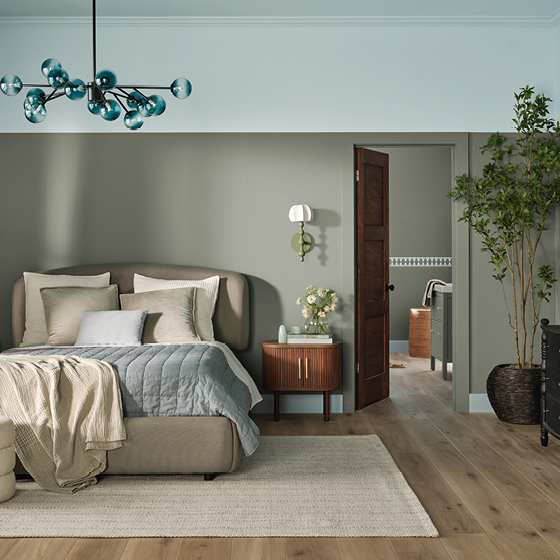
The Top 5 Best Bedroom Paint Color Categories for 2026
Based on these overarching trends and the psychological impact of color, these are the categories that will define bedrooms in 2026:
Serene Greens: Nature’s Embrace for Restful Sleep
From the softest sage to the rich depth of moss, greens continue their reign as a top choice for bedrooms. In 2026, we’re seeing greens that feel deeply rooted in nature—think eucalyptus, muted olive, and forest bathing green. These shades offer a profound connection to the outdoors, known to reduce stress and evoke feelings of tranquility. They are the epitome of biophilic design, bringing the calming essence of a forest into your sleeping space.
- Why it works: Mimics nature, promotes calm, reduces anxiety, and supports restorative sleep.
- Best for: Creating a spa-like retreat, combining with natural wood tones, linen textiles, and live plants.
Calming Blues: From Coastal Whispers to Deep Indigo Dreams
Blue remains a classic for bedrooms, and in 2026, the focus is on its more subdued, grounding variations. Picture soft sky blue, dusty denim, and rich, yet not overwhelming, deep teal or midnight blue. These aren’t stark blues; they have an undertone of gray or green that softens their impact, making them incredibly soothing. Blue is scientifically proven to lower heart rate and blood pressure, making it an ideal choice for a sleep environment.
- Why it works: Evokes feelings of serenity, stability, peace, and aids in relaxation.
- Best for: Promoting deep relaxation, creating a serene and expansive feeling, especially in smaller rooms (lighter shades).
Warm Neutrals & “Greige”: The Sophisticated Canvas for Any Style
Neutrals are far from boring in 2026; they are the sophisticated foundation. We’re moving away from cold, stark grays and embracing warmer undertones. Think creamy off-whites, soft beige, light taupe, and the ever-popular greige (a perfect blend of gray and beige). These colors create a cozy, inviting backdrop that feels both elegant and understated. They are incredibly versatile, allowing your furniture, art, and personal decor to take center stage.
- Why it works: Versatile, timeless, creates a sense of spaciousness, provides a soothing and adaptable backdrop.
- Best for: Small bedrooms, achieving a timeless aesthetic, homeowners who enjoy changing decor frequently.
Ethereal Pastels: Whispers of Color for a Gentle Wake-Up
Don’t confuse these with nursery pastels. The 2026 pastels are grown-up and sophisticated, imbued with a subtle dustiness or earthiness. Consider blush pink with brown undertones, lavender haze, or pale peach. These delicate shades add just a whisper of color, creating a soft, dreamlike atmosphere that feels uplifting without being stimulating. They are perfect for those who want a hint of color that promotes gentle awakening rather than an abrupt jolt.
- Why it works: Soft, subtle, uplifting, creates a gentle and romantic ambiance.
- Best for: Romantic aesthetics, guest rooms, spaces needing a light and airy feel.
Deep & Moody Tones (Used Strategically): A Statement of Cozy Luxury
For those brave enough to embrace the dark side, deep, rich colors can transform a bedroom into the ultimate cocoon of luxury and intimacy. Think charcoal gray, deep plum, forest green, or a sophisticated navy blue. The key here is *strategic* use. These colors absorb light, making a room feel smaller and infinitely cozier, which is ideal for sleep. They pair beautifully with warm lighting and plush textures.
:max_bytes(150000):strip_icc()/gallery-39-c82dbdc4919047bd92f68addfd08e7db.jpg "7 Bedroom Paint Color Trends You'll See Everywhere in 2026")
- Why it works: Creates intimacy, drama, excellent for minimizing light, promotes deep sleep.
- Best for: Large bedrooms to make them feel cozier, accent walls, achieving a luxurious, boutique hotel feel.
2026’s Standout Specific Bedroom Paint Colors (Brands & Shades to Watch)
While specific ‘Colors of the Year’ are often announced later, based on current industry predictions and early releases, these are the types of shades from leading brands you can expect to see dominating bedroom design in 2026. These exemplify the trends we’ve just discussed.
| Predicted 2026 Shade | Typical Brand Association | Mood & Why It Works | Best For |
|---|---|---|---|
| Warm Eucalyptus | Valspar (or similar earthy green) | Naturally restorative, serene, grounding. Connects you to nature, reduces visual clutter. | Spa-like sanctuaries, minimalist bedrooms, spaces seeking a fresh, organic feel. |
| Silhouette AF-655 (Deep Grayish-Brown) | Benjamin Moore (or similar deep neutral) | Elegant, refined, comforting, grounding. Creates a sophisticated, intimate atmosphere. | Luxurious, cocooning bedrooms, accent walls for depth, pairing with lighter furniture. |
| Neutral Ground (Soft, Warm Beige) | HGTV Home by Sherwin-Williams (or similar creamy neutral) | Versatile, calming, and inviting. Offers a perfect canvas, enhances natural light gently. | Any bedroom size, flexible design schemes, creating a bright yet cozy foundation. |
| Dusty Lavender | Various premium brands (or similar ethereal pastel) | Gentle, dreamy, subtly romantic. Promotes relaxation and a gentle sense of wonder. | Feminine aesthetics, guest bedrooms, spaces seeking a touch of unique tranquility. |
| Deep Ocean Blue | Farrow & Ball (or similar muted, deep blue) | Profoundly calming, secure, contemplative. Creates a sense of peace and depth. | Larger bedrooms, creating a dramatic feature wall, rooms with ample natural light. |
Choosing Your Perfect Shade: Factors to Consider
Picking a paint color is deeply personal. Here’s how to ensure your 2026 bedroom color choice is the right one for you:
Room Size & Layout: Maximizing Space & Cozying Up
Light colors (like warm neutrals or pale pastels) are your best friend in smaller bedrooms, as they reflect light and make the space feel larger and more open. If you have a sprawling primary bedroom, a deeper, moodier tone can help to visually shrink the space, making it feel more intimate and cozy. Consider accent walls for bolder choices in smaller rooms.
Natural Light & Artificial Lighting: How Light Transforms Color
This is critical! A color chip can look entirely different on your wall. Rooms with abundant natural light (especially south-facing) can handle cooler tones without feeling frigid, and deep tones without feeling oppressive. North-facing rooms, which tend to get cooler, indirect light, often benefit from warmer undertones in their paint colors to prevent them from feeling too cold. Always test colors in your room, at different times of day, to see how natural and artificial light interacts with them.
Your Personal Style & Desired Mood: From Zen to Zest
What feeling do you want to evoke when you step into your bedroom? Do you crave a Zen-like sanctuary (think serene greens, soft blues)? A cozy, hygge retreat (warm neutrals, deep browns)? Or a softly romantic haven (ethereal pastels)? Your bedroom should be an extension of your personality and a reflection of the mood you wish to cultivate for rest and relaxation. Don’t chase a trend if it doesn’t resonate with your inner self.
Existing Furniture & Decor: Creating Cohesion
Unless you’re planning a complete overhaul, your new paint color needs to harmonize with your existing furniture, bedding, and artwork. Take cues from your larger pieces—your bed frame, dresser, or rug. Do they have warm wood tones, cool metal accents, or specific fabric patterns? Use these elements as a starting point to select a wall color that complements rather than clashes.
:max_bytes(150000):strip_icc()/HGTV-Home-Sherwin-Williams-bedroom-cc5dfa07a2fa411f8a1965198425dcd4.jpg "3 Paint Colors That Will Dominate 2026, According to HGTV ...")
Paint Finish (Sheen): Matte, Eggshell, Satin – What’s Best for Bedrooms?
The finish of your paint drastically affects its final look and durability. For bedrooms, most designers recommend:
- Matte/Flat: Absorbs light, creating a soft, velvety, sophisticated look. It hides imperfections well but is less durable and harder to clean. Ideal for low-traffic adult bedrooms.
- Eggshell: A subtle, low sheen finish that’s more durable and washable than matte. It’s a popular choice for bedrooms, offering a good balance of appearance and practicality.
- Satin: A slightly higher sheen than eggshell, offering more durability and washability. While great for high-traffic areas, some find it too shiny for a bedroom. Best reserved for trim or kids’ rooms where frequent cleaning is a must.
Colors to Gently Retire for Your Bedroom in 2026 (Why and What to Use Instead)
While personal preference always rules, some colors are simply less conducive to a restorative bedroom environment, or their moment has passed in favor of more sophisticated alternatives. In 2026, we’re seeing a gentle farewell to:
Overly Saturated Brights: Too Stimulating for Sleep
Think bright reds, lime greens, or electric yellows. While these can be fun in other rooms, they are generally too stimulating for a space dedicated to rest. They increase alertness and can make it harder to wind down. Instead, opt for their softer, muted, or deeper counterparts (e.g., a deep berry instead of bright red, a sage green instead of lime, a creamy lemon chiffon instead of electric yellow).
Cold, Stark Whites: Lacking Warmth & Coziness
While white is classic, the trend is moving away from purely cool-toned, stark whites that can feel sterile and unwelcoming. For bedrooms, these can lack the necessary warmth and coziness needed for a comforting sanctuary. Instead, embrace warm off-whites, creamy ivories, or whites with a hint of beige or greige undertone. These offer the brightness of white but with a much softer, more inviting embrace.
Outdated Bold Accents: Moving Towards Subtlety
Gone are the days of highly contrasting, visually jarring accent walls that feel disconnected from the rest of the room. The 2026 approach is about subtlety and cohesion. If you use an accent wall, choose a color that is a deeper, richer version of your main wall color, or a complementary shade that feels harmonious, rather than a jarring pop. The goal is visual flow and calm.
Expert Tips for Painting Your Bedroom Like a Pro
Once you’ve chosen your dream color, here’s how to make sure the application is flawless:

Testing Colors: The Non-Negotiable Step
Never skip this! Purchase several sample pots of your top contenders. Paint large swatches (at least 2’x2′) on different walls in your bedroom. Observe them throughout the day and night, under various lighting conditions. Live with them for a few days. This will be the most crucial step in preventing paint regret.
Prep Work is Key: Cleaning, Taping, Priming
- Clean Walls: Wash walls with a mild cleaner (like TSP substitute) to remove dirt, grease, and dust.
- Patch & Sand: Fill any holes or cracks, then sand smooth.
- Tape Edges: Use high-quality painter’s tape (like FrogTape) around trim, baseboards, and ceilings for crisp lines.
- Prime: If you’re painting over a dark color with a light one, or if your walls are uneven/new, use a good quality primer. It saves paint and ensures an even finish.
The Right Tools for a Flawless Finish
- Quality Paint: Invest in good paint. It covers better, lasts longer, and looks superior.
- Brushes: Angled brushes for cutting in around trim and corners.
- Rollers: Choose the right nap size for your wall texture (thinner nap for smooth walls, thicker for textured).
- Drop Cloths: Protect your floors and furniture.
- Extension Pole: Saves your back and helps achieve even strokes on walls.
Beyond Paint: Complementary Elements for a 2026 Bedroom Oasis
Paint sets the stage, but these elements complete your 2026 bedroom sanctuary:
Natural Materials (Wood, Linen, Cotton)
Enhance the biophilic connection by incorporating raw, tactile materials. Think light wood furniture, linen bedding, cotton throws, and wicker accents. These add warmth, texture, and an organic feel that perfectly complements the serene 2026 color palette.
Thoughtful Lighting (Soft, Layered)
Good lighting can make or break a bedroom’s ambiance. Opt for warm-toned bulbs (2700K-3000K) and incorporate layers of light: ambient (ceiling fixture), task (bedside lamps), and accent (dimmable wall sconces). Dimmers are a must for controlling the mood and supporting your body’s natural sleep cycle.
Greenery (Live Plants)
Bringing live plants into your bedroom not only enhances the biophilic aesthetic but also purifies the air and boosts mood. Choose low-maintenance plants known for bedroom suitability, such as snake plants, peace lilies, or pothos. They are the perfect living accessory for a 2026 bedroom oasis.
Choosing the best bedroom paint color for 2026 is an opportunity to design a space that truly nurtures you. By focusing on colors that promote wellness, tranquility, and a connection to nature, you can create a sanctuary that supports your sleep, calms your mind, and invigorates your spirit. Happy painting!

Frequently Asked Questions
What are the overall biggest trends for bedroom paint colors in 2026?
The biggest trends for 2026 revolve around wellness, biophilia (connection to nature), and soft minimalism. This translates to an emphasis on serene greens, calming blues, warm and inviting neutrals, and ethereal pastels that promote rest, reduce stress, and create a tranquil sanctuary.
Are dark colors acceptable for bedrooms in 2026?
Yes, absolutely! Deep and moody tones like charcoal gray, deep plum, forest green, or navy blue are excellent choices for bedrooms in 2026, especially when used strategically. They create a luxurious, intimate, and cocooning effect that is highly conducive to sleep and relaxation. Just consider room size and natural light to balance the depth.
How do I choose a bedroom paint color if my room is small?
For small bedrooms, focus on lighter colors that reflect light and make the space feel larger. Warm neutrals (like soft beige or greige), light blues, and ethereal pastels are ideal. If you desire a darker color, consider using it on a single accent wall or opting for a lighter, muted version of the deep tone.
What kind of paint finish is best for a bedroom?
For adult bedrooms, a matte or eggshell finish is generally recommended. Matte absorbs light for a soft, sophisticated look and hides imperfections well. Eggshell offers a slight sheen, making it more durable and washable while still providing a subtle, appealing finish. Avoid high-gloss finishes which can be too reflective and distracting.
Should I still use white in my bedroom in 2026?
Yes, white is timeless, but in 2026, the trend leans towards warm off-whites, creamy ivories, or whites with a hint of beige or greige undertone. These softer whites create a cozy and inviting backdrop, unlike stark, cool-toned whites that can sometimes feel sterile. They provide brightness while maintaining warmth.
How important is natural light when choosing a paint color?
Natural light is extremely important! It dramatically affects how a paint color appears. A color can look vibrant in bright sunlight, subdued in a north-facing room, or completely different under artificial light. Always test paint samples on your walls and observe them at different times of day before making a final decision.