Master Bedroom Paint Color Ideas: Create Your Dream Sleep Sanctuary
Choosing the right paint color for your master bedroom isn’t just about aesthetics; it’s about crafting a personal sanctuary. This is your retreat, the place where you unwind, recharge, and begin and end each day. The colors you surround yourself with profoundly impact your mood, sleep quality, and overall well-being. Think about it: waking up in a serene, harmonious space feels entirely different from opening your eyes in a chaotic or uninspiring one.
Many people find themselves overwhelmed by the sheer number of paint swatches. You’ve probably stared at dozens of ‘greiges’ or ‘calming blues’ wondering if you’ll ever find ‘the one.’ The good news? You can. And I’m here to guide you through it, not with a list of generic suggestions, but with a framework for understanding what truly works in a master bedroom, so you can make an informed, confident choice that transforms your space.
Why Your Master Bedroom Paint Color Matters More Than You Think
Your master bedroom isn’t just another room; it’s arguably the most personal space in your home. The paint color here plays a starring role in defining its atmosphere. A well-chosen hue can:
- Promote Relaxation and Sleep: Certain colors are scientifically proven to have a calming effect, helping to lower heart rate and reduce stress, paving the way for better sleep.
- Enhance Mood and Well-being: Color therapy is real! Surrounding yourself with colors you love and that evoke positive feelings can significantly boost your daily mood.
- Reflect Your Personal Style: This is your private haven. The colors here should feel deeply personal, reflecting your taste and what brings you peace.
- Influence the Perception of Space: Light colors can make a small room feel larger, while darker hues can create a cozy, intimate embrace.
The Essential Factors Influencing Your Master Bedroom Color Choice
Before you even look at a single paint chip, pause. Your room has a story, and its inherent characteristics will heavily influence which colors will truly shine. Ignoring these factors is like trying to fit a square peg in a round hole – it just won’t work.
Natural Light: North, South, East, West-Facing Rooms
This is perhaps the single most critical factor. Natural light isn’t just about brightness; it’s about the quality and temperature of light throughout the day. A color that looks stunning in a south-facing room might appear cold and dingy in a north-facing one.

- North-Facing Rooms: Receive cooler, softer light. Warm colors (creams, yellows, some greens, warm grays) tend to thrive here, combating the inherent coolness. Cool colors can feel icy.
- South-Facing Rooms: Bathed in bright, warm light all day. Most colors work well, but cooler tones (blues, cool grays, greens) can balance the warmth, while warm tones will appear even more vibrant.
- East-Facing Rooms: Get bright, warm morning light, which turns cooler and softer in the afternoon. Consider colors that look good in both lights, or embrace the morning glow with fresh, invigorating shades.
- West-Facing Rooms: Receive dramatic, warm afternoon and evening light. Colors here will shift significantly throughout the day. Deep, rich tones can look incredible as the sun sets.
Room Size and Ceiling Height: Expanding or Cozying Up Your Space
Color can play tricks on the eye, and you can leverage this to your advantage.
- Small Rooms: Lighter, cooler colors (pale blues, soft grays, clean whites) often make a room feel more open and airy. Using the same light color on walls and ceiling can blur boundaries, making the room feel larger.
- Large Rooms: You have more freedom! Deeper, richer hues can create a sense of intimacy and coziness, preventing a large room from feeling cavernous.
- Low Ceilings: Paint the ceiling a lighter color than the walls, or even a crisp white, to make it appear higher.
- High Ceilings: You can paint the ceiling a darker, grounding color to bring it down visually and create a cozier feel.
Existing Decor and Furnishings: Working with What You Have
Unless you’re planning a complete overhaul, your new paint color needs to harmonize with your existing furniture, bedding, flooring, and artwork. Take cues from these elements.
- Are your furnishings warm-toned (e.g., cherry wood, gold accents) or cool-toned (e.g., silver, dark espresso)?
- Do you have a patterned rug or duvet that features specific colors?
- What are the undertones of your flooring?
Grab a swatch of your fabric or a picture of your furniture when you’re looking at paint samples. This isn’t about matching perfectly; it’s about creating a cohesive, pleasing palette.
Personal Style and Desired Mood: What Feeling Do You Want?
Ultimately, this is *your* space. What emotions do you want to evoke? Are you aiming for a serene spa-like retreat, a romantic boudoir, a modern minimalist haven, or a warm, traditional den?
- Relaxing/Calming: Blues, greens, soft grays, warm whites.
- Romantic/Intimate: Blush pinks, deep plums, warm neutrals, muted jewel tones.
- Energetic/Refreshing (still soothing): Muted yellows, brighter greens, sky blues.
- Sophisticated/Dramatic: Deep charcoals, rich navies, forest greens, dark teals.
Considering Your Partner’s Preferences: A Shared Retreat
If you share your master bedroom, it’s crucial to involve your partner in the decision-making process. This room should be a comfortable, appealing space for both of you. Discuss your individual preferences, desired moods, and any colors you absolutely love or loathe. Often, a neutral base with subtle accent colors (chosen by both) can be a perfect compromise.

Top Master Bedroom Paint Color Families & Why They Work
Now that you understand the underlying principles, let’s explore the most popular and effective color families for master bedrooms. I’ll explain their psychological impact and offer examples of specific shades.
Calming Blues: The Ultimate Serenity Shades
Blue consistently ranks as one of the best colors for bedrooms. Its association with the sky and sea makes it inherently calming. Research suggests that blue can lower heart rate and blood pressure, promoting a peaceful environment ideal for sleep.
- Why They Work: Evokes feelings of peace, tranquility, stability, and calm. Less stimulating than warm colors.
- Popular Variations:
- Dusty Blue/Sky Blue: Light, airy, and refreshing. Think a clear morning sky.
- Periwinkle/Lavender Blue: A soft blue with a hint of purple, adding a touch of romance and sophistication.
- Slate Blue/Steel Blue: Deeper, muted blues with gray undertones, offering a modern, grounded feel.
- Navy Blue: For a dramatic, enveloping, and luxurious look, especially effective in larger rooms or as an accent.
- Examples of Popular Shades: Think along the lines of a muted sage-blue, a soft robin’s egg blue, or a deep yet subdued indigo. Popular choices often include those similar to ‘Hale Navy,’ ‘Sea Salt,’ or ‘Quietude.’
Nature-Inspired Greens: Bringing the Outdoors In
Green is the color of nature, renewal, and growth. It’s incredibly soothing and known to reduce stress and anxiety. It brings a sense of balance and harmony into a space, making it perfect for a restful retreat.
- Why They Work: Connects us to the natural world, promotes balance, tranquility, and a feeling of freshness.
- Popular Variations:
- Sage Green: Soft, muted, and sophisticated. It’s a very versatile neutral-leaning green.
- Olive Green: Deeper, earthy, and warm, offering a cozy, organic feel.
- Eucalyptus Green: A cool, slightly gray-green that feels clean and fresh.
- Muted Teal: A blend of blue and green, combining the calming effects of both with a touch of elegance.
- Examples of Popular Shades: Consider shades reminiscent of ‘Evergreen Fog,’ ‘October Mist,’ or a light ‘Coastal Green.’
Warm Neutrals & Greiges: Timeless Elegance and Versatility
Neutrals are never boring, especially in a master bedroom. They provide a calm, versatile backdrop, allowing other elements of your decor to shine. Warm neutrals, in particular, prevent a room from feeling sterile and instead create an inviting, comforting atmosphere.
- Why They Work: Provide a sophisticated, timeless canvas. Highly versatile, easy to pair with any decor style, and create a sense of calm and order.
- Popular Variations:
- Soft Greys: From light, airy grays to slightly deeper, warm grays. Avoid anything too cold unless balanced by warm lighting/furnishings.
- Warm Whites: Not stark white, but whites with subtle undertones of cream, beige, or even a hint of pink or yellow. These feel soft and inviting.
- Taupes: A harmonious blend of gray and brown, offering warmth and sophistication without being too dark.
- Greiges: The perfect marriage of gray and beige, offering the best of both worlds – modern and warm.
- Examples of Popular Shades: Look for colors akin to ‘Agreeable Gray,’ ‘Pale Oak,’ ‘Balboa Mist,’ or ‘Shiplap’ for true warmth.
Soft Pinks & Blushes: Gentle Warmth and Romantic Appeal
Don’t dismiss pink! When chosen carefully, soft, muted pinks can be incredibly sophisticated and create a wonderfully warm, romantic, and nurturing environment. We’re not talking bubblegum here, but rather subtle, dusty, or earthy blushes.
:strip_icc()/WhalesTail-3473099bd2224e18adc7553f9cd5b09d.jpg "25 Calming Bedroom Paint Colors for a Restful Retreat")
- Why They Work: Evokes feelings of comfort, warmth, romance, and gentleness. Can be surprisingly calming and mature.
- Popular Variations:
- Dusty Rose: A muted pink with gray undertones, sophisticated and soft.
- Peach Blush: A warm, subtle pink with hints of orange, very inviting and gentle.
- Muted Coral: A deeper, richer blush that still feels soft and comforting.
- Examples of Popular Shades: Consider colors like a soft ‘Setting Plaster,’ a delicate ‘First Light,’ or a hint of ‘Pink Damask.’
Deep, Cocooning Shades: For a Dramatic, Luxurious Retreat
For those who crave drama and intimacy, darker colors can create a truly immersive, cocoon-like experience. These work best in rooms with ample natural light or if you’re deliberately aiming for a moodier, more sophisticated vibe.
- Why They Work: Creates a sense of intimacy, luxury, sophistication, and a truly enveloping retreat. Can make a room feel larger by blurring corners.
- Popular Variations:
- Charcoal Gray: A rich, deep gray that offers a modern, masculine elegance.
- Deep Plum/Eggplant: Luxurious and sensual, especially beautiful when paired with gold or natural wood tones.
- Forest Green: Earthy and deep, connecting to nature in a rich, sophisticated way.
- Rich Teal: A dramatic blend of blue and green, offering depth and vibrancy.
- Considerations for Dark Colors: Use ample lighting (layered lighting is key!) and lighter textiles to prevent the room from feeling too heavy or cave-like. They work beautifully when combined with crisp white trim.
| Color Family | Key Mood/Feeling | Best For (Light/Size) | Design Style Compatibility |
|---|---|---|---|
| Calming Blues | Serene, peaceful, tranquil, stable | All light conditions (adjust shade), good for any size | Coastal, Modern Farmhouse, Traditional, Contemporary |
| Nature-Inspired Greens | Balanced, refreshing, harmonious, stress-reducing | Most light conditions, creates a cozy feel in large rooms | Bohemian, Scandinavian, Organic Modern, Traditional |
| Warm Neutrals & Greiges | Comforting, sophisticated, versatile, spacious | Ideal for north-facing rooms, makes small rooms feel larger | Minimalist, Modern, Transitional, Farmhouse, Eclectic |
| Soft Pinks & Blushes | Romantic, nurturing, gentle, warm, comforting | South or East-facing rooms benefit, good for intimacy | Romantic, Shabby Chic, Bohemian, Modern Feminine |
| Deep, Cocooning Shades | Intimate, dramatic, luxurious, enveloping, sophisticated | Larger rooms, rooms with good natural light or specific mood | Art Deco, Glam, Modern, Industrial, Maximalist |
Beyond the Walls: Elevating Your Master Bedroom with Paint Techniques
Paint isn’t just for four walls. How you treat other surfaces can dramatically impact the overall feel of your master bedroom. Don’t overlook these often-forgotten elements.
The “Fifth Wall”: Painting Your Ceiling
Many default to white ceilings, but the ceiling offers a fantastic opportunity to enhance your room’s design. This is often called the “fifth wall.”
- Lighter than Walls: Makes the ceiling feel higher and the room more expansive.
- Same Color as Walls: Creates an enveloping, cocoon-like effect, blurring the lines between walls and ceiling. Excellent for creating intimacy in larger rooms or for a dramatic, immersive feel with darker colors.
- Darker than Walls: Can make high ceilings feel cozier and bring the eye down, adding a sophisticated, grounded touch.
- A Subtle Tint: A very pale version of your wall color (e.g., 25% strength) can add cohesion without overwhelming.
Accent Walls: Strategic Impact
An accent wall is a single wall painted a different, often bolder, color or treated with a different texture (like wallpaper). It’s a great way to introduce a splash of color without committing to the entire room.
- When to Use: Best for highlighting a specific architectural feature (like behind the bed, a built-in, or a window) or creating a focal point.
- How to Use Effectively: Choose a color that complements or contrasts harmoniously with your main wall color. Don’t just pick a random wall; choose the one that naturally draws the eye or supports your primary furniture arrangement.
Trim and Doors: Complement or Contrast?
Your trim (baseboards, crown molding, window frames) and doors are crucial details that can elevate or detract from your paint choice.
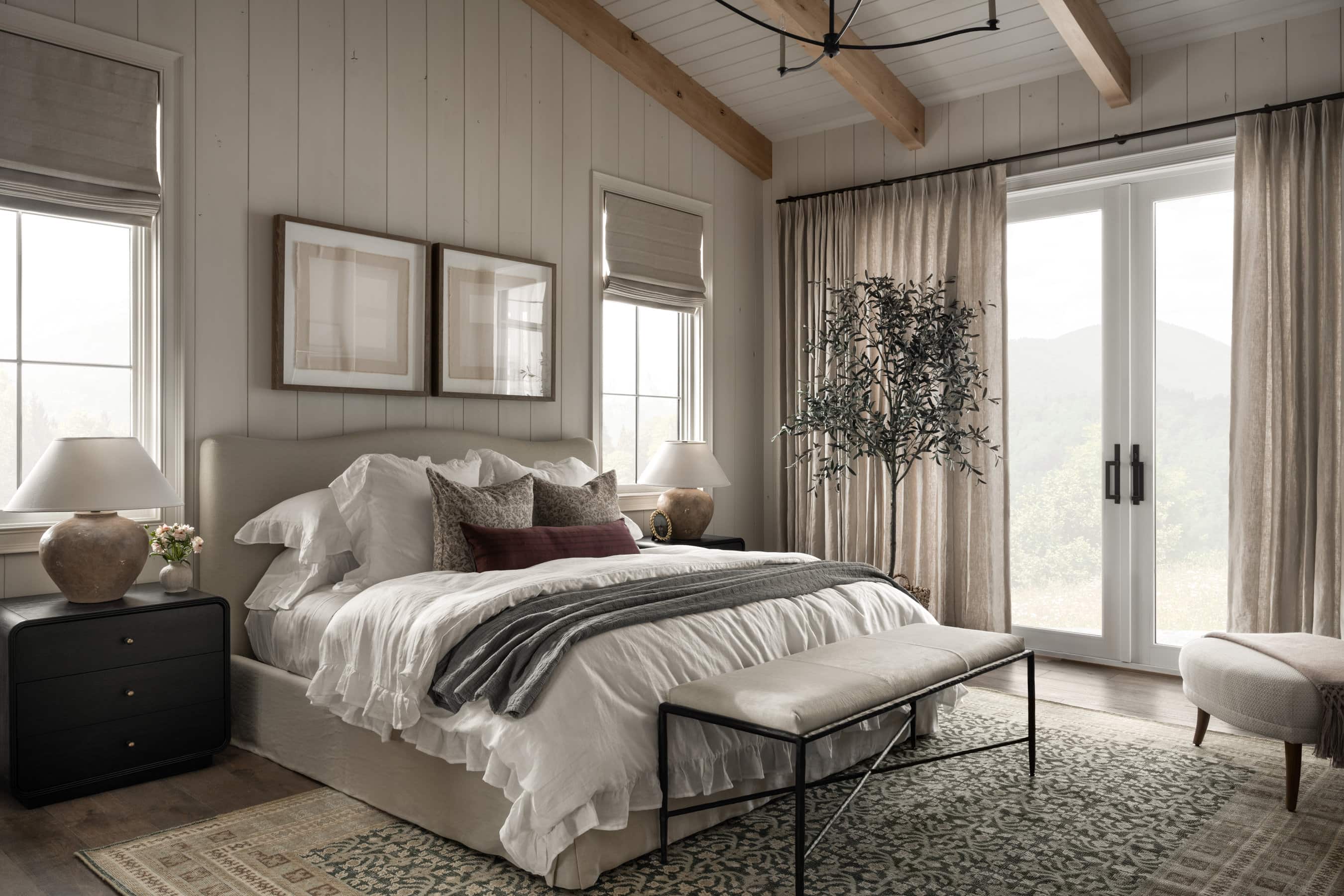
- Classic White: Crisp white trim offers a timeless contrast, making wall colors pop and defining architectural features.
- Matching Walls: Painting trim the same color as the walls (often in a different sheen) creates a seamless, modern, and often larger-feeling space. This is very popular for a sophisticated, minimalist look.
- Bold Contrast: For a dramatic statement, consider painting your trim a darker, contrasting color. This works particularly well with deep wall colors.
Paint Sheen Matters: Flat, Eggshell, Satin, Semi-Gloss
The finish of your paint profoundly affects how the color appears and performs. In a master bedroom, you want a balance of beauty and practicality.
| Sheen | Description & Finish | Best Use in Bedroom | Pros | Cons |
|---|---|---|---|---|
| Flat/Matte | Non-reflective, velvety finish. Absorbs light. | Walls, ceilings. Ideal for primary wall color. | Hides imperfections well, creates a rich, deep color. | Least durable, harder to clean, prone to scuffing. |
| Eggshell | Soft, low-sheen finish, slightly more reflective than flat. | Walls. A good balance for bedrooms. | More durable than flat, easier to clean, good at hiding minor flaws. | Slightly less ‘velvety’ look than flat. |
| Satin | Smooth, velvety finish with a noticeable sheen. Reflects more light. | Trim, doors, possibly accent walls. | Durable, very washable, adds a subtle glow. | Highlights wall imperfections more than flatter sheens. |
| Semi-Gloss | Highly reflective, durable, and shiny finish. | Trim, doors, furniture. Not typically for walls. | Extremely durable and easy to clean, makes trim pop. | Too shiny for walls in a bedroom, highlights every imperfection. |
For master bedroom walls, flat or eggshell are usually the top choices, offering a soft, sophisticated look. Use satin or semi-gloss for trim and doors for durability and a subtle contrast in sheen.
Your Step-by-Step Guide to Choosing the Perfect Master Bedroom Paint Color
Ready to commit? Here’s a practical, actionable plan to confidently select your dream master bedroom color.
1. Assess Your Space & Light
Stand in your master bedroom at different times of the day. Observe the natural light. Is it strong, soft, warm, cool? Note the undertones of your existing furniture, flooring, and fixed elements. Take pictures to review later.
2. Define Your Desired Mood
What feeling do you want to experience when you walk into your bedroom? Write down 3-5 adjectives: serene, cozy, luxurious, fresh, romantic, tranquil, elegant. This will narrow down your color family choices.
3. Gather Inspiration
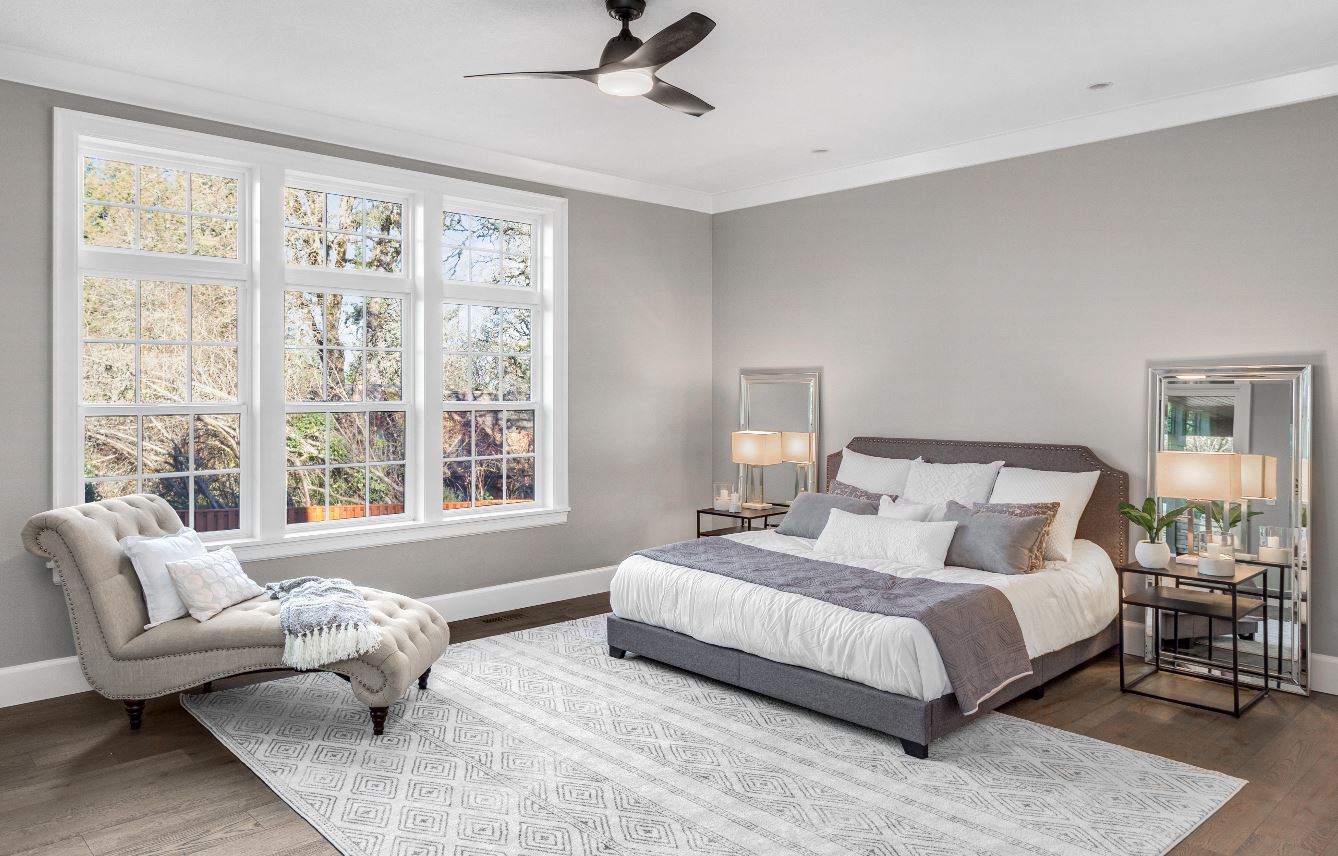
Flip through design magazines, browse Pinterest, or scroll through Instagram. Save images of bedrooms whose colors resonate with your desired mood. Don’t focus on replicating; focus on identifying patterns in color palettes.
4. Curate a Shortlist of Colors
Based on your desired mood, light assessment, and inspiration, head to the paint store (or order online samples). Grab swatches from the color families that appeal to you. Don’t be shy; pick up a dozen or more. Look for undertones that align with your existing decor (e.g., if you have warm wood furniture, lean towards blues with green undertones rather than icy purples).
5. Sample, Sample, Sample: The Critical Step for Accuracy
This is non-negotiable. Buy sample pots of your top 3-5 contenders. Paint large swatches (at least 2’x2′) on at least two different walls in your bedroom, perhaps on a foam board that you can move around. Do NOT just hold the tiny swatches up; they are too small to give an accurate representation.
6. Observe Throughout the Day
Live with your samples for a few days. See how they look in morning light, midday sun, and evening lamplight. Colors shift dramatically! What looks perfect in daylight might look dull or too intense under artificial light. Also, observe them with your bedding and curtains.
7. Consult Your Partner
If you share the room, involve your partner in the sampling phase. Talk about what you each like and dislike. Find common ground or a compromise that makes both of you happy. Sometimes, a neutral that complements both your favorite colors is the ideal solution.
8. Make Your Final Decision
Once you’ve done your due diligence, trust your gut. You’ve assessed the practicalities and observed the nuances. You are now equipped to make a confident choice that will transform your master bedroom into the serene retreat you deserve.
Choosing the perfect master bedroom paint color is an investment in your daily peace and long-term well-being. By considering light, mood, existing decor, and using the right sampling techniques, you’re not just picking a color; you’re crafting an experience. Go forth and create your dream sleep sanctuary – a space where you truly love to begin and end your day.
”
}