How to Paint a Wood Bedroom Set: Your Ultimate Guide to a Stunning Transformation
Is your bedroom set looking tired, dated, or just plain *not you* anymore? Don’t rush to buy new! You’d be amazed at the magic a fresh coat of paint can work on old wooden furniture. Painting your wood bedroom set isn’t just a budget-friendly way to update your space; it’s an incredibly satisfying DIY project that breathes new life into sturdy, well-made pieces.
I’ve been there – staring at a perfectly functional dresser or nightstand, wishing it fit my evolving style. The good news? With the right approach, tools, and a bit of patience, you can transform your entire bedroom aesthetic without breaking the bank. Forget the matchy-matchy sets of yesteryear; it’s time to create a personalized oasis that truly reflects you.
Is Painting Your Wood Bedroom Set the Right Choice for You?
Before you dive headfirst into sanding and priming, let’s figure out if painting your current bedroom set is the smartest move. While it’s often a fantastic option, it’s not always the best solution for every piece of furniture or every situation.
The “Why” Behind the Brush: Benefits of a Painted Bedroom Set
Why bother with paint when you could just buy new? Here’s why I’m a huge advocate for furniture makeovers:
- Cost-Effective Transformation: A new high-quality bedroom set can cost thousands. Paint and supplies? Usually a few hundred dollars, max. This is hands down the biggest benefit.
- Personalized Style: You’re not limited to what’s in stores. Choose any color, any finish, and create a truly unique look that complements your decor perfectly.
- Eco-Friendly Choice: Repurposing existing furniture keeps it out of landfills and reduces demand for new manufacturing. It’s a win for the planet!
- Quality Retention: Many older wood bedroom sets are built with solid, durable wood, far superior to some modern particle board or veneer options. Painting preserves that inherent quality.
- Sentimental Value: Breathing new life into a family heirloom or a beloved piece means you get to keep its history while making it functional for today.
When to Think Twice: Potential Drawbacks and Considerations
While I love a good DIY, it’s important to be realistic. Painting isn’t always a magic bullet:
- Time Commitment: This isn’t a one-afternoon project. Proper prep, multiple coats, and drying/curing times mean it could take a few days or even a week.
- Effort Involved: It requires physical effort – cleaning, sanding, painting, and moving furniture around. Be prepared for some elbow grease!
- Not for All Materials: While most solid wood is paintable, some laminate or veneer pieces might be tricky and require special primers or techniques to ensure adhesion and durability.
- Potential for Imperfections: If you’re new to painting, your first few projects might not be factory-perfect. That’s okay – embrace the handmade charm! But if perfection is your only goal, consider a professional.
- Maintaining Value (Antiques): If you have a genuine antique piece with significant historical or monetary value, painting it could decrease its worth. Research before you paint a truly rare item.
Ultimately, if you have a solid wood bedroom set that’s structurally sound but visually lacking, painting is almost always a fantastic option. Let’s get planning!
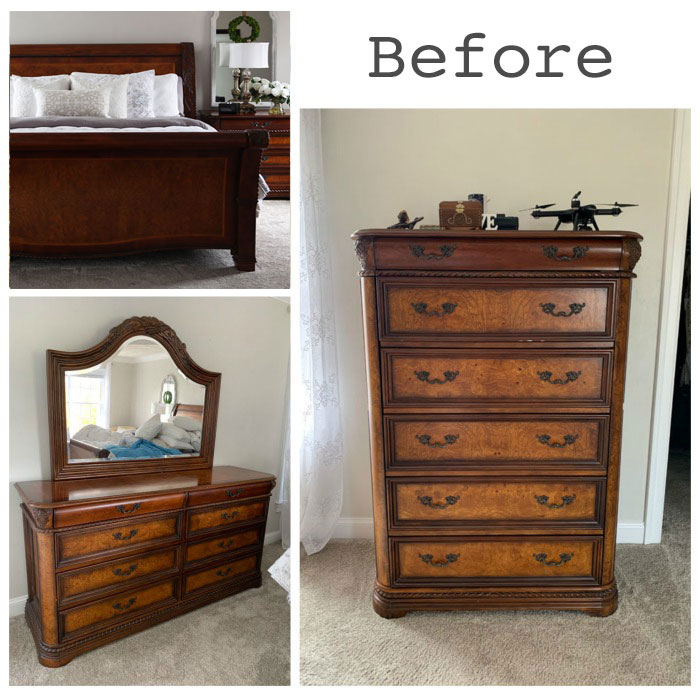
Planning Your Bedroom Set Makeover: Vision to Reality
The success of your painted bedroom set hinges largely on the planning phase. This is where you transform your vision into actionable steps, ensuring you choose the right materials and techniques for a flawless finish.
Choosing Your Aesthetic: Color, Finish, and Hardware
This is the fun part: dreaming up the new look! Consider the overall vibe of your bedroom. Do you want serene and calming, bold and dramatic, or light and airy?
- Color Selection:
- Calming Colors: Soft blues, greens, grays, and warm whites are perfect for a tranquil bedroom.
- Bold Statements: Deep navy, charcoal, forest green, or even a rich jewel tone can add sophistication.
- Light & Bright: Crisp whites, creams, and pale pastels instantly make a room feel larger and brighter.
- Test Swatches: Always, always, always test your chosen paint color on a hidden area of your furniture or on a scrap piece of wood. Colors look different in various lighting.
- Sheen/Finish Options: The sheen affects both the look and durability.
- Matte/Flat: Very little shine, hides imperfections well, but less durable and harder to clean. Best for low-traffic pieces or a rustic look.
- Eggshell/Satin: My personal favorite for furniture. A subtle sheen, good durability, easy to clean, and provides a sophisticated look without being overly shiny.
- Semi-Gloss: More reflective, very durable, and easy to clean. Great for high-traffic pieces, kids’ rooms, or a more modern, crisp aesthetic.
- High-Gloss: Very reflective, shows imperfections easily, but offers maximum durability and a dramatic, contemporary look. Requires very careful application.
- Hardware Selection: New knobs, pulls, or hinges can completely transform a piece.
- Consider the style (modern, vintage, rustic).
- Measure existing hardware holes to ensure new hardware fits without drilling new holes, if preferred.
- Don’t be afraid to mix metals for an eclectic look.
The Great Debate: To Sand or Not To Sand? (With Comparison Table)
This is one of the most common questions, and honestly, it depends on your furniture and your desired outcome. While “no-sanding” paints exist, a little prep-sanding almost always yields better, longer-lasting results.
| Method | Pros | Cons | Best For |
|---|---|---|---|
| Sanding (Light Scuff Sand) |
|
|
Most projects, especially high-use items or when using traditional latex/oil paints. Highly recommended for a lasting finish. |
| No-Sanding (Bonding Primers / All-in-One Paints) |
|
|
Low-use decorative pieces, furniture with intricate details, or when using paints specifically formulated for no-sanding. |
My advice? Always do at least a light scuff sand (220-grit sandpaper) to create a “tooth” for your primer and paint to grip onto. It makes a huge difference in durability.
Picking the Perfect Paint: A Comparative Look at Options
The world of paint is vast, but for furniture, a few types stand out. Your choice will impact the finish, durability, and application process.
| Paint Type | Pros | Cons | Ideal For |
|---|---|---|---|
| Latex (Acrylic-Latex) |
|
|
General furniture painting, bedroom sets, modern finishes. Most popular choice for DIYers. |
| Chalk Paint |
|
|
Distressed, shabby chic, vintage styles, intricate pieces. |
| Mineral Paint |
|
|
Modern, clean finishes where high durability is key and minimal topcoat is desired. |
| Oil-Based Paint |
|
|
Heavy-duty, antique restoration where durability is paramount and fumes can be mitigated. Less common for DIY bedroom sets due to odor/cleanup. |
| All-in-One Paint |
|
|
Quick projects, beginners, pieces with minimal wear, or when you want to minimize steps. |
Essential Tools and Materials: Your DIY Arsenal
Gathering your supplies beforehand is crucial. Nothing is worse than being mid-project and realizing you’re missing something critical.
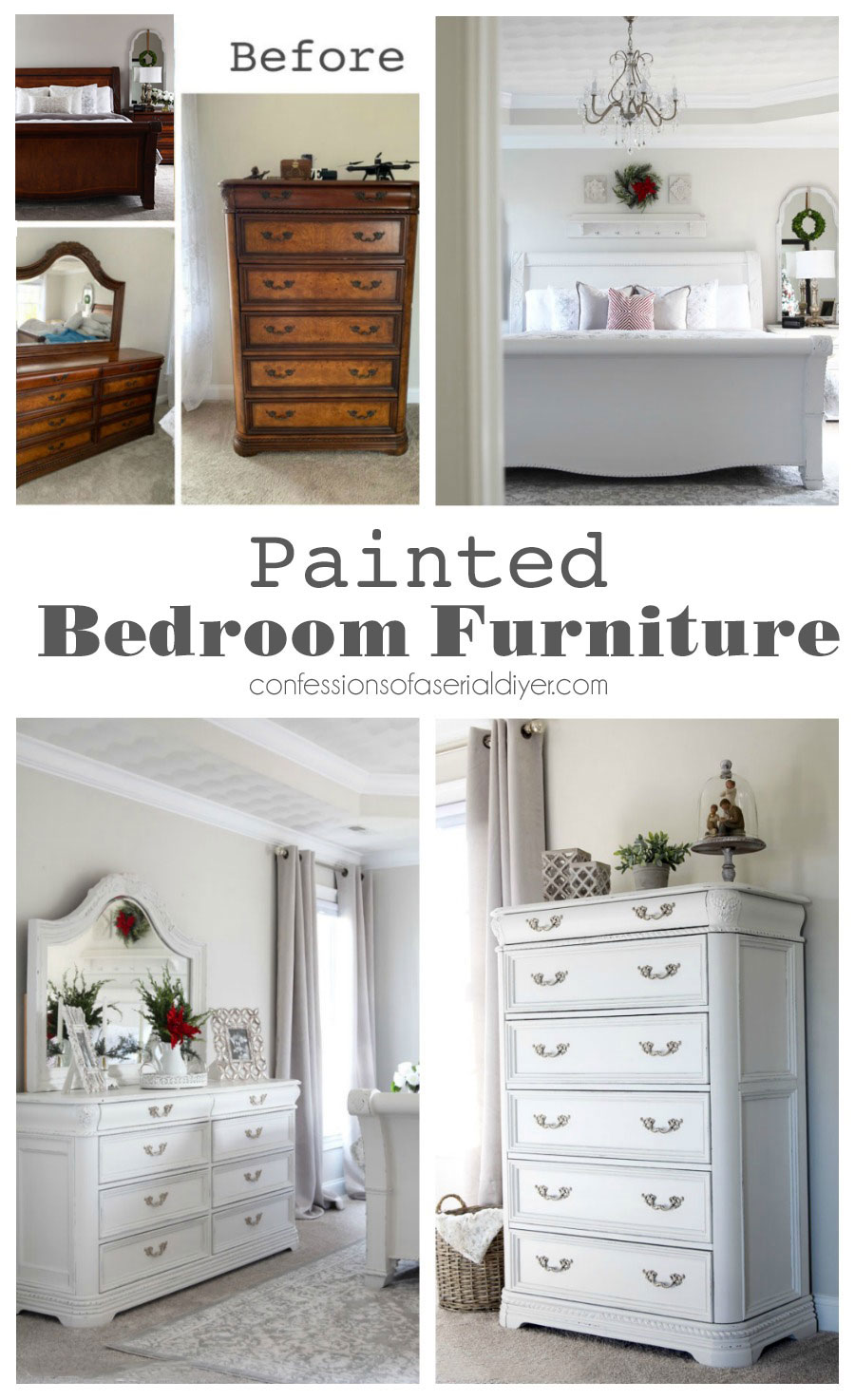
- Cleaning: Degreaser (TSP substitute or dish soap), clean rags, buckets.
- Sanding: Sandpaper (120-grit for repairs, 220-grit for scuff sanding), sanding block or orbital sander.
- Prep: Painter’s tape (FrogTape is my favorite!), drop cloths or old sheets, wood filler, putty knife.
- Primer: High-quality bonding primer (e.g., Zinsser B-I-N Shellac-Based Primer or Kilz Adhesion).
- Paint: Your chosen furniture paint.
- Topcoat (optional but recommended): Polycrylic (water-based) or polyurethane (oil-based).
- Application: High-quality angled brush (for details), foam rollers (small, high-density), paint tray, paint sprayer (optional).
- Safety: Nitrile gloves, safety glasses, respirator mask (especially for sanding or oil-based products).
Choosing the right application tool also makes a big difference:
| Tool | Pros | Cons | Best For |
|---|---|---|---|
| Angled Brush |
|
|
Trims, carved details, cutting in edges. Always use a high-quality synthetic brush for latex/water-based paints. |
| Foam Roller (High-Density) |
|
|
Large, flat surfaces like dresser tops, sides, and drawer fronts. Pair with a brush for edges. |
| Paint Sprayer (HVLP) |
|
|
Experienced DIYers, large projects, or when aiming for a truly flawless, high-end finish. |
Estimating Time and Cost: What to Expect
Understanding the time and money investment helps you manage expectations. These are rough estimates and can vary widely.
| Factor | Estimated Time / Cost | Notes |
|---|---|---|
| Prep Work (Cleaning, Sanding, Repairs) | 2-6 hours per large piece | Most crucial step; varies by furniture condition. |
| Priming (2 coats) | 1-2 hours active per coat + 2-4 hours drying between coats | Factor in specific primer drying times. |
| Painting (2-3 coats) | 1-3 hours active per coat + 4-8 hours drying between coats | Darker colors may need fewer coats; lighter colors more. |
| Topcoat (1-3 coats) | 1-2 hours active per coat + 4-24 hours drying between coats | Drying times vary greatly by product. |
| Full Curing Time | 7-30 days | Crucial for long-term durability. Avoid heavy use during this time. |
| Supplies (Paint, Primer, Topcoat, Brushes, Sandpaper) | $100 – $300+ | Varies by quality/quantity; sprayers add to initial cost. |
| New Hardware (Optional) | $20 – $100+ | Can significantly impact the final look. |
I recommend starting your project on a Friday if you want to be done by Sunday evening. The active painting is quick, but the drying and curing is what takes the real “time.”
Step-by-Step Guide: Painting Your Wood Bedroom Set Like a Pro
Okay, you’ve got your vision, your materials, and your game plan. Now, let’s get down to business. Follow these steps for a stunning, durable finish you’ll be proud of.
Step 1: Prep Work is Paramount (Don’t Skip This!)
This is the most tedious but arguably the most important step. Proper preparation is the secret to a professional-looking, long-lasting finish.
- Clear the Area: Move your furniture to a well-ventilated space, ideally a garage or outdoors if weather permits. Lay down drop cloths to protect the floor.
- Dismantle: Remove all hardware (knobs, pulls, hinges) and set them aside. Take out drawers and label them if necessary to remember their position. If you’re painting the inside of the drawers, great; otherwise, you might only need to paint the drawer fronts and edges.
- Clean Thoroughly: This is non-negotiable! Use a good degreaser like a TSP substitute or even just warm water with a squirt of dish soap. Wipe down every surface you plan to paint. Pay special attention to areas where hands frequently touch, as they accumulate oils and grime. Rinse with clean water and let it dry completely.
- Minor Repairs: Fill any small dings, scratches, or old hardware holes with wood filler. Apply with a putty knife, let it dry, and then sand smooth (you’ll do a full sand in the next step, but this helps fill deep imperfections).
- Masking: Use high-quality painter’s tape to protect any areas you don’t want to paint, such as the inside of drawers, glass, or decorative trim you want to leave natural. Press the tape down firmly to prevent bleed.
Step 2: Sanding for Success (Even if it’s “No-Sand”)
Even if your chosen paint claims “no sanding,” I always recommend a light scuff sand. It costs minimal time and effort but maximizes adhesion.
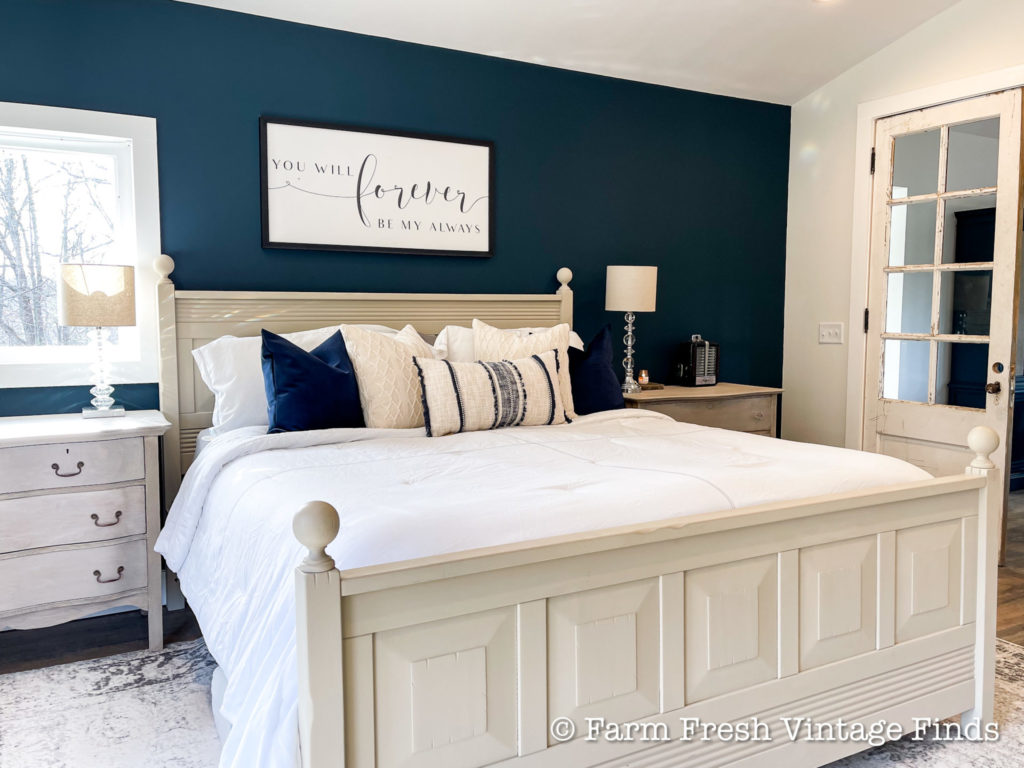
- Rough Sand (if needed): If your furniture has deep scratches, peeling old paint, or a very uneven finish, start with 120-grit sandpaper to smooth these out. Wipe away all dust.
- Scuff Sand Everything: Use 220-grit sandpaper (either by hand with a sanding block or with an orbital sander for large flat surfaces) to lightly scuff all surfaces. You’re not trying to remove the existing finish; you’re just creating a dull, slightly textured surface for the primer to grip. Think of it like a light facial exfoliation for your furniture.
- Clean Dust: This is critical. Use a shop vac or a clean, damp (not wet) cloth to wipe away all sanding dust. Let it dry completely before moving on. Any dust left behind will be trapped in your paint.
Step 3: Priming for Perfection
Primer is your furniture’s best friend. It creates a uniform surface, blocks stains (especially important for old wood that can bleed tannins), and provides an ideal base for your topcoat of paint.
- Choose Your Primer:
- Shellac-based: Excellent for blocking odors and stains (tannin bleed from mahogany/cherry). Dries fast, but strong odor and cleanup with denatured alcohol.
- Oil-based: Good for adhesion and stain-blocking, durable. Strong odor, mineral spirits cleanup.
- Water-based (Acrylic/Latex): Low odor, easy cleanup. Look for “bonding” or “stain-blocking” varieties for furniture. My go-to for most projects.
- Apply First Coat: Stir your primer well. Using your brush for edges and a foam roller for flat surfaces, apply a thin, even coat. Don’t overload your brush or roller to avoid drips. Work in manageable sections.
- Dry Time: Let the first coat dry completely according to the manufacturer’s instructions. This is crucial for proper adhesion.
- Light Sand (Optional but Recommended): After the first coat of primer is dry, lightly scuff sand with 220-grit sandpaper. This smooths out any minor imperfections or raised wood grain. Wipe off dust.
- Apply Second Coat: Apply a second thin, even coat of primer. Two coats of primer provide superior stain-blocking and a more uniform base. Let it dry completely.
Step 4: The Art of Painting Your Furniture
This is where your vision truly comes to life! Patience and thin coats are your mantra here.
- Prepare Paint: Stir your paint thoroughly, don’t shake it (shaking introduces air bubbles). If using a sprayer, thin it according to the manufacturer’s instructions.
- First Coat (Thin!): Apply your first coat of paint. Remember, it’s going to look patchy, possibly even horrible. Don’t panic! This coat is for adhesion, not coverage. Use your brush for detailed areas and a foam roller for large, flat surfaces. Apply in long, even strokes, avoiding heavy buildup.
- Dry Time: Allow the first coat to dry completely. This can take anywhere from 2-8 hours depending on humidity, temperature, and paint type. Touch-dry doesn’t mean ready for the next coat.
- Light Sand (Optional): If you have any bumps or rough spots, a very light sand with 220-grit or higher sandpaper (or a fine sanding sponge) can smooth them out. Wipe off dust.
- Second Coat: Apply your second coat, following the same thin, even technique. You’ll start to see proper coverage and color saturation now.
- Repeat if Necessary: Most furniture projects require two to three thin coats for full, even coverage, especially with lighter colors or when painting over dark wood. Always allow adequate drying time between coats.
Step 5: Sealing the Deal with a Topcoat
A topcoat is your armor! It protects your beautiful paint job from scuffs, chips, and daily wear, making your furniture durable and easy to clean.
- Choose Your Topcoat:
- Polycrylic: Water-based, low odor, dries clear (won’t yellow over light colors), easy cleanup. My preference for most painted furniture.
- Polyurethane: Oil-based, very durable, but can yellow over time, especially with white or light paints. Strong odor, mineral spirits cleanup.
- Wax: Often used with chalk paint for a soft, matte finish. Offers good protection but requires reapplication over time and isn’t as durable as poly for high-use pieces.
- Apply First Coat: Once your final paint coat has dried for at least 24 hours (check manufacturer recommendations), apply a thin, even coat of your chosen topcoat. Use a dedicated synthetic brush or a foam applicator. Avoid bubbles by not overworking the product.
- Dry and Lightly Sand: Let the first coat dry completely. If there are any imperfections, lightly sand with 320-grit or 400-grit sandpaper (or a very fine sanding sponge). Wipe off dust.
- Apply Subsequent Coats: Apply 2-3 thin coats of topcoat for maximum durability, especially on high-use surfaces like dresser tops or nightstands. More coats equal more protection.
- Curing Time: This is vital! While the topcoat will be dry to the touch in hours, it takes 7-30 days (sometimes longer depending on humidity and product) to fully cure and reach its maximum hardness. During this time, treat your furniture gently. Avoid placing heavy objects, dragging things across the surface, or harsh cleaning.
Step 6: Reassembly and the Big Reveal
Once your topcoat is fully dry (but ideally after a few days of curing), it’s time to bring your pieces back together.
- Reattach Hardware: Carefully screw back on your original hardware or install your new knobs and pulls.
- Replace Drawers: Slide drawers back into their correct slots.
- Admire Your Work: Step back and marvel at your transformation! You’ve successfully revitalized your bedroom set.
- Patience, Still: Remember that full curing time. Even if it looks perfect, the finish is still strengthening. Continue to be gentle for a few weeks to ensure long-term durability.
Troubleshooting Common Painting Problems
Even the pros encounter issues. Don’t get discouraged if something doesn’t go exactly as planned. Most problems have solutions!
Streaks and Brush Marks
Cause: Too much paint on the brush, not enough paint extender, cheap brushes, or not allowing enough drying time between coats.
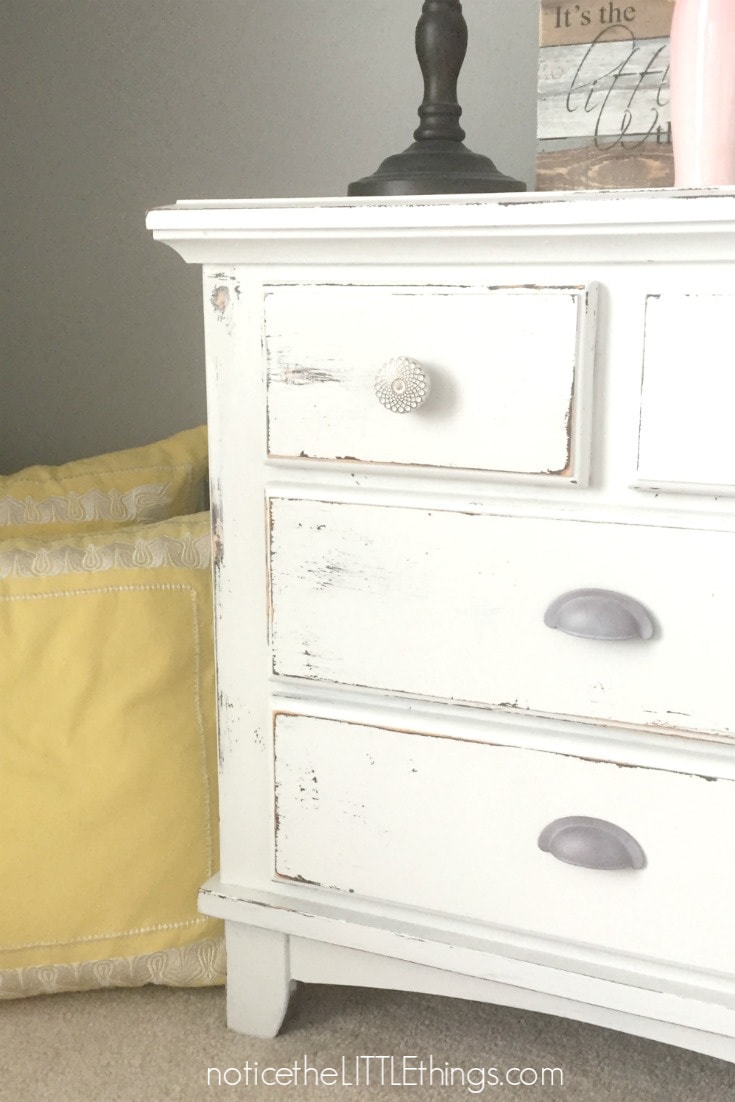
Solution:
- For wet paint, immediately go over the area with a dry brush or roller to smooth.
- For dry paint, lightly sand the area with 220-grit sandpaper until smooth. Clean dust, then reapply a thin coat of paint.
- Use a high-quality angled synthetic brush and a foam roller.
- Consider adding a paint conditioner/extender to your paint (especially latex) to prolong drying time and allow for better self-leveling.
Drips and Sags
Cause: Applying too much paint in one coat or painting in humid conditions.
Solution:
- For wet drips, gently wick away excess paint with a brush or roller, then smooth the area.
- For dry drips, wait until the paint is fully cured, then use a razor blade or fine-grit sandpaper to carefully scrape/sand the drip flat. Be very gentle to avoid damaging surrounding paint. Repaint if necessary.
- Always apply thin, even coats, and don’t try to get full coverage in one go.
Poor Adhesion or Peeling Paint
Cause: Insufficient cleaning (grease/grime left behind), no or improper sanding, using the wrong primer, or applying paint over a glossy finish without proper prep.
Solution:
- If it’s a small area, gently scrape off the peeling paint, sand the edges smooth, clean, prime, and repaint.
- If it’s widespread, you might need to strip the paint, thoroughly clean, sand, and re-prime/repaint the entire piece.
- Always ensure surfaces are meticulously clean, lightly sanded (scuff-sanded), and properly primed for best adhesion.
Tannin Bleed-Through
Cause: Dark woods like mahogany, cherry, or oak have natural tannins (reddish/yellowish stains) that can bleed through water-based primers and paints, especially when painting a light color.
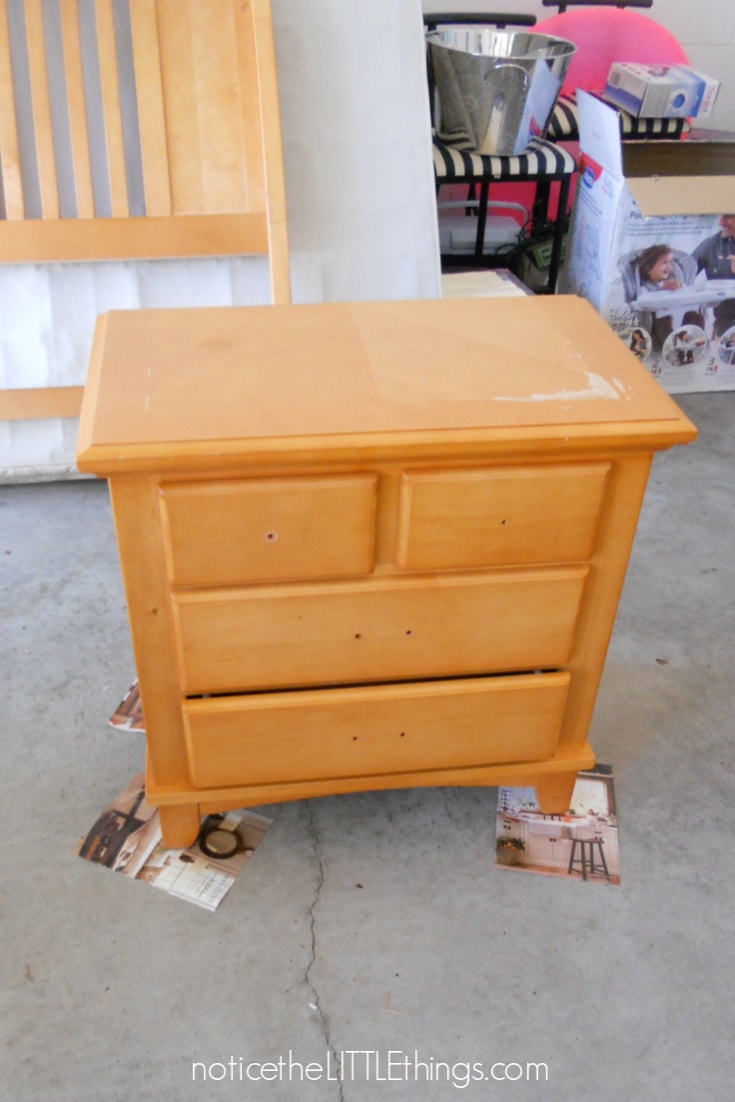
Solution:
- Use a shellac-based primer (like Zinsser B-I-N) or a high-quality oil-based stain-blocking primer. These are specifically formulated to encapsulate tannins.
- You may need two coats of a shellac-based primer for stubborn bleed-through.
Uneven Finish
Cause: Inconsistent application, uneven surface prep, or paint drying too quickly.
Solution:
- Ensure you’re applying thin, even coats with consistent pressure.
- Check your lighting while painting to spot uneven areas as you go.
- If dry, lightly sand the uneven areas and reapply paint.
- Working in a controlled environment (not too hot, cold, or humid) can help paint dry more evenly.
Maintenance and Care for Your Newly Painted Furniture
Your beautifully painted bedroom set deserves to stay that way! Proper care will ensure its longevity.
- Gentle Cleaning: For regular dusting, use a soft, dry cloth. For spills or smudges, wipe immediately with a damp (not soaking wet) cloth and a mild soap (like dish soap diluted in water). Avoid harsh chemical cleaners, abrasive scrubbers, or polishes that aren’t specifically designed for painted surfaces.
- Protect Surfaces: Use coasters under drinks, placemats under decorative items, and felt pads under anything that might scratch the surface. This is especially important for dresser tops and nightstands.
- Avoid Extreme Conditions: Keep your furniture away from direct sunlight, extreme heat, or excessive humidity, which can cause paint to fade, crack, or peel over time.
- Touch-Ups: Keep a small amount of your leftover paint and topcoat for future touch-ups. Small chips or scratches can be easily repaired with a fine artist’s brush.
Painting a wood bedroom set is an incredibly rewarding project that can dramatically change the look and feel of your room. With careful preparation, quality materials, and a little patience, you’ll achieve a professional-looking finish that will last for years. So go ahead, grab that brush, and unleash your inner designer. Your dream bedroom awaits!