Unlocking the Best Paint Colors for Rooms with Low Light: Your Definitive Guide
Ever walked into a room in your home and felt like you needed a flashlight just to navigate? You know the feeling: perpetually dim, even on a sunny day. It’s frustrating, isn’t it? A room with low natural light can feel small, uninviting, and just… sad. But here’s the good news: you don’t have to live with it. As an expert content strategist and copywriter, I’m here to tell you that the right paint color can radically transform these spaces, making them feel brighter, airier, or wonderfully cozy, depending on your goal.
Forget the notion that you must paint every dark room pure white. While white can be a great option, it’s far from your only choice – and sometimes, it’s the wrong one. The secret lies in understanding how light, or the lack thereof, interacts with color, sheen, and undertones. This guide will arm you with the knowledge and specific color recommendations to turn your dim dilemmas into design triumphs.
Don’t Fight the Dark: The Core Philosophy for Low-Light Rooms
Before we dive into specific colors, let’s reframe how we approach these challenging spaces. You essentially have two powerful strategies, and your choice will dictate your color palette:
Brighten & Bounce: Maximizing Existing Light
This is the most common approach. The goal here is to make the room feel larger, more open, and as luminous as possible. You’re working with the light you have, trying to amplify it. This strategy typically involves lighter colors with high Light Reflectance Value (LRV), specific undertones, and careful attention to paint sheen. We’re talking about colors that literally bounce light around the room, making it feel more expansive and airy.
Embrace the Mood: Leaning into the Cozy Vibe
Sometimes, trying to force a dark room to be bright can lead to disappointing results – a weak, washed-out version of a light color. Instead, consider leaning into the room’s natural inclination. Embrace the intimacy! A rich, deep color can create a wonderfully cozy, dramatic, and sophisticated sanctuary. Think libraries, formal dining rooms, or even a snug bedroom. This approach celebrates the low light rather than fighting it, transforming a perceived flaw into a design feature. It’s a bold move, but when done right, it’s incredibly rewarding.
The Science of Light and Color: What You Need to Know
Understanding these three elements is crucial for successful paint selection in low-light rooms:
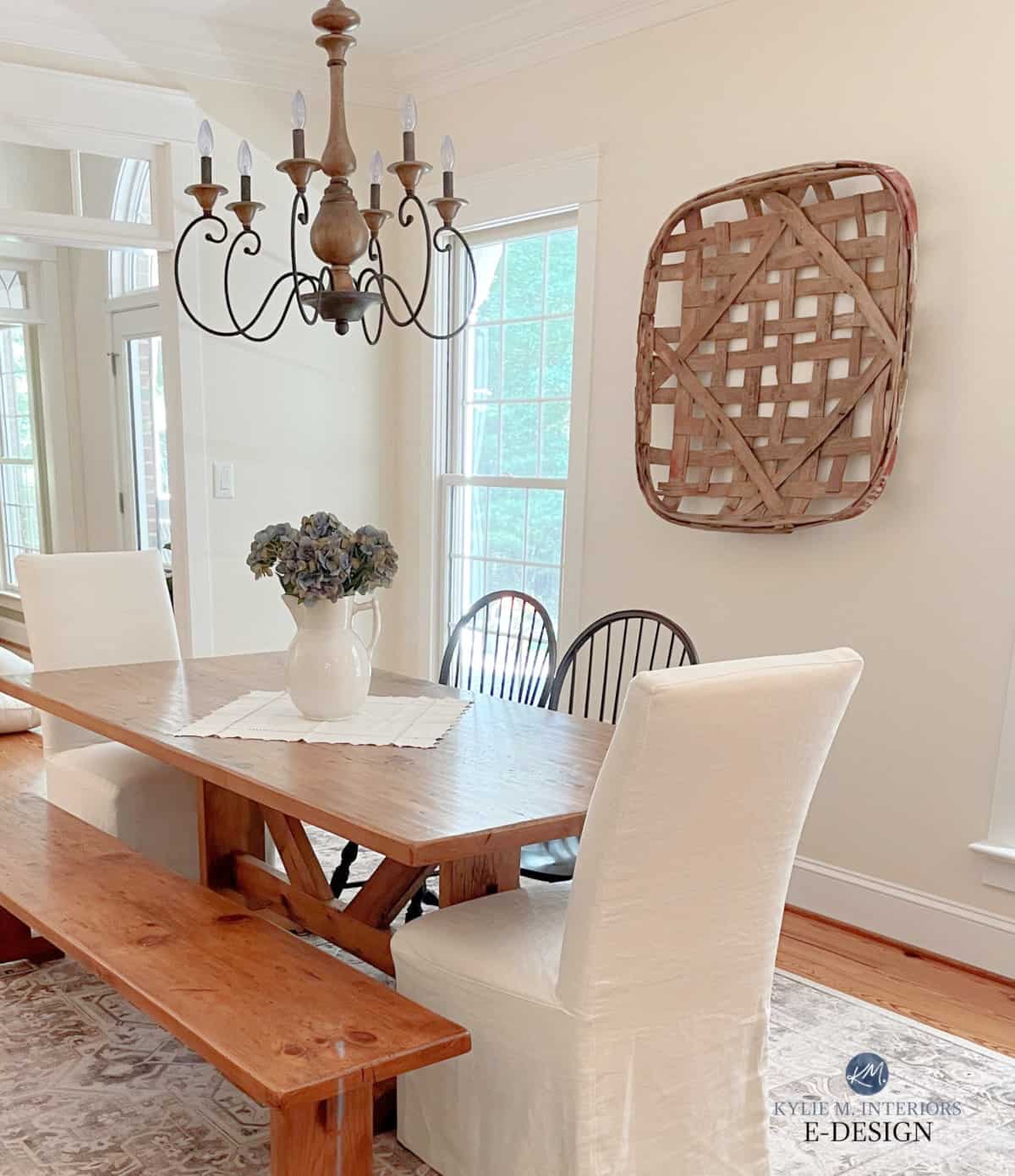
Understanding Light Reflectance Value (LRV)
Every paint color has an LRV, a number typically found on paint chips or online, ranging from 0 (absolute black, absorbs all light) to 100 (pure white, reflects all light). In low-light rooms, colors with higher LRVs (generally 60 and above) are often preferred for brightening because they reflect more available light. However, LRV isn’t the whole story. A high LRV white can still look dull if it has the wrong undertone.
The Critical Role of Undertones
This is where many DIY painters go wrong. Undertones are the subtle colors beneath the main hue that become more apparent in certain lighting conditions. In low light, undertones can be amplified. For instance:
- Cool Undertones (blue, purple, green): In a naturally cool, dark room, these can make the space feel colder and even dingier. However, a light sage green or soft blue with warm undertones can feel serene and fresh.
- Warm Undertones (yellow, orange, red, brown): These are often your best friends in low-light rooms. A white with a hint of yellow or pink undertone will feel much warmer and more inviting than a stark, cool white which can appear gray or institutional in dim light.
Always consider how the undertones will interact with the fixed elements in your room (flooring, existing woodwork, furniture) and the quality of light.
How Sheen Transforms Color in Low Light
The gloss level, or sheen, of your paint plays a monumental role in how light is reflected. This is especially true in low-light environments:
- Flat/Matte: Absorbs light. Can make colors look richer and more saturated, which is great for a cozy, moody vibe, but terrible for trying to brighten a room.
- Eggshell/Satin: Have a slight sheen, making them more reflective and durable than flat. These are excellent all-around choices for low-light rooms trying to achieve a brighter feel. They offer a gentle bounce of light without being overtly glossy.
- Semi-Gloss/High-Gloss: Highly reflective. While they can bounce a lot of light, they also highlight every imperfection on your wall. Best used sparingly, perhaps on trim, doors, or for a very specific, high-drama, lacquered look in a dark, moody space.
For most brightening applications in low-light rooms, eggshell or satin finishes strike the perfect balance between light reflection and practicality.
Top Paint Color Categories for Low-Light Rooms (With Expert Recommendations)
Now, let’s get to the fun part: specific color recommendations based on the strategies we’ve discussed.
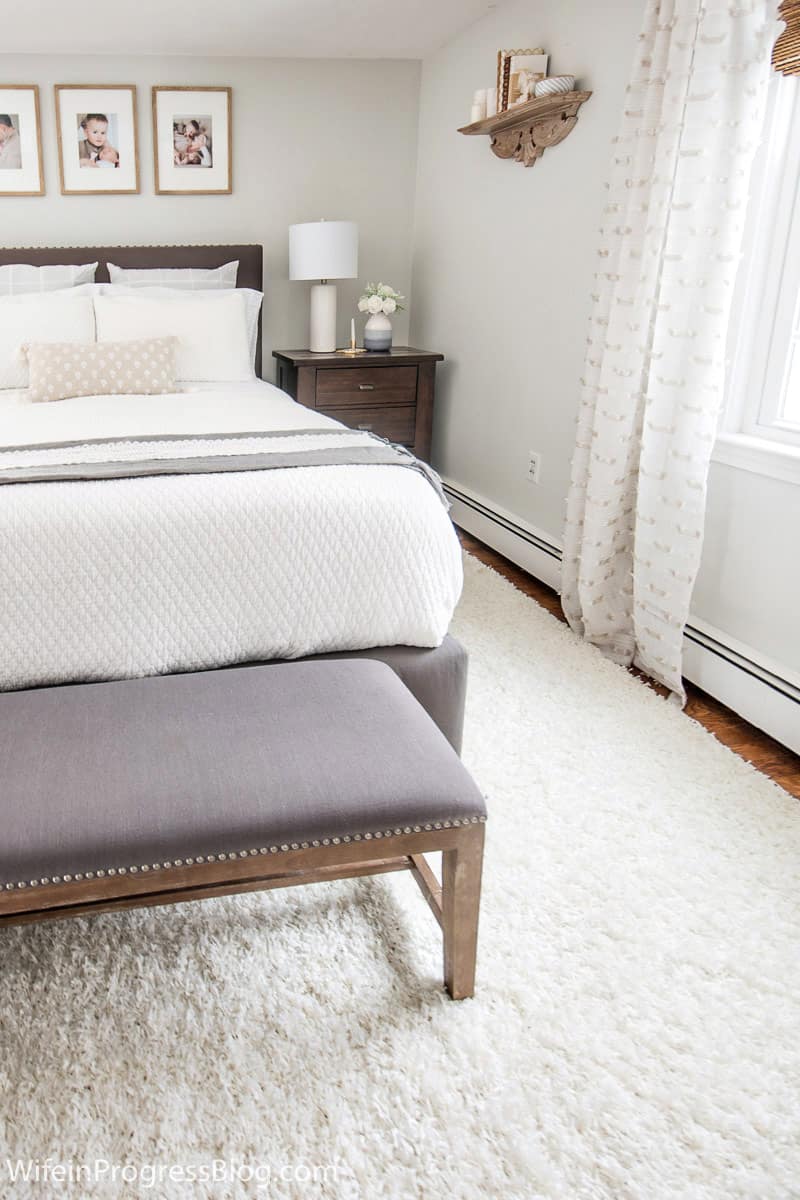
1. The Brightening Whites & Off-Whites: Your Go-To for an Airy Feel
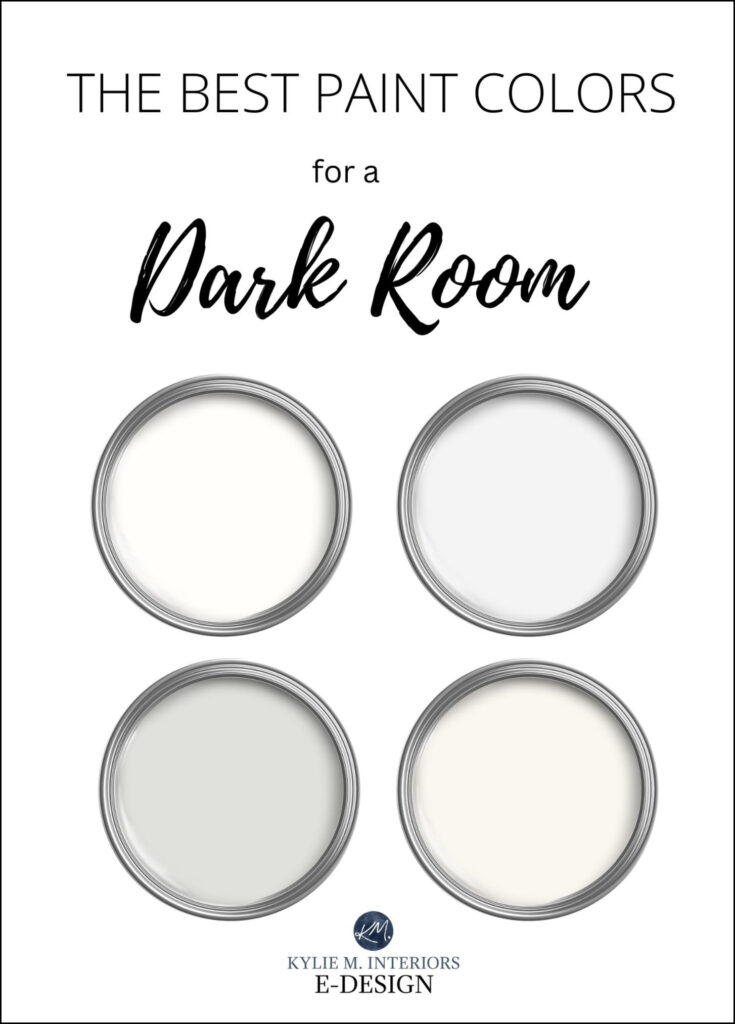
Don’t be scared of white! The right white can make a low-light room feel expansive and fresh. The key is to avoid stark, cool whites that can look drab in dim conditions. Instead, opt for whites with warmth.
- Creamy Whites: These whites have subtle yellow or beige undertones. They feel soft, welcoming, and prevent a room from feeling sterile. Think Benjamin Moore ‘Swiss Coffee’ (OC-45) or Sherwin Williams ‘Alabaster’ (SW 7008). They provide brightness without being blinding.
- Warm Off-Whites: These are whites with a touch more saturation, leaning into beige, greige, or soft tan. They offer more presence than a pure white but still reflect light beautifully. Farrow & Ball ‘White Tie’ (No. 2002) is a classic example, with a gentle yellow undertone that feels historic and inviting.
2. Soft Neutrals: Creating Serenity Without Starkness
If pure white feels too stark, soft neutrals are your best friend. They offer color without overwhelming the space, and their subdued nature allows them to adapt well to changing light.
- Light Greiges: A perfect blend of gray and beige, greiges can bring sophistication. Look for ones with warm, creamy undertones to avoid them looking too cold. Benjamin Moore ‘Revere Pewter’ (HC-172) is a beloved greige that works wonders in many light conditions, often reflecting warmth.
- Warm Light Grays: If you love gray but fear a gloomy outcome, choose a very light gray with a distinct warm undertone, perhaps a hint of taupe or even a soft lavender. This keeps it from feeling flat.
- Soft Tans/Beiges: These timeless colors automatically bring warmth. Choose lighter versions to keep the room feeling open. They are incredibly versatile and pair well with many decor styles.
3. Gentle Pastels: Infusing Subtle Color and Warmth
Don’t dismiss pastels! When chosen carefully, they can introduce a gentle hue that lifts the spirit of a low-light room without making it feel small or dark.
- Light Sage Green: A perennial favorite for its connection to nature and calming effect. A very light sage, like Sherwin Williams ‘Contented’ (SW 6191), can feel incredibly fresh and reflects light softly, especially those with warmer, earthy undertones.
- Soft Blues: Opt for very pale, almost ethereal blues that lean towards green or gray, rather than icy blues. These can create a serene, airy feel. Think Benjamin Moore ‘Palladian Blue’ (HC-144), which has a lovely green-gray undertone that keeps it from feeling cold.
- Light Lavender/Lilac: A surprising contender, a very soft lavender can introduce a delicate warmth and a unique sophisticated touch, reflecting light with an elegant glow. Look for those with more gray or pink undertones to avoid overt sweetness.
- Pale Yellows: The ultimate ‘sunshine in a can.’ A very pale, buttery yellow with a high LRV can mimic natural light beautifully, making a room feel instantly cheerful and bright. Avoid anything too saturated, which can feel jarring. Farrow & Ball ‘Yellow Ground’ (No. 218) is a fantastic, delicate option.
- Soft Coral/Blush: These warm, inviting hues can bring a subtle glow to a dim room, making it feel intimate and comforting without making it overtly dark. A pale blush can act almost as a warm neutral.
4. The Unexpected Bold & Moody: For When You Dare to Go Dark
This is the counter-intuitive approach that can yield spectacular results. If you have a room that simply *won’t brighten, stop fighting it and embrace the darkness. The key is to go all-in with a rich, deep, saturated color. This creates depth and makes the room feel intentional and luxurious, rather than just ‘dark’.
- Deep Forest Greens: Imagine a sophisticated library or a cozy den. A deep, organic green can feel incredibly enveloping and chic.
- Charcoal Grays or Navy Blues: These can create a dramatic, modern backdrop. Pair them with rich textures and strategic lighting to prevent them from feeling oppressive.
- Warm Blacks or Deep Plums: For the truly adventurous, a very dark, warm black or an opulent plum can create an intimate, luxurious, and utterly unique space.
When going dark, opt for a flat or matte finish to absorb light and enhance the richness of the color. Introduce metallic accents and diverse textures to add interest and subtle reflection.
| Color Category | Effect in Low Light | Ideal Undertones | Recommended Sheen | Key Consideration |
|---|---|---|---|---|
| Brightening Whites & Off-Whites | Expansive, airy, clean, fresh | Yellow, beige, soft pink (warm) | Eggshell, Satin | Avoid stark, cool whites; sample extensively. |
| Soft Neutrals (Greiges, Tans) | Calm, sophisticated, balanced, natural | Creamy beige, taupe, very subtle green | Eggshell, Satin | Ensure warmth; can appear dull if too gray. |
| Gentle Pastels (Sage, Pale Yellow) | Cheerful, serene, inviting, soft glow | Green-gray (sage), buttery (yellow), blush (coral) | Eggshell, Satin | Keep them very light; avoid oversaturation. |
| Bold & Moody (Deep Greens, Blues) | Intimate, dramatic, cozy, sophisticated | Earthy, muted (green), inky (blue), rich (plum) | Flat, Matte | Requires intentional lighting and decor to succeed. |
Beyond Paint: Enhancing Light with Strategic Choices
Paint color is a powerful tool, but it’s not a magic wand. For the best results in low-light rooms, you need to think holistically about how light moves (or doesn’t move) through your space.
:max_bytes(150000):strip_icc()/KMI_11-15-19-78-2-6e6295d963c143349819c8215c578ed1.jpg "6 Paint Colors That Will Instantly Brighten Up Any Dark Room ...")
Artificial Lighting: Your Best Friend in Low Light
This is arguably the most impactful element after paint color. Layer your lighting:
- Ambient Lighting: Overhead fixtures (recessed lights, flush mounts, chandeliers) for general illumination.
- Task Lighting: Lamps where you need them for reading or working.
- Accent Lighting: Up-lights or picture lights to highlight architectural features or artwork.
- Color Temperature: Opt for bulbs in the 2700K-3000K range (warm white) for a cozy, inviting glow, or 3500K (neutral white) if you need slightly more crispness without going too cool. Avoid harsh, cool-toned lighting in already dim rooms.
Mirrors and Reflective Surfaces
Mirrors are incredible light multipliers. Place a large mirror strategically opposite a window (even a small one) or a light source to reflect and distribute light deeper into the room. Glass-topped tables, metallic accents, and polished finishes also contribute to light reflection.
Furniture and Fabric Selection
Heavy, dark furniture and textiles can absorb light, making a low-light room feel even heavier. Opt for:
- Lighter Upholstery: Sofas and chairs in lighter fabrics.
- Leggy Furniture: Pieces with exposed legs allow light to flow underneath, creating a sense of openness.
- Sheer Window Treatments: If privacy allows, sheer curtains let in maximum light while still offering a finished look.
Expert Tips for Choosing and Testing Paint in Low-Light Conditions
Don’t rush this process. Testing is paramount, especially in challenging lighting scenarios.
Swatch Smartly: Why Large Samples are Non-Negotiable
Small paint chips are misleading. Purchase large peel-and-stick samples or actual sample pots to paint sizeable swatches (at least 2×2 feet) directly on your walls. Better yet, paint multiple coats on a large piece of poster board you can move around the room.
Observe Throughout the Day: Natural vs. Artificial Light
This is crucial. Colors can look dramatically different under natural daylight, cloudy daylight, evening ambient light, and artificial task lighting. Observe your swatches at different times of day and night, with all your typical light sources on.
Don’t Forget the Ceiling
Painting your ceiling a slightly lighter shade of your wall color (or even a crisp, warm white) can visually lift the ceiling and create a more expansive feel. Avoid stark white ceilings if your walls are warm, as it can create a jarring contrast. Consider a flat white with warm undertones for ceilings to help bounce light without glare.
Consider the Trim: Complementing Your Chosen Hue
White trim is classic, but ensure its undertone complements your wall color. A bright, cool white trim can clash with a warm off-white wall. Sometimes, painting trim the same color as the walls (but in a higher sheen) can create a seamless, expansive effect, making the room feel larger by eliminating visual breaks.
Common Mistakes to Avoid in Low-Light Room Painting
Learn from common pitfalls to ensure your project is a success.
Going Too Pure White
As mentioned, stark, cool whites can look dingy, flat, or even gray in a low-light room, rather than bright. Always opt for whites with warm undertones.
Ignoring Undertones
This is the most common mistake. A seemingly neutral gray can turn blue or purple in low light if you haven’t identified its undertones. Always consider how the ambient light will pull out these hidden hues.
Neglecting Paint Sheen
Choosing a flat paint in a room you want to brighten is a self-defeating move. Conversely, using a high-gloss paint in a room meant to be moody can create unwanted reflections.

Relying Solely on Paint for Brightness
Paint is a powerful tool, but it’s part of a larger strategy. Neglecting artificial lighting, mirrors, and appropriate decor will limit the impact of even the ‘best’ paint color.
Transforming a low-light room from a dreary space to a delightful one is entirely achievable with the right strategy. Whether you choose to brighten and bounce light with warm whites and gentle pastels, or embrace the drama with bold, moody hues, the key is to be intentional, understand the science of color, and test your choices thoroughly. You now have the definitive guide to make informed, confident decisions. Go forth and illuminate your home!
Frequently Asked Questions
What is the single most important factor when choosing paint for a low-light room?
The most important factor is understanding how a color’s undertones and Light Reflectance Value (LRV) interact with the limited light available. Colors with warm undertones and higher LRVs (if brightening) tend to perform best, as they can prevent the room from feeling dull or cold.
Should I always choose a bright white paint for a dark room?
Not necessarily. While warm whites can be excellent, stark or cool whites can often appear dingy, gray, or institutional in low light. Instead, opt for whites with yellow, beige, or soft pink undertones for a more inviting feel. Alternatively, embracing deep, moody colors can create a sophisticated, cozy atmosphere.
How does paint sheen affect how a color looks in a low-light room?
Paint sheen significantly impacts light reflection. Matte or flat finishes absorb light, which is great for rich, moody colors. Eggshell or satin finishes offer a gentle sheen that reflects more light without glare, making them ideal for brightening. High-gloss finishes are highly reflective but can show imperfections and are best used sparingly or for specific dramatic effects.
What are some good non-white paint colors for brightening a low-light room?
Excellent choices include light sage green, very pale buttery yellow, soft blues with green-gray undertones, and light, creamy greiges or tans. These colors add a subtle hue while still reflecting light and preventing the room from feeling washed out or cold.
Is it ever a good idea to paint a dark room a dark color?
Absolutely! This can be a brilliant strategy. Instead of fighting the lack of light, embrace it. Rich, deep colors like forest green, charcoal gray, or deep navy in a matte finish can create an incredibly cozy, sophisticated, and intimate space. The key is to be intentional and balance it with thoughtful lighting and contrasting textures.
How can I effectively test paint colors in a low-light room?
Don’t rely on small paint chips. Purchase large peel-and-stick samples or paint substantial swatches (at least 2×2 feet) on multiple walls. Observe these samples at various times throughout the day and night, with both natural light and all your typical artificial light sources on, to see how the color truly behaves.
What role does artificial lighting play when selecting paint for a low-light room?
Artificial lighting is critical. It will be the primary light source for much of the day. Ensure you have layered lighting (ambient, task, accent) and use bulbs with a warm color temperature (2700K-3000K) to enhance the warmth and glow of your chosen paint color, preventing it from appearing drab or cold.