Beyond Basic: Finding the Absolute Best Gray Paint Color for Your Bedroom Walls
Choosing the perfect gray for your bedroom walls can feel like staring into a kaleidoscope. It’s supposed to be simple, right? Gray is a neutral, a blank canvas. Yet, stand in front of a paint swatch wall, and suddenly you’re facing a spectrum of grays that look beige, blue, green, or even purple depending on the light. You want serenity, sophistication, and a space that feels distinctly yours, not a cold, uninviting box.
I get it. As someone who’s spent countless hours helping people find their ideal shade, I know the struggle is real. But here’s the secret: there *is* a perfect gray for your bedroom. It just takes a little insider knowledge to unlock its potential. Forget the overwhelming choices; I’m here to guide you through the nuance of undertones, the magic of light, and the specific shades that truly sing on bedroom walls.
Let’s strip away the confusion and reveal the gray that will transform your bedroom into the tranquil, stylish haven you deserve. No more second-guessing, no more paint regret. Just pure, unadulterated gray glory.
The Gray Secret: Understanding Undertones & Light
Before we dive into specific color names, we need to talk about the two biggest influencers of any gray paint: its undertone and your room’s lighting. Ignore these, and you’re playing Russian roulette with your walls.
:max_bytes(150000):strip_icc()/shades-of-gray-on-your-bedroom-walls-350785-hero-01-55d5d26725fd4f58b8f60a16dec4519a.jpg "The 11 Best Gray Paint Colors for a Stylish Bedroom")
The Underrated Power of Undertones
Every gray, no matter how ‘pure’ it seems, has an underlying color that peeks through. Think of it like a secret ingredient. These undertones dictate whether your gray feels warm, cool, or somewhere in between:
- Cool Undertones: These grays lean towards blue, green, or sometimes even purple. They tend to create a more crisp, modern, and serene atmosphere. Perfect for bedrooms where you want a sense of calm and clarity.
- Warm Undertones (Greiges): These grays have hints of beige, yellow, or brown. Often called “greiges,” they bring warmth and coziness, preventing the room from feeling sterile. Ideal if you want a softer, more inviting, and less stark look.
Understanding these is paramount. A gray with a blue undertone might look beautiful in one room, but in another, it might feel icy. A green undertone could be calming or, if not chosen carefully, feel a bit drab. It all depends on how it interacts with the light.
How Light Transforms Gray
Your room’s light sources are a game-changer for how gray reads on your walls. A color swatch will look completely different in the store than it does in your bedroom at different times of the day. Here’s a quick breakdown:
- North-Facing Rooms: Receive cooler, softer light throughout the day. Warm grays (greiges) can help balance this coolness and make the room feel more inviting. Cool grays here might feel too stark.
- South-Facing Rooms: Bathed in warm, bright light. This is where cool grays often shine, as the warm natural light prevents them from feeling too cold. Warm grays can appear overly yellow or beige here.
- East-Facing Rooms: Get bright, warm light in the morning, then cooler light in the afternoon. A balanced gray with subtle undertones or a versatile greige often works well to transition throughout the day.
- West-Facing Rooms: Experience cooler light in the morning and dramatic, warm light in the afternoon/evening. This shifting light can be tricky, making a chameleon gray (one that adapts well) or a light greige a good choice.
- Artificial Light: Consider your bulbs! Incandescent and warm LED bulbs will emphasize warm undertones, while cool LED or fluorescent lights will bring out cool undertones.
The “Sample” Rule: Never Skip It!
Seriously, this isn’t optional. Buy sample pots. Paint large swatches (at least 2×2 feet) on multiple walls in your bedroom. Observe them throughout the day and evening, under both natural and artificial light. See how they interact with your existing furniture, flooring, and bedding. This crucial step will save you from costly and frustrating repaints.
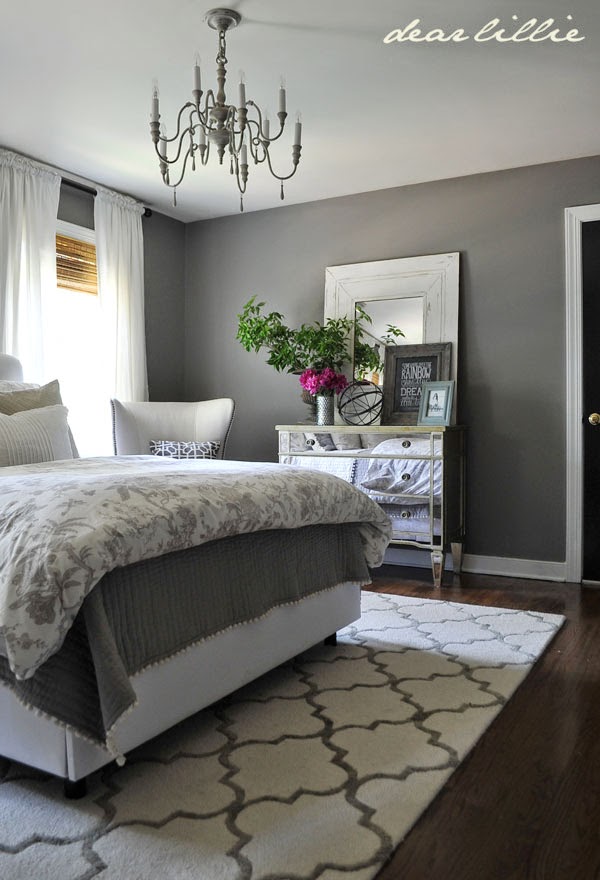
Our Top Picks: The Absolute Best Gray Paint Colors for Bedroom Walls
Now that we’ve covered the fundamentals, let’s get to the good stuff! I’ve curated a list of my favorite gray paints that consistently perform beautifully in bedrooms, categorized to help you find your perfect match. Remember, always sample!
Best Warm Grays (Greiges) for Cozy Bedrooms
These shades are your go-to for creating a warm, inviting, and effortlessly chic bedroom. They offer the sophistication of gray without any coldness.
Sherwin-Williams Repose Gray (SW 7015)
- Why it works: A perennial favorite, Repose Gray is the definition of a balanced greige. It has subtle warm undertones, making it incredibly versatile. It shifts beautifully between gray and beige, ensuring it never feels too cool or too yellow.
- Best for: Bedrooms needing warmth in cooler light (north-facing), or those with existing warm wood tones and furnishings. It’s a fantastic choice for a soft, welcoming vibe.
Benjamin Moore Edgecomb Gray (HC-173)
- Why it works: This is a slightly warmer, creamier greige than Repose Gray, leaning a bit more into the beige side. It’s incredibly soft and elegant, creating a gentle cocoon-like feel.
- Best for: Bedrooms where you want a noticeably warm and cozy atmosphere. It pairs beautifully with natural textures, antique furniture, and creamy whites.
Farrow & Ball Pavilion Gray (No. 242)
- Why it works: A sophisticated light greige with a very subtle green undertone that prevents it from feeling too stark. It has a beautiful depth and softness characteristic of Farrow & Ball paints.
- Best for: Creating a calm, slightly understated elegance. It works well in rooms with good natural light, especially when paired with other muted tones and natural materials.
Best Cool Grays for Serene & Modern Spaces
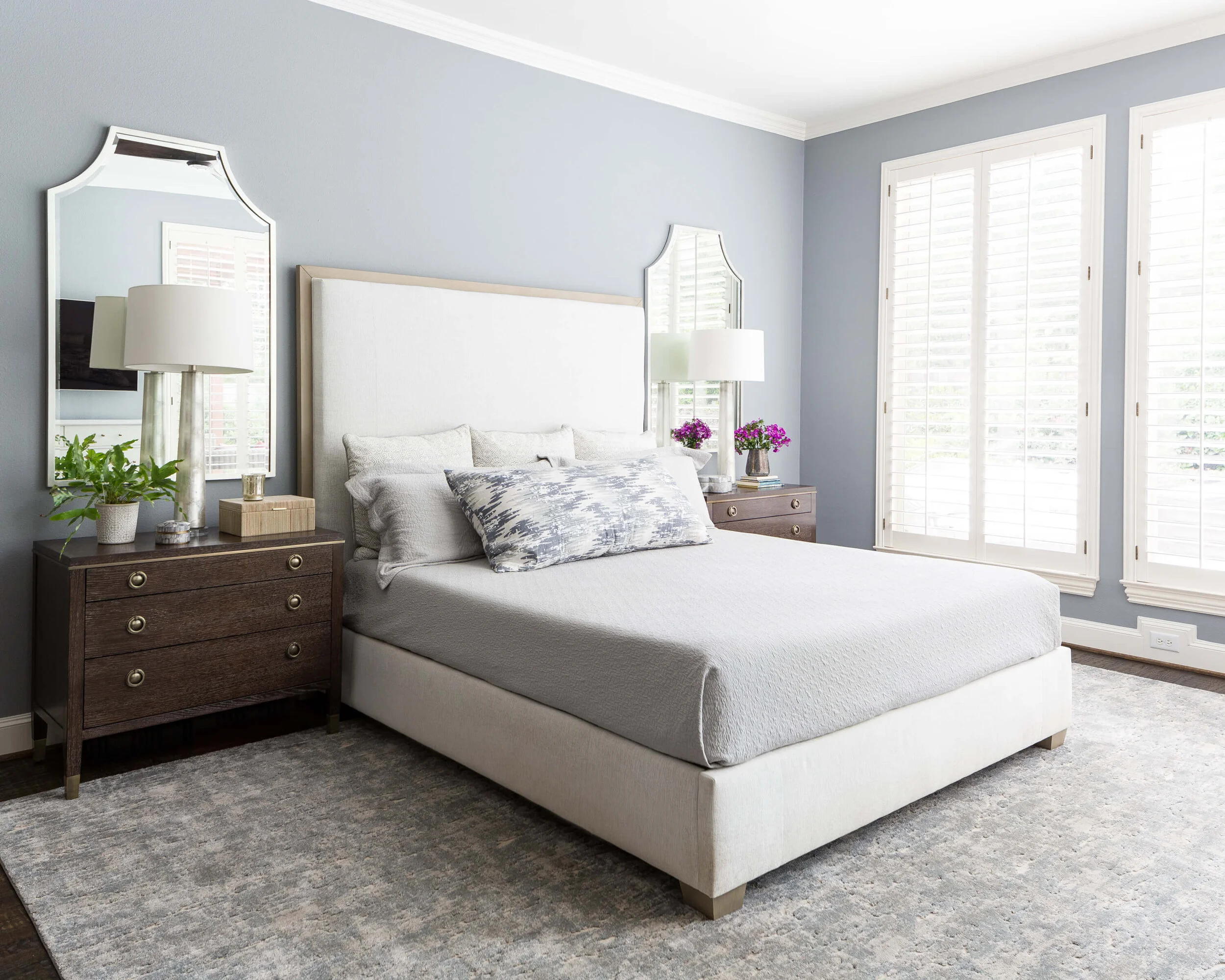
If you crave a crisp, clean, and airy bedroom, these cool grays will deliver. They bring a sense of tranquility and contemporary style.
Benjamin Moore Stonington Gray (HC-170)
- Why it works: A classic, true cool gray with a discernible blue undertone. It’s clean, refreshing, and sophisticated without being icy. It has enough depth to make a statement but remains light enough to feel expansive.
- Best for: South-facing bedrooms that get plenty of warm light, preventing it from feeling cold. Excellent for creating a spa-like, calming retreat or a sleek, modern aesthetic.
Sherwin-Williams Light French Gray (SW 0055)
- Why it works: A beautiful, crisp medium gray with a clean blue-green undertone. It’s light enough to feel open but deep enough to provide contrast. It has a very fresh, contemporary appeal.
- Best for: Bedrooms where you want a cool, modern feel that still feels inviting. It pairs wonderfully with white trim and dark wood or metallic accents.
Farrow & Ball Dimpse (No. 277)
- Why it works: A very pale, ethereal gray that whispers rather than shouts. It has a slight blue-green undertone that gives it a wonderfully calming quality, making it feel fresh and expansive.
- Best for: Small bedrooms or rooms with limited light where you want to maximize brightness and create a soft, airy atmosphere. It’s almost a soft white-gray.
Best Dark Grays for Dramatic & Intimate Retreats
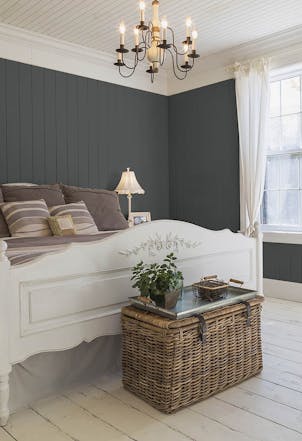
For those who dare to go bold, dark grays can create an incredibly intimate, luxurious, and dramatic bedroom sanctuary. They absorb light, enveloping you in comfort.
Sherwin-Williams Peppercorn (SW 7674)
- Why it works: A deep, smoky charcoal gray that can read almost black in certain lights, but with a nuanced softness. It has a very subtle cool undertone, making it incredibly sophisticated.
- Best for: Creating a dramatic, cozy, and intimate bedroom. Perfect for master bedrooms or guest rooms where a bold statement is desired. Pair with crisp whites and warm metallics for striking contrast.
Benjamin Moore Kendall Charcoal (HC-166)
- Why it works: A rich, deep gray with a distinct warm, almost olive-green undertone. This undertone gives it an organic, grounding feel, preventing it from looking stark or cold despite its depth.
- Best for: Bedrooms where you want drama tempered with warmth. It looks incredible with natural wood, leather, and deep jewel tones. Creates a truly luxurious and sophisticated mood.
Best Light Grays for Bright & Airy Bedrooms
These grays are almost off-white, offering just a touch more complexity than pure white while keeping the room feeling expansive and bright.
Benjamin Moore Classic Gray (OC-23)
- Why it works: Despite its name, this is a very light, almost white-gray with a delicate warm undertone. It’s incredibly versatile and acts like a sophisticated white, providing a soft backdrop without pulling too much color.
- Best for: Small bedrooms, rooms with low light, or any space where you want to maintain a bright, open feel while adding a touch of subtle warmth and elegance.
Sherwin-Williams Agreeable Gray (SW 7029)
- Why it works: Another greige superstar, but on the lighter side. Agreeable Gray has a balance of warm (beige) and cool (gray) undertones, making it incredibly adaptable. It’s a fantastic, safe bet for almost any room.
- Best for: Anyone looking for a truly versatile, light neutral that can work in virtually any lighting condition and with any decor style. It’s ‘agreeable’ for a reason!
Matching Your Gray: Decorating Your Bedroom Oasis
Once your walls are painted, the fun really begins! The right gray provides a fantastic foundation for your bedroom decor. Here’s how to make it sing:
Complementary Colors & Textures
- Whites & Creams: Crisp white trim (e.g., Benjamin Moore Chantilly Lace or Sherwin-Williams Pure White) creates a sharp contrast. Creamier whites can soften the look, especially with warm grays.
- Blues & Greens: These are natural partners for gray. Soft blues (dusty blue, sky blue) or muted greens (sage, olive) enhance the calming effect, especially with cool grays.
- Wood Tones: Gray pairs beautifully with almost any wood tone. Light woods (birch, ash) keep things airy, while dark woods (walnut, mahogany) add depth and richness.
- Metallics: Introduce brass, gold, or copper for warmth and a touch of luxury. Silver or chrome can enhance a modern, cool-toned gray aesthetic.
- Textures: Don’t forget the power of texture! Plush rugs, linen bedding, knit throws, and velvet pillows add warmth, depth, and visual interest to a gray room, preventing it from feeling flat.
Furniture & Finishes
Consider the colors and materials of your furniture. A dark gray wall can make light-colored furniture pop, while a light gray provides a serene backdrop for both dark and light pieces. Reflective surfaces like mirrors or glass can also help brighten a darker gray room.
Lighting the Way
Beyond your main overhead light, incorporate bedside lamps with warm bulbs, sconces, or even string lights for ambient glow. Layered lighting creates mood and enhances the richness of your chosen gray, especially in the evenings.
Common Pitfalls & How to Avoid Them
Even with the best intentions, choosing gray can still trip you up. Here are some common mistakes and my advice on how to sidestep them:
The “Muddy” Gray: Choosing the Wrong Undertone for Light
This happens when a gray with a subtle undertone clashes with the room’s natural light, making it look dull or dirty. For example, a gray with a green undertone might look muddy in a north-facing room with weak, cool light.
- Avoidance: Always sample! And consciously consider your room’s light. If it’s a north-facing room, lean into warmer grays (greiges). If it’s south-facing, cooler grays often shine.
Gray That Looks Purple/Blue: Unexpected Undertones Showing Through
You picked a seemingly neutral gray, but on the wall, it’s screaming lavender or baby blue. This is a classic case of an undertone revealing itself under specific lighting conditions.
- Avoidance: Check your samples not just during the day, but at night under artificial light. Compare it against a pure white piece of paper. This will help you identify those sneaky undertones before they’re on all your walls. If you see a hint of purple on the swatch, it will be much stronger on the wall.
Overwhelming a Small Space: Dark Grays in Tiny Rooms
While dark grays can be incredibly dramatic and cozy, they can also make a small room feel even smaller and claustrophobic if not used correctly.
:max_bytes(150000):strip_icc()/MaryPatton_Lupton-16-4552f4762d9e43fe9868882545f655d6.jpeg "15 Best Gray Bedroom Color Schemes and Design Ideas")
- Avoidance: If you love dark gray for a small room, use it strategically. Perhaps an accent wall, or pair it with very light trim and plenty of bright white bedding and reflective surfaces to bounce light. Otherwise, opt for lighter grays or greiges to make the space feel more open.
Gray Paint Color Comparison Table
| Paint Name | Brand | Primary Undertone | Best Light Recommendation | Mood/Vibe |
|---|---|---|---|---|
| Repose Gray (SW 7015) | Sherwin-Williams | Balanced Greige (subtle warm) | Cooler (North-facing) | Warm, cozy, versatile |
| Edgecomb Gray (HC-173) | Benjamin Moore | Warm Greige (leans beige) | Cooler (North/East-facing) | Soft, elegant, cocooning |
| Stonington Gray (HC-170) | Benjamin Moore | Cool Gray (hints of blue) | Warmer (South-facing) | Crisp, serene, modern |
| Light French Gray (SW 0055) | Sherwin-Williams | Cool Gray (blue-green) | Warmer (South/West-facing) | Fresh, contemporary, inviting |
| Peppercorn (SW 7674) | Sherwin-Williams | Deep Charcoal (subtle cool) | Ample (any, for drama) | Dramatic, intimate, sophisticated |
| Kendall Charcoal (HC-166) | Benjamin Moore | Warm Dark Gray (olive-green) | Ample (any, for rich depth) | Luxurious, grounding, dramatic |
| Classic Gray (OC-23) | Benjamin Moore | Very Light Gray (delicate warm) | Low/Any (brightening) | Bright, airy, subtle elegance |
| Agreeable Gray (SW 7029) | Sherwin-Williams | Light Greige (balanced warm/cool) | Any (highly versatile) | Soft, adaptable, universally loved |
Final Thoughts: Your Perfect Gray Awaits
Choosing the best gray for your bedroom walls isn’t just about picking a trendy shade; it’s about understanding how light, undertones, and your personal style converge to create the perfect sanctuary. Gray offers an incredible range of moods, from serene and expansive to dramatic and intimate. By taking the time to understand these nuances and, crucially, by sampling your top contenders, you’ll uncover a gray that doesn’t just look good, but feels deeply right for your space.
So, take a deep breath, grab those sample pots, and embark on this exciting journey. Your dream bedroom, painted in the perfect shade of gray, is waiting for you.
Frequently Asked Questions
What is the most popular gray paint color for bedrooms?
While popularity can shift, Sherwin-Williams Repose Gray and Agreeable Gray are consistently top choices for bedrooms due to their balanced greige undertones, which adapt well to various lighting conditions and provide a warm, inviting feel without being too cold or too beige. Benjamin Moore Edgecomb Gray is also a perennial favorite for its cozy warmth.
Should a bedroom be painted a warm gray or a cool gray?
It depends on the room’s natural light and desired mood. Warm grays (greiges) create a cozy, inviting atmosphere and are excellent for balancing cooler, north-facing light. Cool grays (with blue or green undertones) create a serene, crisp, and modern feel, often shining in brighter, south-facing rooms where the warm light prevents them from feeling too cold.
How do I avoid my gray bedroom walls looking purple or blue?
To avoid unexpected purple or blue hues, pay close attention to the gray’s undertones. Always paint large sample swatches on your walls and observe them throughout the day and under artificial light. Compare the gray against a pure white sheet of paper to reveal its true undertones. If you see even a slight hint of blue or purple in the sample, it will be amplified on a full wall.
Is dark gray a good color for a bedroom?
Yes, dark gray can be an excellent choice for a bedroom, creating a dramatic, sophisticated, and intimate retreat. Shades like Sherwin-Williams Peppercorn or Benjamin Moore Kendall Charcoal can make a room feel cozy and luxurious. To prevent it from feeling too overwhelming, pair it with crisp white trim, light bedding, and thoughtful lighting (both natural and artificial) to add contrast and brightness.
What colors pair well with gray bedroom walls?
Gray is incredibly versatile. It pairs beautifully with crisp whites and creamy off-whites for a clean look. Soft blues and muted greens enhance its calming qualities. Natural wood tones (light or dark), rich metallics (brass, gold, silver), and pops of accent colors like dusty rose, deep teal, or mustard yellow can add warmth, depth, and personality to a gray bedroom.
Why is it important to sample gray paint colors before committing?
Sampling is crucial because gray paint colors are highly sensitive to light and their inherent undertones. A gray can appear completely different depending on your room’s natural light exposure (north, south, east, west), artificial lighting, and surrounding furnishings. What looks like a pure gray on a small swatch can suddenly reveal blue, green, or even purple undertones on a large wall, leading to costly and frustrating repaints if not tested properly.