The Definitive Guide to Choosing the Best Color for Your Bedroom with Little Natural Light
Struggling with a bedroom that feels more like a cave than a cozy retreat? You’re not alone. Many of us grapple with rooms that get little to no natural light, and choosing the right paint color can feel like an impossible task. Will it look too dingy? Too small? Too cold?
Forget the guesswork. As an expert who’s helped countless homeowners transform their challenging spaces, I’m here to tell you that a low-light bedroom isn’t a design curse; it’s an opportunity. The key isn’t just picking a ‘light’ color, but understanding how color interacts with the *limited light you have, and then leveraging that knowledge to create a space that feels intentional, inviting, and utterly you.
So, what’s the best color for a bedroom with little natural light? The immediate answer is nuanced: it depends on your goal. Do you want to brighten and expand the space, or do you want to embrace its inherent coziness and create an intimate sanctuary? Both are valid, and both have specific color strategies that deliver stunning results.
Understanding Your Low-Light Bedroom: Brighten or Embrace?
Before you even pick up a paint swatch, let’s define your vision. This fundamental decision will guide every other choice you make.
The “Brighten and Expand” Approach
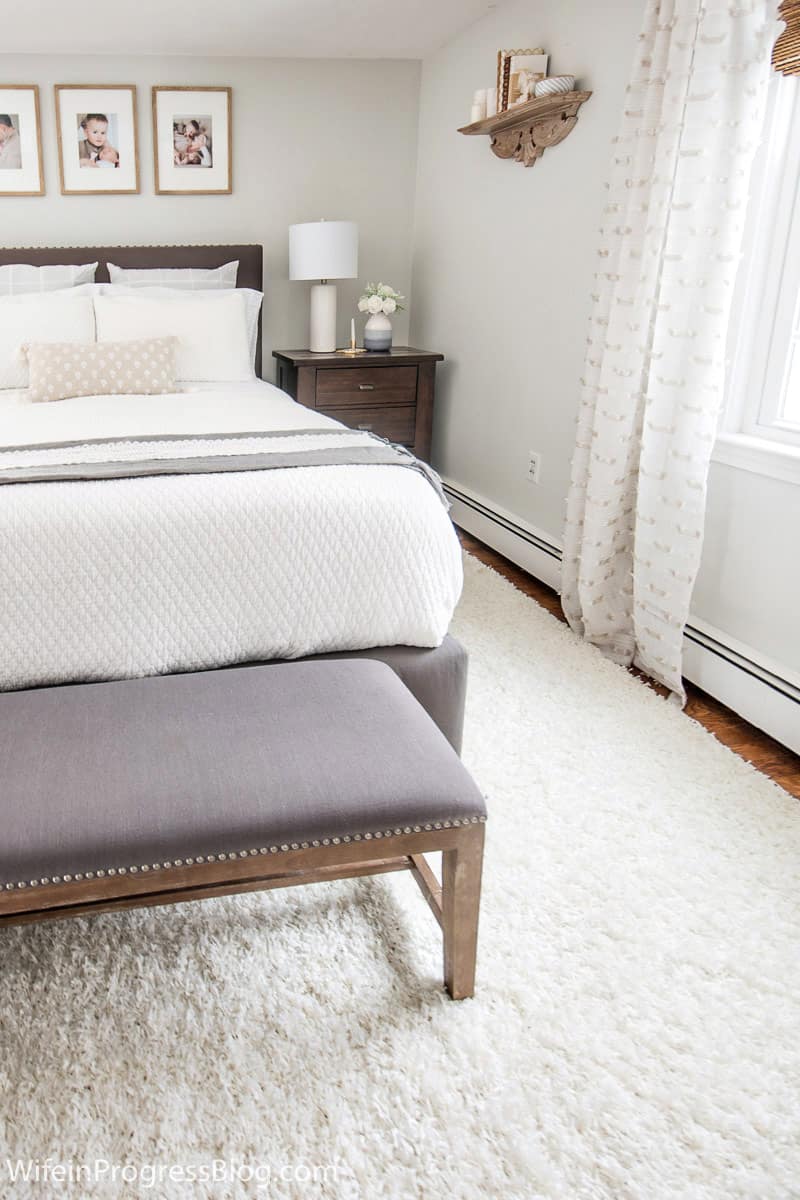
This is the most common goal for low-light rooms. The aim is to trick the eye into perceiving more space and light than actually exists. You’ll focus on colors that reflect light, create an airy feel, and visually push walls outward. Think serenity, openness, and a fresh atmosphere.
The “Cozy and Intimate” Approach
Why fight it? Sometimes, trying to force a dark room to be bright can lead to a washed-out, lifeless feel. Instead, lean into the lack of light and create a dramatic, enveloping, and incredibly intimate space. This approach is about warmth, depth, and a luxurious, cocoon-like atmosphere.
The Science Behind Color & Light Reflection (LRV)
Every paint color has a Light Reflectance Value (LRV), a number indicating how much visible and usable light a color reflects. LRV ranges from 0% (absolute black) to 100% (pure white). In low-light rooms, colors with a higher LRV (typically 60+ for brightening, but even 40-50 can work) are your allies for bouncing light around. However, even low-LRV colors can be magical if chosen for their depth and undertone, especially when embracing the intimate approach.
Top Color Families to Brighten & Expand Your Low-Light Bedroom
If your goal is to make your bedroom feel larger, lighter, and more open, these color families are your best bets. They work by reflecting ambient light and preventing the room from feeling heavy or enclosed.
1. Off-Whites & Creams: The Classic Light Bouncers
You might think pure white is the answer, but in a low-light room, stark white can look cold, stark, or even gray and dingy without adequate natural light to activate it. Off-whites and creams, however, introduce warmth and softness while still maximizing light reflection. Look for whites with subtle undertones.
- Why They Work: High LRV, soft aesthetic, versatile for decor. They create a clean canvas that feels expansive.
- Key Considerations: Pay close attention to undertones. A white with a yellow undertone (e.g., Benjamin Moore’s ‘White Dove’ or Sherwin Williams’ ‘Alabaster’) will feel warmer and more inviting. Pink undertones can add a delicate blush. Gray undertones can keep it crisp but avoid anything too cool that could feel sterile.
- Expert Tip: Pair with a slightly darker, warm white on the ceiling for a layered effect, or a bright white trim to provide crisp contrast.
2. Pale Grays & Greiges: Sophisticated Neutrals
Grays and greiges (a blend of gray and beige) offer a contemporary alternative to white. They provide a neutral backdrop that’s more substantial than white but still incredibly light-reflective and expansive.
- Why They Work: Modern, versatile, and can create a calming, sophisticated atmosphere. They avoid the starkness of pure white while still feeling open.
- Key Considerations: Undertones are crucial here. Avoid grays with strong blue or green undertones if your room already feels cold, as they can amplify that chill in low light. Instead, lean towards warmer grays or greiges with beige, yellow, or even very subtle purple undertones (like some popular ‘greige’ shades) to keep the space inviting. Benjamin Moore’s ‘Revere Pewter’ or Sherwin Williams’ ‘Agreeable Gray’ are beloved greige options.
- Expert Tip: Introduce metallic accents (silver, gold) and varied textures to add depth and reflect any available light beautifully.
3. Soft Blues & Greens: Serene & Expansive Hues
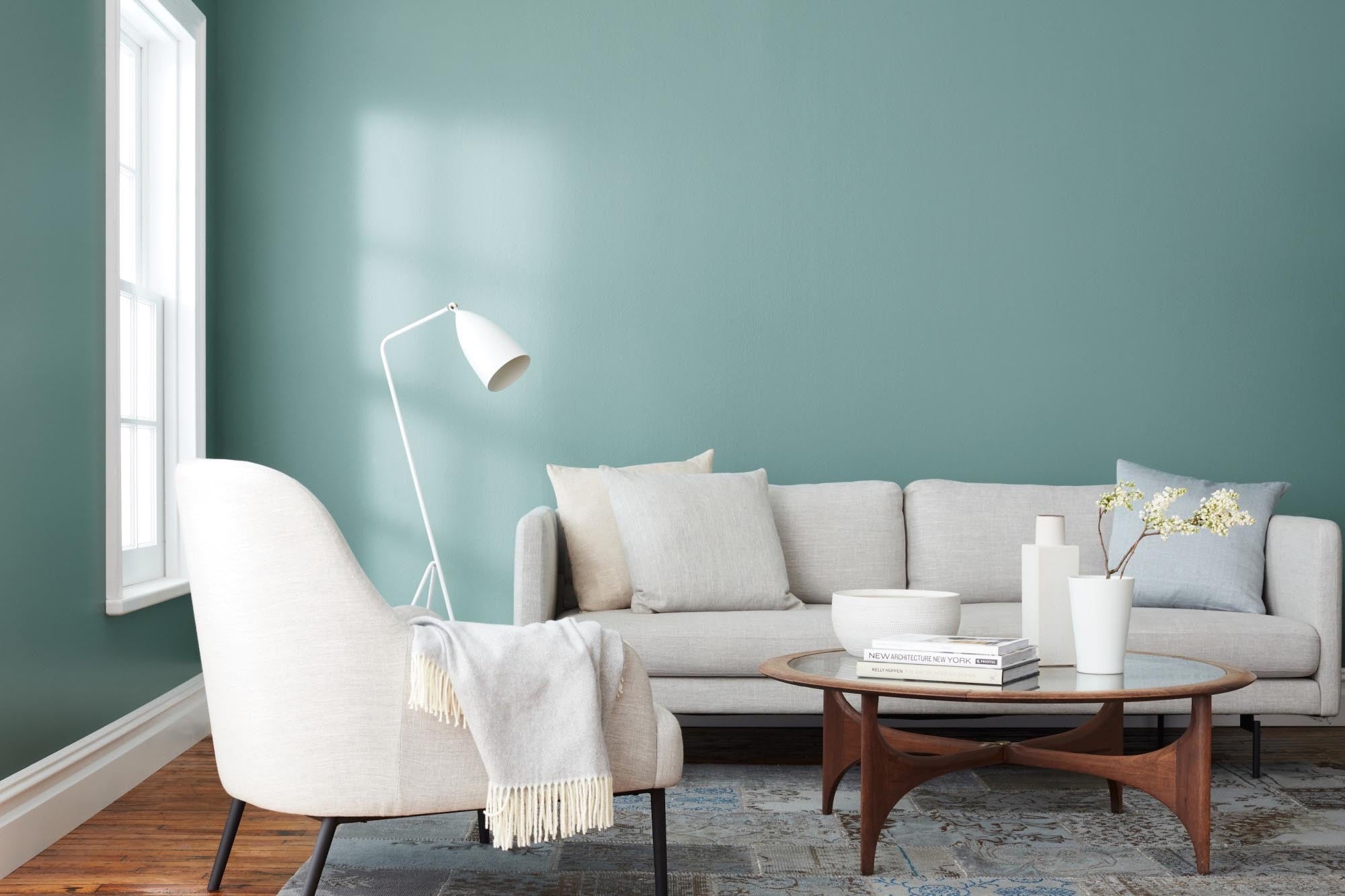
Colors inspired by nature often have a calming effect and can visually recede, making walls feel further away. Pale blues and greens are particularly effective for creating an airy, peaceful ambiance.
- Why They Work: Evoke tranquility, visually expansive, and add a subtle touch of color without overwhelming the space. They often have cooler undertones, which can feel fresh.
- Key Considerations: Stick to very pale, desaturated versions. Think sky blue, seafoam green, or a muted sage. Avoid anything too vibrant or dark, which will only absorb light. Farrow & Ball’s ‘Light Blue’ or Sherwin Williams’ ‘Sea Salt’ are great examples of nuanced, light-enhancing blues/greens.
- Expert Tip: Incorporate natural wood tones and white linens to enhance the organic, serene feel.
4. Delicate Pastels (Pink, Lavender, Yellow): Gentle Warmth
Pastels can introduce a touch of cheerful color and gentle warmth without sacrificing brightness. They are less intense than their saturated counterparts but still offer personality.
- Why They Work: Add a soft pop of color, can feel whimsical or comforting, and generally have higher LRVs.
- Key Considerations: Again, desaturation is key. A very pale, dusty rose, a barely-there lavender, or a creamy, buttery yellow (rather than a bright lemon yellow which can feel jarring in low light) can work wonders. Be cautious with yellow; in a naturally dark room, overly saturated yellows can turn murky or sickly.
- Expert Tip: Use these pastels with white trim and furnishings to keep the look light and fresh.
Embracing the Dark Side: Rich & Moody Colors for an Intimate Bedroom
If you’ve decided to embrace the lack of natural light, get ready to create a truly luxurious and sophisticated sanctuary. The goal here isn’t to make the room brighter, but to make it feel deliberate, cozy, and deeply personal.
1. Deep Blues & Greens: Sophisticated Sanctuary
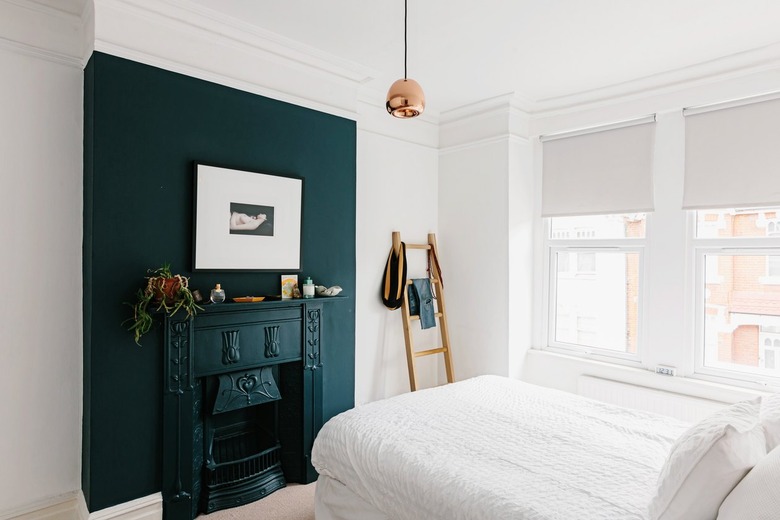
Think beyond pale. Rich navy, deep teal, forest green, or a dark olive can create a profound sense of calm and depth. These colors are inherently soothing and perfect for a bedroom where relaxation is paramount.
- Why They Work: Evoke tranquility, sophistication, and a cocoon-like feeling. They are grounding and can make a small room feel grand.
- Key Considerations: Ensure the color has a beautiful depth and isn’t just a muddy dark tone. Blues often have green or gray undertones, while greens can lean blue or yellow. Pair with warm-toned lighting to prevent the room from feeling too cold.
- Expert Tip: Use a monochromatic scheme with varying shades of the same deep color on walls, bedding, and accessories for ultimate sophistication.
2. Charcoals & Dark Grays: Modern Drama
For a bold, contemporary statement, deep charcoals and dark grays provide incredible drama and sophistication. They serve as a powerful backdrop for lighter furniture and artwork.
- Why They Work: Modern, dramatic, and provide a strong foundational element. They can make other colors and textures pop.
- Key Considerations: Choose grays with warm undertones (brown, purple) to avoid a sterile feel. Pair with plenty of soft textures (velvet, wool) and warm lighting to ensure the room feels inviting, not stark.
- Expert Tip: Paint the ceiling in the same dark color as the walls for a truly immersive, enveloping experience.
3. Warm Earth Tones (Terracotta, Deep Rust): Grounded & Inviting
Inspired by nature’s richer hues, these colors bring a sense of grounded warmth and organic luxury. They are particularly effective in creating a cozy, almost primal sense of comfort.
- Why They Work: Instantly warm and inviting, connected to nature, and create a unique, artisanal feel.
- Key Considerations: Look for muted, dusty versions rather than overly bright or saturated. Pair with natural materials like wood, linen, and woven textures.
- Expert Tip: Combine with creamy whites and natural greenery to balance the richness.
4. Plums & Berries: Luxurious & Romantic
For a truly opulent and romantic bedroom, deep plums, aubergines, and berry tones can be breathtaking. These colors are rich, sophisticated, and perfect for creating a luxurious hideaway.
- Why They Work: Evoke luxury, romance, and a sense of indulgence. They are deeply saturated and create a powerful mood.
- Key Considerations: These colors often have red or blue undertones, so test extensively. Use metallic accents (gold, brass) and plush fabrics to amplify the luxurious feel.
The Crucial Role of Undertones: Don’t Get Caught Off Guard!
This is where many people go wrong. A paint color rarely exists in isolation; it has an underlying hue that influences how it appears, especially in different lighting conditions. These are called undertones. Ignoring them is like ordering a cake without knowing its flavor – you might get a surprise!
:max_bytes(150000):strip_icc()/paint-colors-for-dark-rooms-yellow-getty-0323-2000-4f775737f9b24feeabf06161269e2ae2.jpg "The Best Paint Colors for Dark Rooms")
Warm vs. Cool Undertones and Their Impact
- Warm Undertones (Red, Orange, Yellow): These will make a color feel cozy, inviting, and can counteract the lack of natural light by adding an inherent warmth. Think creamy whites, greiges with a beige lean, or deep greens with a yellow base.
- Cool Undertones (Blue, Green, Purple): These can make a room feel crisp and airy, but in a low-light room, too much coolness can make it feel sterile or even chilly. Be cautious with cool grays or blues if your room already lacks warmth.
Testing Paint Swatches: Your Best Friend
Never, ever skip this step. Paint large swatches (at least 1’x1′) directly on a few different walls in your bedroom. Observe them throughout the day and evening, under both natural and artificial light. How does the color shift? Do any unwanted undertones appear? This is the only way to truly understand how a color will behave in your* unique space.
Beyond Paint: Maximizing Light & Style in Low-Light Bedrooms
Paint is a powerful tool, but it’s just one piece of the puzzle. To truly transform a low-light bedroom, you need a holistic approach.
1. Artificial Lighting is Your MVP: Layers, Types, Placement
This is non-negotiable. Natural light may be scarce, but artificial light can be abundant and strategic.
- Layers: Use a combination of ambient (ceiling light), task (reading lamps), and accent (picture lights, mood lighting) lighting.
- Color Temperature: Opt for warmer bulbs (2700K-3000K, often labeled ‘soft white’ or ‘warm white’) to mimic the warmth of natural daylight and prevent cool colors from feeling too stark.
- Placement: Install dimmable fixtures. Use wall sconces or upward-facing lights to bounce light off the ceiling and create an illusion of height and openness.
2. Reflective Surfaces: Mirrors, Metallics, Glass
Anything that can catch and bounce light is your friend. Place a large mirror opposite your window (even a small one) to reflect any incoming light. Incorporate metallic accents (frames, lamps, decor) and glass elements (vases, tabletops).
3. Sheen Matters: Eggshell, Satin, Semi-Gloss
The finish of your paint influences its light-reflecting properties. Higher sheens reflect more light.
- Matte/Flat: Absorbs light, creating a softer, richer look. Great for moody, intimate spaces.
- Eggshell/Satin: Most common for bedrooms. A subtle sheen that reflects some light while still hiding imperfections. Good for brightening.
- Semi-Gloss: Highly reflective. Often used for trim, but can be used on walls for an ultra-bright, modern look (be aware it highlights imperfections).
4. Strategic Decor & Textiles: Light Fabrics, Minimal Clutter
- Window Treatments: Opt for sheer curtains or blinds that can be fully opened to maximize any incoming light. Avoid heavy, dark drapes that block what little light you have.
- Bedding & Furniture: Choose lighter-colored bedding, especially if your walls are dark. Furniture with exposed legs can make a room feel less heavy than bulky pieces.
- Minimize Clutter: A cluttered room, regardless of color, will always feel smaller and darker. Keep surfaces clean and organized.
5. Trim & Ceiling Colors: Often Overlooked but Impactful
- White Trim: Crisp white trim can provide a clean frame for any wall color, making the walls themselves appear richer or brighter by contrast.
- Ceiling Color: Painting the ceiling a lighter shade than the walls (often a warm white) can visually lift it, making the room feel taller. For a truly intimate, cocooning feel, paint the ceiling the same color as your walls, especially if using a deep, moody hue.
Common Pitfalls to Avoid When Choosing Bedroom Colors for Low Light
Steer clear of these common mistakes to ensure your low-light bedroom transformation is a success:
1. Ignoring Undertones
This is the cardinal sin. A ‘greige’ that looks warm in the store can suddenly look like a cool gray-blue on your wall if its undertones clash with your room’s existing elements or lighting.
2. Choosing Too Much of One Thing
All stark white everything in a low-light room can feel clinical and cold. All dark everything without strategic lighting can feel like a dungeon. Balance is key – use contrasting textures, strategic lighting, and varying shades to add interest.
3. Underestimating Artificial Lighting
Relying on a single overhead light fixture is a recipe for a dull, flat room. Invest in layered lighting to create depth and ambiance.
4. Not Testing Swatches Extensively
A small paint chip is not enough. You need to see how the color behaves on a large scale, at different times of day, and under various lighting conditions in your specific room. Don’t rush this step!
The Ultimate Low-Light Bedroom Color Comparison
Here’s a quick reference guide to help you compare the impact of different color families in a low-light bedroom:
| Color Family | Mood/Goal | Key Characteristics | Undertone Guidance | Best Sheen | Recommended Lighting |
|---|---|---|---|---|---|
| Off-Whites & Creams | Brighten, Expand, Airy | High LRV, soft, versatile, clean. | Seek yellow/pink undertones for warmth. Avoid overly cool grays. | Eggshell or Satin | Warm (2700-3000K), layered ambient. |
| Pale Grays & Greiges | Sophisticated, Modern, Expansive | Neutral, calming, contemporary feel. | Warm (beige/yellow) undertones. Avoid strong blue/green if aiming for warmth. | Eggshell or Satin | Layered, accent lighting, dimmers. |
| Soft Blues & Greens | Serene, Calm, Visually Receding | Nature-inspired, tranquil, airy. | Muted, desaturated versions. Avoid strong, vibrant tones. | Eggshell | Soft, diffused, perhaps task lighting. |
| Deep Blues & Greens | Intimate, Sophisticated, Cozy | Rich, enveloping, dramatic. | Warm base (gray/green undertones in blues, blue/yellow in greens). | Matte or Eggshell | Warm (2700K), varied layers, focus on task & accent. |
| Charcoals & Dark Grays | Dramatic, Modern, Grounding | Bold, impactful, backdrop for decor. | Warm (brown/purple) undertones. Avoid stark cool grays. | Matte or Eggshell | Warm (2700K), strategic spotlights, dimmers. |
| Warm Earth Tones | Grounded, Inviting, Organic | Natural, comforting, rustic luxury. | Muted, dusty, with brown/red base. | Matte or Eggshell | Warm (2700K), natural light fixtures. |
Choosing the best color for a bedroom with little natural light isn’t about magic; it’s about understanding light, color psychology, and your personal goals for the space. Whether you opt for a bright, airy feel or a deep, intimate sanctuary, the right color, combined with thoughtful lighting and decor, can transform your challenging room into your favorite retreat.
Don’t be afraid to experiment, trust your instincts (after testing swatches!), and remember that even the darkest room has incredible potential. You’ve got this.
Frequently Asked Questions
What is the best color to paint a bedroom with little natural light if I want it to feel bigger?
To make a low-light bedroom feel bigger, focus on colors with a high Light Reflectance Value (LRV). Off-whites with warm undertones (like creamy beige or subtle yellow), pale greiges, and soft, desaturated blues or greens are excellent choices. These colors reflect available light, creating an illusion of openness and airiness. Avoid stark pure whites, which can look flat or cold without natural light to energize them.
Can I use dark colors in a bedroom with no natural light?
Absolutely! Embracing dark colors in a low-light bedroom can create an incredibly intimate, sophisticated, and cozy sanctuary. Deep blues, forest greens, charcoals, or even rich plums can transform the space into a luxurious retreat. The key is to commit to the mood, pair with layered warm artificial lighting, reflective accents (mirrors, metallics), and contrasting lighter textures in bedding and decor to prevent it from feeling like a cave.
How important are undertones when choosing paint for a dark room?
Undertones are paramount! They dictate how a color truly appears in your specific lighting conditions. A gray with blue undertones might look cold in a north-facing room, while one with warm beige undertones (a greige) would feel much cozier. Always test large swatches on your walls and observe them throughout the day and evening to ensure the undertones work with your room’s light and existing furnishings.
Does paint sheen make a difference in a low-light bedroom?
Yes, paint sheen significantly impacts light reflection. Higher sheens (like satin or semi-gloss) reflect more light, which can help brighten a dark room. However, they also highlight wall imperfections. For a brightening effect, eggshell or satin are generally good choices for walls. If you’re embracing a moody, intimate look, a matte or flat finish will absorb light and create a richer, softer, more luxurious feel.
What kind of artificial lighting should I use in a bedroom with little natural light?
Layered artificial lighting is crucial. Don’t rely on just one overhead fixture. Combine ambient lighting (ceiling lights, flush mounts), task lighting (bedside lamps for reading), and accent lighting (wall sconces, picture lights) to create depth and warmth. Opt for warm-toned LED bulbs (2700K-3000K, often labeled ‘soft white’) to mimic natural daylight and make colors appear more inviting.
Should the ceiling be painted the same color as the walls in a low-light bedroom?
It depends on your goal. For a brightening effect, painting the ceiling a clean, warm white (or a very slightly lighter shade than your walls) can visually lift it, making the room feel taller and more open. If you’re going for a truly intimate, cocooning, or dramatic look with a deep wall color, painting the ceiling the same color as the walls can create an incredibly immersive and sophisticated effect, blurring the lines of the room.
Besides paint, what else can I do to make a dark bedroom feel better?
Beyond paint, incorporate reflective surfaces like large mirrors (especially opposite any windows), metallic accents (lamps, frames), and glass decor. Choose light-colored or sheer window treatments that can be fully opened. Minimize clutter, as it can make any room feel smaller and darker. Select lighter bedding and furniture with exposed legs to maintain an airy feel, and introduce varied textures for visual interest.