Unlocking Your Bedroom’s Potential: The Definitive Guide to Paint Colors for Dark Wood Furniture
Staring at that beautiful dark wood dresser or bed frame, you might feel a pang of uncertainty. How do you choose a paint color that highlights its richness without making your bedroom feel like a dungeon? It’s a common dilemma, and one I’ve personally tackled countless times as I’ve helped friends and clients create their dream spaces.
Dark wood furniture brings a sense of timeless elegance, warmth, and groundedness to a room. Think stately mahogany, rustic walnut, or sleek espresso. But if paired with the wrong wall color, it can swallow light, make a room feel smaller, or simply look out of place. The secret isn’t just picking a pretty color; it’s about understanding how colors interact, playing with light, and creating a mood that feels uniquely you.
This guide isn’t about rigid rules; it’s about empowering you with the knowledge to make confident choices. We’ll explore the spectrum of possibilities, from serene neutrals that lighten and balance, to bold, dramatic hues that deepen the sense of luxury. By the end, you’ll know exactly how to transform your bedroom into a cohesive, inviting sanctuary.
The Core Challenge: Harmonizing Dark Wood and Wall Colors
Dark wood furniture is a commitment, and a beautiful one at that. Its rich tones offer depth and character that lighter woods often can’t. However, this inherent richness can also present a design challenge:

- Visual Weight: Dark pieces naturally command attention and can feel heavy, especially in smaller rooms.
- Light Absorption: Dark surfaces absorb light rather than reflecting it, potentially making a room feel dimmer.
- Balancing Act: The goal is to create a harmonious space where the furniture and walls complement each other, rather than competing or creating an imbalance.
The key isn’t to fight the darkness, but to embrace it strategically. We want to enhance the furniture’s beauty, prevent the room from feeling overwhelming, and infuse it with the mood you desire – be it cozy and intimate, bright and airy, or dramatically sophisticated.
Your Instant Answers: Best Paint Colors for Dark Wood Furniture (Quick Reference)
Let’s dive straight into the colors that consistently win when paired with dark wood furniture. These are tried-and-true choices that designers lean on, offering a range of moods and effects. Think of this as your cheat sheet for immediate inspiration.
| Color Family | Effect & Mood | Best For | Why It Works with Dark Wood |
|---|---|---|---|
| Warm Whites & Creams | Bright, airy, timeless, cozy | Small rooms, rooms with limited natural light, classic/farmhouse aesthetics | Creates strong contrast, prevents room from feeling heavy, enhances natural light. |
| Light Grays & Greiges | Sophisticated, modern, calm, versatile | Contemporary homes, rooms needing a subtle backdrop, to neutralize warm wood tones | Offers a crisp, clean contrast without being stark; highly adaptable. |
| Pale Blues & Greens | Serene, tranquil, refreshing, spa-like | Bedrooms where relaxation is key, coastal themes, spaces needing a touch of nature | Provides a calming visual break from dark wood, introduces natural elements. |
| Deep Greens (Forest, Emerald) | Luxurious, dramatic, nature-inspired, cozy | Large rooms, rooms with ample light, creating a boutique hotel feel | Harmonizes with wood’s natural origins, creates a cocooning effect, sophisticated. |
| Navy Blues | Sophisticated, elegant, calming, bold | Modern, traditional, or transitional bedrooms, accent walls, masculine spaces | Classic pairing that exudes confidence; wood tones pop against the deep blue. |
| Charcoal Grays | Chic, moody, architectural, understated drama | Loft bedrooms, contemporary design, creating a gallery-like backdrop | Creates a seamless, sophisticated backdrop that allows dark wood to blend or stand out. |
| Soft Terracottas/Warm Pinks | Earthy, inviting, bohemian, warm | Boho-chic, eclectic styles, rooms craving warmth and softness | Introduces an unexpected softness and warmth, contrasting yet complementary. |
Deep Dive: Understanding Color Theory for Dark Wood
Now that you have some initial ideas, let’s explore the ‘why’ behind these choices. Understanding basic color theory for dark wood furniture will empower you to pick with confidence, knowing how the colors will truly feel in your space.
The Power of Contrast: Light & Bright Hues
Pairing dark wood with light colors is arguably the most popular and often safest bet. It creates a striking contrast that brightens the room and allows the richness of the wood to truly shine without overwhelming the space.
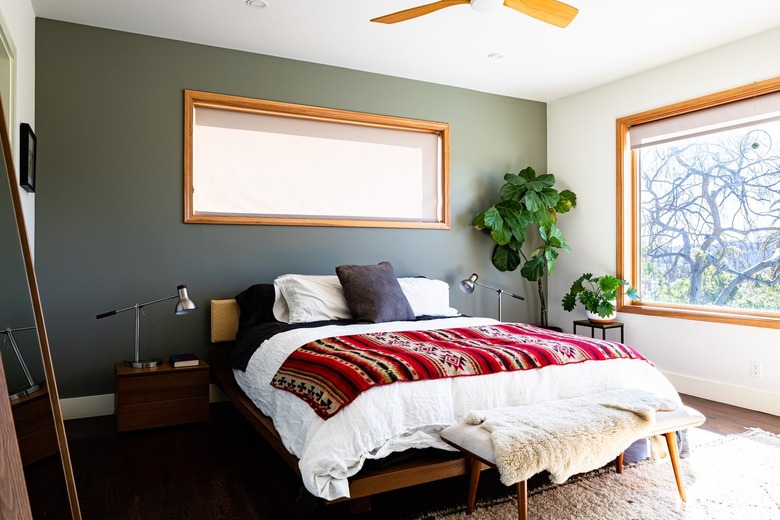
- Warm Whites & Creams: Forget sterile, clinical white. We’re talking about whites with subtle undertones of yellow, pink, or beige. Think Benjamin Moore’s White Dove, a soft, creamy white that feels incredibly inviting, or Sherwin-Williams Alabaster, a warm, bright white that avoids starkness. These hues reflect light beautifully, making small rooms feel larger and brightening darker spaces. They create an elegant, airy canvas that lets your dark furniture be the star.
- Light Grays & Greiges: For a more modern, sophisticated look, light grays or ‘greiges’ (a blend of gray and beige) are fantastic. Colors like Sherwin-Williams Repose Gray or Benjamin Moore Revere Pewter offer a subtle, neutral backdrop that provides contrast without being stark. They can lean warm or cool depending on the light, offering incredible versatility. Greiges are particularly good if your dark wood has warm undertones, as they help balance it out.
- Pale Blues & Greens: To create a serene, spa-like atmosphere, look to soft, muted blues and greens. Sherwin-Williams Sea Salt or Benjamin Moore Palladian Blue are perfect examples. These colors evoke nature and tranquility, offering a calming contrast to dark wood. They feel fresh and clean, preventing the room from becoming too heavy. Imagine a dark walnut bed against walls painted in a hazy, seafoam green – pure bliss!
Embracing Drama: Dark & Moody Tones
If you’re bold and your bedroom gets ample natural light, don’t shy away from deeper, more saturated colors. These choices create a luxurious, intimate, and often dramatic ambiance, turning your bedroom into a cozy retreat.
- Deep Greens: From forest to emerald, deep greens are incredibly chic and connect us to nature. Farrow & Ball Studio Green or Sherwin-Williams Evergreen Fog can make your dark wood furniture feel even more regal and grounded. These colors create a cocooning effect, perfect for unwinding. They pair beautifully with both warm and cool-toned dark woods.
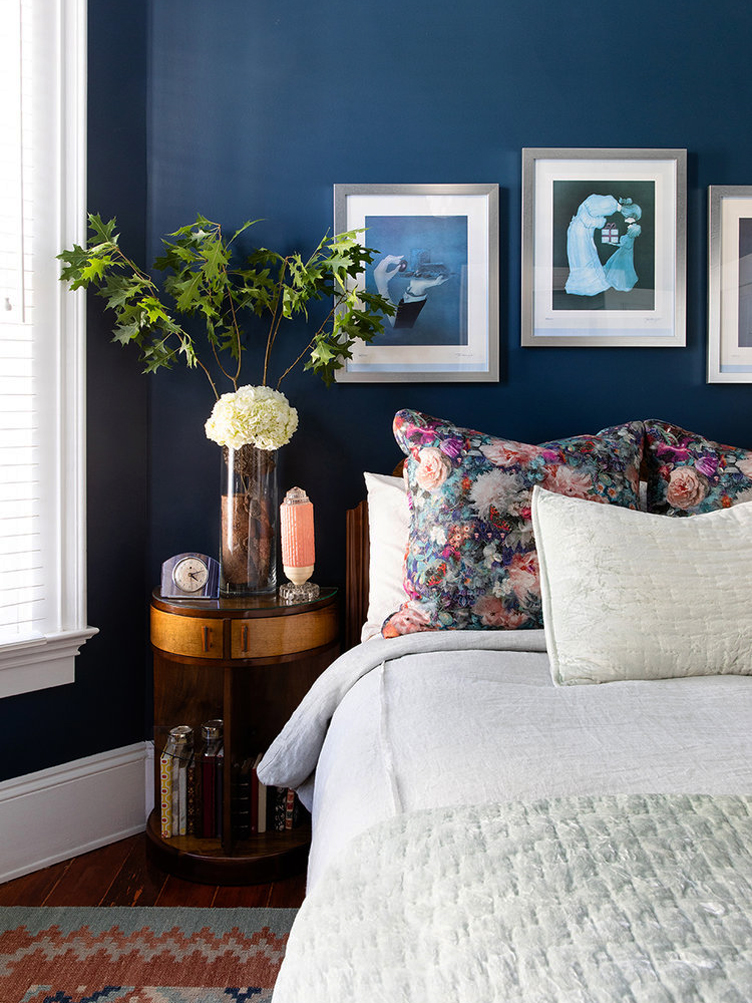
- Navy Blues: A classic for a reason, navy blue (like Benjamin Moore Hale Navy) is sophisticated, calming, and deeply elegant. It provides a striking, yet harmonious, contrast with dark wood, especially pieces with reddish undertones like cherry or mahogany. Navy can make a room feel substantial and well-designed, evoking a sense of calm sophistication.
- Charcoal Grays: For a truly modern and sleek look, consider charcoal grays like Benjamin Moore Chelsea Gray or Sherwin-Williams Peppercorn. These deep, rich grays create a sophisticated backdrop that can make dark wood pop or blend seamlessly into a monochrome scheme. It’s a fantastic choice for an understated, chic aesthetic.
- Rich Plums & Berries: For those seeking a truly unique and opulent bedroom, deep plums, wines, or berry tones can be stunning. Think Benjamin Moore Deep Mulberry. These jewel tones are often overlooked but offer incredible warmth and drama. They create a regal, inviting atmosphere, especially when paired with lush textiles.
The Unexpected Delight: Mid-Tones & Unique Accents
Sometimes, the perfect solution lies in the middle – colors that aren’t too light or too dark, offering a balanced warmth or an unexpected twist.
- Soft Terracottas/Warm Pinks: These earthy tones, ranging from dusty rose to muted clay, bring a gentle warmth and a touch of bohemian charm. A color like Farrow & Ball Dead Salmon or a soft peach can create an incredibly inviting and unique bedroom, allowing dark wood to feel grounded and organic.
- Muted Yellows/Golds: While not for everyone, a soft, buttery yellow or a muted gold can bring a sunny elegance. Think of colors with a hint of brown or gray, rather than primary yellow. They can infuse a room with a gentle glow and pair beautifully with traditional dark wood pieces, evoking a sense of classic grandeur.
Beyond Color: Factors to Consider When Choosing Bedroom Paint
Picking a color isn’t just about what looks good on a swatch. It’s about how that color will behave in *your specific room. Several factors will significantly influence your final decision.
The Role of Natural Light
Natural light is the ultimate game-changer. It dictates how warm or cool a color appears throughout the day.
- North-facing rooms: These rooms typically receive cooler, indirect light all day. To counteract this, opt for warmer paint colors (whites with yellow undertones, warm grays, muted yellows) to make the space feel more inviting and less stark.
- South-facing rooms: Bathed in warm, bright light for most of the day, south-facing rooms can handle cooler tones (blues, greens, cool grays) without feeling cold. Alternatively, they can amplify the warmth of already warm colors.
- East-facing rooms: Get beautiful, warm morning light, which then fades into cooler light later in the day. Colors that look good in both warm and cool light (greiges, balanced neutrals) work well here.
- West-facing rooms: Receive intense, warm afternoon and evening light. They can feel quite dark in the morning. Consider colors that can withstand the dramatic shift from cool morning to warm afternoon.
Room Size & Ceiling Height
The dimensions of your room play a crucial role in how a paint color will be perceived, especially when combined with dark furniture.
- Small rooms: Lighter colors are generally recommended to make the space feel more expansive and prevent the dark furniture from dominating. Warm whites, pale grays, and soft blues will open up the room.
- Large rooms: You have more freedom! Large rooms can confidently handle darker, more dramatic paint colors, which can create a sense of intimacy and coziness without feeling cramped.
- Low ceilings: Keep ceilings light (often ceiling white or a lighter shade of your wall color) to draw the eye upwards and create an illusion of height.
Desired Mood & Aesthetic
What do you want your bedroom to feel* like? This personal preference should heavily guide your paint choice.
- Relaxing & Serene: Think soft blues, muted greens, or gentle grays. These colors are known for their calming properties.
- Dramatic & Luxurious: Deep jewel tones like navy, forest green, or charcoal gray create an opulent, boutique hotel vibe.
- Warm & Inviting: Creams, soft terracottas, or warm greiges will create a cozy, welcoming atmosphere.
- Modern & Chic: Crisp whites, cool grays, or deep charcoals work well with sleek dark furniture.
Furniture Style & Undertones
Not all dark wood is the same! Understanding your furniture’s style and its inherent undertones is key to a cohesive look.
- Traditional/Classic Furniture: Ornate, carved pieces often pair beautifully with classic neutrals, deep blues, or rich greens.
- Modern/Mid-Century Furniture: Sleek, minimalist dark wood often shines against crisp whites, cool grays, or even a dramatic charcoal.
- Rustic/Farmhouse Furniture: Distressed dark wood can look stunning with warm whites, earthy greens, or soft blues.
- Wood Undertones: Look closely at your dark wood. Does it lean reddish (like cherry or mahogany), yellowish (some walnuts), or cool brown?
- Reddish undertones: Pair with greens (complementary color), blues, or cool grays to balance.
- Yellowish undertones: Can be enhanced by warmer whites/creams or contrasted with blues.
- Cool brown undertones: Works well with almost anything, but especially striking with warm whites or deep, saturated colors.
Existing Decor & Textiles
Your walls aren’t in a vacuum. Consider your bedding, curtains, rugs, and any existing artwork or accessories. The paint color should tie everything together, acting as a cohesive backdrop.

- If your textiles are already very colorful, a neutral wall color might be best.
- If your textiles are mostly neutral, you have more freedom to introduce color on the walls.
- Ensure the paint color complements the metals in your hardware or lighting fixtures (e.g., warm brass with warm paint, cool chrome with cool paint).
The Practical Application: From Inspiration to Installation
You’ve got your ideas, you’ve considered the factors. Now, how do you actually make it happen without costly mistakes?
Testing is Non-Negotiable: Why Swatches Matter
I cannot stress this enough: always test your paint colors! What looks perfect online or on a tiny swatch in the store can look drastically different on your wall.
- Paint large swatches: Get sample pots and paint at least 2×2 foot squares on different walls in your bedroom. Paint two coats to get the true color.
- Observe throughout the day: Watch how the color changes with natural light in the morning, afternoon, and evening. Turn on your artificial lights to see how it looks then, too.
- Compare with furniture and textiles: Place your hand against your dark wood furniture, hold up bedding, or move a curtain next to the swatch. Does it still work?
- Live with it: Give it a few days. You might be surprised by what you grow to love or dislike.
Choosing the Right Paint Finish (Sheen)
The paint finish, or sheen, affects both the look and durability of your walls. For bedrooms, you generally want something that creates a soft, inviting ambiance.
| Sheen Level | Characteristics | Pros | Cons | Best For Bedrooms |
|---|---|---|---|---|
| Flat / Matte | No sheen, soft, velvety look | Hides imperfections well, rich color depth, soft ambiance | Least durable, harder to clean, can scuff easily | Walls in adult bedrooms, low-traffic areas |
| Eggshell / Satin | Slight, low luster sheen, smooth finish | More durable than flat, easier to clean, good balance of look & function | Can highlight imperfections more than flat | Most popular choice for bedrooms, kids’ rooms, high-traffic areas |
| Semi-Gloss | Noticeable sheen, highly reflective | Very durable, very easy to clean, highly moisture resistant | Highlights every imperfection, can be too shiny for walls | Generally reserved for trim, doors, and accent furniture, not main walls |
Integrating with Accessories, Lighting, and Art
Paint is just one piece of the puzzle. The right accessories, lighting, and art can elevate your bedroom and ensure a cohesive look with your dark wood furniture.
![8 Colour Schemes for Dark Wood Furniture [Trending Picks]](https://kukabyarterio.com/wp-content/uploads/2024/10/dark-wood-furniture-colour-schemes.webp "8 Colour Schemes for Dark Wood Furniture [Trending Picks]")
- Lightening Elements: If you’ve gone with a darker wall color, introduce lighter elements through your accessories. Think crisp white or cream bedding, light-colored curtains, strategically placed mirrors (which reflect light), or metallic accents (gold, silver, brass) that shimmer and add visual interest.
- Layered Lighting: Good lighting is paramount in a room with dark furniture. Don’t rely on a single overhead light. Incorporate ambient lighting (ceiling fixture), task lighting (bedside lamps), and accent lighting (picture lights, decorative lamps) to create warmth, depth, and the ability to adjust the mood. Dimmers are your best friend.
- Artwork as a Bridge: Choose artwork that incorporates both your wall color and elements of your dark wood furniture (or complementary colors). This helps bridge the gap between the two, making the room feel more intentional and harmonious.
- Texture, Texture, Texture: Introduce varied textures through throws, pillows, rugs, and curtains. This adds visual interest and depth, preventing a dark room from feeling flat.
Common Bedroom Paint Dilemmas with Dark Wood Furniture (And How to Solve Them)
Even with the best planning, sometimes things don’t quite turn out as expected. Here are a few common issues and how to troubleshoot them.
- “My room feels too dark/heavy.”
- Solution: Introduce more reflective surfaces. Add a large mirror, especially opposite a window. Use lighter bedding and window treatments. Layer your lighting with brighter bulbs or more fixtures. Incorporate metallic decor or glass elements. A lighter area rug can also make a huge difference.
- “The color I chose clashes with my furniture.”
- Solution: Re-evaluate the undertones. Did you choose a cool gray for warm, reddish wood? Consider adding accessories that contain both clashing colors to try and bridge the gap. Sometimes, a simple change in lighting (cooler vs. warmer bulbs) can subtly alter how a color appears. If it’s truly a clash, it might be time for another paint swatch.
- “It feels boring/monotonous.”
- Solution: Introduce texture and pattern! Use patterned bedding, a textured throw, or a bold rug. Add an accent wall in a complementary or darker shade. Bring in plants for natural vibrancy. Introduce pops of a bolder accent color (e.g., emerald green pillows with a navy wall and dark wood).
Final Thoughts: Your Dream Bedroom Awaits
Choosing the perfect paint color for a bedroom with dark wood furniture is an exciting journey of discovery. It’s about finding that sweet spot where the richness of your furniture is celebrated, your personality shines through, and the room feels exactly as you want it to.
Remember, there are no absolute right or wrong answers, only choices that align with your desired aesthetic and the practical considerations of your space. Don’t be afraid to experiment, trust your instincts, and most importantly, have fun creating a bedroom that you truly love to retreat to. You’re now equipped with the tools and insights to create a beautifully balanced, harmonious, and utterly inviting sanctuary.