Bedroom Colors To Make It Look Bigger: Your Ultimate Guide to Creating Expansive Retreats
Ever walked into a small bedroom and felt instantly cramped? You’re not alone. Many of us grapple with bedrooms that feel more like cozy cocoons than spacious sanctuaries. The good news? You don’t need a sledgehammer to make your small bedroom feel bigger. Often, all it takes is a paintbrush and the right color palette.
Transforming a small bedroom into a visually expansive, serene haven is an art, and color is your most potent tool. This isn’t just about picking a random light shade; it’s about understanding the subtle psychology and optical illusions that certain colors create. Ready to banish the claustrophobia and welcome in an airy, open feel? Let’s dive in.
The Core Principle: Light Reflectivity & Optical Illusion
At its heart, making a room look bigger with color boils down to two key concepts: light reflectivity and optical illusion. When you get these right, your bedroom isn’t just painted; it’s transformed.
Why Light Colors Work Wonders
Think about it: a dark room absorbs light, making the walls feel like they’re closing in. A light room, conversely, reflects light. This reflection isn’t just about brightness; it’s about creating an optical trick. When light bounces off light-colored surfaces, it disperses evenly, blurring the boundaries of the room. Your eyes perceive this dispersed light as more space, pushing the walls outward.
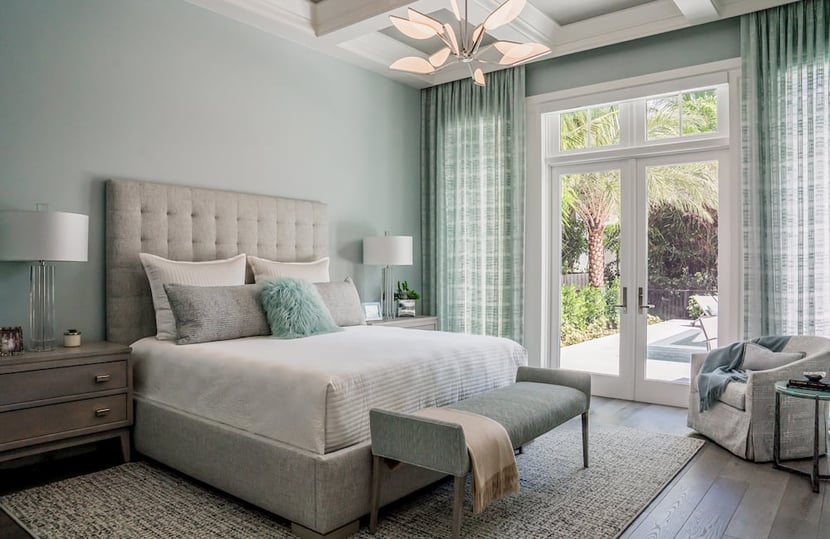
- Increased Brightness: Lighter shades naturally brighten a room, especially those with limited natural light.
- Seamlessness: They reduce harsh shadows and contrasts, making corners and edges less defined, thus creating a continuous, uninterrupted visual flow.
- Psychological Openness: Humans associate light colors with openness, airiness, and freedom, subconsciously making a room feel less confining.
Cool vs. Warm Tones: A Critical Distinction for Small Spaces
While light colors are generally preferred, the undertone — whether a color leans cool or warm — plays a crucial role. This is where the magic of optical illusion truly shines.
- Cool Colors Recede: Colors like blues, greens, and purples are known as “receding” colors. They visually push walls away from you. Imagine looking at a distant mountain range; the blues and grays make it appear further away. The same principle applies to your walls.
- Warm Colors Advance: Conversely, warm colors like reds, yellows, and oranges tend to “advance,” making surfaces feel closer and more immediate. While great for cozying up a large room, they can make a small bedroom feel even smaller.
For making a room look bigger, cool, light colors are your strongest allies. However, don’t dismiss warm colors entirely! They can be used strategically as accents to add warmth without shrinking the space, or even in a monochromatic, seamless way that defies conventional wisdom (we’ll get to that!).
Top Bedroom Colors That Instantly Expand Your Space
Now that we understand the ‘why,’ let’s explore the ‘what.’ Here are the best bedroom colors to create an illusion of greater size and serenity.
1. Crisp Whites & Off-Whites: The Classic Illusionists
You can’t go wrong with white. It’s the ultimate light reflector. But not all whites are created equal. Think beyond stark, sterile white to variations that add character and warmth without compromising on luminosity.
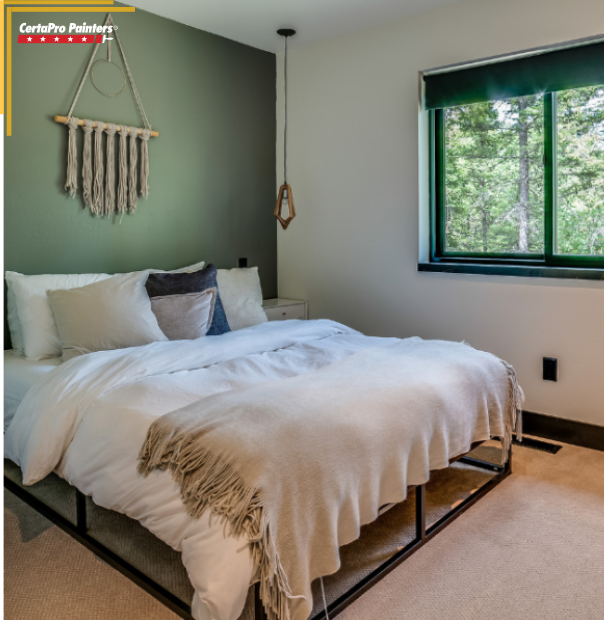
- Benefits: Maximum light reflection, clean, versatile, serves as a perfect backdrop for any decor.
- Examples: Look for soft whites like Benjamin Moore’s ‘White Dove’ (a popular choice for its slight creaminess), Sherwin-Williams’ ‘Alabaster’ (a warm, inviting white), or a pure, bright white like ‘Super White’ for a gallery-like feel. Off-whites with subtle beige or gray undertones (like ‘Swiss Coffee’) prevent sterility while still offering great reflectivity.
- Nuances: To avoid a cold or clinical feel, especially in a bedroom, opt for whites with warm undertones (yellow, beige) or pair them with warm-toned furniture and textiles. Consider the direction your room faces; a north-facing room might benefit from a warmer white to counteract cool natural light.
2. Serene Pale Blues: Sky’s the Limit
Pale blues are masters of recession. They evoke the vastness of the sky and the tranquility of water, instantly making a room feel more open and calm – perfect for a bedroom.
- Benefits: Creates depth, has a calming and restful effect, naturally feels airy and fresh.
- Examples: Think ‘Palladian Blue’ by Benjamin Moore (a soft, muted blue-green), ‘Light Blue’ by Farrow & Ball (a delicate, ethereal blue), or a classic sky blue.
- Nuances: Ensure the blue is pale and desaturated. Too vibrant or too dark, and it will lose its receding quality. Pair with warm wood tones or creamy whites to keep it from feeling too chilly.
3. Tranquil Light Greens: Nature’s Expansive Hues
Like pale blues, light greens are receding colors that bring the calming, expansive feeling of nature indoors. They create a sense of freshness and peace, ideal for a sleep sanctuary.
- Benefits: Fresh, peaceful, reduces stress, connects the room to the outdoors, excellent light reflector.
- Examples: Consider soothing shades like ‘Mint’, ‘Sage’ (a muted, earthy green), ‘Seafoam’, or ‘Celadon’ (a soft, grayish-green). Sherwin-Williams’ ‘Willowleaf’ is a great example of a subtle green neutral.
- Nuances: Stick to greens with a hint of gray or blue to maximize their receding effect. Avoid overly saturated or bright greens, which can be too stimulating for a bedroom.
4. Soft Grays & Greiges: Sophisticated Space Makers
Grays and greiges (a blend of gray and beige) offer a sophisticated, modern alternative to pure white. Their neutrality and subtle coolness can make walls recede beautifully, adding depth without darkness.
- Benefits: Versatile, modern, adds depth and sophistication, reflects light well, provides a neutral backdrop.
- Examples: Popular choices include Benjamin Moore’s ‘Gray Owl’ (a light, cool gray with green undertones) or ‘Silver Satin’ (a clean, pale gray). For a warmer touch, explore greiges like ‘Revere Pewter’ by Benjamin Moore or ‘Accessible Beige’ by Sherwin-Williams.
- Nuances: Pay close attention to undertones. Gray can have blue, green, or even purple undertones. Test samples on your walls throughout the day to see how they interact with your room’s unique lighting. Cool grays are generally better for expanding space.
5. Pale Lavenders & Violets: Subtle Depth & Dreaminess
Often overlooked, very pale purples, like lavender or periwinkle, can also recede. Their inherent coolness, combined with a touch of warmth from red, creates a unique, dreamy atmosphere while promoting a sense of depth.
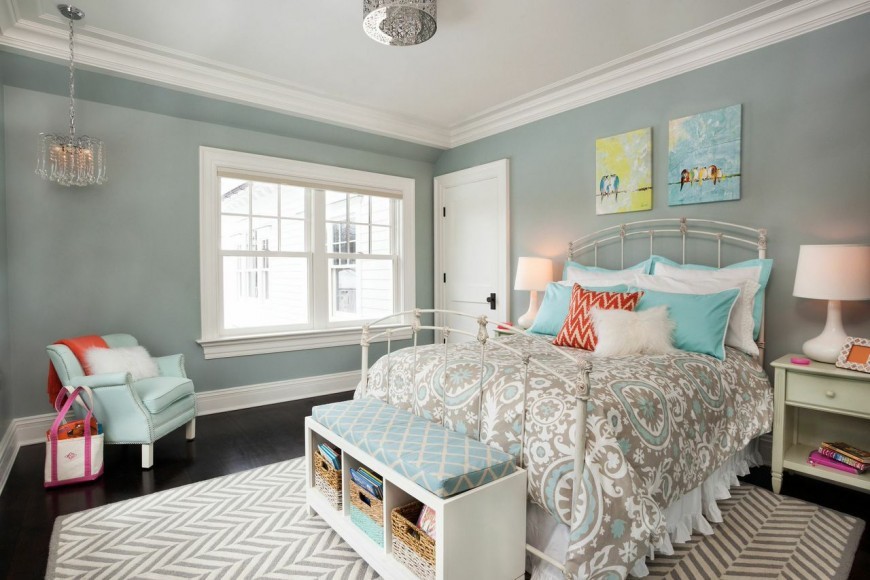
- Benefits: Calming, unique, adds a touch of romance and sophistication, subtle receding effect.
- Examples: Look for the palest lavenders, almost bordering on gray-purple, or soft periwinkle shades.
- Nuances: The key here is extreme paleness. Any hint of strong saturation will make the color advance rather than recede. They work beautifully when paired with crisp whites and light woods.
6. Unexpected Dark Colors (When to Break the Rules)
This is where things get interesting, and we challenge the conventional wisdom. While light colors are the go-to, dark colors can *also* make a small bedroom feel bigger, but only when applied with specific intent and strategy. This is a bold move, but it pays off when done right.
- The Monochromatic Deep Dive: Painting all walls, trim, and even the ceiling in a single, deep, rich color (think a deep navy, charcoal, or forest green) can blur the room’s boundaries entirely. Without defined edges, the eye has no reference points, making the space feel like an infinite, enveloping void rather than a confined box. It’s cocoon-like yet strangely expansive.
- Strategic Accent Walls: A single dark accent wall (e.g., behind the bed) can create immense perceived depth. By drawing the eye deep into the room, it makes the wall feel further away than it is, adding a sense of expansion. Pair this with lighter opposing walls.
- Benefits: Dramatic, sophisticated, can create a powerful sense of intimacy and depth.
- Nuances: This strategy works best in rooms with some natural light to prevent it from feeling like a cave. Use mirrors and bright, contrasting accents to keep it from feeling heavy.
Beyond Wall Color: Mastering the Elements for Maximal Space Illusion
Choosing the right wall color is just the beginning. To truly maximize the feeling of space in your bedroom, you need to consider how other elements interact with your chosen palette.
Ceilings: The Fifth Wall
Don’t neglect your ceiling! It plays a vital role in how expansive your room feels.
- Lighter Than Walls: Painting your ceiling a lighter shade than your walls (often pure white, even if your walls are off-white) creates a sense of height and lift. It draws the eye upward, making the room feel taller.
- Same Color as Walls: For a seamless, continuous look that blurs the transition from wall to ceiling, consider painting the ceiling the exact same color as your walls, especially if using a light, cool hue. This works particularly well in monochromatic dark schemes to create that ‘infinite’ feeling.
- High-Gloss Finish: A high-gloss ceiling in a light color will reflect even more light, almost like a mirror, adding to the illusion of height and spaciousness.
Trim & Doors: Seamless or Contrasting?
How you treat your trim (baseboards, crown molding, door frames) can either enhance or diminish the perception of space.
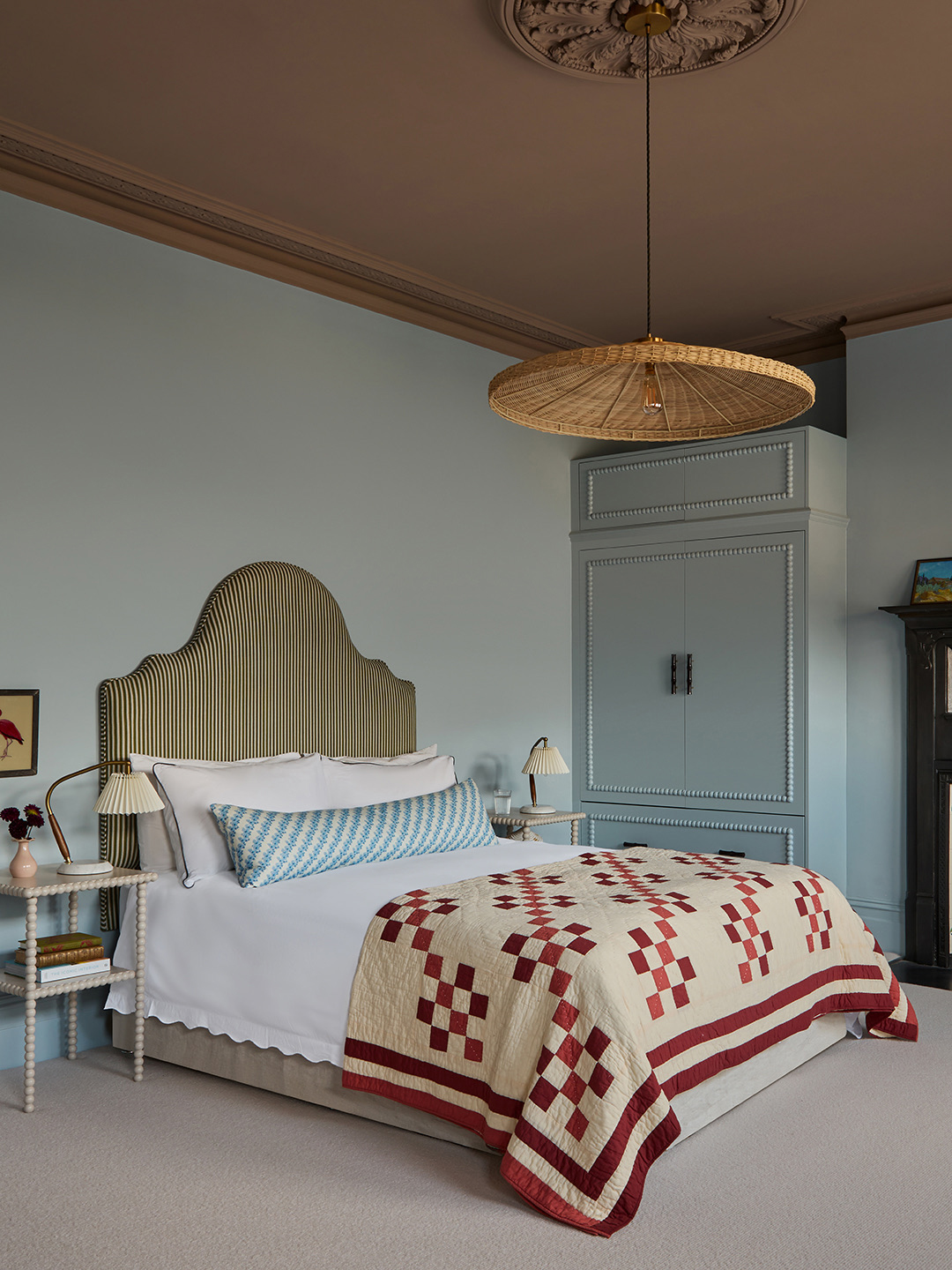
- Same Color as Walls: For maximum seamlessness and to minimize visual breaks, paint your trim and doors the exact same color as your walls. This creates an uninterrupted flow, making the room feel larger.
- Slightly Lighter Trim: If you want some definition but still wish for spaciousness, paint your trim one or two shades lighter than your walls. A crisp white trim with off-white walls is a classic, clean look.
- Avoid Dark, Contrasting Trim: A dark trim against light walls can chop up the visual space, making the room feel smaller and boxier.
Sheen Matters: Reflectivity Levels
The finish, or sheen, of your paint determines how much light it reflects. For small bedrooms, you generally want higher reflectivity.
| Sheen Level | Description | Reflectivity for Small Bedrooms | Best Use in Bedroom |
|---|---|---|---|
| Flat/Matte | Least reflective, velvety finish, hides imperfections well. | Low reflectivity; can make light colors appear softer but won’t maximize space illusion as much. | Walls (for a cozy, sophisticated feel, especially with dark, monochromatic schemes). |
| Eggshell | Slight sheen, durable, good balance of appearance and practicality. | Good reflectivity; a popular choice for light-colored walls to enhance brightness without being overwhelming. | Walls (general recommendation for most bedrooms). |
| Satin | Smooth, pearl-like finish, more reflective than eggshell, very durable. | Higher reflectivity; excellent for bouncing light and making walls recede further. | Walls (if you want maximum light reflection), trim, doors. |
| Semi-Gloss | High sheen, very durable, easy to clean. | Very high reflectivity; can create a mirror-like effect, potentially too much on all walls. | Trim, doors, ceilings (for added height and light reflection), accent walls (for dramatic effect). |
The Power of Natural Light: Maximize It!
No color can work its full magic without adequate light. Natural light is your best friend in a small bedroom.
- Sheer Window Treatments: Opt for lightweight, sheer curtains or blinds that allow maximum light penetration while still offering privacy. Avoid heavy, dark drapes that block light and make windows appear smaller.
- Keep Windows Clear: Position furniture so it doesn’t obstruct windows. Let that glorious natural light stream in!
Artificial Lighting: Brighten & Expand
Thoughtful artificial lighting can significantly enhance the illusion of space, especially in the evenings or in rooms with limited natural light.
- Layered Lighting: Don’t rely on a single overhead fixture. Combine ambient lighting (general room illumination), task lighting (reading lamps), and accent lighting (spotlights on artwork). This creates depth and interest.
- Uplighting: Floor lamps that cast light upwards can make ceilings appear higher.
- Recessed Lighting: Flush with the ceiling, recessed lights provide illumination without visual clutter, maintaining clean lines.
Design Tactics to Amplify Your Color Choice
Color is foundational, but smart design choices can further enhance its expansive effects.
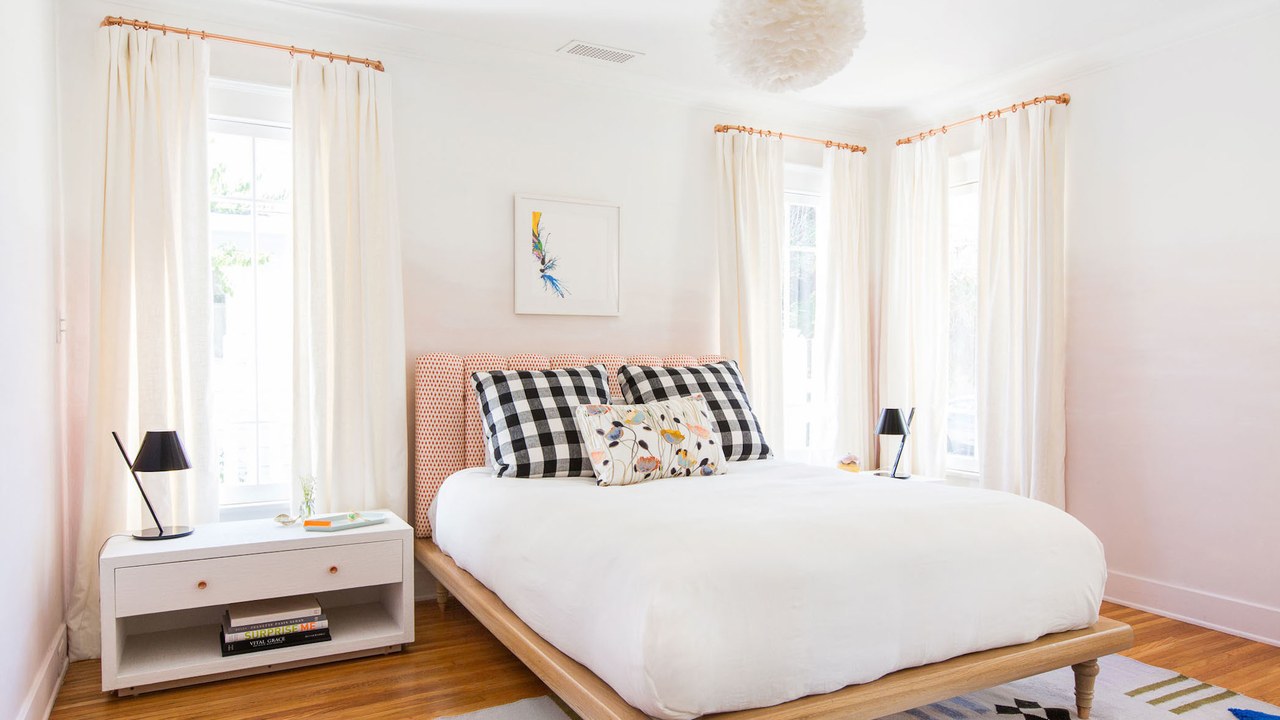
Monochromatic Schemes: The Art of Seamlessness
This strategy involves using different shades, tints, and tones of a single color. It creates a harmonious, unbroken visual flow that tricks the eye into perceiving more space.
- How it Works: Paint walls a light blue, use a slightly darker blue on bedding, and a very pale blue for accessories. The lack of jarring contrasts prevents the eye from stopping, making the room feel continuous.
Accent Walls: Strategic Depth Creation
While often advised against in small spaces, an accent wall, when done correctly, can be a powerful tool for perceived expansion.
- The ‘Push-Back’ Effect: Paint the wall opposite your entry, or the longest wall, in a slightly darker or more saturated (but still cool) version of your main color. This draws the eye in, creating a sense of depth.
- Behind the Bed: A darker accent wall behind the bed can make the bed recess and the room feel longer.
Furniture Placement & Scale: Don’t Overwhelm
Even the perfect paint color can’t save a room cluttered with oversized furniture.
- Minimalist Approach: Choose fewer, well-chosen pieces over many small ones. A single statement dresser is better than three tiny, mismatched tables.
- Leggy Furniture: Furniture with exposed legs (beds, nightstands) allows light to pass underneath, making the floor visible and the room feel airier.
- Multi-Functional Pieces: Storage beds, ottomans with storage, or desks that double as nightstands minimize the need for extra items.
Mirrors: Your Secret Weapon for Expansion
Mirrors are perhaps the oldest and most effective trick in the book for making a room look larger.
- Reflect Light & Views: Place large mirrors opposite windows to reflect natural light and outdoor views, effectively doubling the perceived size and brightness of the room.
- Strategic Placement: A full-length mirror leaning against a wall, or a large mirror above a dresser, can add significant depth.
Clutter Control: Less is Always More
A tidy room always looks bigger than a messy one. Visual clutter creates noise and makes boundaries feel closer.
- Organize: Invest in smart storage solutions (under-bed storage, closed cabinets) to keep surfaces clear.
- Declutter Regularly: A minimalist approach ensures your beautiful expansive colors aren’t fighting for attention with piles of stuff.
Vertical Lines & Stripes: Drawing the Eye Upward
Just like a striped shirt can make a person look taller, vertical elements can make a room feel higher.
- Striped Wallpaper: Subtle vertical stripes can elongate walls.
- Tall Drapes: Hang curtains high and wide, extending from ceiling to floor, to draw the eye upwards and make windows appear grander.
- Vertical Paneling: Wainscoting or board-and-batten with vertical lines can also achieve this effect.
Putting It All Together: Your Small Bedroom Transformation Checklist
Ready to give your bedroom that much-needed sense of spaciousness? Here’s a quick recap to guide you:
- Choose Light & Cool Tones: Prioritize pale blues, greens, grays, and off-whites for walls.
- Consider Undertones: Select colors with cool undertones for maximum receding effect, or warm undertones in whites to prevent coldness.
- Mind the Ceiling: Paint it lighter than walls, or the same color for a seamless look.
- Seamless Trim: Paint trim the same color as walls, or slightly lighter, for an uninterrupted flow.
- Opt for Higher Sheen: Eggshell or satin on walls, semi-gloss on trim and ceilings, for better light reflection.
- Maximize Natural Light: Use sheer curtains and keep windows unobstructed.
- Layer Artificial Lighting: Employ ambient, task, and accent lighting to create depth.
- Embrace Monochromatic Schemes: Use variations of a single color for harmony and continuity.
- Strategic Accent Walls: Use a darker, deeper color on one wall to create perceived depth.
- Scale Furniture Appropriately: Choose fewer, leggy, multi-functional pieces.
- Introduce Mirrors: Place them strategically to reflect light and expand views.
- Eliminate Clutter: Maintain clean surfaces and organized storage.
- Add Vertical Elements: Use tall drapes or subtle vertical patterns to draw the eye upwards.
Ready to Transform Your Bedroom?
You don’t have to settle for a cramped, visually restricting bedroom. By understanding the power of color and applying these expert design tactics, you can transform your small space into a serene, expansive retreat that feels infinitely larger than its actual dimensions. Pick up those paint swatches, experiment with lighting, and watch your bedroom magically grow before your eyes. Happy painting!