Unlock Your Perfect Palette: Bedroom Color Ideas with Dark Brown Furniture
Staring at your gorgeous, solid dark brown furniture, you might feel two things: immense appreciation for its timeless beauty and a slight panic about choosing the perfect wall color and decor. Dark brown pieces—be they a sturdy bed frame, a grand dresser, or elegant nightstands—are pillars of classic style. They bring richness, warmth, and a grounding presence to any bedroom. But let’s be honest, they can also feel a little… heavy. A little intimidating when it comes to injecting color and personality.
You’re not alone if you’ve wondered: “How do I make this room feel fresh and inviting, not like a dimly lit dungeon?” Or, “What colors will truly complement, not compete with, my dark wood?”
This isn’t just about picking a paint chip; it’s about crafting an atmosphere. It’s about balancing depth with airiness, tradition with modernity, and creating a space that feels uniquely you. I’m here to guide you through the maze of color choices, showing you exactly how to transform your bedroom into a sanctuary that highlights, rather than hides, your beautiful dark brown furniture.
The Foundation: Understanding Dark Brown Furniture’s Character
Before we dive into swatches, let’s acknowledge the star of the show: your dark brown furniture. Think deep espresso, rich walnut, or even nearly black wenge. These pieces are often robust, commanding attention and setting a sophisticated, traditional, or even rustic tone. Their inherent qualities are:
- Richness & Depth: They absorb light, creating a sense of gravitas.
- Grounding Presence: They anchor the room, offering stability.
- Versatility (Surprising!): While strong, dark brown acts as a neutral base, allowing many colors to shine when paired correctly.
- Potential for Heaviness: Without thoughtful color companions, a room with too much dark brown can feel small, enclosed, or even gloomy.
Your goal is to leverage these strengths while mitigating the potential for overwhelming darkness. The right colors will create balance, enhance the luxurious feel, and infuse your bedroom with light and personality. It’s all about creating a visual conversation, not a monologue.

The Best Bedroom Paint Colors for Dark Brown Furniture: Your Core Palette
This is where the magic happens. Your wall color is the largest canvas in your room, and it sets the stage for everything else. Here’s a breakdown of the best color families to consider, and why they work so brilliantly with dark brown furniture.
Embracing Light & Bright Neutrals: The Ultimate Counterbalance
If you’re aiming for a classic, clean, and airy look, light neutrals are your best friends. They provide a crisp contrast that immediately lifts the visual weight of dark furniture, making the room feel larger and brighter.
- Crisp Whites: Don’t underestimate the power of white. A pure white (like Sherwin-Williams’ High Reflective White) provides ultimate contrast and a modern, gallery-like feel. Off-whites, such as Benjamin Moore‘s Alabaster or Farrow & Ball’s Wimborne White, offer a softer, creamier alternative, bringing warmth without losing brightness. They bounce light around the room, making even heavy furniture feel lighter.
- Warm Grays & Greiges: These are the sophisticated cousins of white. A light, warm gray (think Agreeable Gray by Sherwin-Williams) offers a contemporary edge, while a greige (gray + beige) provides warmth and versatility. They create a soft, inviting backdrop that’s less stark than pure white but still elegantly contrasts with dark brown.
- Soft Beiges & Creams: For a truly cozy and traditional vibe, soft beiges and creams are unbeatable. Shades like Benjamin Moore’s Pale Oak or Farrow & Ball’s Elephant’s Breath create a harmonious, monochromatic-lite scheme. They lean into the inherent warmth of dark brown, crafting a serene and inviting atmosphere that feels like a soft hug.
Cool & Calming Hues: Serenity and Sophistication
To create a tranquil and refined retreat, look to the cool side of the spectrum. These colors offer a beautiful contrast to the warmth of brown, promoting a sense of calm and sophistication.
- Muted Blues: From a barely-there sky blue (like Benjamin Moore’s Palladian Blue) to a slightly deeper dusty blue (think Sherwin-Williams’ Misty), blues evoke feelings of peace and relaxation. They are incredibly versatile, pairing beautifully with both traditional and modern dark brown pieces. Lighter blues prevent the room from feeling cold, offering a refreshing counterpoint to the furniture’s depth.
- Sage & Mint Greens: Bringing the outdoors in, soft greens are naturally soothing and harmonious. A subtle sage green (like Farrow & Ball’s Clary Sage) or a delicate mint (think Sherwin-Williams’ Sea Salt) creates an organic, restful sanctuary. They offer a gentle, earthy contrast to dark brown, making the room feel fresh and balanced.
- Soft Lavenders & Violets: For a touch of understated romance and unique sophistication, pale lavenders and violets are stunning. Shades like Benjamin Moore’s Hint of Violet can create a serene and dreamlike quality. They are calming and unexpected, working beautifully to add a subtle pop of color that feels both luxurious and peaceful alongside dark brown furniture.
Warm & Inviting Tones: Cozy Comfort
If your goal is a bedroom that feels like a warm embrace, don’t shy away from warm wall colors. These hues enhance the coziness of dark brown, creating an inviting and comforting space.
- Soft Yellows & Golds: A pale, creamy yellow (such as Benjamin Moore’s Naples Yellow) or a subtle golden hue can infuse a room with cheerful sunshine. These colors resonate with the warm undertones often found in dark brown wood, creating a cohesive and exceptionally welcoming environment. They banish any hint of gloom, ensuring the room feels bright and uplifting.
- Blush Pinks & Terracotta Undertones: For a gentle, romantic, or subtly earthy feel, consider blush pinks or colors with soft terracotta undertones. A dusty rose (like Farrow & Ball’s Calamine) can add softness and a touch of feminine charm. These colors provide a delicate warmth that complements dark brown beautifully, preventing the room from feeling too stark or cold. They create a sophisticated, cozy atmosphere without being overly sweet.
Bold & Dramatic Accents: Making a Statement
Ready to push the boundaries? Dark brown furniture can absolutely shine against more dramatic backdrops. These choices are about making a deliberate statement and creating a truly unique space.
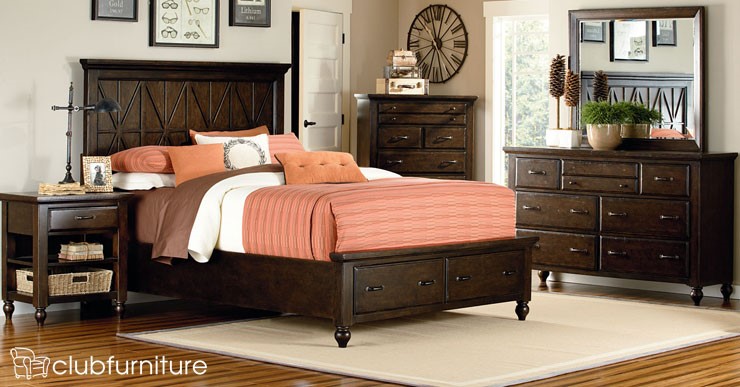
- Deep Teals & Emeralds: These jewel tones are simply breathtaking when paired with dark brown. A rich teal (like Sherwin-Williams’ Rainstorm) or a sophisticated emerald green (think Farrow & Ball’s Pelt for a deep, almost black green) creates a luxurious, dramatic, and incredibly chic environment. They offer a striking contrast that feels opulent and sophisticated, perfect for a master bedroom aiming for high impact.
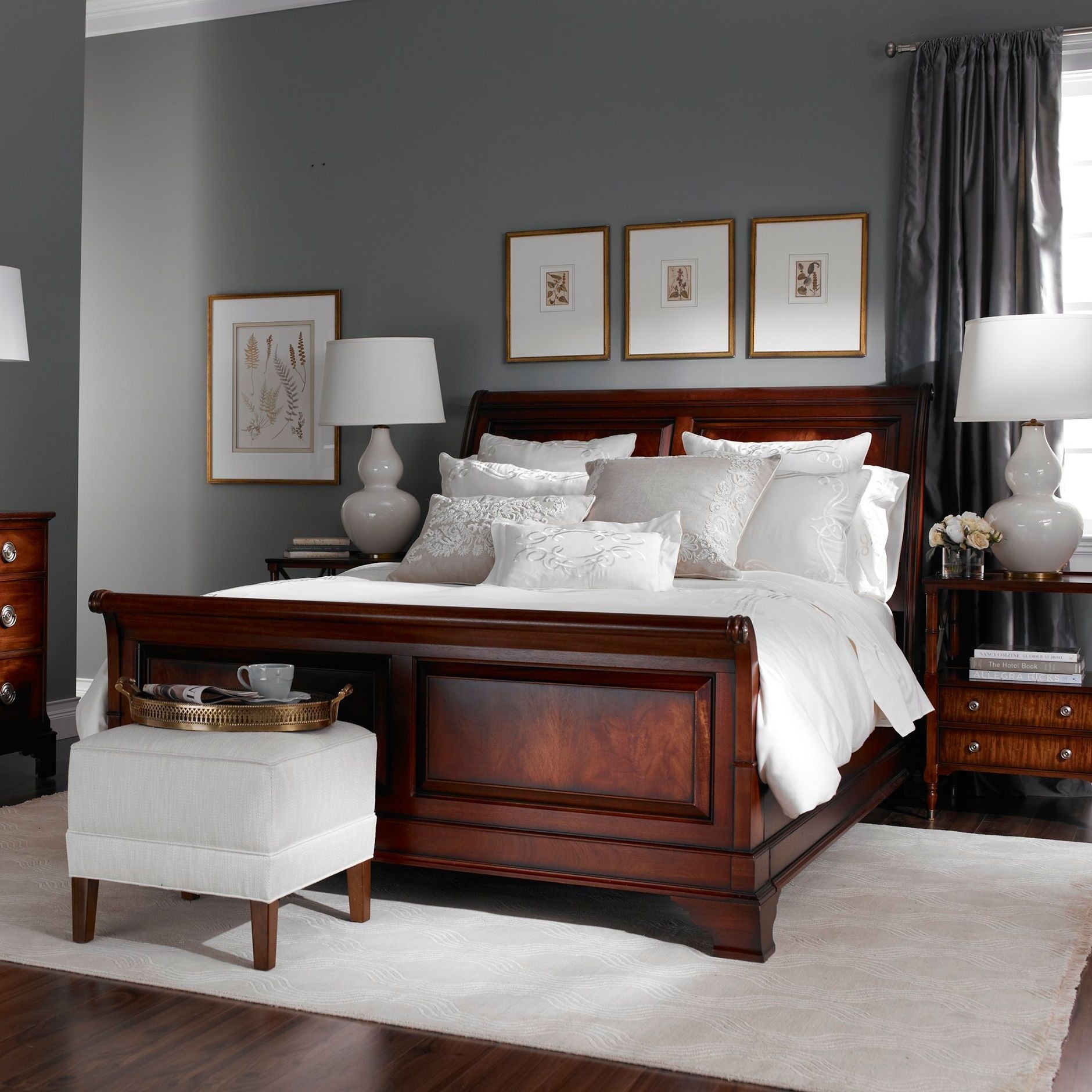
- Charcoal & Navy (Strategic Use): Yes, you can go dark with dark! But it requires strategy. A deep charcoal gray (like Benjamin Moore’s Chelsea Gray) or a classic navy blue (such as Sherwin-Williams’ Naval) can create a sophisticated, monochromatic elegance. The key is to ensure ample lighting (natural and artificial) and introduce plenty of lighter textures and accents to prevent the room from feeling cave-like. This approach creates incredible depth and a truly luxurious, cozy cocoon.
Beyond the Walls: Bringing Color Through Textiles & Decor
Your walls are just the beginning. The magic of designing with dark brown furniture truly unfolds when you start layering in colors through textiles and decorative elements. These elements provide softness, texture, and pops of personality that complete the look.
Layering with Linens & Bedding
Your bed is often the focal point, especially with a grand dark brown headboard. The bedding choices are critical for softening the look and introducing complementary colors.
- Foundation of Light: Start with crisp white, ivory, or light gray sheets and a duvet. This provides an immediate lift and creates a clean canvas against the dark bed frame.
- Pops of Color and Texture: Introduce accent colors through throw pillows and blankets. If your walls are neutral, this is where you can bring in those muted blues, sage greens, blush pinks, or even deep jewel tones. Vary textures with knitted throws, velvet cushions, or linen shams for added interest.
- Pattern Play: Don’t shy away from patterns! A subtle stripe, a botanical print, or a geometric design can add a dynamic element that breaks up any monotony.
Rugs: Grounding the Space with Texture and Color
A well-chosen rug can completely transform the feel of a bedroom, connecting your furniture to your color scheme and adding warmth underfoot.
- Light & Bright: A light-colored rug (think cream, beige, or a light patterned rug with white as the dominant color) will help visually expand the floor space and contrast beautifully with dark furniture legs.
- Textural Interest: Consider natural fibers like jute or sisal for an organic touch, or a plush shag rug for ultimate comfort. These textures add depth without adding more visual weight.
- Patterned Power: A rug with a subtle pattern in your chosen accent colors can tie the whole room together, providing a soft landing for the eye and anchoring the dark furniture.
Curtains & Window Treatments
Window treatments are not just functional; they’re an opportunity to extend your color palette and manage light. They can lighten a room or add another layer of sophistication.
- Airy & Sheer: For rooms that need more light, sheer white or ivory curtains will soften the windows while still allowing natural light to filter through, making the dark furniture feel less imposing.
- Soft Solids: Choose curtains in a color that complements your walls or pulls from an accent color in your bedding. For instance, if you have light gray walls, soft blue curtains can add depth.
- Patterned Drama: If your walls are neutral and you’re looking for a statement, a patterned curtain in a sophisticated print can be a bold yet elegant choice, drawing attention upwards and adding visual height.
Art & Accessories: The Finishing Touches
These are the details that elevate your design, injecting personality and cohesion.
:strip_icc()/44793073_345920632631665_3150319009511085735_n-b40bdec6b4a04613a9d025cd1b3f7be1.jpg "16 Ways to Decorate With Brown in the Bedroom")
- Metallic Accents: Gold, brass, and copper add warmth and a touch of glam that beautifully complements dark brown wood. Silver or chrome can create a cooler, more modern look. Use these in picture frames, lamp bases, or decorative objects.
- Greenery: Plants bring life, freshness, and a natural pop of color. Even a simple potted plant on a nightstand can make a significant difference, contrasting beautifully with the rich brown.
- Artwork: Select pieces that incorporate your chosen accent colors. Artwork can be the perfect way to tie all the elements together, providing focal points and reflecting your personal style. Large-scale art can also make a room feel bigger and draw the eye away from heavy furniture.
Strategic Design Principles for Dark Brown Furniture
Beyond specific colors, understanding these design principles will ensure your bedroom with dark brown furniture is not just pretty, but truly harmonious and functional.
Balancing Light and Dark
This is arguably the most crucial principle when working with dark brown furniture. The goal is to prevent the room from feeling heavy or enclosed.
- The 60-30-10 Rule: A good guideline is to have 60% of your room in your dominant light color (walls, large rug), 30% in a secondary color (bedding, curtains, some furniture), and 10% in an accent color (pillows, art, decor). With dark furniture, aim for your dominant color to be light and airy.
- Lighting is Key: Incorporate multiple light sources—ambient (ceiling fixture), task (reading lamps), and accent (dimmable lights, wall sconces). This layered lighting can dramatically alter the perception of space and prevent dark corners, allowing your dark furniture to shine without being oppressive.
Creating Visual Interest & Depth
A room with too many identical elements can fall flat. Dark brown furniture provides an excellent base for introducing varied textures and patterns.
- Mix Textures: Combine the smoothness of dark wood with the softness of a chunky knit throw, the sheen of velvet pillows, the roughness of linen curtains, and the warmth of a wool rug. This tactile variety adds richness and prevents a monotonous look.
- Introduce Patterns: Whether through bedding, rugs, curtains, or wallpaper, patterns break up solid blocks of color and add a dynamic element. A subtle geometric print, a classic floral, or even a tone-on-tone damask can create sophisticated depth.
Room Size Matters: Making Small Rooms Feel Bigger
If your bedroom is on the smaller side, dark brown furniture needs extra consideration to avoid shrinking the space visually.
- Embrace Light Walls: This is non-negotiable for small rooms. Stick to crisp whites, pale grays, or very light cool tones (like a soft sky blue) to expand the perception of space.
- Reflective Surfaces: Mirrors are your best friends. A large mirror can double the perceived size of a room and reflect light, brightening dark corners. Glass tabletops on nightstands also help.
- Leggy Furniture: If you’re buying new, choose dark furniture with visible legs rather than solid bases. This allows light to pass underneath, creating an illusion of space.
- Minimalism: Avoid clutter. A few well-chosen pieces of decor are better than many small ones, especially with heavy furniture.
Setting the Mood: From Serene Sanctuary to Bold Boudoir
Color is a powerful tool for emotional response. Your choices should align with the feeling you want your bedroom to evoke.
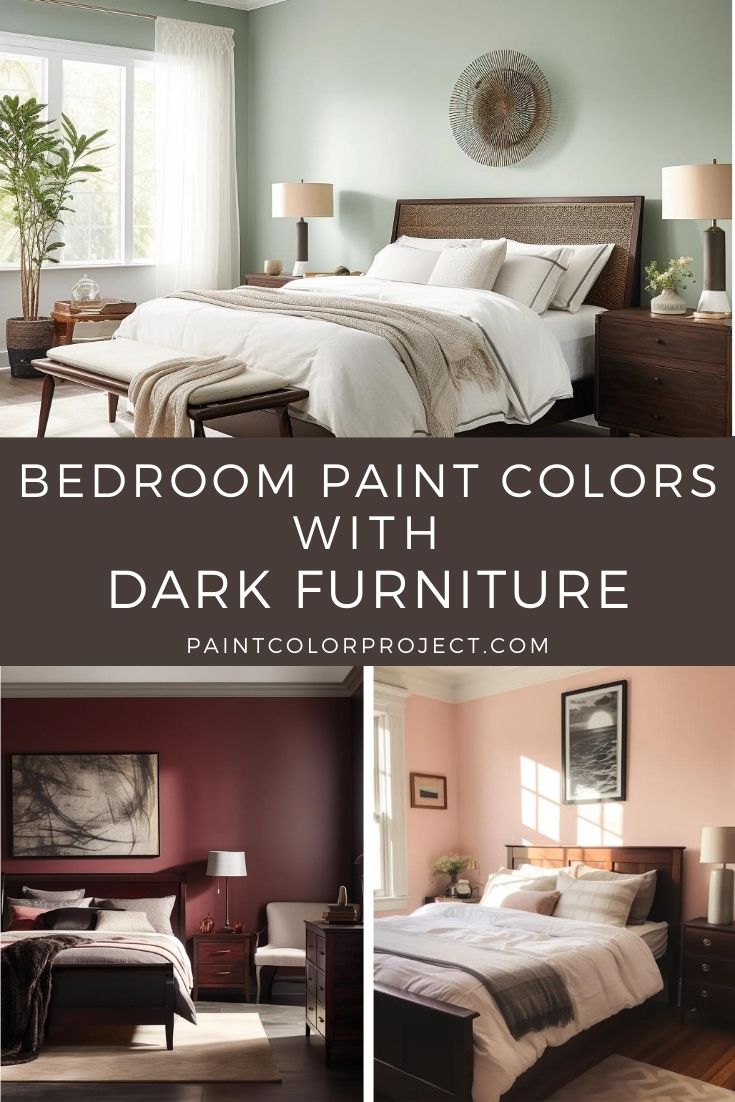
- Serene & Calm: Opt for light neutrals, cool blues, and soft greens. These colors are known for their calming effects, perfect for a peaceful retreat.
- Cozy & Inviting: Lean into warm whites, creams, soft beiges, and pale yellows. These hues create a welcoming, comforting atmosphere, making your dark brown furniture feel like a warm hug.
- Luxurious & Dramatic: If you desire a high-impact, sophisticated space, consider deep jewel tones like emerald green or navy blue, or even strategic charcoal walls. Just remember to balance with plenty of light accents and varied textures.
Common Pitfalls to Avoid (And How to Fix Them)
Even with the best intentions, it’s easy to fall into common design traps. Here’s how to sidestep them and keep your bedroom looking its best.
- The Cave Effect (Overwhelming Darkness): This happens when too many dark elements are combined without enough contrasting lightness or proper lighting.
Fix: Introduce more white or light-colored textiles, add a large mirror, layer your lighting, or paint an accent wall in a bright color. - Lack of Cohesion (Mismatched Styles/Colors): Your room feels disjointed because colors and styles are fighting rather than flowing.
Fix: Choose a cohesive color palette (2-3 main colors, plus an accent) and stick to it across walls, textiles, and decor. Ensure your decor style complements the furniture (e.g., modern art with modern brown furniture, classic prints with traditional pieces). - Ignoring Undertones: Dark brown furniture can have warm (reddish, orangish) or cool (ashy, grayish) undertones. If your wall color clashes with these, the room can feel off.
Fix: Pay attention to the undertones of your specific brown. Pair warm browns with warm whites, creams, or warm grays. Pair cooler browns with cool grays, blues, or greens. When in doubt, neutrals with minimal undertones (like true white) are safe bets. - Too Much Monotony (Not Enough Contrast or Variation): The opposite of the cave effect, where everything is too similar, making the room feel bland and uninspired.
Fix: Introduce varying textures, patterns, and a carefully chosen accent color. Don’t be afraid to mix in different wood tones in smaller decor items (like a lighter wood picture frame) or metallic finishes.
Quick Reference Guide: Bedroom Color Pairings with Dark Brown Furniture
To help you visualize and choose, here’s a concise guide to the best color pairings, outlining their mood and why they excel with dark brown furniture.
| Color Family | Specific Shades | Mood Created | Why it Works with Dark Brown | Best for Room Size |
|---|---|---|---|---|
| Light Neutrals | Crisp White, Alabaster, Light Greige, Pale Oak | Modern, Serene, Airy | Provides high contrast, reflects light, and creates a clean canvas. | All sizes, especially small rooms. |
| Cool Tones | Dusty Blue, Sage Green, Eucalyptus, Soft Lavender | Calm, Fresh, Tranquil | Balances the warmth of brown, adds a refreshing, spa-like quality. | All sizes. |
| Warm Tones | Pale Yellow, Buttercup, Blush Pink, Soft Terracotta | Cozy, Inviting, Cheerful | Enhances brown’s inherent warmth, creates a harmonious, comforting vibe. | Medium to large rooms. |
| Bold Accents | Deep Teal, Emerald Green, Navy Blue, Charcoal Gray | Luxurious, Dramatic, Sophisticated | Creates striking contrast and depth, ideal for a high-impact, elegant space. | Large rooms (as main color); All sizes (as accent wall or decor). |
Remember, the best color is one that speaks to you and creates the atmosphere you desire most in your personal sanctuary. Don’t be afraid to trust your intuition and experiment with swatches!
Conclusion
You started this journey looking for inspiration, perhaps even feeling a little daunted by the gravitas of your dark brown furniture. Now, you have a powerful arsenal of ideas and strategies to transform your bedroom. You know that dark brown isn’t a limitation; it’s a launchpad for incredible design.
Whether you lean into the serene calm of muted blues, the airy elegance of crisp whites, or the dramatic luxury of deep teals, the key is balance, thoughtful layering, and a touch of your own personality. Take these insights, grab some paint swatches, and begin the exciting process of creating a bedroom that’s not just beautiful, but perfectly reflects your taste and provides the sanctuary you deserve.
Frequently Asked Questions
What colors make dark brown furniture look less heavy?
To make dark brown furniture feel less heavy, opt for light and bright wall colors. Crisp whites, creamy off-whites, pale grays, and soft beiges are excellent choices as they reflect light and provide a strong contrast, visually lifting the furniture’s weight.
Can I use dark wall colors with dark brown furniture?
Yes, but with caution and strategy. Dark wall colors like deep teal, emerald green, navy blue, or charcoal gray can create a luxurious, dramatic, and cozy ‘cocoon’ effect. The key is to ensure ample natural and artificial lighting, and to introduce plenty of lighter accents (bedding, rugs, art) to prevent the room from feeling overwhelmingly dark or cave-like.
What accent colors pair well with dark brown furniture?
Dark brown furniture is very versatile. Excellent accent colors include muted blues (like dusty blue or robin’s egg), sage greens, blush pinks, soft yellows, and rich jewel tones like deep teal or emerald. Metallics such as gold, brass, or copper also add a beautiful touch of warmth and elegance.
How do I make a small bedroom with dark brown furniture feel larger?
In a small bedroom, prioritize light. Paint walls in crisp whites or very pale cool tones. Utilize large mirrors to reflect light and expand the space. Choose bedding and window treatments in light, airy fabrics. Opt for furniture with visible legs if possible, and keep decor minimal to avoid clutter.
Should my bedding match my wall color or my furniture?
Your bedding doesn’t have to perfectly match either your wall color or your furniture. Instead, aim for coordination and contrast. Start with a base of light, neutral bedding (white, ivory, light gray) to provide a fresh canvas against dark furniture. Then, introduce accent colors through throw pillows and blankets that either complement your wall color or introduce a pop of a new, harmonious hue.
Are there any colors I should avoid with dark brown furniture?
Avoid overly saturated or muddy mid-tone colors that are too close to the brown furniture’s shade without providing enough contrast. This can make the room feel drab and indistinct. Also, be cautious with very stark, cool grays if your brown furniture has warm undertones, as they might clash. Always test paint swatches in your room’s lighting before committing.
How can I incorporate trends with timeless dark brown furniture?
Dark brown furniture is a classic anchor. To incorporate trends, focus on easily changeable elements: throw pillows, blankets, artwork, rugs, and decorative accessories. You can introduce trendy colors (e.g., a popular green, a specific pastel) or patterns (e.g., modern geometrics, organic shapes) through these items without needing to overhaul your entire room.