Beyond Basic Gray: Choosing the Perfect Shade for Your Walls
Let’s be honest. When you set out to choose a gray paint color for your walls, you probably thought it would be simple. “It’s just gray, right?” you muttered to yourself. Then you stepped into the paint store, saw a wall of swatches, and your world went a little… well, gray. Suddenly, you were drowning in a sea of “greige,” “charcoal,” “dove,” “silver,” and a dizzying array of blues, greens, and even purples masquerading as neutral. Sound familiar?
Choosing the right gray is deceptively complex, but also incredibly rewarding. It’s not just a backdrop; it’s a foundation that sets the entire mood and tone of your home. A perfect gray can feel sophisticated, serene, modern, or cozy. A wrong one can feel cold, sterile, or just… off. But don’t despair! I’m here to demystify the gray spectrum and arm you with the knowledge to pick the perfect shade with confidence. Let’s decode gray, together.
Decoding the Gray Spectrum: Warm, Cool, and Everything In-Between
So, what exactly *is* a gray paint color? At its core, gray is a mix of black and white. But that’s where the simplicity ends. True, pure grays are rare in home decor. Most grays you encounter have subtle, yet powerful, undertones that pull them towards warm or cool territories. Understanding these undertones is the single most crucial factor in choosing a gray you’ll love.
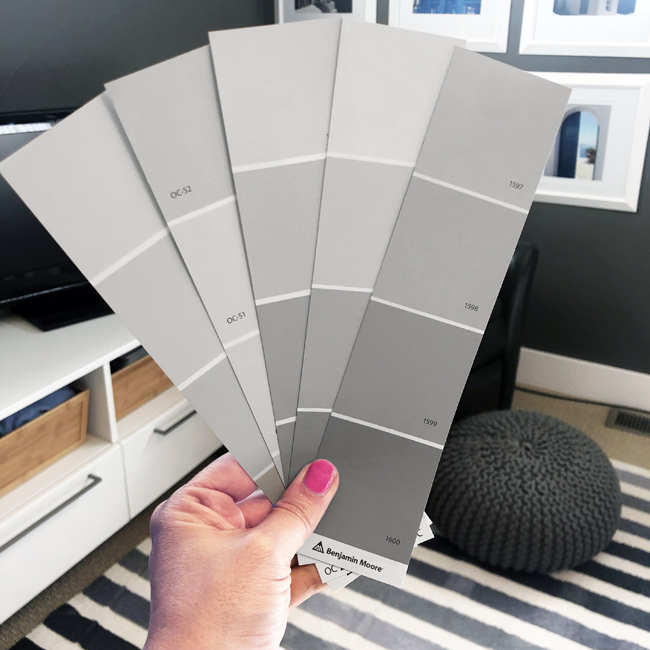
The Critical Role of Undertones
Think of undertones as the hidden personality of your gray. They’re the colors that peek through when the light hits just right, or when paired with other colors in your room. Ignoring them is the fastest way to end up with a gray that feels completely wrong.
- Cool Grays: These grays have blue, purple, or green undertones. They create a crisp, serene, and often formal feel. They can make a room feel expansive and modern. Think coastal vibes, modern minimalism, or elegant sophistication.
- Warm Grays (Greige): These grays lean into brown, beige, or yellow undertones. Often called “greige” (gray + beige), they offer warmth and coziness, bridging the gap between traditional beige and contemporary gray. They’re incredibly versatile and prevent a room from feeling cold.
- Pure Grays (True Neutral): These are the elusive grays that have minimal noticeable undertones. They can be tricky to find and often appear differently depending on the light. When you find one that works, it’s a beautiful, understated foundation.
| Gray Type | Common Undertones | Room Feel & Vibe | Best Paired With |
|---|---|---|---|
| Cool Gray | Blue, Green, Purple | Crisp, Serene, Modern, Formal, Expansive | Cool whites, navy, emerald green, chrome, silver, dark woods |
| Warm Gray (Greige) | Beige, Brown, Yellow | Cozy, Inviting, Earthy, Transitional, Soft | Creamy whites, warm wood tones, brass, gold, blush pink, sage green |
| Pure/True Gray | Minimal (Black/White focus) | Understated, Sophisticated, Clean, Contemporary | Monochromatic schemes, bold accent colors, varied textures |
Light It Up: How Natural & Artificial Light Transforms Gray
If undertones are the personality, light is the mood ring. Gray paint is famously chameleon-like, meaning its appearance can shift dramatically depending on the light hitting it. Ignoring this is like buying a car without test driving it – you might be in for a bumpy ride!
Why Light is Your Biggest Design Partner (or Foe)
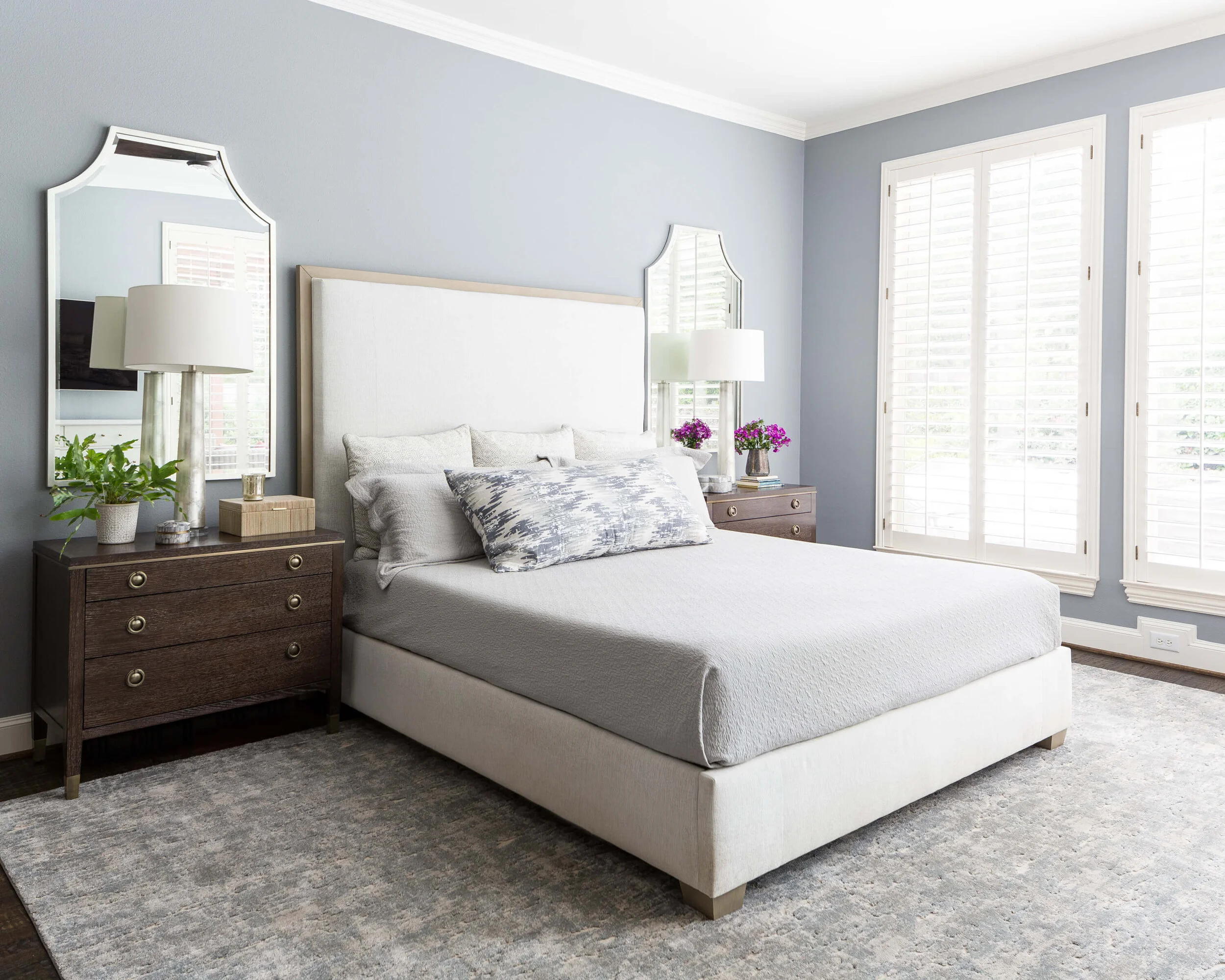
Natural light changes throughout the day, and artificial light sources have their own color temperatures. This means a gray that looks perfect on a swatch in a brightly lit store can look completely different on your wall at home. You need to consider:
- Natural Light Direction:
- North-facing rooms: These rooms typically receive cooler, indirect light, which can make colors appear duller or more blue/green. Warm grays (greiges) are your best friend here, as they counteract the coolness and bring much-needed warmth.
- South-facing rooms: Blessed with abundant, warm light throughout the day. Almost any gray can work here, but cooler grays will feel crisp and balanced, while warm grays will lean more beige.
- East-facing rooms: Receive bright, warm light in the morning, which fades to cooler light in the afternoon. A balanced gray with subtle warm undertones can transition well, or a cool gray can feel invigorating in the morning.
- West-facing rooms: Get warm, intense light in the afternoon and evening. Cooler grays can help temper this strong light, while warm grays will truly glow.
- Artificial Lighting:
- Incandescent/Warm LED (2700K-3000K): These bulbs emit a yellowish light, which will pull out the warm undertones in a gray and make cool grays appear slightly less stark.
- Cool LED/Daylight (4000K-5000K+): These bulbs emit a bluer or whiter light, enhancing cool undertones in grays and making warm grays appear truer to their gray side.
Always test your paint samples in the actual room, at different times of day, and with your typical lighting on!
The Best Gray Paint Colors by Room: Tailoring Your Palette
Different rooms have different functions, and the perfect gray will support that purpose. Here’s a breakdown of how to think about gray in each space:
- Living Rooms: Creating Inviting, Sophisticated Spaces. For the heart of the home, you want a gray that feels welcoming and can stand up to various furniture and decor styles. Warm grays or greiges like Sherwin-Williams Agreeable Gray or Benjamin Moore Revere Pewter are perennial favorites for their versatility and cozy feel. If you prefer a more modern, crisp look, a subtle cool gray with a hint of blue can create an elegant backdrop.
- Bedrooms: Serene Retreats and Cozy Sanctuaries. Bedrooms thrive on calm and relaxation. Soft, muted grays work beautifully. Consider lighter grays with blue or green undertones for a spa-like feel (think Benjamin Moore Gray Owl) or a soft greige for ultimate coziness (Sherwin-Williams Mindful Gray). Avoid overly dark or stark cool grays, which can feel too energizing or cold for a sleeping space.
- Kitchens: Clean Lines and Modern Appeal. Kitchens often benefit from grays that feel fresh and clean. Cooler grays with blue or green undertones pair wonderfully with white cabinetry, stainless steel appliances, and natural stone countertops. Sherwin-Williams Repose Gray or Benjamin Moore Stonington Gray are excellent choices, providing a sophisticated backdrop that feels both modern and timeless.
- Bathrooms: Spa-Like Serenity or Crisp Modernity. Similar to bedrooms, bathrooms benefit from calming shades. Light, cool grays can evoke a spa-like atmosphere, especially when paired with white fixtures and reflective surfaces. Benjamin Moore Horizon or even a very light blue-gray can create a refreshing, clean feel.
- Home Offices: Focus and Calm. For a space where concentration is key, avoid distracting colors. Mid-tone grays, whether slightly warm or cool, can create a productive and calm environment. A pure neutral gray can be a great choice here, allowing your mind to focus without visual noise.
- Open Concept Spaces: Achieving Flow and Continuity. In open-plan homes, choosing a gray that can flow seamlessly from one area to another is paramount. This is where versatile greiges truly shine. They offer enough warmth to feel inviting in a living room, enough neutrality for a dining space, and enough sophistication for an entryway. Consistency is key, so find one shade that works well with the varying light and functions of your connected rooms.
| Color Name (Brand) | Key Undertone | Best Room/Use | Vibe/Feel |
|---|---|---|---|
| Agreeable Gray (SW) | Warm (Beige) | Living Rooms, Open Concepts, Bedrooms | Cozy, Versatile, Inviting |
| Revere Pewter (BM) | Warm (Green-Beige) | Living Rooms, Dining Rooms, Kitchens | Classic, Sophisticated, Earthy |
| Gray Owl (BM) | Cool (Green-Blue) | Bedrooms, Bathrooms, Kitchens | Light, Airy, Spa-like, Modern |
| Repose Gray (SW) | Warm (Subtle Brown/Violet) | Living Rooms, Kitchens, Hallways | Balanced, Clean, Contemporary |
| Stonington Gray (BM) | Cool (Blue) | Bathrooms, Kitchens, Modern Spaces | Crisp, Elegant, Fresh |
| Light French Gray (SW) | Cool (Blue) | Accent Walls, Formal Living, Bedrooms | Refined, Understated, Soothing |
| Mindful Gray (SW) | Warm (Subtle Green-Beige) | Bedrooms, Living Areas, North-facing rooms | Cozy, Grounded, Earthy |
| Metropolitan AF-690 (BM) | Cool (Subtle Green) | Modern Homes, Offices, Contemporary Living | Sophisticated, Calm, Understated Elegance |
Popular Gray Paint Colors You’ll Love (And Why)
While testing in your own home is always paramount, starting with popular, tried-and-true colors can give you a fantastic jumping-off point. These are the grays that designers and homeowners swear by for their versatility and beautiful undertones:
- Benjamin Moore Revere Pewter (HC-172): The undisputed king of greiges. Revere Pewter is a warm gray with green and beige undertones. It’s incredibly versatile and pairs well with almost anything, preventing rooms from feeling cold, especially in North-facing spaces. It’s a favorite for living rooms, dining rooms, and open concepts.
- Sherwin-Williams Agreeable Gray (SW 7029): Another top contender in the greige category. Agreeable Gray is slightly lighter than Revere Pewter, with noticeable beige undertones that keep it soft and inviting. It’s truly agreeable, adapting beautifully to various lighting conditions and decor styles, making it perfect for whole-house applications.
- Benjamin Moore Gray Owl (OC-52): If you’re leaning towards a cooler gray that still feels light and airy, Gray Owl is a fantastic choice. It has subtle green and blue undertones that give it a refreshing, spa-like quality without feeling icy. It’s a favorite for bedrooms, bathrooms, and kitchens.
- Sherwin-Williams Repose Gray (SW 7015): A true workhorse gray with warm, subtle brown and violet undertones. Repose Gray is incredibly balanced, often appearing as a true neutral gray in some lights, but offering enough warmth to feel cozy. It’s a sophisticated option for living areas and kitchens.
- Benjamin Moore Stonington Gray (HC-170): A classic cool gray with strong blue undertones. Stonington Gray is crisp, clean, and elegant, making it an excellent choice for modern spaces, bathrooms, or formal living rooms where you want a more defined, cooler aesthetic.
- Sherwin-Williams Light French Gray (SW 0055): A beautiful, mid-tone cool gray with subtle blue undertones. Light French Gray is refined and understated, perfect for creating a soothing atmosphere in bedrooms or providing a sophisticated backdrop in living spaces. It’s not too dark, but has enough depth to make a statement.
- Benjamin Moore Coventry Gray (HC-169): A rich, deep gray with distinct blue undertones. Coventry Gray is perfect for adding drama and sophistication. It works beautifully in formal dining rooms, studies, or as an accent wall, creating a moody yet elegant ambiance.
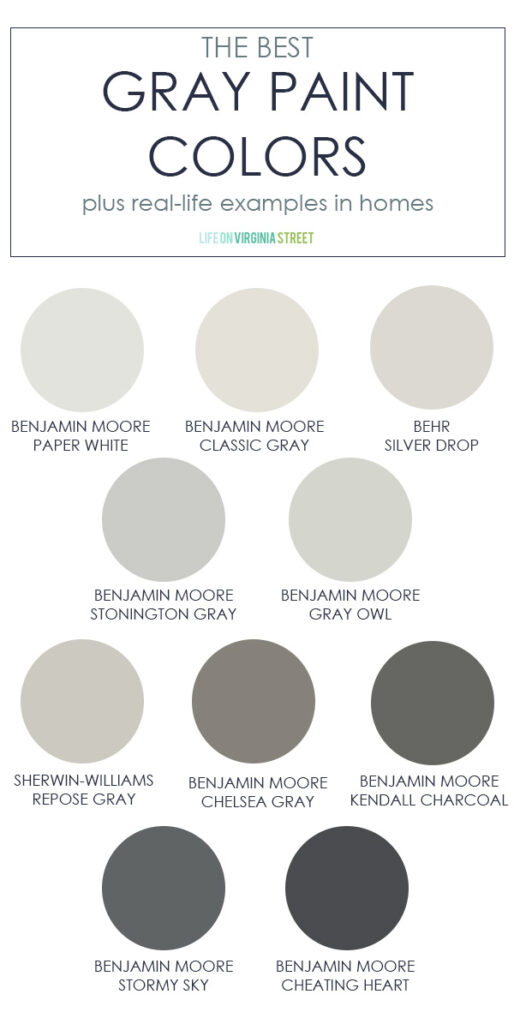
- Behr Silver Drop (790C-2): A popular light greige that offers a delicate balance between warm and cool. Silver Drop is highly adaptable, often looking gray in cooler light and slightly beige in warmer light, making it a great choice for open concept homes seeking a soft, flexible neutral.
Mastering the Art of Pairing: What Goes with Gray Walls?
Gray is the ultimate neutral, meaning it can literally pair with almost anything. But to truly make your gray walls shine, you need to consider the supporting cast: your trim, furniture, and accent colors.
- Beyond White Trim: While crisp white trim is always a classic with gray, don’t be afraid to experiment. A slightly off-white or even a very pale, muted gray trim can create a seamless, sophisticated look. Darker grays or even black trim can add dramatic contrast in modern spaces.
- Complementary Colors:
- Blues & Greens: Natural companions to cool grays, creating serene, harmonious palettes. Think deep navy, dusty blue, emerald green, or sage.
- Yellows & Oranges: Bring a vibrant pop and warmth, especially against cooler grays. A mustard yellow throw or a burnt orange accent pillow can truly brighten a space.
- Pinks & Corals: Offer a soft, sophisticated contrast, particularly with warmer grays, creating a romantic or chic aesthetic.
- Neutrals (Beige, Cream, Taupe): When layered with varying textures, these can create a rich, monochromatic scheme that feels anything but boring.
- Wood Tones:
- Light Woods (Maple, Ash): Create a fresh, modern Scandinavian feel with both warm and cool grays.
- Medium Woods (Oak, Walnut): Ground the space and add natural warmth. They’re particularly beautiful against cool grays.
- Dark Woods (Mahogany, Espresso): Provide a rich, luxurious contrast, making the gray appear lighter and more defined.
- Metals:
- Chrome & Silver: Enhance the coolness and modernity of gray.
- Brass & Gold: Inject warmth and a touch of luxury, creating a stunning contrast with cool grays or amplifying the coziness of warm grays.
- Matte Black: Adds an edgy, contemporary touch, creating strong definition.
- Fabrics & Textures: Because gray is often a calm base, this is where you can add personality! Think plush velvet, chunky knits, linen, faux fur, and natural fibers like jute or sisal. Varying textures prevent a gray room from feeling flat or sterile.
Avoiding Gray Area Gaffes: Common Mistakes to Sidestep
Even with the best intentions, it’s easy to make mistakes when choosing gray paint. Here are the most common pitfalls and how to avoid them:
- The “Cold” Gray Syndrome: Many people shy away from gray because they’ve seen rooms that feel stark and unwelcoming. This usually happens when a cool gray is chosen for a room with already cool natural light (like a north-facing room) without enough warm elements in the decor. Solution: Balance cool grays with warm lighting, wood tones, and cozy textures. Or, opt for a warm gray (greige) from the start.
- Ignoring Undertones: The Dreaded “Purple” or “Green” Surprise: You pick a gray, paint the wall, and suddenly it looks undeniably purple, green, or even blue. This is the undertone ghost haunting your home! Solution: Always, always, always test your samples. Compare them against a true white and a true gray (like a primer) to help reveal their hidden colors. Look at them next to your existing furnishings.
- Not Testing Swatches (The Cardinal Sin!): I cannot stress this enough. Looking at a tiny chip in a brightly lit store will deceive you every time. Solution: Buy sample pots! Paint large swatches (at least 2’x2′) on multiple walls in your room. Live with them for a few days, observing them in different natural light (morning, noon, evening) and under artificial light. This small effort saves huge headaches (and repaint costs).
- Overlooking Paint Sheen: Why Finish Matters. The finish of your paint (flat, eggshell, satin, semi-gloss) impacts how light reflects and, therefore, how the gray appears.
- Flat/Matte: Absorbs light, creating a rich, velvety, sophisticated look. Best for low-traffic areas or to hide imperfections.
- Eggshell/Satin: Slightly more reflective, durable, and easier to clean. Ideal for living rooms, bedrooms, and dining areas.
- Semi-Gloss/Gloss: Highly reflective and very durable, best for trim, doors, and high-moisture areas like bathrooms (but can highlight wall imperfections if used on walls).
Solution: Match your sheen to the room’s function and desired aesthetic. Generally, eggshell or satin is excellent for walls.
The Importance of Paint Samples: Seriously, Don’t Skip This Step!
I know I’ve said it, but it bears repeating. Sample pots are your best friend. Paint a generous swatch on poster board or directly on a large section of your wall. Observe it throughout the day, in varying light conditions, and next to your existing furniture, flooring, and fabrics. This crucial step will save you from costly mistakes and ensure you truly love your chosen gray.
:strip_icc()/grey-bathroom-double-vanity-bathtub-d2f24dda-75e37bdaa4cb414589d569da8dee78eb.jpg "20 Gray Color Schemes that Showcase the Timeless Neutral")
Your Gray Journey Starts Here
Choosing the perfect gray paint color for your walls might seem daunting at first, but with a solid understanding of undertones, the impact of light, and room-specific considerations, you’re well on your way to a stunning transformation. Gray isn’t just a neutral; it’s a versatile, sophisticated, and deeply impactful color that can set the tone for your entire home. Armed with this knowledge, you can now approach the paint store with confidence, knowing exactly what to look for, what to avoid, and how to create a space that feels uniquely yours. Happy painting!
Frequently Asked Questions
What’s the difference between a warm gray and a cool gray?
Warm grays have undertones of beige, brown, or yellow, making them feel cozy and inviting. They are often referred to as ‘greige.’ Cool grays have undertones of blue, green, or purple, which lend them a crisp, serene, and modern feel. The best choice depends on your room’s lighting and the overall ambiance you want to create.
How do I choose the right gray paint for a north-facing room?
North-facing rooms receive cooler, indirect light that can make colors appear duller. To counteract this, it’s best to choose a warm gray (greige) with subtle beige or yellow undertones. This will bring much-needed warmth and prevent the room from feeling cold or stark.
What are the most popular gray paint colors right now?
Some of the most popular gray paint colors include Sherwin-Williams Agreeable Gray (warm greige), Benjamin Moore Revere Pewter (warm greige), Benjamin Moore Gray Owl (light cool gray), Sherwin-Williams Repose Gray (balanced warm gray), and Benjamin Moore Stonington Gray (cool blue-gray).
Should I use the same gray paint color throughout my entire home?
In open-concept homes, using a consistent, versatile gray (often a greige) can create a cohesive flow between spaces. However, in homes with distinct rooms, you can vary your gray choices to suit each room’s function and light, for instance, a warmer gray for a cozy bedroom and a cooler gray for a modern kitchen.
How do undertones affect gray paint colors?
Undertones are the subtle colors that become visible in gray paint, especially under different lighting conditions or when paired with other colors. They determine whether a gray leans warm (with beige/brown/yellow hints) or cool (with blue/green/purple hints). Ignoring undertones is the most common reason people are unhappy with their gray paint choice, as it can make a room feel ‘off’ or the wrong hue.
What paint sheen is best for gray walls?
For most interior walls, eggshell or satin finishes are ideal. They offer a slight sheen, making them durable and easy to clean, while still providing a sophisticated look. Flat or matte finishes absorb light, creating a velvety appearance but are less durable. Semi-gloss is generally reserved for trim and doors.
Can gray paint make a room feel small or dark?
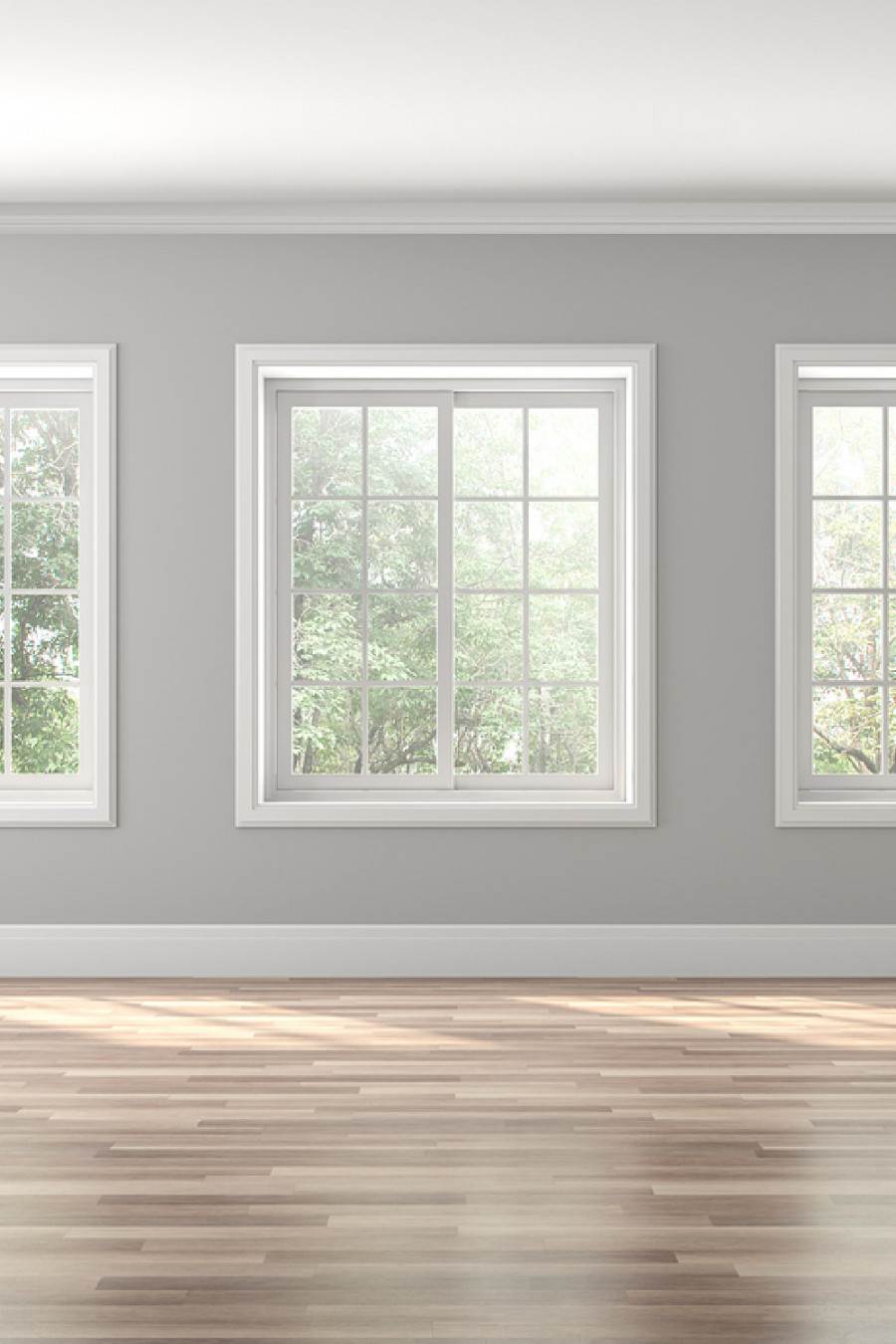
Any dark paint color can make a room feel smaller, and some cool grays can feel sterile or cold if not properly balanced. To avoid this, opt for lighter gray shades, especially in smaller rooms or those with limited natural light. Pairing gray with ample lighting, warm wood tones, and varied textures will also prevent it from feeling too dark or cold.