When you’re diving into a home refresh or a new space, one of the most common and surprisingly impactful questions that pops up is: Should I paint my ceiling white or the wall color? This isn’t just about picking a shade; it’s about crafting the entire aesthetic and vibe of your room. For millennials especially, who value both style and functionality, making the right decision can transform a space from basic to breathtaking.
Gone are the days when a crisp white ceiling was the only default. Modern design trends embrace bold choices and personalized atmospheres. But with endless possibilities, how do you decide? This comprehensive guide will break down the pros and cons, explore design psychology, and help you determine the best approach for your unique home, ensuring your space feels perfectly ‘you’. We’ll explore how your choice impacts everything from perceived room size to overall mood and how to use paint color to your advantage.
Whether you’re aiming for an airy and spacious feel or a cozy, intimate retreat, understanding the nuances of ceiling paint is key. Let’s get painting, metaphorically speaking, and uncover the secrets to a stunning ceiling!
The Great Ceiling Debate: White vs. Wall Color
The choice between a classic white ceiling and extending your wall color upwards is a fundamental design decision. Each approach dramatically alters the perception of your room’s dimensions, light, and overall mood. Let’s weigh the options.
Why Go White? The Timeless Appeal of a Classic Ceiling
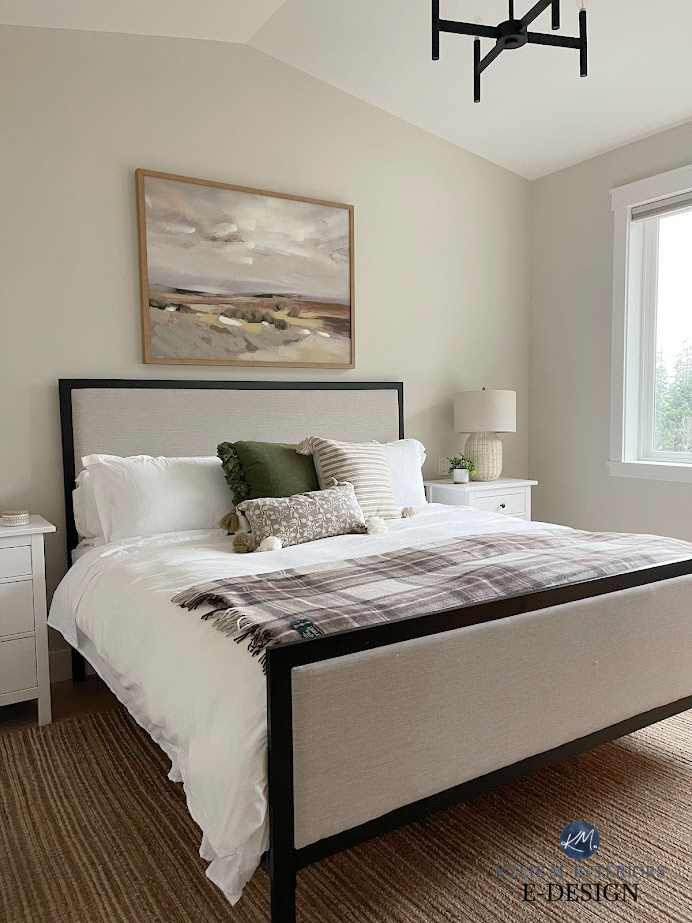
Source: kylieminteriors.ca
For decades, a bright white ceiling has been the go-to for a reason. It’s the visual equivalent of a fresh start, offering a sense of cleanliness and simplicity. But its benefits go far beyond tradition.
The Bright Side of White Ceilings
-
Maximizes Light Reflection: White is a champion at reflecting natural light and artificial light. This makes your room feel brighter and more open, which is fantastic for spaces with limited windows or darker wall colors. It essentially amplifies existing light sources, banishing gloomy corners.
-
Creates a Sense of Height and Space: A lighter ceiling visually pushes the ceiling upwards. This trick is invaluable for low ceilings or smaller rooms, making them feel significantly larger and more airy. It provides a visual break from the walls, creating a distinct boundary.
-
Offers Versatility: White provides a neutral canvas, allowing your wall decor, furniture, and accent pieces to truly shine. It works with virtually any wall color, from bold jewel tones to subtle neutrals, making future redecorating easier. This versatility is a huge plus for those who love to switch up their decor.
-
Conceals Imperfections: Light, matte white paint can be surprisingly forgiving. Minor dents, uneven textures, or imperfect plasterwork tend to be less noticeable on a flat, white surface compared to a colored or glossy one. This can save time and effort during prep work.
-
Cost-Effective: White paint is often more readily available and can sometimes be less expensive than custom-mixed colors. It also typically requires fewer coats to achieve a uniform finish, especially if you’re covering a lighter existing color.
When a White Ceiling is Your Best Bet
Consider a white ceiling if your goal is to brighten a dim space, make a small room feel larger, or create a crisp, clean backdrop for a vibrant decor scheme. It’s also ideal for rooms with complex architectural features, as it allows them to stand out without competing with the ceiling color.
| Aspect | White Ceiling | Wall Color Ceiling |
|---|---|---|
| Perceived Room Size | Expands (Up to 20% visually larger) | Contracts (Can feel 10-15% smaller) |
| Light Reflection | High (75-90% light reflectivity) | Moderate to Low (10-70% depending on color) |
| Ambiance/Mood | Bright, Airy, Fresh, Clean | Cozy, Intimate, Dramatic, Sophisticated |
| Design Versatility | High (Works with all styles) | Medium (Requires careful planning) |
| DIY Difficulty | Easier for crisp lines | Can be trickier for seamless transitions |
Embracing the Bold: Painting Your Ceiling the Wall Color
For those looking to break free from tradition, painting your ceiling the same color as your walls offers a modern, sophisticated, and often dramatic aesthetic. This bold choice creates a unique atmosphere and can redefine the perceived boundaries of your space.
The Allure of a Cohesive Color Scheme
-
Creates Intimacy and Coziness: Extending the wall color onto the ceiling wraps the room in a continuous hue, creating a cocoon-like effect. This is perfect for bedrooms, media rooms, or any space where you want to foster a sense of warmth and intimacy. It feels like a comforting embrace.
-
Blurs Boundaries and Adds Drama: Painting the ceiling the same color as the walls blurs the line between the two, making the room feel like a unified box of color. This seamless transition can create a dramatic, immersive experience, especially with darker or bolder colors. It eliminates the stark contrast that a white ceiling introduces.
-
Emphasizes Architectural Features: If you have interesting architectural elements like crown molding or a unique ceiling texture, painting the entire space one color can actually highlight these features rather than having a contrasting ceiling distract from them. The continuous color draws the eye along the contours.
-
Modern and Sophisticated Vibe: This approach often signals a more contemporary and deliberate design choice. It’s less common than a white ceiling, instantly giving your space a custom, designer-inspired feel. It’s a statement that says you’re not afraid to experiment with color.
-
Makes a Statement: Choosing to paint your ceiling the wall color is a powerful design statement. It shows confidence and a keen eye for detail, contributing significantly to the overall aesthetic of your home. It’s a way to personalize your space deeply.
When to Paint Your Ceiling the Wall Color
Opt for this strategy in rooms where you want to create a rich, enveloping ambiance, such as a cozy den, a formal dining room, or a dramatic bedroom. It works particularly well in spaces with ample natural light or high ceilings, where the loss of a bit of perceived height won’t make the room feel oppressive. It’s an excellent design solution for creating a memorable atmosphere.
Factors to Consider for Your Ceiling Paint Decision
Beyond personal preference, several practical and aesthetic factors should influence your decision on whether to paint your ceiling white or the wall color. Thinking through these will help you make an informed choice that you’ll love for years.
1. Room Size and Ceiling Height
-
Small Rooms & Low Ceilings: Generally, a white or lighter colored ceiling is recommended here. It helps to lift the ceiling visually, making the room feel larger and more open. A dark, continuous color can make these spaces feel cramped and oppressive.
-
Large Rooms & High Ceilings: These spaces can handle darker or colored ceilings beautifully. A ceiling painted the wall color can bring a soaring ceiling down visually, making the expansive room feel more intimate and cozier. It prevents the room from feeling cavernous or too grand.
2. Natural Light Exposure
-
Rooms with Abundant Natural Light: If your room is flooded with sunshine, you have more flexibility. You can certainly go with a darker ceiling color without sacrificing brightness. The natural light will balance the darker hue, creating a striking effect.
-
Rooms with Limited Natural Light: For north-facing rooms or those with small windows, a white ceiling is often the safest bet. It will help reflect and maximize any available light, preventing the room from feeling dim or cave-like. You want to make the most of every ray of light.
3. Desired Mood and Ambiance
-
Bright & Energetic: White ceilings often contribute to a feeling of brightness, freshness, and energy. This is great for kitchens, offices, or creative spaces.
-
Cozy & Relaxing: A continuous color scheme that includes the ceiling creates a warm, enveloping, and relaxing mood, ideal for bedrooms, living rooms, or reading nooks. It’s like being wrapped in a comforting blanket.
-
Dramatic & Sophisticated: Darker wall colors extending to the ceiling can produce a powerful, sophisticated, and dramatic atmosphere, perfect for a media room or a bold dining space. This is where you make a true statement.
4. Existing Decor and Style
-
Modern & Minimalist: Often leans towards continuous color for a sleek, seamless look, or stark white for ultimate simplicity.
-
Traditional & Classic: White ceilings with intricate crown molding are a hallmark of traditional design. However, a deep, rich color extended upwards can also enhance a traditional, luxurious feel.
-
Bohemian & Eclectic: These styles thrive on unique choices. A colored ceiling could add another layer of texture and personality to an eclectic space, making it feel truly lived-in and unique.
5. The Role of Trim and Crown Molding
Don’t forget the trim! If you have ornate crown molding, painting it white (even if your walls and ceiling are colored) can create a beautiful visual break and highlight the architectural detail. If you want a truly seamless, modern look, paint the trim the same color as the walls and ceiling. This makes the trim disappear into the continuous color, emphasizing the overall shape of the room rather than individual features.
Beyond White and Wall Color: Other Ceiling Paint Ideas
While white and wall-color ceilings are the primary choices, there are other creative options to consider that can add unique visual interest to your space. These alternatives offer different ways to personalize your home.
The “Fifth Wall” Concept
Think of your ceiling as the fifth wall. Instead of just blending it in, consider making it a focal point. This could involve:
-
Lighter Shade of Wall Color: A popular compromise is to paint the ceiling a lighter tint (perhaps 25-50% lighter) of your wall color. This offers a cohesive look without sacrificing too much brightness or visual height. It’s a softer transition than a stark white, creating a subtle blend.
-
Accent Color Ceiling: In certain spaces, especially smaller ones like hallways or powder rooms, an entirely different accent color on the ceiling can be a bold and fun surprise. Ensure it complements your existing palette. This can add an unexpected pop of color and personality.
-
Wallpapered Ceilings: For serious drama and texture, wallpapering a ceiling can be stunning. Choose a subtle pattern for a gentle effect or a bold print for a true statement. This is definitely a DIY challenge but offers incredible payoff.
-
Textured Finishes: Beyond flat paint, consider specialty finishes like Venetian plaster, metallic paints, or even wood panels for a unique ceiling treatment. These add depth and character, transforming the overhead space into a true design feature.
Practical Tips for Painting Your Ceiling
Once you’ve made your color decision, the actual painting process requires some specific considerations, especially for ceilings. A little prep goes a long way to ensure a professional finish.
Prep Like a Pro
-
Clear the Room: Move all furniture out or to the center and cover it thoroughly. This protects your belongings from drips and splatters, which are inevitable when painting overhead. Dust sheets are your best friend here.
-
Cover Floors: Use drop cloths to protect your flooring. Secure them with painter’s tape to prevent slipping and ensure full coverage. Even experienced painters have drips.
-
Clean the Ceiling: Dust, cobwebs, and grease can prevent paint from adhering properly. Wipe down the ceiling with a damp cloth and a mild detergent, then rinse and let dry completely. A clean surface is crucial for a smooth finish.
-
Tape Off Edges: Use high-quality painter’s tape along the top edge of your walls and around any light fixtures or vents. This creates crisp, clean lines and saves you from painstaking touch-ups later. Precision taping is key.
-
Prime, Prime, Prime: If you’re going from a dark color to a light one, or if your ceiling is stained, a good quality primer is essential. It helps with adhesion, provides uniform coverage, and blocks stains, saving you multiple coats of topcoat. Don’t skip this step!
Choose the Right Tools & Paint Sheen
-
Ceiling Paint: Most paint brands offer specific ‘ceiling paint’ formulas. These are typically thicker, splatter-resistant, and dry to a ultra-flat matte sheen, which is excellent for hiding imperfections and minimizing glare. A flat finish is the standard for good reason.
-
Rollers: Use an extension pole for your roller to reduce strain and reach high areas easily. A thick-nap roller (1/2-inch or 3/4-inch) is great for ceilings as it holds more paint and provides good coverage, especially on textured surfaces. Quality rollers make a difference.
-
Brushes: A good angled brush is necessary for cutting in around the edges and light fixtures. Take your time with these details for a professional look.
-
Sheen Matters: For ceilings, a flat or matte sheen is almost always recommended. It absorbs light, minimizing reflections and making imperfections less noticeable. Higher sheens (like eggshell, satin, or gloss) will highlight every bump and ripple. Stick with flat for the best results overhead.
| Sheen Type | Key Characteristics | Best Use Cases | Reflectivity |
|---|---|---|---|
| Flat/Matte | Non-reflective, velvety finish, hides imperfections well. | Standard for most ceilings, living rooms, bedrooms. | Lowest (0-5%) |
| Eggshell | Slight subtle sheen, more durable than flat, still hides flaws. | Kitchens, bathrooms (where mild moisture/cleaning may occur, but still not ideal for ceilings). | Low (10-20%) |
| Satin | Smooth, pearl-like sheen, very durable and washable. | Trim, doors, high-traffic areas (Rarely for ceilings). | Medium (30-45%) |
| Semi-Gloss/Gloss | Highly reflective, very durable, easy to clean. | Doors, cabinets, trim (Almost never for general ceilings unless very specific design intent). | High (50-85%) |
Listen to the Experts: What Interior Designers Recommend
While personal preference is paramount, gleaning insights from interior designers and color specialists can provide valuable guidance. They often emphasize harmony, balance, and the overall narrative of a space.
-
Consider the Entire Scheme: Top designers stress that the ceiling isn’t an isolated decision. It should integrate seamlessly into your entire decor scheme, including furniture, flooring, and textiles. Every element plays a role in the overall atmosphere.
-
Test, Test, Test: Always test paint colors on your walls (and a large board for the ceiling) before committing. Observe them at different times of day and under various lighting conditions. What looks good on a tiny swatch can be very different on a large surface.
-
Embrace Contrast or Cohesion: Some designers advocate for striking contrasts to add drama, while others prefer monolithic color schemes for a serene, enveloping feel. It truly depends on the desired mood and ambiance you are trying to create.
-
Don’t Forget the 5th Wall: Many contemporary designers refer to the ceiling as the ‘fifth wall,’ urging homeowners not to overlook its design potential. It’s a canvas waiting to be explored, whether through color, texture, or pattern. It can be a powerful tool for self-expression.
FAQ: Answering Your Top Ceiling Paint Questions
Q1: Can I paint my ceiling a darker color than my walls?
A: Absolutely! This is a bold and sophisticated choice that can make a room feel cozier and more intimate, especially in rooms with high ceilings. It creates a dramatic, enveloping effect. Just ensure you have adequate lighting to prevent the room from feeling too dim.
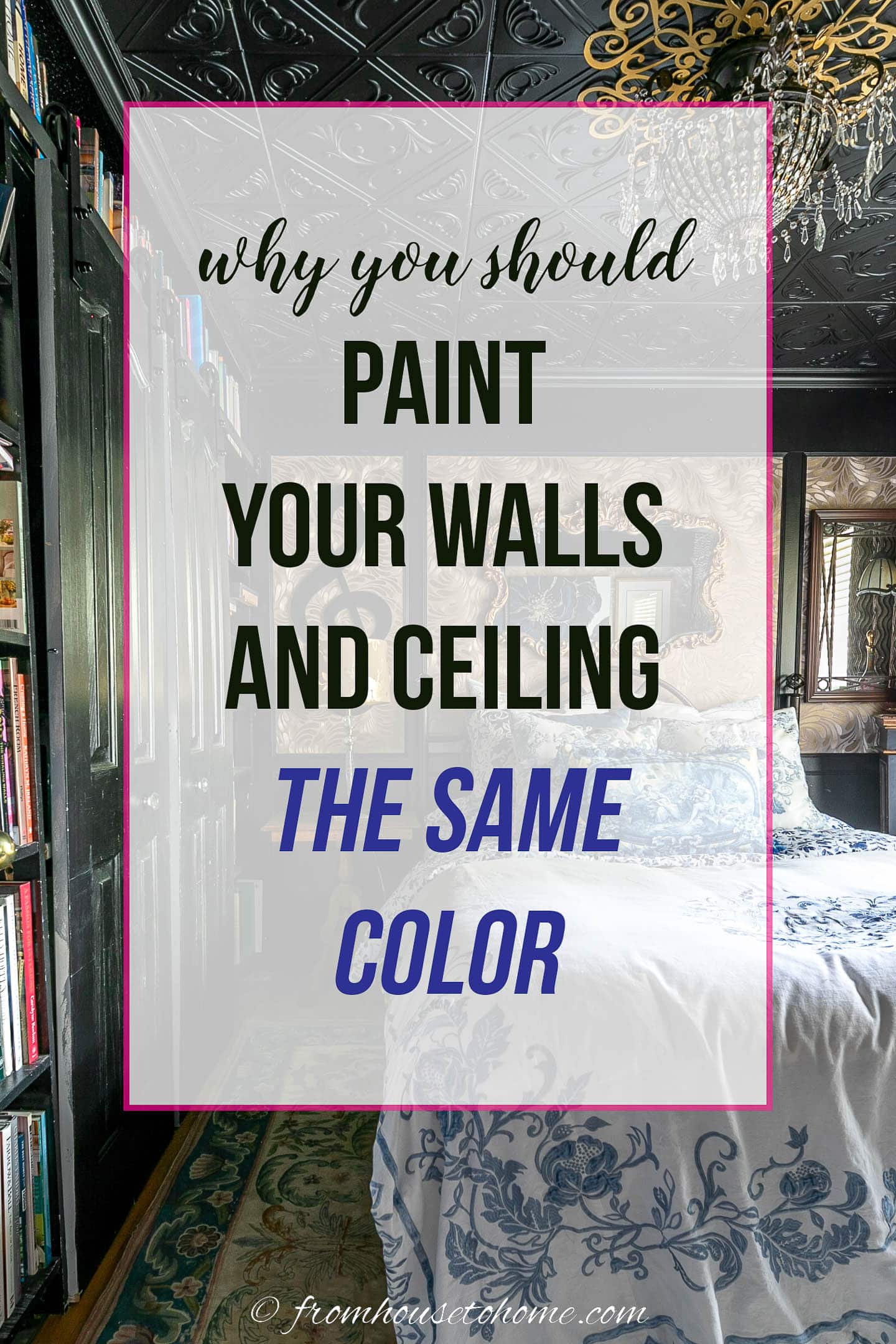
Q2: Does painting the ceiling the wall color make the room feel smaller?
Source: fromhousetohome.com
A: It can, particularly in rooms with low ceilings or limited natural light. The continuous color tends to blur the boundaries and can visually lower the ceiling. However, in larger rooms or those with ample light, it creates a cozy, immersive, and often grand effect without feeling cramped.
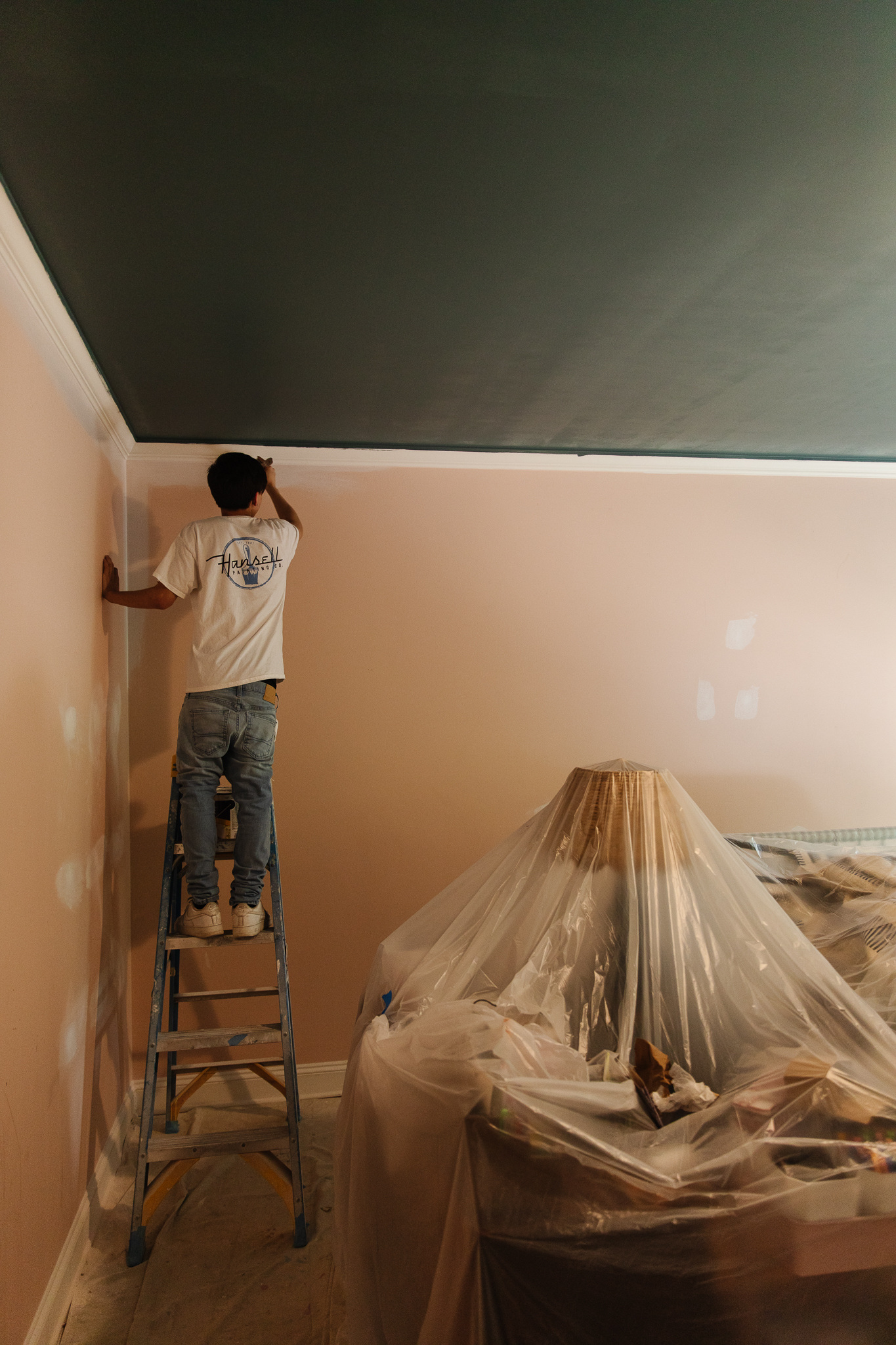
Q3: What’s the best sheen for a ceiling?
Source: chrislovesjulia.com
A: A flat or matte sheen is almost always recommended for ceilings. It absorbs light, which helps to hide imperfections, roller marks, and glare. Higher sheens (like eggshell, satin, or gloss) reflect light and will highlight every flaw and unevenness on the ceiling surface.
Q4: Should crown molding be painted white if the ceiling and walls are colored?
A: You have options! Painting crown molding white (or a contrasting color) will make it stand out and emphasize the architectural detail. Painting it the same color as the walls and ceiling creates a seamless, modern look where the molding recedes and the room’s ‘box’ of color is continuous. Choose based on whether you want to highlight the molding or create a smooth, unbroken surface.
Q5: How can I test ceiling paint colors before committing?
A: Purchase sample pots and paint large swatches on poster board (at least 2×2 feet). Hold these boards up to the ceiling in different parts of the room and observe them throughout the day under various lighting conditions. This gives a much more accurate representation than tiny paint chips. You can also paint directly on a small, inconspicuous part of the ceiling.
Final Conclusion: Your Ceiling, Your Rules
Ultimately, the decision of should I paint my ceiling white or the wall color comes down to your personal style, the specific characteristics of your room, and the atmosphere you wish to create. There’s no single right answer, only the right answer for you and your home. For millennials, who love to personalize their spaces, this decision is an opportunity to express individuality and create a truly unique living environment.
Whether you choose the timeless brightness of white, the enveloping warmth of a continuous wall color, or a creative ‘fifth wall’ design, empower yourself with the knowledge of how paint impacts a space. Experiment with samples, consider the light, and visualize the mood. Your ceiling is a powerful design tool, so use it wisely to elevate your home and create a space that feels utterly authentic to you. Happy painting, and enjoy the transformative power of color!