How to Paint a Bedroom to Make It Look Bigger: The Ultimate Guide to Visual Expansion
Feeling like your bedroom walls are closing in on you? Wish you had more space to breathe, to relax, to truly unwind in your personal sanctuary? You’re not alone. Many of us grapple with bedrooms that feel smaller than we’d like. But what if I told you that you don’t need to knock down a single wall to achieve that expansive, airy feeling? Your secret weapon is right in a paint can.
Painting a bedroom isn’t just about changing its color; it’s about harnessing the power of light, perception, and psychology to transform how a room feels. With the right strategy, you can make your small bedroom appear significantly larger, brighter, and more inviting. This isn’t just about picking a ‘light color’; it’s about understanding the nuances of color temperature, sheen, and strategic application. Ready to trick the eye and reclaim your space? Let’s dive in.
The Science Behind Space: Why Paint Works Wonders
Before we grab our brushes, let’s understand the magic at play. Making a room look bigger with paint isn’t a fairy tale; it’s a clever application of visual science.
Light Reflection & Perception: How Colors Fool the Eye
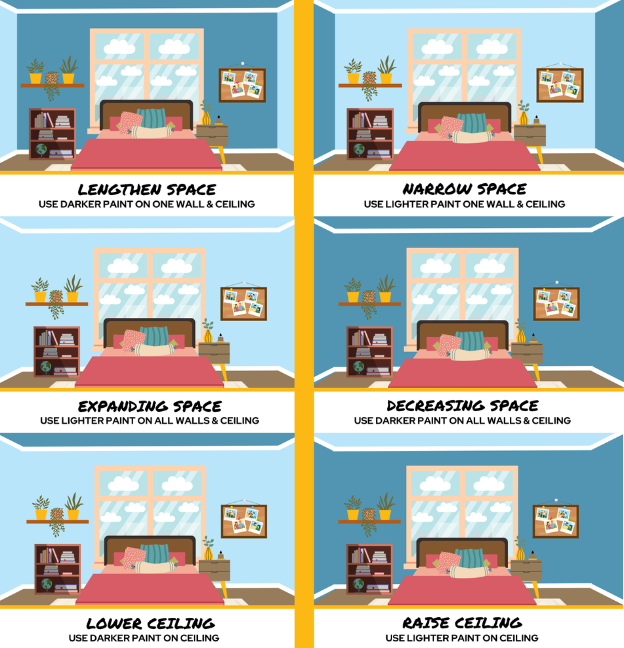
Our eyes are incredibly susceptible to optical illusions, and paint colors are master illusionists. The core principle here is light reflection. Light colors, by their very nature, reflect more natural and artificial light around a room. When light bounces off a light-colored wall, it makes the surface appear to recede, pushing the walls outwards and creating a sense of openness.
Conversely, dark colors absorb light. When a wall absorbs light, it tends to make that surface appear closer and more defined. While this might sound counter-intuitive for making a room look bigger, we’ll explore how strategic use of darker tones can actually create depth and intrigue, contributing to a feeling of expansiveness.
Cool vs. Warm Tones: The Power of Temperature
Colors have ‘temperatures,’ and these temperatures dramatically influence how we perceive space. It’s not just about how much light a color reflects, but also how it ‘behaves’ visually:
- Cool Colors (Blues, Greens, Purples): These colors are known as ‘receding’ colors. Think of the distant sky or a calm lake. They tend to visually push walls further away, making a space feel more expansive and serene. They evoke a sense of calm and openness.
- Warm Colors (Reds, Yellows, Oranges): These are ‘advancing’ colors. They feel cozy, inviting, and vibrant, but they also tend to make surfaces appear closer than they are. While fantastic for creating intimate atmospheres, they can make a small room feel even smaller if not used judiciously.
For a bedroom you want to feel bigger, your primary palette should lean heavily into the cool, pale spectrum. These hues are your best friends in the quest for visual expansion.
Master Your Palette: Best Paint Colors to Expand Your Bedroom
Forget the myth that only stark white can make a room look bigger. While white is certainly a player, a rich world of colors awaits that can create a feeling of spaciousness without sacrificing personality.
The Bright & Airy Neutrals: Your Go-To Choices
Neutrals are popular for a reason: they’re versatile and timeless. When chosen carefully, they are incredibly effective at creating an open, airy feel.
- Off-Whites & Creams: These are the gold standard for opening up a room. But don’t just grab any white. Consider the undertones:
- Cool Off-Whites: Whites with gray, blue, or green undertones (think crisp gallery white or a barely-there cool gray-white) are fantastic for reflecting light and making walls recede.
- Warm Off-Whites/Creams: Whites with yellow, pink, or beige undertones can add warmth and softness without making the room feel small. They reflect light beautifully but avoid anything too saturated that might ‘advance’ too much.
- Pale Grays & Greiges: Gray is the ultimate modern neutral, and its paler shades are excellent for small bedrooms. Greige (a blend of gray and beige) offers a warm sophistication while maintaining that expansive feel. Both of these colors pair well with almost any decor style and reflect light effectively, especially those with cooler undertones.
- Soft Blues & Greens: These are your quintessential receding colors. Picture a tranquil sky or a distant forest canopy. Pale blues (like a whispery sky blue or a muted denim) and soft greens (such as a seafoam or sage) promote relaxation and visually push walls away. They’re perfect for creating a serene bedroom retreat that feels spacious and calm.
Unexpected Hues That Work: When Dark Can Be Good
Hold on, didn’t I just say dark colors make walls feel closer? Yes, but like any good magic trick, there are exceptions and clever applications where dark colors can actually enhance the perception of space.
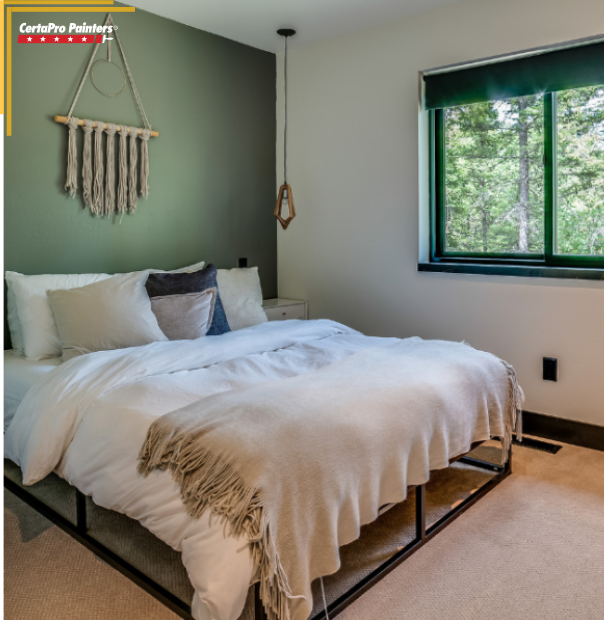
- Strategic Dark Accent Walls: Instead of painting all walls dark, consider an accent wall. Painting the shortest wall in a long, narrow bedroom a slightly darker or cooler shade can trick the eye into thinking it’s further away, thus widening the perceived space. Similarly, a dark wall behind your bed can create a powerful focal point and a sense of depth, pulling the eye in without shrinking the overall feel, especially if the other walls are very light.
- Deep Blues & Greens: In some cases, a very deep, rich blue or green can create a ‘bottomless’ or ‘infinite’ effect, especially on a ceiling or a single wall. This works by blurring the edges of the room, making it harder for the eye to pinpoint where the wall ends, thus creating an illusion of boundless space. This is a bolder choice but can be incredibly effective in the right context.
| Color Category | Examples | Effect on Room Size | Best Application |
|---|---|---|---|
| Light Neutrals | Off-Whites, Pale Grays, Greiges | Reflect maximum light, make walls recede, create airy feel. | All walls, ceilings, trim for cohesive expansion. |
| Cool Pastels | Soft Blues, Mint Greens, Pale Lavenders | Visually push walls away, evoke calm and serenity. | All walls, especially effective in sunny rooms. |
| Strategic Darks | Deep Navy, Forest Green, Charcoal (on one wall) | Creates depth, acts as a focal point, blurs boundaries. | Shortest wall in a narrow room, behind the bed, ceilings (bold choice). |
| Warm Lights | Soft Yellows, Pale Peaches, Warm Beige | Adds cheer and warmth, can make room feel cozy but not cramped if pale enough. | Rooms lacking natural light, creating a welcoming atmosphere. Use very pale shades. |
The Art of Application: Painting Techniques for Visual Expansion
It’s not just the color you choose, but *how* you apply it. Strategic painting techniques can dramatically alter the perception of your bedroom’s size and height.
Ceiling Strategies: Reaching for the Sky
The ceiling is often overlooked, but it’s a powerful tool for visual expansion.
- Paint Ceiling Lighter Than Walls: This is a classic trick. By painting your ceiling a shade or two lighter than your walls (or even a crisp white), you draw the eye upward, creating an illusion of greater height and airiness. It makes the ceiling feel like it’s lifting off.
- “Ceiling Extension” Technique: For an even more dramatic effect, paint your ceiling color down onto the top few inches of your walls. This blurs the line where the wall meets the ceiling, visually extending the ceiling upward and making the walls seem taller. Aim for 2-4 inches, depending on ceiling height and room scale.
- Glossy Ceilings: A bold move, but a high-gloss or semi-gloss finish on a white or very pale ceiling can create a mirror-like effect, reflecting light and the room below, thereby making the ceiling feel infinitely higher. This requires a perfectly smooth surface for best results.
Wall Techniques: Stretching & Widening
Your walls are your biggest canvas. Here’s how to manipulate them.
- Monochromatic Scheme: Painting walls, trim, and even doors in the exact same shade (or very close tonal variations) creates a seamless, uninterrupted flow. This lack of visual breaks prevents the eye from stopping at edges, making the room feel larger and more cohesive.
- Vertical Stripes: Just like fashion, vertical stripes can make a room appear taller. Opt for subtle, tone-on-tone stripes rather than high-contrast ones, which can feel busy and actually shrink the space. A slightly lighter or darker stripe in the same color family will add height with elegance.
- Horizontal Stripes: These can effectively widen a narrow room. Again, subtlety is key. Use two closely related light, cool colors. Apply them on the longer walls of a narrow room to visually push them outwards.
- Paint Trim Lighter Than Walls: While a monochromatic scheme works well, painting your trim (baseboards, door frames, window casings) a crisp white or a lighter shade than your walls can define the space, making the walls behind them appear to recede. It creates a clean border that can push the perceived boundaries of the room.
- Accent Walls: We touched on this with dark colors, but it applies to any accent. In a long, narrow bedroom, paint the shortest wall a slightly darker or cooler color than the longer walls. This makes the short wall appear to recede, visually shortening the length and making the room feel wider and squarer. Alternatively, a lighter accent wall can draw the eye and create a focal point without shrinking the room, especially if it’s the wall with a window or the headboard.
- Two-Tone Walls: Dividing a wall horizontally with two colors can be tricky. Generally, lighter colors on top and slightly darker, receding colors on the bottom can ground the room while maintaining an open feel above. Ensure the transition line isn’t too low, which can visually chop the room.
Optical Illusions for Tricky Spaces
Every bedroom has its quirks. Here’s how to paint around them.
- Narrow Rooms: As mentioned, paint the opposing shorter walls a slightly darker (one or two shades) or cooler color than the two longer walls. This makes the shorter walls feel closer and the longer walls recede, balancing the room’s proportions.
- Low Ceilings: Maximize the impact of light ceilings. Paint the ceiling the lightest color in the room, extending it slightly down the walls (the ‘ceiling extension’ technique). Using vertical stripes or painting walls and trim the same color also helps minimize visual breaks that chop up the height.
- Recessed Areas/Nooks: These can feel like dark holes. Paint them the same light, airy color as the main walls to help them blend in and disappear. If you want to create intentional depth, you can paint them a slightly darker, contrasting, but still cool color to make them feel like a deep, purposeful feature rather than a cramped corner.
Sheen Matters: Choosing the Right Finish for an Expansive Feel
The finish, or sheen, of your paint isn’t just about durability; it plays a crucial role in how light interacts with your walls and, consequently, how large your room feels.

The Power of Reflection: Eggshell, Satin, and Semi-Gloss
Generally, the higher the sheen, the more light the paint reflects. This reflective quality can be a powerful ally in making a room feel bigger and brighter.
- Matte/Flat: These finishes absorb light and hide imperfections, making them excellent for ceilings. However, on walls, they can make colors appear richer and slightly closer. While elegant, they don’t contribute to light reflection as much as higher sheens. Use for ceilings to make them ‘disappear’ or on walls if your priority is a sophisticated, non-reflective look and you’ve already maximized light with color choice.
- Eggshell & Satin: These are your go-to finishes for bedroom walls. They offer a subtle, soft luster that reflects a good amount of light without being overtly shiny. They’re durable, easy to clean, and contribute significantly to an expansive, airy feel. Eggshell is slightly less reflective than satin but still offers a beautiful soft glow.
- Semi-Gloss & High-Gloss: These finishes are highly reflective, almost mirror-like. They’re fantastic for trim, doors, and window frames, where their reflectivity can make these elements pop and define the room’s edges, contributing to a sense of openness. For walls, high-gloss can be very intense and show every imperfection, so it’s best reserved for very specific, bold design choices or features, not typically for all bedroom walls. However, a high-gloss ceiling, as mentioned, can be a game-changer for height.
For most bedroom walls, eggshell or satin will strike the perfect balance between light reflection, durability, and a sophisticated finish that enhances spatial perception.
Beyond the Paint Can: Complementary Design Tricks
While paint is your primary tool, these additional design elements work hand-in-hand with your new paint job to maximize the feeling of space.
Mirrors: Doubling Your Space
Perhaps the oldest trick in the book, mirrors are magical for making rooms look bigger. Strategically placed, they reflect light and the room itself, creating an illusion of depth and doubling your visual space. Place a large mirror opposite a window to amplify natural light and outdoor views, or use several smaller mirrors to create a reflective gallery wall.
Lighting: Brighten and Open Up
Even the most perfectly painted room will feel small if it’s poorly lit. Layered lighting is key: ambient (general room light), task (reading lights), and accent (to highlight features). Use dimmer switches to control intensity. Opt for light fixtures that draw the eye upward, like flush mounts or semi-flush mounts, and avoid heavy, low-hanging chandeliers that can visually lower a ceiling.
Furniture & Layout: Keep it Light and Functional
Overstuffed furniture or too many pieces can quickly negate the effects of your paint. Choose furniture with clean lines and a smaller footprint. Pieces with exposed legs or glass/acrylic elements allow light to pass through, making them appear less bulky. Opt for multi-functional furniture, like a storage ottoman or a bed with built-in drawers, to reduce clutter. Position furniture away from walls slightly to create a sense of breathing room.
Decluttering: The Simplest Way to More Space
This is arguably the most impactful non-paint tip. No amount of clever paintwork can overcome a cluttered room. A clean, organized space immediately feels more expansive, calm, and inviting. Embrace minimalist tendencies in your bedroom: keep surfaces clear, store items out of sight, and only display pieces you truly love.
Step-by-Step Guide: Painting Your Bedroom for Maximum Space
Ready to turn theory into reality? Here’s how to approach your painting project.
Planning & Preparation
- Choose Your Colors & Sheens: Based on the strategies above, select your primary wall color, ceiling color, and trim color. Get samples and test them on your walls in different lighting conditions throughout the day.
- Clear the Room: Move all furniture out of the room or to the center and cover it with plastic sheeting. Remove all wall hangings, outlet covers, and light switch plates.
- Clean the Walls: Wash your walls with a mild detergent (like TSP substitute) and warm water to remove dirt, grease, and dust. Rinse thoroughly and allow to dry completely.
- Repair Imperfections: Fill any nail holes or cracks with spackle. Sand smooth once dry. Wipe away dust.
- Tape & Prime: Use painter’s tape to protect trim, windows, and ceilings where colors will change. For a uniform finish and to ensure true color, especially if changing from a dark to light color, apply a coat of high-quality primer. Allow primer to dry fully according to manufacturer instructions.
Application Tips
- Start with the Ceiling: If painting your ceiling, do this first. Use a roller with an extension pole and a brush for cutting in around the edges. Apply two thin coats for best coverage.
- Next, the Walls: After the ceiling is dry, start with your wall color. Use a high-quality angled brush for ‘cutting in’ around the edges (where the wall meets the ceiling, trim, and corners). Then, use a roller to apply paint to the main wall surfaces in ‘W’ or ‘M’ patterns, overlapping each stroke slightly to ensure even coverage. Apply two thin coats for optimal depth and finish.
- Finally, the Trim & Doors: Once your walls are completely dry, paint your trim and doors. Use a smaller brush for precision. Again, two thin coats usually work best.
- Remove Tape: While the paint is still slightly wet (but not tacky), carefully remove the painter’s tape. This helps prevent paint from peeling with the tape, ensuring a crisp line.
Post-Painting Care
Allow paint to cure fully before putting furniture back or rehanging art (check paint can for specific times, typically 2-4 weeks for full cure). Enjoy your visually expanded, fresh new bedroom!
Transforming your bedroom into a spacious oasis is more accessible than you think. By thoughtfully choosing your colors and applying strategic painting techniques, you can create a sanctuary that feels bigger, brighter, and perfectly tailored to your comfort. Happy painting!
Frequently Asked Questions
What paint colors make a small bedroom look biggest?
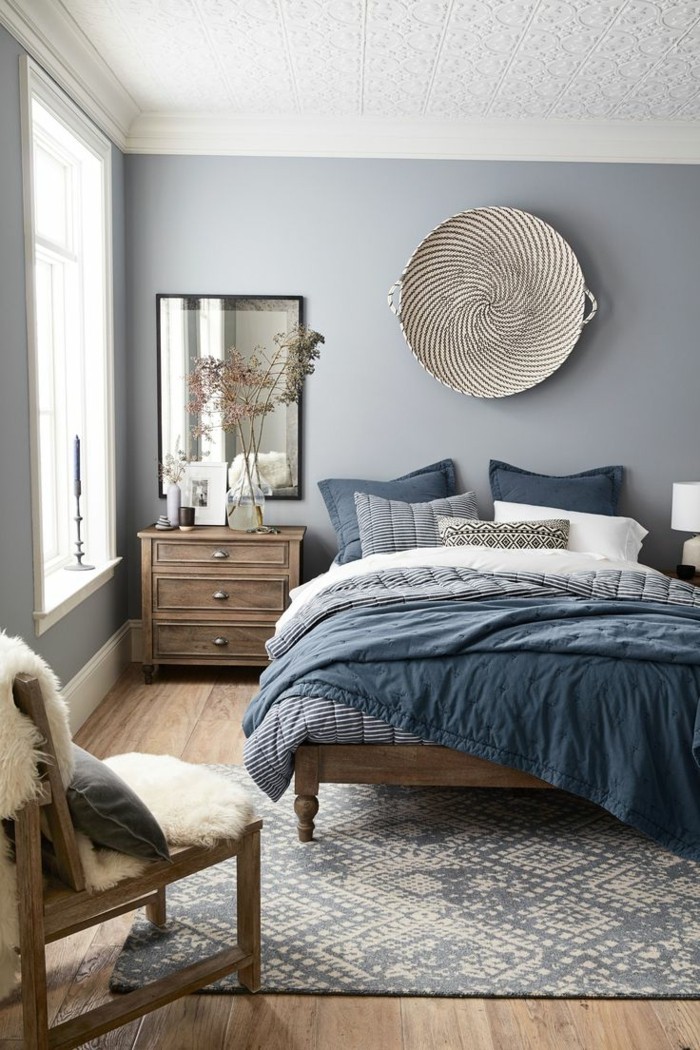
The best paint colors for making a small bedroom look bigger are light, cool-toned neutrals. Think off-whites with cool undertones, pale grays, greiges, soft blues, and muted greens. These colors reflect light, make walls visually recede, and create an airy, expansive feel.
Should I paint my bedroom ceiling lighter or darker than the walls?
For an expansive feel, always paint your bedroom ceiling lighter than your walls, or at least a crisp white. A lighter ceiling draws the eye upward, creating an illusion of greater height and making the room feel more open. You can even extend the ceiling color a few inches down the top of the walls for an enhanced effect.
Can dark colors ever make a small room look larger?
Yes, strategically used dark colors can make a small room feel larger by creating depth and blurring boundaries. Instead of painting all walls dark, consider painting the shortest wall in a long, narrow room a darker, cooler shade. This makes the wall recede, visually widening the space. A very dark, rich color on a single accent wall (like behind the bed) can also create a sense of infinite depth.
What type of paint finish (sheen) is best for making a room look bigger?
For making a room look bigger, choose paint finishes with a subtle sheen, such as eggshell or satin for walls. These finishes reflect more light than matte or flat paints, helping to brighten the room and make surfaces appear to recede without being overtly shiny. For trim and doors, semi-gloss or high-gloss finishes are excellent for their light-reflecting qualities and ability to define edges.
How do I use accent walls to expand a small bedroom visually?
To use an accent wall for visual expansion, paint the shortest wall in a long, narrow bedroom a slightly darker or cooler color than the other walls. This tricks the eye into perceiving that short wall as further away, effectively making the room feel wider and more proportionate. Avoid using a strong, warm, or dark accent on a long wall, as it can make the room feel narrower.
Are stripes a good idea for a small bedroom?
Stripes can be a good idea for a small bedroom if used subtly. Vertical stripes can make a room appear taller, while horizontal stripes can widen a narrow room. Opt for tone-on-tone stripes using very similar shades of a light, cool color. High-contrast or bold stripes can make a small room feel busy and cluttered, counteracting the expansive effect.
Beyond paint, what’s the easiest way to make a small bedroom feel more spacious?
The easiest way to make a small bedroom feel more spacious, beyond paint, is to declutter. A clean, organized room with minimal items on surfaces immediately feels larger, calmer, and more inviting. Additionally, strategically placed mirrors can reflect light and the room itself, creating an illusion of doubled space and depth.