How Much Does It Cost to Paint Interior Per Square Foot in 2024-2025? Your Ultimate Guide
Dreaming of a fresh coat of paint but dreading the unknown cost? You’re not alone. Figuring out the price of interior painting can feel like solving a complex puzzle. Everyone wants to know the magic number: “How much will it cost me per square foot?”
While online calculators offer quick estimates, the truth is, a simple per-square-foot average rarely tells the whole story. Your project isn’t just about square footage; it’s about the paint quality, the condition of your walls, the height of your ceilings, and even where you live. This guide is designed to cut through the confusion, giving you a clear, human-centric breakdown of what to expect when painting your home’s interior in the US.
The Quick Answer: Average Interior Painting Costs Per Square Foot
Let’s get straight to it. For interior painting, you’ll generally find costs in the United States falling into these broad categories:
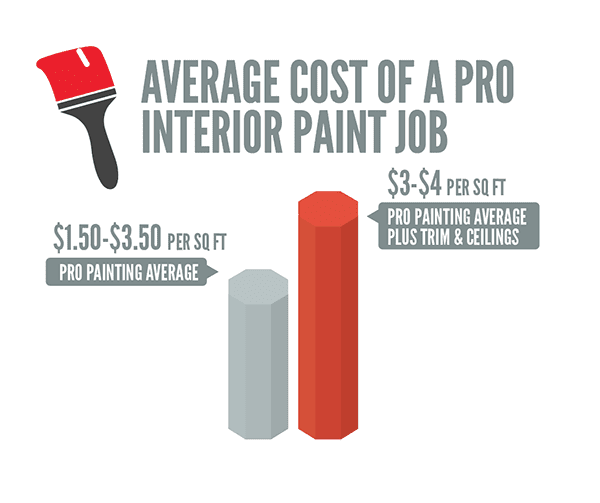
- Walls Only: If you’re simply refreshing wall colors, expect to pay anywhere from $1.50 to $4.00 per square foot. This assumes standard ceiling heights (8-10 feet), minimal prep, and basic to mid-grade paint.
- Full-Service Interior (Walls, Trim, Ceilings, Prep): For a comprehensive job that includes extensive prep work, repairs, painting walls, trim, doors, and ceilings, the cost typically ranges from $3.00 to $8.00+ per square foot. High-end paints, intricate details, or significant repairs can push this even higher.
Why such a broad range? Because “per square foot” is just a starting point. It’s heavily influenced by the factors we’ll dive into next. Think of it like buying a car: a sedan costs less than a luxury SUV, even if they both cover the same “square foot” of road.

Deconstructing the “Square Foot” in Interior Painting Costs
Here’s a critical distinction many homeowners miss: The square footage for painting isn’t your home’s floor area. It’s the actual surface area of the walls, ceilings, and other elements being painted. A 2,000 sq ft home (floor area) doesn’t mean you’re painting 2,000 sq ft of wall. It’s often much, much more.
Floor vs. Wall Surface Area: The Critical Difference
When a painter talks about square footage, they’re referring to the total area of the surfaces that will receive paint. Imagine unrolling all your walls flat, adding your ceiling, and then measuring it. That’s your paintable square footage. This is why a quote might seem high if you’re only thinking about your home’s footprint.
How to Accurately Measure Wall Surface Area (and What to Include/Exclude)
Want a rough estimate before getting a pro involved? Here’s how you can measure:
- Measure each wall: For each wall, measure its length and multiply it by its height (e.g., 12 ft long x 8 ft high = 96 sq ft).
- Total wall area: Add up the square footage of all the walls you plan to paint in a room.
- Subtract major openings (optional for quick estimates): For a more precise number, you can subtract the area of large windows and doors. However, many painters factor this small reduction into their base rate, as cutting around openings requires extra labor.
- Ceilings: Measure the length and width of the room, then multiply (e.g., 12 ft x 10 ft room = 120 sq ft ceiling).
- Trim: Trim is usually calculated per linear foot, not square foot. Measure the length of all baseboards, crown molding, and door/window casings.
Pro Tip: Don’t obsess over exact numbers. Professionals will do their own measurements. This exercise is primarily to help you understand the scale of the job.

Key Factors That Drive Your Interior Painting Cost Per Square Foot
Understanding these variables is key to decoding your quote. Each one can significantly swing the final price.
Labor Costs: The Biggest Piece of the Pie
Labor typically accounts for 70-85% of your total painting cost. This isn’t just about the time spent rolling paint; it includes planning, setup, extensive prep, actual painting, clean-up, and travel. Here’s what influences it:
- Geographic Location: Costs are higher in major metropolitan areas or regions with a higher cost of living (e.g., California, New York, Northeast) compared to rural areas or the Midwest.
- Painter’s Experience and Reputation: Highly experienced, reputable painters with excellent reviews and a strong portfolio will charge more than a new or less experienced crew. You’re paying for skill, efficiency, and peace of mind.
- Complexity of the Job: Intricate architectural details, multiple small rooms, high ceilings, or painting items like built-ins and crown molding demand more time, skill, and specialized equipment, increasing labor costs.
- Prep Work Required: This is often the most overlooked but crucial factor. Extensive patching, sanding, minor drywall repairs, removing wallpaper, cleaning, and priming can add significantly to the labor hours. A smooth, clean surface is essential for a lasting, professional finish.
Material Costs: Paint Quality & Type
Paint itself generally makes up 15-30% of the total project cost. Don’t skimp here; quality paint offers better coverage, durability, and a superior finish.
- Types of Paint:
- Latex (Water-Based): Most common for interiors. Easy cleanup, low VOCs, quick drying. Cost-effective.
- Oil-Based: More durable, excellent adhesion, good for trim and high-traffic areas, but takes longer to dry and requires mineral spirits for cleanup. Pricier.
- Specialty Paints: Low-VOC/Zero-VOC, anti-mildew (for bathrooms), stain-blocking, or designer paints will cost more per gallon.
- Paint Sheen (Finish):
- Flat/Matte: Hides imperfections well, no shine. Least durable, often used on ceilings.
- Eggshell/Satin: Slight sheen, more durable, easier to clean. Popular for walls.
- Semi-Gloss/High-Gloss: Very durable, highly reflective, easy to clean. Best for trim, doors, and cabinets. These often require more precise application and can be pricier due to increased labor.
- Brand Differences: Expect to pay $25-$80 per gallon for quality interior paint. Premium brands like Benjamin Moore, Sherwin-Williams, or Farrow & Ball offer better coverage, color accuracy, and longevity but come at a higher price point.
- Primer Needs: If you’re painting over dark colors, glossy surfaces, or new drywall, primer is essential and adds to material cost.
- Supplies: Brushes, rollers, tape, drop cloths, sandpaper, patching compound, and other sundries also factor into material costs.
Project Scope & Complexity
Beyond the basics, several factors relating to the specific job can increase the per-square-foot cost:
- Number of Coats: A dramatic color change (e.g., dark to light), painting over stained surfaces, or using lower-quality paint often requires 3+ coats instead of the standard 2, increasing both labor and material costs.
- Ceiling Height: Standard 8-10 foot ceilings are typical. However, vaulted ceilings, cathedral ceilings, or ceilings above 12 feet require ladders, scaffolding, and more time, significantly increasing labor costs.
- Condition of Existing Walls: Walls with many holes, cracks, water damage, or old wallpaper require extensive prep work (patching, sanding, stripping wallpaper), which takes time and skill.
- Colors Chosen: Painting multiple colors in one room (e.g., accent walls, intricate patterns) increases labor due to more cutting-in and masking. Very dark or vibrant colors often need an extra coat.
- Painting Additional Surfaces: Including trim, doors, windows, and built-ins adds complexity and time. These surfaces require meticulous masking and cutting-in.
- Furniture Moving and Masking: If you need painters to move heavy furniture or mask off extensive areas, this adds to the labor time.
Interior Painting Cost Per Square Foot: Detailed Breakdowns (Tables!)
Let’s look at some average figures to help you visualize costs better. Remember, these are national averages and can fluctuate based on your specific location and project details.
Average Cost Per Square Foot: Walls Only vs. Full Service
| Service Level | Average Cost Per Square Foot | Includes |
|---|---|---|
| Walls Only (Standard) | $1.50 – $4.00 | Basic prep (minor patching), 2 coats paint on walls, clean-up. |
| Walls & Trim | $2.50 – $5.50 | Walls (as above), trim/baseboards, door casings. More meticulous work. |
| Full-Service Interior (Walls, Trim, Ceilings) | $3.00 – $8.00+ | Walls, trim, ceilings, extensive prep (patching, sanding, minor repairs), doors, windows. Most comprehensive. |
Cost by Paint Quality/Type (Materials Only, Per Gallon)
| Paint Quality Tier | Price Per Gallon | Typical Use Case |
|---|---|---|
| Budget-Friendly | $20 – $40 | Rentals, quick flips, seldom-used areas. May require more coats. |
| Mid-Range (Good Value) | $40 – $60 | Most residential projects, good durability, decent coverage. |
| Premium/High-End | $60 – $100+ | High-traffic areas, luxury homes, specific aesthetic goals, superior durability and finish. |
Cost by Room Type (Average Per Project)
While we’re discussing per square foot, it’s useful to see how specific rooms can influence the overall project cost. Kitchens and bathrooms are often pricier due to more cutting-in around fixtures, potential for specialty paints (mildew-resistant), and smaller, more intricate wall spaces.
| Room Type | Average Cost Range (Project Total) | Why the Difference? |
|---|---|---|
| Bedroom (Small-Medium) | $300 – $800 | Relatively straightforward, fewer obstacles. |
| Living Room / Dining Room | $600 – $2,500 | Larger spaces, potentially higher ceilings, more trim/windows. |
| Bathroom (Small) | $250 – $600 | Small area but many fixtures, tight spaces, often requires mildew-resistant paint. |
| Kitchen | $700 – $3,000 | Many obstacles (cabinets, appliances), often higher ceilings, more intricate cutting. |
Add-On Costs & How They Impact Per Square Foot
These aren’t typically calculated purely by square foot of floor space, but they will add to your overall project cost and thus increase the blended “per square foot” average if you calculate it based on your home’s total area.
| Additional Service | Average Cost Range | Notes |
|---|---|---|
| Painting Trim/Baseboards | $1 – $3 per linear foot | Detailed work, often requires multiple coats. |
| Painting Interior Doors | $50 – $150 per side | Includes frame. Panel doors are more complex. |
| Painting Windows | $30 – $70 per window | Includes sash and frame. |
| Ceiling Painting | $1 – $3 per square foot | Often a different paint type (flat), more laborious. |
| Wallpaper Removal | $1 – $3 per square foot (of wallpaper) | Can be messy and time-consuming. |
| Drywall Repair | $50 – $200 per repair area | Patching holes, repairing cracks. Significant damage costs more. |
Beyond these, specialty finishes like faux painting, murals, or intricate stencil work are typically priced as custom projects, often per feature or per hour, not per square foot.
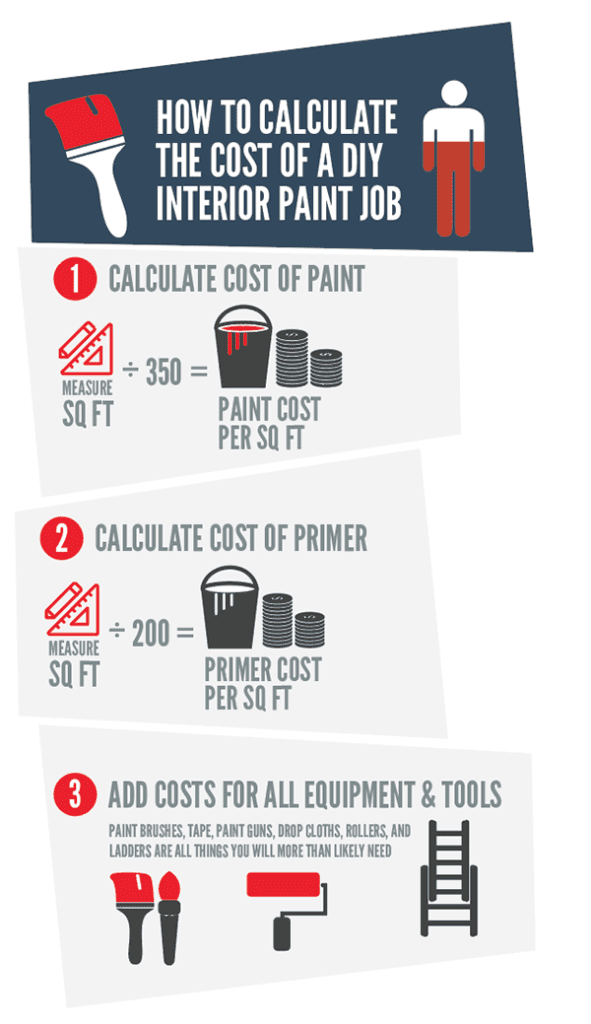
DIY vs. Hiring a Professional: When to Save and When to Splurge
This is the age-old debate. Your decision hinges on your budget, time, skill level, and desired outcome.
DIY Pros and Cons
- Pros: Significant cost savings (you only pay for materials), sense of accomplishment, full control over the process.
- Cons: Time-consuming, physically demanding, requires skill and patience, potential for mistakes (drips, uneven coats, messy lines), need to buy or rent equipment, no professional warranty.
Professional Painter Pros and Cons
- Pros: Expertise and efficiency, high-quality finish, proper preparation techniques, faster completion, often includes warranty/guarantee, no personal effort required, less mess.
- Cons: Higher upfront cost, less direct control over daily schedule (though you should agree on a timeline), finding a trustworthy contractor can be a process.
When to absolutely hire a pro:
- High Ceilings or Difficult Access: Safety first! Professionals have the right equipment and training.
- Extensive Prep Work Needed: Wallpaper removal, major drywall repair, or lead paint abatement are jobs best left to experts.
- Time Constraints: If you need the job done quickly and efficiently.
- Intricate Details: Crown molding, custom trim work, or precise accent walls.
- Desire for a Flawless Finish: For a truly professional, long-lasting result.
How to Get an Accurate Painting Estimate (Beyond Square Footage)
Don’t settle for a quick per-square-foot quote over the phone. A good contractor needs to see your space.
- Get Multiple Quotes: Contact at least three reputable local painters. This gives you a range and helps you compare.
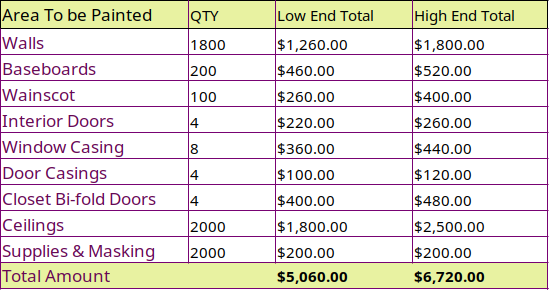
- Ensure Quotes Are Detailed: A good quote should itemize:
- Specific areas to be painted (walls, ceilings, trim, doors, etc.)
- Amount and type of prep work included (sanding, patching, priming)
- Number of coats of paint
- Specific brand, type, and sheen of paint to be used
- Labor costs and timeline
- Warranty information
- Payment schedule
- Understand What’s Included and Excluded: Clarify if moving furniture, minor repairs, or disposal of old paint cans is part of the service.
- Ask for References and Insurance: Always verify their license, insurance (liability and worker’s comp), and check references or online reviews. This protects you in case of accidents or subpar work.
Tips for Saving Money on Your Interior Painting Project
Even if you hire a pro, there are ways to keep costs down without sacrificing quality too much.
- Do Your Own Prep Work: Moving furniture, patching small nail holes, removing outlet covers, and cleaning walls yourself can significantly reduce labor hours.
- Choose Simpler Colors: Sticking to one or two colors per room (especially if they’re close in tone) minimizes cutting-in and reduces paint waste.
- Paint During the Off-Season: Painters might offer better rates during their slower periods, typically late fall through winter (excluding holidays).
- Consider Fewer Coats for Minor Refreshes: If you’re painting a similar color over a well-maintained surface, sometimes one high-quality coat is sufficient. Discuss this with your painter.
- Get Samples Before Committing: Don’t waste money on gallons of paint you won’t like. Test colors on your walls first.
- Buy Your Own Paint (Sometimes): While professionals often get contractor discounts, compare prices. Sometimes you can find sales that beat their wholesale rates, especially on premium brands. Discuss this with your painter first, as some prefer to use their own trusted suppliers.
Is Interior Painting a Good Investment? (ROI Perspective)
Absolutely! A fresh coat of paint offers one of the highest returns on investment for home improvements.
- Enhancing Aesthetics: It instantly updates your home, reflects current trends, and creates a more inviting atmosphere.
- Protecting Surfaces: Paint acts as a protective barrier against wear and tear, moisture, and everyday grime, extending the life of your walls.
- Increasing Home Value: A well-maintained, freshly painted interior is a major selling point. It makes a home feel clean, modern, and move-in ready, potentially increasing its resale value and helping it sell faster. Even if you’re not selling, it significantly improves your daily living experience.
Final Thoughts: Making Your Interior Painting Project a Success
Understanding the true cost of interior painting per square foot means looking beyond just the numbers. It’s about recognizing the value of skilled labor, quality materials, and thorough preparation. Whether you choose to DIY or hire a professional, arming yourself with this knowledge will empower you to make informed decisions, get accurate quotes, and ultimately achieve a beautiful, lasting finish that transforms your home.
Don’t let the perceived complexity deter you. With a clear plan and realistic expectations, your interior painting project can be a smooth, rewarding experience.