How Much Does It Really Cost to Paint a 3-Bedroom House Interior in the USA? (And What About the UK?)
Dreaming of a fresh, vibrant interior for your 3-bedroom home? You’re not alone. A new coat of paint can dramatically transform a space, making it feel cleaner, brighter, and more ‘you.’ But before you dive into color swatches, the burning question often surfaces: how much is this going to cost?
While this article specifically addresses the popular query about UK painting costs, our primary focus is on providing comprehensive, up-to-date pricing and expert insights for homeowners in the USA. However, we’ll certainly touch on UK estimates, drawing from real-world data, to give a complete picture.
Let’s cut right to the chase:
In the USA, you can expect to pay anywhere from $3,000 to $9,000 to professionally paint the interior of a standard 3-bedroom house. This wide range accounts for numerous factors we’ll unpack below, from your home’s size and condition to the type of paint you choose and where you live.
For those interested in the UK context, based on recent discussions and industry data, painting a 3-bedroom house interior in the UK typically falls between £1,500 and £5,000, with some larger or more complex projects reaching up to £6,000 or more in high-cost areas like London.
The US Perspective: Unpacking the Cost for a 3-Bedroom Home Interior
When you’re considering painting your home, it’s not just about the paint itself. It’s a project with many moving parts. Here’s a deeper dive into what you can expect in the USA.
Average Cost Range for a 3-Bedroom House Interior in the USA
A typical 3-bedroom house in the USA can range from 1,200 to 2,500 square feet. The cost will heavily depend on this square footage, the number of rooms, and the complexity of the layout. Here’s a general breakdown:
| Project Scope | Low-End Estimate (USD) | Mid-Range Estimate (USD) | High-End Estimate (USD) |
|---|---|---|---|
| 3-Bedroom House Interior (Standard, 1,200-1,800 sq ft) | $3,000 | $5,500 | $7,500 |
| 3-Bedroom House Interior (Larger/Complex, 1,800-2,500+ sq ft) | $4,500 | $7,000 | $9,000+ |
| Additional Complexities (e.g., high ceilings, intricate trim, heavy prep) | Adds 15-30% to total cost | ||
What’s Included in a Typical Painting Quote?
A reputable painting contractor’s quote for your 3-bedroom house interior should cover more than just slapping paint on walls. Here’s what you’re typically paying for:
- Labor: This is usually the largest component, covering the painters’ wages, expertise, and efficiency.
- Materials: Not just paint! Think primers, painter’s tape, plastic sheeting, drop cloths, brushes, rollers, sandpaper, spackle, caulk, and cleaning supplies.
- Preparation: Crucial for a lasting finish. This includes cleaning surfaces, filling holes and cracks, light sanding, repairing minor drywall damage, and masking off areas.
- Application: Applying primer (if needed) and the required number of topcoats.
- Clean-up: Removing all debris, disposing of waste, and leaving your home tidy.
- Overhead & Profit: Covering the business’s operational costs, insurance, and ensuring a sustainable service.
Breaking Down the Costs: Room by Room & Surface by Surface
Understanding the individual components can help you estimate better and identify areas where you might save.
Individual Room Painting Costs (USA Estimates)
While a whole-house estimate gives you a ballpark, breaking it down by room helps illustrate the effort involved. These are averages and can vary.
| Room Type | Estimated Cost Range (USD) | Typical Timeframe |
|---|---|---|
| Standard Bedroom (10×12 ft) | $300 – $800 | 1-2 days |
| Master Bedroom (12×15 ft+) | $500 – $1,200 | 1-3 days |
| Living Room / Dining Room | $600 – $1,500 | 2-4 days |
| Kitchen (Walls, not cabinets) | $400 – $900 | 1-2 days |
| Hallway, Stairs, Landing | $800 – $2,000+ | 2-5 days (complexity varies hugely) |
| Bathroom | $200 – $600 | 1 day |
Surface-Specific Pricing: Walls, Ceilings, Trim, and Doors
Painters often price by the square foot for walls and ceilings, and by the linear foot for trim and doors. This is because each surface requires different preparation, tools, and techniques.
- Walls: Typically the largest surface area. Costs usually range from $2.00 to $6.00 per square foot, including materials and labor. This can vary based on wall condition and paint quality.
- Ceilings: Often require more prep (especially popcorn ceiling removal, which is a separate, significant cost) and specialized tools to prevent drips. Expect $1.00 to $3.00 per square foot for flat ceilings, potentially more for textured or very high ceilings.
- Trim (Baseboards, Crown Molding): Requires meticulous masking and careful brushwork. Priced per linear foot, typically $1.00 to $2.50 per linear foot.
- Doors: Each side of a door counts as a separate painting task due to hardware removal/masking and detail work. Costs can range from $75 to $150 per door.
- Windows: Painting window frames can be intricate, ranging from $30 to $70 per window depending on size and detail.
The UK Context: What the SERP Data Tells Us
Given that the original search query specified ‘UK,’ let’s briefly look at what homeowners across the pond are experiencing. The general sentiment mirrors that of the US: costs are highly variable but depend on similar core factors.
UK Average Costs for a 3-Bedroom House Interior
From various UK sources, typical costs for painting a 3-bedroom house interior hover around:
- General Range: £1,500 – £3,500
- More Complex or Larger Homes (e.g., 3,000 sq ft): £3,000 – £6,000+
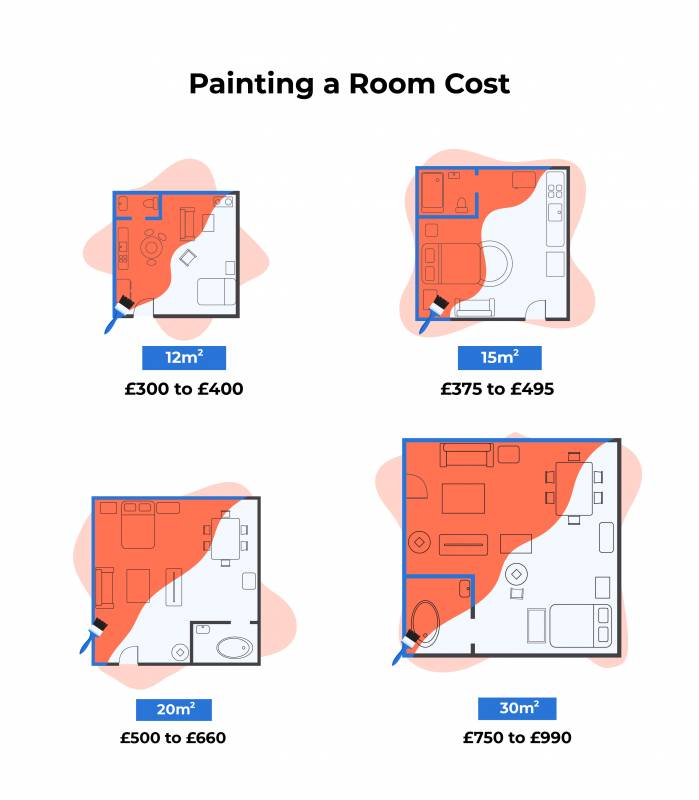
- Individual Room: A standard room might cost around £400 (for ~12m²), taking 1-2 days.
For example, anecdotal evidence from UK forums suggests quotes around £2,600 for a 3-bedroom house including living room, kitchen, hallway, stairs, landing, dining room, and office (around 1400 square feet). Another Mumsnet user was quoted £3,000 for a whole 3-bed house in London, considered a fair price.
Key Factors Influencing UK Painting Costs
Similar to the US, key cost drivers in the UK include:
- Labor Rates: Significantly higher in London and the Southeast compared to other regions.
- Property Size & Condition: Larger homes, or those requiring extensive prep for flaking paint or wallpaper removal, will cost more.
- Paint Quality: Choice of premium brands adds to material costs.
- Scope of Work: Are you painting just walls, or also ceilings, trim, doors, and potentially built-in furniture?
Key Factors That Skyrocket or Shrink Your Painting Budget
Whether you’re in the USA or the UK, these universal factors play a massive role in the final price tag for painting your 3-bedroom house interior.
Size and Layout of Your Home
This is the most obvious factor. More square footage means more paint, more labor, and more time. But it’s not just square footage; ceiling height (vaulted ceilings require scaffolding and more effort), and complex architectural features (arches, built-in shelving, intricate molding) add significant time and cost.
Condition of Existing Walls
This is a big one. Flawless walls require minimal prep. However, if your walls have:
- Numerous nail holes, dents, or cracks that need filling and sanding.
- Significant drywall damage that requires patching or texturing.
- Old, peeling paint that needs scraping and priming.
- Wallpaper that needs removal (a very labor-intensive and messy job).
- Dark colors being painted over with a light color (requires more coats, often a specific primer).
All of these increase prep time, material use, and ultimately, the total cost. Expect 10-30% higher costs for houses needing extensive preparation.
Paint Quality and Type
Paint isn’t just color; it’s a protective coating. The quality you choose impacts durability, coverage, and finish. Budget-friendly paints might cost less upfront but require more coats and don’t last as long. Premium paints (e.g., Benjamin Moore, Sherwin-Williams) offer better coverage (fewer coats), superior durability, and often better washability, but come at a higher price point ($40-$90+ per gallon vs. $20-$35 for economy paints).
Number of Coats Required
Changing from a dark color to a light one, painting over new drywall, or covering stained walls will almost always require a primer and two to three topcoats. If you’re simply refreshing an existing light color, one or two coats might suffice. More coats equal more labor and more paint.
Type of Finish (Sheen)
Different paint finishes have different characteristics and can impact labor time:
- Flat/Matte: Hides imperfections well, but less durable and harder to clean. Faster to apply.
- Eggshell/Satin: Most popular for interiors. More durable and washable than flat. Slight sheen. Takes a bit more care to apply evenly.
- Semi-Gloss/Gloss: Highly durable, very washable, and reflective. Ideal for trim, doors, and bathrooms. Requires meticulous prep and application as it highlights imperfections. Slower to apply.
Labor Rates and Regional Differences (USA Focus)
Labor is the biggest factor, and it varies wildly by location. Painters in major metropolitan areas (e.g., New York, San Francisco, Los Angeles) command higher hourly rates than those in rural areas or regions with a lower cost of living. This can easily swing your total project cost by 20-50%.
| US Region/Area Type | Typical Hourly Rate for Painter (USD) |
|---|---|
| Major Metropolitan Areas (e.g., NYC, SF, LA) | $60 – $100+ |
| Suburban Areas | $40 – $75 |
| Rural Areas | $30 – $55 |
Time of Year (Seasonality)
Demand for painters can fluctuate. Spring and fall are often peak seasons, potentially leading to higher prices or longer wait times. If you can schedule your interior painting during slower periods (e.g., late winter, early summer after the initial rush), you might find more competitive pricing or better availability.
Furniture Moving & Protection
Is your home empty or full of furniture? Moving heavy furniture, covering it carefully, and then moving it back adds considerable time. Some painters charge extra for this, or they might expect you to handle it. Clarify this upfront.
DIY vs. Professional: Where Does Your Money Go?
This is the age-old dilemma. Is it cheaper to do it yourself or hire a pro? The answer depends on your skills, time, and how you value your peace of mind.
The DIY Route: Savings vs. Sacrifices
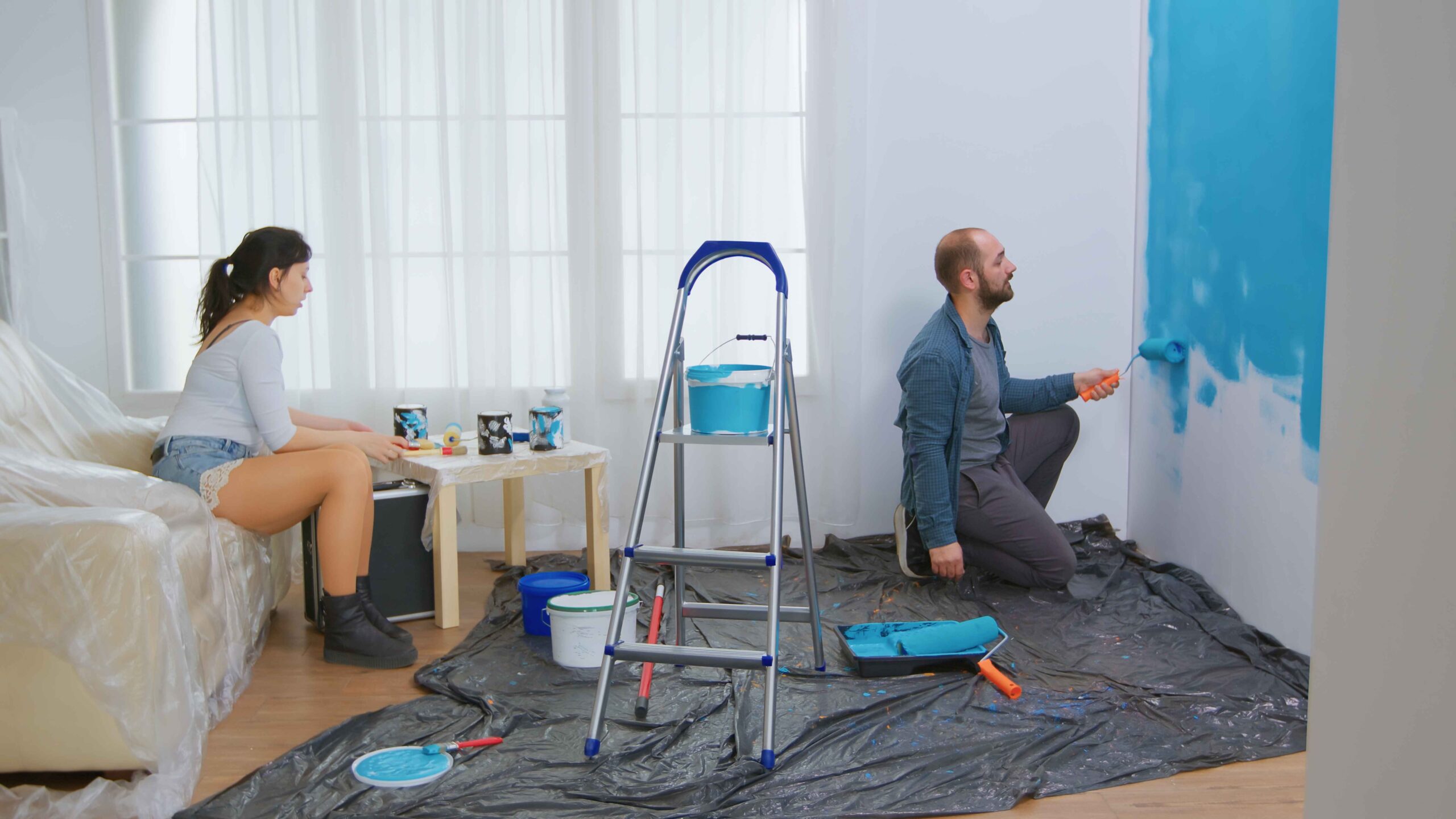
If you’re handy, have the time, and enjoy the process, DIY can save you a significant chunk on labor costs – often 50-70% of the total project price. Your costs will primarily be for:
- Paint: $20 – $90 per gallon.
- Supplies: Brushes, rollers, trays, tape, drop cloths, sandpaper, spackle, primer – estimate $100 – $300 for a 3-bedroom house.
- Specialized Tools: Ladders, paint sprayer (if you want one) – potentially $50 – $400+.
However, consider the sacrifices:
- Time: Painting a 3-bedroom house can easily take 2-4 weeks for a DIYer, especially with a full-time job.
- Skill: Achieving clean lines, even coats, and proper prep requires skill and patience. Poor prep or rushed application can lead to a less-than-professional finish that you’ll have to live with.
- Effort: It’s physically demanding work, including extensive bending, stretching, and cleaning.
- Potential Mistakes: Drips, uneven coverage, missed spots, or improper prep can necessitate costly re-work.
Hiring a Professional: The Value Proposition
Hiring a reputable painter means paying for their:
- Expertise: They know the right techniques, products, and how to handle unexpected challenges.
- Efficiency: A professional crew can complete a 3-bedroom house interior in 3-7 days, significantly faster than a DIYer.
- Quality: Expect crisp lines, smooth finishes, and proper surface preparation.
- Equipment: They come with all the necessary tools, including ladders, scaffolding, and sprayers.
- Insurance & Warranty: Reputable painters are insured, protecting you from liability, and often offer warranties on their work.
| Factor | DIY Approach | Professional Painter |
|---|---|---|
| Initial Cost | Lower (materials only) | Higher (labor + materials) |
| Time Investment | Weeks | Days |
| Quality of Finish | Variable (based on skill) | High (consistent) |
| Effort/Stress | High | Low |
| Warranty/Insurance | None | Often included |
Smart Strategies to Save Money on Interior House Painting
Even if you hire a professional, there are ways to keep costs in check without sacrificing quality.
Be Flexible with Your Schedule
If you’re not in a rush, ask painters if they offer better rates during their off-peak seasons or if they have gaps in their schedule they’re looking to fill. Sometimes a mid-week job can be slightly cheaper than a weekend one.
Get Multiple Quotes
Always get at least three detailed quotes from different reputable painters. This helps you compare pricing, understand what’s included, and negotiate. Don’t automatically go for the lowest bid; ensure it’s comparable in scope and quality.
Do Your Own Prep Work (Carefully!)
If you have the time and ability, you can save money by doing some of the less skilled prep work yourself. This includes:
- Moving furniture away from walls and covering it.
- Removing switch plates and outlet covers.
- Taking down pictures, mirrors, and window treatments.
- Washing walls (if not heavily soiled).
- Performing minor spackling of small nail holes.
However, leave complex repairs, heavy sanding, or extensive drywall work to the pros, as mistakes here can be costly.
Choose Paint Wisely
Don’t always opt for the cheapest paint, as it might require more coats. However, you don’t necessarily need the absolute premium brand for every surface. Discuss with your painter where a mid-range, good-quality paint will suffice (e.g., guest bedrooms) and where a premium, highly durable paint is essential (e.g., high-traffic hallways, kids’ rooms, bathrooms).
Consider Off-Season Painting
Late winter or early summer (after the initial spring rush) can sometimes be slower periods for interior painters, making them more willing to offer competitive pricing.
Negotiate the Scope of Work
If your budget is tight, discuss with your painter if there are areas you can omit (e.g., only painting walls, not ceilings or trim, or leaving one room for DIY). A good contractor will be transparent about how these changes affect the price.
What to Ask Your Painter Before Hiring (USA-Centric)
Before you commit to a painter for your 3-bedroom house interior, ensure you ask these crucial questions to protect your investment and ensure a smooth project.
- Are you licensed and insured? (Crucial for liability and quality assurance. Ask for proof.)
- Can you provide references or a portfolio of recent work? (Check their past projects and speak to previous clients.)
- What exactly is included in the quote? (Get a detailed breakdown: prep work, number of coats, type of paint, trim, ceilings, doors, clean-up.)
- What brand and type of paint do you typically use? (Discuss options and quality.)
- What is your estimated timeline for completion? (Understand when they’ll start and finish.)
- How do you handle surface preparation and clean-up? (Ensure thoroughness for a lasting finish and tidy workspace.)
- Do you offer any warranty on your work? (A sign of confidence in their craftsmanship.)
- What are your payment terms? (Avoid paying a large percentage upfront. A small deposit and final payment upon satisfaction is common.)
Conclusion
Painting the interior of a 3-bedroom house is a significant investment that can yield tremendous returns in aesthetics and property value. While the specific cost to paint a 3-bedroom house interior in the UK might differ from the USA, the underlying factors remain remarkably consistent: size, condition, paint quality, and labor. By understanding these elements, whether you’re tackling it yourself or hiring a professional, you can approach your project with confidence and a clear budget. Remember, a thorough quote and open communication with your chosen painter are your best tools for a beautiful, stress-free transformation.

”
}
{ “content”: “
How Much Does It Really Cost to Paint a 3-Bedroom House Interior in the USA? (And What About the UK?)
Dreaming of a fresh, vibrant interior for your 3-bedroom home? You’re not alone. A new coat of paint can dramatically transform a space, making it feel cleaner, brighter, and more ‘you.’ But before you dive into color swatches, the burning question often surfaces: how much is this going to cost?
While this article specifically addresses the popular query about UK painting costs, our primary focus is on providing comprehensive, up-to-date pricing and expert insights for homeowners in the USA. However, we’ll certainly touch on UK estimates, drawing from real-world data, to give a complete picture.
Let’s cut right to the chase:
In the USA, you can expect to pay anywhere from $3,000 to $9,000 to professionally paint the interior of a standard 3-bedroom house. This wide range accounts for numerous factors we’ll unpack below, from your home’s size and condition to the type of paint you choose and where you live.
For those interested in the UK context, based on recent discussions and industry data, painting a 3-bedroom house interior in the UK typically falls between £1,500 and £5,000, with some larger or more complex projects reaching up to £6,000 or more in high-cost areas like London.
The US Perspective: Unpacking the Cost for a 3-Bedroom Home Interior
When you’re considering painting your home, it’s not just about the paint itself. It’s a project with many moving parts. Here’s a deeper dive into what you can expect in the USA.
Average Cost Range for a 3-Bedroom House Interior in the USA
A typical 3-bedroom house in the USA can range from 1,200 to 2,500 square feet. The cost will heavily depend on this square footage, the number of rooms, and the complexity of the layout. Here’s a general breakdown:
| Project Scope | Low-End Estimate (USD) | Mid-Range Estimate (USD) | High-End Estimate (USD) |
|---|---|---|---|
| 3-Bedroom House Interior (Standard, 1,200-1,800 sq ft) | $3,000 | $5,500 | $7,500 |
| 3-Bedroom House Interior (Larger/Complex, 1,800-2,500+ sq ft) | $4,500 | $7,000 | $9,000+ |
| Additional Complexities (e.g., high ceilings, intricate trim, heavy prep) | Adds 15-30% to total cost | ||
What’s Included in a Typical Painting Quote?
A reputable painting contractor’s quote for your 3-bedroom house interior should cover more than just slapping paint on walls. Here’s what you’re typically paying for:
- Labor: This is usually the largest component, covering the painters’ wages, expertise, and efficiency.
- Materials: Not just paint! Think primers, painter’s tape, plastic sheeting, drop cloths, brushes, rollers, sandpaper, spackle, caulk, and cleaning supplies.
- Preparation: Crucial for a lasting finish. This includes cleaning surfaces, filling holes and cracks, light sanding, repairing minor drywall damage, and masking off areas.
- Application: Applying primer (if needed) and the required number of topcoats.
- Clean-up: Removing all debris, disposing of waste, and leaving your home tidy.
- Overhead & Profit: Covering the business’s operational costs, insurance, and ensuring a sustainable service.
Breaking Down the Costs: Room by Room & Surface by Surface
Understanding the individual components can help you estimate better and identify areas where you might save.
Individual Room Painting Costs (USA Estimates)
While a whole-house estimate gives you a ballpark, breaking it down by room helps illustrate the effort involved. These are averages and can vary.
| Room Type | Estimated Cost Range (USD) | Typical Timeframe |
|---|---|---|
| Standard Bedroom (10×12 ft) | $300 – $800 | 1-2 days |
| Master Bedroom (12×15 ft+) | $500 – $1,200 | 1-3 days |
| Living Room / Dining Room | $600 – $1,500 | 2-4 days |
| Kitchen (Walls, not cabinets) | $400 – $900 | 1-2 days |
| Hallway, Stairs, Landing | $800 – $2,000+ | 2-5 days (complexity varies hugely) |
| Bathroom | $200 – $600 | 1 day |
Surface-Specific Pricing: Walls, Ceilings, Trim, and Doors
Painters often price by the square foot for walls and ceilings, and by the linear foot for trim and doors. This is because each surface requires different preparation, tools, and techniques.
- Walls: Typically the largest surface area. Costs usually range from $2.00 to $6.00 per square foot, including materials and labor. This can vary based on wall condition and paint quality.
- Ceilings: Often require more prep (especially popcorn ceiling removal, which is a separate, significant cost) and specialized tools to prevent drips. Expect $1.00 to $3.00 per square foot for flat ceilings, potentially more for textured or very high ceilings.
- Trim (Baseboards, Crown Molding): Requires meticulous masking and careful brushwork. Priced per linear foot, typically $1.00 to $2.50 per linear foot.
- Doors: Each side of a door counts as a separate painting task due to hardware removal/masking and detail work. Costs can range from $75 to $150 per door.
- Windows: Painting window frames can be intricate, ranging from $30 to $70 per window depending on size and detail.
The UK Context: What the SERP Data Tells Us
Given that the original search query specified ‘UK,’ let’s briefly look at what homeowners across the pond are experiencing. The general sentiment mirrors that of the US: costs are highly variable but depend on similar core factors.
UK Average Costs for a 3-Bedroom House Interior
From various UK sources, typical costs for painting a 3-bedroom house interior hover around:

- General Range: £1,500 – £3,500
- More Complex or Larger Homes (e.g., 3,000 sq ft): £3,000 – £6,000+
- Individual Room: A standard room might cost around £400 (for ~12m²), taking 1-2 days.
For example, anecdotal evidence from UK forums suggests quotes around £2,600 for a 3-bedroom house including living room, kitchen, hallway, stairs, landing, dining room, and office (around 1400 square feet). Another Mumsnet user was quoted £3,000 for a whole 3-bed house in London, considered a fair price.
Key Factors Influencing UK Painting Costs
Similar to the US, key cost drivers in the UK include:
- Labor Rates: Significantly higher in London and the Southeast compared to other regions.
- Property Size & Condition: Larger homes, or those requiring extensive prep for flaking paint or wallpaper removal, will cost more.
- Paint Quality: Choice of premium brands adds to material costs.
- Scope of Work: Are you painting just walls, or also ceilings, trim, doors, and potentially built-in furniture?
Key Factors That Skyrocket or Shrink Your Painting Budget
Whether you’re in the USA or the UK, these universal factors play a massive role in the final price tag for painting your 3-bedroom house interior.
Size and Layout of Your Home
This is the most obvious factor. More square footage means more paint, more labor, and more time. But it’s not just square footage; ceiling height (vaulted ceilings require scaffolding and more effort), and complex architectural features (arches, built-in shelving, intricate molding) add significant time and cost.
Condition of Existing Walls
This is a big one. Flawless walls require minimal prep. However, if your walls have:
- Numerous nail holes, dents, or cracks that need filling and sanding.
- Significant drywall damage that requires patching or texturing.
- Old, peeling paint that needs scraping and priming.
- Wallpaper that needs removal (a very labor-intensive and messy job).
- Dark colors being painted over with a light color (requires more coats, often a specific primer).
All of these increase prep time, material use, and ultimately, the total cost. Expect 10-30% higher costs for houses needing extensive preparation.
Paint Quality and Type
Paint isn’t just color; it’s a protective coating. The quality you choose impacts durability, coverage, and finish. Budget-friendly paints might cost less upfront but require more coats and don’t last as long. Premium paints (e.g., Benjamin Moore, Sherwin-Williams) offer better coverage (fewer coats), superior durability, and often better washability, but come at a higher price point ($40-$90+ per gallon vs. $20-$35 for economy paints).
Number of Coats Required
Changing from a dark color to a light one, painting over new drywall, or covering stained walls will almost always require a primer and two to three topcoats. If you’re simply refreshing an existing light color, one or two coats might suffice. More coats equal more labor and more paint.
Type of Finish (Sheen)
Different paint finishes have different characteristics and can impact labor time:
- Flat/Matte: Hides imperfections well, but less durable and harder to clean. Faster to apply.
- Eggshell/Satin: Most popular for interiors. More durable and washable than flat. Slight sheen. Takes a bit more care to apply evenly.
- Semi-Gloss/Gloss: Highly durable, very washable, and reflective. Ideal for trim, doors, and bathrooms. Requires meticulous prep and application as it highlights imperfections. Slower to apply.
Labor Rates and Regional Differences (USA Focus)
Labor is the biggest factor, and it varies wildly by location. Painters in major metropolitan areas (e.g., New York, San Francisco, Los Angeles) command higher hourly rates than those in rural areas or regions with a lower cost of living. This can easily swing your total project cost by 20-50%.
| US Region/Area Type | Typical Hourly Rate for Painter (USD) |
|---|---|
| Major Metropolitan Areas (e.g., NYC, SF, LA) | $60 – $100+ |
| Suburban Areas | $40 – $75 |
| Rural Areas | $30 – $55 |
Time of Year (Seasonality)
Demand for painters can fluctuate. Spring and fall are often peak seasons, potentially leading to higher prices or longer wait times. If you can schedule your interior painting during slower periods (e.g., late winter, early summer after the initial rush), you might find more competitive pricing or better availability.
Furniture Moving & Protection
Is your home empty or full of furniture? Moving heavy furniture, covering it carefully, and then moving it back adds considerable time. Some painters charge extra for this, or they might expect you to handle it. Clarify this upfront.
DIY vs. Professional: Where Does Your Money Go?
This is the age-old dilemma. Is it cheaper to do it yourself or hire a pro? The answer depends on your skills, time, and how you value your peace of mind.

The DIY Route: Savings vs. Sacrifices
If you’re handy, have the time, and enjoy the process, DIY can save you a significant chunk on labor costs – often 50-70% of the total project price. Your costs will primarily be for:
- Paint: $20 – $90 per gallon.
- Supplies: Brushes, rollers, trays, tape, drop cloths, sandpaper, spackle, primer – estimate $100 – $300 for a 3-bedroom house.
- Specialized Tools: Ladders, paint sprayer (if you want one) – potentially $50 – $400+.
However, consider the sacrifices:
- Time: Painting a 3-bedroom house can easily take 2-4 weeks for a DIYer, especially with a full-time job.
- Skill: Achieving clean lines, even coats, and proper prep requires skill and patience. Poor prep or rushed application can lead to a less-than-professional finish that you’ll have to live with.
- Effort: It’s physically demanding work, including extensive bending, stretching, and cleaning.
- Potential Mistakes: Drips, uneven coverage, missed spots, or improper prep can necessitate costly re-work.
Hiring a Professional: The Value Proposition
Hiring a reputable painter means paying for their:
- Expertise: They know the right techniques, products, and how to handle unexpected challenges.
- Efficiency: A professional crew can complete a 3-bedroom house interior in 3-7 days, significantly faster than a DIYer.
- Quality: Expect crisp lines, smooth finishes, and proper surface preparation.
- Equipment: They come with all the necessary tools, including ladders, scaffolding, and sprayers.
- Insurance & Warranty: Reputable painters are insured, protecting you from liability, and often offer warranties on their work.
| Factor | DIY Approach | Professional Painter |
|---|---|---|
| Initial Cost | Lower (materials only) | Higher (labor + materials) |
| Time Investment | Weeks | Days |
| Quality of Finish | Variable (based on skill) | High (consistent) |
| Effort/Stress | High | Low |
| Warranty/Insurance | None | Often included |
Smart Strategies to Save Money on Interior House Painting
Even if you hire a professional, there are ways to keep costs in check without sacrificing quality.
Be Flexible with Your Schedule
If you’re not in a rush, ask painters if they offer better rates during their off-peak seasons or if they have gaps in their schedule they’re looking to fill. Sometimes a mid-week job can be slightly cheaper than a weekend one.
Get Multiple Quotes
Always get at least three detailed quotes from different reputable painters. This helps you compare pricing, understand what’s included, and negotiate. Don’t automatically go for the lowest bid; ensure it’s comparable in scope and quality.
Do Your Own Prep Work (Carefully!)
If you have the time and ability, you can save money by doing some of the less skilled prep work yourself. This includes:
- Moving furniture away from walls and covering it.
- Removing switch plates and outlet covers.
- Taking down pictures, mirrors, and window treatments.
- Washing walls (if not heavily soiled).
- Performing minor spackling of small nail holes.
However, leave complex repairs, heavy sanding, or extensive drywall work to the pros, as mistakes here can be costly.
Choose Paint Wisely
Don’t always opt for the cheapest paint, as it might require more coats. However, you don’t necessarily need the absolute premium brand for every surface. Discuss with your painter where a mid-range, good-quality paint will suffice (e.g., guest bedrooms) and where a premium, highly durable paint is essential (e.g., high-traffic hallways, kids’ rooms, bathrooms).
Consider Off-Season Painting
Late winter or early summer (after the initial spring rush) can sometimes be slower periods for interior painters, making them more willing to offer competitive pricing.
Negotiate the Scope of Work
If your budget is tight, discuss with your painter if there are areas you can omit (e.g., only painting walls, not ceilings or trim, or leaving one room for DIY). A good contractor will be transparent about how these changes affect the price.
What to Ask Your Painter Before Hiring (USA-Centric)
Before you commit to a painter for your 3-bedroom house interior, ensure you ask these crucial questions to protect your investment and ensure a smooth project.
- Are you licensed and insured? (Crucial for liability and quality assurance. Ask for proof.)
- Can you provide references or a portfolio of recent work? (Check their past projects and speak to previous clients.)
- What exactly is included in the quote? (Get a detailed breakdown: prep work, number of coats, type of paint, trim, ceilings, doors, clean-up.)
- What brand and type of paint do you typically use? (Discuss options and quality.)
- What is your estimated timeline for completion? (Understand when they’ll start and finish.)
- How do you handle surface preparation and clean-up? (Ensure thoroughness for a lasting finish and tidy workspace.)
- Do you offer any warranty on your work? (A sign of confidence in their craftsmanship.)
- What are your payment terms? (Avoid paying a large percentage upfront. A small deposit and final payment upon satisfaction is common.)
Conclusion
Painting the interior of a 3-bedroom house is a significant investment that can yield tremendous returns in aesthetics and property value. While the specific cost to paint a 3-bedroom house interior in the UK might differ from the USA, the underlying factors remain remarkably consistent: size, condition, paint quality, and labor. By understanding these elements, whether you’re tackling it yourself or hiring a professional, you can approach your project with confidence and a clear budget. Remember, a thorough quote and open communication with your chosen painter are your best tools for a beautiful, stress-free transformation.