The Definitive Guide to Grey Paint for Bedroom Walls: Find Your Perfect Shade of Serenity
Is your bedroom feeling a little…meh? Are you craving a space that whispers calm, embraces sophistication, and feels utterly timeless? Then listen up, because grey paint might just be your magic wand. Forget any notion of dullness; today’s grey is anything but. It’s a spectrum of nuanced beauty, offering a foundation for every style, every mood, and every sleep preference. And trust me, when it comes to a bedroom, getting the color right isn’t just about aesthetics; it’s about creating your personal sanctuary. I’ve seen countless bedrooms transformed by the perfect shade of grey. It’s not just a trend; it’s a versatile classic that provides a tranquil backdrop, making your decorative elements pop and your stress melt away. But here’s the secret: not all greys are created equal, especially when it comes to where you lay your head at night. Let’s dive deep and discover the grey that’s destined for your walls.
Why Grey is the Bedroom’s Best Friend: More Than Just a Neutral
When we think of bedroom colors, we often gravitate towards soft blues, muted greens, or warm whites. But grey? Grey offers a depth and sophistication that’s truly unmatched. It’s the quiet powerhouse of interior design, especially in a space dedicated to rest and rejuvenation.
The Psychology of Grey in Sleep Spaces
Believe it or not, colors have a profound impact on our mood and even our sleep quality. Grey, in its purest form, is often associated with balance, neutrality, and stability. In a bedroom, this translates to an immediate sense of calm and order. It’s less stimulating than vibrant hues, making it ideal for winding down.
- Calming & Tranquil: Lighter, softer grays can promote relaxation and reduce anxiety, creating a serene environment perfect for sleep.
- Sophisticated & Elegant: Darker charcoals and slate grays add a touch of drama and luxury, making a bedroom feel like a high-end retreat.
- Versatile: Grey is the ultimate chameleon. It adapts to almost any decor style, from minimalist modern to cozy farmhouse, allowing your furniture and textiles to truly shine.
- Timeless: Unlike trendy colors that might feel dated in a few years, grey possesses a timeless quality. It’s a classic that will look fresh and inviting for years to come.
Setting the Mood: From Cozy Nook to Modern Retreat
The sheer variety of grey tones means you can dictate the exact mood of your bedroom. A light, almost ethereal grey can make a small room feel expansive and airy, reminiscent of a crisp morning sky. A mid-tone grey with warm undertones can wrap you in a cozy, enveloping hug, perfect for a hygge-inspired space. And a deep, rich charcoal? That’s your ticket to a sophisticated, moody sanctuary that feels incredibly luxurious and intimate.
Decoding Grey: Understanding Undertones is Key
Here’s where most people stumble. You pick a grey, paint a wall, and suddenly it looks blue, green, or even purple! The secret to mastering grey lies in understanding its undertones. These subtle hints of other colors within the grey are what dictate its warmth or coolness and how it will interact with the light in your room. Ignoring them is like flipping a coin with your bedroom’s aesthetic. Trust me, this section is a game-changer.
Blue Undertones: Cool, Crisp, and Calming
These grays are your go-to for a clean, crisp, and undeniably cool aesthetic. Think of a cloudy sky or polished concrete. They often feel very refreshing and can make a room feel expansive.
- When to Use: Ideal for bedrooms that receive a lot of warm, south-facing light, as the cool tones help to balance it out. Great for creating a spa-like, tranquil retreat.
- Pairs With: Crisp whites, navy blues, natural wood tones, silver accents, and pops of emerald green.
Green Undertones: Organic, Earthy, and Balanced
Green-grays, often called ‘greige’ with a stronger green lean, bring an organic, earthy feel. They are wonderfully sophisticated and can be incredibly grounding. Beware of truly sickly, khaki-like green-grays (as some Reddit users warn), but a sophisticated green-grey offers a natural warmth that blue-grays lack.
- When to Use: Excellent for creating a subtle connection to nature. Works beautifully in rooms with ample natural light or paired with plants. Can soften a very modern space.
- Pairs With: Warm wood, creamy whites, brass accents, deep plums, and other earthy tones like terracotta.
Purple Undertones: Elegant, Sophisticated, and Deep
These grays are the divas of the palette – they are elegant, a bit mysterious, and wonderfully moody. They often lean towards slate or smoky violet. A grey with a purple undertone can add a rich, luxurious feel that’s perfect for a master bedroom.
- When to Use: When you want a touch of sophistication and depth. Works well in rooms that need a little warmth without being overtly beige. Can make a room feel incredibly cozy and intimate.
- Pairs With: Deep greens, blush pinks, gold accents, rich leathers, and dark wood furniture.
Beige/Brown Undertones (Greige): Warm, Welcoming, and Versatile
Ah, greige! This is the bridge between grey and beige, offering the best of both worlds. Greige paints are inherently warm, making them incredibly inviting and less likely to feel cold than pure grays. They’re wildly popular for a reason – they’re endlessly versatile.
- When to Use: Virtually anywhere! Especially good for north-facing rooms that tend to feel cold, as the beige undertone adds warmth. Perfect for a cozy, neutral, and welcoming bedroom.
- Pairs With: Almost everything! Creamy whites, browns, blues, soft yellows, natural textures, and a mix of metal finishes.
To help you visualize, here’s a quick reference table for understanding grey undertones:
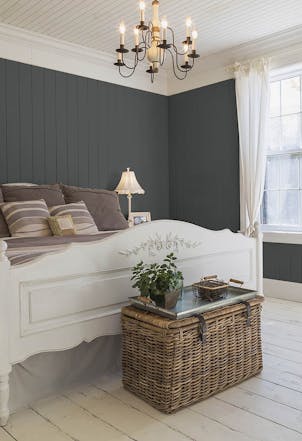
| Undertone Type | Effect on Room | Best For… | Pairs Well With… |
|---|---|---|---|
| Blue | Cool, crisp, serene, expansive | Warm, south-facing rooms; modern, minimalist styles; spa-like feel | Whites, navy, silver, dark wood |
| Green | Organic, earthy, balanced, sophisticated | Rooms wanting a natural connection; softening modern edges; rustic or Scandinavian styles | Warm wood, brass, cream, plum |
| Purple | Elegant, deep, moody, luxurious | Master bedrooms, intimate spaces; adding depth and sophistication | Gold, deep green, blush pink, leather |
| Beige (Greige) | Warm, welcoming, cozy, versatile | Cold, north-facing rooms; open-concept homes; traditional or farmhouse styles | Cream, brown, blue, natural textures |
Choosing Your Perfect Grey: Factors to Consider
Now that you’re an undertone expert, let’s talk about the practical considerations for selecting *your* perfect shade. This isn’t a one-size-fits-all situation; your bedroom has its own unique personality and needs.
Light is Everything: Natural vs. Artificial Illumination
Light literally changes how a color appears. A grey that looks stunning in a brightly lit showroom can look entirely different in your bedroom. This is the single most important factor after undertones.
- North-Facing Rooms: These rooms tend to get cooler, indirect light. Opt for grays with warm undertones (beige, green) to prevent the room from feeling cold and drab.
- South-Facing Rooms: Bathed in warm, abundant light all day. Here, you can embrace cooler grays (blue, purple undertones) to balance the warmth without making the room feel icy.
- East-Facing Rooms: Get bright, warm morning light, but cooler light in the afternoon. A balanced greige or a grey with a very subtle green undertone can work well throughout the day.
- West-Facing Rooms: Receive warm, intense afternoon and evening light. Like south-facing rooms, cooler grays can help here, especially if you want to avoid an overly yellow cast when the sun sets.
- Artificial Light: Pay attention to your light bulbs! Warm white bulbs (2700K-3000K) can make grays appear softer and warmer, while cool white bulbs (4000K+) can enhance blue or green undertones.
Room Size and Ceiling Height
- Small Rooms: Lighter grays can make a small bedroom feel more spacious and airy. Avoid very dark grays if you’re concerned about making the room feel smaller, unless you’re intentionally going for a dramatic, jewel-box effect.
- Large Rooms: You have more freedom! Darker grays can create a sense of intimacy and coziness in a large, otherwise cavernous space.
- Low Ceilings: Consider painting the ceiling a lighter shade of grey or even a crisp white to create the illusion of height.
Existing Decor and Furniture
Don’t forget your existing elements! Your bedding, headboard, carpet, window treatments, and artwork all play a role. Hold up paint swatches against your largest pieces of furniture or textiles. You want your grey to complement, not clash with, what you already have. For example, if you have a lot of warm wood furniture, a cool blue-grey might feel jarring, whereas a greige or green-grey would harmonize beautifully.
Desired Mood and Style
What feeling do you want to evoke when you step into your bedroom?
- Modern & Minimalist: Crisp cool grays, deep charcoals.
- Farmhouse & Rustic: Warm greiges, muted green-grays.
- Coastal & Airy: Light grays with blue undertones.
- Bohemian & Eclectic: Mid-tone grays that allow colorful textiles to pop.
- Luxurious & Glamorous: Deep purple-grays, charcoal with a slight sheen.
Popular Grey Paint Colors We Love (and Why They Work in Bedrooms)
Let’s get specific! These are some highly acclaimed grey paints that designers and homeowners consistently turn to, and for good reason. I’ll break down why they’re fantastic choices for a bedroom, considering their undertones and versatility. Remember, always test these in your own space!
Light & Airy Grays
These shades are perfect for creating a bright, spacious, and serene atmosphere. They reflect light beautifully and can make a room feel larger.
- Benjamin Moore Classic Gray OC-23: A true soft, light greige that leans slightly towards a very subtle green or purple hint in certain lights. It’s incredibly versatile and never feels cold, making it fantastic for bedrooms that need a gentle, sophisticated lift.
- Sherwin-Williams Agreeable Gray SW 7029: This best-seller is a beautiful, warm greige. It’s almost universally flattering, offering enough warmth to feel cozy but enough grey to maintain sophistication. It’s a fantastic choice for any bedroom seeking a versatile, welcoming neutral.
- Behr Chic Gray PPU26-10: A lovely mid-tone grey with warm beige notes, as highlighted by Behr. It brings serenity and warmth, perfect for a calming bedroom that avoids being too stark.
Mid-Tone Comfort Grays
These grays strike a perfect balance, offering more depth than lighter shades but without feeling too heavy. They create a comforting, enveloping feeling.
- Benjamin Moore Revere Pewter HC-172: A legendary greige that perfectly blends warm grey with beige. It’s incredibly adaptable and works well in almost any light, making it a safe yet stunning bet for a bedroom that wants to feel both elegant and cozy.
- Sherwin-Williams Repose Gray SW 7015: A beautiful, true grey that has very subtle warm undertones (often a hint of brown or purple), preventing it from looking icy. It’s a very popular choice for bedrooms because it offers a sophisticated neutrality that feels calming.
Deep & Dramatic Grays
For those who crave intimacy, luxury, and a bold statement, these dark grays are your answer. They can make a bedroom feel like a five-star hotel.
- Benjamin Moore Kendall Charcoal HC-166: A rich, deep charcoal grey with subtle green undertones. It’s a sophisticated and grounding color that adds immense depth and moodiness, perfect for a cozy, luxurious bedroom. Pairs beautifully with crisp whites and warm wood.
- Sherwin-Williams Peppercorn SW 7674: A very dark, almost black, soft charcoal. It has cool, subtle blue undertones, making it feel modern and crisp rather than heavy. It’s excellent for creating a dramatic, intimate bedroom space, especially when contrasted with bright white trim and light bedding.
Here’s a snapshot of some top grey paints ideal for bedrooms:
:max_bytes(150000):strip_icc()/Gibbs-Ave-134-9b2a24f2bc9448d7800258c65c193aa2.jpeg "40 Blue-Gray Paint Colors to Inspire Your Next Reno")
| Paint Name | Brand | Primary Undertone | Best For… | Mood/Effect |
|---|---|---|---|---|
| Classic Gray OC-23 | Benjamin Moore | Greige (subtle green/purple) | Light & airy rooms; subtle sophistication | Soft, ethereal, gentle |
| Agreeable Gray SW 7029 | Sherwin-Williams | Greige (warm beige) | Versatile, welcoming, almost any light | Cozy, comforting, neutral |
| Chic Gray PPU26-10 | Behr | Warm Greige | Serene, calming, warm balance | Gentle, tranquil, understated |
| Revere Pewter HC-172 | Benjamin Moore | Greige (warm grey/beige) | Versatile, balanced, elegant | Sophisticated, cozy, adaptable |
| Repose Gray SW 7015 | Sherwin-Williams | Warm Grey (subtle brown/purple) | Modern, sophisticated neutrality | Calm, composed, contemporary |
| Kendall Charcoal HC-166 | Benjamin Moore | Deep Charcoal (subtle green) | Dramatic, luxurious, accent walls | Rich, grounding, moody |
| Peppercorn SW 7674 | Sherwin-Williams | Dark Charcoal (subtle blue) | Modern drama, contrast with whites | Intimate, crisp, contemporary |
Beyond the Paint: Styling Your Grey Bedroom
Painting your walls is just the beginning! The true magic of a grey bedroom unfolds when you start layering in textiles, furniture, and decor. Because grey is so neutral, it provides an incredible canvas for personalization. This is where you bring your personality into the serene space you’ve created.
Color Palettes That Sing with Grey
Grey truly plays well with almost every color. Here are some winning combinations:
- Grey & White/Cream: A timeless, clean, and crisp pairing. Perfect for a minimalist, Scandinavian, or modern farmhouse look. Use varying shades of white and cream for bedding and accessories to add subtle depth.
- Grey & Blue: A classic pairing for a serene, calming effect. Think navy, dusty blue, or even a vibrant turquoise against a cool grey wall. Ideal for a coastal or tranquil retreat.
- Grey & Pink/Coral: For a touch of softness and warmth. Blush pink, rose gold, or even a bolder coral can add a sophisticated feminine touch without being overtly girly.
- Grey & Green: Creates an organic, natural feel. Emerald green, sage, or olive can bring life and freshness into a grey space. Especially beautiful with green-undertone grays.
- Grey & Metallics: Gold, brass, silver, and chrome all look stunning against grey. Use them in light fixtures, mirror frames, or decorative accents to add sparkle and luxury.
- Grey & Black: For a high-contrast, modern, and dramatic look. Think black furniture, frames, or bold geometric patterns against a lighter grey wall.
Textures and Materials
To prevent a grey bedroom from feeling flat, introduce a variety of textures. This adds warmth, interest, and a sense of luxury.
- Natural Wood: Whether light oak or rich walnut, wood tones provide warmth and an organic contrast to cool or warm grays. Think a wooden headboard, nightstands, or floorboards.
- Linen: Crinkly linen bedding or curtains add a soft, breathable, and relaxed elegance.
- Velvet: For a touch of undeniable luxury. A velvet headboard, throw pillows, or an accent chair can elevate the entire room.
- Knits & Faux Fur: Chunky knit throws, wool rugs, or faux fur pillows scream comfort and coziness, essential for a bedroom.
- Metallics: As mentioned, metallic finishes on lamps, decorative objects, or furniture hardware add a sophisticated sheen.
Accent Colors and Decor
This is where you infuse personality. Even with grey walls, your bedroom can be vibrant and expressive.
- Pillows & Throws: Easily interchangeable, these are your best friends for introducing pops of color or texture.
- Artwork: A gallery wall or a single large piece of art can be the focal point, bringing in color, pattern, and personal style.
- Plants: Greenery adds life, freshness, and a calming natural element.
- Rugs: Anchor your space and add warmth underfoot. A patterned rug can introduce visual interest without overwhelming the room.
Practical Tips for Painting Your Bedroom Grey
Ready to get started? Here are some final, crucial tips to ensure your grey bedroom transformation goes smoothly.
Testing Swatches: Don’t Skip This Step!
I cannot emphasize this enough: DO NOT buy gallons of paint before testing swatches on your walls. Paint large (at least 12×12 inches) swatches of 3-5 different grey contenders directly on your wall, in several areas of the room (e.g., near a window, in a corner, behind the bed). Observe them at different times of day – morning, noon, and night – and under both natural and artificial light. This is the only way to truly see how the undertones and value of the grey will appear in your unique space. What looks perfect in the store or online can be entirely different in your home due.
Choosing the Right Paint Finish (Sheen)
Sheen affects how light reflects off your walls and can impact the perceived color and durability.
- Matte/Flat: Offers a velvety, sophisticated look. It hides imperfections well and absorbs light, creating a deep, rich color. Ideal for bedrooms where durability isn’t the absolute top priority.
- Eggshell: The most popular choice for bedrooms. It has a slight sheen, making it more durable and washable than flat, while still offering a soft, low-luster finish.
- Satin: A bit more sheen than eggshell, offering even greater durability and washability. Good for high-traffic areas, but can be a bit much for a bedroom unless you love a subtle glow.
- Semi-Gloss: Best reserved for trim, doors, and moldings, as its high sheen makes imperfections more visible on large wall surfaces.
Preparing Your Walls for a Flawless Finish
Even the most expensive paint won’t look good on poorly prepped walls. Take the time to do this right:
- Clean: Wash your walls with a mild cleaner to remove dust, dirt, and grime.
- Repair: Fill any holes or cracks with spackle, sand smooth, and prime.
- Tape: Use painter’s tape along trim, baseboards, and ceilings for crisp lines.
- Prime: Especially if you’re going from a very dark to a very light color, or vice-versa, a coat of primer will ensure even coverage and true color.
There you have it – the definitive guide to making grey work wonders in your bedroom. No more guesswork, no more accidental blues or greens when you wanted a warm hug. By understanding undertones, considering your room’s unique characteristics, and styling with intention, you can create a grey bedroom that’s not just beautiful, but a genuine sanctuary. So go ahead, embrace the spectrum of grey, and transform your bedroom into the serene retreat you deserve. Sweet dreams await!
Frequently Asked Questions
Why is grey a good choice for bedroom walls?
Grey is an excellent choice for bedrooms because it promotes a sense of calm, balance, and sophistication. Its versatility allows it to adapt to various decor styles, and its neutral nature creates a tranquil backdrop that can enhance relaxation and improve sleep quality.

How do I choose the right grey paint for my bedroom?
Choosing the right grey involves considering its undertones (blue, green, purple, or beige), the natural and artificial light in your room, the room’s size, and your desired mood. Always test large swatches on your walls and observe them throughout the day.
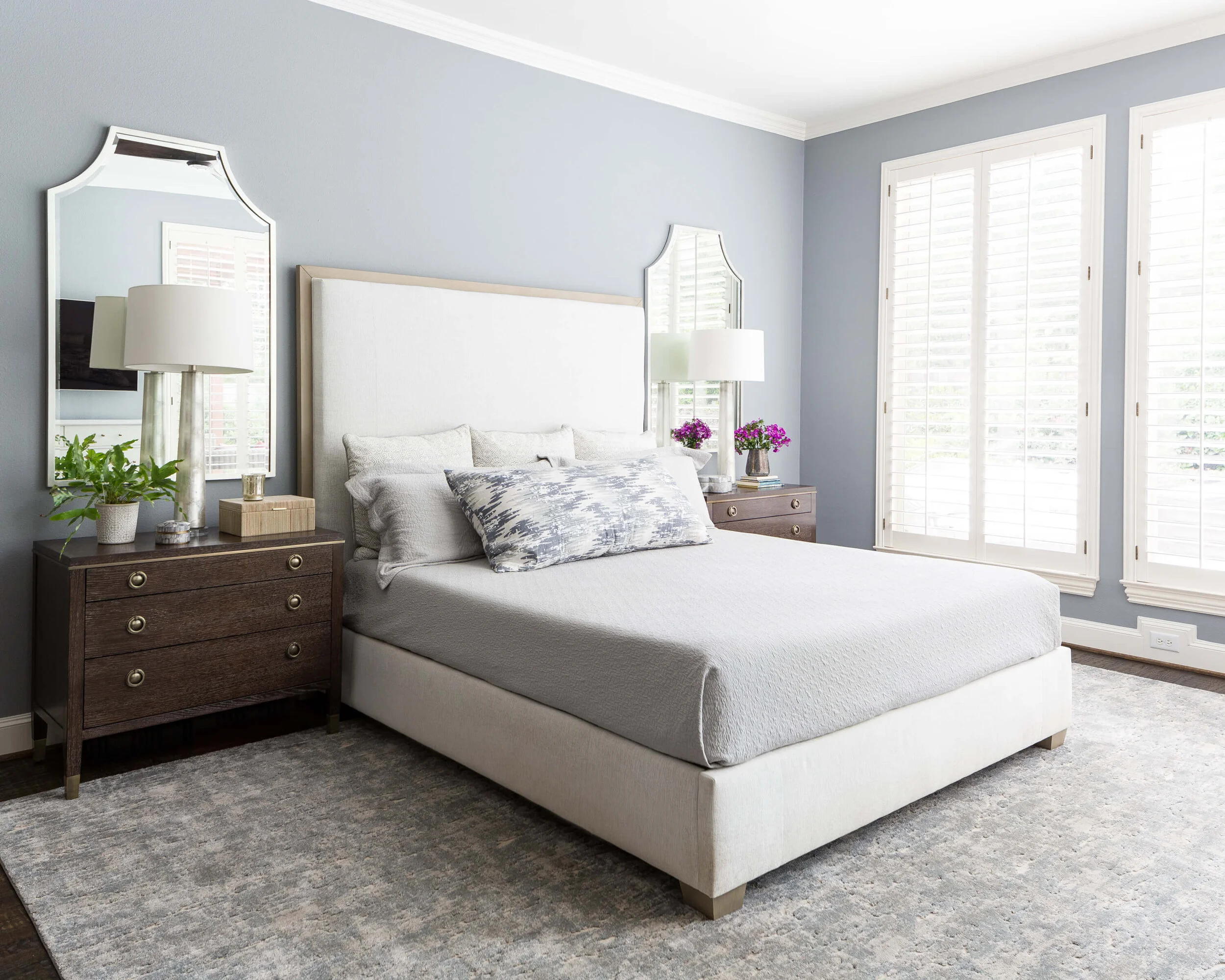
What are grey paint undertones and why are they important?
Grey paint undertones are the subtle hints of other colors (like blue, green, purple, or beige) within the grey shade. They are crucial because they dictate whether the grey appears warm or cool, and how it will react to your room’s lighting. Understanding them prevents unexpected color shifts on your walls.
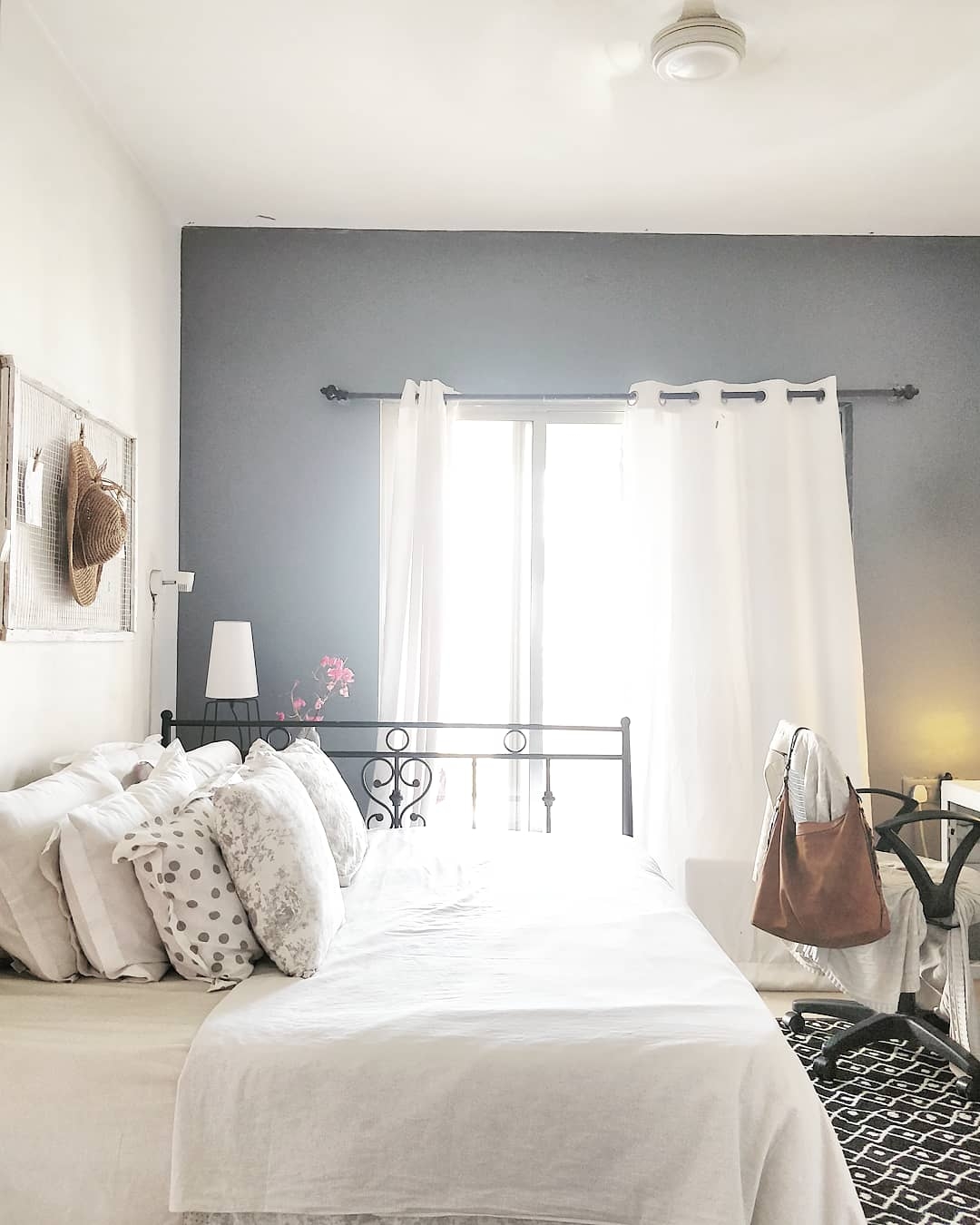
Should I use light or dark grey paint in a small bedroom?
For small bedrooms, lighter grey paints are generally recommended as they reflect more light and can make the room feel more spacious and airy. However, a very dark grey can be used to create an intentional dramatic and intimate ‘jewel-box’ effect if desired.
What colors pair well with grey bedroom walls?
Grey is incredibly versatile! It pairs beautifully with crisp whites and creams for a minimalist look, blues for serenity, pinks or corals for softness, greens for an organic feel, and metallics (gold, silver, brass) for a touch of luxury. Black accents can also create a modern, high-contrast look.
What paint finish (sheen) is best for bedroom walls?
Eggshell is the most popular and recommended finish for bedroom walls. It offers a soft, low-luster look that’s more durable and washable than flat/matte, without the excessive sheen that can highlight imperfections in satin or semi-gloss finishes.