The Definitive Guide to Choosing the Best Wall Color for White Bedroom Furniture
You’ve got white bedroom furniture – a classic, timeless choice. It’s elegant, it’s clean, and it promises endless versatility. But now you’re staring at those blank walls, wondering, “What color should I paint them?” The answer isn’t just ‘anything goes’ – it’s about crafting a space that feels uniquely *you, balancing serenity with personality.
Whether you’re aiming for a tranquil retreat, a vibrant sanctuary, or a chic modern haven, the wall color you choose will be the backdrop that defines your entire bedroom’s mood. Forget generic advice. We’re diving deep into how to transform your white-furnished room into a stunning, cohesive space that reflects your style and provides the ultimate comfort. Let’s find your perfect hue.
Why White Bedroom Furniture is Your Design Canvas
White bedroom furniture is more than just a trend; it’s a strategic design choice. It’s the ultimate blank canvas, offering flexibility that few other furniture colors can match. Here’s why it’s such a beloved foundation:
- The Blank Slate Advantage: White furniture allows your wall color, textiles, and decor to truly shine. It doesn’t compete; it complements. This means you can experiment with bolder wall colors or intricate patterns without the room feeling cluttered or overwhelming.
- Versatility with Any Style: From minimalist to bohemian, traditional to coastal, white furniture seamlessly integrates into virtually any interior design aesthetic. It’s the chameleon of decor, adapting its personality based on the colors and textures around it.
- Maximizing Light and Space: White naturally reflects light, making rooms feel brighter and more expansive. This is particularly beneficial in smaller bedrooms or those with limited natural light, helping to create an airy, open atmosphere.
- Timeless Appeal: Trends come and go, but white furniture endures. Investing in white pieces means your core bedroom elements will remain stylish for years to come, allowing you to update the room’s look simply by changing paint and accessories.
Understanding these inherent qualities of white furniture is the first step in choosing a wall color that not only looks good but enhances the very essence of your space.
The Top Wall Colors That Perfectly Complement White Bedroom Furniture
With white furniture as your anchor, the world of wall colors truly opens up. Let’s explore the most impactful choices, from serene neutrals to bold statements, and understand the unique atmosphere each can create.
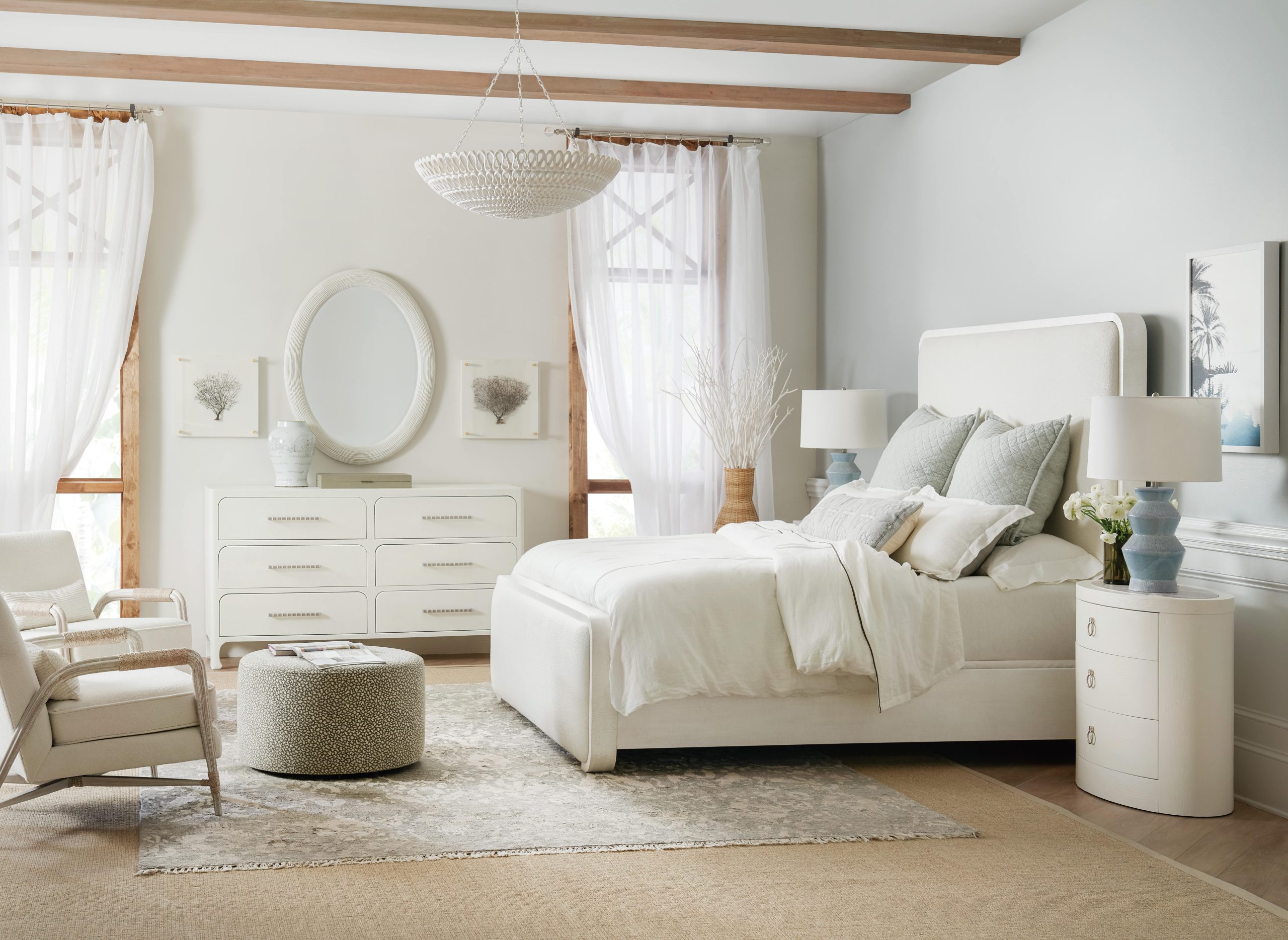
Embracing Serenity: Neutrals & Soft Tones
For a calm, sophisticated, and always-in-style bedroom, neutrals and soft tones are your best friends. They provide a gentle contrast that highlights the crispness of your white furniture without overpowering it.
- Classic Greys: Grey is the reigning champion of modern neutrals, and for good reason. It offers incredible versatility, ranging from cool to warm undertones.
- Soft Grey (e.g., Pale Pewter, Silver Strand): A light, airy grey creates a contemporary and soothing atmosphere. It’s chic without being cold, providing just enough contrast to make white furniture pop. Great for a serene, spa-like feel.
- Warm Grey (e.g., Greige, Revere Pewter): Blending grey with beige, ‘greige’ introduces a subtle warmth that prevents the room from feeling stark. It’s incredibly inviting and works beautifully with natural wood accents and cozy textures.
- Charcoal Grey (e.g., Kendall Charcoal, Iron Ore): For a more dramatic and sophisticated look, a deep charcoal grey provides striking contrast. It makes white furniture stand out boldly, creating a luxurious and intimate space, especially effective in larger rooms.
- Calming Beiges & Creams: If warmth and coziness are your priority, beige and cream tones are an excellent choice. They bring a soft, inviting glow to any room.
- True Beige (e.g., Shaker Beige, Accessible Beige): A classic beige offers earthy warmth and a comforting feel. It’s perfect for traditional or transitional styles, creating a sense of grounded tranquility.
- Creamy White (e.g., Swiss Coffee, Simply White): Not quite white, not quite yellow, creamy whites offer a subtle, buttery warmth. They provide a layered white-on-white effect, adding depth without introducing a strong color. Ideal for a soft, dreamy aesthetic.
- Taupe (e.g., Elephant’s Breath, Agreeable Grey): A sophisticated blend of grey and brown, taupe is a richer neutral that adds elegance and depth. It’s wonderfully grounding and pairs well with both cool and warm accents.
- Pure White & Off-Whites (with Undertones!): Yes, you can paint your walls white with white furniture! The key is understanding undertones to avoid a sterile look.
- Crisp White (e.g., Chantilly Lace, Extra White): For a truly minimalist and bright aesthetic, matching crisp white walls with white furniture creates a seamless, ethereal look. Textural elements become crucial here to add interest.
- Off-White (e.g., White Dove, Alabaster): These whites have subtle undertones (warm yellow, cool grey, or even a hint of green) that add depth and character without being overtly colored. They create a soft, inviting white-on-white scheme that feels rich and sophisticated, not cold. Pay attention to how the undertones of your furniture align with your wall white.
Adding a Touch of Color: Pastels & Muted Hues
For those who desire a hint of color without overwhelming the crispness of white furniture, pastels and muted hues offer a beautiful compromise. They inject personality while maintaining a serene and airy feel.
- Soft Blues (e.g., Sky Blue, Powder Blue, Dusty Blue): Blue is inherently calming and serene, making it perfect for a bedroom. Light blues evoke the sky and sea, creating a tranquil, refreshing escape. It’s a natural fit for coastal or transitional styles.
- Muted Greens (e.g., Sage Green, Mint Green, Olive): Connecting with nature, green brings a sense of renewal and peace. Sage green is particularly popular for its sophisticated, earthy quality, while a soft mint can feel playful and fresh. These hues are grounding and restful.
- Gentle Pinks & Lavenders (e.g., Blush Pink, Lilac): For a touch of romance, softness, or whimsical charm, blush pinks and soft lavenders are wonderful. They create a warm, inviting, and slightly feminine atmosphere that pairs beautifully with white furniture’s clean lines.
Making a Statement: Bold & Dramatic Choices
If you’re ready to embrace drama and create a truly memorable space, white furniture is the perfect counterpoint for bold and dark wall colors. The crisp white acts as a brilliant highlight against the depth of the walls.
- Deep Blues & Navy (e.g., Hale Navy, Evening Blue): Sophisticated, classic, and incredibly chic, deep blues and navy create a sense of luxurious enclosure. They evoke tranquility and depth, making white furniture pop with striking elegance.
- Rich Greens (e.g., Emerald Green, Forest Green): For a touch of opulence and natural grandeur, rich greens are superb. They bring an organic, sophisticated energy to the room, especially when paired with metallic accents and plush textures.
- Charcoal & Black (e.g., Tricorn Black, Wrought Iron): For the ultimate modern and edgy statement, black or very deep charcoal walls create stunning contrast. This bold choice makes white furniture feel incredibly crisp and architectural, delivering high impact and a sophisticated, intimate ambiance.
- Earthy Terracottas & Warm Golds (e.g., Canyon Clay, Spiced Amber): To infuse warmth, a bohemian vibe, or a touch of global flair, rich terracottas, rusts, or warm golden hues work beautifully. They add a sun-drenched, inviting feel that grounds the white furniture with an organic, cozy energy.
Beyond Color: Key Considerations When Choosing Your Wall Paint
Selecting a color isn’t just about what looks good in a swatch; it’s about how that color interacts with the unique characteristics of your bedroom. Consider these factors before making your final decision.
Room Size & Natural Light
These two elements profoundly influence how a color is perceived:
:max_bytes(150000):strip_icc()/bedroom-paint-color-ideas-2000-fb11fb605d4142f1813ea930e2a1ad48.jpg "Home Decor Experts' 7 Best Bedroom Paint Colors")
- Small Rooms: Generally, lighter colors – think soft greys, pastels, or off-whites – are recommended for smaller bedrooms. They reflect more light, making the space feel more open, airy, and expansive. Darker colors can make a small room feel cozy and intimate, but might also make it feel smaller.
- Large Rooms: If you have a spacious bedroom, you have more flexibility. Darker, richer colors can be used to create a sense of intimacy and luxury, preventing the room from feeling cavernous. Lighter colors will amplify the spaciousness even further.
- North-Facing vs. South-Facing Light: Rooms with northern exposure often receive cooler, indirect light. Warm wall colors (beiges, creamy whites, warm greiges) can counteract this coolness, making the room feel more inviting. South-facing rooms get abundant, warm light, allowing you to play with cooler tones (blues, cool greys) without the room feeling cold.
Desired Mood & Ambiance
Your bedroom should be a reflection of the mood you want to cultivate. Think about how you want to feel when you enter the room:
- Calm & Relaxing: Soft blues, greens, light greys, and creamy whites are ideal.
- Energetic & Invigorating: Brighter pastels or even a strategically placed bold accent wall.
- Cozy & Intimate: Deeper neutrals like charcoal, taupe, or rich jewel tones.
- Modern & Chic: Crisp whites, cool greys, or dramatic black/navy.
Flooring, Textiles & Accessories
Your wall color doesn’t exist in a vacuum. It needs to harmonize with everything else in the room:
- Harmonizing with Existing Elements: Take into account your flooring (wood, carpet, tile), curtains, bedding, and artwork. Do you want the wall color to blend seamlessly or provide a striking contrast?
- Creating Contrast or Unity: If your flooring is dark, a lighter wall color will create balance. If your textiles are bold, a more subdued wall color might be best. White furniture allows you to choose either path effectively.
- The Role of Texture: Even with white furniture, incorporating textured textiles (knits, linen, faux fur) and accessories can add depth and interest, especially if you opt for a monochromatic or very light wall color scheme.
Understanding Undertones: Your Secret Weapon
This is where many people stumble. Every color, even white, has an undertone – a subtle hint of another color. Ignoring them can lead to a room that feels ‘off.’ This is especially true when pairing wall colors with white furniture.
- Warm vs. Cool Undertones in White Furniture: Believe it or not, your white furniture isn’t just ‘white.’ It might lean warm (with yellow, pink, or peach undertones) or cool (with blue, grey, or green undertones). Observe your furniture closely in natural light. Does it look creamy, bright white, or a little icy?
- Matching or Contrasting Undertones in Wall Paint:
- Harmonious Pairing: For a cohesive, soft look, choose a wall color with similar undertones. Warm white furniture pairs beautifully with warm greys, creamy beiges, or muted greens with yellow undertones. Cool white furniture shines against cool greys, soft blues, or crisp whites with blue/grey undertones.
- Intentional Contrast: Sometimes, a subtle contrast in undertones can be stunning. For example, a cool grey wall can make warm white furniture feel even richer, or a warm beige wall can soften stark cool white furniture. The key is intentionality*, not accidental clash.
Curating Your Style: Wall Colors for Popular Bedroom Designs
White furniture is the ultimate versatile piece, capable of anchoring countless design styles. Here’s how to choose a wall color that perfectly enhances your desired aesthetic:
Scandinavian Chic
This style champions simplicity, functionality, and light. With white furniture, opt for crisp whites, light cool greys, or soft, muted blues and greens. The goal is an airy, minimalist feel that maximizes natural light. Think clean lines, natural wood accents, and cozy textures like chunky knits.
:max_bytes(150000):strip_icc()/131388791_1387731984915988_4840594025920657850_n-2fd4c433fe064f5aaafb83b757c50874.jpg "40 White Bedrooms That Are Anything But Boring")
Modern Minimalist
Sleek and uncluttered, modern minimalist designs use color sparingly. Your white furniture will be the star. Choose pure white, deep charcoal, or a sophisticated greige. Focus on creating stark contrasts with black or dark grey accents, or subtle variations in white tones. Keep decor sparse and intentional.
Coastal Retreat
Evoke the calming essence of the ocean and beach. With white furniture, opt for sky blue, aqua, sage green, or sandy beige. These colors pair beautifully with natural textures like rattan, linen, and weathered wood, creating a relaxed, breezy atmosphere.
Bohemian Rhapsody
Boho style is all about eclectic charm, global influences, and layered textures. Your white furniture provides a clean anchor for a richer palette. Consider earthy terracottas, deep teal, olive green, or muted blush pink. Layer with vibrant textiles, patterns, and natural materials to create a cozy, travel-inspired haven.
Traditional Elegance
For a timeless, refined look, white furniture is a classic choice. Pair it with creamy whites, soft gold, dusty blue, or a sophisticated sage green. These colors provide a gentle, elegant backdrop that complements intricate details, rich fabrics, and classic motifs. Think a touch of formality without being stuffy.
Glam & Luxurious
Create a opulent, high-end feel where your white furniture radiates sophistication. Opt for deep navy, emerald green, or rich charcoal grey. These dramatic backdrops make white furniture pop, especially when accessorized with metallic accents (gold, silver), plush velvets, and mirrored surfaces.

Pro Tips for Painting Your Bedroom with White Furniture
Before you grab that roller, here are a few expert insights to ensure your paint project is a resounding success:
- Don’t Skip the Swatches! This is the most crucial step. Paint large swatches (at least 2’x2′) directly on your wall, or on poster board that you can move around. Observe them at different times of day – morning, afternoon, and evening – and with both natural and artificial light. Colors change dramatically depending on the light, and what looks great on a small chip might be entirely different on a large wall.
- Consider Paint Finish (Sheen): The sheen you choose affects how light reflects off the walls and how durable the paint is.
- Matte/Flat: Absorbs light, creating a sophisticated, velvety look. Great for hiding imperfections, but less durable and harder to clean. Ideal for low-traffic bedrooms.
- Eggshell/Satin: Offers a slight sheen, making it more durable and easier to clean than matte. A popular choice for bedrooms, providing a soft glow.
- Semi-Gloss/Gloss: Highly reflective and very durable, best for trim, doors, or furniture, not typically for entire bedroom walls as it can highlight imperfections and be too shiny.
- The Power of Accent Walls: If you’re nervous about committing to a bold color on all four walls, an accent wall is your secret weapon. Paint one wall (often the one behind your headboard) in a dramatic hue, and keep the others a lighter neutral. This allows you to introduce striking color and depth without overwhelming the space, and it frames your white furniture beautifully.
- Lighting is Everything: Both natural and artificial lighting will profoundly affect how your chosen wall color appears. Warm-toned light bulbs (2700K-3000K) can make colors appear warmer, while cooler-toned bulbs (4000K+) can make them appear crisper or cooler. Test your swatches with the actual light bulbs you’ll be using in the room.
Comparative Wall Color Guide for White Bedroom Furniture
To help you visualize and compare your options, here’s a quick guide summarizing popular wall color choices for white bedroom furniture.
| Color Family | Specific Examples | Mood/Effect | Best For | Design Styles |
|---|---|---|---|---|
| Warm Neutrals | Cream, Greige, Beige, Taupe | Cozy, Inviting, Soft, Grounding | Creating warmth, enhancing natural textures, balancing cool-toned whites | Traditional, Transitional, Farmhouse, Rustic, Boho |
| Cool Neutrals | Light Grey, Silver, Off-Whites (cool undertones) | Serene, Modern, Airy, Sophisticated | Maximizing light, spa-like feel, small rooms, contemporary aesthetics | Scandinavian, Modern Minimalist, Contemporary |
| Soft Pastels | Blush Pink, Sage Green, Sky Blue, Lilac | Calming, Gentle, Whimsical, Refreshing | Adding subtle color, children’s rooms, light-filled spaces, romantic vibes | Shabby Chic, Romantic, Nursery, Coastal, Scandinavian |
| Deep & Dramatic | Navy Blue, Emerald Green, Charcoal Grey, Black, Deep Teal | Luxurious, Intimate, Sophisticated, Bold, Grounding | Creating a statement, large rooms, intimate ambiance, high contrast | Glam, Modern, Eclectic, Industrial, Traditional (with rich accents) |
| Earthy Tones | Terracotta, Olive Green, Rust, Warm Gold | Organic, Rustic, Bohemian, Sun-drenched, Natural | Adding warmth, global feel, connecting with nature, cozy atmosphere | Bohemian, Southwestern, Mediterranean, Rustic, Eclectic |
White bedroom furniture is a gift – a promise of versatility and timeless appeal. By understanding how different wall colors interact with your furniture, the light in your room, and your desired mood, you’re empowered to create a truly personalized and beautiful sanctuary. Don’t be afraid to experiment, trust your instincts, and always, always swatch!
Your perfect bedroom awaits.
Frequently Asked Questions
What are the safest wall colors to pair with white bedroom furniture?
The safest and most versatile wall colors for white bedroom furniture are neutrals. Think soft greys (like greige or a pale silver), creamy whites, and warm beiges or taupes. These colors provide a gentle contrast that highlights the crispness of white without overwhelming the space, ensuring a calm and sophisticated ambiance.

Can I paint my walls white if my bedroom furniture is already white?
Absolutely! Painting walls white with white furniture can create a chic, minimalist, and serene ‘white-on-white’ aesthetic. The key is to introduce subtle variations in white tones (e.g., using an off-white with warm undertones on the walls, while the furniture is a crisp pure white) and to incorporate plenty of texture through bedding, rugs, and decor to add depth and prevent the room from feeling sterile.
How do I choose a wall color if my bedroom is small and has white furniture?
For a small bedroom with white furniture, focus on lighter wall colors that reflect light and make the space feel larger and airier. Soft pastels (like sky blue or sage green), light cool greys, or creamy off-whites are excellent choices. Avoid overly dark or vibrant colors on all walls, though a single accent wall in a deeper hue can still work effectively to add character.
Should I consider the undertones of my white furniture when choosing a wall color?
Yes, understanding undertones is crucial! Even white furniture can have warm (yellow, peach) or cool (blue, grey) undertones. For a harmonious look, try to choose a wall color with similar undertones. For example, warm white furniture pairs well with warm greys or creamy beiges. For intentional contrast, a cool wall color can make warm white furniture appear richer, but be mindful of creating an accidental clash.
What wall colors create a cozy atmosphere with white bedroom furniture?
To create a cozy atmosphere with white bedroom furniture, opt for warm and deeper wall colors. Rich neutrals like taupe, warm greige, or even a deep charcoal grey can make a room feel more intimate. Earthy tones like terracotta, olive green, or even deep navy can also add significant warmth and depth, providing a comforting embrace for your crisp white pieces.
Are bold wall colors suitable for a bedroom with white furniture?
Bold wall colors are absolutely suitable and can create stunning, dramatic effects with white bedroom furniture. The white furniture acts as a brilliant counterpoint, making the bold wall color pop. Deep blues (navy), rich greens (emerald, forest), charcoal, or even black walls can create luxurious, modern, or sophisticated ambiances. Consider an accent wall if you’re hesitant to paint all four walls.
How important is natural light when selecting a paint color for a white bedroom?
Natural light is extremely important. A color will look different depending on the direction your room faces (north-facing rooms get cooler light, south-facing get warmer) and the time of day. Always test paint swatches on your walls and observe them throughout the day and in different lighting conditions before committing, as colors can change dramatically.