The Definitive Guide to Choosing the Best Paint Color for Your Bedroom with Grey Furniture
Staring at your beautiful grey bedroom furniture and wondering what paint color will truly make your sanctuary sing? You’re not alone. Grey furniture, whether it’s a sleek modern bed frame, a cozy upholstered headboard, or a classic dresser, offers a fantastic neutral foundation. But picking the right wall color isn’t just about finding something that ‘doesn’t clash’ – it’s about creating a harmonious, inviting, and truly personalized space.
The ‘best’ paint color isn’t a one-size-fits-all answer. It’s a thoughtful blend of your grey furniture’s unique undertone, your bedroom’s natural light, the mood you want to evoke, and your personal style. But don’t fret! I’m here to guide you through unlocking the perfect palette that transforms your bedroom into a designer-worthy retreat. We’ll dive deep, going beyond simple lists to give you the actionable insights you need.
First Things First: Understanding Your Grey Furniture’s Undertone
This is the absolute most critical step. Just like people, not all greys are created equal. Your grey furniture isn’t just ‘grey’ – it has an undertone, a subtle hint of another color that will dictate which wall colors truly complement it. Get this right, and everything else falls into place.
The Cool Grey Palette: Blue, Green, or Purple Undertones
If your grey furniture leans towards a cool side, you’ll see hints of blue, green, or even a subtle violet. Think of concrete grey, slate grey, or a true charcoal. These greys feel crisp, contemporary, and often a bit more formal. They naturally pair well with other cool tones or can be warmed up with careful selection.
The Warm Grey Palette: Beige, Brown, or Yellow Undertones
Warm greys, often called ‘greige’ (grey + beige), have undertones of brown, beige, or sometimes a slight yellow. These greys feel softer, cozier, and more inviting. They’re incredibly versatile and bring a grounded, earthy feel to a room. Think of stone grey, mushroom grey, or a warm pebble grey.
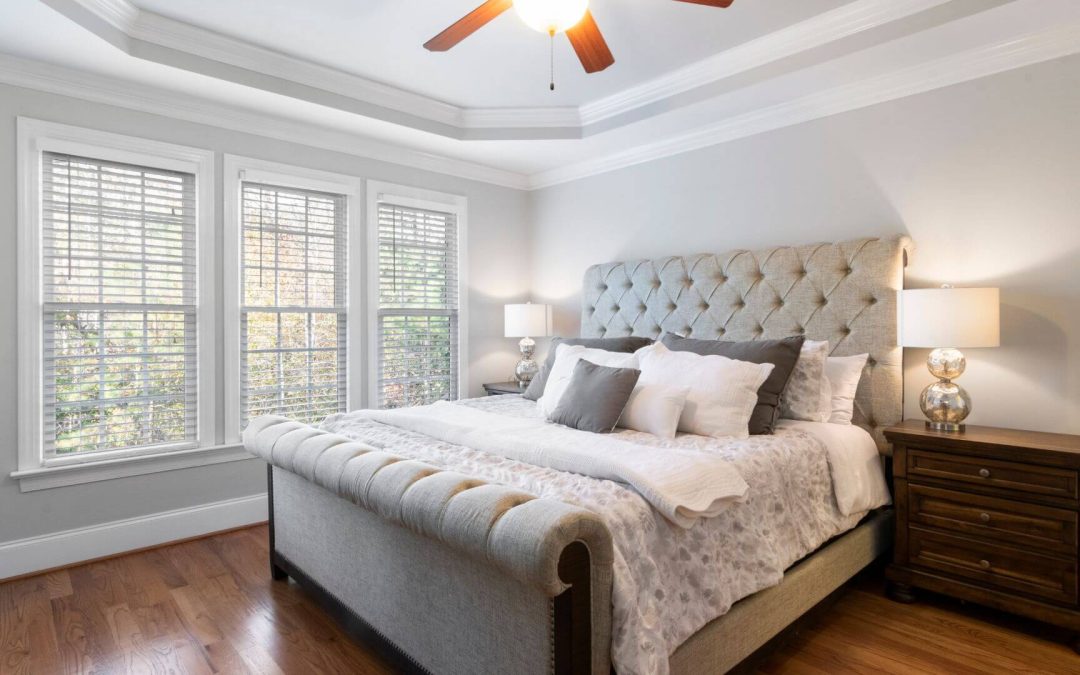
The True Neutral Grey: Pure Grey Without Obvious Undertones
Rare, but they exist! A true neutral grey has no discernible undertone. It’s a pure blend of black and white. These offer the most flexibility, acting as a blank canvas for almost any color you throw at them.
Actionable Tip: How to Identify Your Grey’s Undertone
To figure out your grey furniture’s undertone, grab a white piece of paper or a pure white fabric swatch. Hold it up against your furniture in both natural and artificial light. Look closely. Does it look slightly bluish? Greenish? A bit brownish? That’s your undertone! If you’re really stumped, compare it to swatches of known cool and warm greys at a paint store.
Top Paint Color Palettes for Bedrooms with Grey Furniture
Now that you’re an expert on grey undertones, let’s explore the stunning paint colors that will elevate your bedroom.
The Serene & Sophisticated Neutrals: Crisp Whites, Soft Creams, and Greiges
Neutrals are never boring when done right. They create a calming, expansive feel, perfect for a bedroom sanctuary. They allow your grey furniture to be the star while providing a clean, fresh backdrop.
- Crisp Whites: Think of a pure, brilliant white. Ideal for cool-toned grey furniture, it creates a stark, modern, and high-contrast look. It makes a room feel larger and brighter.
- Soft Creams/Off-Whites: These whites have a subtle yellow or beige undertone. They are excellent for warming up cool grey furniture or for creating a cohesive, cozy feel with warm grey furniture. They soften the look compared to stark white.
- Greiges: A perfect companion for both warm and true neutral greys. Greiges offer a sophisticated, muted palette that feels contemporary yet incredibly inviting. They create a seamless flow between walls and furniture.
Designer Tip: Layering Textures for Depth
When working with neutrals, introduce depth with varying textures: a chunky knit throw, velvet pillows, linen drapes, or a woven rug. This prevents the room from feeling flat or sterile.
:max_bytes(150000):strip_icc()/MaryPatton_Lupton-16-4552f4762d9e43fe9868882545f655d6.jpeg "15 Best Gray Bedroom Color Schemes and Design Ideas")
The Calming & Cool Tones: Blues, Greens, and Teals
These colors are often associated with nature, tranquility, and relaxation – making them ideal for a bedroom. They pair beautifully with most grey undertones, especially cool greys.
- Dusty Blues/Soft Navies: A classic pairing. Dusty blues offer a serene, airy feel, while deeper navies provide drama and sophistication. Both work exceptionally well with cool greys, enhancing their coolness, but can also surprisingly complement warm greys by adding a refreshing contrast.
- Sage Greens/Muted Olives: These earthy greens bring a touch of nature indoors, promoting calm and balance. They are fantastic with both warm and cool greys, creating a grounding, organic vibe. Sage green is particularly forgiving and elegant.
- Deep Teals/Emeralds: For a bolder, more luxurious statement. Teals and emeralds inject richness and depth. They’re stunning with cool charcoals or dark greys, creating a moody, sophisticated retreat. Use them as an accent wall or throughout for high drama.
Designer Tip: Balancing Cool with Warm Accents
If you go with cool-toned walls and cool grey furniture, ensure you add warmth elsewhere with wood accents, metallic finishes (brass, gold), or soft, inviting textiles.
The Warm & Inviting Hues: Blush Pinks, Dusky Reds, and Soft Terracottas
To inject warmth, romance, or a touch of earthy charm, these colors are your allies. They contrast beautifully with cool greys and create a harmonious, cozy feel with warm greys.
- Blush Pinks/Muted Roses: Forget bubblegum pink! Think sophisticated, soft, almost nude pinks. These add a gentle warmth, a touch of romance, and surprising elegance. They soften cool greys beautifully and blend seamlessly with warm greys.
- Dusky Reds/Terracottas: For a more grounded, earthy warmth. Dusky reds (think muted brick or rust) and soft terracottas bring a bohemian or Mediterranean vibe. They’re particularly stunning with warm greys, enhancing their inherent coziness, and can provide a captivating contrast to cool greys.
- Warm Peach/Apricot: A lighter, sunnier take on warmth. These hues inject a subtle glow and an inviting atmosphere. They pair wonderfully with cool greys to soften them, and with warm greys for a comforting, layered feel.
Designer Tip: Avoiding ‘Bubblegum’ Pinks or Overwhelming Reds
The key here is ‘muted’ or ‘dusky.’ Steer clear of overly saturated or bright versions of these colors, which can feel childish or too intense for a bedroom. Opt for shades that feel like they’ve been slightly desaturated or faded.
The Bold & Dramatic Statements: Charcoals, Deep Greens, and Jewel Tones
If you’re ready to make a powerful statement, don’t shy away from deeper, richer colors. These work best in well-lit rooms or for creating an intimate, cocoon-like atmosphere.
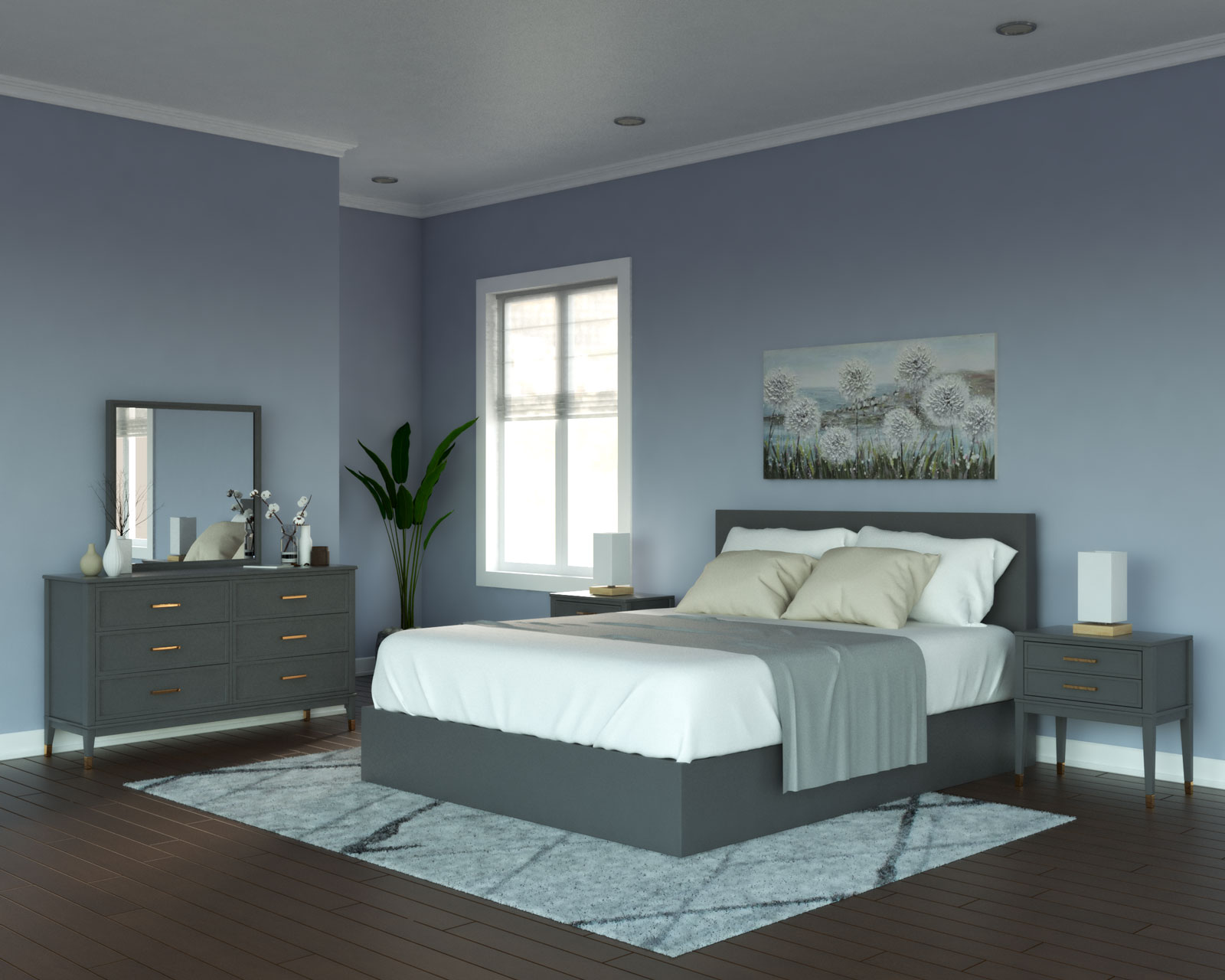
- Deep Charcoal/Near Black: Yes, you can paint walls grey with grey furniture! If your furniture is a light to medium grey, a deep charcoal or even an off-black can create incredible depth and sophistication. This works best with cool grey furniture for a monochrome, edgy look.
- Forest Green/Hunter Green: Rich, sophisticated, and deeply calming. These deep greens pair wonderfully with both cool and warm greys, evoking a sense of nature and luxury. They’re particularly striking with metallic accents.
- Plum/Eggplant: For a truly luxurious and dramatic feel. These deep purple-based hues add a regal touch. They can be stunning with cool-toned grey furniture, providing a rich, opulent contrast.
Designer Tip: Using Lighting to Enhance Drama
With dark walls, thoughtful lighting is crucial. Install dimmers, add bedside lamps with warm bulbs, and consider accent lighting to highlight artwork or architectural features. This prevents the room from feeling like a cave.
The Unexpected & Glamorous: Metallics and Rich Textures
For a touch of luxury and unique flair, don’t overlook metallic finishes or textured wallpapers (or paints that mimic them).
- Soft Silver/Gold/Bronze: A metallic accent wall can bounce light and add glamour. Silvers typically complement cool greys, while golds and bronzes shine with warm greys.
- Textured Finishes: Think of limewash paint for a subtle, organic texture, or a wallpaper with a linen or grasscloth effect. These add a layer of sophistication without overwhelming the space.
Master Comparison: Matching Paint Colors to Your Grey Undertone & Desired Mood
Let’s put it all together in an easy-to-digest table to help you narrow down your choices.
| Paint Color Family | Recommended Grey Undertone Match | Desired Mood | Room Feeling | Key Considerations |
|---|---|---|---|---|
| Crisp White | Cool Grey | Modern, Clean, Fresh | Expansive, Bright | Minimalist; requires texture for warmth. |
| Soft Cream / Off-White | Warm Grey, True Neutral | Cozy, Elegant, Inviting | Soft, Welcoming | Prevents starkness; good base for any decor style. |
| Greige | Warm Grey, True Neutral | Sophisticated, Grounded, Tranquil | Calm, Seamless | Ensures cohesive look; versatile. |
| Dusty Blue / Navy | Cool Grey, True Neutral (Navy for contrast with Warm Grey) | Serene, Relaxing, Elegant | Calm, Deep | Deep blues need good light; add warm accents. |
| Sage Green / Muted Olive | All Greys | Earthy, Balanced, Calm | Organic, Grounded | Naturals enhance its calming effect; highly versatile. |
| Blush Pink / Muted Rose | All Greys | Romantic, Soft, Inviting | Gentle, Warm | Choose desaturated shades to avoid ‘sweetness’. |
| Dusky Red / Terracotta | Warm Grey, True Neutral (Contrast with Cool Grey) | Earthy, Bohemian, Rich | Grounded, Cozy | Great for accent walls; use with natural materials. |
| Deep Charcoal / Off-Black | Cool Grey, True Neutral (if furniture is lighter) | Dramatic, Sophisticated, Intimate | Cocooning, Luxe | Requires ample lighting; balances well with light furniture. |
Beyond the Walls: Complementary Elements for a Harmonious Bedroom
Remember, your bedroom is more than just walls and furniture. These elements tie everything together.
Lighting Matters: Warm vs. Cool Lighting
The type of light bulbs you use can drastically change how your paint colors and grey furniture appear. Warm white bulbs (2700K-3000K) cast a softer, cozier glow, enhancing warm tones and making cool tones feel less stark. Cool white bulbs (4000K-5000K) create a brighter, more energizing environment, making cool tones pop but potentially making warm tones feel dull. For a bedroom, I almost always recommend warm white lighting to foster relaxation.
Textiles & Textures: Adding Depth and Interest
Even with the perfect paint color, a room can fall flat without texture. Incorporate it through:
- Bedding: Think linen, cotton percale, sateen, or a faux fur throw.
- Rugs: A plush shag, a natural jute, or a patterned wool rug.
- Curtains/Drapes: Sheer linen, heavy velvet, or blackout fabrics.
- Pillows: Mix and match different fabrics like velvet, silk, knit, or embroidery.
Accent Colors & Decor: The Finishing Touches
Once your main paint color is chosen, you can introduce accent colors through decor. This is where you bring in pops of vibrancy or complementary muted shades. For instance, with a blue wall and cool grey furniture, consider adding mustard yellow cushions, metallic gold picture frames, or a terracotta vase.
Practical Tips for Choosing and Testing Paint Colors
Theory is great, but execution is key. Here’s how to ensure you pick the absolute best color for YOUR bedroom.
Don’t Skip the Swatches: How to Test Paint Colors Properly
Never, ever judge a paint color by the tiny chip in the store. Buy sample pots and paint large swatches (at least 2’x2′) directly onto your bedroom walls. Paint them on different walls if possible, as light varies. Live with them for a few days, observing them at different times of day – morning, afternoon, and evening, with both natural and artificial light. This is the single most important tip I can give you.
Consider Your Room’s Natural Light
- North-facing rooms: Receive cooler, indirect light. Warm paint colors can help counteract this coolness and make the room feel more inviting.
- South-facing rooms: Bathed in warm, abundant light throughout the day. Almost any color works here, but cool colors can feel incredibly fresh, and warm colors will feel extra vibrant.
- East-facing rooms: Get bright, warm morning light, which turns cooler as the day progresses. Consider colors that look good in both warm and cool light.
- West-facing rooms: Receive warm, intense afternoon and evening light. Colors here can appear very vibrant in the afternoon.
The Psychology of Color: What Mood Do You Want?
Beyond aesthetics, colors influence our emotions. Think about how you want to feel in your bedroom:
:strip_icc()/bhg-gray-bed-printed-rug-red-1900_BHG_Johnson_702-da0b6abcc6ec41ffadec0c6773b9bf0b.jpg "37 Gray Bedroom Ideas for a Relaxing Retreat")
- Calm & Relaxed: Blues, Greens, Muted Purples, Soft Greys
- Cozy & Inviting: Warm Whites, Greiges, Blush Pinks, Dusky Reds
- Energized & Creative: Brighter Yellows (sparingly), Teals, some bold greens (less common for bedrooms, unless an accent)
- Luxurious & Sophisticated: Deep Blues, Emerald Green, Charcoal, Plum
The Importance of Sheen: Flat, Eggshell, Satin?
The finish of your paint also impacts its look and feel. For bedrooms, most designers recommend:
- Flat/Matte: Offers a sophisticated, non-reflective look that hides imperfections well. Ideal for ceilings and low-traffic areas.
- Eggshell: My personal favorite for bedrooms. It has a slight sheen, making it more durable and easier to clean than flat, but still offers a soft, elegant finish.
- Satin: A bit more reflective than eggshell, offering good durability. Often used for trim or high-traffic areas, but can work for walls if you want a subtle glow.
Wall Colors to Approach with Caution (and How to Make Them Work)
While almost any color *can* work, some require more careful consideration with grey furniture:
- Bright Yellows: Can be too jarring or stimulating for a bedroom. If you love yellow, opt for very muted, creamy yellows or use it sparingly as an accent.
- Vibrant Oranges/Reds: Like bright yellows, these can be overstimulating. Stick to the dusky, terracotta, or muted versions mentioned earlier for a more serene bedroom feel.
- Cool Greys on Cool Grey Furniture (without contrast): If your furniture is a cool grey, painting the walls another cool grey that’s too similar can make the room feel monochromatic and cold, lacking depth. Ensure there’s enough difference in shade or undertone, or introduce plenty of warm textures and accents.
Your Bedroom, Your Sanctuary: Making the Final Decision
Choosing the best paint color for your bedroom with grey furniture is an exciting journey of discovery. By understanding your grey’s undertone, considering the mood you want to create, and thoughtfully testing your samples, you’re well on your way to a truly stunning space. Trust your instincts, embrace the process, and remember that your bedroom should be a reflection of you – a comfortable, beautiful sanctuary where you can truly relax and recharge.
Frequently Asked Questions
What is the most popular paint color for a bedroom with grey furniture?
While ‘popular’ can vary, classic choices include soft whites (like a creamy off-white or a crisp bright white), muted blues (such as dusty or sage blue), and serene greens (like sage or muted olive). These colors consistently create a calming and sophisticated backdrop that beautifully complements grey furniture, regardless of its undertone.
Can I use another shade of grey on my walls if I have grey furniture?
Absolutely, but with caution! For success, ensure there’s a significant difference in shade – for example, pairing light grey furniture with a deep charcoal wall, or vice-versa. Also, consider contrasting undertones (e.g., warm grey furniture with a cool grey wall). Adding plenty of textures, natural wood, and varied lighting will prevent the room from feeling flat or monotonous.
How do I make a bedroom with grey furniture feel warmer?
To warm up a grey furniture bedroom, opt for paint colors with warm undertones like soft creams, light greiges, blush pinks, or even muted terracottas. Incorporate warm-toned lighting (2700K-3000K bulbs), introduce natural wood elements, and layer with cozy textiles like chunky knits, faux fur, or velvet in rich, warm hues like mustard yellow, rust, or deep burgundy.
What colors should I avoid with grey bedroom furniture?
It’s less about ‘avoiding’ and more about ‘approaching with caution.’ Overly saturated or primary colors like very bright yellows, oranges, or reds can be too stimulating for a bedroom and clash with grey’s inherent calmness. If you love these hues, opt for their muted, dusty, or earthy versions (e.g., mustard, terracotta, dusky rose) or use them sparingly as small accents to maintain a serene atmosphere.
Does natural light affect my paint color choice with grey furniture?
Yes, significantly! Natural light dictates how colors appear throughout the day. North-facing rooms with cool light benefit from warmer paint colors to add coziness. South-facing rooms with abundant warm light can handle almost any color. Always test paint swatches on your walls and observe them at different times of day to see how they interact with your room’s unique lighting conditions before committing.
Should my trim be painted the same color as the walls with grey furniture?
Generally, no. Painting trim the same color as the walls can create a seamless, modern look that blurs boundaries, making rooms feel larger. However, a crisp white or a lighter shade of your wall color (or even a darker shade for bold contrast) for trim can provide definition and highlight architectural details, which often looks very elegant with grey furniture. It depends on the desired aesthetic – seamless modern vs. defined classic.