The Definitive Guide to Choosing the Best Bedroom Paint Colors with Dark Wood Furniture
So, you’ve got beautiful dark wood furniture in your bedroom – maybe a stately mahogany bed frame, a rich walnut dresser, or sleek espresso nightstands. Elegant, sophisticated, and undeniably classic, dark wood furniture brings a certain gravitas to a space. But let’s be honest, it can also feel a bit heavy, even daunting, when it comes to picking the perfect paint color. You’re not alone if you’ve stared at swatches, wondering if that lovely grey will make your room feel like a dungeon, or if a cream color will just look… bland.
Choosing the right paint color to complement dark wood furniture isn’t just about finding a shade you like; it’s about creating a harmonious balance, enhancing the wood’s natural beauty, and ultimately, crafting a bedroom that feels like a serene sanctuary. This isn’t just a list of colors; it’s a comprehensive guide to understanding the interplay between your furniture, your walls, and your desired mood. We’ll dive deep into undertones, lighting, room size, and the psychological impact of color, giving you the confidence to transform your bedroom into a space you truly love.
Before we dive into the nitty-gritty, here’s a quick cheat sheet of the top color families that generally work wonders with dark wood furniture:
- Serene Whites & Off-Whites: For a crisp, classic, or contemporary contrast.
- Sophisticated Greys & Greiges: Modern and versatile, offering a balanced backdrop.
- Calming Blues & Greens: Introduce tranquility and natural harmony.
- Warm Neutrals (Beiges & Taupes): For understated elegance and a cozy feel.
- Rich & Moody Hues: For a dramatic, luxurious, or intimate atmosphere in larger spaces.
Ready to unlock your bedroom’s full potential? Let’s begin.
Understanding Your Dark Wood Furniture: More Than Just ‘Dark’
This is where many go wrong. They see ‘dark wood’ and think it’s all the same. But just like skin tones, dark woods have different undertones that significantly impact how they interact with paint colors. Identifying these undertones is the single most important step in creating a cohesive, beautiful space.
Identifying Your Furniture’s Undertones
Look closely at your dark wood furniture under natural light. What subtle colors do you see peeking through the dominant dark brown or black? This can be tricky, but here’s how to break it down:
- Red/Orange Undertones: Think rich cherry, mahogany, or warmer-toned walnuts. These woods often have a warm, inviting glow. If you hold a white piece of paper next to the wood, you’ll see hints of red, orange, or even a deep gold.
- Yellow/Gold Undertones: Some older oaks, certain types of walnut, or even some mid-century pieces can lean more yellow or golden. This gives them a rich, sunny warmth.
- Cool/Ashy Undertones: Espresso, ebonized wood, wenge, or very dark, almost black stains often have cool undertones, appearing greyish, purplish, or even slightly bluish in certain lights. These can feel very modern and sleek.
Understanding these undertones allows you to choose paint colors that either complement them (creating harmony) or deliberately contrast them (creating visual interest). For example, a blue-grey wall will sing next to red-toned mahogany, enhancing its richness.
The Core Principles of Pairing Paint Colors with Dark Wood
With your furniture’s undertones in mind, let’s explore the fundamental strategies for pairing paint colors. It’s like a dance – you want your walls and furniture to move together, not trip over each other.
Contrast for Drama and Light
This is often the most popular approach. By choosing lighter paint colors, you create a striking contrast with your dark wood furniture. This strategy makes the furniture pop, becoming a focal point, while the lighter walls keep the room feeling bright and airy. Think crisp whites, light greys, or pale blues. This works exceptionally well in smaller rooms or spaces with limited natural light, as it visually expands the area.
Harmony for Serenity and Sophistication
For a more subtle, enveloping, and sophisticated look, choose paint colors that share similar undertones or intensity with your dark wood. This creates a monochromatic or analogous color scheme, where elements flow seamlessly into one another. Imagine a warm taupe wall with a warm walnut bed, or a deep, dusty blue with an espresso dresser. This approach often results in a very calming and luxurious atmosphere, perfect for a peaceful bedroom retreat.
Balance for Timeless Appeal
Sometimes, you want a bit of both. A balanced approach means selecting a paint color that neither harshly contrasts nor completely blends, but rather sits comfortably in between. This often involves mid-tone neutrals or muted versions of colors that offer enough distinction to highlight the furniture without making the room feel too stark or too heavy. This strategy is fantastic for creating a timeless, elegant, and adaptable space.
Top Paint Color Categories That Transform Bedrooms with Dark Wood Furniture
Now that we understand the ‘why,’ let’s get into the ‘what.’ Here are the top paint color categories, each with its unique advantages and considerations when paired with dark wood furniture.
1. Serene Whites & Off-Whites: The Classic Canvas
You can’t go wrong with white. It’s the ultimate contrast, making dark wood furniture truly stand out. But ‘white’ isn’t just one color. You have a spectrum:

- Crisp, Cool Whites: Think bright, gallery-like whites. Best with dark woods that have cool or ashy undertones (like ebony or cool espresso) for a modern, minimalist look.
- Warm Whites & Creamy Off-Whites: These whites have subtle yellow, beige, or pink undertones. They are incredibly versatile and soften the contrast, adding warmth and coziness. They pair beautifully with almost all dark wood undertones, especially red/orange (mahogany, cherry) and yellow/gold (walnut, oak).
Why it works: Visually expands space, enhances natural light, and creates a clean, elegant backdrop for your furniture.
2. Sophisticated Greys: Modern Edge Meets Timelessness
“Can I use grey with dark wood?” Absolutely! Grey is a power player in modern interiors, offering a bridge between stark white and deeper colors. Its versatility lies in its own undertones:
- Warm Greys (Greiges): These are greys with noticeable beige or brown undertones. They offer the sophistication of grey but with added warmth, making them perfect for dark woods with red, orange, or yellow undertones. They create a soft, inviting harmony.
- Cool Greys: These greys have blue or green undertones. They create a beautiful, crisp contrast with warm-toned dark woods (mahogany, cherry) and can create a sleek, monochromatic look with cool-toned dark woods (espresso, wenge).
Why it works: Modern, versatile, and can be both soothing and sophisticated. It provides a balanced backdrop that allows dark wood to shine without feeling too stark.
3. Calming Blues: Retreat to Tranquility
Blue is the color of calm, serenity, and relaxation – ideal for a bedroom. It offers a beautiful natural contrast to the warmth of most dark woods.
- Pale, Dusty Blues: Think a soft sky blue or a muted slate blue. These are refreshing and light, creating a serene, airy feel. They contrast beautifully with red/orange undertones in wood.
- Deep, Muted Blues: Colors like denim blue, stormy blue, or even a soft navy can create a luxurious, enveloping atmosphere. They pair wonderfully with warm dark woods, creating a sophisticated and cozy retreat.
Why it works: Evokes calm, pairs well with warm wood undertones, and adds depth and sophistication.
4. Earthy Greens: Nature’s Embrace
Greens are grounding, fresh, and bring the tranquility of nature indoors. They are particularly harmonious with dark wood, especially those with warm undertones.
- Soft Sage or Olive Green: These muted, earthy greens create a natural, organic feel. They blend beautifully with the natural essence of wood, creating a very cohesive and peaceful space. Excellent with all wood undertones, particularly warm ones.
- Deep Forest or Emerald Green: For a more dramatic and luxurious feel, these deeper greens create a rich, jewel-toned backdrop that truly makes dark wood pop. Ideal for larger rooms or accent walls.
Why it works: Connects to nature, creates a soothing and balanced environment, and enhances the natural beauty of wood.
5. Warm Neutrals (Beiges & Taupes): Understated Elegance
When you want warmth and sophistication without stark contrast, warm neutrals are your answer. They create a seamless, cohesive look that feels luxurious and inviting.
- Creamy Beiges & Sand Tones: These soft, inviting shades complement the warmth of dark wood beautifully, creating a cozy and classic atmosphere. They are particularly harmonious with red, orange, or yellow-toned dark woods.
- Taupes (Greys with Brown Undertones): Like greiges, taupes offer a sophisticated balance. They have more warmth than a cool grey but more depth than a simple beige, making them incredibly versatile for a refined, understated look.
Why it works: Creates a warm, inviting, and sophisticated atmosphere, allowing the dark wood to blend elegantly rather than sharply contrast.
6. Rich & Moody Hues: Bold Statements
Don’t shy away from deeper colors, especially if you have a larger bedroom or desire a truly intimate, luxurious retreat. These colors demand attention and create a powerful statement.
- Charcoal Grey or Deep Plum: These rich, saturated colors can create an incredibly dramatic and sophisticated backdrop for dark wood. They work best in rooms with ample natural light to prevent feeling too heavy, or when purposefully aiming for a cozy, cocoon-like effect.
- Deep Teal or Hunter Green: These jewel tones offer a luxurious depth and can truly make dark wood glow. They are fantastic for adding a sense of opulence and character.
Why it works: Creates drama, luxury, and intimacy. Ideal for making a bold design statement and for larger rooms where depth is desired.
To help you visualize and compare, here’s a breakdown:
| Color Family | Best Wood Undertones | Mood Created | Room Size Suitability | Ideal Lighting | Key Consideration |
|---|---|---|---|---|---|
| Serene Whites & Off-Whites | All, especially warm (red/orange) | Clean, airy, expansive, classic | Small to Large | All, especially low light | Choose undertone carefully (cool vs. warm white) |
| Sophisticated Greys & Greiges | Warm greys for warm woods; Cool greys for warm/cool woods | Modern, balanced, calm, sophisticated | Small to Large | All | Identify grey’s undertone to match/contrast wood |
| Calming Blues | Red/Orange undertones (for contrast); Cool undertones (for harmony) | Tranquil, serene, fresh, deep | Small to Large | All | Lighter blues for airiness, deeper blues for drama |
| Earthy Greens | All, especially warm (red/orange) | Natural, calming, organic, luxurious | Small to Large | All | Muted greens for soothing, deep greens for dramatic |
| Warm Neutrals (Beiges & Taupes) | Warm (red/orange, yellow/gold) | Cozy, inviting, understated, sophisticated | Small to Large | All | Ensure the neutral has enough depth to not look ‘muddy’ |
| Rich & Moody Hues | All, depending on desired contrast/harmony | Dramatic, luxurious, intimate, bold | Medium to Large | Abundant natural light helps; can be cozy in low light | Best for larger rooms or accent walls; balance with light textiles |
Beyond Color: Factors Influencing Your Bedroom’s Ambiance
A paint color doesn’t exist in a vacuum. Your bedroom’s unique characteristics play a huge role in how a color appears and feels. Overlooking these can lead to disappointment, so let’s consider them carefully.
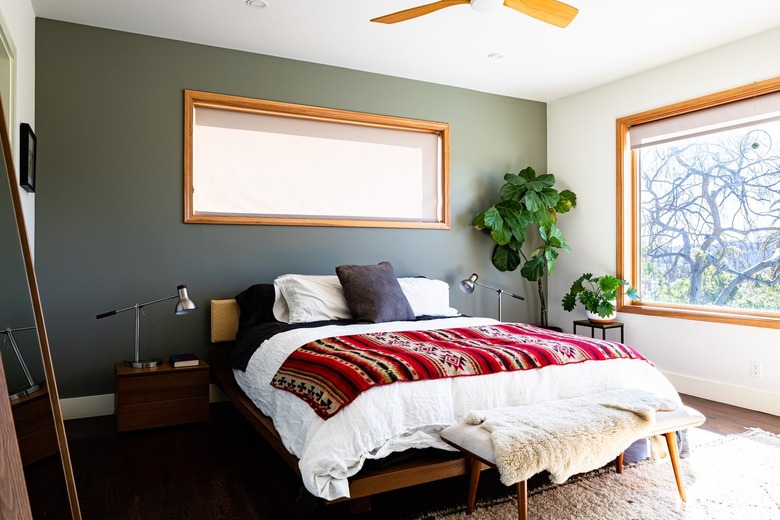
The Power of Light: Natural vs. Artificial
Light is a magical, ever-changing element that dramatically alters how paint colors are perceived. A color that looks vibrant in the store might look dull in a dimly lit room, or too intense in a bright one.
- Natural Light:
- North-facing rooms: Receive cooler, indirect light. Warm paint colors (creamy whites, warm greys, beiges) can counteract this coolness and make the room feel more inviting.
- South-facing rooms: Bathed in warm, bright light throughout the day. Almost any color works here, but cooler tones (blues, cool greys) can feel crisp and refreshing, while warm tones will be intensified.
- East-facing rooms: Get bright, warm morning light, which fades to cooler light in the afternoon. Consider colors that look good in both warm and cool light, or embrace the morning glow with lighter, brighter shades.
- West-facing rooms: Enjoy warm, intense afternoon and evening light. Colors here will be intensified in the afternoon, so muted or cooler shades can provide balance.
- Artificial Light:
- Incandescent/Warm LED: These lights cast a warm, yellowish glow, which can make cool colors appear duller and warm colors more intense.
- Fluorescent/Cool LED: These lights tend to have a bluer or whiter cast, which can make warm colors appear muted and cool colors more vibrant.
- Full-spectrum LED: Mimics natural daylight and offers the most accurate color rendition.
Pro Tip: Always test paint swatches on different walls in your bedroom, observing them at various times of day and under different lighting conditions.
Room Size & Layout: Maximizing Space & Style
The size and layout of your bedroom significantly influence color choice. Paint can visually manipulate space, making a room feel larger, cozier, or more expansive.
- Small Bedrooms: Lighter colors (whites, pale greys, soft blues, light greens) are generally preferred. They reflect light, making the walls recede and the room feel more open and airy. While dark furniture can sometimes overwhelm a small space, a light wall color creates necessary contrast to keep it from feeling claustrophobic.
- Large Bedrooms: You have more freedom! Deeper, richer colors (deep blues, forest greens, moody greys, even charcoal) can create a sense of intimacy and luxury, preventing a large room from feeling cavernous. These colors can help ground the dark furniture and create a cohesive, sophisticated look.
- Awkward Layouts: Use color strategically. A darker accent wall can draw attention to a specific feature (like behind the bed) and away from an architectural imperfection.
Considering Your Bedroom’s Overall Style
Your paint color should harmonize with your existing decor style and the style of your dark wood furniture.
- Traditional/Classic: Dark wood often implies a traditional or classic aesthetic. Warm whites, creamy beiges, soft greys, or muted blues and greens complement this style beautifully, evoking timeless elegance.
- Modern/Minimalist: For sleek, contemporary dark wood furniture, crisp whites, cool greys, or stark charcoal can create a clean, sophisticated, and minimalist look.
- Rustic/Farmhouse: Dark, distressed wood furniture can be paired with warm whites, sage greens, or even muted blues to create a cozy, inviting, and organic feel.
- Eclectic: This style allows for more freedom! Bold colors, rich jewel tones, or unexpected pairings can work. The key is to ensure the color contributes to a cohesive, curated look rather than feeling chaotic.
The Role of Textiles & Accessories
Paint isn’t the only color in the room! Your bedding, curtains, rugs, and decorative accessories are crucial for tying the whole scheme together. These elements can introduce accent colors, add texture, and soften the intensity of dark furniture and walls.
- Lighten Up: If you’ve chosen a deeper wall color, use light-colored bedding, sheer curtains, or a light area rug to balance the intensity and add softness.
- Introduce Texture: Velvet, linen, chunky knits – different textures add warmth and depth, preventing a room from feeling flat.
- Pops of Color: Use throw pillows, a vibrant piece of art, or a colorful vase to introduce a contrasting or complementary accent color. This adds personality and draws the eye.
Your Step-by-Step Guide to Choosing the Perfect Paint Color
Feeling a bit overwhelmed? Don’t be! Here’s a clear, actionable process to help you narrow down your choices and select the ideal paint color for your bedroom with dark wood furniture.
1. Assess Your Furniture’s Undertones & Style
As discussed, this is foundational. Grab a white sheet of paper and look closely at your dark wood furniture. Is it leaning red/orange, yellow/gold, or cool/ashy? Also, consider the style: Is it ornate traditional, sleek modern, or something in between? This will guide your initial color family selection.
2. Define Your Desired Mood
How do you want your bedroom to feel? Peaceful and serene? Cozy and intimate? Bright and energetic? Luxurious and dramatic? Your desired mood will heavily influence whether you lean towards lighter, softer hues or deeper, more saturated tones.
3. Evaluate Your Room’s Lighting & Size
Consider the amount of natural light your room receives and its direction. Think about how artificial lighting impacts the space. Is it a small room you want to open up, or a large room you want to make cozier? These practical considerations will help you eliminate unsuitable colors.
4. Explore Color Families (Using the Guide Above)
Based on steps 1-3, revisit our ‘Top Paint Color Categories’ section. Which categories align best with your furniture’s undertones, desired mood, and room characteristics? Select 2-3 color families that resonate with you. For example, if you have warm mahogany furniture, want a serene feel, and have a north-facing room, you might explore warm whites, greiges, and soft greens.
5. Test, Test, Test! (Swatch Advice)
This is the most crucial step. Never skip it. Buy sample pots of your top 2-3 paint choices. Paint large swatches (at least 2×2 feet) directly onto different walls in your bedroom, including one behind your dark wood furniture. Observe the swatches throughout the day and night, under both natural and artificial light. See how they interact with your furniture, flooring, and existing textiles. Don’t rush this process; live with the swatches for a few days if possible. What looks good on a small chip can be overwhelming on a whole wall.
6. Consider the Ceiling & Trim
Don’t forget the fifth wall! While white ceilings are classic, consider painting your ceiling a lighter shade of your wall color for a more enveloping, sophisticated look, especially in a large room. For trim, a crisp white often looks best, offering a clean line against both dark wood and your chosen wall color. However, matching your trim to your wall color can create a seamless, modern aesthetic.
Common Pitfalls to Avoid
Even with the best intentions, it’s easy to make mistakes. Here are some common traps to steer clear of:
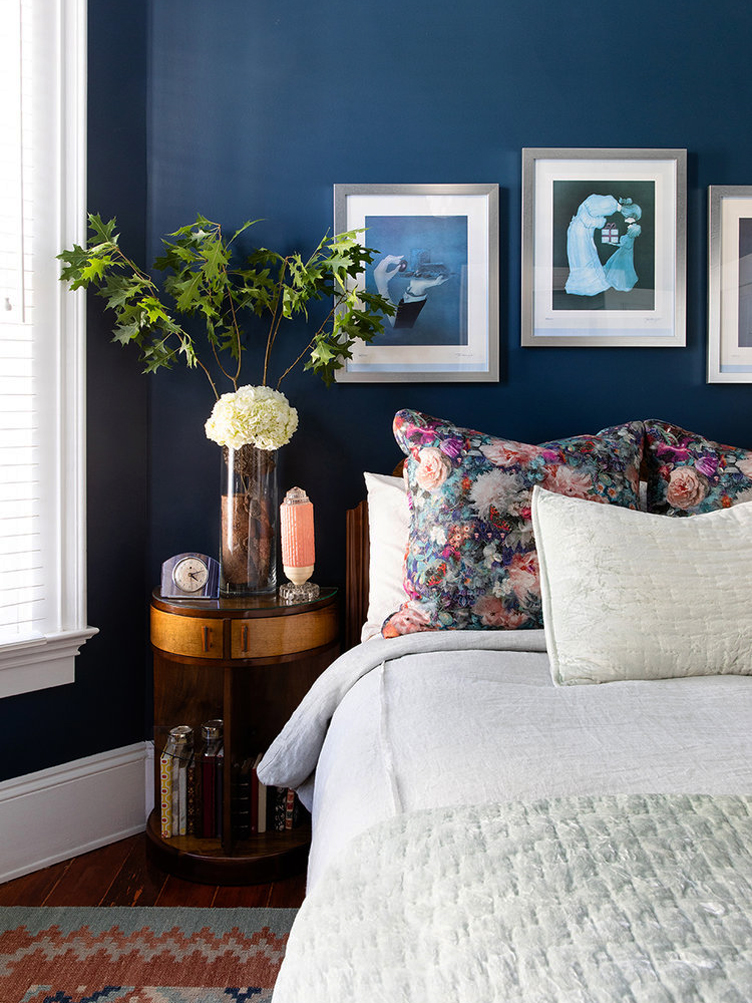
- Ignoring Undertones: This is probably the biggest offender. A cool grey with a very red-toned mahogany can clash rather than complement. Always acknowledge your wood’s inherent color.
- Not Testing Swatches: Seriously, don’t skip this. That perfect color chip can look entirely different on your wall.
- Overlooking Lighting: What looks fantastic in a brightly lit showroom will look different in your actual bedroom. Light changes everything.
- Choosing Too Many Competing Elements: Dark furniture is a strong statement. If you pair it with a bold wall color, make sure other elements (bedding, rug, art) support the overall mood rather than fighting for attention. Simplicity often works best.
- Being Afraid of Contrast or Depth: While light and airy is lovely, sometimes a bolder, deeper color is exactly what a room with dark furniture needs to feel grounded and luxurious. Don’t be afraid to experiment with richer tones.
Final Thoughts on Creating Your Dream Bedroom
Your bedroom should be your personal retreat, a place where you feel most at ease. Dark wood furniture provides a wonderful foundation of elegance and warmth, and with the right paint color, you can amplify its beauty and create a truly harmonious space. Remember, there’s no single ‘right’ answer, but there are definitely principles that lead to success.
Take your time, trust your instincts, and most importantly, enjoy the process of designing a space that reflects your style and promotes peaceful rest. With the insights from this guide, you’re well-equipped to choose a paint color that doesn’t just match your dark wood furniture, but truly elevates your entire bedroom.
”
}
{
“content”: “
The Definitive Guide to Choosing the Best Bedroom Paint Colors with Dark Wood Furniture
So, you’ve got beautiful dark wood furniture in your bedroom – maybe a stately mahogany bed frame, a rich walnut dresser, or sleek espresso nightstands. Elegant, sophisticated, and undeniably classic, dark wood furniture brings a certain gravitas to a space. But let’s be honest, it can also feel a bit heavy, even daunting, when it comes to picking the perfect paint color. You’re not alone if you’ve stared at swatches, wondering if that lovely grey will make your room feel like a dungeon, or if a cream color will just look… bland.
Choosing the right paint color to complement dark wood furniture isn’t just about finding a shade you like; it’s about creating a harmonious balance, enhancing the wood’s natural beauty, and ultimately, crafting a bedroom that feels like a serene sanctuary. This isn’t just a list of colors; it’s a comprehensive guide to understanding the interplay between your furniture, your walls, and your desired mood. We’ll dive deep into undertones, lighting, room size, and the psychological impact of color, giving you the confidence to transform your bedroom into a space you truly love.
Before we dive into the nitty-gritty, here’s a quick cheat sheet of the top color families that generally work wonders with dark wood furniture:
- Serene Whites & Off-Whites: For a crisp, classic, or contemporary contrast.
- Sophisticated Greys & Greiges: Modern and versatile, offering a balanced backdrop.
- Calming Blues & Greens: Introduce tranquility and natural harmony.
- Warm Neutrals (Beiges & Taupes): For understated elegance and a cozy feel.
- Rich & Moody Hues: For a dramatic, luxurious, or intimate atmosphere in larger spaces.
Ready to unlock your bedroom’s full potential? Let’s begin.
Understanding Your Dark Wood Furniture: More Than Just ‘Dark’
This is where many go wrong. They see ‘dark wood’ and think it’s all the same. But just like skin tones, dark woods have different undertones that significantly impact how they interact with paint colors. Identifying these undertones is the single most important step in creating a cohesive, beautiful space.
Identifying Your Furniture’s Undertones
Look closely at your dark wood furniture under natural light. What subtle colors do you see peeking through the dominant dark brown or black? This can be tricky, but here’s how to break it down:
- Red/Orange Undertones: Think rich cherry, mahogany, or warmer-toned walnuts. These woods often have a warm, inviting glow. If you hold a white piece of paper next to the wood, you’ll see hints of red, orange, or even a deep gold.
- Yellow/Gold Undertones: Some older oaks, certain types of walnut, or even some mid-century pieces can lean more yellow or golden. This gives them a rich, sunny warmth.
- Cool/Ashy Undertones: Espresso, ebonized wood, wenge, or very dark, almost black stains often have cool undertones, appearing greyish, purplish, or even slightly bluish in certain lights. These can feel very modern and sleek.
Understanding these undertones allows you to choose paint colors that either complement them (creating harmony) or deliberately contrast them (creating visual interest). For example, a blue-grey wall will sing next to red-toned mahogany, enhancing its richness.
The Core Principles of Pairing Paint Colors with Dark Wood
With your furniture’s undertones in mind, let’s explore the fundamental strategies for pairing paint colors. It’s like a dance – you want your walls and furniture to move together, not trip over each other.
Contrast for Drama and Light
This is often the most popular approach. By choosing lighter paint colors, you create a striking contrast with your dark wood furniture. This strategy makes the furniture pop, becoming a focal point, while the lighter walls keep the room feeling bright and airy. Think crisp whites, light greys, or pale blues. This works exceptionally well in smaller rooms or spaces with limited natural light, as it visually expands the area.
Harmony for Serenity and Sophistication
For a more subtle, enveloping, and sophisticated look, choose paint colors that share similar undertones or intensity with your dark wood. This creates a monochromatic or analogous color scheme, where elements flow seamlessly into one another. Imagine a warm taupe wall with a warm walnut bed, or a deep, dusty blue with an espresso dresser. This approach often results in a very calming and luxurious atmosphere, perfect for a peaceful bedroom retreat.
Balance for Timeless Appeal
Sometimes, you want a bit of both. A balanced approach means selecting a paint color that neither harshly contrasts nor completely blends, but rather sits comfortably in between. This often involves mid-tone neutrals or muted versions of colors that offer enough distinction to highlight the furniture without making the room feel too stark or too heavy. This strategy is fantastic for creating a timeless, elegant, and adaptable space.
![8 Colour Schemes for Dark Wood Furniture [Trending Picks]](https://kukabyarterio.com/wp-content/uploads/2024/10/dark-wood-furniture-colour-schemes.webp "8 Colour Schemes for Dark Wood Furniture [Trending Picks]")
Top Paint Color Categories That Transform Bedrooms with Dark Wood Furniture
Now that we understand the ‘why,’ let’s get into the ‘what.’ Here are the top paint color categories, each with its unique advantages and considerations when paired with dark wood furniture.
1. Serene Whites & Off-Whites: The Classic Canvas
You can’t go wrong with white. It’s the ultimate contrast, making dark wood furniture truly stand out. But ‘white’ isn’t just one color. You have a spectrum:
- Crisp, Cool Whites: Think bright, gallery-like whites. Best with dark woods that have cool or ashy undertones (like ebony or cool espresso) for a modern, minimalist look.
- Warm Whites & Creamy Off-Whites: These whites have subtle yellow, beige, or pink undertones. They are incredibly versatile and soften the contrast, adding warmth and coziness. They pair beautifully with almost all dark wood undertones, especially red/orange (mahogany, cherry) and yellow/gold (walnut, oak).
Why it works: Visually expands space, enhances natural light, and creates a clean, elegant backdrop for your furniture.
2. Sophisticated Greys: Modern Edge Meets Timelessness
“Can I use grey with dark wood?” Absolutely! Grey is a power player in modern interiors, offering a bridge between stark white and deeper colors. Its versatility lies in its own undertones:
- Warm Greys (Greiges): These are greys with noticeable beige or brown undertones. They offer the sophistication of grey but with added warmth, making them perfect for dark woods with red, orange, or yellow undertones. They create a soft, inviting harmony.
- Cool Greys: These greys have blue or green undertones. They create a beautiful, crisp contrast with warm-toned dark woods (mahogany, cherry) and can create a sleek, monochromatic look with cool-toned dark woods (espresso, wenge).
Why it works: Modern, versatile, and can be both soothing and sophisticated. It provides a balanced backdrop that allows dark wood to shine without feeling too stark.
3. Calming Blues: Retreat to Tranquility
Blue is the color of calm, serenity, and relaxation – ideal for a bedroom. It offers a beautiful natural contrast to the warmth of most dark woods.
- Pale, Dusty Blues: Think a soft sky blue or a muted slate blue. These are refreshing and light, creating a serene, airy feel. They contrast beautifully with red/orange undertones in wood.
- Deep, Muted Blues: Colors like denim blue, stormy blue, or even a soft navy can create a luxurious, enveloping atmosphere. They pair wonderfully with warm dark woods, creating a sophisticated and cozy retreat.
Why it works: Evokes calm, pairs well with warm wood undertones, and adds depth and sophistication.
4. Earthy Greens: Nature’s Embrace
Greens are grounding, fresh, and bring the tranquility of nature indoors. They are particularly harmonious with dark wood, especially those with warm undertones.
- Soft Sage or Olive Green: These muted, earthy greens create a natural, organic feel. They blend beautifully with the natural essence of wood, creating a very cohesive and peaceful space. Excellent with all wood undertones, particularly warm ones.
- Deep Forest or Emerald Green: For a more dramatic and luxurious feel, these deeper greens create a rich, jewel-toned backdrop that truly makes dark wood pop. Ideal for larger rooms or accent walls.
Why it works: Connects to nature, creates a soothing and balanced environment, and enhances the natural beauty of wood.
5. Warm Neutrals (Beiges & Taupes): Understated Elegance
When you want warmth and sophistication without stark contrast, warm neutrals are your answer. They create a seamless, cohesive look that feels luxurious and inviting.
- Creamy Beiges & Sand Tones: These soft, inviting shades complement the warmth of dark wood beautifully, creating a cozy and classic atmosphere. They are particularly harmonious with red, orange, or yellow-toned dark woods.
- Taupes (Greys with Brown Undertones): Like greiges, taupes offer a sophisticated balance. They have more warmth than a cool grey but more depth than a simple beige, making them incredibly versatile for a refined, understated look.
Why it works: Creates a warm, inviting, and sophisticated atmosphere, allowing the dark wood to blend elegantly rather than sharply contrast.
6. Rich & Moody Hues: Bold Statements
Don’t shy away from deeper colors, especially if you have a larger bedroom or desire a truly intimate, luxurious retreat. These colors demand attention and create a powerful statement.
- Charcoal Grey or Deep Plum: These rich, saturated colors can create an incredibly dramatic and sophisticated backdrop for dark wood. They work best in rooms with ample natural light to prevent feeling too heavy, or when purposefully aiming for a cozy, cocoon-like effect.
- Deep Teal or Hunter Green: These jewel tones offer a luxurious depth and can truly make dark wood glow. They are fantastic for adding a sense of opulence and character.
Why it works: Creates drama, luxury, and intimacy. Ideal for making a bold design statement and for larger rooms where depth is desired.

To help you visualize and compare, here’s a breakdown:
| Color Family | Best Wood Undertones | Mood Created | Room Size Suitability | Ideal Lighting | Key Consideration |
|---|---|---|---|---|---|
| Serene Whites & Off-Whites | All, especially warm (red/orange) | Clean, airy, expansive, classic | Small to Large | All, especially low light | Choose undertone carefully (cool vs. warm white) |
| Sophisticated Greys & Greiges | Warm greys for warm woods; Cool greys for warm/cool woods | Modern, balanced, calm, sophisticated | Small to Large | All | Identify grey’s undertone to match/contrast wood |
| Calming Blues | Red/Orange undertones (for contrast); Cool undertones (for harmony) | Tranquil, serene, fresh, deep | Small to Large | All | Lighter blues for airiness, deeper blues for drama |
| Earthy Greens | All, especially warm (red/orange) | Natural, calming, organic, luxurious | Small to Large | All | Muted greens for soothing, deep greens for dramatic |
| Warm Neutrals (Beiges & Taupes) | Warm (red/orange, yellow/gold) | Cozy, inviting, understated, sophisticated | Small to Large | All | Ensure the neutral has enough depth to not look ‘muddy’ |
| Rich & Moody Hues | All, depending on desired contrast/harmony | Dramatic, luxurious, intimate, bold | Medium to Large | Abundant natural light helps; can be cozy in low light | Best for larger rooms or accent walls; balance with light textiles |
Beyond Color: Factors Influencing Your Bedroom’s Ambiance
A paint color doesn’t exist in a vacuum. Your bedroom’s unique characteristics play a huge role in how a color appears and feels. Overlooking these can lead to disappointment, so let’s consider them carefully.
The Power of Light: Natural vs. Artificial
Light is a magical, ever-changing element that dramatically alters how paint colors are perceived. A color that looks vibrant in the store might look dull in a dimly lit room, or too intense in a bright one.
- Natural Light:
- North-facing rooms: Receive cooler, indirect light. Warm paint colors (creamy whites, warm greys, beiges) can counteract this coolness and make the room feel more inviting.
- South-facing rooms: Bathed in warm, bright light throughout the day. Almost any color works here, but cooler tones (blues, cool greys) can feel crisp and refreshing, while warm tones will be intensified.
- East-facing rooms: Get bright, warm morning light, which fades to cooler light in the afternoon. Consider colors that look good in both warm and cool light, or embrace the morning glow with lighter, brighter shades.
- West-facing rooms: Enjoy warm, intense afternoon and evening light. Colors here will be intensified in the afternoon, so muted or cooler shades can provide balance.
- Artificial Light:
- Incandescent/Warm LED: These lights cast a warm, yellowish glow, which can make cool colors appear duller and warm colors more intense.
- Fluorescent/Cool LED: These lights tend to have a bluer or whiter cast, which can make warm colors appear muted and cool colors more vibrant.
- Full-spectrum LED: Mimics natural daylight and offers the most accurate color rendition.
Pro Tip: Always test paint swatches on different walls in your bedroom, observing them at various times of day and under different lighting conditions.
Room Size & Layout: Maximizing Space & Style
The size and layout of your bedroom significantly influence color choice. Paint can visually manipulate space, making a room feel larger, cozier, or more expansive.
- Small Bedrooms: Lighter colors (whites, pale greys, soft blues, light greens) are generally preferred. They reflect light, making the walls recede and the room feel more open and airy. While dark furniture can sometimes overwhelm a small space, a light wall color creates necessary contrast to keep it from feeling claustrophobic.
- Large Bedrooms: You have more freedom! Deeper, richer colors (deep blues, forest greens, moody greys, even charcoal) can create a sense of intimacy and luxury, preventing a large room from feeling cavernous. These colors can help ground the dark furniture and create a cohesive, sophisticated look.
- Awkward Layouts: Use color strategically. A darker accent wall can draw attention to a specific feature (like behind the bed) and away from an architectural imperfection.
Considering Your Bedroom’s Overall Style
Your paint color should harmonize with your existing decor style and the style of your dark wood furniture.
- Traditional/Classic: Dark wood often implies a traditional or classic aesthetic. Warm whites, creamy beiges, soft greys, or muted blues and greens complement this style beautifully, evoking timeless elegance.
- Modern/Minimalist: For sleek, contemporary dark wood furniture, crisp whites, cool greys, or stark charcoal can create a clean, sophisticated, and minimalist look.
- Rustic/Farmhouse: Dark, distressed wood furniture can be paired with warm whites, sage greens, or even muted blues to create a cozy, inviting, and organic feel.
- Eclectic: This style allows for more freedom! Bold colors, rich jewel tones, or unexpected pairings can work. The key is to ensure the color contributes to a cohesive, curated look rather than feeling chaotic.
The Role of Textiles & Accessories
Paint isn’t the only color in the room! Your bedding, curtains, rugs, and decorative accessories are crucial for tying the whole scheme together. These elements can introduce accent colors, add texture, and soften the intensity of dark furniture and walls.
- Lighten Up: If you’ve chosen a deeper wall color, use light-colored bedding, sheer curtains, or a light area rug to balance the intensity and add softness.
- Introduce Texture: Velvet, linen, chunky knits – different textures add warmth and depth, preventing a room from feeling flat.
- Pops of Color: Use throw pillows, a vibrant piece of art, or a colorful vase to introduce a contrasting or complementary accent color. This adds personality and draws the eye.
Your Step-by-Step Guide to Choosing the Perfect Paint Color
Feeling a bit overwhelmed? Don’t be! Here’s a clear, actionable process to help you narrow down your choices and select the ideal paint color for your bedroom with dark wood furniture.
1. Assess Your Furniture’s Undertones & Style
As discussed, this is foundational. Grab a white sheet of paper and look closely at your dark wood furniture. Is it leaning red/orange, yellow/gold, or cool/ashy? Also, consider the style: Is it ornate traditional, sleek modern, or something in between? This will guide your initial color family selection.
2. Define Your Desired Mood
How do you want your bedroom to feel? Peaceful and serene? Cozy and intimate? Bright and energetic? Luxurious and dramatic? Your desired mood will heavily influence whether you lean towards lighter, softer hues or deeper, more saturated tones.
3. Evaluate Your Room’s Lighting & Size
Consider the amount of natural light your room receives and its direction. Think about how artificial lighting impacts the space. Is it a small room you want to open up, or a large room you want to make cozier? These practical considerations will help you eliminate unsuitable colors.
4. Explore Color Families (Using the Guide Above)
Based on steps 1-3, revisit our ‘Top Paint Color Categories’ section. Which categories align best with your furniture’s undertones, desired mood, and room characteristics? Select 2-3 color families that resonate with you. For example, if you have warm mahogany furniture, want a serene feel, and have a north-facing room, you might explore warm whites, greiges, and soft greens.
5. Test, Test, Test! (Swatch Advice)
This is the most crucial step. Never skip it. Buy sample pots of your top 2-3 paint choices. Paint large swatches (at least 2×2 feet) directly onto different walls in your bedroom, including one behind your dark wood furniture. Observe the swatches throughout the day and night, under both natural and artificial light. See how they interact with your furniture, flooring, and existing textiles. Don’t rush this process; live with the swatches for a few days if possible. What looks good on a small chip can be overwhelming on a whole wall.
6. Consider the Ceiling & Trim
Don’t forget the fifth wall! While white ceilings are classic, consider painting your ceiling a lighter shade of your wall color for a more enveloping, sophisticated look, especially in a large room. For trim, a crisp white often looks best, offering a clean line against both dark wood and your chosen wall color. However, matching your trim to your wall color can create a seamless, modern aesthetic.
Common Pitfalls to Avoid
Even with the best intentions, it’s easy to make mistakes. Here are some common traps to steer clear of:
- Ignoring Undertones: This is probably the biggest offender. A cool grey with a very red-toned mahogany can clash rather than complement. Always acknowledge your wood’s inherent color.
- Not Testing Swatches: Seriously, don’t skip this. That perfect color chip can look entirely different on your wall.
- Overlooking Lighting: What looks fantastic in a brightly lit showroom will look different in your actual bedroom. Light changes everything.
- Choosing Too Many Competing Elements: Dark furniture is a strong statement. If you pair it with a bold wall color, make sure other elements (bedding, rug, art) support the overall mood rather than fighting for attention. Simplicity often works best.
- Being Afraid of Contrast or Depth: While light and airy is lovely, sometimes a bolder, deeper color is exactly what a room with dark furniture needs to feel grounded and luxurious. Don’t be afraid to experiment with richer tones.
Final Thoughts on Creating Your Dream Bedroom
Your bedroom should be your personal retreat, a place where you feel most at ease. Dark wood furniture provides a wonderful foundation of elegance and warmth, and with the right paint color, you can amplify its beauty and create a truly harmonious space. Remember, there’s no single ‘right’ answer, but there are definitely principles that lead to success.
Take your time, trust your instincts, and most importantly, enjoy the process of designing a space that reflects your style and promotes peaceful rest. With the insights from this guide, you’re well-equipped to choose a paint color that doesn’t just match your dark wood furniture, but truly elevates your entire bedroom.