Your Definitive Guide to Bedroom Paint Colors with Grey Furniture: Create a Sanctuary
Grey furniture has cemented its place as a cornerstone of modern bedroom design. It’s chic, versatile, and provides a neutral canvas for countless styles. But here’s the truth: if you pick the wrong paint color for your walls, that sophisticated grey can quickly lean towards sterile, dull, or even uninviting. I get it – the sheer number of paint swatches can be overwhelming, and you just want your bedroom to feel like a haven, not a cold, uninspired space.
My goal with this guide is to cut through the confusion and give you the actionable insights you need. We’re going to transform your bedroom with grey furniture from a design dilemma into a dreamy sanctuary. Let’s make every morning a joy and every evening a peaceful retreat.
Why Grey Furniture is a Bedroom Game-Changer (And Its Challenges)
Grey is often lauded as the ultimate neutral, and for good reason. It offers incredible flexibility, allowing other elements in your room to shine. Grey furniture – whether it’s a plush headboard, sleek nightstands, or a sophisticated dresser – provides a calming, contemporary foundation. It works with almost any design aesthetic, from minimalist to farmhouse chic, industrial to luxurious glam.
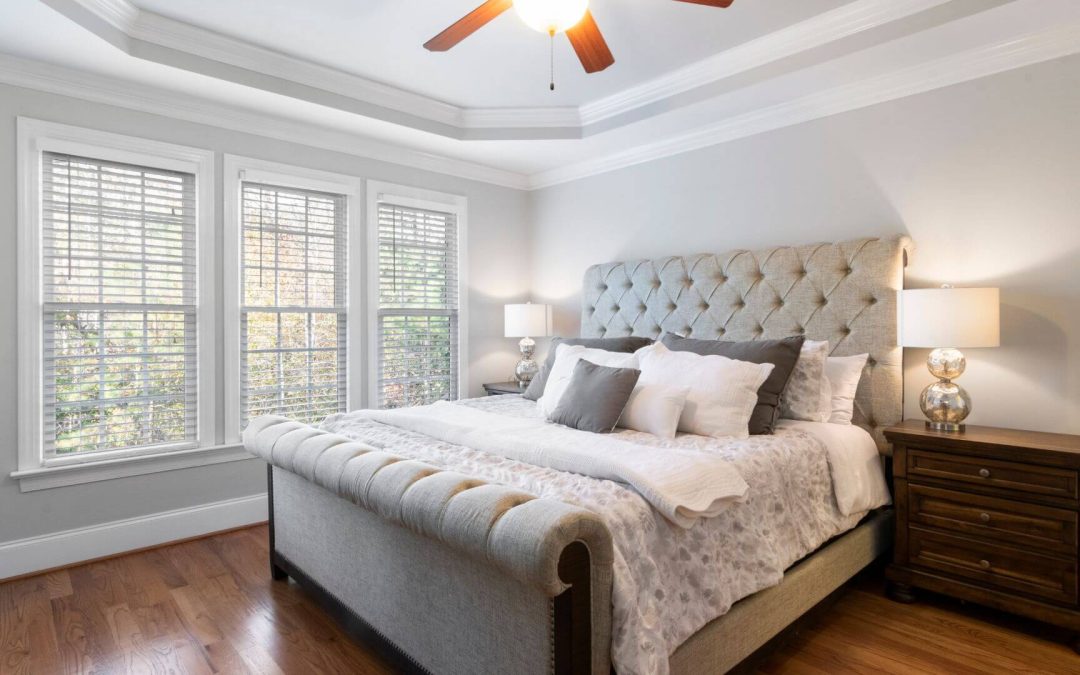
However, this very versatility can be its biggest challenge. The wrong complementary color can leave your room feeling flat, cold, or lacking personality. The key isn’t just picking a color you like, but picking one that *works* with your specific shade of grey and contributes to the mood you want to create in your most personal space.
Understanding Your Grey: The Foundation of Your Palette
Before you even think about paint swatches, you need to understand the grey you’re working with. Grey isn’t just grey; it’s a spectrum of hues with subtle (or not-so-subtle) undertones that dictate its true character. Ignoring these undertones is often where people go wrong.
There are generally three main categories of grey, and identifying yours is the critical first step:
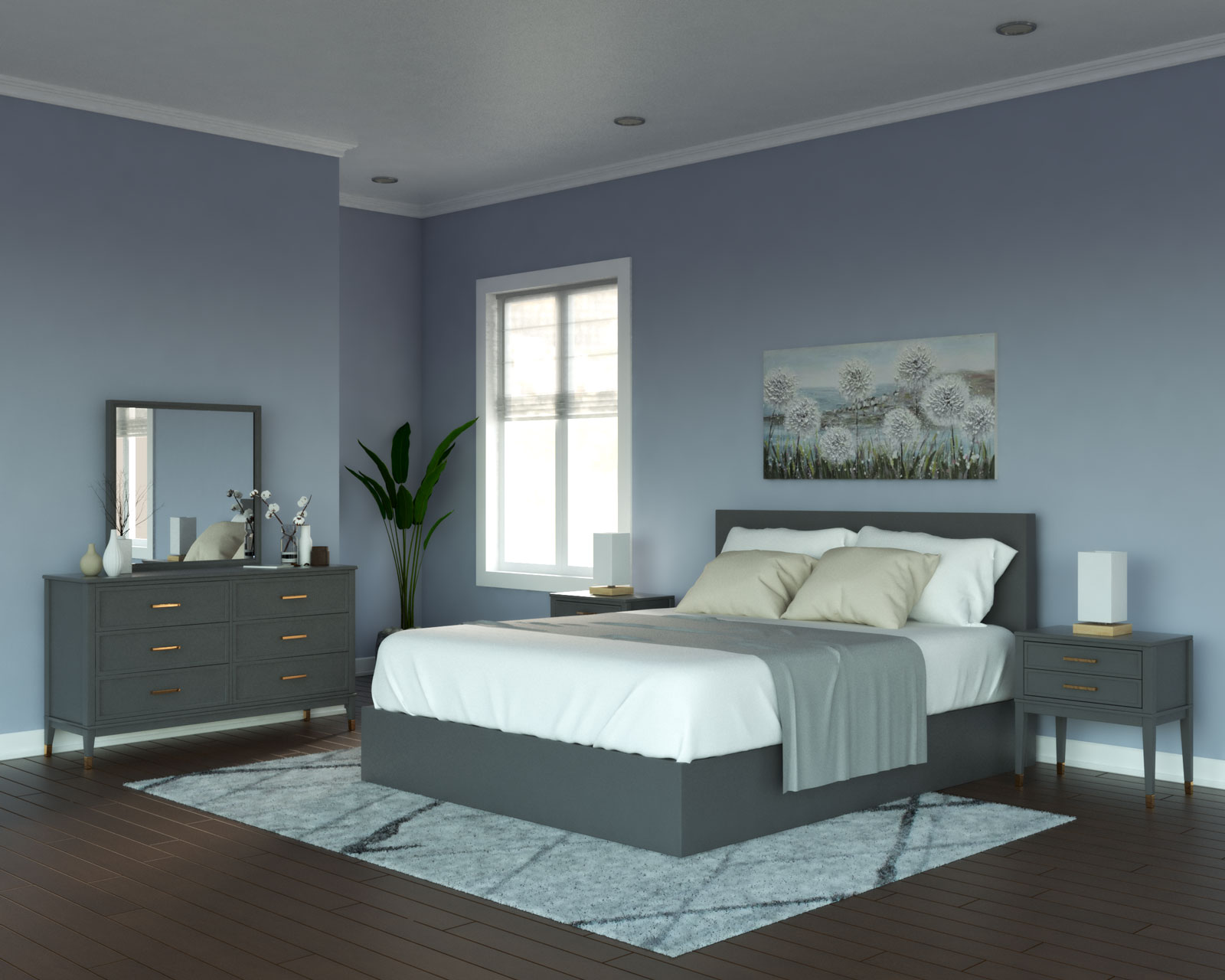
- Cool Greys: These often have visible blue, green, or purple undertones. They evoke a sense of calm, tranquility, and modernity. Think of slate, charcoal, or light grey with a noticeable icy tint.
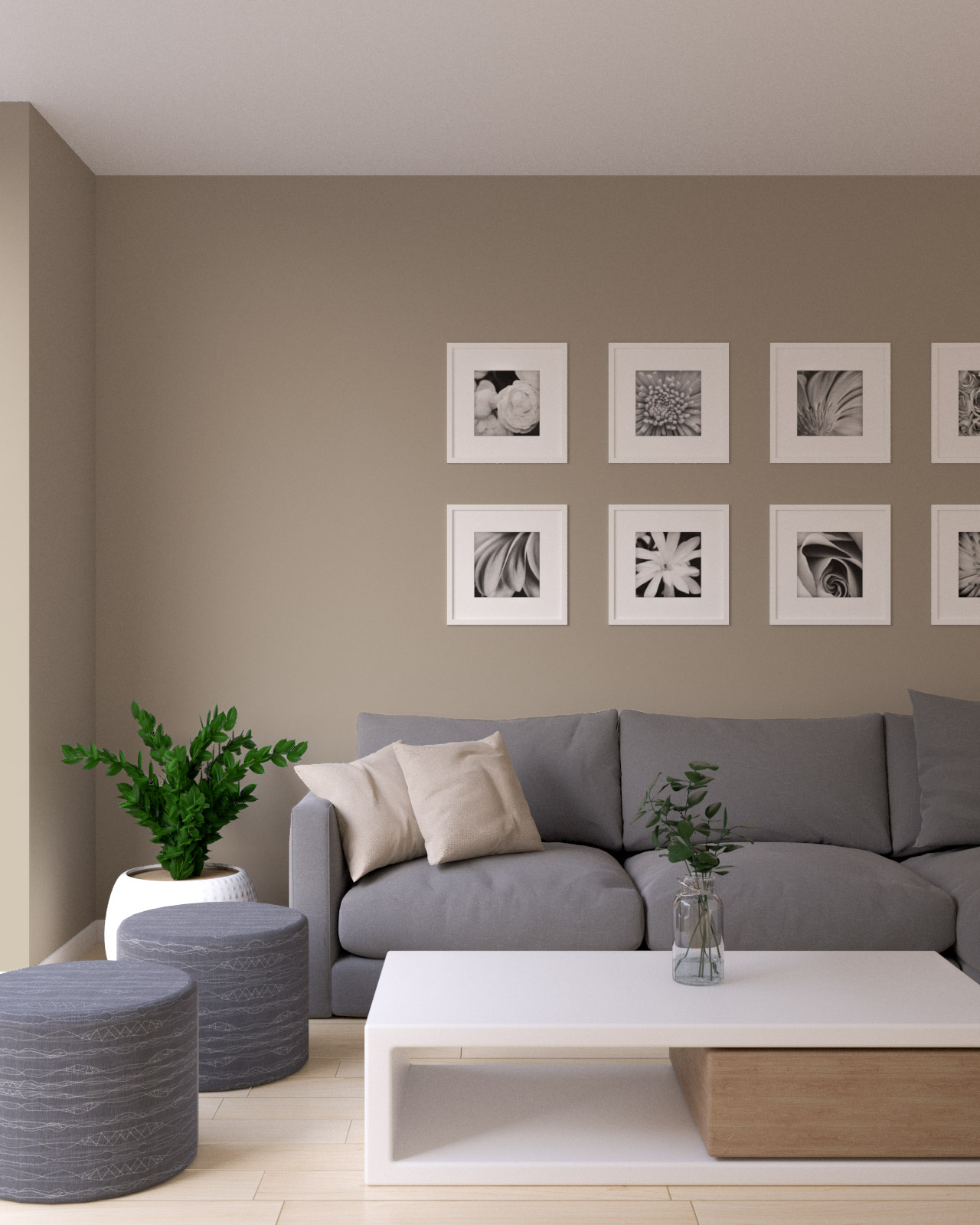
- Warm Greys: These have beige, yellow, or sometimes even red/brown undertones. They feel more inviting, cozy, and traditional. Often referred to as ‘greige,’ these greys beautifully bridge the gap between grey and beige.
- True Greys: These are the purest greys, with minimal discernible undertones. They are rare but offer a true neutral base.
How to Identify Your Grey’s Undertones:
The easiest way to do this is to compare your grey furniture to something truly neutral (like a pure white piece of paper or fabric) and something with obvious warm (like a brown wooden table) and cool (like a blue shirt) tones. Look closely in natural light. Does your grey lean a bit blue? A hint of green? Does it feel earthy, like a beige mixed in? This detective work will pay dividends.
Why This Matters: A cool grey paired with a warm-toned wall can create a beautiful balance, while a cool grey with another cool wall color can amplify the coolness, making the room feel stark. Conversely, a warm grey can be enhanced by either warm or cool walls, depending on whether you want to lean into its coziness or provide a refreshing contrast.
The Best Bedroom Paint Colors to Harmonize with Grey Furniture
Now that you know your grey, let’s explore the palettes that will truly make your bedroom sing. I’ve broken these down into categories to help you envision the mood you want to create.
:max_bytes(150000):strip_icc()/MaryPatton_Lupton-16-4552f4762d9e43fe9868882545f655d6.jpeg "15 Best Gray Bedroom Color Schemes and Design Ideas")
The Serene & Calming Palette: Cool & Muted Tones
These colors are perfect if you’re aiming for a tranquil, restful environment, ideal for promoting sleep and relaxation. They often work best with warm greys to provide a refreshing contrast, or with cool greys to create a harmonious, monochromatic calm.
- Soft Blues & Greens: These hues are universally associated with nature, tranquility, and peace. Think of a clear sky or a calm ocean.
- Examples:
Sky Blue: Light, airy, and expands the feeling of space.
Sage Green: Earthy, sophisticated, and deeply calming.
Seafoam Green: A delicate blend of blue and green, offering subtle vibrancy.
Dusty Blue: Muted and sophisticated, less juvenile than a bright blue. - Best with: Works beautifully to balance warm greys or to enhance the cool serenity of cool greys.
- Muted Purples & Lavenders: Often overlooked, these colors can bring a sophisticated, almost regal tranquility to a bedroom. They offer a gentle touch of color without being overpowering.
- Examples:
Dusty Lilac: Soft, feminine, and ethereal.
Periwinkle: A blue-purple blend that feels serene and unique. - Best with: Excellent for pairing with cool greys, amplifying their sophisticated charm, or adding a gentle contrast to lighter warm greys.
The Warm & Inviting Palette: Earthy & Rich Tones
If you crave a bedroom that feels cozy, grounded, and utterly inviting, these colors are your go-to. They are fantastic for adding much-needed warmth to cooler greys and enhancing the natural comfort of warm greys.
- Warm Neutrals (Greige, Beige, Taupe): These are the workhorses of warmth. They are subtly colored, sophisticated, and provide a seamless transition between the grey furniture and the walls.
- Examples:
Cream/Off-White: A soft, inviting alternative to stark white, adding warmth without strong color.
Linen White: A sophisticated, slightly textured off-white.
Sandstone/Mushroom: Earthy, grounding, and inherently warm.
Greige: The ultimate blend of grey and beige, offering seamless harmony with both warm and cool greys. - Best with: Truly versatile, these tones pair well with any grey, especially cool greys where they introduce comforting warmth.
- Terracotta & Soft Pinks: For a touch of unexpected warmth, romance, or playfulness, these colors can be incredibly effective. They create a nurturing, comforting ambiance.
- Examples:
Blush Pink/Rose: Soft, comforting, and surprisingly sophisticated when muted.
Muted Terracotta: Earthy, rich, and grounding without being too dark. - Best with: Fantastic with cool greys to create a vibrant yet soft contrast, and can add depth to lighter warm greys.
- Deep Greens & Forest Hues: These rich, saturated greens connect us to nature, providing a sense of calm, luxury, and groundedness. They make a statement without being overly bright.
- Examples:
Hunter Green: Classic, sophisticated, and deeply calming.
Olive Green: Earthy, muted, and very chic.
Evergreen: A cooler, deeper green that evokes a serene forest. - Best with: Light greys and greiges benefit immensely from these deep, grounding tones, creating a luxurious and enveloping feel.
The Elegant & Bright Palette: Classic & Crisp Tones
If you lean towards a minimalist, modern, or utterly timeless aesthetic, these classic combinations provide elegance, brightness, and a clean backdrop that lets your grey furniture shine.
- Crisp Whites & Off-Whites: The quintessential clean slate. White brightens any room, making it feel larger and airier. Off-whites soften the effect, preventing sterility.
- Examples:
Bright White: Pure, clean, and maximizes light.
Creamy White: Softens the brightness with a hint of warmth.
Pearl: A white with a subtle, luminous sheen. - Best with: Any grey. Particularly striking with dark greys for a high-contrast, dramatic look, or with light greys for a serene, ethereal feel.
- Charcoal & Deep Greys: For a truly dramatic, cocooning, and sophisticated bedroom, consider going dark. This creates an enveloping atmosphere perfect for a restful night.
- Examples:
Dark Grey: Creates a moody, sophisticated backdrop.
Slate: A rich, deep grey often with blue or purple undertones.
Anthracite: A nearly black dark grey, very bold. - Best with: Light greys for a tone-on-tone effect with subtle depth, or bright white accents for a striking, modern contrast.
Advanced Pairing Guide: Matching Paint to Specific Grey Furniture Undertones
Let’s get even more specific. This table breaks down how to pair paint colors based on the particular undertone of your grey furniture, ensuring a cohesive and intentional design.
| Type of Grey Furniture | Recommended Paint Colors | Why It Works | Desired Bedroom Mood | Key Considerations |
|---|---|---|---|---|
| Cool Grey (Blue/Green Undertones) | Warm Neutrals (Greige, Cream, Sand), Muted Pinks/Blush, Soft Terracotta, Deep Emerald Green | Warm tones provide a crucial balance to cool grey, preventing the room from feeling stark. Pinks/Terracotta add unexpected softness and warmth. Deep greens create luxurious contrast. | Balanced, Inviting, Sophisticated, Modern with warmth | Avoid pairing with overly cool blues or purples unless a very ethereal, icy look is desired. Ensure warm neutrals don’t clash with blue/green undertones. |
| Warm Grey / Greige (Beige/Yellow Undertones) | Soft Blues (Sky Blue, Dusty Blue), Sage Green, Crisp White, Light Clay/Muted Orange, Deep Plum | Cool blues and greens offer a refreshing contrast, preventing the room from becoming too monochromatic or blandly warm. Crisp white maintains an airy feel. Richer jewel tones add depth. | Fresh, Grounded, Cozy, Calm with subtle energy | Can be paired with other warm neutrals for a cohesive, understated look, but risk losing dynamism. Ensure blues don’t feel too juvenile. |
| Dark Grey (Charcoal, Slate) | Crisp White, Pale Greige, Blush Pink, Light Sage Green, Deep Teal/Emerald | Lighter colors provide striking contrast, preventing the room from feeling too heavy or cave-like. Soft pastels add delicacy. Deep jewel tones create a moody, luxurious ambiance. | Dramatic, Elegant, Enveloping, Luxurious | Consider natural light. Dark colors can make small rooms feel smaller without proper contrast and lighting. Use lighter bedding and decor. |
| Light Grey (Silver, Pearl) | Pastel Blues/Greens, Soft Lavender, Creamy White, Muted Yellow, Charcoal Accent Wall | Light greys are incredibly flexible. Pastels add a gentle pop of color. Creamy whites maintain a bright, airy feel. A dark accent wall adds sophisticated depth without overwhelming. | Bright, Airy, Serene, Modern & Adaptable | Ensure pastels don’t feel juvenile. For a truly sophisticated look, choose muted, dusty versions of colors. Can go monochromatic with varying shades of grey. |
Beyond Paint: Completing Your Bedroom Vision
Paint color is just one piece of the puzzle. To truly create a cohesive and inviting bedroom with grey furniture, you need to consider how other elements interact with your chosen wall color.
The Role of Lighting
Lighting is a game-changer. It can drastically alter how paint colors appear. Always observe your paint swatches at different times of day (natural light) and with your room’s artificial lighting (warm vs. cool bulbs).
:max_bytes(150000):strip_icc()/emilyhendersongraybedroom-4c394f3cc1764d7bb6e71ac5e072a2ef.jpeg "15 Best Gray Bedroom Color Schemes and Design Ideas")
- Natural Light: North-facing rooms tend to have cooler, blue-tinged light, making colors appear more subdued. South-facing rooms get warm, bright light, which can intensify colors. East-facing rooms get bright morning light, while west-facing rooms get warm afternoon light.
- Artificial Lighting:
Warm bulbs (2700K-3000K) enhance reds, oranges, and yellows, making a room feel cozier.
Cool bulbs (3500K-5000K) enhance blues and greens, creating a brighter, more task-oriented feel. For a bedroom, I almost always recommend warmer bulbs for a relaxing ambiance.
Textiles & Textures
This is where you inject personality and warmth. Plush rugs, soft bedding, luxurious throws, and textured curtains can soften the potentially stark lines of grey furniture and complement your paint choice beautifully.
- Bedding: Choose bedding that either harmonizes with your wall color or provides a deliberate accent. Crisp white bedding always looks fresh with grey. Earthy tones or soft blues/greens can extend the wall color onto the bed.
- Curtains: These are an opportunity to add height and softness. Consider linen for a relaxed look, velvet for luxury, or a patterned fabric to introduce another layer of visual interest.
- Rugs: A rug can anchor your space and introduce warmth. A shag rug adds coziness; a jute rug brings natural texture; a patterned rug offers a focal point.
Accent Colors & Decor
Don’t forget the small details! These are your opportunities for “pops” of color without committing to painting an entire wall.
- Artwork: Choose pieces that reflect your chosen palette or introduce a complementary accent color.
- Throw Pillows & Blankets: Easy and inexpensive ways to experiment with bolder colors or patterns.
- Plants: Greenery adds life, freshness, and a natural element that contrasts beautifully with grey and most paint colors.
- Metallic Accents: Gold, brass, copper (warm metals) add luxury and warmth, especially with cool greys. Silver, chrome, nickel (cool metals) enhance modern or cool aesthetics.
Flooring Considerations
Your flooring is a significant surface that interacts with your wall color and furniture.
- Hardwood Floors: Warm wood tones (oak, maple, cherry) add natural warmth and ground the room, especially effective with cool grey furniture and paint.
- Carpeting: A neutral carpet (beige, cream, or even a lighter grey) provides a soft base. A darker carpet can create a more intimate, cocooning feel.
- Area Rugs: If you have hard floors, an area rug defines the space, adds warmth, and offers another opportunity to layer color and texture.
Practical Tips for Choosing and Applying Your Bedroom Paint
Making the right choice involves more than just liking a color on a tiny chip. Here’s how to ensure success:
- Test Paint Swatches, Seriously: This is the most critical step. Paint large swatches (at least 1ft x 1ft) directly onto your wall, next to your grey furniture. Better yet, buy large peel-and-stick samples if available. Observe them at different times of day, under various lighting conditions (natural, lamps, overhead). Colors look vastly different in real-world settings than they do in the store or on a screen.
- Consider Room Size and Natural Light: Darker colors can make a small room feel smaller, while lighter colors expand it. If your room has limited natural light, lighter, brighter colors will help bounce light around. If it’s a large, bright room, you have more freedom to experiment with deeper, more saturated hues.
- Paint Finishes Matter: The sheen of your paint affects how light reflects and how the color appears.
- Matte/Flat: Absorbs light, creating a rich, velvety finish. Hides imperfections well, but less durable and harder to clean. Ideal for low-traffic bedroom walls.
- Eggshell/Satin: Has a subtle sheen, making it more durable and easier to clean than matte. A popular choice for bedrooms due to its balance of elegance and practicality.
- Semi-Gloss/Gloss: Reflects a lot of light, very durable and easy to clean, but highlights imperfections. Usually reserved for trim, doors, or accent pieces, not entire walls in a bedroom.
- Don’t Be Afraid to Experiment: It’s just paint! If you try a color and it’s not quite right, you can always repaint. Think of it as an exciting part of the design journey.
Expert Insights: Achieving a Designer Look
To elevate your grey bedroom beyond just “nicely painted,” consider these designer principles:
- Avoid Overwhelming Small Spaces: While a dark, moody bedroom can be stunning, in a very small room with limited light, it might feel claustrophobic. Balance dark walls with light ceilings, trim, and abundant lighting.
- The 60-30-10 Rule: This is a classic interior design principle for color distribution. Your dominant color (walls, large furniture) should take up about 60% of the room. Your secondary color (smaller furniture, curtains) should be about 30%. Your accent color (decor, art, pillows) should be 10%. With grey furniture, grey is likely your 30%, your wall color is your 60%, and accents are your 10%.
- Balance Cool and Warm Tones: This is perhaps the most important takeaway for working with grey. If your grey furniture is cool, bring in warmth through your paint or textiles. If your grey is warm, you can either lean into that warmth or introduce cool elements for a refreshing contrast. This balance prevents a room from feeling sterile or overly saturated.
- Consider the Fifth Wall: Your ceiling! Painting it a very light shade of your wall color or a soft off-white can complete the room and make it feel taller and more cohesive.
The Psychology of Color in the Bedroom
Beyond aesthetics, the colors you choose for your bedroom walls can actually influence your mood and sleep quality. This is especially important in a space dedicated to rest and rejuvenation.
| Paint Color Family | Psychological Impact | Best For | Considerations |
|---|---|---|---|
| Blues (Soft, Dusty, Periwinkle) | Calming, peaceful, reduces stress, promotes sleep. Can lower heart rate and blood pressure. | Achieving deep relaxation, stress reduction, creating a serene sanctuary. | Avoid overly vibrant blues, which can feel stimulating. Pair with warm elements to prevent feeling too cold. |
| Greens (Sage, Seafoam, Olive) | Balancing, harmonious, refreshing, promotes wellness and nature connection. Relieves eye strain. | Creating a natural, organic feel; promoting rest and rejuvenation. | Lime or overly bright greens can be too stimulating for sleep. Stick to muted, earthy tones. |
| Neutrals (Warm Whites, Greige, Taupe) | Comforting, stable, sophisticated, creates a sense of calm and order. Highly versatile. | Flexible design, creating a timeless look, layering textures. | Ensure enough texture and varied tones to avoid a bland or flat appearance. |
| Pinks/Reds (Blush, Rose, Muted Terracotta) | Nurturing, comforting, romantic, can be uplifting. Muted tones are soothing. | Adding warmth, creating a romantic or feminine touch (muted shades). | Vibrant reds are too stimulating for a bedroom. Stick to dusty, muted, or terracotta-inspired shades. |
| Purples (Dusty Lilac, Periwinkle) | Luxurious, sophisticated, can be creative and spiritual. Lighter shades are calming. | Achieving a unique, elegant, and serene ambiance. | Deep, vibrant purples can be overwhelming. Muted, grey-infused purples work best for sleep. |
| Dark Greys (Charcoal, Slate) | Enveloping, cozy, sophisticated, can promote deep rest by minimizing visual stimulation. | Creating a dramatic, intimate, and deeply restful cocoon. | Requires ample lighting and lighter accents to prevent feeling gloomy, especially in smaller rooms. |
Your Dream Grey Bedroom Awaits
Choosing the right bedroom paint colors with grey furniture doesn’t have to be a guessing game. By understanding your specific shade of grey, exploring various palettes, and integrating practical design principles, you can transform your bedroom into a beautiful, harmonious, and truly restful space. Remember, your bedroom should reflect your personality and provide a sanctuary from the outside world. Trust your instincts, embrace the process, and get ready to love your new bedroom!