Is Green A Good Color For A Bedroom? Your Definitive Guide To A Serene Sanctuary
Staring at your bedroom walls, wondering if green is really the right choice? Let’s cut to the chase: Yes, green is an absolutely fantastic color for a bedroom. In fact, it’s often hailed by designers and psychologists alike as one of the best choices for fostering tranquility, promoting restful sleep, and creating a truly serene sanctuary.
If you’ve been on the fence, worried about it being too ‘bold’ or ‘drab,’ it’s time to set those fears aside. The spectrum of green is vast and varied, offering everything from soothing sages to vibrant emeralds, grounding olives to refreshing mints. The trick isn’t *if green is good, but which green is good for your bedroom.
This isn’t just about pretty aesthetics; it’s about creating an environment that supports your well-being. Think about the feeling you get when you step into a lush forest or a peaceful meadow. Green brings that restorative power indoors, directly into the space where you unwind and recharge. Ready to transform your sleep space? Let’s dive in.
The Psychology of Green: Why Your Brain Loves This Color In The Bedroom
It’s no accident that green makes us feel good. Our deep-seated connection to nature means we’re biologically wired to respond positively to this hue. Here’s why green isn’t just a trend, but a timeless choice for your most personal space:
Nature’s Embrace: Connecting with the Outdoors
We spend so much of our lives indoors, often detached from the natural world. Green is the ultimate bridge, bringing the calming essence of forests, gardens, and vast landscapes directly into your bedroom. This connection to nature, often called biophilia, has been shown to reduce stress and improve overall well-being. When you surround yourself with green, you’re tapping into a primal sense of peace and belonging.
Calm & Serenity: Reducing Stress and Anxiety
Unlike stimulating reds or energizing yellows, green is inherently calming. It sits in the middle of the color spectrum, making it easy on the eyes and requiring minimal adjustment from your brain. This visual comfort translates into mental comfort, helping to quiet a busy mind and alleviate feelings of stress and anxiety. It’s the visual equivalent of a deep, calming breath – exactly what you need before drifting off to sleep.

Restoration & Renewal: Promoting Restful Sleep
A good night’s sleep is paramount, and green plays a key role in creating a sleep-conducive environment. Its soothing qualities help prepare your body and mind for rest, signaling safety and tranquility. This restorative power isn’t just about falling asleep faster; it’s about achieving deeper, more regenerative sleep, allowing you to wake up feeling truly refreshed and renewed.
Balance & Harmony: Creating a Stable Environment
Green is often associated with growth, balance, and harmony. It represents stability and life. In a bedroom, this translates into a feeling of equilibrium. It can help balance out other elements in the room, creating a cohesive and visually pleasing design that feels both grounded and uplifting. This sense of harmony contributes to a feeling of security and well-being, essential for a bedroom.
Choosing Your Shade: Navigating the Spectrum of Greens
The beauty of green lies in its incredible versatility. There isn’t just one ‘good’ green; there’s a perfect green for every mood, every room, and every personal style. Let’s break down the major categories.
Light & Airy Greens (Sage, Mint, Celadon)
These soft, often desaturated greens are like a breath of fresh air. They’re delicate and understated, perfect for creating a bright, expansive feel. Think of these as your gentle giants in the world of green.
- Sage Green: Earthy, muted, and sophisticated. Sage is incredibly popular for its soothing, almost neutral quality. It pairs beautifully with natural wood tones, creams, and grays.
- Mint Green: Fresher and often cooler than sage, mint brings a touch of playful retro charm or crisp modernity. It feels invigorating yet gentle, perfect for a cheerful and serene space.
- Celadon Green: A pale, grayish-green often associated with ancient pottery. Celadon is subtle and refined, adding a whisper of color that’s both elegant and calming.
Best for: Smaller bedrooms that need to feel larger, rooms with less natural light (north-facing), or anyone craving a truly tranquil, uncluttered aesthetic. They offer a refreshing feel that’s still incredibly peaceful.
Mood: Tranquil, refreshing, clean, expansive.
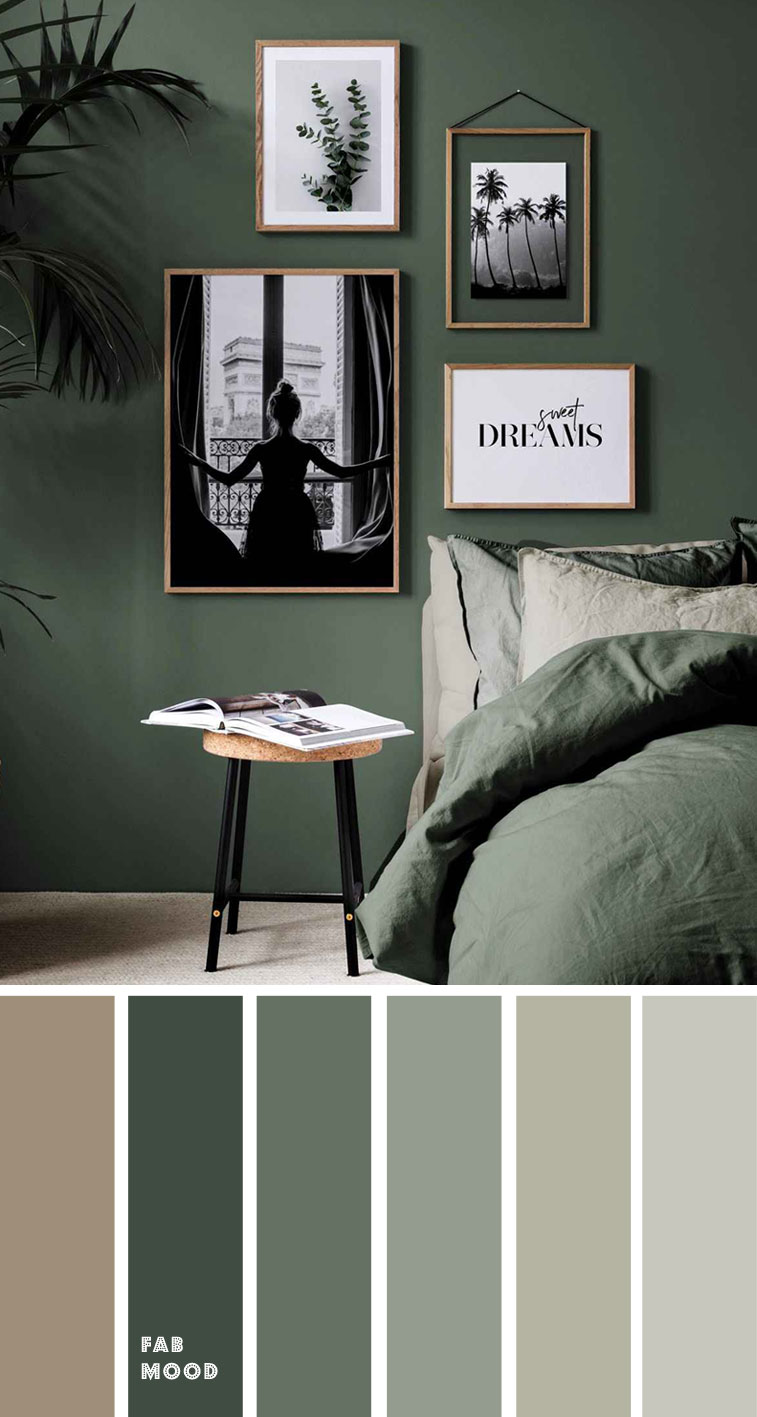
Mid-Tone & Earthy Greens (Olive, Moss, Forest)
These are the greens that truly ground a space, bringing a rich, natural depth. They feel established, comforting, and deeply connected to the outdoors without being overwhelming.
- Olive Green: Warm, muted, and sophisticated, olive green evokes Mediterranean landscapes and vintage charm. It pairs wonderfully with deep browns, golds, and terracotta.
- Moss Green: Richer and often slightly darker than olive, moss green feels organic and comforting. It’s a true nature-inspired shade that brings a sense of forest serenity.
- Forest Green: A deep, classic green, not quite as dark as hunter but with significant depth. Forest green is robust and elegant, providing a strong connection to lush woodlands.
Best for: Creating a cozy, intimate atmosphere, larger rooms that can handle more saturated color, or for those who want a strong connection to nature and a sophisticated, earthy vibe.
Mood: Grounding, sophisticated, natural, comforting.
Deep & Dramatic Greens (Emerald, Hunter, Teal-Green)
For those who love a bit of drama and luxury, these deep greens deliver. They create a cocooning, opulent feel that can be incredibly chic and inviting.
- Emerald Green: Jewel-toned and vibrant, emerald is a luxurious and energetic green that feels both opulent and fresh. It’s fantastic for an accent wall or to make a statement.
- Hunter Green: Darker and more muted than emerald, hunter green is a classic, rich shade that feels traditional yet incredibly current. It creates a deeply cozy and sophisticated atmosphere.
- Teal-Green: A captivating blend of blue and green, teal-green is exotic and calming. It can range from vibrant to deep, offering a unique sophisticated touch that feels serene and intriguing.
Best for: Master bedrooms, creating a dramatic accent wall, spaces seeking a luxurious or boutique hotel feel, or large rooms that can absorb and reflect deep color beautifully.
Mood: Elegant, cocooning, opulent, mysterious.
:max_bytes(150000):strip_icc()/Rebecca-Shehorn_Photography_Miranda-Schroeder-106-682x1024-573989c0cb65408ab166d269215534db-7f12a1befcbc4b649bfc3229f2701ec9.jpg "35 Gorgeous Green Bedrooms That Prove The Hue Is A Classic")
Green Shade Comparison Table
To help you visualize the impact of different greens, here’s a quick comparison:
| Green Shade Category | Overall Mood | Best for Room Size | Lighting Recommendation | Key Benefit |
|---|---|---|---|---|
| Light & Airy Greens (Sage, Mint, Celadon) |
Refreshing, Tranquil, Expansive | Small to Medium | North-facing, Low Light, Bright South-facing | Makes spaces feel larger, promotes calm without heaviness |
| Mid-Tone & Earthy Greens (Olive, Moss, Forest) |
Grounding, Sophisticated, Natural | Medium to Large | Balanced light, rooms desiring depth and coziness | Connects to nature, creates a warm, inviting cocoon |
| Deep & Dramatic Greens (Emerald, Hunter, Teal-Green) |
Elegant, Cocooning, Opulent | Large (or accent in smaller rooms) | Well-lit, rooms for a luxurious statement | Adds drama and sophistication, promotes deep relaxation |
Beyond the Walls: Incorporating Green Through Decor & Accents
While a green painted wall can be transformative, green doesn’t have to be limited to your paint choice. You can infuse this calming color through various design elements, creating depth and interest, especially if you’re not ready to commit to a full wall repaint.
Textiles: Bedding, Curtains, Rugs
Textiles are perhaps the easiest and most impactful way to introduce green. Imagine crisp sage green linen bedding, or a plush moss green velvet throw blanket draped over your bed. Curtains in a deep emerald or a subtle celadon can frame your windows beautifully and filter light with a calming hue. A large area rug with green patterns or a solid olive shade can anchor the entire room, adding texture and warmth.
Furniture & Art: Green Statement Pieces
Don’t shy away from green furniture! A beautiful velvet armchair in a rich forest green can be a stunning focal point, offering a cozy reading nook. A painted dresser or nightstands in a muted green can add a touch of whimsy and personality. For art, look for pieces with natural landscapes, abstract greens, or botanical prints to tie the color scheme together and reinforce that connection to nature.
The Power of Plants: Bringing Life In
This is arguably the most natural and beneficial way to bring green into your bedroom. Houseplants not only provide vibrant natural green hues but also offer numerous health benefits, including improving air quality and boosting mood. Consider snake plants, ZZ plants, or peace lilies for low-maintenance options. Larger plants like fiddle-leaf figs or monsteras can make a dramatic statement in a spacious room, while smaller potted herbs on a windowsill add a delicate touch.
Practical Considerations For Your Green Bedroom
Choosing the perfect shade of green isn’t just about aesthetics; it’s also about practical factors that influence how the color looks and feels in your specific space.
:max_bytes(150000):strip_icc()/OutlineInteriors_credit_MargaretRajic-b0a6f1831bce442e80f142412938f48e.jpg "20 Green Bedroom Ideas From Interior Designers")
Understanding Your Room’s Lighting: Natural vs. Artificial
Light is everything when it comes to paint colors. A green that looks perfect in a brightly lit showroom might appear entirely different in your bedroom. North-facing rooms often have cooler, indirect light, making warmer greens (with yellow undertones) shine, or requiring brighter, lighter greens to prevent the room from feeling dim. South-facing rooms, with their abundant warm light, can handle cooler, deeper greens beautifully. East-facing rooms get bright morning light, while west-facing rooms get warm afternoon light. Always test paint swatches on your walls and observe them throughout the day under both natural and artificial light.
Room Size & Scale: Light vs. Dark Greens
General rule of thumb: lighter colors make a room feel larger and more open, while darker colors can make a room feel cozier and more intimate. If you have a small bedroom, a light sage or mint can expand the space. In a larger room, a deep forest or hunter green can create a dramatic, cocooning effect without feeling claustrophobic. You can also use a darker green on just one accent wall to get the dramatic effect without overwhelming a smaller space.
Complementary Colors: What Pairs Best with Green?
Green is a surprisingly versatile color and plays well with many hues. Thinking about complementary colors helps create a harmonious and well-rounded design.
- Neutrals (White, Cream, Beige, Gray): These are your safest bets and always create a sophisticated, balanced look. They allow the green to be the star while providing a clean backdrop.
- Warm Woods & Natural Textures: Green’s natural partner. Think oak, walnut, rattan, wicker, and linen. These combinations enhance the biophilic connection.
- Pinks & Corals: A surprising but stunning pairing! Soft blush pinks or bolder corals create a vibrant, fresh contrast with green, especially with sage or mint.
- Blues: Green and blue are analogous colors, sitting next to each other on the color wheel. This creates a calm, cohesive, and serene palette, reminiscent of sea and sky. Think deep navy with emerald, or sky blue with sage.
- Golds & Brass: For a touch of luxury, metallic accents in gold, brass, or even copper pop beautifully against green, especially deeper shades.
- Terracotta & Rust: Earthy tones like terracotta, rust, and burnt orange offer a warm, vibrant contrast that feels organic and inviting, particularly with olive or moss greens.
Complementary Color Palette Table
| Dominant Green Shade | Best Complementary Colors | Overall Effect |
|---|---|---|
| Light Green (Sage, Mint) |
Cream, White, Light Gray, Blush Pink, Light Wood Tones | Fresh, Airy, Serene, Gentle |
| Mid-Tone Green (Olive, Moss) |
Beige, Tan, Deep Brown, Gold, Rust, Terracotta, Navy Blue | Earthy, Grounded, Sophisticated, Warm |
| Deep Green (Emerald, Hunter, Teal-Green) |
White, Charcoal Gray, Gold, Brass, Rich Blues, Deep Purple | Luxurious, Dramatic, Elegant, Cozy, Opulent |
Paint Finishes & Their Impact
The sheen of your paint can dramatically alter how green appears. For bedrooms, matte or eggshell finishes are generally preferred. A matte finish absorbs light, giving the color a soft, velvety appearance that’s very forgiving and often preferred for a cozy, sophisticated look. It also helps to hide imperfections. Eggshell offers a slight sheen, making it a bit more durable and easier to clean than matte, while still providing a subtle, refined look. Avoid high-gloss finishes in bedrooms, as they can be too reflective and stimulating, which is counterproductive for a relaxing space.
Existing Decor: Harmonizing with What You Have
Before committing to a green, take stock of your existing bedroom furniture, flooring, and any artwork or textiles that will remain. Does the green you’re considering clash with a cherry wood dresser? Does it enhance your existing neutral rug? Think about the undertones – a cool green might not work with warm, yellow-toned wood. Your green should ideally complement your existing pieces, creating a cohesive and intentional look rather than fighting against them.
Expert Tips for Nailing Your Green Bedroom Look
Ready to take the plunge? Here are some insider tips to ensure your green bedroom turns out exactly as you envision:
:max_bytes(150000):strip_icc()/jon-lovette-getty-049d920101ae4a6b891e9add2f3f3e4e.jpg "32 Dark Green Bedroom Ideas For Your Inspiration")
- Start with Swatches (and Live with Them!): This is non-negotiable. Paint large swatches (at least 2×2 feet) on several walls in your bedroom. Observe them at different times of day and under various lighting conditions for at least 24-48 hours. What looks perfect in the morning sun might look completely different under lamplight.
- Consider the Undertones: Greens can have blue, yellow, or gray undertones. A green with strong yellow undertones will feel warmer, while a green with blue undertones will feel cooler. Gray undertones make green feel more muted and sophisticated. Choose undertones that complement your existing furnishings and the natural light in your room.
- Balance with Neutrals: Even if you love green, too much of one color can be overwhelming. Use plenty of neutral tones – crisp white trim, natural wood furniture, linen curtains – to provide visual breaks and allow the green to truly shine without dominating the space.
- Don’t Forget the Ceiling: While painting the ceiling green can create a cozy, immersive ‘cocoon’ effect, a crisp white ceiling can make the walls feel taller and brighter. Consider a very light tint of your wall green on the ceiling for a subtle, seamless transition if you want to connect the space without going full monochromatic.
- Layer Textures: To prevent a green room from feeling flat, incorporate a variety of textures. Think velvet curtains, knitted throws, woven rugs, smooth ceramic lamps, and the natural varied textures of houseplants. This adds depth and visual interest, making the room feel richer and more inviting.
Is Green Always The Right Choice? Potential Downsides
While green is overwhelmingly positive for a bedroom, it’s worth a quick mention that like any color, it’s about balance and personal preference. The only ‘downside’ might be choosing a shade that’s too bright or saturated for a sleep space (like a neon lime green), which could be stimulating rather than calming. Similarly, a very dark green in a tiny room with poor light could* feel oppressive if not balanced with ample light neutrals and strategic lighting.
However, these are easily mitigated by thoughtful planning. Opt for muted, desaturated, or earthy greens for walls if deep relaxation is your goal. If you love a vibrant emerald, use it on an accent wall or through decor pieces rather than all four walls. With the vast array of greens available, there’s always a way to make it work beautifully.
So, is green a good color for a bedroom? Unquestionably, yes. It’s a color that nurtures, calms, and refreshes, making it an ideal choice for the most intimate space in your home. By understanding the psychology of green, exploring the vast spectrum of shades, and considering practical design elements, you can create a bedroom that not only looks stunning but also serves as your personal haven for rest and rejuvenation.
Go ahead, embrace the green. Your future rested self will thank you.
Frequently Asked Questions
Is green a good color for a bedroom?
Yes, green is widely considered an excellent color for a bedroom. Its association with nature provides a calming and restorative atmosphere, promoting feelings of peace, reducing stress, and encouraging restful sleep. Different shades offer varying moods, from airy tranquility to luxurious coziness.
What mood does green create in a bedroom?
Green predominantly creates a mood of tranquility, serenity, and balance. Lighter shades like sage or mint evoke freshness and openness, while mid-tones like olive or moss provide a grounding, natural comfort. Deeper greens such as emerald or hunter green create a sophisticated, cocooning, and luxurious ambiance.
What colors pair well with green in a bedroom?
Green is incredibly versatile. It pairs beautifully with neutrals like white, cream, beige, and gray for a balanced look. Other excellent pairings include warm wood tones, blues (for a harmonious feel), blush pinks or corals (for a fresh contrast), and metallic accents like gold or brass for a touch of luxury. Earthy tones like terracotta also complement green wonderfully.
Does green paint make a small bedroom look bigger?
Lighter shades of green, such as sage, mint, or celadon, can make a small bedroom feel larger and more open. These airy, desaturated greens reflect light and create a sense of expansion. Darker greens, while cozy, tend to make a room feel more intimate, so use them carefully in small spaces, perhaps on an accent wall.
What type of paint finish is best for a green bedroom?
For bedrooms, matte or eggshell finishes are highly recommended. A matte finish absorbs light, giving the green color a soft, velvety, and sophisticated appearance that helps hide imperfections. Eggshell offers a slight sheen, making it more durable and easier to clean while still providing a subtle and refined look suitable for a relaxing space. High-gloss finishes are generally too reflective for a bedroom.
How can I incorporate green into my bedroom without painting the walls?
You can infuse green through various decor elements. Consider green bedding, throw pillows, curtains, or an area rug. Green furniture pieces like an armchair or painted nightstands can also make a statement. Perhaps the most natural way is to bring in houseplants, which offer vibrant green hues and air-purifying benefits.