How to Master the Two-Tone Room: A Definitive Guide to Painting with Two Colors
Tired of bland, single-color walls? Ready to inject some serious style, depth, and personality into your space? Painting a room with two colors isn’t just a trend; it’s a design superpower. It allows you to create visual interest, define areas, and express your unique aesthetic in a way a single hue simply can’t.
But let’s be honest: the idea of perfectly straight lines, harmonious color pairings, and flawless execution can feel daunting. That’s where I come in. Forget those vague tutorials; this guide will walk you through everything you need to know, from choosing your perfect palette to the step-by-step techniques for achieving a professional, envy-inducing finish. By the end, you’ll be ready to transform your room with confidence and a brush in hand.
Why Paint with Two Colors? The Design Power Unleashed
It’s more than just aesthetics; strategic use of two colors fundamentally changes how a room feels and functions. Here’s why this technique is a game-changer:
Adding Depth and Dimension
A single color can often make a room feel flat. Introducing a second color, especially one with a different shade or tone, immediately adds visual depth. Imagine a deep forest green on the bottom half of a wall meeting a soft cream on top – the contrast draws the eye, making the wall feel more substantial and the room more layered.
Defining Zones and Moods
In open-concept homes or multi-functional rooms, two colors are an incredibly effective way to subtly delineate different areas without physical barriers. A bolder color on an accent wall can define a cozy reading nook, while a lighter shade on adjacent walls keeps the main living area feeling expansive. You can also play with mood; a dark, rich color can create an intimate atmosphere, while a bright, airy one brings energy.
Highlighting Architectural Features
Got crown molding, a chair rail, or a unique wall niche? Two colors can draw attention to these features, making them pop. Painting above and below a chair rail in contrasting colors, for instance, transforms a simple molding into a significant design element. It’s about leveraging existing structure to elevate your design.
Expressing Personal Style
This is where your creativity truly shines. Two colors allow for endless combinations that reflect your personal taste. Whether you’re aiming for modern minimalist, rustic farmhouse, eclectic bohemian, or classic elegance, there’s a two-color strategy that fits. It’s an opportunity to make your home uniquely yours, telling a story through color.
Choosing Your Two Colors: A Symphony of Shades
The success of your two-color room hinges on your color choices. This isn’t just about picking two colors you like; it’s about finding two colors that like each other, and that work with your room’s existing elements and natural light.
:max_bytes(150000):strip_icc()/two-tonebedroomclassiccoastal-3312057ef3414446aee6bd6d4d5307f8.png "31 Two-Color Combinations for Bedroom Walls That Double the ...")
Understanding Color Harmony
A little color theory goes a long way. Here are the basics to guide your pairing:
- Analogous: Colors next to each other on the color wheel (e.g., blue and green, yellow and orange). They create a serene, cohesive look.
- Complementary: Colors opposite each other (e.g., blue and orange, red and green). They create high contrast and vibrancy, often best used with one dominant and one accent.
- Monochromatic: Different shades, tints, and tones of a single color (e.g., light blue and dark blue). This creates a sophisticated, subtle, and harmonious effect.
- Triadic: Three colors evenly spaced on the color wheel (e.g., red, yellow, blue). Bold and lively, often best with one dominant and two accents.
- Neutral & Pop: Pair a timeless neutral (gray, beige, white) with a single vibrant color for a modern, impactful statement.
The 60-30-10 Rule Adaptation for Two-Tone
Originally for entire room décor, this rule can be adapted. Think of your dominant wall color as 60%, your secondary wall color as 30%, and your accent decor (furniture, art) as 10%. This ensures balance and prevents the room from feeling overwhelmed.
High Contrast vs. Subtle Blends
- High Contrast: Think black and white, or a deep navy with bright white. This creates drama and a modern edge, making features pop.
- Subtle Blends: Consider two shades of the same color, or two analogous colors with similar saturation. This delivers a softer, more sophisticated transition, ideal for creating a calm or expansive feel.
Considering Room Size and Lighting
Light colors tend to make a room feel larger and more open, while dark colors can make it feel cozier and more intimate. If your room is small or lacks natural light, consider using a lighter color for the majority of the wall space or on the top half of a horizontally split wall. For very tall rooms, a darker color on the top half can bring the ceiling down visually, making the room feel less cavernous.
Top 5 Two-Color Combinations
Need some inspiration? Here are a few popular and effective pairings:
| Combination | Mood/Effect | Best For |
|---|---|---|
| Navy Blue & Crisp White | Classic, Coastal, Sophisticated | Bedrooms, Bathrooms, Living Rooms |
| Soft Sage Green & Warm Off-White | Calm, Nature-Inspired, Tranquil | Nurseries, Spa-like Bathrooms, Relaxing Bedrooms |
| Charcoal Gray & Light Gray | Modern, Urban, Industrial | Home Offices, Contemporary Living Spaces |
| Terracotta & Cream | Earthy, Bohemian, Mediterranean | Dining Rooms, Sunrooms, Entryways |
| Blush Pink & Light Gray | Soft, Feminine, Playful | Children’s Rooms, Creative Studios, Elegant Bedrooms |
Paint Sheen Matters: Matching Finish to Function
Don’t overlook paint sheen! It significantly impacts how light reflects and how durable your paint job is. Generally, for walls, you’ll choose between:
- Flat/Matte: Non-reflective, hides imperfections well, but less durable and harder to clean. Great for ceilings or low-traffic areas.
- Eggshell/Satin: Slightly reflective, more durable and easier to clean than flat. A popular choice for walls in most rooms.
- Semi-Gloss/Gloss: Highly reflective, very durable, and easy to clean. Best for trim, doors, and high-traffic areas where you want a noticeable shine.
When using two colors, you can use the same sheen for both for a seamless look, or vary them for subtle contrast. For example, a matte finish on the top color and an eggshell on the bottom can add a textural difference without changing the hue.
Mastering Two-Color Techniques: More Than Just a Split
While the horizontal split is iconic, there are several ways to incorporate two colors into a room. Each technique offers a distinct visual impact.
The Classic Horizontal Split
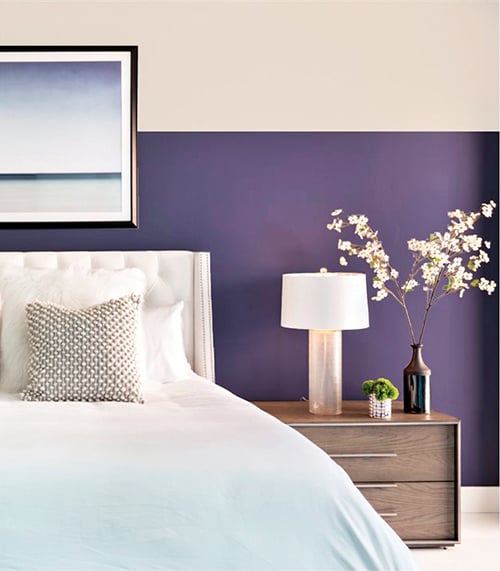
This is probably what comes to mind when you think of two-tone walls. It involves dividing the wall horizontally into two distinct sections. It’s fantastic for adding architectural interest to a plain room or making a tall room feel cozier.
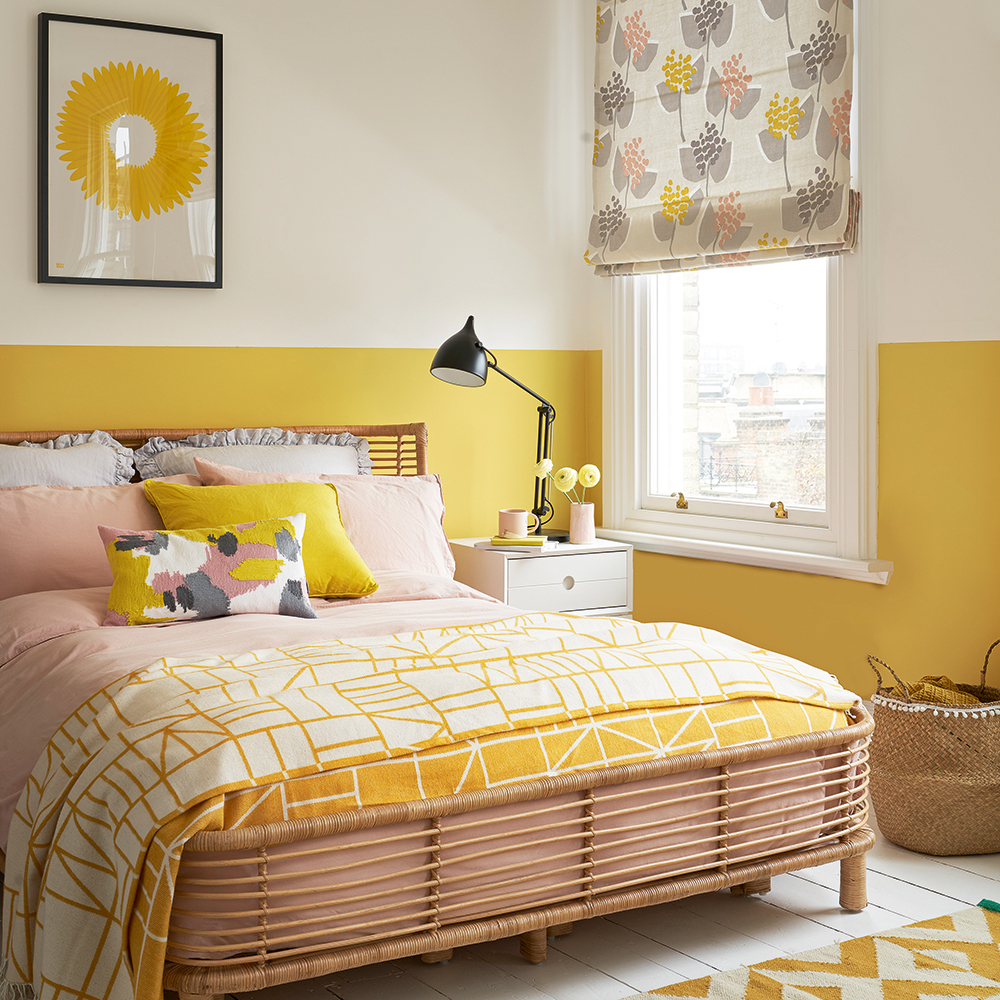
- Pros: Creates strong visual interest, adds perceived depth, can make rooms feel cozier or taller depending on color placement.
- Cons: Requires precise measuring and taping for a perfect line; mistakes are highly visible.
- Where to Place the Line: This is key.
- Rule of Thirds: Dividing the wall into thirds, with the line at the lower or upper third, often feels balanced and aesthetically pleasing.
- Chair Rail Height: If you have a chair rail, use it as your guide. If not, consider the average chair rail height (around 30-36 inches from the floor).
- Door/Window Frame Height: Aligning the line with the top or bottom of a door or window frame can create a cohesive look.
- Consider Furniture: If you have a dominant piece of furniture (like a headboard or sofa), you might align the line to complement its height.
The Accent Wall
This technique involves painting one entire wall in a different color from the other three. It’s less about dividing and more about creating a focal point.
- Pros: Relatively simple to execute (no horizontal lines to tape), instantly creates a focal point, adds personality without overwhelming the room.
- Cons: Can sometimes make a room feel smaller if the accent color is too dark or poorly chosen; less ‘two-tone’ than a split.
- When to Use It: Best for highlighting a specific wall (behind a bed, TV, or fireplace) or adding a bold pop of color without committing to all four walls.
Corner to Corner Color Blocking
Instead of a horizontal split, imagine one color starting on one wall and extending around a corner onto an adjacent wall, meeting a different color. This creates a more dynamic, modern, and often playful effect.
- Pros: Highly modern, creates unique visual flow, great for defining a corner space.
- Cons: More complex planning, can feel busy if not executed carefully.
- Creative Applications: Use it to wrap a color around a fireplace, create a ‘box’ effect in a corner, or visually separate a workspace from a relaxation area.
Two-Tone Ceilings or Borders
This less common but impactful technique involves extending a wall color onto a portion of the ceiling, or creating a thick border of a second color along the top or bottom of the wall.
- Pros: Unexpected and stylish, can make ceilings appear higher or lower, adds architectural interest without traditional molding.
- Cons: Requires very steady hands or meticulous taping on the ceiling; can be challenging for beginners.
- Unique Effects: A dark border at the top can visually lower a very high ceiling, creating coziness. Extending a wall color a foot or two onto the ceiling can make a small room feel larger by blurring the wall-ceiling transition.
Comparing Two-Color Painting Techniques
| Technique | Complexity | Primary Effect | Ideal For |
|---|---|---|---|
| Horizontal Split | Medium to High | Depth, defined zones, coziness | Bedrooms, dining rooms, creating visual breaks |
| Accent Wall | Low to Medium | Focal point, drama, personality | Living rooms, behind beds, adding a pop of color |
| Corner to Corner Block | High | Modern flow, zone definition, artistic touch | Creative spaces, open concepts, contemporary homes |
| Two-Tone Ceiling/Border | High | Architectural interest, altered room perception | Tall rooms, small rooms, unique design statements |
Essential Supplies for Flawless Two-Color Painting
Having the right tools is half the battle. Don’t skimp on quality, especially when it comes to painter’s tape and brushes. Here’s your checklist:
High-Quality Painter’s Tape (Crucial for Sharp Lines)
This is non-negotiable. Look for tape specifically designed for delicate surfaces or long-term adhesion if you need to leave it on for more than a day. FrogTape® is a popular choice known for its paint-blocking technology that prevents bleeds. Blue tape is good for general use, but green tape (like FrogTape) is often superior for critical lines.
Laser Level or Chalk Line (Precision is Key)
A laser level projects a perfectly straight line across your wall, making marking incredibly easy. If a laser level isn’t in your budget, a traditional chalk line and a long straightedge will work, but require more careful handling.
Rollers, Brushes, and Paint Trays
- Rollers: Choose the right nap for your wall texture (shorter nap for smooth walls, longer for textured). Have at least two roller frames and several roller covers (one for each color, plus spares).
- Brushes: Angled sash brushes (2-2.5 inches) are essential for cutting in crisp lines along trim, ceilings, and your color split. Get at least two, one for each color.
- Paint Trays: Two trays are ideal for keeping colors separate and clean.
Drop Cloths and Cleaning Supplies
Protect your floors and furniture! Canvas drop cloths are durable and reusable, plastic ones are good for quick jobs. Have rags, painter’s wipes, and soap and water ready for spills or drips.
Primer (If Needed)
Don’t skip primer if you’re painting over a dark color with a lighter one, or if you’re dealing with bare drywall or patched areas. It ensures true color representation and better adhesion.
List of Essential Painting Supplies
| Item | Purpose | Expert Tip |
|---|---|---|
| Paint (2 colors) | Main colors for your walls. | Buy samples first and test them in your room’s lighting. |
| Primer | Ensures even color, better adhesion, covers old dark colors. | Use tinted primer if painting a very dark color over a very light one. |
| High-Quality Painter’s Tape | Achieving crisp, bleed-free lines. | Look for FrogTape or a similar brand with paint-block technology. |
| Laser Level / Chalk Line | Marking a perfectly straight, level line. | A laser level is a worthy investment for multiple projects. |
| Angled Sash Brushes (2-2.5″) | Cutting in edges, corners, and your color split line. | Clean brushes thoroughly after each use; quality brushes last. |
| Roller Frames & Covers | Applying paint efficiently to large wall areas. | Match roller nap to wall texture; have dedicated covers for each color. |
| Paint Trays | Holding paint for rollers. | Use liners for easy cleanup, or have separate trays for each color. |
| Drop Cloths | Protecting floors, furniture, and fixtures. | Canvas drop cloths are safer (less slippery) and more durable than plastic. |
| Screwdriver, Putty Knife, Spackling | Wall prep: removing fixtures, patching holes. | A smooth surface is critical for clean paint lines. |
| Cleaning Supplies (rags, buckets, soap) | Cleaning walls, tools, and spills. | Clean spills immediately! Keep a wet rag handy. |
Step-by-Step: Painting a Room with Two Colors (The Horizontal Split Method Focus)
This is the most popular two-color technique, and mastering it will give you confidence for any other variation. Follow these steps meticulously for stunning results.
Step 1: Prep Like a Pro (Clean, Patch, Sand, Prime)
Seriously, don’t skip this. Ninety percent of a great paint job is in the prep.
- Clear the Room: Remove all furniture if possible, or move it to the center and cover it with plastic sheeting. Remove wall art, switch plates, and outlet covers.
- Clean the Walls: Use a mild soap (like TSP substitute) and water to wash down your walls. Greasy or dirty walls will prevent paint adhesion. Rinse thoroughly and let dry completely.
- Patch and Sand: Fill any nail holes or imperfections with spackling compound. Once dry, sand smooth. Feather the edges so there’s no visible bump.
- Tape Off Trim: Use your high-quality painter’s tape to carefully tape off baseboards, door frames, and window frames. Press firmly to seal the edges.
- Prime (If Necessary): Apply a coat of primer if you’re drastically changing colors, painting over patched areas, or using a very light color over a dark one. Let it dry according to manufacturer instructions.
Step 2: Paint the Lighter Color First (Base Coat)
It’s generally easier to paint the lighter color first. If any of the lighter paint seeps under your tape line (which it shouldn’t if you seal it properly, but hey, accidents happen), it’s much easier to cover with a darker color than the other way around.
- Cut In: Using your angled brush, cut in along the ceiling line and any untaped edges (like corners where the wall will continue to be this color).
- Roll the Walls: Apply 1-2 coats of your lighter paint color to the entire wall area where this color will be, from the ceiling down to where your horizontal line will eventually be. Don’t worry about painting precisely to the line at this stage – just make sure you cover the area sufficiently. Let each coat dry completely.
Step 3: Measure and Mark Your Line (Laser vs. Chalk Line)
This is the most critical step for a straight line.
- Determine Height: Re-measure and confirm your desired horizontal line height (e.g., 36 inches from the floor) on each wall.
- Mark Points: Use a pencil to make small, light marks at this height around the entire room, checking frequently with a measuring tape.
- Create the Line:
- With a Laser Level: Place the laser level on a tripod or stable surface and project a level line around the room. You can then lightly pencil along this line as a guide, or apply your tape directly to it.
- With a Chalk Line: For a quick, straight line, have a helper hold one end of the chalk line at your mark, stretch it tightly to the next mark, lift it slightly from the wall, and snap it to create a faint, straight line. Repeat around the room, making sure lines connect perfectly at corners.
- With a Long Straightedge & Level: For ultimate precision without a laser or chalk line, use a long, sturdy straightedge and a spirit level. Draw the line section by section, ensuring each segment is perfectly level.
Step 4: Apply Painter’s Tape (The Secret to Sharp Lines: “Seal” the Tape)
This is where pros achieve their razor-sharp lines. You’re going to apply tape *just below your marked line, so the second (darker) color will paint up to the line. Or, if painting the darker color below, you’d tape just above the line.
- Apply Tape: Carefully apply your high-quality painter’s tape along the outside edge of your marked line, making sure the tape is perfectly straight and covers the area you want to remain the first (lighter) color. Press it firmly onto the wall.
- Seal the Tape (The Bleed Guard Technique): This is the secret sauce. Once your tape is perfectly placed, take a small amount of your first (lighter) paint color and paint a thin coat over the edge of the tape that will meet the second color. This creates a seal. If any paint bleeds under the tape, it will be the lighter color, effectively blocking the darker color from seeping under. Let this seal coat dry completely (1-2 hours).
Step 5: Paint the Second (Darker) Color
Now for the second color, the one that will create your bold statement.
- Cut In: Use a clean angled brush to carefully cut in along the top edge of your sealed painter’s tape, working slowly and steadily. Also cut in corners and edges where this color will meet the trim or another wall.
- Roll the Walls: Use a clean roller to apply 1-2 coats of your second, darker paint color to the remaining wall section (below your tape line). Ensure even coverage. Let each coat dry completely according to manufacturer instructions.
Step 6: The Tape Reveal and Touch-Ups
This is the moment of truth!
- Remove Tape at the Right Time: Crucial! Remove the tape when the paint is dry to the touch but still slightly pliable. This is usually within an hour or two of the final coat, or as soon as it won’t smudge. If you wait too long (e.g., overnight), the paint can fully cure to the tape, causing it to tear or pull off flakes of paint. Pull the tape at a 45-degree angle, slowly and steadily, away from the freshly painted line.
- Inspect and Touch Up: Once all tape is removed, inspect your line closely. A few minor imperfections are normal. Use a small artist’s brush and a tiny amount of the appropriate paint color (the lighter one for any dark bleeds, the darker one for any light spots) to carefully touch up any stray marks.
Advanced Tips for a Professional Finish
Want to go from good to truly great? These tips are what separate the DIYer from the pro.
:strip_icc()/black-white-wall-behind-bed-38ebe8f5-2a1117dbc7ac463ba9961e493271216a.jpg "Two-Tone Walls Are a Low-Lift, Big-Impact Paint Option")
The “Bleed Guard” Technique (Sealing Tape with Base Coat)
As mentioned in Step 4, this is the most powerful technique for razor-sharp lines. By painting a thin layer of the first color (or even a clear topcoat/sealer) over the edge of the tape before* applying the second color, you fill any tiny gaps under the tape. When the second color is applied, it has nowhere to bleed, resulting in a perfectly clean line.
Cutting In Like a Master
Practice makes perfect. Load your angled brush with paint, but wipe off excess. Start a small distance away from your desired line, then slowly bring the brush towards the line, letting the bristles fan out slightly and create a clean edge. Use long, steady strokes rather than short, choppy ones.
Removing Tape at the Right Time
Timing is everything. Too soon, and the paint will smudge; too late, and it will peel. The sweet spot is when the paint is dry enough not to be sticky but hasn’t fully hardened. If you’re doing multiple coats, remove the tape shortly after the final coat. If you have to leave it longer, lightly score the edge of the tape with a utility knife before pulling to prevent tearing.
Dealing with Textured Walls
Textured walls are notorious for paint bleeding under tape. In addition to the bleed guard technique, you might consider:
- Extra Firm Pressure: Really press that tape down into the texture using a putty knife or credit card.
- Caulk Seal: For very heavy textures, after applying the tape, run a very thin bead of clear paintable caulk along the edge of the tape you’ll be painting against. Smooth it with a wet finger and let it dry before painting. This creates a solid barrier.
- Freehand Cut-In: For extreme texture, some pros actually skip the tape entirely for the main line and freehand cut with a very steady hand and a high-quality angled brush. This is for advanced painters only!
Common Mistakes to Avoid When Painting with Two Colors
Learn from others’ missteps to ensure your project is a success.
Skipping Prep Work
Dirty walls, unpatched holes, or un-sanded bumps will show through your beautiful new paint job, especially with two distinct colors that draw attention to the wall surface. Take the time to clean, patch, and prime. It truly makes all the difference.
Using Low-Quality Tape
Cheap painter’s tape is a false economy. It will almost certainly lead to bleed-throughs, frustrating touch-ups, and a messy line. Invest in a recognized brand like FrogTape for clean results.
Not Sealing the Tape
This is the reason for fuzzy lines. Forgetting the bleed guard technique (painting the first color or a clear coat over the tape edge) leaves tiny channels for the second color to seep into, ruining your crisp line.
:max_bytes(150000):strip_icc()/HAVENHOMELLC_photoby_ABIGAILJACKSON-f462614e5203404bb11e4880e5197fa7.jpg "31 Two-Color Combinations for Bedroom Walls That Double the ...")
Rushing the Process
Painting is a process that requires patience. Rushing through drying times between coats, or pulling tape too soon or too late, can lead to smudges, drips, and peeling paint. Plan your project with adequate drying time factored in.
Ignoring Color Theory
While personal preference is important, ignoring basic color harmony principles can result in a jarring or uninviting space. Test swatches on your wall in different lighting conditions before committing to gallons of paint. Consider how your chosen colors interact with existing furniture, flooring, and natural light.
Painting a room with two colors is a rewarding project that can dramatically elevate your home’s aesthetic. By understanding color theory, preparing meticulously, using the right tools, and executing each step with care, you’ll achieve professional-looking results that you’ll be proud to show off. So, pick your palette, gather your supplies, and get ready to transform your space!
Frequently Asked Questions
Should I paint the lighter or darker color first when doing two-tone walls?
It’s generally recommended to paint the lighter color first. This is because if any of the lighter paint accidentally seeps under your tape line, it will be much easier to cover with the darker color later on, resulting in a cleaner final line.
How do I get a perfectly straight line when painting two colors?
Achieving a perfectly straight line involves several steps: thorough wall prep, using a laser level or chalk line for marking, applying high-quality painter’s tape (like FrogTape), and critically, ‘sealing’ the tape. To seal, paint a thin coat of your first (base) color over the edge of the tape you’ll be painting against. This fills any tiny gaps, preventing the second color from bleeding underneath.
What’s the best height to split a wall with two colors?
There’s no single ‘best’ height, but common options include the Rule of Thirds (dividing the wall into thirds, with the line at the lower or upper third), aligning with existing architectural features like chair rails (typically 30-36 inches from the floor), or matching the height of door or window frames. Consider your room’s dimensions and the placement of furniture for optimal visual balance.
Can I use different paint finishes (sheens) for two colors on one wall?
Yes, you absolutely can! Using different sheens (e.g., a matte top color with an eggshell bottom color) can add a subtle textural difference and sophistication even if the colors are very close. Just ensure the sheens are compatible and the transition is clean.
How do I choose two colors that go well together?
Consider color harmony principles like analogous (colors next to each other on the color wheel), monochromatic (different shades of the same color), or a classic neutral with a complementary accent. Always test large paint swatches on your walls in various lighting conditions before making a final decision, and consider your room’s existing decor.
How long should I wait before removing painter’s tape?
The ideal time to remove painter’s tape is when the paint is dry to the touch but still slightly pliable – typically within an hour or two of the final coat. If you wait too long (e.g., overnight), the paint can fully cure and bond to the tape, leading to tearing or peeling of the paint when the tape is removed. Pull the tape slowly at a 45-degree angle away from the painted line.
Is it possible to paint a room with three colors?
Yes, it is definitely possible to paint a room with three colors, but it requires more careful planning to avoid overwhelming the space. You might use the 60-30-10 rule (60% dominant color, 30% secondary, 10% accent) as a guide. Techniques like color blocking, accent walls, or even subtle stripes can incorporate a third color effectively, creating a vibrant and dynamic environment.