Beyond Basic Blues & Grays: The Definitive Guide to Bedroom Color Ideas for Men
Let’s be real: your bedroom isn’t just a place to crash. It’s your sanctuary, your personal retreat, the one space truly dedicated to you. And for too long, the conversation around “men’s bedroom colors” has been stuck in a predictable loop of navy blue, charcoal gray, and… well, more gray. While these are fantastic, foundational choices (and we’ll definitely cover them!), your options are far richer, more nuanced, and exciting.
Choosing the right bedroom color isn’t about following a rulebook; it’s about crafting an environment that reflects your personality, supports your lifestyle, and helps you recharge. Whether you’re a minimalist, an adventurer, a tech-lover, or a connoisseur of classic style, there’s a palette waiting to transform your space from functional to phenomenal. I’m here to show you how to break free from the stereotypes and design a bedroom that truly feels like yours.
Unpacking the Psychology of Color: What Your Bedroom Says About You
Before we dive into specific shades, let’s talk about the unspoken language of color. Every hue has a psychological impact, subtly influencing your mood, energy levels, and even sleep quality. Understanding this can help you pick a color that doesn’t just look good, but also feels right.
Subtle Tones for Serenity: Cultivating Calm & Focus
If your goal is relaxation, focus, or a peaceful escape from the daily grind, these colors are your allies:
- Blues: Universally loved for their calming effect, blues evoke feelings of stability, tranquility, and peace. Think of a clear sky or the deep ocean. Lighter blues can feel expansive, while deeper navies offer a sophisticated, grounding comfort. Ideal for fostering sleep and reducing stress.
- Greens: Connecting us to nature, greens symbolize balance, harmony, and renewal. They can be incredibly soothing and refreshing. From soft sage to deep forest green, this palette promotes well-being and a sense of growth. Perfect for creating a restorative haven.
- Soft Greys: While often seen as neutral, soft, warm grays (with hints of beige or brown) can be incredibly calming and sophisticated. They provide a stable backdrop, allowing other elements to shine without overwhelming the space.
Bold Shades for Energy & Depth: Making a Statement
For those who prefer a more dramatic, intimate, or energetic vibe, these colors can create powerful statements. Use them wisely, often as accents or in combination with calmer hues.
- Deep Reds/Burgundies: Associated with passion, energy, and strength. In a bedroom, use sparingly, perhaps on an accent wall or through textiles, to avoid overstimulation. They create a cozy, intimate feel when balanced.
- Dark Oranges/Terracottas: These warm, earthy tones evoke creativity, warmth, and vibrancy. Great for injecting personality and a rustic, inviting feel, especially as accents against cooler neutrals.
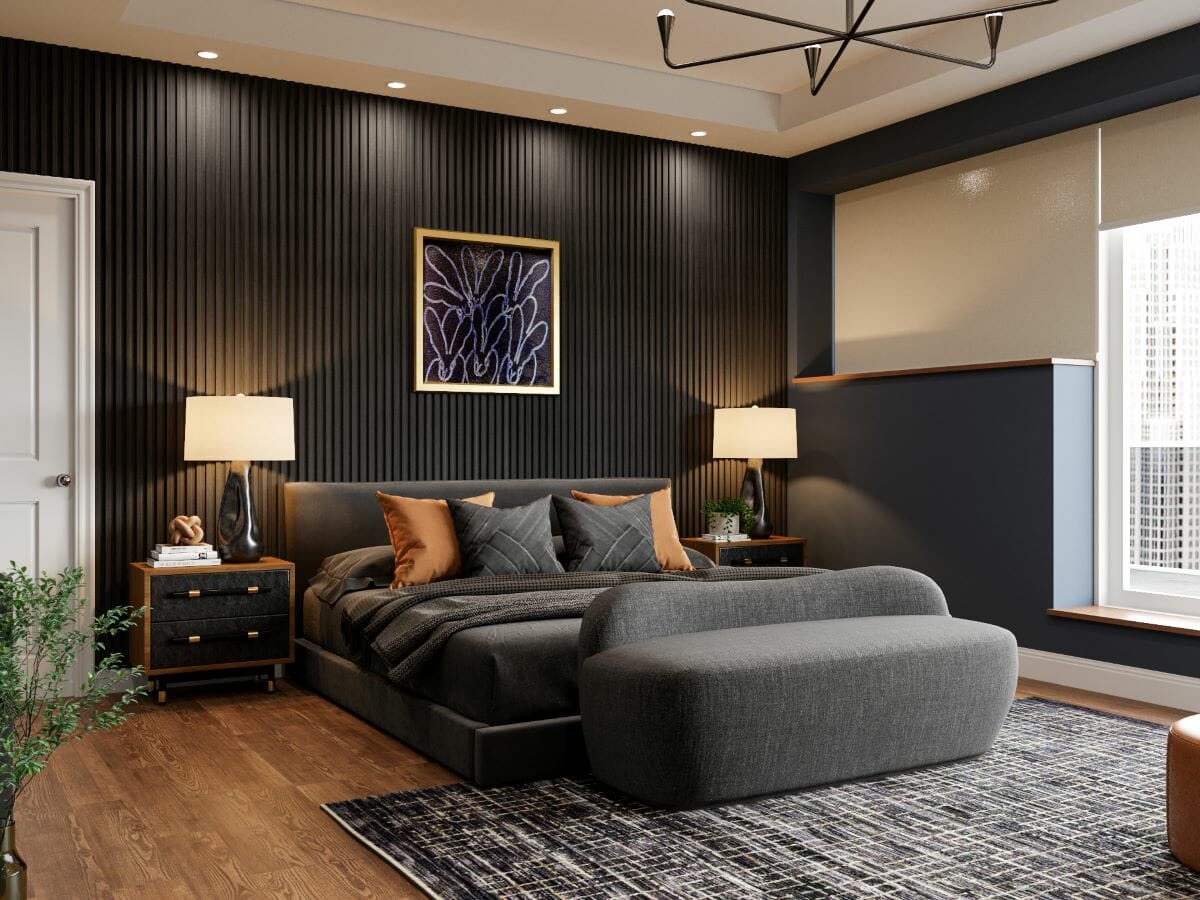
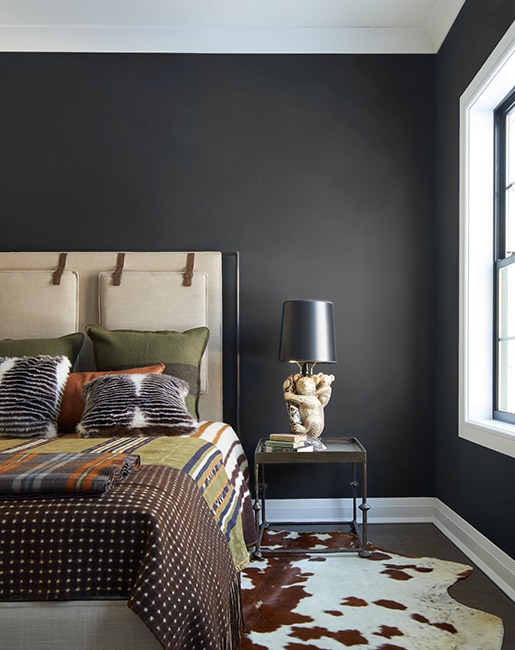
- Charcoal & Black: The ultimate in sophistication and drama. Black can make a room feel incredibly intimate and luxurious when used correctly, often as an accent wall or in furniture. Charcoal offers a softer alternative while maintaining depth and modernity.
Neutrals for Sophistication & Versatility: The Unsung Heroes
Don’t mistake neutrals for boring. They are the backbone of timeless design, offering immense versatility and a sophisticated canvas.
- Grays (Cool & Warm): From light silver to deep charcoal, grays are incredibly versatile. Cool grays lend a modern, crisp feel, while warm grays (greige) offer a cozy, inviting atmosphere. They pair beautifully with almost any accent color.
- Beiges & Creams: The classic warm neutrals. Beiges, creams, and off-whites create a soft, inviting, and timeless look. They make a room feel larger and brighter, perfect for smaller spaces or those craving an airy feel.
- Whites: Crisp, clean, and endlessly adaptable. Pure white can feel stark, but warmer whites with subtle yellow or red undertones create a softer, more welcoming glow, making a room feel open and fresh.
The Modern Man’s Palette: Top Color Schemes Trending Now
Now that we understand individual colors, let’s explore dynamic combinations that transform a room. These aren’t just colors; they’re entire moods waiting to be discovered.
1. The Urban Sanctuary: Charcoal Gray & Deep Navy
This pairing screams sophisticated modernity. It’s an instant classic for a reason. Charcoal gray provides a grounding, versatile base, while deep navy adds a layer of rich, contemplative depth. Together, they create a space that feels both bold and incredibly calming.
- Why it works: It’s masculine without being stark, offering warmth and depth. It creates an intimate, cocoon-like feeling perfect for unwinding.
- How to use it: Paint three walls charcoal, with the headboard wall in deep navy. Or, keep walls light gray and introduce these colors through a navy upholstered headboard and charcoal bedding.
- Accents: Introduce natural wood tones (walnut, oak), metallic touches (bronze, brushed nickel), and soft, textured fabrics like wool or linen to prevent it from feeling too cold. A touch of emerald green or rust can add a surprising pop.
2. Earthy & Grounded: Olive Green & Warm Beige
For the man who appreciates nature, tranquility, and a rustic touch, this scheme is a winner. Olive green evokes the peacefulness of a forest, while warm beige (or a greige with yellow undertones) brings in natural light and coziness.
- Why it works: It’s inherently soothing, creating a balanced and harmonious environment. It feels organic and authentic.
- How to use it: Olive green works beautifully on all walls for a truly immersive feel, complemented by beige bedding and natural wood furniture. Alternatively, a beige room with an olive accent wall and plenty of live plants.
- Accents: Raw wood, terracotta pots, leather, woven textures, and plenty of greenery (plants!) will amplify the natural vibe. Cream or off-white details will keep it feeling fresh.
3. Modern Minimalist: Monochromatic Grays with a Pop
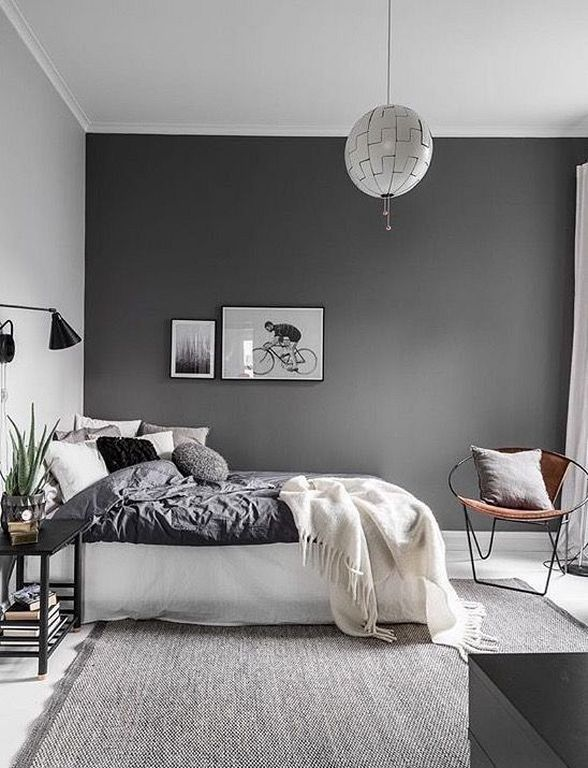
Clean lines, uncluttered spaces, and purposeful design define this aesthetic. Using varying shades of gray – from light silver to dark slate – creates depth and interest without introducing new colors. The “pop” comes from a single, deliberate accent color.
- Why it works: It’s sleek, sophisticated, and incredibly calming. The minimalist approach helps reduce visual clutter, promoting a clear mind.
- How to use it: Start with a mid-tone gray for the walls. Layer different grays through bedding, rugs, and furniture. Introduce your single accent color (e.g., a vibrant mustard yellow, a deep burnt orange, or a rich teal) through art, a throw pillow, or a small decorative object.
- Accents: Industrial elements (metal frames, concrete finishes), minimalist art, geometric patterns, and strategically placed lighting. Keep it simple and intentional.
4. Rustic Refined: Deep Teal & Burnt Orange (Accents)
This scheme is for the man who loves character and a touch of the unexpected. Deep teal, a blend of blue’s calm and green’s vitality, feels rich and inviting. Paired with strategic burnt orange accents, it creates a warm, earthy sophistication.
- Why it works: It’s bold, unique, and full of personality. The contrast between cool teal and warm orange is dynamic yet balanced.
- How to use it: Paint your walls a sophisticated deep teal. Introduce burnt orange through a plush throw blanket, a piece of abstract art, or a decorative vase.
- Accents: Rough-hewn wood furniture, distressed leather, antique maps or globes, and metallic finishes like copper or brass will enhance the refined rustic feel.
5. Classic & Timeless: Navy Blue & Crisp White/Cream
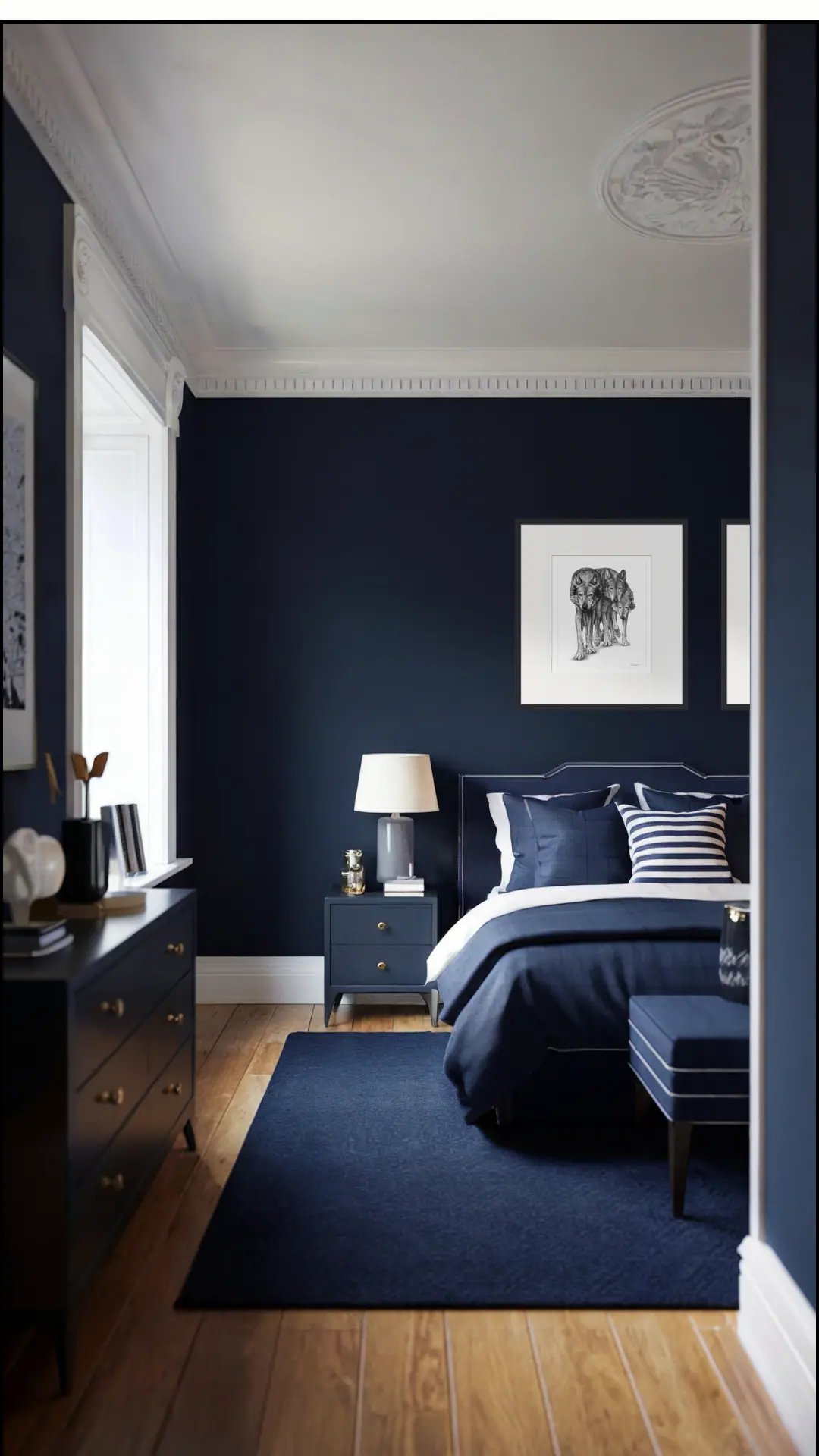
You can’t go wrong with a classic, and this combination is eternally stylish. Navy blue provides a strong, grounding presence, while crisp white or creamy off-white keeps the space feeling fresh, airy, and undeniably elegant.
- Why it works: It’s clean, sophisticated, and evokes a sense of tradition and order. It’s incredibly versatile and adaptable to various styles, from nautical to modern farmhouse.
- How to use it: Paint walls a deep navy and use white for trim, ceiling, and bedding for a sharp contrast. Or, keep walls white and bring in navy through a dramatic accent wall, bedspread, or area rug.
- Accents: Dark woods (mahogany, cherry), polished brass, maritime-inspired decor, clean-lined furniture, and textured cottons or linens.
6. Bold & Moody: Black Accent Wall with Deep Forest Green
For the man who dares to embrace drama and luxury, this is your power move. A single black accent wall provides a profound focal point, creating depth and intimacy. Complement it with deep forest green on other walls for a rich, enveloping experience.
- Why it works: It’s incredibly dramatic, luxurious, and makes a room feel incredibly intimate and chic. It’s perfect for creating a truly unique and memorable space.
- How to use it: Choose the wall behind your bed for the black accent. Paint the remaining walls a lush forest green. Ensure ample lighting to prevent the room from feeling too dark during the day.
- Accents: Velvet textures, dark stained wood furniture, metallic gold or copper accents, and strategic lighting (think sconces or a striking pendant) will elevate this scheme to truly opulent heights.
Beyond the Walls: Integrating Color Through Texture and Furnishings
Your bedroom’s color story extends far beyond just paint. The interplay of textures, materials, and lighting can transform a simple color scheme into a rich, layered experience.
- Textiles: Think about your bedding, rugs, and curtains. A rich velvet throw can add depth and warmth to a cool gray room. A chunky knit rug introduces texture and comfort. Linen curtains in a complementary shade can soften natural light. Don’t underestimate the power of contrast – a light duvet on a dark bed frame, or a patterned rug on a solid floor.
- Furniture: The material and finish of your furniture contribute significantly to your color palette. Dark walnut or mahogany pieces bring richness and tradition. Lighter oaks or maples offer a more modern, airy feel. Leather introduces a masculine, tactile element that ages beautifully. Metal (black steel, brass, bronze) adds an industrial or refined touch.
- Art & Decor: This is where you can inject personality and strategic pops of color without commitment. A large piece of abstract art, a collection of framed prints, or even books on a shelf can carry your chosen accent colors. Don’t forget functional items like lamps or desk accessories.
- Lighting: The type and temperature of your light bulbs dramatically affect how colors appear. Warm white light (2700K-3000K) makes colors feel cozier and richer, while cool white light (3500K-4500K) can make them appear crisper and brighter. Layer your lighting with overhead, task, and ambient sources to create different moods.
Choosing Your Perfect Shade: Practical Considerations
Before you commit to a color, here are some crucial factors to weigh that will ensure your chosen palette works perfectly in your unique space.
Room Size: Maximizing Your Square Footage
- Small Rooms: Lighter, cooler colors (e.g., light grays, soft blues, off-whites) can make a small room feel more expansive and open by reflecting light. If you love dark colors, consider using them on a single accent wall or through bedding to avoid overwhelming the space.
- Large Rooms: Larger rooms can handle darker, richer, and bolder colors more easily without feeling cramped. Deep greens, navies, and even charcoal can create a cozy, intimate feel in a spacious area.
Natural Light: The Ultimate Color Modifier
- North-Facing Rooms: These rooms tend to get cooler, indirect light. Warm colors (beiges, yellows, warm grays, greens with yellow undertones) can help counteract the coolness and make the room feel more inviting.
- South-Facing Rooms: Bathed in bright, warm light throughout the day, these rooms can handle cooler tones (blues, cool grays) without feeling cold. Warm colors might intensify and feel too vibrant.
- East-Facing Rooms: Get bright morning light that turns cooler by afternoon. Consider a color that looks good in both scenarios, perhaps a balanced neutral.
- West-Facing Rooms: Receive warm, intense afternoon light. Colors can appear very different in the morning vs. evening. Test swatches thoroughly!
Existing Furniture: Complement or Contrast?
Take stock of your existing furniture – your bed frame, dresser, nightstands, and any upholstered pieces. Your wall color should either:
- Complement: Choose a color that enhances the undertones of your furniture. For example, warm grays with dark wood, or cool blues with light wood.
- Contrast: A stark contrast can be striking. A crisp white wall against a black metal bed frame, or a deep green wall behind a natural oak dresser.
- Neutralize: If your furniture has a strong color or pattern, a neutral wall color allows it to be the star without competition.
Personal Style & Mood: What Do YOU Want to Feel?
Ultimately, this is your space. Close your eyes and imagine how you want to feel when you step into your bedroom:
- Relaxed & Serene? Lean towards blues, greens, and soft neutrals.
- Energized & Creative? Consider deeper tones or strategic pops of brighter color.
- Sophisticated & Modern? Grays, charcoals, and clean lines.
- Cozy & Inviting? Warm beiges, earthy greens, and rich textures.
Don’t be afraid to trust your gut. It’s your personal sanctuary, after all.
The Ultimate Comparison: Popular Men’s Bedroom Color Schemes at a Glance
To help you visualize and compare the impact of different choices, here’s a quick reference guide to some of the most effective and popular color schemes for men’s bedrooms.
| Color Scheme | Dominant Colors | Mood & Vibe | Ideal Accents | Best For |
|---|---|---|---|---|
| Urban Sanctuary | Charcoal Gray, Deep Navy | Sophisticated, Grounding, Intimate | Wood, Leather, Metallics (Bronze, Nickel), Emerald | Modern Apartments, Larger Rooms, Sleep Focus |
| Earthy & Grounded | Olive Green, Warm Beige | Serene, Natural, Cozy, Restorative | Raw Wood, Terracotta, Plants, Woven Textures | Nature Lovers, Rustic Style, Stress Reduction |
| Modern Minimalist | Monochromatic Grays, Single Accent | Clean, Sleek, Calming, Uncluttered | Industrial Metal, Geometric Art, Bold Single Color (Mustard, Teal) | Contemporary Homes, Small Spaces, Focus & Clarity |
| Rustic Refined | Deep Teal, Burnt Orange (Accents) | Rich, Characterful, Inviting, Unique | Distressed Leather, Antique Wood, Copper, Maps | Eclectic Tastes, Cozy Retreats, Distinctive Style |
| Classic & Timeless | Navy Blue, Crisp White/Cream | Elegant, Fresh, Orderly, Enduring Appeal | Dark Woods, Brass, Cotton/Linen, Maritime Decor | Traditional Homes, Versatile Styles, Bright & Airy |
| Bold & Moody | Black Accent, Deep Forest Green | Dramatic, Luxurious, Intimate, Theatrical | Velvet, Dark Wood, Gold/Copper Metallics, Strategic Lighting | Statement Makers, Large Rooms, Opulent Aesthetic |
Pro Tips for Painting Your Bedroom Like a Pro
Once you’ve settled on your winning color scheme, the actual painting process can be surprisingly rewarding. A little preparation goes a long way to ensure a professional finish:
- Test Swatches are Non-Negotiable: Never skip this step! Paint large swatches (at least 12×12 inches) directly onto your wall, or on poster board you can move around. Observe them at different times of day – morning, afternoon, and evening – to see how the natural and artificial light affects them.
- Prep Work is Key (and worth it!): Clean your walls thoroughly, patch any holes, and sand rough spots. Use painter’s tape for crisp lines around trim and ceilings. Cover your floors and furniture. Proper preparation saves time and frustration in the long run.
- Sheen Matters: The finish of your paint drastically impacts its look and durability.
- Matte/Flat: Absorbs light, creating a soft, sophisticated look. Great for hiding imperfections but less durable.
- Eggshell/Satin: Offers a subtle sheen, more durable and easier to clean than flat. A popular choice for bedrooms.
- Semi-Gloss/High-Gloss: Highly durable and reflective, best for trim, doors, and areas you want to highlight with a shine, not usually for main walls in bedrooms due to glare.
- Use Quality Tools: Good brushes and rollers make a noticeable difference in application and finish. Don’t skimp here.
- Ventilate: Always ensure good airflow when painting to disperse fumes and aid drying.
The Bottom Line: Your Bedroom, Your Rules
Choosing a bedroom color isn’t about conforming to what’s expected; it’s about curating a space that genuinely serves you. It’s an opportunity to express your individuality, enhance your comfort, and optimize your rest and relaxation. Whether you gravitate towards the calming embrace of a deep teal, the sophisticated subtlety of a monochromatic gray, or the grounded warmth of an olive and beige pairing, the best color for your bedroom is the one that makes you feel most at home.
So, ditch the outdated notions, embrace the vast spectrum of possibilities, and design a bedroom that’s not just a reflection of current trends, but a true extension of who you are. Happy painting!
Frequently Asked Questions
What are the most popular bedroom colors for men?
While personal preference is key, some of the most popular and versatile bedroom colors for men include deep navies, charcoal grays, olive greens, warm beiges, and sophisticated muted blues. These colors tend to create a grounded, calm, and masculine aesthetic that is both timeless and modern.
How do I choose a color that makes my small bedroom feel bigger?
For smaller bedrooms, opt for lighter, cooler colors like soft grays, light blues, or off-whites. These shades reflect more light, making the room feel more open and expansive. If you love dark colors, consider using them strategically on one accent wall or through bedding and furniture to avoid overwhelming the space.
Are dark colors always a good choice for a masculine bedroom?
Dark colors like deep navy, charcoal, forest green, or even black can certainly create a sophisticated, intimate, and moody masculine bedroom. However, they can also make a room feel smaller or darker if not balanced with proper lighting and lighter accents. They work best in rooms with ample natural light or if you desire a truly cocoon-like atmosphere.

What’s the best way to incorporate an accent color into a men’s bedroom?
The best way to incorporate an accent color is sparingly and intentionally. Choose one or two elements, like a throw blanket, decorative pillows, a piece of artwork, or a single chair, to feature your accent color. This adds personality and interest without overwhelming the primary color scheme. Metallics (bronze, copper) also make excellent accents.
Should I consider the amount of natural light when choosing a bedroom color?
Absolutely! Natural light dramatically affects how paint colors appear. North-facing rooms with cooler light benefit from warmer tones (beiges, warm grays) to prevent them from feeling cold. South-facing rooms with bright, warm light can comfortably handle cooler tones (blues, cool grays) without them appearing stark. Always test paint swatches on your walls to see them in various lighting conditions.
What paint finish is best for a bedroom?
For bedrooms, an eggshell or satin finish is generally recommended. These offer a subtle sheen, are more durable, and easier to clean than flat or matte paints, making them practical for everyday living. Matte finishes provide a sophisticated, velvety look but are less resistant to marks and scuffs.
Can I use bold colors without overwhelming the space?
Yes, you can! The trick is strategic application. Instead of painting all four walls a bold color, consider an accent wall (typically the one behind the headboard). Alternatively, keep walls neutral and introduce bold colors through furniture, rugs, bedding, or striking artwork. This allows you to enjoy vibrant hues without making the room feel too intense or small.