Can You Really Paint Cellular Shades? Your Definitive Guide to a DIY Refresh
Your cellular shades have seen better days. Maybe the color clashes with your new decor, or perhaps they’re just faded and tired. The thought hits you: can I paint them? It’s a common question, and one you’ll find a lot of conflicting advice on online.
Here’s the honest truth: yes, it’s *possible* to paint cellular shades. But it’s not a simple slap-on-some-paint job, and it comes with some significant caveats. If you’re looking for a perfect, factory-new finish, you might be setting yourself up for disappointment. However, if you’re up for a DIY challenge, understand the risks, and prioritize a fresh look over pristine functionality, then let’s dive into how to tackle this project like a pro.
The Honest Truth: Can Cellular Shades Be Painted?
You can absolutely give your cellular shades a new lease on life with paint, but it’s crucial to manage your expectations. Cellular shades are designed for insulation and smooth operation, with their unique honeycomb structure trapping air. Introducing paint can affect these properties.
The success of your painting project hinges on a few key factors: the material of your shades, the type of paint you choose, and your application technique. Go into this knowing it’s a project that requires patience and precision, not a quick fix.

Understanding Your Cellular Shades’ Material
Most cellular shades are made from a non-woven polyester fabric, or a spun-bonded polyester. These materials are chosen for their durability, light-filtering properties, and ability to hold their shape within the cellular structure. The synthetic nature of these fabrics means they don’t absorb paint in the same way natural fibers like cotton or linen would.
- Polyester/Spun-Bonded Polyester: The most common. These materials tend to repel water-based paints, so you’ll need paints designed for fabric or those with good adhesion properties.
- Fabric Weave: Even if it’s polyester, a tighter weave will make paint absorption more challenging and increase the risk of stiffening.
- Blackout Shades: These often have an internal coating or layer to block light. Painting them can be trickier, and you risk compromising the blackout feature if the paint is applied too thickly.
Always assume your shades are primarily polyester, and choose your paint accordingly.
Choosing Your Weapon: Best Paints for Cellular Shades
This isn’t a job for your standard wall paint. You need something flexible, adhesive, and ideally designed for fabric. Here are your top contenders:
- Fabric Paint (Liquid): Specifically formulated for textiles, these paints remain flexible once dry, which is critical for shades that need to fold and retract. They come in various finishes and can be applied with a brush or sponge.
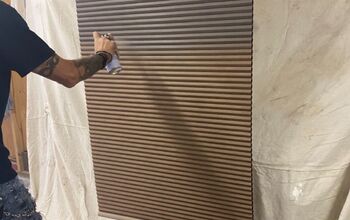
- Fabric Paint (Spray): Offers a more even application, reducing brush strokes and potentially stiffening. Brands like Simply Spray or Tulip have specific fabric paints. Be mindful of overspray.
- Acrylic Paint + Textile Medium: If you have a specific acrylic color in mind, mixing it with a textile medium (available at craft stores) will make it suitable for fabric. The medium helps the paint bind to the fabric, prevents cracking, and maintains flexibility. Follow the manufacturer’s mixing ratios carefully.
- Fabric Spray Dye: While technically a dye, these sprays can offer a similar effect to paint, changing the color without adding significant thickness. They might penetrate the fabric more evenly, potentially leading to less stiffness. However, color options can be limited, and coverage might be less opaque.
No matter which you choose, opt for a matte or satin finish. Glossy finishes can look unnatural and highlight imperfections on fabric.
Paint Type Comparison for Cellular Shades
| Paint Type | Pros | Cons | Best For |
|---|---|---|---|
| Liquid Fabric Paint | Flexible, wide color range, good coverage. | Requires careful application, potential for brush strokes, can stiffen if applied too thick. | Achieving specific custom colors, detail work. |
| Spray Fabric Paint | Even application, faster coverage, less risk of brush strokes. | Limited color range, overspray risk, can still stiffen with heavy coats. | Large areas, quick uniform color change. |
| Acrylic Paint + Textile Medium | Unlimited color matching, good flexibility when mixed correctly. | Requires precise mixing, can be messy, potential for stiffening if ratio is off. | Matching existing decor, artistic freedom. |
| Fabric Spray Dye | Penetrates fabric, less likely to stiffen significantly, uniform finish. | Limited color options, going lighter is impossible, less opaque than paint. | Subtle color shifts, enhancing faded shades, less impact on flexibility. |
The Right Tools for the Job: What You’ll Need
Preparation is paramount. Gather these items before you start:
- Your chosen fabric paint or dye
- Textile medium (if using acrylic paint)
- Soft-bristled brushes (if hand painting) – sponge brushes or foam rollers can also work well for even coverage
- Spray paint gun or airbrush (if using liquid paint and aiming for fine mist)
- Drop cloths or old sheets to protect your work area
- Painter’s tape for masking hardware
- Mild detergent or fabric cleaner
- Clean cloths or sponges
- Gloves
- Respirator or face mask (especially for spray applications)
- Clothespins or clamps (to hold shades open during drying)
- A large, flat, protected work surface (e.g., garage floor, patio, or a large table covered in plastic)
Step-by-Step: How to Paint Cellular Shades Like a Pro (Or Close to It!)
Step 1: Prep Work – The Foundation of Success
- Remove the Shades: Carefully detach your cellular shades from the window brackets. This allows for easier, more even painting and protects your window frames.
- Clean Thoroughly: Dust, dirt, and grime will prevent paint adhesion. Vacuum the shades gently, then use a clean cloth dampened with a mild detergent solution (like a tiny bit of dish soap in water) to lightly wipe down the fabric. Avoid saturating the fabric. Allow to dry completely.
- Protect Hardware: Use painter’s tape to meticulously mask off any exposed plastic or metal hardware you don’t want painted (e.g., the headrail, bottom rail, cords, end caps). Precision here will make a huge difference in the final look.
- Set Up Your Work Area: Lay down drop cloths in a well-ventilated area, preferably outdoors or in a garage with open doors. Ensure you have ample space to fully extend the shades.
Step 2: Test Patch – Don’t Skip This!
This is arguably the most critical step. Find an inconspicuous area on one of your shades – perhaps a small section that tucks into the headrail, or a very bottom corner that won’t be visible when retracted. Apply your chosen paint and technique to this small spot.
- Let it dry completely.
- Observe how the paint adheres, how the color looks, and most importantly, how the fabric’s flexibility and stiffness are affected.
- Try to gently fold or compress the cells. Does it crack? Does it become too rigid?
If you’re not happy with the test patch, it’s time to reconsider your paint choice or even the project itself.
Step 3: Application Techniques – Precision is Key
The goal is light, even coats to avoid oversaturation and stiffening. You’ll need to extend the shade fully. If possible, gently stretch or prop open the cellular structure to ensure paint gets into the pleats without globbing up.

- For Hand Painting (Brush/Sponge):
- Work in small sections.
- Apply a very thin, even layer. Think of it as staining the fabric rather than coating it thickly.
- Use long, even strokes in one direction.
- Avoid pressing too hard, which can push paint too deeply into the cells.
- For Spray Painting/Dyeing:
- Hold the can/gun at a consistent distance (as per manufacturer instructions, usually 6-8 inches) from the fabric.
- Use a sweeping motion, moving past the edges of the shade to prevent heavy build-up at the start and end of your spray.
- Apply extremely light, misting coats. It’s better to do 3-4 very thin coats than one heavy one.
- Ensure good ventilation and wear your respirator.
Focus on painting only one side of the shade at a time. If you try to paint both sides simultaneously, you risk the cells sticking together.
Step 4: Drying Time – Patience, Young Grasshopper
This is where patience truly pays off. Each coat must be completely dry before applying the next. This prevents paint from reactivating, smudging, and, crucially, prevents the cellular pleats from sticking together. Drying times can vary greatly depending on paint type, humidity, and ventilation.
- Typically, wait at least 1-2 hours between coats for fabric paints.
- For a full cure, allow 24-48 hours after the final coat before attempting to retract the shades.
To help with drying and prevent sticking, you can gently place small spacers (like thin cardboard strips or even popsicle sticks) between some of the cells while they are extended. Remove them carefully once dry.
Step 5: Reinstallation & Final Touches
Once your shades are completely dry and cured (give them an extra day if you’re unsure), carefully remove the painter’s tape. Slowly and gently retract and extend the shades a few times to test their operation. Don’t force them if they feel stiff – you might need to manually help separate any sticky cells initially.
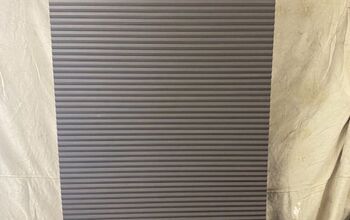
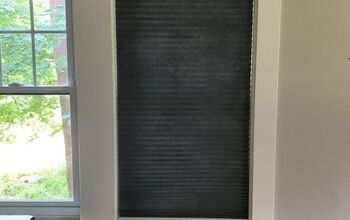
Reinstall them in your windows, step back, and admire your handiwork! You’ve successfully given your cellular shades a custom refresh.
What to Expect: Realistic Outcomes & Potential Pitfalls
While painting can transform your shades, it’s vital to understand the trade-offs:
- Stiffening of Fabric: This is the most common and often unavoidable consequence. Even flexible fabric paints add some body to the material. This stiffness can make the shades harder to retract smoothly, and they might not fold as compactly as before.
- Loss of Insulation Properties: The cellular structure is key to trapping air for insulation. If paint clogs these cells or makes the fabric too rigid to fully expand, their insulating efficiency may decrease.
- Uneven Color/Streaks: Achieving perfectly uniform color on fabric, especially with its natural texture and pleats, is challenging. Expect minor variations, particularly if hand-painting. Going from a very dark to a very light color is nearly impossible.
- Difficulty in Retraction/Operation: If paint accumulates in the pleats or on the cords, the shades might snag, stick, or become difficult to raise and lower.
- Light Filtering Changes: If you paint light-filtering shades, the opacity will likely increase, making them block more light. If you paint blackout shades, the blackout property might be affected if the paint is too thin or uneven.
- Texture Change: The fabric will feel different – less soft, more textile-like or plasticky depending on the paint.
Painting vs. Dyeing vs. Replacing: Which Path Is Right For You?
Before committing to paint, consider other options. Each has its own pros and cons:
DIY Cellular Shade Refresh: Painting vs. Dyeing vs. Replacing
| Option | Pros | Cons | Best For |
|---|---|---|---|
| Painting | Customizable colors, covers stains/fading, budget-friendly DIY. | Risk of stiffening, functional issues, potentially uneven finish, time-consuming. | DIY enthusiasts, those with specific color needs, on a tight budget. |
| Dyeing (Submersion) | More uniform color, less likely to stiffen (if done correctly), penetrates fabric. | Limited to going darker, difficult to achieve even results on complex structures like cellular shades, potential for shrinking/damage. | Those wanting a full color change (darker), comfortable with textile dyeing processes. |
| Replacing | Guaranteed perfect finish, full functionality, choice of new features (blackout, cordless), professional installation. | Highest cost, not a DIY project (unless you install yourself). | Those prioritizing function, perfect aesthetics, long-term solution, higher budget. |
If your shades are very old, significantly damaged, or critical for insulation/privacy, investing in new ones might be the more practical and satisfying long-term solution. However, if they’re in good structural condition and you’re willing to accept the potential trade-offs, painting is a great way to extend their life and refresh your space on a budget.
Troubleshooting Common Painting Issues
- Streaky Finish: You likely applied too much paint or didn’t use an even stroke. Try lighter, thinner coats. For spray paint, maintain consistent distance and motion.
- Stiff Operation: Too much paint, or not enough drying time between coats. If it’s not too bad, gently manipulate the cells while extending and retracting over several days. You might need to manually separate stubborn pleats.
- Paint Bleeding Under Tape: Your painter’s tape wasn’t pressed firmly enough, or the paint was too thin and watery. Ensure tape is fully adhered, or consider using a light coat of clear sealant over the tape edge before painting.
- Shades Stick Together: Not enough drying time, or paint pooled in the pleats. If still wet, try to gently separate. If dry, you might need to carefully pry them apart. This often leads to minor damage to the paint finish.
Maintenance Tips for Your Newly Painted Shades
Your newly painted cellular shades will require a bit more gentle care:
- Dusting: Use a soft brush attachment on your vacuum or a microfiber cloth. Avoid harsh scrubbing.
- Spot Cleaning: If a spill occurs, blot immediately with a clean, damp cloth. Avoid rubbing, as this can reactivate the paint or lift the color. Test any cleaning solution in an inconspicuous area first.
- Avoid Moisture: Excessive moisture can damage the paint finish. Keep them away from high-humidity areas if possible.
- Gentle Operation: Operate the shades smoothly and gently to minimize stress on the painted fabric.
Painting cellular shades is a rewarding project for the patient and detail-oriented DIYer. It allows for incredible customization and can breathe new life into an outdated window treatment without the cost of full replacement. Just remember the key: prep, patience, and realistic expectations, and you’ll be well on your way to a beautifully refreshed space.
Frequently Asked Questions
Can all types of cellular shades be painted?
Most cellular shades are made of polyester or a similar synthetic non-woven fabric, which can generally be painted. However, the success depends heavily on the specific material’s texture and density. Blackout shades, in particular, might be challenging as paint can affect their internal light-blocking layer.
What type of paint is best for cellular shades?
The best options are fabric paints (liquid or spray) or acrylic paints mixed with a textile medium. These paints remain flexible when dry, which is crucial for shades that need to fold and retract. Avoid standard wall paints, as they will likely crack and stiffen the fabric.
Will painting my cellular shades make them stiff or affect their function?
Yes, it’s highly likely. Even with flexible fabric paints, adding a layer of paint will impart some stiffness to the material. This can make the shades harder to retract smoothly, and they might not fold as compactly as they did before. Applying multiple thin coats and ensuring complete drying between coats can minimize, but not entirely eliminate, this issue.
Can I paint light-filtering cellular shades to make them blackout?
While painting light-filtering shades will increase their opacity and block more light, it’s very difficult to achieve a true blackout effect with paint alone. You’d need significant, thick coats which would almost certainly make the shades too stiff to operate. If blackout is your primary goal, it’s usually better to purchase dedicated blackout shades.
How do I prevent the cellular pleats from sticking together during painting?
The key is applying very light, thin coats and ensuring each coat is completely dry before applying the next or attempting to move the shade. You can also gently prop open the cells with thin cardboard spacers or popsicle sticks while the paint dries, removing them carefully once cured. Avoid applying too much paint, which can pool in the pleats.
What are the alternatives to painting cellular shades?
Alternatives include dyeing the shades (which usually works best for going darker and involves submersion), or replacing them entirely. Replacing offers a guaranteed factory finish and full functionality, but at a higher cost. Dyeing can be effective for a color change without as much stiffening, but it’s also a messy and delicate process for cellular structures.