How to Paint a Room Quickly and Efficiently: The Pro’s Blueprint for Speed & Flawless Finish
Let’s be real. The idea of painting a room can feel like a weekend-devouring monster. You want that fresh, vibrant look, but you dread the endless prep, the painstaking cutting-in, and the seemingly eternal drying times. Sound familiar?
Most DIYers approach painting like a marathon, not a sprint. But what if I told you that with the right strategy, tools, and a few insider hacks, you could transform a room in a fraction of the time, without sacrificing a speck of quality? Forget those flimsy ‘paint a room in 30 minutes’ claims – those often lead to rushed jobs and regrets. Instead, we’re talking about mastering efficiency: doing things smarter, not just faster, to get a truly professional finish quickly.
This isn’t just about slapping paint on walls. This is your definitive, human-first guide to painting a room with speed and precision, leaving you with more time for *actually enjoying your refreshed space.
The "Why" Behind Slow Painting (And How to Fix It)
Before we dive into the how-to, let’s tackle the root cause of painting frustration. Why does it always take longer than you expect?
- Poor Planning: Rushing into the job without a clear strategy.
- Inadequate Tools: Using cheap brushes, rollers, or tape that hinder rather than help.
- Skipping Prep: Thinking you’re saving time by not cleaning, patching, or taping properly – only to do rework later.
- Lack of Technique: Inefficient rolling patterns or messy cutting-in that requires constant touch-ups.
- Distractions: Starting and stopping, losing momentum.
The fix? A mental shift. Approach painting like a well-oiled machine. Each step flows into the next, minimizing wasted effort and maximizing impact. It’s about working smarter, not harder.
Phase 1: Masterful Planning – The Foundation of Speed
True efficiency begins long before you even open a can of paint. This is where you lay the groundwork for a quick and flawless execution.
Choosing the Right Paint & Tools (Efficiency Starts Here!)
Think of your paint and tools as your arsenal. High-quality choices are an investment that pays off in saved time and superior results.
- Paint Type: Look for modern paint+primer in one formulas. These significantly cut down on steps. Quick-dry paints are a game-changer for reducing wait times between coats, especially in less humid environments. Consider Zero-VOC options for better indoor air quality, allowing you to reoccupy the room faster.
- Sheen Selection: While not directly affecting speed, choosing the right sheen can reduce the need for future touch-ups. Eggshell or satin are durable and forgiving for walls, while flat/matte is quick to apply but harder to clean.
- High-Quality Brushes & Rollers: This is non-negotiable.
- Brushes: Invest in 2.5-inch angled sash brushes with synthetic bristles (for latex paints). They hold more paint, provide sharper lines, and are easier to clean.
- Rollers: Choose the right nap length for your wall texture (e.g., 3/8-inch or 1/2-inch for most smooth to lightly textured walls). High-density woven rollers release paint more evenly and with less splatter, requiring fewer passes.
- Specialty Tools:
- Extension Pole: A lightweight, sturdy extension pole (4-6 feet) for your roller is crucial. It saves your back and allows you to cover large areas much faster than working off a ladder.
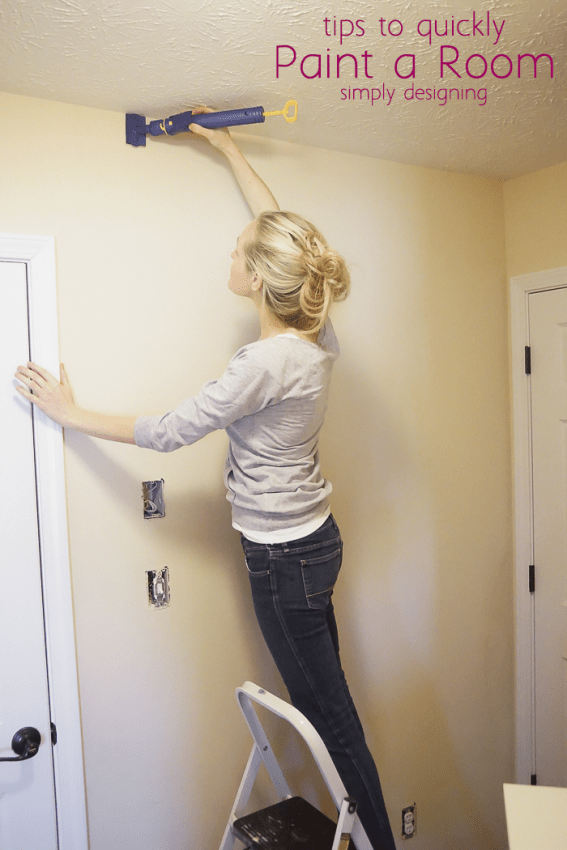
- Paint Edgers: While some pros prefer freehand cutting, a good quality paint edger with wheels can speed up clean lines for many DIYers.
- Paint Sprayers: For large, empty rooms or intricate details (like trim work, if you’re careful), a paint sprayer can be incredibly fast. However, it requires significant masking/prep, so weigh the trade-off. For one room, it’s often overkill.
| Tool | Why It Speeds Up Painting | Pro Tip for Efficiency |
|---|---|---|
| High-Quality Angled Sash Brush (2.5") | Holds more paint, provides cleaner cut lines, reduces drips/rework. | Load only the bottom 1/3 of the bristles. Work with a steady hand. |
| Premium Roller Cover (3/8"-1/2" nap) | Even paint release, less splatter, excellent coverage per roll. | Pre-dampen with water (for latex) and spin dry to remove lint. |
| Extension Pole (4-6 ft) | Eliminates ladder repositioning, covers large areas continuously. | Choose a lightweight, sturdy one. Practice smooth, even strokes. |
| Painter’s Tape (e.g., FrogTape) | Creates crisp lines, reduces need for touch-ups. | Apply firmly, then seal edges with a credit card or a thin bead of caulk. |
| Plastic Sheeting (9’x12′ or larger) | Quickly covers furniture, floors; faster than moving everything. | Use with painter’s tape to create temporary "walls" or covers. |
| 5-Gallon Bucket & Grid | Holds more paint, faster roller loading, reduces refills. | "Box" all paint cans into the bucket to ensure consistent color. |
Color Selection & Testing (Avoiding Costly Rework)
Nothing slows you down like realizing you hate the color after two coats. Test paint swatches on your walls in various lighting conditions throughout the day. Paint a large 2’x2′ patch, or better yet, use peel-and-stick samples. This small step prevents massive headaches and repainting later.
Estimating Paint Quantity Accurately (No Wasted Trips or Leftover Paint)
Calculate your room’s square footage (perimeter x wall height) and factor in doors/windows. Most paints cover 350-400 square feet per gallon, per coat. Always buy slightly more than you think you need (e.g., an extra quart or half-gallon). Running out mid-job is a huge time sink. Conversely, buying too much is a waste. Many paint stores offer helpful calculators online.
Phase 2: Lightning-Fast Prep Work – Where Most DIYers Lose Time
This is where the biggest time-saving secrets hide. Proper prep isn’t just about quality; it’s about speed. Cutting corners here guarantees delays, reworks, and frustration.
Clearing the Room Like a Pro
Don’t move everything out. Instead:
- Centralize: Push all furniture to the center of the room.
- Cover: Drape it completely with lightweight plastic sheeting. Secure with tape.
- Remove Fixtures: Take down curtains, blinds, outlet covers, switch plates, light fixtures (if you’re confident), and wall decor. Put screws/hardware in labeled Ziploc bags.
This efficient clearing minimizes obstacles and creates a safe, open workspace.

Protecting Surfaces: Tape, Drop Cloths & Beyond
The goal is to protect what you don’t want painted quickly and thoroughly.
- Painter’s Tape Hacks:
- Quality Matters: Use FrogTape or similar premium brands. It adheres better and prevents bleed-through.
- Apply Firmly: Press down the tape firmly with your finger or a putty knife to ensure a tight seal.
- Seal the Edge: For extra security, after applying tape, paint a thin, clear coat of the original wall color (or a clear sealant) over the tape edge. Let it dry. This creates a barrier against new paint bleeding under.
- Drop Cloth Strategies:
- Canvas is King: Canvas drop cloths absorb drips, are slip-resistant, and reusable. Plastic drop cloths can be slippery and spread paint if walked on.
- Overlap: Always overlap drop cloths by at least 6-12 inches to prevent gaps.
- Tape Edges: Secure drop cloths around the room’s perimeter with painter’s tape to prevent tripping and paint seeping underneath.
- Masking Large Areas Quickly: For windows or door frames, use pre-taped plastic sheeting. You apply the tape, then unfurl the plastic to cover large sections in seconds.
Surface Perfection: Patch, Sand, Clean
This is crucial for a smooth, professional finish that won’t require fixes later.
- Quick Repairs: Fill nail holes and small dents with quick-dry spackle. For larger holes or cracks, use lightweight joint compound. Let it dry completely.
- Dust-Free Sanding: Lightly sand all patched areas and any glossy surfaces (if painting over semi-gloss or oil-based paint) with 220-grit sandpaper or a sanding sponge. The goal is to create a slightly rough surface for better paint adhesion.
- Cleaning for Optimal Adhesion: This is often overlooked! Dust, grime, and oils can prevent paint from adhering properly, leading to peeling. Wipe down all walls with a damp cloth or a TSP (trisodium phosphate) substitute cleaner. Rinse with clean water. Let surfaces dry completely before painting. This ensures your paint lasts and looks great, saving future rework.
Phase 3: The Painting Power Hour – Techniques for Speed and Precision
Now, the moment you’ve been preparing for. With proper prep, this phase will fly by.
Priming Smart: When & Why to Use Tinted Primer
If you’re using a paint-and-primer-in-one product and your walls are in good shape with a similar color, you might skip a dedicated primer coat. However, a primer is essential when:
- Changing from a very dark to a very light color (or vice versa).
- Painting over stained or greasy walls.
- Covering glossy surfaces.
- Dealing with new drywall.
Pro Tip: If you’re going from a dark color to a light one, ask your paint store to tint your primer closer to your final paint color. This drastically improves coverage and reduces the number of finish coats needed, saving you hours.
The Pro’s Pour & Mix: Streamlining Your Paint Supply
Don’t just open a can and start. Professional painters swear by these tricks:
- Boxing Paint: If you have multiple cans of the same color, pour them all into a 5-gallon bucket and stir thoroughly. This ensures uniform color across all cans and prevents subtle shade differences (called flashing) on your walls.
- Lining Trays: Line your paint tray with a plastic liner or heavy-duty aluminum foil. When you’re done, simply discard the liner for super-fast cleanup.
Cutting-In with Confidence: Edging Techniques for Speed
This is where many DIYers get bogged down. Mastering cutting-in saves immense time on taping and touch-ups.
- The "W" (or "M") Method for Cutting In: Load your angled brush. Start about an inch away from the edge (ceiling or trim) and paint a small "W" or "M" shape. Then, drag the brush back towards the edge, letting the bristles gently kiss the line. This creates a clean, straight edge without overloading the brush.
- Brush Grip and Angle: Hold the brush like a pencil, about a third of the way up the handle. Use an angle that lets the bristles flex slightly, typically 45 degrees.
- Freehand vs. Tape: While tape is great for beginners, practicing freehand cutting-in is faster once you’re comfortable. For speed, consider using a paint shield for tricky areas or for protecting the ceiling line if you’re not using tape.
Sequence is Key: Always cut in first, then roll. Cut in all edges (ceilings, corners, trim) in one section, then immediately roll that section. This keeps the "wet edge" alive, preventing lap marks.
Rolling Like a Machine: Maximize Coverage, Minimize Strokes
This is where you cover the most ground quickly.
- Load the Roller Efficiently: Don’t overload. Roll the roller back and forth in the paint tray’s well to saturate it, then roll it on the grid to remove excess and ensure even distribution. The roller should be damp, not dripping.
- The "W" or "V" Rolling Technique: Start by painting a 3’x3′ "W" or "V" on the wall without lifting the roller. Then, fill in the shape with vertical strokes, working from top to bottom. This technique ensures even coverage and minimizes lap marks.
- Consistent Pressure: Apply moderate, even pressure. Don’t press too hard, which can create lines or splatter. Let the roller do the work.
- Working Top-to-Bottom: Always work downwards. This allows gravity to help smooth out paint and prevents drips.
- Seamless Transitions: Always maintain a wet edge. Overlap each roller pass by about 50% to blend the paint seamlessly. Don’t let painted sections dry completely before adding the next pass.
Strategic Order of Painting
Follow this general order for maximum efficiency:
- Ceiling: If you’re painting it, do this first. Use a roller with an extension pole.
- Walls: Cut in, then roll. Do two coats if necessary, allowing proper dry time between.
- Trim (Doors, Windows, Baseboards): Paint these last. If you’re doing a contrasting trim color, use painter’s tape to protect your freshly painted walls.
- Doors: If painting them, take them off their hinges and paint them horizontally on sawhorses for the fastest, smoothest finish.
Drying Times & Second Coats: Accelerate the Process
Waiting for paint to dry is often the biggest time constraint. Here’s how to speed it up:
- Humidity Control: Paint dries faster in low humidity. If it’s humid, use a dehumidifier in the room.
- Fans for Air Circulation: Place fans in the room (pointing away* from freshly painted surfaces to avoid dust adhesion) to circulate air. Open windows for cross-ventilation.
- Quick-Dry Paints: As mentioned, these can cut drying times by hours. Read the can’s instructions carefully for specific recoat times.
Phase 4: Swift & Spotless Cleanup
You’re almost done! Don’t let cleanup undo all your efficiency gains.

Removing Tape at the Right Time
This is critical. Remove painter’s tape when the paint is dry to the touch but not fully cured – usually within a few hours, or as per the tape manufacturer’s instructions. If you wait too long, the paint can bond to the tape, causing it to peel off in flakes. Pull at a 45-degree angle, slowly and steadily.
Tool Care for Longevity & Future Speed
Clean your good quality brushes and rollers immediately after use. Warm water and mild soap work for latex paints. Spin roller covers to remove excess water. Wrap brushes tightly in paper towels or plastic wrap to maintain their shape. Clean tools are ready tools, saving you money and time on your next project.
Final Touches & Inspection
Do a thorough walk-around. Look for drips, missed spots, or uneven areas. It’s much easier to do small touch-ups now than to live with imperfections.
Time-Saving Cheat Sheet: Quick Tips & Hacks
- Keep a Wet Rag Handy: For immediate wipe-ups of drips or splatters.
- Use a Paint Pot Instead of a Full Can: When cutting in, pour a smaller amount of paint into a specialized paint pot or a clean, small plastic container. It’s lighter and easier to maneuver than a gallon can.
- Don’t Over-Tape: Only tape what absolutely needs it. Many areas can be freehand cut faster than meticulously taping and untaping.
- Wear a Hat: Seriously. It prevents paint in your hair, which saves a shower and potential mess.
- Designate a "Paint Zone": Keep all your tools, rags, and paint in one area to minimize searching.
- Listen to Music/Podcast: Keeps you focused and motivated without feeling the passage of time as much.
How Long Does It Really Take to Paint a Room? (Realistic Expectations)
With all these strategies, what’s a realistic timeline? It depends on several factors:
- Room Size: Smaller rooms are obviously faster.
- Prep Required: Heavily damaged walls or a lot of furniture will add time.
- Color Change: Dark to light needs more coats/primer.
- Your Experience: Beginners will naturally take longer.
However, by following this guide, you can significantly reduce your painting time while maintaining a high-quality finish. Here’s a general estimate for an average DIYer using these efficient techniques:
| Room Size | Dimensions (Approx.) | Estimated Time (2 Coats, incl. Prep & Dry Time) |
|---|---|---|
| Small Room (e.g., Bathroom, Powder Room) | 5’x7′ to 8’x10′ | 4-8 hours |
| Medium Room (e.g., Bedroom, Home Office) | 10’x12′ to 12’x14′ | 8-16 hours |
| Large Room (e.g., Living Room, Master Bedroom) | 14’x16′ to 20’x20′ | 16-24 hours |
| Very Large/Multiple Rooms | 20’x20’+ / Multiple Areas | 24+ hours or multiple days |
Remember, these are estimates. Factor in lunch breaks, unexpected distractions, and allowing sufficient drying time between coats. The goal isn’t to beat a clock but to be as efficient as possible without compromising the final look.
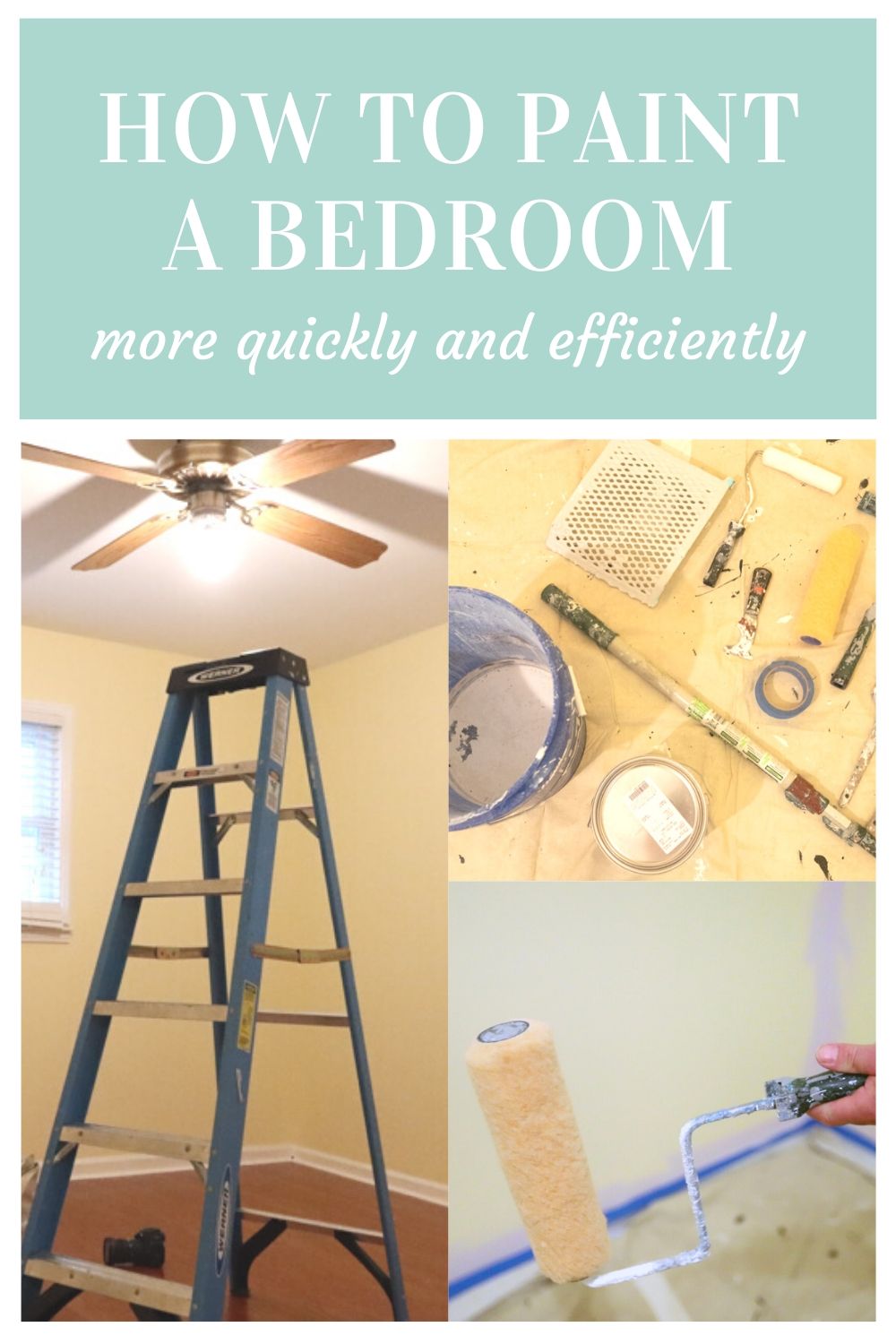
Painting a room doesn’t have to be an arduous, week-long ordeal. By adopting a proactive, strategic approach – focusing on quality tools, meticulous (but fast) prep, and efficient application techniques – you can cut your painting time dramatically. You’ll not only enjoy a faster process but also achieve a smoother, more professional-looking finish that will make you proud. Now go grab that brush and transform your space!
Frequently Asked Questions
What’s the absolute fastest way to paint a room without sacrificing quality?
The absolute fastest way is a combination of meticulous planning, using high-quality paint-and-primer-in-one products and tools (like an extension pole and premium rollers), thorough and swift prep work (masking, quick repairs), and efficient application techniques (like boxing paint, cutting in quickly, and the ‘W’ rolling method). It’s about minimizing rework and maximizing coverage per stroke.
Do I really need to use painter’s tape, or can I freehand?
For most DIYers, painter’s tape is highly recommended for clean, crisp lines, especially on trim, ceilings, and windows. It significantly reduces the need for tedious touch-ups later. While experienced pros often freehand for speed, tape provides a safety net for quality. Use a high-quality tape like FrogTape and seal its edges for the best results.
How can I make paint dry faster between coats?
To accelerate drying, ensure good air circulation by opening windows and using fans (positioned to blow air across the room, not directly on wet paint to avoid dust). A dehumidifier can also help in humid environments. Always use quick-dry paint formulations when possible, and apply thin, even coats, as thick coats take longer to dry.
Is it better to cut in first or roll the walls first?
Always cut in first, then roll immediately afterward in sections. This allows you to ‘blend’ the brushed cut-in paint with the rolled paint while both are still wet, preventing visible brush strokes or lap marks. Work in small, manageable sections (e.g., one wall at a time) to maintain a wet edge.
What’s the most common mistake people make that significantly slows them down?
The most common mistake is inadequate or rushed prep work. Skipping steps like cleaning walls, patching holes, or properly taping surfaces might seem like time-savers initially, but they inevitably lead to costly reworks, poor paint adhesion, uneven finishes, and frustrating touch-ups that add far more time to the overall project.
Can I use a paint sprayer for a single room to save time?
A paint sprayer can cover large, empty areas incredibly fast. However, for a single room, the extensive masking and protection required (to avoid overspray on floors, trim, and fixtures) often outweighs the time saved on application. Sprayers are most efficient for multiple rooms or large, unmasked areas like new construction.
How do I avoid roller marks and streaks on my walls?
To avoid roller marks, use a high-quality roller cover with the appropriate nap for your wall texture, load the roller evenly (not too much, not too little), maintain a wet edge by overlapping each pass by about 50%, and use a consistent ‘W’ or ‘V’ pattern across the wall. Avoid pressing too hard, and ensure enough paint on the roller to prevent streaking.