How to Paint a Room in One Day: Your Ultimate Guide to a Speedy Transformation
Dreaming of a fresh coat of paint but dreading the multi-day disruption? You’re not alone. Many people put off painting precisely because it feels like a monumental task. But what if I told you that transforming a room with a brand-new color isn’t just a weekend project, but a genuine one-day possibility? Yes, you can absolutely paint a room in one day – and do it well – with the right strategy, tools, and a focused approach.
This isn’t about rushing and cutting corners. This is about working smarter, not harder. I’m going to walk you through a streamlined, step-by-step process that maximizes efficiency and minimizes downtime, so you can go from drab to fab in roughly 8-10 hours. Get ready to reclaim your space with a stunning new look, all before the sun sets!
The “One-Day” Reality Check: Is It Truly Possible?
Let’s be upfront: painting a room in one day is ambitious, but it’s far from impossible. It requires discipline, preparation, and making smart choices from the get-go. This isn’t the day to try out intricate murals or intricate trim work. This guide focuses on giving your walls a beautiful, solid color change.
Several factors will influence your success:
- Room Size: A small bedroom or bathroom is much easier than a sprawling living room.
- Wall Condition: Minor dings are fixable, but extensive repairs will eat into your time.
- Color Change: Going from light to dark (or vice versa) often requires two coats, which this guide factors in.
- Paint Type: Fast-drying paints are your best friend.
- Your Experience: If you’re a seasoned DIYer, you’ll naturally be faster.
The key is to embrace efficiency at every turn. Think of it like a race against the clock, where every minute saved on prep means more time for painting and drying.
Phase 1: The Preparation Power-Up (Approx. 2-3 Hours)
This is where most DIY painters lose precious time. Skimp on prep, and you’ll pay for it in frustration and rework. But there’s a difference between thorough prep and *over-prepping. For a one-day job, we’re aiming for efficient, effective preparation.
Minimalist Approach: Clearing the Room Strategically
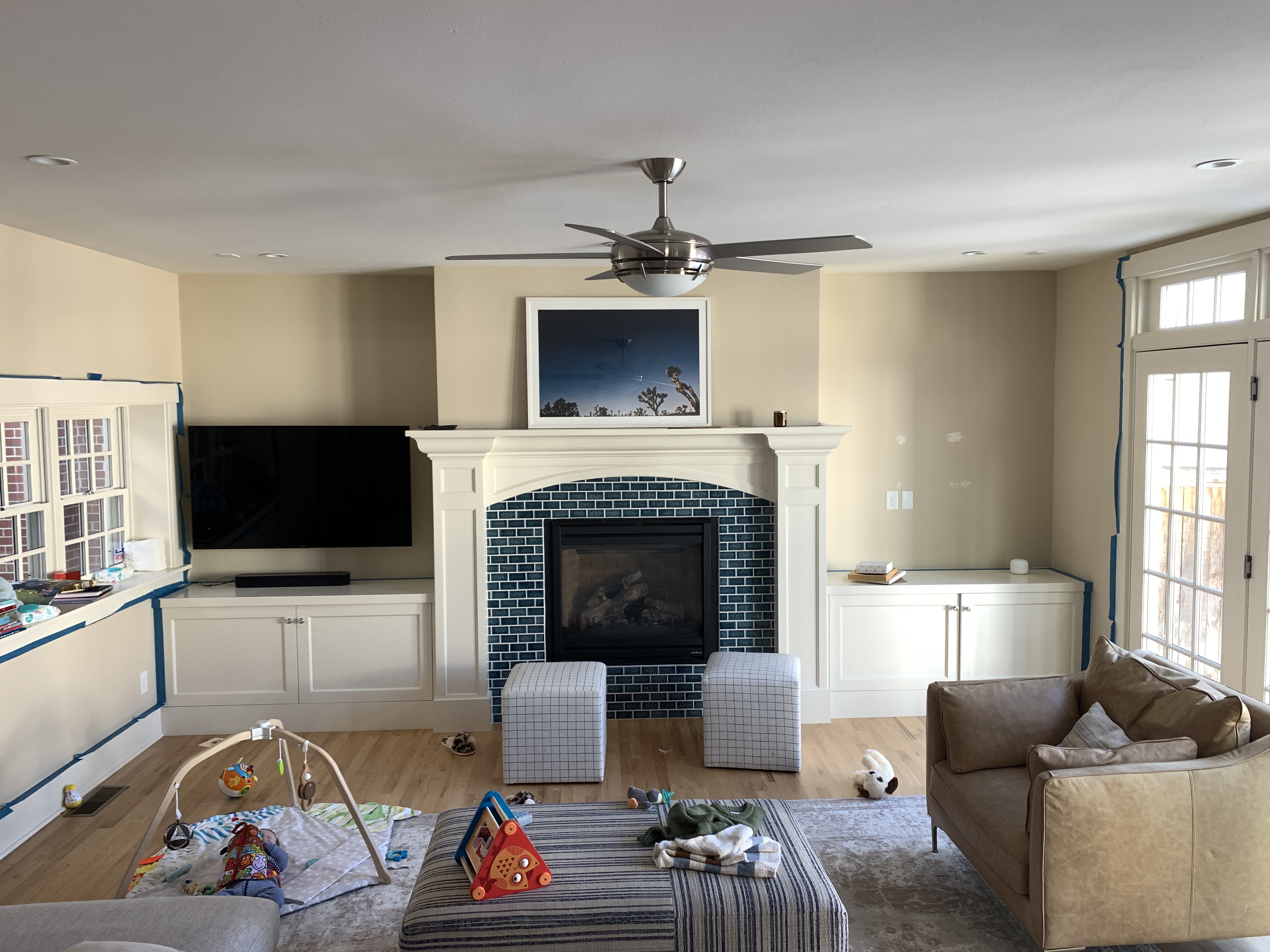
Forget emptying the entire room into another one – that’s a time sink. Instead, focus on creating a clear work zone. Move all small items, wall art, and light fixtures. Then, push all furniture to the center of the room, creating a clear perimeter around all walls. Cover everything meticulously with lightweight plastic sheeting or canvas drop cloths. This protects your belongings and creates a large, unobstructed pathway for you to work quickly.
Quick Fixes: Cleaning and Patching Like a Pro
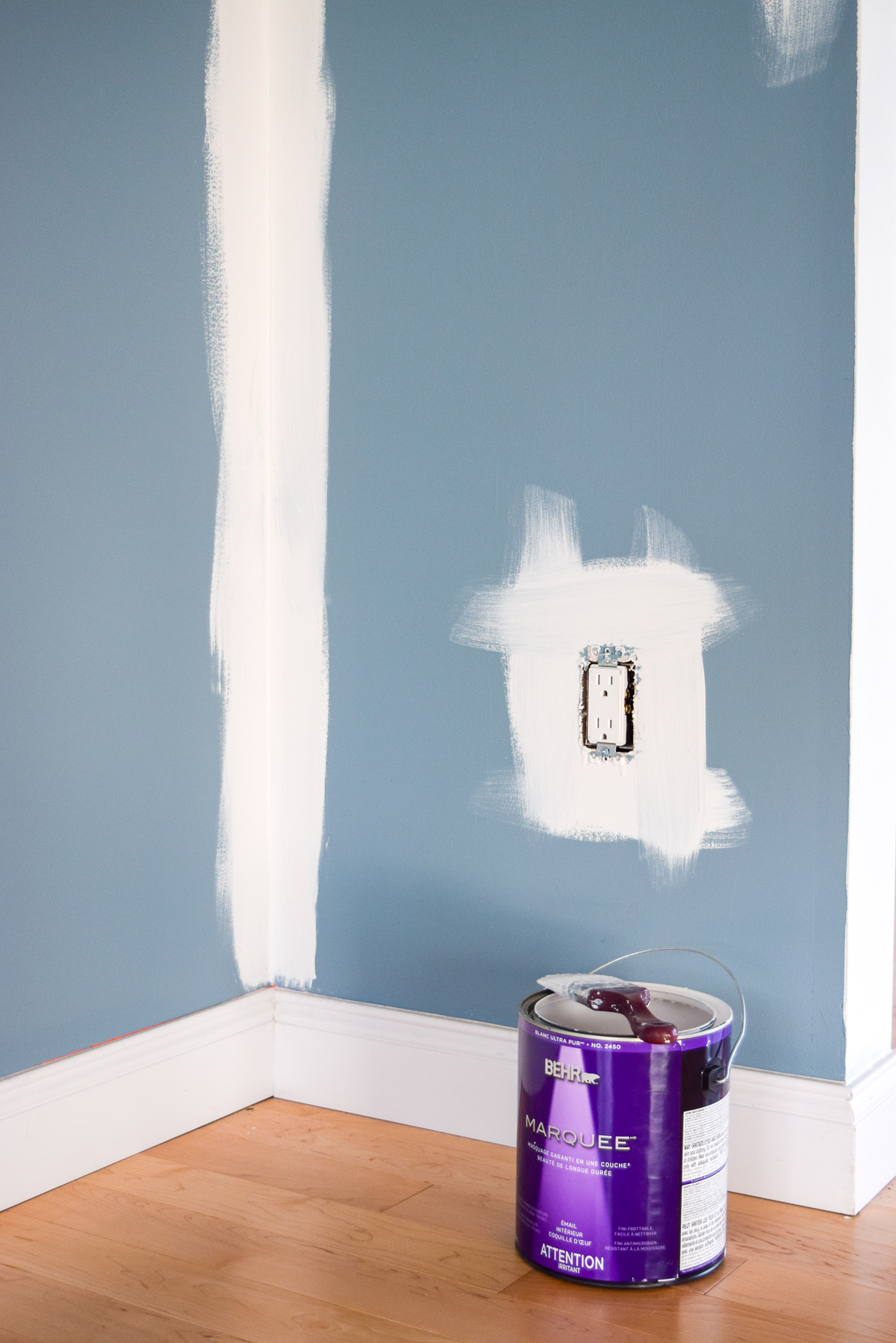
Your walls don’t need a deep scrub, just a quick wipe-down. Use a damp cloth to remove dust, cobwebs, and any noticeable grime. For patching holes, opt for a fast-drying spackle. These products are designed to dry in 10-30 minutes, allowing you to sand and prime (if necessary) almost immediately. Focus on minor nail holes and small dents – anything larger might require more dry time than you have.
Taping Smart, Not Hard: Protecting Your Space Efficiently
Do you really need to tape everything? For a one-day job, maybe not. If you have a steady hand, consider freehanding along baseboards and ceiling lines, especially if you’re comfortable cutting in. This is a huge time saver. If you do tape, use high-quality painter’s tape that provides crisp lines and removes cleanly. Apply it quickly and firmly, ensuring no gaps. Focus your taping efforts on areas where precision is absolutely critical, like around windows, door frames, or intricate trim if you’re not confident in your brush skills.
The Right Tools & Supplies Checklist: No Time for Supply Runs!
Running back to the store for a forgotten item is a one-day painting killer. Gather everything* before you start. Here’s your hit list:
- Paint: Enough for two coats (calculate carefully!)
- Angled Sash Brush: For cutting in (1.5″ – 2.5″)
- Roller Frame & Covers: 9″ frame, 3/8″ – 1/2″ nap for smooth to lightly textured walls
- Paint Tray & Liners: Multiple liners for easy clean-up between coats/colors
- Drop Cloths: Canvas for floors, plastic sheeting for furniture
- Painter’s Tape: Low-tack for delicate surfaces, standard for most
- Spackle & Putty Knife: Fast-drying variety
- Sandpaper/Sanding Sponge: Fine-grit (120-220)
- Screwdrivers: For removing outlet covers/switch plates
- Cleaning Supplies: Rags, bucket, soap, maybe a painter’s multi-tool
- Extension Pole: For your roller – saves your back and speeds up rolling
- Ladder/Step Stool: Essential for cutting in at the ceiling
- Ventilation: Box fan, open windows
Here’s a look at how your tool choices can impact your speed:
| Tool Category | Best Choice for Speed | Why It’s Faster |
|---|---|---|
| Paint Brush | 2-2.5″ Angled Sash Brush | Precise cutting-in, holds more paint than smaller brushes. |
| Roller Cover | 3/8″ – 1/2″ Microfiber Nap | Excellent paint pickup and release, smooth finish, fewer trips to the tray. |
| Roller Frame | Lightweight 9″ Frame with Extension Pole | Covers large areas quickly, reduces strain. |
| Drop Cloths | Lightweight Plastic Sheeting (for furniture), Canvas (for floors) | Plastic is fast to spread, canvas is durable for foot traffic and reusability. |
| Paint Tray | Heavy-Duty Tray with Disposable Liners | Liners make color changes and clean-up instant. |
Phase 2: The Painting Blitz – Mastering Speed & Quality (Approx. 4-6 Hours)
This is where the magic happens. Your goal here is consistent, even coverage, applied swiftly. Remember, efficiency doesn’t mean sloppiness.
Choosing Your Warrior: Fast-Drying Paint & Primer Combos
This is arguably the most crucial decision for a one-day paint job. You need paint that not only covers well but also dries quickly between coats. Opt for high-quality acrylic latex paint with built-in primer (often labeled “paint & primer in one”). This dramatically reduces the need for a separate priming step, saving you hours. Look for brands known for good coverage, as this minimizes the number of coats required.
Here’s why your paint choice matters for speed:
| Paint Type | Dry to Touch (Approx.) | Time Before Recoat (Approx.) | Notes for One-Day Painting |
|---|---|---|---|
| Acrylic Latex (Water-based) | 30-60 minutes | 2-4 hours | Highly recommended. Fastest drying, easy clean-up. Look for “paint & primer” versions. |
| Oil-Based Alkyd | 4-8 hours | 24 hours | Avoid for one-day jobs. Long drying times, difficult clean-up, strong fumes. |
| Paint + Primer in One | 30-60 minutes | 2-4 hours | Essential for speed. Combines steps, good coverage. |
The Art of the Cut-In: Precision Under Pressure
Always start with your cutting-in (the edges). This allows you to roll right up to your freshly painted lines without worrying about getting paint on the ceiling or trim. Load your angled brush with paint, tapping off any excess. Use the tip of the brush to create a straight line where the wall meets the ceiling, corners, and trim. Work in small sections, about 2-3 feet at a time, moving quickly but deliberately. Don’t press too hard; let the bristles do the work. Complete all cut-in areas for the entire room before you pick up your roller. This saves time by preventing repetitive tool changes.
Rolling with Velocity: The “W” Technique for Flawless Coverage
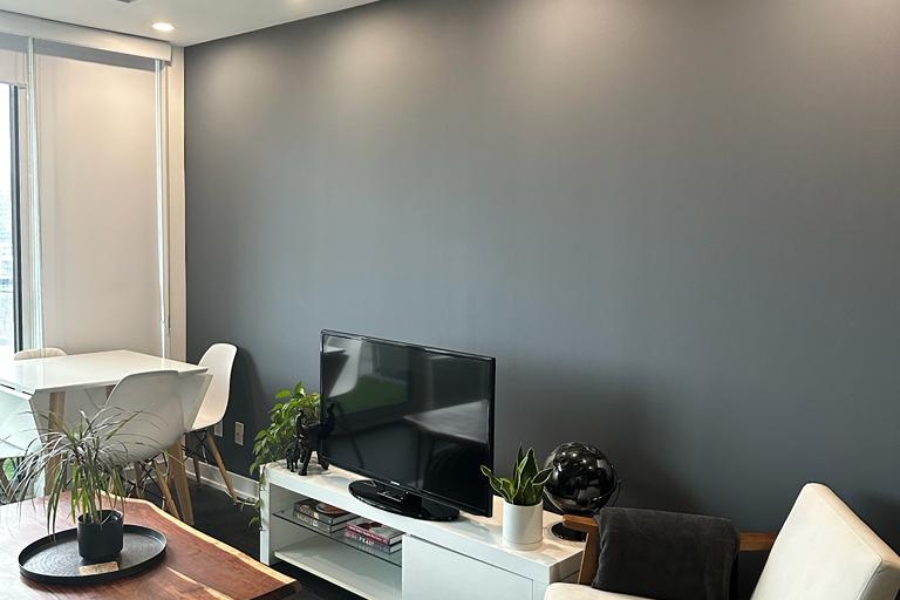
Once your cut-in is done, grab that roller and extension pole. Pour a generous amount of paint into your tray. Load your roller cover evenly, rolling it back and forth on the tray’s ramp until it’s saturated but not dripping. Start by rolling a large “W” shape on the wall, then fill it in by rolling horizontally, ensuring good coverage. Overlap each stroke slightly to avoid roller marks and maintain a wet edge. This is crucial for a smooth, uniform finish. Work in 3×3 or 4×4 foot sections, moving quickly and methodically around the room.
The Second Coat Sprint: Timing is Everything
Most walls will require two coats for optimal coverage, especially if you’re making a significant color change. Refer to your paint can for the recommended recoat time (typically 2-4 hours for latex paints). While you wait, resist the urge to start cleaning your tools thoroughly. Instead, wrap your brushes and rollers tightly in plastic wrap or place them in sealed plastic bags to prevent them from drying out. This buys you precious minutes. As soon as the first coat is dry to the touch and ready for recoating, get back to work. Apply the second coat with the same efficiency as the first, focusing on even coverage. By this point, you’ll be faster, as the first coat has already done the heavy lifting.
Phase 3: The Rapid Retreat – Post-Painting Efficiency (Approx. 1 Hour)
You’re almost there! Don’t let clean-up undo all your hard work on speed. This phase is about packing up efficiently and letting your hard work cure.
Quick Clean-Up: Preserving Your Tools & Your Sanity
The moment you’re done with your final coat, start your clean-up. For brushes and rollers used with latex paint, immediately rinse them under warm water until the water runs clear. Use a spinner tool for rollers if you have one – it’s incredibly fast and effective. Disposable tray liners can be removed and discarded immediately. If you have any paint left, seal the can tightly. Gather all drop cloths and plastic sheeting; if they’re still wet with paint, fold them carefully to contain the wetness and dispose of them appropriately.
Removing Tape: The Golden Rule
If you used painter’s tape, the absolute best time to remove it is when the paint is dry to the touch but not fully cured. This usually means within a few hours of your final coat, often right after you finish cleaning your tools. Pull the tape off slowly, at a 45-degree angle, to ensure crisp lines and prevent the paint from peeling. Waiting too long can cause the paint to bond with the tape, leading to jagged edges or damage to your new finish.
Ventilation & Drying: Speeding Up the Cure
While the paint needs time to fully cure (which takes days), you can significantly speed up the initial drying process. Open windows and doors to create cross-ventilation. Use box fans to circulate air within the room. If it’s not too humid, a dehumidifier can also help pull moisture from the air, assisting the paint in drying faster. Good ventilation is also essential for dissipating paint fumes, making the room habitable sooner.
Common Mistakes That Kill Your One-Day Dream (And How to Avoid Them)
Even with the best intentions, certain pitfalls can derail your speedy paint job:
- Skipping Prep: This is the number one time-killer. A clean, smooth surface is non-negotiable for a professional finish.
- Poor Quality Tools/Paint: Cheap brushes streak, cheap rollers shed, and cheap paint requires endless coats. Invest in quality.
- Overloading Brushes/Rollers: Too much paint leads to drips, splatters, and uneven coverage, all of which require time-consuming fixes.
- Rushing Drying Times: Applying a second coat too soon will lead to peeling, bubbling, and a messy finish. Trust the paint can.
- Underestimating Room Size: Be realistic about how much area you can cover. A larger room might need an extra set of hands.
- Not Having Enough Paint: Always buy a little extra. Running out mid-job is a significant delay.
- Inadequate Lighting: You need good lighting to spot missed spots and ensure even coverage, especially for the second coat.
Your One-Day Painting Success Checklist
To recap, here’s your ultimate checklist for painting a room in a single day:
- Plan Ahead: Choose your paint color and type (paint+primer, quick-dry) in advance.
- Gather All Supplies: Have everything on hand before you even open a paint can.
- Efficient Prep: Move furniture to the center, cover thoroughly, fast-patch minor holes, and wipe down walls. Tape only where absolutely necessary.
- Start with Cut-In: Complete all edges (ceiling, corners, trim) for the entire room first.
- Roll with Purpose: Use the “W” technique, maintain a wet edge, and work methodically.
- Respect Recoat Times: Wrap tools, wait the recommended time, then apply the second coat.
- Swift Clean-Up: Rinse tools immediately, remove tape when paint is dry to the touch, and ventilate the room.
Painting a room in one day is a rewarding challenge. It’s about being strategic, disciplined, and trusting in good technique and quality materials. Now go forth, grab your brush, and enjoy the incredible satisfaction of a beautiful, freshly painted room, all achieved in a single day!
Frequently Asked Questions
How long does paint take to dry completely?
While paint can be dry to the touch in 30-60 minutes and ready for a second coat in 2-4 hours (for acrylic latex), it typically takes about 7-14 days to fully cure and harden. During this curing period, it’s best to handle the painted surface with care, avoiding scrubbing or heavy furniture placement.

Can I paint over wallpaper in one day?
Painting over wallpaper is generally not recommended, especially for a one-day job. The wallpaper needs to be in excellent condition (no peeling, bubbles), thoroughly cleaned, and then primed with an oil-based primer or a specialty wallpaper primer. This adds significant time and dry cycles, making it very difficult to accomplish within a single day. Removing wallpaper is the best long-term solution.
What’s the best time of day to start painting?
The best time to start painting for a one-day project is early in the morning. This gives you the maximum amount of daylight for visibility, and ample time for both coats to dry sufficiently before evening. Avoid starting too late, as poor light can lead to missed spots and rushing the final coat’s drying time.
Is it worth using painter’s tape if I’m in a hurry?
If you’re in a hurry, you should only use painter’s tape where absolutely necessary or if you’re not confident in your freehand cutting-in skills. Taping meticulously takes significant time. If you do tape, apply it quickly and precisely, and remember to remove it when the paint is dry to the touch but not fully cured, to prevent peeling.
How do I minimize paint fumes for faster re-occupancy?
To minimize paint fumes and speed up re-occupancy, use low-VOC (Volatile Organic Compound) or zero-VOC acrylic latex paints. Ensure excellent ventilation during and after painting by opening windows, using fans to create cross-breezes, and potentially using air purifiers. Good air circulation helps dissipate fumes quickly.
What if I only have one person to help?
Painting a room in one day is very achievable with just one person, especially a small to medium-sized room. The key is strict adherence to the outlined process, efficient movement between tasks, and minimizing distractions. A partner is helpful for larger rooms, but not essential if you plan well and manage your time effectively.
Should I prime if I’m using paint+primer?
Generally, if you’re using a high-quality ‘paint+primer in one’ product, a separate priming step isn’t necessary, especially for a one-day project with minor color changes. However, if you’re painting over a very dark color with a light one, or if the walls are stained or very unevenly patched, a dedicated primer might still be beneficial for optimal coverage and adhesion, though it will add to your overall time.