The Definitive Guide to Dark Blue Paint for Your Walls: Transform Your Space with Confidence
Choosing the right paint color for your walls is more than just picking a shade; it’s about setting a mood, defining a space, and reflecting your personal style. And when it comes to creating impact, few colors rival the timeless allure of dark blue. But here’s the rub: navigating the vast ocean of dark blue hues – from inky navies to dusty indigos – can feel overwhelming. How do you find the one that won’t make your room feel like a cave, but rather a sophisticated sanctuary?
I get it. You’re looking for that perfect dark blue that feels just right, that elevates your home, and that you won’t regret painting over in six months. You want a color that inspires, calms, or energizes, depending on the room. This guide is designed to arm you with the insights you need to choose, apply, and live beautifully with dark blue paint on your walls. No more guesswork, just confident color choices.
Why Dark Blue? Unveiling the Power and Psychology of This Iconic Hue
Before we dive into specific shades, let’s explore why dark blue holds such universal appeal. It’s not just a trend; it’s a classic for a reason.
More Than Just a Shade: The Emotional Resonance of Dark Blue
Dark blue is a color that evokes a powerful range of emotions and associations. Think about it: the deep expanse of the night sky, the calming depths of the ocean. These natural elements are key to its psychological impact:
- Calm and Serenity: As a cool color, dark blue has a profoundly calming effect. It can reduce stress and promote relaxation, making it ideal for bedrooms and living areas where unwinding is key.
- Sophistication and Elegance: Dark blues carry an inherent sense of maturity and refinement. They feel luxurious and well-appointed, instantly elevating a room’s aesthetic.
- Depth and Stability: The richness of dark blue creates a sense of groundedness and trustworthiness. It’s a color that feels dependable and enduring.
- Focus and Concentration: For some, especially deeper, less vibrant blues, it can aid in concentration, making it a surprisingly good choice for a home office or study.
Versatility Beyond Expectation: Where Dark Blue Excels
While often associated with traditional or nautical styles, dark blue is incredibly adaptable. It can anchor a room or act as a dramatic backdrop for a variety of decor styles:

- Bedrooms: Its calming properties make dark blue a stellar choice for a restful retreat. It helps set a tranquil mood conducive to sleep.
- Living Rooms: Create an inviting and elegant space for entertaining or relaxing. Dark blue walls can make artwork pop and furniture feel more luxurious.
- Dining Rooms: For intimate gatherings, a dark blue dining room can feel incredibly sophisticated and warm, despite being a cool color.
- Home Offices/Studies: Promote focus and a serious, yet inspiring, atmosphere.
- Powder Rooms: A small space is the perfect canvas for a bold, dramatic dark blue. It can feel like a jewel box.
- Accent Walls: If a full room feels too daunting, a dark blue accent wall can provide all the depth and drama you’re looking for without overpowering the space.
Navigating the Depths: Understanding Dark Blue Undertones
This is where many people get stuck. Not all dark blues are created equal. The subtle undertones within a dark blue shade profoundly impact how it looks in your home and how it pairs with other colors. Understanding these nuances is crucial to making the right choice.
| Undertone | Typical Feel/Mood | Ideal Room/Use Case | Example Shades (General) |
|---|---|---|---|
| Green Undertones | Earthy, organic, cozy, dramatic; can feel sophisticated or playful. | Bedrooms, studies, accent walls, spaces with natural wood or greenery; adds depth without being overtly cold. | Teal, Deep Turquoise, Verdant Blue, some ‘Petrol’ blues. |
| Purple/Violet Undertones | Royal, luxurious, mysterious, artistic; often feels warmer and more opulent. | Dining rooms, formal living rooms, creative studios; pairs well with gold and rich fabrics for a regal look. | Indigo, Plum-Blue, Rich Jewel Tones, some ‘Midnight’ blues. |
| Gray Undertones | Sophisticated, muted, versatile, calm; acts almost as a neutral, less stark than pure blue. | Living rooms, bedrooms, home offices, contemporary spaces; excellent for creating a serene, modern backdrop. | Slate Blue, Stormy Blue, Steel Blue, some ‘Denim’ blues. |
| True Navy (No Strong Undertone) | Classic, crisp, timeless, grounding; feels robust and traditional. | Nautical themes, traditional settings, living rooms, kids’ rooms; pairs beautifully with crisp whites and reds. | Pure Navy, Deep Marine. |
Green Undertones (Teal, Deep Turquoise)
These blues lean towards green, creating a more earthy, organic, and often cozier feel. They can be incredibly dramatic and rich, reminiscent of peacock feathers or deep ocean waters. If you want a dark blue that feels a bit more vibrant and less overtly traditional, explore this category. They pair beautifully with natural wood tones and other greens.
Purple/Violet Undertones (Indigo, Plum-Blue)
Blues with purple undertones feel incredibly luxurious and mysterious. They’re often described as indigo or deep plum-blue. These shades have a regal quality, perfect for creating a dramatic and opulent atmosphere. They work wonderfully in formal spaces and pair well with gold accents and rich textures.
Gray Undertones (Slate Blue, Stormy Blue)
This category offers a more muted, sophisticated take on dark blue. The gray softens the intensity, making these blues feel calm, refined, and incredibly versatile. They often act as a grounding neutral and are fantastic for contemporary or minimalist spaces, providing depth without feeling overwhelming.
True Navy (No Strong Undertone)
Ah, the classic. A true navy is a deep blue without strong leanings towards green, purple, or gray. It’s crisp, timeless, and instantly recognizable. This is the navy you think of for nautical themes, traditional decor, or a strong, clean statement. It’s robust and dependable.
:max_bytes(150000):strip_icc()/LPotarazuCenturion-09-AngelaNewtonRoyPhotography-c5fdb70f201c40178b22b94eb4662445.jpg "15 Perfect Dark Blue Paint Colors for Any Interior")
Top Dark Blue Paint Colors for Walls: Expert Picks and Why They Work
While tasting paint samples in your own home is paramount, these popular dark blue shades are consistently lauded by designers for good reason. They offer a fantastic starting point for your dark blue journey.
Classic Navy Blues: Timeless, Grounding, and Always in Style
- Benjamin Moore Hale Navy (HC-154): Arguably the most popular dark blue, and for good reason. Hale Navy is a beautifully balanced, saturated navy with a slight gray undertone. It’s incredibly versatile, working across traditional, modern, and even farmhouse styles. It feels sophisticated without being stuffy and is often described as a ‘true navy’ by many.
- Sherwin-Williams Naval (SW 6244): This deep, rich navy was Sherwin-Williams’s Color of the Year in 2020. It’s a confident, timeless blue that evokes a feeling of calm and composure. It has minimal undertones, making it a very pure, strong navy perfect for a classic, sophisticated look.
Sophisticated Slate & Dusty Blues: Muted Elegance, Adaptable Charm
- Benjamin Moore Van Deusen Blue (HC-156): A gorgeous historic color that reads as a sophisticated, dusty mid-to-dark blue with subtle gray undertones. It’s less intense than a true navy, offering a more muted and relaxed elegance. It’s fantastic for creating a cozy, enveloping atmosphere without feeling too dark.
- Farrow & Ball Hague Blue (No. 30): A notoriously beautiful, deep dark blue with significant green undertones. It’s incredibly complex and rich, changing dramatically with the light, sometimes appearing almost black-green. It creates a bold, dramatic statement and pairs wonderfully with traditional furnishings and natural wood.
Deep Teal & Verdant Blues: Rich, Nature-Inspired, Dramatic Statements
- Sherwin-Williams Salty Dog (SW 9177): This is a deep, muted teal with distinct green undertones, leaning into that organic, earthy blue category. It’s vibrant yet sophisticated, perfect for adding a touch of drama and personality to a room. It feels comfortable and inviting.
- PPG Deep Sea Dive (PPG1156-7): A richly saturated blue with noticeable green undertones, reminiscent of deep ocean waters. It’s a dramatic, enveloping color that can make a space feel luxurious and serene.
Mysterious Indigo & Regal Purplish Blues: Luxurious, Bold Statements
- Benjamin Moore Polo Blue (2062-10): A very deep, almost black-blue with subtle violet undertones. This color is intensely saturated and makes a strong, luxurious statement. It’s perfect for creating a dramatic backdrop in a formal dining room or a glamorous bedroom.
The Art of Pairing: What Colors Go With Dark Blue Walls?
Choosing dark blue walls opens up a world of exciting design possibilities. It acts as a fantastic anchor, allowing other colors and textures to truly shine.
Complementary & Contrasting Colors
The magic of dark blue is its ability to play well with both warm and cool palettes:
- Warm Whites & Creams: For a classic, crisp, and timeless look, pair dark blue with bright white trim and creamy off-white furnishings. This creates a balanced, fresh aesthetic.
- Grays & Silvers: For a modern, sleek, and sophisticated vibe, combine dark blue with various shades of gray. Silver accents or chrome hardware will enhance this contemporary feel.
- Mustard Yellow & Gold: Want a dramatic pop? Mustard yellow or deep gold acts as a vibrant accent against dark blue, creating a rich, energetic contrast. Think throw pillows, artwork, or decorative objects.
- Coral & Terra Cotta: For a touch of playful warmth and an unexpected twist, consider coral or terra cotta. These earthy, warm hues offer a beautiful, sun-kissed counterpoint to the coolness of dark blue.
- Deep Greens & Earth Tones: Create a sophisticated, nature-inspired palette by pairing dark blue with forest green, olive, or deep browns. This combination feels grounded and serene.
- Soft Pinks & Blush Tones: For a surprisingly chic and gentle contrast, introduce soft pinks. This pairing can be especially elegant in bedrooms, offering a touch of softness to the strong blue.
Metals & Textures
Don’t forget the power of materials! Metallics and varied textures enhance the overall design when paired with dark blue:
- Brass & Gold: These warm metals provide a luxurious contrast, adding shimmer and richness. Perfect for light fixtures, hardware, or decorative pieces.
- Chrome & Stainless Steel: For a more modern and clean look, chrome or stainless steel accents complement the coolness of dark blue beautifully.
- Natural Wood: Dark blue walls make natural wood tones (from light maple to deep walnut) sing. The organic warmth of wood balances the cool depth of the blue.
- Linen, Velvet, & Wool: Introduce varied textures through upholstery, curtains, and rugs. Velvet adds opulence, linen provides a relaxed elegance, and wool brings warmth and coziness.
Beyond the Shade: Critical Considerations for Dark Blue Walls
Choosing the color is just the first step. To ensure your dark blue walls look their absolute best, you need to consider a few practical elements.
:strip_icc()/navypaintcolors-b4cbb801b5bb46959ba6737586793473.jpg "9 Designer-Approved Navy Blue Paint Colors to Try")
Lighting is Everything: Natural vs. Artificial Light
This is arguably the most crucial factor when selecting any paint color, especially dark ones. Dark blue behaves like a chameleon:
- Natural Light:
- North-facing rooms: Receive cooler, softer light. Dark blues here can appear even deeper, sometimes almost black, and can enhance purple or gray undertones.
- South-facing rooms: Bathed in warm, intense light. This light will brighten dark blues, revealing their true undertones more clearly and preventing them from looking too heavy.
- East-facing rooms: Get bright, warm morning light, which fades to cooler light in the afternoon. Your dark blue will look different throughout the day.
- West-facing rooms: Receive warm, golden light in the afternoon and evening. This can make dark blues feel cozy and inviting during these hours.
- Artificial Light: The type and temperature of your light bulbs will also affect your wall color. Warm white bulbs (2700K-3000K) can bring out warmer undertones, while cooler white bulbs (3500K-4000K) might emphasize gray or green undertones. Always check your samples with the lighting you’ll actually use.
Pro Tip: Always, always, always buy paint samples and paint large swatches on multiple walls in your room. Observe them throughout the day and in different lighting conditions before committing.
Room Size and Ceilings: Making Small Spaces Shine (or Retreat)
Many people shy away from dark colors in small rooms, fearing it will make them feel even smaller. While dark blue can indeed create a cozy, enveloping feel, it doesn’t necessarily make a room feel claustrophobic if done correctly.
- Small Rooms: A deep, saturated dark blue can blur the lines of the room, creating an intimate, jewel-box effect rather than making it feel smaller. For very small spaces like powder rooms, it can be incredibly dramatic and luxurious.
- Accent Walls: If you’re hesitant about painting an entire room, a single dark blue accent wall can provide depth and a focal point without overwhelming the space.
- Ceiling Color: For an expansive feel, keep ceilings white. For a truly enveloping, sophisticated look, consider painting the ceiling the same dark blue as the walls, or a slightly lighter shade of blue. This blurs the boundaries and makes the room feel endless.
Choosing the Right Finish: Sheen Matters
The paint finish (or sheen) plays a significant role in how your dark blue walls look and perform:
- Flat/Matte: Offers the deepest, richest color saturation and helps to hide wall imperfections. It creates a soft, sophisticated, and velvety look. However, it’s less durable and harder to clean, making it best for low-traffic areas like bedrooms or dining rooms.
- Eggshell/Satin: These finishes have a slight sheen, offering more durability and washability than flat. They’re a popular choice for living rooms, hallways, and bedrooms, providing a balance of rich color and practicality.
- Semi-Gloss/Gloss: Highly durable and reflective, these finishes are typically reserved for trim, doors, and cabinets. However, a high-gloss dark blue wall can create an incredibly modern, dramatic, and lacquered effect, though it will highlight every wall imperfection. Use with caution on walls, but it can be stunning in the right context.
Prep Work and Application Tips for Dark Hues
Painting with dark colors requires a little extra attention to detail for the best results:
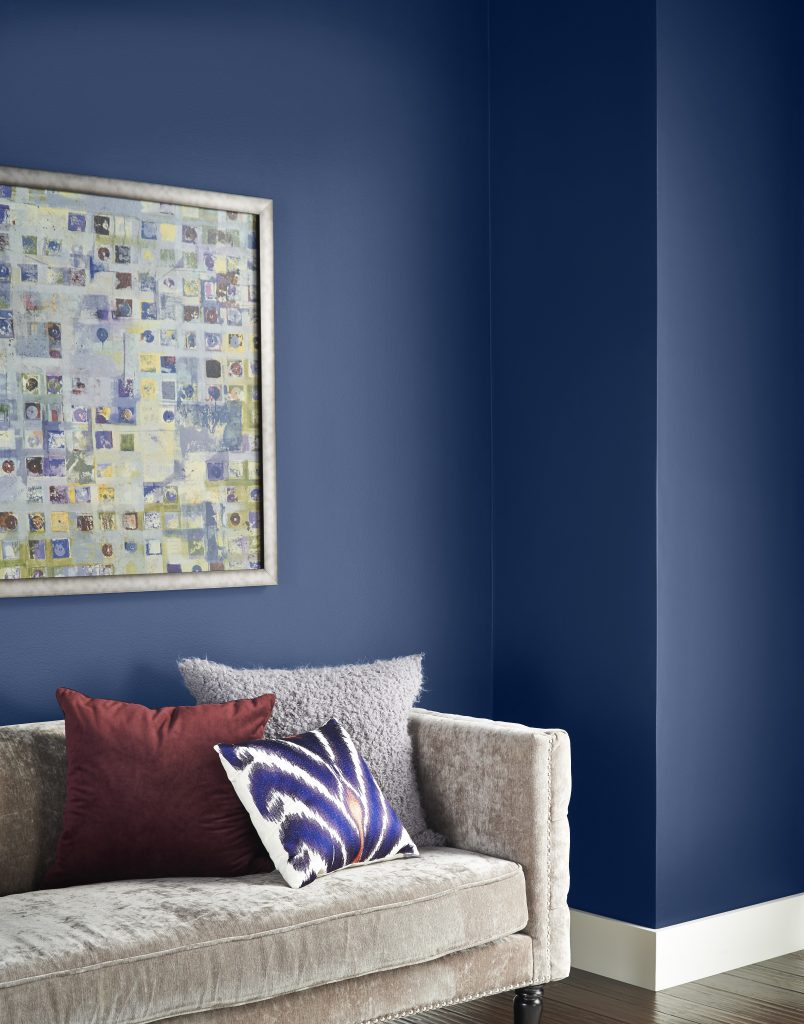
- Prime, Prime, Prime: Always use a high-quality primer, especially if you’re painting over a lighter color. A tinted gray primer can make it easier to achieve true color in fewer coats and prevent the previous color from bleeding through.
- Multiple Coats: Dark blues almost always require at least two, often three, coats for full, even coverage and depth of color. Don’t skimp on this step!
- Quality Tools: Invest in good quality brushes and rollers. They make a huge difference in application and finish, minimizing roller marks and streaks.
- Cut in Carefully: Dark colors show imperfections at the edges more dramatically. Take your time with cutting in around trim, ceilings, and corners.
Common Mistakes to Avoid When Painting With Dark Blue
While dark blue is stunning, there are a few pitfalls to sidestep to ensure your project is a success.
- Ignoring Lighting: This is the biggest one. Not testing samples in your actual room, at different times of day, is a recipe for disappointment. The color will look vastly different in the store than on your wall.
- Forgetting Undertones: Choosing a dark blue with an undertone that clashes with your existing furniture, flooring, or artwork can lead to an unharmonious space. Always consider the dominant undertones already present in your room.
- Overlooking Room Size (Without a Plan): If you have a very small room and go with an intensely dark blue without thoughtful planning (e.g., contrasting trim, good lighting, bright accents), it *can* feel too cave-like. Plan for balance.
- Poor Prep Work: Dark colors are unforgiving. Scuffs, dents, and an uneven base coat will be magnified. Take the time to clean, patch, and prime properly.
- Not Considering Flow: Think about how the dark blue room connects to adjacent spaces. Does the color transition feel natural, or is it an abrupt halt?
- Only Using One Light Source: Relying solely on overhead lighting in a dark room can make it feel flat. Incorporate task lighting, accent lighting, and dimmers to create layers and enhance the depth of the dark blue.
Making Your Decision: Testing, Trusting, and Transforming
Choosing dark blue for your walls is a bold and rewarding decision. It’s a color that makes a statement, provides depth, and can truly transform the feel of your home. By understanding its nuances, considering your space’s unique characteristics, and applying it thoughtfully, you’ll create a room that is not only visually stunning but also deeply resonant.
The Power of Paint Samples
I can’t stress this enough: buy samples! Paint large (at least 2×2 feet) swatches on all four walls if possible. Live with them for a few days. See how the color changes with morning sun, afternoon shade, and evening lamplight. This is the single most important step in ensuring you love your final choice.
Envisioning the Final Look
Once you’ve narrowed down your choices, try to visualize the complete room. Think about your furniture, rugs, curtains, and artwork. How will the dark blue walls enhance or complement these elements? A mood board (physical or digital) can be incredibly helpful.
Your Dark Blue Journey Begins
Embrace the richness and sophistication that dark blue offers. With the right preparation and an understanding of its transformative power, your dark blue walls will become a source of comfort, elegance, and personal expression. Happy painting!
:strip_icc()/blue-walls-orange-chair-shelving-96c1f14c-729ce73be8074cb79c5700efb7356945.jpg "17 Distinctive Ways to Decorate with Blue Walls")
Frequently Asked Questions
What mood does dark blue paint create on walls?
Dark blue paint typically creates a mood of calm, serenity, and sophistication. It can make a room feel cozy, intimate, and luxurious, promoting relaxation and focus. The specific mood can shift slightly depending on the blue’s undertones, leaning towards more energetic (with green undertones) or more regal (with purple undertones).
Is dark blue paint suitable for small rooms?
Yes, dark blue paint can be surprisingly suitable for small rooms. Instead of making the room feel smaller, it can create a ‘jewel box’ effect, blurring the corners and making the space feel more expansive and intimate rather than cramped. Pairing it with lighter trim, strategic lighting, and reflective surfaces can prevent it from feeling too heavy.
What colors complement dark blue walls best?
Dark blue walls pair beautifully with a variety of colors. Classic choices include warm whites, creams, and grays for a crisp or modern look. For dramatic contrast, consider mustard yellow, gold, coral, or terra cotta. Deep greens and earthy tones create a sophisticated, nature-inspired palette. Metallic accents like brass or chrome also complement dark blue beautifully.
Should I use a primer when painting walls dark blue?
Absolutely! Using a high-quality primer is crucial when painting walls dark blue, especially if you’re covering a lighter color. Primer helps prevent the previous color from showing through, ensures truer color rendition, and allows the dark blue to achieve full, even coverage in fewer coats. A gray-tinted primer can be particularly effective.
What’s the difference between dark blue paint with green vs. purple undertones?
Dark blue paint with green undertones (like teal or deep turquoise) often feels more organic, earthy, and sometimes dramatic. It can be cozy and pairs well with natural wood. Dark blue paint with purple undertones (like indigo or plum-blue) feels more luxurious, mysterious, and regal. It often leans warmer and creates a more opulent, artistic atmosphere.
Which paint finish is best for dark blue walls?
The best paint finish depends on the room and desired look. Flat or matte finishes offer the deepest color saturation and hide imperfections, ideal for low-traffic areas like bedrooms for a velvety look. Eggshell or satin finishes provide a subtle sheen, increased durability, and washability, making them versatile for most rooms. Semi-gloss or gloss finishes are highly durable and reflective, often used for trim, but can create a dramatic, modern effect on walls if imperfections are not an issue.
How does lighting affect dark blue paint colors on walls?
Lighting drastically affects how dark blue paint appears. Natural light, especially from north-facing windows, can make dark blues appear deeper and cooler. South-facing light brightens and reveals true undertones. Artificial light temperature (warm vs. cool bulbs) also shifts perception; warm bulbs can bring out warmer undertones, while cooler bulbs might emphasize gray or green. Always sample colors on your walls and observe them throughout the day under various lighting conditions.