Unlocking Your Dream Bedroom: The Ultimate Guide to Wall Colors for Grey Furniture
Staring at your beautiful grey bedroom furniture, you’re probably asking yourself the age-old question: “What wall color will truly make this space sing?” It’s a fantastic question, and you’re in the right place. Grey furniture is a powerhouse of versatility, a sleek canvas just waiting for the perfect backdrop. But with so many shades of grey, and an infinite rainbow of wall colors, finding that ideal match can feel like searching for a needle in a very stylish haystack.
I get it. You want a bedroom that feels like a sanctuary, a place where style meets comfort. You don’t want a bland, sterile space, nor do you want a chaotic clash. My goal here is to cut through the noise, offering you not just suggestions, but a complete playbook for selecting wall colors that will elevate your grey furniture from merely functional to absolutely fabulous. Forget generic advice; we’re diving deep into the psychology of color, the nuances of undertones, and the practical steps to create a bedroom you’ll genuinely love.
Why Grey Furniture is Your Secret Weapon (and Design Challenge)
Grey furniture has exploded in popularity, and for good reason. It’s chic, sophisticated, and incredibly adaptable. Whether it’s a plush charcoal headboard, a weathered grey dresser, or a contemporary light grey bedside table, grey offers a timeless appeal that transcends fleeting trends. It’s the ultimate neutral, capable of pairing with almost any aesthetic, from minimalist modern to rustic farmhouse. But this very versatility can also be its trickiest trait.
Understanding Grey: It’s More Than Just a Shade
Here’s the secret: grey isn’t just grey. Every shade of grey carries an undertone that subtly influences its appearance. Ignoring this can lead to a room that feels off-balance or colder than you intended. Think of it like this:
- Cool Greys: These often have hints of blue, green, or purple. They tend to feel crisp, modern, and serene. If your grey furniture looks icy, slate-like, or has a noticeable blue tint, you’re likely working with a cool grey.
- Warm Greys (Greiges): These beautiful shades lean towards beige, brown, or even a touch of yellow. They exude coziness, warmth, and a more traditional or organic feel. If your grey furniture appears sandy, earthy, or has a soft, inviting quality, it’s probably a warm grey.
Identifying your grey’s undertone is the first, crucial step. It’s like knowing your furniture’s personality – it tells you who its best friends (wall colors) will be.
The Definitive Palette: Best Wall Colors for Grey Bedroom Furniture
Now, let’s talk colors. I’ve broken down the most impactful and beautiful wall color options, explaining why they work and what kind of mood they’ll create in your grey bedroom.
The Calming Neutrals: Effortless Elegance
Neutrals are your tried-and-true companions for grey furniture. They create a serene, sophisticated backdrop that allows your furniture to shine without competing.
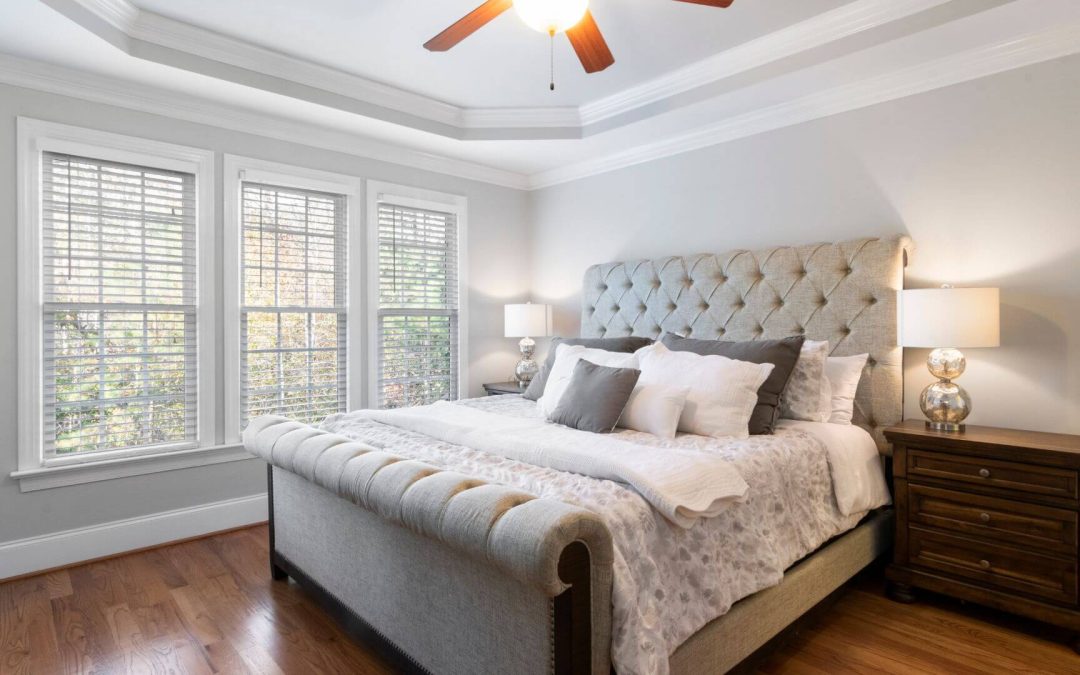
Crisp Whites: For a Fresh, Modern Sanctuary
White is never just white. For grey furniture, look for whites that complement its undertone. A cool white (with a hint of blue or grey itself) will enhance cool grey furniture, creating a clean, expansive, and ultra-modern feel. Think “gallery white.” A soft, creamy white (with a subtle yellow or beige undertone) will beautifully soften warm grey furniture, creating a light, airy, yet inviting space. White makes a room feel larger and brighter, perfect for smaller bedrooms or those lacking natural light.
Soft Beiges & Greiges: Injecting Warmth and Coziness
“Greige” is the magical blend of grey and beige, offering the best of both worlds. If your grey furniture is leaning warm, a greige wall color will create an incredibly cohesive, cozy, and sophisticated atmosphere. For cool grey furniture, a soft, true beige (without too much yellow) can introduce a much-needed layer of warmth and a sense of grounding, preventing the room from feeling too stark. These shades are fantastic for creating a calm, naturalistic vibe.
Muted Taupe & Mushroom: Sophistication with a Subtle Hug
Taupe, a brownish-grey, and mushroom, a softer, earthy beige-grey, are deeper, richer neutrals. They offer more visual weight than white or light beige but retain incredible versatility. These colors are excellent for creating a luxurious, enveloped feeling, especially in larger bedrooms. They pair exceptionally well with both warm and cool grey furniture, acting as a grounding force. They bring a sophisticated, almost architectural quality to the walls without overpowering the furniture.
The Serene Blues & Greens: Tranquility Redefined
When you think “bedroom,” you often think “calm.” Blues and greens are masters of tranquility, making them ideal choices for a sleep space.
Dusty Blue & Sky Blue: Creating a Restful Retreat
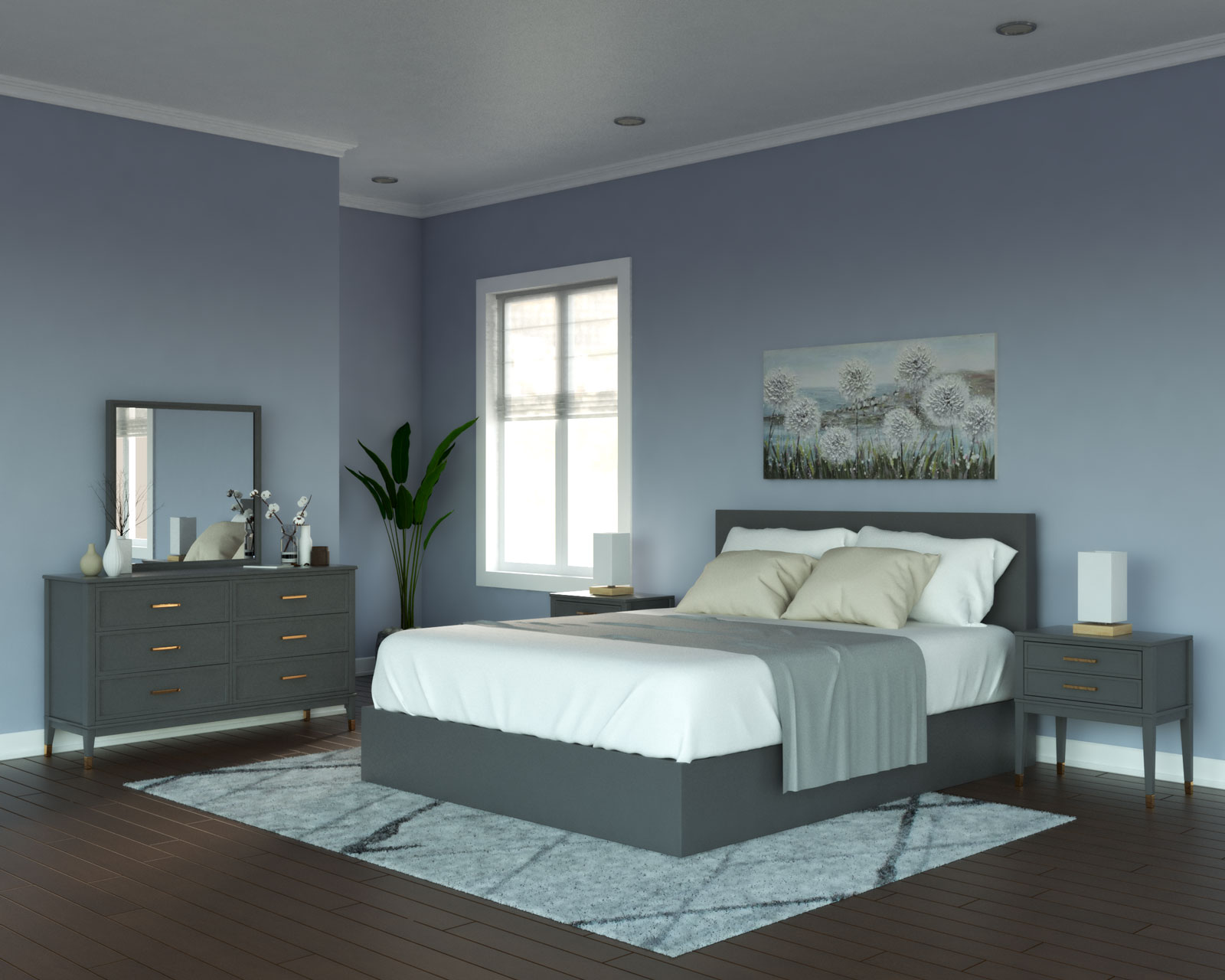
Blues are a classic pairing for grey. Dusty blue, a muted, desaturated blue, creates an incredibly calming and sophisticated ambiance. It works beautifully with both cool and warm grey furniture, providing a gentle contrast that feels harmonious. Sky blue, lighter and brighter, offers a fresh, airy feel, reminiscent of a clear day. These blues are perfect for promoting relaxation and mental clarity, making your bedroom a true escape.
Sage Green & Eucalyptus: Nature’s Embrace for Sleep
If you crave a connection to nature and a deeply soothing environment, look no further than muted greens. Sage green, with its soft, earthy undertones, is incredibly versatile and pairs wonderfully with all shades of grey furniture, particularly warm greys. Eucalyptus green, slightly cooler and often with a hint of grey, complements cool grey furniture perfectly. These greens bring a sense of organic calm, promoting wellness and a restorative sleep environment.
Deep Navy & Teal: Adding Drama and Depth
For those who love a bit of drama and a sophisticated punch, deep blues and teals are magnificent. Deep navy creates a luxurious, enveloping feel, especially stunning with lighter grey furniture, providing a striking contrast. Teal, a rich blue-green, offers a vibrant yet sophisticated energy. Both colors work best in well-lit rooms, or when balanced with plenty of white trim and lighter textiles, to prevent the room from feeling too dark. They make a bold statement that feels both grounded and elegant.
The Subtle Hues: Unexpected Harmony
Don’t be afraid to venture beyond the most obvious choices. These subtle hues can introduce personality and warmth without overwhelming.
Blush Pink & Muted Rose: Soft Romance and Warmth
Pink in the bedroom? Absolutely! But we’re talking sophisticated, desaturated shades. Blush pink, a pale, almost neutral pink, adds a soft, romantic warmth that beautifully contrasts with cool grey furniture and creates harmony with warm grey. Muted rose offers a deeper, more grown-up version of pink, providing a richer warmth and a touch of vintage charm. These colors create an inviting, comforting atmosphere, perfect for a cozy retreat.
Pale Lavender & Lilac: A Touch of Whimsy and Calm
For a unique touch of serenity and subtle elegance, consider pale lavenders or lilacs. These soft purples, particularly those with a grey undertone, can be incredibly soothing and create a whimsical yet sophisticated atmosphere. They pair beautifully with cool grey furniture, enhancing its coolness while adding a gentle pop of color. Avoid overly vibrant purples, and stick to the pastel, desaturated versions for a truly calming effect.
Light Terracotta & Burnt Orange (Accent): Earthy Warmth and Mediterranean Flair
While I generally advise caution with strong oranges, very light terracotta or a muted, burnt orange used sparingly (perhaps on an accent wall or with significant white breaks) can inject incredible warmth and an organic, earthy feel. These shades are best paired with warm grey furniture, leaning into those similar warm undertones. They evoke a Mediterranean or desert-inspired aesthetic and are fantastic for adding character and a unique, sun-drenched glow to a bedroom.
Your Grey Furniture’s Best Friends: A Quick-Reference Color Guide
To help you visualize and compare, here’s a quick reference table summarizing the wall colors that pair best with grey bedroom furniture.
| Wall Color | Mood Created | Ideal Grey Furniture Undertone | Best For (Room Size/Light) | Design Style |
|---|---|---|---|---|
| Crisp Whites | Fresh, Modern, Expansive | Cool Greys (for modern), Warm Greys (for soft contrast) | Small rooms, North-facing rooms, Brightening | Minimalist, Scandinavian, Modern |
| Soft Beiges & Greiges | Cozy, Warm, Sophisticated | Warm Greys (harmonious), Cool Greys (adds warmth) | Any size, creates inviting atmosphere | Transitional, Traditional, Organic Modern |
| Muted Taupe & Mushroom | Luxurious, Enveloped, Grounding | Both Warm and Cool Greys | Larger rooms, rooms with good natural light | Contemporary, Eclectic, Art Deco |
| Dusty Blue & Sky Blue | Calming, Restful, Serene | Cool Greys (harmonious), Warm Greys (gentle contrast) | Any size, promotes relaxation | Coastal, Shabby Chic, Transitional |
| Sage Green & Eucalyptus | Organic, Soothing, Natural | Both Warm and Cool Greys (especially with warm) | Any size, promotes well-being | Bohemian, Farmhouse, Biophilic Design |
| Deep Navy & Teal | Dramatic, Luxurious, Enveloping | Light Greys (for contrast), Cool Greys (for depth) | Larger rooms, rooms with ample natural light | Glam, Art Deco, Contemporary |
| Blush Pink & Muted Rose | Romantic, Soft, Inviting | Both Warm and Cool Greys | Any size, adds warmth and character | Feminine, Shabby Chic, Boho Chic |
| Pale Lavender & Lilac | Whimsical, Serene, Unique | Cool Greys (enhances cool tones) | Any size, for a delicate touch | Romantic, Eclectic, Cottagecore |
Beyond Color: Crucial Factors for Your Grey Bedroom Oasis
Choosing a wall color isn’t just about what looks good on a swatch; it’s about how that color interacts with the entire environment of your bedroom. Consider these factors before making your final decision.
The Impact of Natural Light: Bright vs. Dim Rooms
Natural light is a game-changer. A room flooded with sunlight can handle deeper, richer wall colors without feeling oppressive. Conversely, a north-facing room or one with limited windows will benefit from lighter, brighter hues that reflect light and expand the space. Darker colors in a dim room can create a cozy, cave-like effect, which some people love for a bedroom, but it’s crucial to ensure there’s enough artificial lighting to compensate.
:max_bytes(150000):strip_icc()/MaryPatton_Lupton-16-4552f4762d9e43fe9868882545f655d6.jpeg "15 Best Gray Bedroom Color Schemes and Design Ideas")
Room Size Matters: Expanding Small Spaces, Cozying Large Ones
- Small Rooms: Lighter wall colors (whites, pale greys, soft pastels) are your best friends. They recede, making the room feel larger and more open.
- Large Rooms: You have more freedom! Deeper, richer tones can make a large, cavernous room feel cozier and more intimate, wrapping you in warmth. Don’t be afraid to embrace a dark blue, deep green, or a rich taupe.
Furniture Undertones: Matching Cool with Cool, Warm with Warm (or Contrasting)
As I mentioned, knowing your grey furniture’s undertone is key. Generally:
- Harmony: Pair cool grey furniture with cool wall colors (blues, greens, cool whites). Pair warm grey furniture with warm wall colors (beiges, greiges, blush pinks). This creates a seamless, sophisticated look.
- Intentional Contrast: Sometimes, a deliberate contrast works beautifully. For example, warm grey furniture against a dusty blue wall can be stunning, as the blue calms the warmth without clashing. Just be mindful not to create jarring contrasts that feel accidental.
Flooring and Existing Decor: The Unsung Heroes
Don’t forget the floor! A warm wood floor will naturally lend warmth to the room, potentially allowing you to choose a slightly cooler wall color. A cool-toned tile or carpet, however, might benefit from a warmer wall color to balance the overall feel. Similarly, consider existing decor like curtains, rugs, and artwork. Your new wall color should tie everything together, not fight against it.
The Psychology of Color: What Mood Do You Crave?
Your bedroom is personal. What feeling do you want to evoke when you step into it?
- Calm & Serene: Blues, greens, soft lavenders, cool whites.
- Cozy & Inviting: Warm greiges, beiges, blush pinks, muted taupes.
- Sophisticated & Elegant: Deep blues, charcoal, rich taupes, crisp whites.
- Fresh & Energizing (subtly): Pale yellows (very carefully selected), bright whites, light blues.
Align your color choice with the mood you desire most for your personal retreat.
How to Choose Your Perfect Shade: A Step-by-Step Guide
Feeling a bit overwhelmed by the choices? Don’t worry, I’ve got a simple, foolproof process for you.
Step 1: Identify Your Grey’s Undertone
Hold a piece of pure white paper next to your grey furniture. Does it look slightly blue, green, or purple? That’s a cool undertone. Does it look a bit beige, brown, or even subtly yellow? That’s a warm undertone. This is your foundation.
Step 2: Define Your Desired Mood
Close your eyes. What do you *feel* when you imagine your ideal bedroom? Relaxed? Romantic? Modern? Cozy? This emotional connection will guide your color family selection.

Step 3: Gather Inspiration (and Physical Samples!)
Look at magazines, Pinterest, and design blogs. Start collecting images of bedrooms with grey furniture that resonate with you. Pay attention to the wall colors. Once you have a few ideas, get physical paint swatches. Don’t rely on screen colors; they are notoriously inaccurate.
Step 4: Test, Test, Test (Paint Swatches Are Your Best Friend)
This is non-negotiable! Buy small sample pots of your top 2-3 paint colors. Paint large swatches (at least 2×2 feet) directly on your bedroom walls. Paint them on different walls to see how they look in various lighting conditions throughout the day and night. Live with them for a few days. See how they interact with your grey furniture, your flooring, and any existing decor. The color will look different from the tiny chip.
Step 5: Consider Accent Colors and Textures
Your wall color is one layer. Think about how you’ll introduce other colors and textures through bedding, pillows, throws, curtains, and art. These elements can either reinforce your chosen wall color’s mood or provide delightful pops of contrast. For example, a crisp white wall with grey furniture can be warmed up significantly with plush textiles in cream or terracotta tones.
Colors to Approach with Caution (or Avoid Entirely)
While personal taste reigns supreme, some colors are generally trickier to integrate with grey bedroom furniture, especially if your goal is a serene and stylish sanctuary.
Overpowering Brights: Jarring Your Sanctuary
Neon brights, very saturated primary colors (think fire-engine red, intense yellow, or electric blue) can often feel too stimulating for a bedroom, clashing with the inherent calm of grey furniture. If you love bold colors, consider them as accents in pillows or art, rather than on all four walls. Your bedroom should promote rest, not hyperactivity.
Too Much Grey: The Monochromatic Mire
While an all-grey scheme can be incredibly chic, it requires a very skilled eye to avoid feeling flat or depressing. If your furniture is grey, adding grey walls (especially without significant variation in shade, texture, or undertone) can lead to a monochromatic mire. If you go this route, ensure there’s a huge difference in light/dark grey, and introduce plenty of texture, metallics, and accent colors to keep it interesting.
Harsh Yellows & Oranges (unless expertly muted): Energy, Not Rest
Bright, pure yellows and oranges are often associated with energy, creativity, and appetite – great for a kitchen or office, but less ideal for a bedroom. If you love warm tones, stick to the muted, desaturated versions like pale ochre, mustard (as an accent), or the light terracotta I mentioned earlier. Avoid anything that feels too sunny or artificial, as it can disrupt the peaceful atmosphere you’re trying to create.
:strip_icc()/bhg-gray-bed-printed-rug-red-1900_BHG_Johnson_702-da0b6abcc6ec41ffadec0c6773b9bf0b.jpg "37 Gray Bedroom Ideas for a Relaxing Retreat")
Bringing It All Together: Your Grey Bedroom Transformation
Choosing the best wall color for your grey bedroom furniture is an exciting journey of discovery. By understanding your grey’s undertone, defining your desired mood, and carefully testing samples, you’re well on your way to creating a bedroom that feels perfectly tailored to you. Grey furniture offers a world of possibilities, from serene neutrals to calming blues and greens, or even sophisticated blush tones. Embrace the process, trust your instincts, and soon you’ll be unwinding in a bedroom that’s not just beautiful, but truly your dream oasis.
Frequently Asked Questions
What undertones does grey bedroom furniture typically have?
Grey furniture can have either cool undertones (hints of blue, green, or purple) or warm undertones (hints of beige, brown, or yellow). Identifying your furniture’s undertone is crucial for selecting a complementary wall color. Hold a pure white sheet of paper next to your furniture to help discern its subtle coloring.
Can I use bold colors with grey bedroom furniture?
Yes, but with caution, especially in a bedroom. While grey furniture can ground bold colors, very bright or highly saturated hues (like electric blue or fire-engine red) can be too stimulating for a space meant for rest. It’s often safer to introduce bold colors through accents like pillows, throws, or artwork, rather than on all four walls. If you do opt for a bold wall, choose a rich, deep, and slightly desaturated version (e.g., deep navy instead of primary blue) to maintain a sophisticated feel.
How do I make a grey bedroom feel warmer?
To warm up a grey bedroom, choose wall colors with warm undertones such as soft beiges, greiges, muted taupe, blush pinks, or light terracotta. Incorporate warm-toned lighting, layer with plush textiles in warm colors (creams, browns, burnt oranges), and introduce natural wood elements in flooring or furniture. Even cool grey furniture can feel warmer against a wall color like greige or sage green.
Is white always a safe choice for walls with grey furniture?
White is generally a very safe and popular choice, but not all whites are created equal. For a cohesive look, choose a white that complements your grey furniture’s undertone: a crisp, cool white for cool grey furniture, and a soft, creamy white for warm grey furniture. Avoiding a stark, institutional white can prevent the room from feeling too cold. Always test swatches.
What are some common mistakes to avoid when choosing wall colors for grey furniture?
Common mistakes include ignoring your grey furniture’s undertone, choosing a wall color that clashes with existing flooring or decor, selecting overly bright or stimulating colors for a bedroom, or creating a monochromatic grey scheme without enough variation in shade, texture, or accent colors, which can make the room feel flat or dull. Always test paint samples on your walls before committing.
Should I consider the flooring when choosing wall paint?
Absolutely! Your flooring is a significant surface area and its color and material greatly influence the overall feel of the room. Warm wood floors, for instance, can provide a natural warmth that allows for cooler wall colors. Conversely, cool-toned tiles or carpets might benefit from warmer wall shades to create balance. The wall color should harmonize with the flooring, not compete with it.
How can lighting affect my chosen wall color?
Lighting profoundly impacts how a wall color appears. Natural light changes throughout the day, and artificial light sources (warm vs. cool bulbs) can drastically alter a paint’s perceived hue. Always test paint swatches on your walls and observe them at different times of day and under both natural and artificial light conditions to ensure you love the color in every scenario.