Let’s be real: when you think about room paint colors for men, do you instantly picture a bland grey, a safe beige, or maybe a dark, brooding blue? For too long, ‘masculine’ room design has been boxed into a handful of predictable, often uninspired, choices. But your space is more than just four walls; it’s a canvas for your personality, a sanctuary, and a place to thrive.
You’re looking for something that goes beyond the stereotypes – a color that feels sophisticated, personal, and genuinely reflects who you are, whether that’s calm and focused, bold and adventurous, or somewhere in between. Forget the generic bachelor pad. It’s time to discover how to infuse your rooms with character, comfort, and undeniable style. I’m here to guide you through unlocking a world of nuanced, powerful, and incredibly livable paint colors that will transform your space into a true reflection of you.
Beyond Beige: The Definitive Guide to Room Paint Colors for Men
Decoding “Masculine” in Interior Design: More Than Just Dark Hues
Before we dive into specific shades, let’s redefine what “masculine” truly means in the context of interior design. It’s not about gender-exclusive colors, but rather about a particular aesthetic and feeling. When a space is described as masculine, it often evokes a sense of:
- Sophistication and Refinement: Clean lines, curated elements, and an absence of clutter.
- Tranquility and Groundedness: Colors and textures that promote calm and stability.
- Subtle Power and Confidence: Spaces that feel strong and intentional, without being overbearing.
- Comfort and Functionality: Design that prioritizes livability and purpose.
- Depth and Nuance: Richer tones, thoughtful layering, and visual interest without being flashy.
Ultimately, a masculine aesthetic is about creating an environment that feels solid, intentional, and deeply comfortable – a true haven or a highly productive zone. This means we’re exploring colors that provide excellent backdrops for your life, your interests, and your existing furnishings.
The Top Paint Color Palettes for Men: A Curated Selection
Choosing paint isn’t just about one color; it’s about a palette. How do your walls interact with your trim, your ceiling, and your furniture? These curated palettes are designed to work harmoniously, providing a strong foundation for any man’s room.
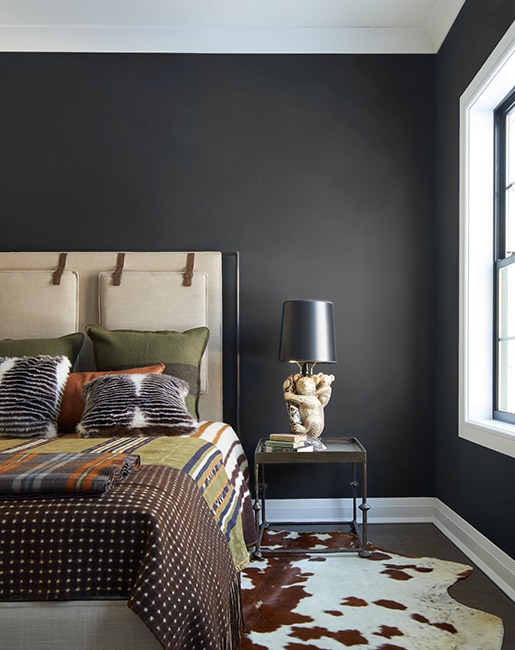
1. The Timeless & Grounded Neutrals
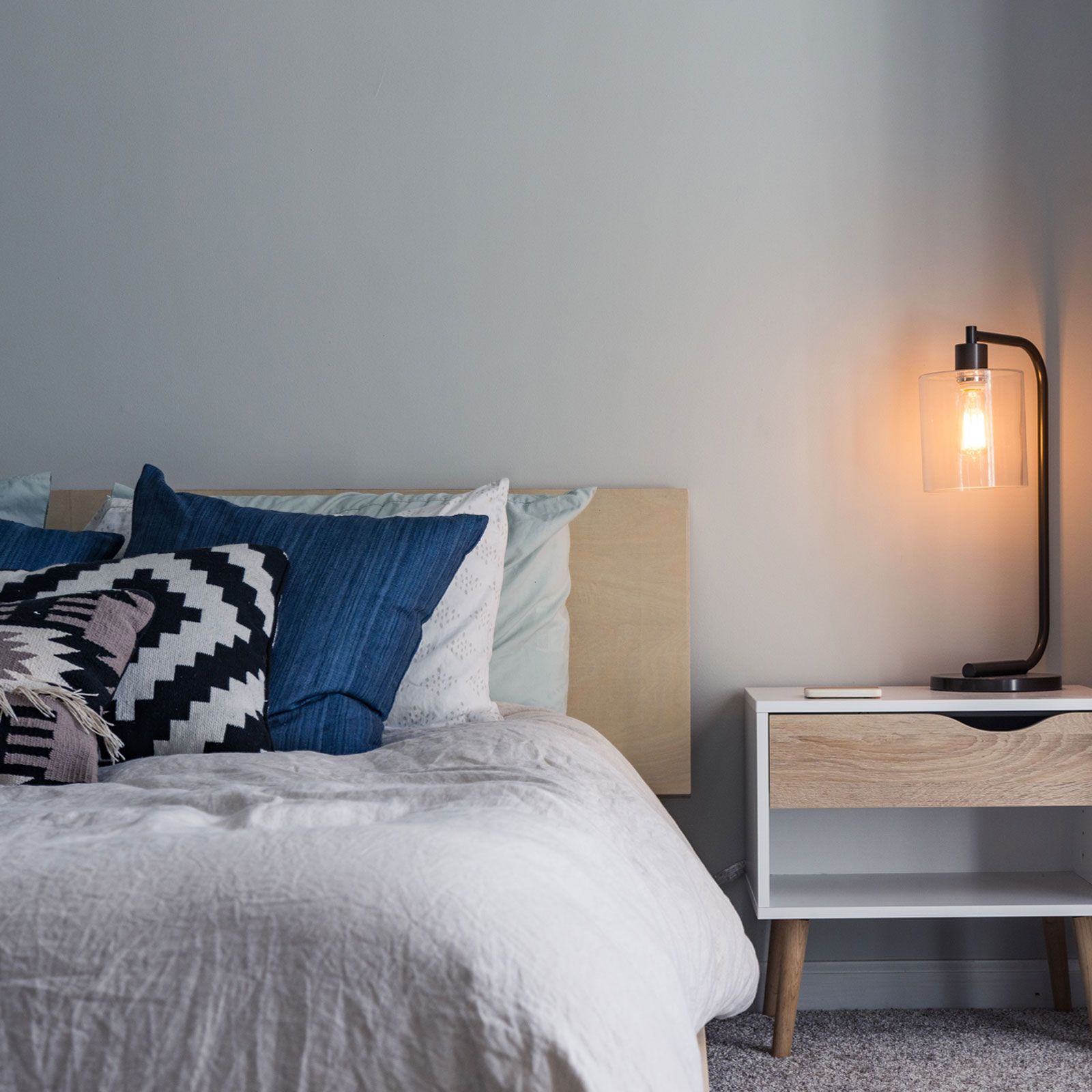
Neutrals are anything but boring when chosen correctly. They offer unparalleled versatility and a sophisticated foundation, making them perfect for nearly any room. They allow your furniture, artwork, and personal items to truly shine.
- Colors to Explore: Greige (the perfect blend of grey and beige), Warm Gray (with subtle brown or green undertones), Off-White (creamy, not stark), Taupe (a deeper, earthier greige), Sandstone (a warm, muted tan).
- Why They Work: These shades provide a calm, steady backdrop. They don’t demand attention but instead create a serene atmosphere, making rooms feel larger and more open. They’re incredibly adaptable to various decor styles, from modern minimalist to rustic industrial.
- Best For: Living rooms, bedrooms, home offices, and even kitchens. They are safe bets that pay off beautifully.
- Pairings: Neutrals are best friends with almost everything. Think rich wood tones (walnut, oak), supple leathers (cognac, deep brown), sophisticated metallics (bronze, brushed nickel), and virtually any accent color you desire.
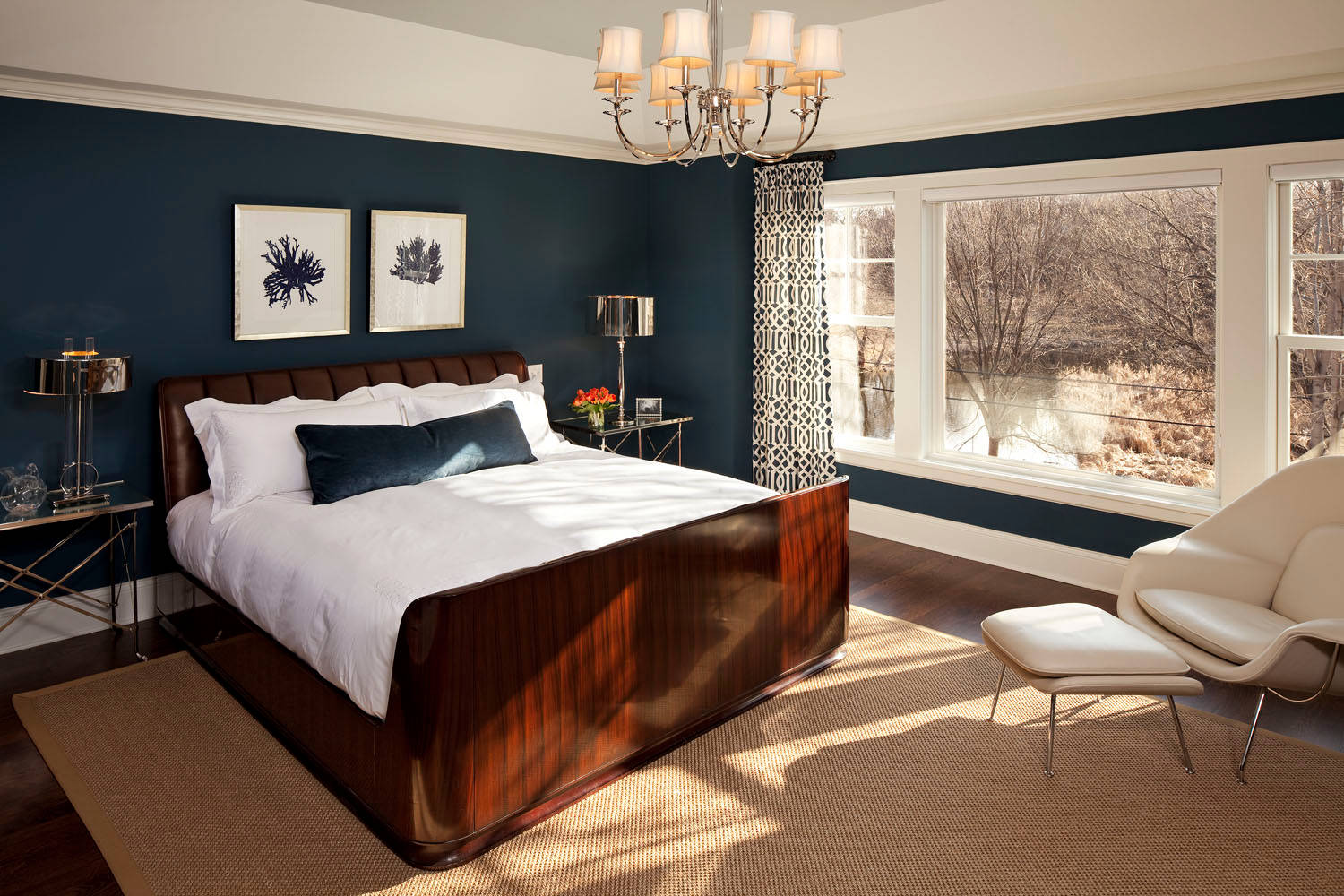
2. The Serene & Sophisticated Blues
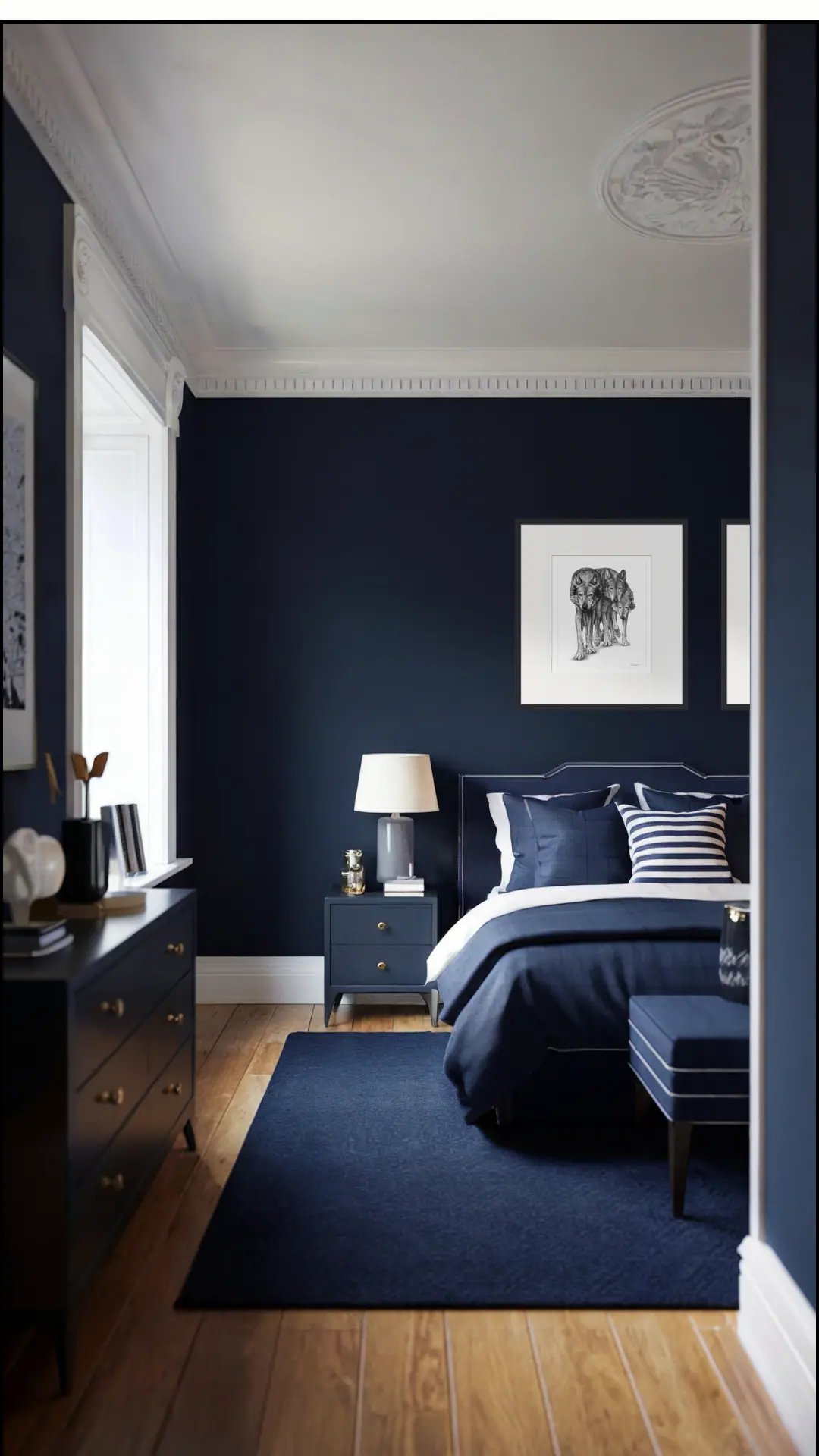
Blue remains a perennial favorite, and for good reason. It’s universally calming and associated with stability, intelligence, and tranquility. The right blue can transform a room into a peaceful retreat or an inspiring workspace.
- Colors to Explore: Navy Blue (classic, powerful, intellectual), Deep Teal (a rich blend of blue and green, adds a touch of luxury), Dusty Blue (softer, more understated, serene), Slate Blue (grey-infused, modern, calm), Charcoal Blue (almost black, incredibly moody and chic).
- Why They Work: Darker blues offer depth and sophistication, creating a cozy yet expansive feel. Lighter, dustier blues provide a sense of calm and clarity. All evoke a sense of trust and coolness.
- Best For: Bedrooms (for restful sleep), studies (for focus), living rooms (for conversation and comfort), and even dining rooms for a touch of elegance.
- Pairings: Crisp whites and warm creams for trim, natural grays, warm woods, and metallic accents like brass or silver. A pop of burnt orange or deep gold can really make blue sing.
3. The Moody & Modern Greys & Blacks
For the man who dares to be bold, a deep grey or even black can create an incredibly dramatic, chic, and powerful space. These colors are far from depressing; they offer an unparalleled backdrop for art, textures, and lighting.
- Colors to Explore: Charcoal Gray (strong, modern, versatile), Deep Ash (a slightly lighter, cooler charcoal), Matte Black (ultimate drama, surprisingly cozy in the right space), Anthracite (a very dark, almost black grey).
- Why They Work: These hues provide an instant sense of gravitas and sophistication. They absorb light, creating intimate and cozy atmospheres. They’re fantastic for highlighting artwork, minimalist furniture, or rich textures.
- Best For: Accent walls (especially behind a bed or TV), media rooms, home offices, or a dramatically styled bedroom (ensure ample natural light or strategic artificial lighting).
- Pairings: To avoid feeling cavernous, pair with plenty of contrasting elements: bright whites for trim and ceilings, light woods (birch, light oak), metallic accents (chrome, silver, copper), and textures like wool, linen, or velvet in lighter tones.
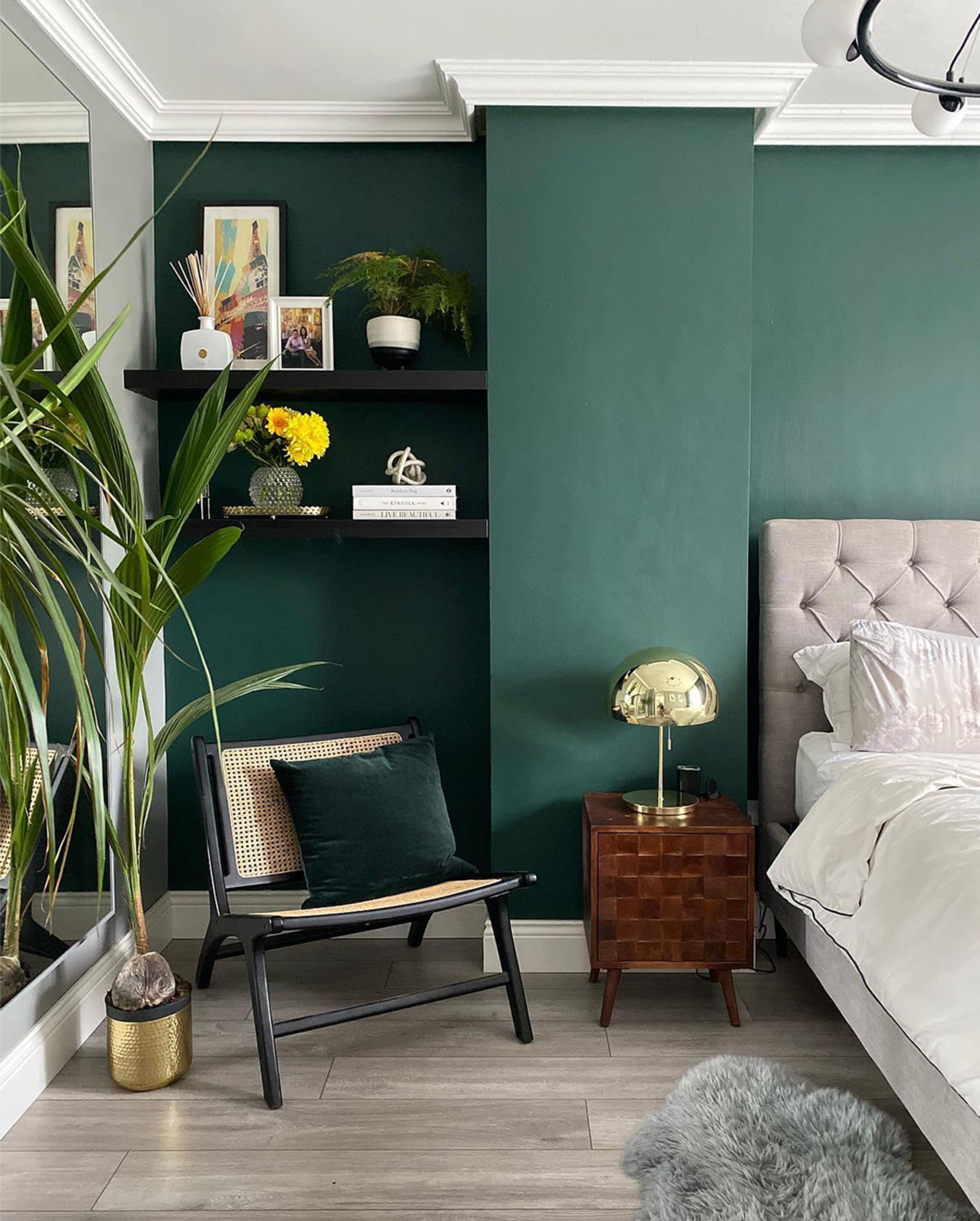
4. The Earthy & Organic Greens
Bringing the outdoors in, greens are having a major moment for their calming, sophisticated, and connection-to-nature qualities. They are unique without being overwhelming, offering a refreshing alternative to traditional neutrals.
- Colors to Explore: Olive Green (muted, sophisticated, vintage feel), Forest Green (deep, rich, luxurious, reminiscent of natural landscapes), Sage Green (soft, subtle, extremely calming), Deep Evergreen (a darker, richer forest green, almost charcoal-like).
- Why They Work: Greens are inherently balancing and stress-reducing. They provide a unique character to a room while maintaining a grounded, sophisticated feel. They work well for those who appreciate natural aesthetics and a sense of calm.
- Best For: Home offices (for focus), bedrooms (for relaxation), living rooms (for inviting warmth), or even a man cave that wants a refined, nature-inspired vibe.
- Pairings: Natural browns, creamy whites, deep reds or burgundies as accents, and plenty of natural textures like rattan, wicker, and reclaimed wood.
5. The Bold & Understated Browns & Rusts
Often overlooked, rich browns and their warmer cousins, rusts, offer incredible warmth, comfort, and a distinctly masculine ruggedness. They evoke a sense of tradition, strength, and coziness, making a room feel deeply inviting.
- Colors to Explore: Deep Chocolate (luxurious, warm, comforting), Rich Cognac (a warm, inviting mid-tone brown), Terracotta (earthy, warm, slightly rustic), Burnt Orange (best as an accent, adds warmth and energy).
- Why They Work: These colors create a cocoon-like effect, fostering an environment of comfort and security. They pair beautifully with other natural elements and can make a large room feel more intimate.
- Best For: Cozy dens, studies, libraries, accent walls in a living room, or a bedroom where you want a deeply warm and enveloping feel.
- Pairings: Creamy whites, muted golds, deep blues (navy, slate), and materials like leather, wool, and heavy timber.
Choosing Your Perfect Shade: Practical Considerations
Selecting the perfect paint color involves more than just liking a shade; it requires considering the unique characteristics of your room and your lifestyle.
Room Size Matters: Light vs. Dark
The size of your room plays a crucial role in color selection. It’s not a hard rule that small rooms must be light, but it’s a good guideline:
- Small Rooms: Lighter, cooler shades (like a soft grey, dusty blue, or off-white) tend to reflect light and make a room feel more expansive and airy. If you opt for a darker color in a small room, ensure you have plenty of strategic lighting to prevent it from feeling like a cave.
- Large Rooms: Here, you have the freedom to embrace darker, richer tones. Deep blues, forest greens, or charcoal greys can make a large room feel more intimate, cozier, and less cavernous.
Lighting is Key: Natural vs. Artificial
Light changes everything! A color swatch will look completely different in the store than it does in your room. Always test samples on your walls:
- Natural Light:
- North-facing rooms: Tend to have cooler, indirect light. Warmer paint tones (greige, warm grey, creamy white) can help compensate and make the room feel less cold.
- South-facing rooms: Receive bright, warm light throughout the day. Cooler tones (blues, greens, cool greys) can help balance the intensity and prevent the room from feeling too hot.
- East-facing rooms: Get morning light (warm and bright), then cooler light later.
- West-facing rooms: Get warm, intense afternoon light.
- Artificial Light: Consider your light bulbs. Incandescent (warm, yellow glow) and LED bulbs (can be warm or cool) will significantly impact how a paint color appears. Test swatches at different times of day and with your actual light fixtures.
Existing Decor & Furniture: The Harmony Principle
Your new paint color should live harmoniously with what you already own. Take stock of your larger pieces:
- Large Furniture: Sofas, beds, rugs – these are often major color investments. Choose a paint color that complements or thoughtfully contrasts with these items.
- Artwork & Textiles: Do you have a favorite painting, a bold rug, or patterned curtains? Pull a color from these items or choose a neutral that lets them stand out.
- Flooring: The color and material of your floor (hardwood, carpet, tile) will influence the overall feeling.
Hold up swatches next to your furniture and other decor elements. Does it create a cohesive look, or does it clash?
Your Personal Style & Mood:
Ultimately, the best color is one that makes you feel good. What feeling do you want to evoke in the room?
- Relaxed & Calm? Consider blues, greens, or soft neutrals.
- Energetic & Focused? Perhaps a deep blue for a study, or a more vibrant neutral.
- Luxurious & Dramatic? Deep greys, charcoal, or even a sophisticated navy.
- Cozy & Inviting? Warm neutrals, browns, or deep greens.
Always, always, test large paint swatches on your walls. Live with them for a few days, observing them in different lights, before making your final decision. Trust your gut!
Elevate Your Space: Beyond Just Walls
Painting isn’t just about the main walls. Considering the surrounding elements like trim, ceilings, and accent walls can significantly elevate your overall design.
The Power of Trim & Ceiling Colors
- Classic White Trim: A crisp, clean white (like an off-white or a cool white) against almost any wall color provides a sharp, traditional contrast that defines the room’s edges. This is a timeless choice.
- Matching Trim: Painting your trim the same color as your walls, especially in a matte finish, creates a seamless, modern, and often larger-feeling space. It’s a sophisticated, understated look.
- Contrasting Trim: Going darker on the trim than the walls (e.g., charcoal trim with a light grey wall) can add architectural detail and a more bespoke feel, though it’s less common.
- Ceilings: The standard is a pure white ceiling, which makes a room feel taller and brighter. However, for a dramatic, enveloping effect in a large room, consider painting the ceiling a slightly lighter shade of your wall color, or even the same dark color for a truly intimate, cocoon-like feel (often seen in media rooms or sophisticated bedrooms).
Accent Walls: Strategic Impact
An accent wall is a powerful tool to add visual interest, define a zone, or introduce a bolder color without overwhelming the entire room. Here’s how to use it strategically:
- Behind the Bed: This is a classic placement, drawing the eye to the focal point of the bedroom.
- Behind the Sofa or TV: In a living room, it can anchor the seating area or create a dramatic backdrop for your entertainment setup.
- Defining a Nook: Use an accent wall to delineate a home office corner, a reading nook, or a bar area within a larger open-plan space.
- Beyond Paint: Consider a textured wallpaper (grasscloth, subtle geometric patterns), wood paneling, or even a brick veneer for an accent wall to add another layer of depth and interest.
Paint Finish (Sheen) Matters
The paint’s finish, or sheen, dramatically impacts how the color looks and performs. It’s not just about aesthetics; it’s about durability and practicality.
| Sheen Name | Appearance | Durability & Cleanability | Best Use For Walls | Notes |
|---|---|---|---|---|
| Matte / Flat | Non-reflective, velvety finish | Least durable, hard to clean, hides imperfections well | Low-traffic areas like bedrooms, ceilings | Provides a sophisticated, high-end look. Great for dark, moody colors. |
| Eggshell | Soft, subtle sheen, like an eggshell | More durable than flat, fairly easy to clean | Living rooms, dining rooms, bedrooms, hallways | Most popular choice for interior walls, strikes a good balance. |
| Satin | Slightly higher sheen than eggshell, soft luster | Durable, very easy to clean, good moisture resistance | Kitchens, bathrooms, high-traffic areas, kids’ rooms | Often used for trim, but excellent for walls needing extra durability. |
| Semi-Gloss | Noticeable shine, very reflective | Highly durable, extremely easy to clean, moisture resistant | Trim, doors, cabinets (not typically for main walls) | Reflects light and highlights imperfections. Best for architectural details. |
For most walls in a man’s room, eggshell or a high-quality matte finish will provide the best balance of aesthetics and practicality. Choose matte for a truly rich, sophisticated look in low-traffic areas, and eggshell for versatility and easier maintenance.
Color Palette at a Glance: Finding Your Masculine Vibe
Here’s a quick summary of the top masculine paint color palettes to help you visualize and compare your options:
| Color Palette | Primary Colors | Mood Evoked | Best For | Key Pairings | Pros | Cons |
|---|---|---|---|---|---|---|
| Timeless Neutrals | Greige, Warm Gray, Off-White, Taupe | Calm, Versatile, Sophisticated | Living Rooms, Bedrooms, Offices | Wood tones, Leather, Metallics, Any accent | Expansive feel, easy to decorate around, timeless | Can be perceived as ‘safe’ if not accessorized well |
| Serene Blues | Navy, Deep Teal, Dusty Blue, Slate Blue | Calm, Intellectual, Stable, Classic | Bedrooms, Studies, Living Rooms | Whites, Creams, Grays, Warm Woods, Brass | Promotes relaxation/focus, deeply appealing, hides dirt | Darker shades can make small rooms feel smaller without proper lighting |
| Moody Greys & Blacks | Charcoal, Deep Ash, Matte Black, Anthracite | Dramatic, Chic, Powerful, Intimate | Accent Walls, Media Rooms, Offices, Bold Bedrooms | White trim, Light woods, Chrome, Vibrant accents | Excellent backdrop for art, creates unique atmosphere | Can make rooms feel dark if not balanced with light & contrast |
| Earthy Greens | Olive, Forest, Sage, Deep Evergreen | Calming, Organic, Sophisticated, Balanced | Offices, Bedrooms, Living Rooms, Dens | Browns, Creams, Deep Reds, Natural textures | Connects to nature, stress-reducing, unique character | Can lean too traditional if not updated with modern furnishings |
| Warm Browns & Rusts | Deep Chocolate, Rich Cognac, Terracotta | Warm, Cozy, Rugged, Inviting, Traditional | Dens, Studies, Accent Walls, Cozy Bedrooms | Creamy whites, Golds, Deep Blues, Leather | Creates intimate, comfortable spaces, timeless appeal | Can feel heavy or dated if not balanced with lighter elements |
The Final Stroke: Confidence in Your Choice
Choosing the best room paint colors for men isn’t about following rigid rules; it’s about crafting an environment that resonates with your personal style and supports your lifestyle. Whether you lean towards the serene calm of a deep blue, the sophisticated drama of charcoal, or the earthy groundedness of an olive green, the most important thing is that you feel comfortable and inspired in your own space.
Don’t be afraid to experiment. Grab those swatches, observe them in different lights, and visualize how your furniture and decor will play against them. This isn’t just paint; it’s an extension of your identity, a foundational element of your home that impacts your mood and productivity every single day. Go beyond the ordinary, trust your instincts, and create a room that is uniquely, confidently you.
Frequently Asked Questions
What is the most masculine paint color?
There isn’t a single ‘most masculine’ paint color, as it’s more about the mood and aesthetic. However, deeply saturated colors like navy blue, charcoal gray, forest green, and rich browns are often associated with masculine design due to their depth, sophistication, and grounded feel. Neutrals like greige or warm gray also provide a versatile, masculine foundation when paired with the right decor.
Should a man’s bedroom be dark or light?
This depends entirely on personal preference, room size, and desired mood. Darker colors (like deep blues or charcoals) can create a cozy, intimate, and sophisticated retreat, perfect for relaxation. Lighter colors (such as warm grays, off-whites, or dusty blues) can make a bedroom feel more expansive, airy, and brighter. Both can be masculine; it’s about balancing them with appropriate lighting, trim, and furnishings.
What are good accent colors for a masculine room?
Good accent colors for a masculine room often involve rich, earthy tones or metallic contrasts. Consider burnt orange, deep gold, burgundy, or a vibrant mustard yellow against a backdrop of navy or charcoal. Metallics like brushed brass, copper, or matte black also serve as excellent, sophisticated accents in decor and fixtures.
How do I make a small room feel bigger with paint?
To make a small room feel bigger, opt for lighter, cooler paint colors like soft grays, off-whites, or dusty blues. These shades reflect more light, creating an illusion of space. You can also paint the trim and ceiling the same or a slightly lighter shade than the walls for a seamless look, which helps to blur boundaries and expand the perception of the room.
What paint finish is best for a men’s room?
For most walls in a man’s room, an eggshell or a high-quality matte finish is ideal. Matte provides a sophisticated, velvety look that hides imperfections well, making it great for bedrooms or low-traffic areas. Eggshell offers slightly more durability and is easier to clean, making it a versatile choice for living rooms, hallways, and other areas with more activity. Avoid high-gloss finishes on large wall areas, as they highlight imperfections.
Can men use warm colors in their rooms?
Absolutely! Warm colors like rich browns, deep terracottas, and certain shades of olive green or greige can create incredibly cozy, inviting, and grounded masculine spaces. These colors add warmth and comfort, often evoking a sense of strength and tradition. The key is to choose sophisticated, muted versions rather than bright or overly saturated warm tones, and to balance them with cooler accents or natural materials.
How many paint colors should I use in one room?
Typically, it’s best to stick to one main paint color for the walls in a room, along with a complementary color for the trim and ceiling. If you choose to do an accent wall, that makes two wall colors. Using more than two main wall colors in a single room can make the space feel busy or disjointed. Focus on different shades and tones within a coherent palette, rather than introducing too many distinct hues.