Unlock Your Small Room’s Potential: The Definitive Guide to Transformative Paint Colors
Got a small room that feels more like a shoebox than a sanctuary? You’re not alone. The quest for the “perfect” paint color in a compact space can feel like a high-stakes design puzzle. Will it make the room feel bigger? Cozier? Claustrophobic? The good news is, with the right strategy, your small room isn’t a limitation – it’s an opportunity for some serious design magic.
Forget the old dogma that only white paint can save a tiny space. While light colors are powerful allies, they’re just one arrow in your design quiver. In this guide, we’re going to dive deep, exploring not just what colors work, but why they work, giving you the confidence to choose a palette that truly transforms your small room into a space you’ll love.
The Core Principle: Understanding Light & Perception in Small Spaces
Before we even talk about specific hues, let’s understand the science a bit. Our perception of space is heavily influenced by how light interacts with surfaces. In a small room, every bit of light (natural or artificial) is precious, and paint plays a huge role in how that light behaves.
- Reflection vs. Absorption: Lighter colors tend to reflect more light, bouncing it around the room and making the space feel brighter and more open. Darker colors absorb light, which can make a space feel more intimate, sometimes even blurring the boundaries of the room to create a sophisticated, infinite effect.
- The Illusion of Space: It’s not just about bouncing light. Certain colors and color combinations can trick the eye, making walls appear to recede or extending horizons. Think of it as painting a visual story for your brain.
Here’s a quick glance at how different color types generally impact small rooms:
| Color Type | Primary Effect on Space | Ideal Feeling Created |
|---|---|---|
| Pale Neutrals (Off-whites, light grays, beiges) | Maximize light reflection, make walls recede, create seamlessness. | Expansive, airy, clean, calm. |
| Cool Pastels (Pale blues, greens, lavenders) | Create a sense of depth, mimic sky/water, generally recede. | Serene, tranquil, refreshing, subtly open. |
| Deep & Saturated Hues (Navy, charcoal, emerald, terracotta) | Absorb light, blur boundaries, create depth. | Cozy, intimate, sophisticated, dramatic, luxurious. |
| Warm Neutrals/Mid-tones (Warm grays, soft browns, muted yellows) | Can bring walls in slightly but offer comfort and warmth. | Inviting, comforting, cheerful (depending on hue). |
Strategy 1: Expand and Brighten – The Best Colors to Make Small Rooms Feel Bigger
This is the classic approach, and for good reason: it works. The goal here is to maximize light, create an illusion of space, and make the room feel open and airy. Think of colors that feel boundless, like the sky or a cloudless horizon.
The Power of Pale Neutrals
Neutrals are your best friends for an expansive feel. But don’t just grab any white! The magic is in the undertones.
- Off-Whites: These are not stark, clinical whites. They have subtle undertones (gray, beige, cream, peach) that add warmth, softness, or coolness without sacrificing brightness. For instance, a warm off-white like Benjamin Moore’s White Dove can feel incredibly inviting, while a crisper option like Chantilly Lace offers a cleaner, brighter feel. They reflect light beautifully, making walls appear to recede.
- Light Grays & Greiges: These sophisticated shades offer a contemporary alternative to white. A pale gray like Benjamin Moore’s Gray Owl or Sherwin-Williams’ Silver Satin provides a subtle, calming backdrop that can make a room feel larger, especially when paired with white trim. Greige (a blend of gray and beige) offers warmth and versatility.
- Soft Taupes & Beiges: If you crave earthy warmth, soft taupes and light beiges can create a cozy yet open atmosphere. They reflect light without feeling cold, making them perfect for living areas or bedrooms where comfort is key. Look for those with minimal orange or pink undertones to keep them from feeling too heavy.
Embracing the Cool, Expansive Tones
Cool colors (blues, greens, purples) inherently recede, meaning they appear further away than they actually are. This makes them fantastic for small spaces, as they create a sense of depth and openness.
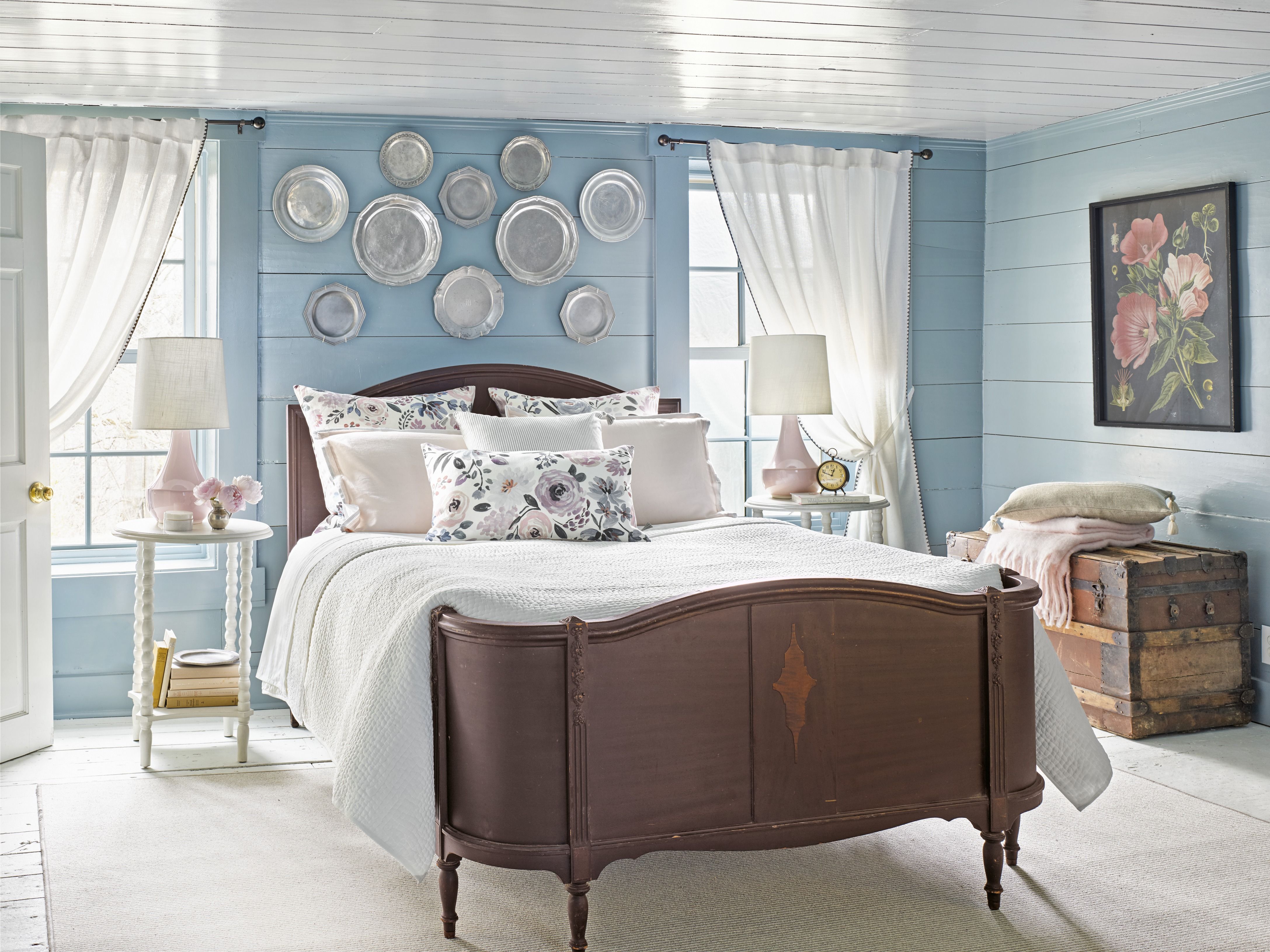
- Pale Blues: Imagine a clear sky or calm ocean; pale blues evoke vastness. A soft, ethereal blue like Sherwin-Williams’ Ice Cube or Ocean Air can make walls feel like they’re melting away, giving the room an incredibly serene and expansive feel. It’s calming and refreshing.
- Soft Greens: Mimicking nature, soft greens are incredibly restful and refreshing. A muted sage or a pale celadon green (like Sherwin-Williams’ Sea Salt or Willowleaf) can bring a sense of tranquility and an illusion of extra space, connecting the indoors with the outdoors.
- Lilacs/Lavenders: Often overlooked, pale purples with gray or blue undertones can add a unique softness and subtle depth to a small room. They feel airy and sophisticated, making a space feel lighter and more delicate.
Actionable Tip: For maximum seamlessness, consider painting your walls, trim, and even the ceiling in the same light, expansive color. This blurs the lines and removes visual breaks, making the entire space feel taller and wider.
Strategy 2: Embrace the Cozy – Deep, Saturated Colors for Intimate Sanctuaries
Wait, dark colors in a small room? Yes! This is where you challenge conventional wisdom and create something truly special. Instead of fighting the smallness, you embrace it, turning a compact space into a luxurious, cocooning retreat.
The Magic of Dark Hues
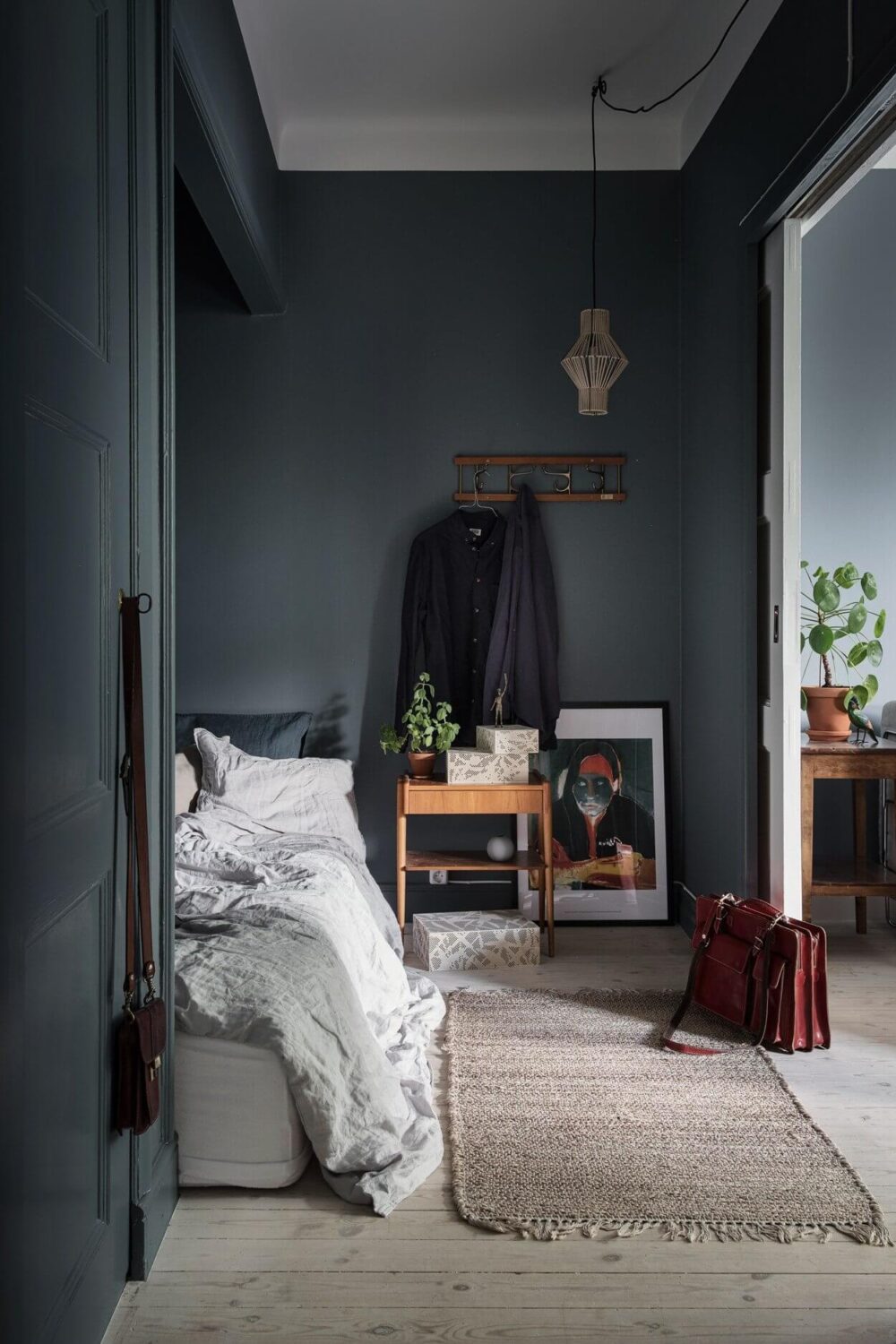
Dark, saturated colors absorb light, which can have an incredible effect in a small room. Instead of drawing attention to the walls, they make the boundaries disappear, creating a sense of infinite depth. It’s like stepping into a velvet-lined box – surprisingly expansive and incredibly intimate at the same time.

- Deep Blues & Navys: A rich navy like Benjamin Moore’s Hale Navy or Farrow & Ball’s Down Pipe can feel incredibly sophisticated and calming in a small bedroom or powder room. The depth of color creates a tranquil, womb-like atmosphere that’s perfect for relaxation.
- Rich Greens: Jewel-toned greens, such as a deep emerald or a forest green like Farrow & Ball’s Card Room Green, can evoke a sense of earthy luxury. They feel grounding and can make a small study or dining nook feel incredibly chic and inviting.
- Charcoal Grays & Blacks: For the bold and modern, charcoal grays (like Benjamin Moore’s Onyx or Gravel Gray) or even soft blacks can create dramatic impact. They provide a striking backdrop for art and decor, making the space feel intentionally designed and ultra-modern.
- Warm, Deep Colors: Don’t shy away from rich, earthy tones like deep terracotta, marsala, or even a smoky plum. These colors can infuse a small space with warmth and personality, making it feel like a cherished jewel box rather than a cramped corner.
The “Cocooning” Effect: When all walls (and sometimes the ceiling) are painted in a deep, dark hue, the room’s corners and edges visually dissolve. Your eye doesn’t have a clear stopping point, which can paradoxically make the space feel larger and more enveloping. It’s perfect for spaces where you want to feel tucked away and secure, like a bedroom, a reading nook, or a guest bathroom.
When to use: This strategy works wonders in rooms that don’t rely heavily on natural light, or where you specifically want to create a mood of intimacy and drama. Think bedrooms, powder rooms, cozy studies, or even a small, dedicated TV room.
Beyond Color: Crucial Factors for Small Room Painting Success
Choosing the right hue is just one piece of the puzzle. How you apply it, what finish you use, and how light plays with it are equally important.
The Impact of Paint Sheen (Finish)
The sheen, or gloss level, of your paint determines how much light it reflects. This is a critical consideration for small rooms.
- Flat/Matte: This finish absorbs the most light and has virtually no sheen. It’s excellent for hiding imperfections on walls and provides a rich, deep color appearance. In small rooms, it can make dark colors feel incredibly luxurious and sophisticated by minimizing glare.
- Eggshell/Satin: These are slightly more reflective and more durable than flat, making them popular for walls in higher-traffic areas. Eggshell offers a soft, velvety glow, while satin has a bit more luster. They reflect a moderate amount of light without being distracting.
- Semi-Gloss/High-Gloss: Highly reflective and very durable, these finishes are typically reserved for trim, doors, and cabinets. In a small room, a strategic high-gloss accent (like a single door or a piece of furniture) can bounce light and add sparkle. Painting all walls in high-gloss in a small room might emphasize imperfections too much, but it can create a dramatic, modern statement if done perfectly on smooth walls.
Here’s a breakdown of paint sheens and their ideal uses in small spaces:
:max_bytes(150000):strip_icc()/Normandy_Blue_for_Megan_Molten-2000-7c40fd3f24d64fa8a438c619ec493953.jpg "12 Paint Colors That Will Make Small Rooms Feel Bigger")
| Paint Sheen | Reflectivity | Durability | Ideal Use in Small Rooms |
|---|---|---|---|
| Flat / Matte | Very Low | Low (less scrubbable) | Walls in low-traffic areas (bedrooms, formal living), ideal for deep, rich colors for a sophisticated, non-reflective finish. |
| Eggshell / Satin | Moderate | Good (scrubbable) | Most walls (living rooms, hallways, kids’ rooms), offers a soft glow and good light reflection without being too shiny. |
| Semi-Gloss / High-Gloss | High / Very High | Excellent (very scrubbable) | Trim, doors, cabinets, accent walls (on perfectly smooth surfaces). Can add intentional sparkle and dimension. |
Natural and Artificial Lighting
Light changes everything. A color that looks brilliant in a sun-drenched showroom might appear dull in a north-facing room with little natural light. Always consider:
- Direction of Light: North-facing rooms receive cooler, weaker light, so warm colors can prevent them from feeling dreary. South-facing rooms get abundant warm light, allowing cooler colors to truly shine. East-facing rooms get bright morning light, while west-facing rooms get intense afternoon light.
- Amount of Light: Rooms with little natural light can benefit from lighter, reflective colors to maximize what little light they have, or conversely, be embraced with deep, dark colors to create an intentional cozy retreat.
- Artificial Lighting: Your light bulbs matter! Warm-toned bulbs (2700K-3000K) can make colors appear richer and cozier, while cool-toned bulbs (4000K+) can make colors feel crisper and sometimes starker. Test your samples under both natural and artificial light.
Ceiling and Trim Considerations
These often-overlooked elements can dramatically impact how a small room feels.
- Painting Ceiling Same Color as Walls: This is a powerful trick! When the ceiling color matches the walls, it blurs the visual line where the wall ends and the ceiling begins. This creates an uninterrupted flow, making the room feel taller and more expansive, especially with light colors. With dark colors, it enhances the ‘cocooning’ effect.
- Contrasting Trim vs. Blending Trim: White trim against a colored wall creates a crisp boundary, which can sometimes chop up a small space. For an expansive feel, consider painting trim the same color as the walls (in a slightly different sheen, perhaps, for subtle definition). If you have beautiful architectural trim, crisp white can highlight it effectively, but be mindful of the visual breaks.
Accent Walls: Friend or Foe?
Accent walls get a bad rap sometimes, but they can be a great tool in a small room if used strategically. A single accent wall in a deeper or bolder color can:
- Create Depth: Painting the furthest wall from the entrance in a darker shade can make it appear to recede, adding depth to a shallow room.
- Draw Focus: Highlight a key feature (like a built-in bookshelf or a headboard wall) without overwhelming the entire space.
Avoid too many accent walls, or very high-contrast accent walls, as this can make a small room feel choppy and cluttered.
Picking Your Perfect Palette: A Step-by-Step Decision Guide
Feeling overwhelmed? Let’s break down the decision-making process into manageable steps.
:max_bytes(150000):strip_icc()/morgan-farrow-interiors-meander-blue-3f2c2bdd650f4b48845bc1f27c8d80ce.jpg "12 Paint Colors That Will Make Small Rooms Feel Bigger")
- Step 1: Define Your Vision. Do you desperately want the room to feel as expansive and bright as possible? Or are you drawn to the idea of a cozy, intimate retreat? Be honest with yourself about the primary feeling you want to evoke.
- Step 2: Consider the Room’s Function. A small bedroom might benefit from calming blues or cozy darks, while a small home office might thrive with an energizing light green. A powder room is an excellent place to experiment with dramatic, bold colors since it’s a transient space.
- Step 3: Assess Your Lighting. Spend time in the room throughout the day. How much natural light does it get? From which direction? What kind of artificial lighting do you have? This will heavily influence how colors appear.
- Step 4: Explore Undertones. This is crucial! Most colors aren’t pure. They have subtle undertones of yellow, blue, red, green, or gray. A warm white with yellow undertones will feel very different from a cool white with gray undertones. Pay attention to how these undertones interact with your existing furniture and flooring.
- Step 5: Sample, Sample, Sample! I cannot stress this enough. Paint large swatches (at least 2’x2′) on different walls of the room, or on large poster boards you can move around. Observe them at different times of day and night. A tiny chip is never enough.
- Step 6: Don’t Forget the Finish! Once you’ve narrowed down your color, think about the sheen. Do you want a velvety matte, a soft eggshell, or a slightly more reflective satin?
Common Small Room Paint Color Mistakes to Avoid
Even with all the best intentions, it’s easy to stumble. Here are a few pitfalls to steer clear of:
- Ignoring Undertones: You pick a beautiful gray, but it turns out to have a purple undertone that clashes with your beige sofa. Always check how a color’s undertones play with your existing furnishings.
- Choosing Only “Safe” Whites Without Thought: A stark, builder-grade white can feel cold and uninviting, especially in a room with little natural light. If going white, choose an off-white with intentional undertones that complement your space.
- Too Much Contrast: While contrast can be good, high-contrast walls, trim, and ceilings in a very small room can make it feel visually busy and chopped up, emphasizing its smallness.
- Not Sampling Large Enough: A small paint chip looks entirely different than a large swatch on your wall, surrounded by your room’s unique lighting and furniture. Invest in those samples!
- Forgetting the Mood: Don’t just pick a color because it’s trendy. Consider the feeling you want the room to evoke. A small room is perfect for creating a distinct mood.
Ultimately, a small room is an intimate canvas waiting for your touch. Whether you choose to expand it with airy neutrals or embrace its coziness with rich, dramatic hues, the goal is to create a space that feels intentional, beautiful, and uniquely yours. Don’t be afraid to experiment, trust your instincts, and remember that paint is just paint – you can always change it!
Frequently Asked Questions
Can dark colors really work in small rooms?
Yes, absolutely! While counter-intuitive, deep, saturated colors like navy, charcoal, or emerald can create a ‘cocooning’ effect in small rooms. By absorbing light and blurring the boundaries of the walls, they make the space feel intentionally intimate, luxurious, and surprisingly expansive, rather than cramped. It’s an excellent strategy for bedrooms, powder rooms, or studies where you want a cozy, sophisticated atmosphere.
Should I paint my ceiling the same color as my walls in a small room?
Painting your ceiling the same color as your walls is a highly effective trick for small rooms. It eliminates the visual break between the wall and ceiling, creating an uninterrupted flow that makes the room feel taller and more expansive. This works well with both light, airy colors to enhance openness and with dark, rich colors to deepen the ‘cocooning’ effect.
What paint finish is best for a small room?
The best paint finish depends on your desired effect and room usage. Flat or matte finishes absorb light, providing a sophisticated, non-reflective look that works beautifully with deep colors or to hide wall imperfections. Eggshell and satin finishes offer moderate reflectivity and are more durable, making them versatile for most walls. High-gloss finishes are highly reflective and can make a small room feel larger by bouncing light, but they also highlight imperfections, so they’re best used strategically on trim or very smooth accent walls.
How does natural light affect my color choice in a small space?
Natural light is a critical factor. Rooms with limited or cool-toned natural light (e.g., north-facing) often benefit from warmer paint colors to prevent them from feeling dreary. Conversely, rooms with abundant, warm natural light (e.g., south-facing) can beautifully carry cooler paint colors like blues and greens. Always sample your chosen colors on different walls and observe them throughout the day to see how they change under varying light conditions.
Are accent walls a good idea for small rooms?
Accent walls can be a good idea for small rooms if used thoughtfully. A single accent wall, particularly the furthest wall from the entrance, can add depth and make the room feel longer. It can also draw attention to a specific feature without overwhelming the entire space. However, too many accent walls or overly high-contrast accent walls can make a small room feel choppy and visually cluttered, so choose wisely.
How many paint samples should I try?
Aim to try at least 2-3 different shades that you’re considering. It’s crucial to paint large swatches (at least 2×2 feet) on different walls of the room, or on large poster boards that you can move around. This allows you to see how each color interacts with your room’s unique lighting, existing furniture, and flooring at various times of the day and night before making a final decision.
What’s the difference between ‘off-white’ and just ‘white’?
Pure ‘white’ is a stark, clean hue with minimal to no discernible undertones, which can sometimes feel cold or clinical. ‘Off-white,’ on the other hand, is white mixed with a tiny hint of another color, giving it subtle undertones of gray, beige, cream, peach, or blue. These undertones add warmth, softness, or coolness to the white, making it feel more complex, inviting, and better integrated with other elements in a room without losing its brightness.