The Ultimate Guide to Choosing the Best Paint Color for Your Garage Interior Walls
Let’s be honest: for too long, your garage has been the forgotten room. A catch-all, a dusty storage unit, a place to park the car and nothing more. But what if it could be an extension of your home? A functional workshop, a vibrant gym, a clean storage haven, or even a showroom for your prized possessions?
Transforming your garage starts with its interior walls. The right paint color isn’t just about aesthetics; it’s about creating a space that’s brighter, more organized, and easier to maintain. And believe me, it’s a game-changer.
So, what’s the secret to picking the best paint color for your garage interior walls? For most garages, the undisputed champions are light gray, off-white, or a pale beige. These versatile neutrals offer the perfect blend of brightness, durability, and a clean aesthetic that can adapt to any garage function. But let’s dive deeper and find the perfect shade for *your* unique space.
Why Your Garage Wall Color Matters More Than You Think
Thinking a coat of any old paint will do the trick? Think again. The color you choose for your garage walls impacts everything from visibility to perceived cleanliness. It’s a strategic decision that pays off in daily convenience and long-term value.
Beyond Just Aesthetics: Functionality is Key
- Light Reflection & Brightness: A brighter garage isn’t just more pleasant; it’s safer. Lighter colors reflect natural and artificial light better, reducing shadows and making it easier to find tools, work on projects, or simply navigate the space without tripping.
- Perceived Space: Darker colors tend to make a space feel smaller and more enclosed. Lighter, cooler colors, on the other hand, can make even a cramped garage feel more open and expansive.
- Cleanliness & Maintenance: While pristine white shows every smudge, certain light neutrals are surprisingly effective at masking dust, dirt, and minor scuffs, making your garage appear cleaner for longer. The right finish also makes cleaning a breeze.
- Mood & Productivity: If your garage doubles as a workshop, home gym, or hobby space, the wall color can influence your mood. Calming blues or energizing yellows (used sparingly) can subtly enhance your experience.
- Protecting Walls from Wear and Tear: A good quality paint acts as a protective layer, guarding your drywall or concrete walls against moisture, impacts, and general wear and tear that garages are prone to.
- Boosting Home Value & Appeal: A clean, well-lit, and thoughtfully painted garage instantly elevates your home’s overall appeal and can even contribute to its resale value. It shows care and attention to every detail.
Top Paint Color Recommendations for Garage Interior Walls
When it comes to garage walls, practicality often trumps trendy. Here are the colors that consistently perform best, along with their unique advantages and considerations:
The Undisputed Champions: Neutrals
Neutrals aren’t boring; they’re smart. They provide a clean slate, excellent light reflection, and timeless appeal. Here’s a breakdown of the top contenders:
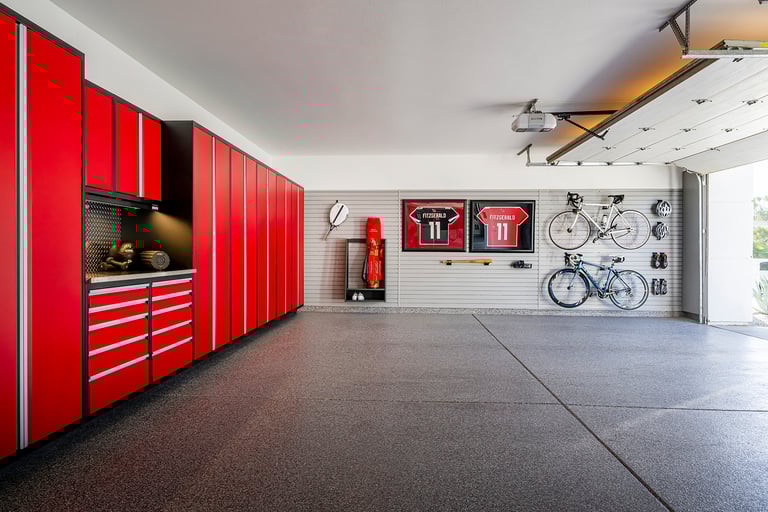
- Light Gray: The MVP of garage colors. Light gray provides a sophisticated backdrop that’s modern and highly forgiving. It expertly hides dust, minor smudges, and tire marks without making the space feel dark. It pairs well with almost any accent color you might have in your tools or storage.
- Off-White/Greige: If you want maximum brightness but are wary of stark white, an off-white with a hint of warmth (like a creamy vanilla) or a greige (gray + beige) is an excellent choice. Greige offers the best of both worlds, providing warmth and brightness while still being forgiving.
- Pale Beige/Tan: For a warmer, more inviting feel, pale beige or tan hues are fantastic. They offer a grounded, earthy warmth that can make a garage feel less industrial. They’re also great at camouflaging everyday dust and dirt.
Stepping Outside the Box: Subtle Accents
While neutrals form the backbone, a touch of carefully chosen color can personalize your space without sacrificing functionality.
- Soft Blues/Greens: Think muted, desaturated tones like a pale seafoam green or a light sky blue. These colors are known for their calming effects, which can be great if your garage is a personal sanctuary for hobbies or a home gym. They can also subtly reduce glare.
- Deep Charcoal/Dark Gray: For a truly modern, industrial, or even masculine look, a deep charcoal gray can be stunning. This choice works best in garages with excellent artificial lighting and high ceilings, as it can make a space feel smaller. It provides a dramatic, sophisticated backdrop that makes metallic tools or bright cabinetry pop.
To help you visualize, here’s a comparative overview of popular garage wall paint colors:
| Color Family | Key Benefits | Considerations & Best For |
|---|---|---|
| Light Gray | Modern, hides smudges & dust, reflects light well, versatile. | All-purpose garages, workshops, contemporary aesthetics. Can feel cool without warm accents. |
| Off-White/Greige | Maximum brightness, clean feel, makes space appear larger, hides minor imperfections. | Showrooms, clean storage, small garages. May show heavy grease marks more easily than gray. |
| Pale Beige/Tan | Warm, inviting, hides dust & dirt, less industrial feel. | Garages used for family activities, traditional homes, garages with natural wood elements. Can look dull if lighting is poor. |
| Soft Blues/Greens | Calming, reduces glare, unique personality, can be energizing. | Home gyms, hobby spaces, creative workshops. Choose muted tones to avoid overwhelming the space. |
| Deep Charcoal/Dark Gray | Sophisticated, dramatic, hides industrial elements, provides strong contrast. | Garages with ample lighting, high ceilings, or for a ‘showroom’ effect. Can make small spaces feel cramped. |
Factors to Consider When Choosing Your Garage Paint Color
Selecting a paint color isn’t just about what looks good in the swatch. It’s about how that color will perform in the unique environment of your garage.
What’s Your Garage’s Primary Purpose?
This is arguably the most critical factor. The best color for a car enthusiast’s showroom will differ from a bustling DIY workshop or a simple storage area.
- Workshop/DIY Space: You’ll want colors that maximize light reflection to ensure good visibility for detailed work. Lighter grays, off-whites, and even soft blues can reduce eye strain and make small parts easier to see.
- Storage/Utility: Here, the focus is on cleanliness and functionality. Colors that hide dust and grime while keeping the space feeling organized and bright are ideal – think light grays or pale beiges.
- Home Gym/Recreation: Consider colors that uplift or calm. Soft blues and greens can create a serene atmosphere for yoga, while a slightly warmer beige might be better for an active workout space.
- Showroom for Cars: A clean, bright backdrop is essential. Off-white, light gray, or even a deep charcoal can make your vehicles pop, depending on the look you’re going for.
- Multi-purpose: Most garages fall into this category. Opt for highly versatile neutrals that can adapt to different activities, like light gray or greige.
Lighting Conditions: Natural vs. Artificial
Your garage’s lighting significantly impacts how a paint color appears. A color swatch seen in bright daylight outside will look different under the fluorescent lights of your garage, especially if there’s minimal natural light.
- Natural Light: Garages with windows or large doors benefit from natural light, which makes colors appear truer.
- Artificial Light: Most garages rely heavily on artificial lighting. Fluorescent lights can cast a cool, blueish tint, making cool grays appear even cooler. Incandescent bulbs, now less common, emit a warmer, yellow light. LED lighting can vary widely depending on its Kelvin temperature (warm vs. cool). Always test your chosen color under your garage’s specific lighting.
- Reflectivity: Lighter colors will reflect more light, amplifying the existing light sources and making the garage feel brighter overall. This is crucial for garages with limited natural light.
Existing Elements: Floor, Cabinets, Tools, Vehicles
Your garage walls don’t exist in a vacuum. Consider how the paint color will interact with what’s already there (or what you plan to add):
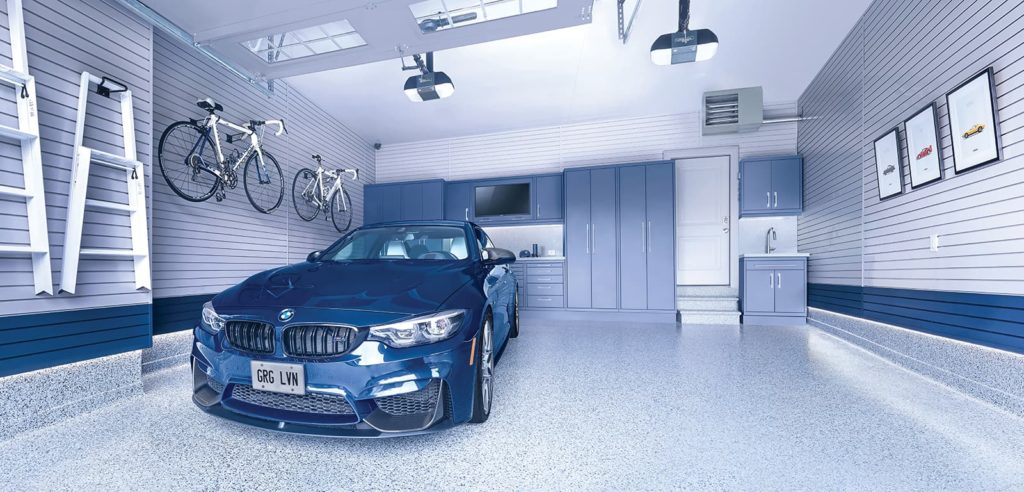
- Garage Floor: If you have an epoxy-coated floor, choose a wall color that complements it. A light gray wall often pairs beautifully with a dark gray or speckled epoxy floor.
- Cabinets & Storage: Do you have bright red tool chests or sleek black storage cabinets? The wall color should enhance these elements, either by providing a neutral backdrop or a pleasing contrast.
- Tools & Equipment: Often, tools come in vibrant colors. A neutral wall helps keep the space from looking too busy or chaotic.
- Vehicles: If your garage is home to a prized car, think about how the wall color will frame it. A dark car might pop against a light gray wall, while a white car could look stunning against a deep charcoal.
Durability & Maintenance Needs
Garages are tough environments. They endure everything from car exhaust and oil splatters to dust, dirt, and moisture fluctuations. Your paint needs to stand up to this abuse.
- Ease of Cleaning: Opt for paints that are easily washable. You’ll thank yourself when it comes to wiping away grease marks, scuffs, or general grime.
- Traffic Levels: A garage with heavy foot and vehicle traffic will require a more durable paint than one primarily used for quiet storage.
Paint Finish (Sheen): Why it’s Crucial
The sheen of your paint is just as important as the color. It dictates durability, washability, and how light reflects off the walls.
- Flat/Matte: Offers a non-reflective, velvety look. While it hides imperfections well, it’s typically not recommended for garages as it’s porous and very difficult to clean. Every smudge will leave a lasting mark.
- Eggshell/Satin: These offer a low-to-medium sheen. They’re more durable and washable than flat paint and can be a good choice for garages with very light use or if you prioritize a less reflective surface.
- Semi-Gloss: This is often the ideal choice for garage walls. Semi-gloss paints are highly durable, extremely washable, and provide a good level of reflectivity without being overwhelming. They stand up well to moisture and frequent wiping.
- High-Gloss: The most durable and reflective option. While incredibly tough and easy to clean, high-gloss paint will highlight every single imperfection on your walls, from minor dings to uneven drywall. It can also create a very stark, almost clinical look that might be too much for a garage.
Best Paint Types for Garage Interior Walls
Beyond color and sheen, the type of paint you choose determines its performance and longevity in a garage environment.
Latex (Acrylic-Latex) Paint
For most homeowners, high-quality acrylic-latex paint is the go-to for garage interior walls. Here’s why:
- Easy Cleanup: Cleans up with water, making application and mistake correction much simpler.
- Low VOC: Many modern latex paints are low in Volatile Organic Compounds, leading to less odor and better indoor air quality – important in an enclosed space.
- Flexible & Durable: Acrylic latex paints are flexible, meaning they can expand and contract slightly with temperature changes, making them less prone to cracking than older oil-based paints. They offer excellent durability for vertical surfaces.
- Good Adhesion: Adheres well to primed drywall, concrete, and even previously painted surfaces.
Epoxy Paint
While commonly associated with garage floors, epoxy paint can be used on walls for extreme durability and chemical resistance. However, it’s typically overkill and much more expensive and complex to apply than latex paint for walls.
- Ultimate Durability: Highly resistant to chemicals, abrasions, and moisture.
- High Cost & Difficulty: Requires specific preparation and application techniques, often a two-part system, and releases strong fumes during application. Generally only considered for commercial or heavy-duty industrial garage walls.
Moisture-Resistant/Mildew-Resistant Paints
Garages can be damp environments, especially if unheated or located in humid climates. Look for latex paints that specifically offer moisture or mildew resistance. These contain additives that inhibit mold and mildew growth, keeping your garage healthier and looking better for longer.
Practical Tips for Painting Your Garage Walls Like a Pro
Once you’ve nailed down your color and paint type, it’s time to get to work. Proper preparation and technique are key to a lasting, professional finish.
Preparation is Everything
- Clean the Walls: Garages accumulate dust, cobwebs, and grime. Wash your walls thoroughly with a degreaser or a mild detergent solution. Rinse well and allow to dry completely.
- Repair Imperfections: Fill any holes or cracks with spackle or joint compound. Sand smooth once dry.
- Prime the Walls: If your walls are bare drywall, unpainted concrete, or have significant repairs, priming is non-negotiable. Primer creates a uniform surface, ensures better paint adhesion, and can prevent stains from bleeding through. Choose a high-quality acrylic primer.
- Tape & Cover: Protect your floor, trim, and any stationary items with painter’s tape and drop cloths.
Testing Colors
Never commit to a color based solely on a small swatch. Paint large sample swatches (at least 2’x2′) directly onto your garage walls in a few different areas. Observe them at different times of day and under your garage’s specific lighting conditions. What looks good online or in a store can look dramatically different in your garage.
Essential Tools & Safety
Gather your supplies before you start:
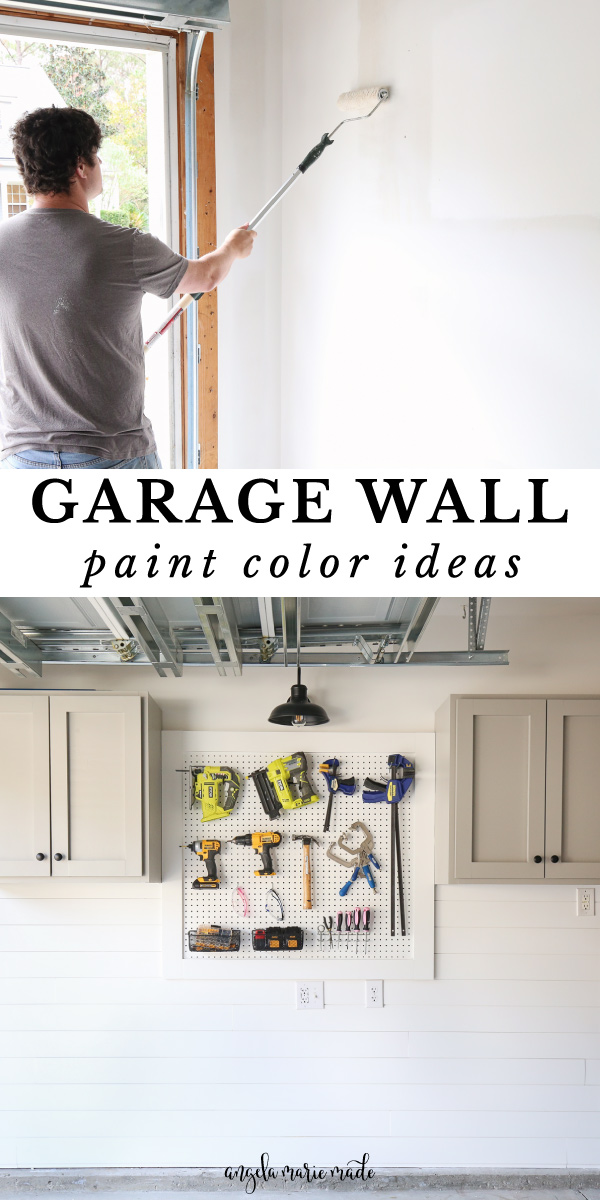
- High-quality paint rollers (for smooth or textured surfaces)
- Paint brushes (for cutting in edges and corners)
- Paint trays
- Extension pole for rollers
- Painter’s tape
- Drop cloths or plastic sheeting
- Safety glasses and gloves
- A ladder or step stool
- Good ventilation (open doors/windows, use fans)
Budgeting for Your Project
While paint is relatively affordable, don’t skimp on quality. Investing in a better paint will give you superior coverage, durability, and a longer-lasting finish, often requiring fewer coats. Remember to factor in the cost of primer, brushes, rollers, tape, and other supplies.
Should Your Garage Interior Match Your Home’s Exterior or Interior?
This is a common question, and the answer is: not necessarily! Your garage is an extension of your home, but it also serves a distinctly different purpose. While you might want the colors to be complementary, they don’t need to be identical.
- Exterior Match: Matching your garage interior to your home’s exterior color can create a cohesive look, especially if your garage door is often open. However, if your home’s exterior is a dark or vibrant color, it might make the garage interior feel too dark or overwhelming.
- Interior Match: If your garage opens directly into your home, you might consider picking a color that flows well with the adjacent interior space. A neutral from your home’s palette can create a seamless transition.
- Distinct but Harmonious: Most often, the best approach is to choose a garage wall color that is distinct but harmonious. A light gray or off-white works with almost any home style and color scheme, providing a clean, functional space without clashing. Think of it as its own room with its own function, but still part of the family.
Ultimately, the best paint color for your garage interior walls is one that enhances its functionality, reflects your personal style, and stands up to the demands of the space. By considering purpose, lighting, existing elements, and the right paint type and finish, you’ll create a garage that’s not just practical, but genuinely enjoyable.
Frequently Asked Questions
What is the most popular paint color for garage interior walls?
Light gray is consistently one of the most popular and recommended paint colors for garage interior walls. It offers a modern aesthetic, excellent light reflection, and is highly effective at hiding dust, dirt, and minor smudges, making it practical and versatile for various garage uses.

What paint finish (sheen) is best for garage walls?
A semi-gloss finish is generally considered the best for garage interior walls. It’s highly durable, very washable, and resistant to moisture, making it easy to clean off grease, dirt, and scuffs. While it has some reflectivity, it’s typically not as harsh as high-gloss.
Should I prime my garage walls before painting?
Yes, priming your garage walls is highly recommended, especially if they are bare drywall, unpainted concrete, or have been patched extensively. Primer creates a uniform surface for the paint to adhere to, improves coverage, ensures a more consistent color, and can seal porous surfaces like concrete, preventing efflorescence.
Can I use the same paint color as my home’s exterior or interior?
You can, but it’s not a strict requirement. For garage interiors, focus more on functionality and durability. While a complementary color that flows with your home’s aesthetic can be nice, prioritizing a light, clean, and durable neutral (like light gray or off-white) will often serve the garage’s specific needs better than directly matching. It’s perfectly fine for your garage to have its own distinct, yet harmonious, palette.
What kind of paint should I use for garage walls?
A high-quality acrylic-latex paint is typically the best choice for garage interior walls. It offers good durability, easy cleanup with water, is flexible enough to handle temperature fluctuations, and many options come with low VOCs for better air quality. For high moisture areas, look for mildew-resistant formulas.
How do I choose a paint color if my garage has poor lighting?
If your garage has poor natural lighting, it’s crucial to select lighter colors (like off-white, light gray, or pale beige) with a semi-gloss finish. These colors and sheens will reflect the most available light, both natural and artificial, making the space feel much brighter and more open. Always test swatches under your garage’s specific lighting conditions before committing.
Do dark paint colors work for garage walls?
Dark paint colors, such as deep charcoal or dark gray, can work for garage walls if you’re aiming for a modern, sophisticated aesthetic, especially if your garage is used as a showroom or has exceptional artificial lighting. However, they will make the space feel smaller and can absorb light, requiring more robust lighting to compensate. They also tend to show dust more prominently.