Unlocking Your Bedroom’s Potential: The Definitive Guide to Paint Colors for Low Natural Light
Staring at a bedroom that feels more like a cave than a cozy sanctuary? You’re not alone. Many of us grapple with bedrooms that receive minimal natural light, leaving them feeling dim, drab, and uninviting. The good news? The right paint color isn’t just a quick fix; it’s a transformative design choice that can completely redefine the mood and perception of space in your low-light bedroom.
Forget the old adage that you must paint a dark room white. While light colors can certainly help, the ‘best’ paint color isn’t a one-size-fits-all answer. It’s about understanding light, psychology, and your personal vision for the space. Do you want to bounce what little light you have, making the room feel brighter and more expansive? Or do you want to lean into the intimacy, creating a deeply cozy, moody retreat?
I’m here to guide you through both strategies, revealing the secrets to choosing a color that not only works with your light constraints but elevates your bedroom into the dream space you deserve.
Understanding Your Light Challenge: More Than Just ‘Dark’
Why Natural Light Matters (and Why Its Absence is Tricky)
Natural light is a designer’s best friend. It breathes life into colors, highlights textures, and creates a sense of openness. In its absence, colors can appear flat, dull, and sometimes even shift dramatically from their swatch. A color chosen in a brightly lit store might look entirely different under the limited, often artificial, light of your bedroom.
The direction your window faces (if you have one) also plays a crucial role. North-facing rooms often receive cool, consistent light, making colors appear muted. East-facing rooms get bright morning light, while west-facing rooms get warm afternoon light. Rooms with no direct window, or those overshadowed by trees or buildings, face the greatest challenge, requiring more strategic color choices.
The Psychology of Color in a Low-Light Bedroom
Color profoundly impacts our mood and perception. In a bedroom, where rest and relaxation are paramount, this impact is even more critical. In a low-light environment:
- Warm colors (reds, oranges, yellows, warm browns) tend to advance, making a room feel cozier and more intimate. They can also feel energizing or comforting.
- Cool colors (blues, greens, purples) tend to recede, making a room feel larger and more serene. However, in low light, very cool colors can sometimes feel stark or chilly if not balanced with warmth.
- Light colors generally reflect more light, visually expanding the space.
- Dark colors absorb light, creating a sense of depth and enclosure.
The key is to leverage these psychological effects to your advantage, whether you’re chasing brightness or embracing depth.
Strategy 1: Brightening and Expanding (Making Your Bedroom Feel Larger and Lighter)
If your goal is to infuse your bedroom with a sense of airiness and make it appear larger and more luminous, despite limited natural light, these color families are your allies. The trick is to focus on colors that have high light reflective values (LRV) and carry warm undertones.
The Power of Warm Whites and Off-Whites
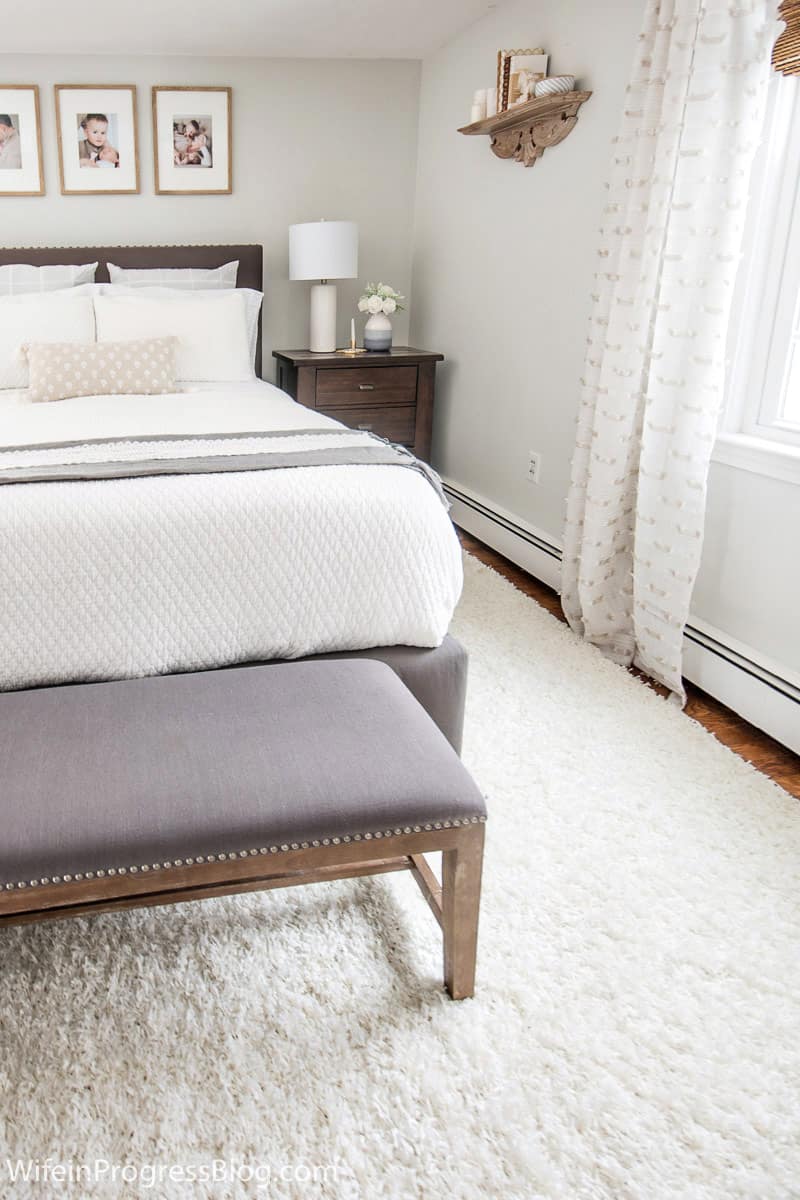
This isn’t about stark, sterile gallery white. It’s about sophisticated, creamy whites that feel soft and inviting. Warm whites and off-whites are fantastic because they:
- Maximize Light Reflection: They bounce what little light you have around the room, making it feel brighter.
- Create a Sense of Openness: Visually, they push walls away, expanding the perceived size of the room.
- Offer Versatility: They provide a neutral, calming backdrop for any decor style.
What to look for: Whites with subtle yellow, beige, or greige (gray + beige) undertones. Think creamy ivories, soft vanillas, or barely-there beiges. These undertones prevent the white from looking cold or clinical in low light.
Colors to avoid: Bright, stark, or cool-toned whites with blue or gray undertones can look flat, cold, or even dingy in a low-light room.
Soft, Light Grays: The Modern Neutral
Gray has reigned supreme as a neutral for good reason, but in low-light bedrooms, not all grays are created equal. The right light gray can be incredibly effective for brightening and modernizing your space.
- Sophisticated & Versatile: Offers a contemporary feel without being stark.
- Reflects Light Gently: A lighter LRV than darker grays, it can still bounce light.
- Calming Effect: Many grays have inherent calming qualities, perfect for a bedroom.
What to look for: Focus on warm grays, greiges, or grays with subtle green or brown undertones. These hues will feel warmer and more inviting, preventing the room from feeling cold. Think of shades that evoke natural stone or linen.
Colors to avoid: Avoid grays with strong blue or purple undertones, as they can appear icy or institutional in a dimly lit space.
Pale Yellows and Buttery Creams: A Hug of Sunshine
If you’re craving a dose of perpetual sunshine, even in a dark room, pale yellows and creamy tones are your answer. They intrinsically mimic the warmth of natural light.
- Instantly Cheerful: These colors bring an undeniable warmth and optimism to a room.
- Mimic Sunlight: They create the illusion of natural light, making the room feel brighter and more welcoming.
What to look for: Opt for muted, desaturated yellows with creamy undertones, or very soft buttery creams. The goal is a gentle glow, not a vibrant, energetic primary yellow.
Colors to avoid: Steer clear of bright, primary yellows or those with a greenish cast, as they can feel overwhelming or sickly in low light.
Reflective Blues and Greens (Carefully Chosen)
While often associated with cool tones, certain shades of blue and green can surprisingly work wonders in brightening a low-light bedroom, particularly if you’re aiming for a tranquil, airy feel.
- Serene & Calming: Blues and greens are inherently relaxing colors, ideal for a bedroom.
- Can Feel Expansive: Lighter, desaturated shades can create an open, airy atmosphere.
What to look for: Think pale sky blues, soft sage greens, seafoam greens, or muted aqua tones. The key is desaturation and a hint of warmth. These colors should feel fresh and breathable, not deep or moody.
Colors to avoid: Deep navy, emerald green, or any blue/green with strong cool undertones can make a low-light room feel heavy and cold.
Strategy 2: Embracing the Cozy and Moody (Creating a Sanctuary)
Who says a dark bedroom has to be a problem? Sometimes, the most luxurious and inviting spaces are those that lean into their limited light, transforming a potential weakness into a design strength. If you want to create a cocoon-like, sophisticated, or deeply intimate bedroom, embrace the dark side!
Deep, Warm Neutrals: Sophistication in Shadows
Moving away from light colors doesn’t mean sacrificing sophistication. Deep, warm neutrals can create a dramatically cozy and intimate atmosphere.
- Intimacy & Comfort: These colors envelop the room, creating a feeling of security and warmth.
- Sophisticated Backdrop: They provide a rich, luxurious canvas that makes lighter furniture and artwork pop.
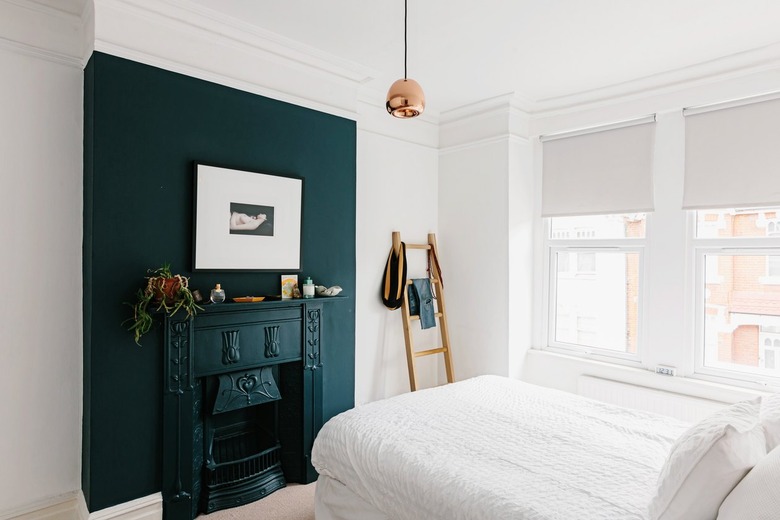
What to look for: Consider rich charcoals with brown or purple undertones, deep taupes, cocoa browns, or even mushroom grays. The warmth is crucial here to prevent the room from feeling stark or cold. These colors work best when paired with ample artificial lighting and varied textures.
Rich, Saturated Jewel Tones (Used Sparingly)
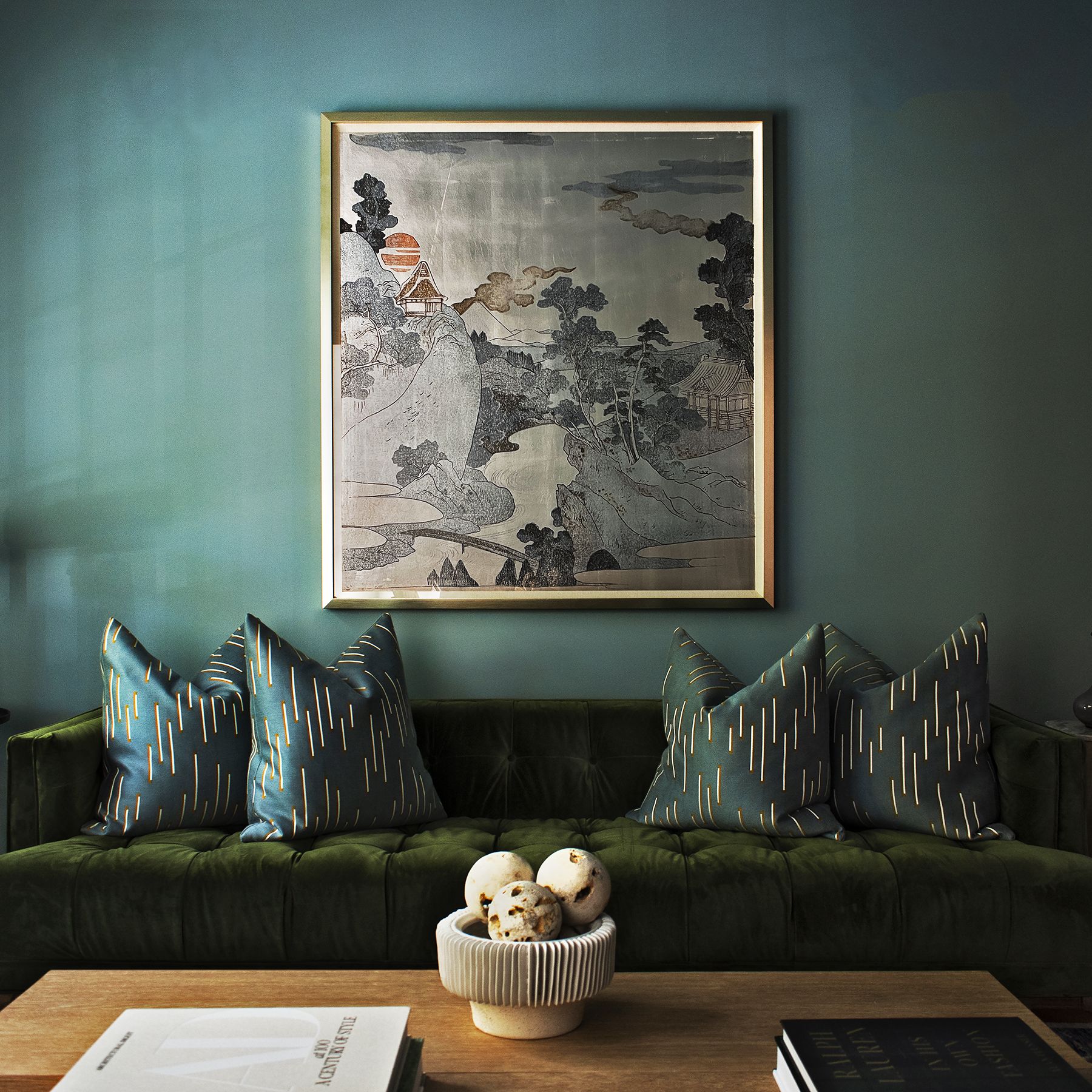
For the bold at heart, jewel tones can be breathtaking in a low-light bedroom, transforming it into a luxurious, dramatic retreat. This approach is about intentional design, not just picking a pretty color.
- Dramatic & Luxurious: Jewel tones add opulence and depth.
- Creates a Focal Point: Perfect for a feature wall or a tightly curated space.
What to look for: Deep emerald greens, sapphire blues, amethyst purples, or even a dusky rose. The key is saturation and warmth. These colors often look best with a higher sheen (like satin or eggshell) to catch and reflect what little light is available, adding to their richness. Pair them with metallic accents and layered lighting.
Earthy Greens and Blues: Nature’s Embrace
Bringing the calming essence of nature indoors, deeper earthy greens and blues can create a grounding, serene atmosphere, even in a low-light setting.
- Calming & Grounding: Evoke a sense of peace and connection to the natural world.
- Sophisticated & Timeless: These colors often feel enduring and elegant.
What to look for: Think forest green, moss green, dusty blue, or a deep teal. Ensure they have enough gray or brown undertones to prevent them from feeling too bright or overwhelming. These shades pair beautifully with natural wood tones and organic textures.
The Unsung Hero: Paint Sheen and Its Impact
You’ve picked your perfect color, but don’t stop there! The paint’s finish, or sheen, is just as critical, especially in a low-light bedroom. Sheen determines how much light the paint reflects and how durable the surface is.
The Reflective Power of Sheen
Generally, the higher the sheen, the more light the paint will reflect. This means glossier finishes can actually help bounce light around a dark room, making it feel brighter. However, higher sheens also highlight imperfections on the wall, so balance is key.
Best Sheens for Low-Light Bedrooms (and When to Use Them)
Here’s a quick guide to common paint sheens and their suitability for your low-light bedroom:
| Sheen Type | Reflectivity | Durability | Best Use in Low-Light Bedroom |
|---|---|---|---|
| Flat/Matte | Very Low | Low | Absorbs light, creates depth. Best for very dark, moody colors where you want to minimize glare and hide imperfections. |
| Eggshell | Low-Medium | Medium | My top recommendation for most low-light bedrooms. Offers a soft glow, reflects some light, and is forgiving on walls. |
| Satin | Medium | Medium-High | Slightly more reflective than eggshell, good for brighter colors to maximize light bounce. A bit more noticeable on imperfections. |
| Semi-Gloss | High | Very High | Highly reflective. Use on trim, doors, or for a very dramatic, lacquered look on walls if you’re embracing a moody, sophisticated vibe and have perfectly smooth walls. |
For most bedrooms, I recommend an eggshell finish. It offers a subtle sheen that gently reflects light without being overly glossy, and it’s durable enough for a bedroom without highlighting every tiny wall imperfection.
Essential Considerations Before You Paint
Undertones Are Everything: The Hidden Hues
This is where many people go wrong. Every color has an undertone – a subtle hue that peeks through. In a low-light room, these undertones become even more pronounced. A ‘greige’ can look purple in one light and green in another. A ‘white’ might suddenly appear blue.

How to spot them: Compare your chosen paint chip to a pure white (like printer paper) or to other similar colors. You’ll start to notice the faint yellow, pink, blue, green, or purple lurking beneath the surface. For low-light rooms, generally lean towards warm undertones unless you are intentionally going for a cool, serene vibe and have other warm elements to balance it.
Test, Test, Test: Large Swatches Are Your Best Friend
Do NOT pick a color from a tiny chip in a store. This is the single most important piece of advice I can give you. Buy sample pots and paint large swatches (at least 2×2 feet) directly on your bedroom walls, or on large white poster boards you can move around.
Observe them:
- In the morning, midday, and evening.
- With your artificial lights on and off.
- Next to your existing furniture, flooring, and textiles.
Colors shift dramatically with light, and your bedroom’s unique lighting conditions are the only true testing ground.
Artificial Lighting: Your Bedroom’s Second Sun
In a low-light bedroom, your artificial lighting scheme is just as crucial as your paint color. Don’t rely on a single overhead light! Create layers of light to compensate for the lack of natural light:
- Ambient Light: A soft overhead fixture (dimmable is a bonus).
- Task Lighting: Reading lamps by the bed.
- Accent Lighting: Up-lights or picture lights to highlight artwork or create mood.
Choose bulbs with a warm color temperature (2700K-3000K) to complement your paint and create a cozy atmosphere, rather than harsh, cool light (4000K+).
Coordinating Elements: Furniture, Textiles, and Decor
Your paint color doesn’t exist in a vacuum. It interacts with everything else in the room. In a low-light bedroom, leverage other elements to enhance your chosen paint strategy:
- Furniture: Lighter furniture or pieces with reflective surfaces (mirrored, metallic) can help brighten the space. Darker furniture can anchor a moody room.
- Textiles: Choose bedding, curtains, and rugs that complement your wall color. Lighter, airy fabrics can enhance brightness; rich, textured fabrics can deepen coziness.
- Mirrors: Strategically placed mirrors are magic in a dark room. They reflect both natural and artificial light, making the room feel larger and brighter.
- Artwork: Light-colored frames or artwork with white matting can provide contrast and visual interest against darker walls.
Common Pitfalls to Avoid
Don’t Go Too Stark White
While light colors reflect light, a pure, cold white can look flat, sterile, or even dingy in a room with minimal natural light. It lacks warmth and depth, often making the room feel unwelcoming rather than bright.
:max_bytes(150000):strip_icc()/KMI_11-15-19-78-2-6e6295d963c143349819c8215c578ed1.jpg "6 Paint Colors That Will Instantly Brighten Up Any Dark Room ...")
Beware of Overly Cool Tones
Blues, greens, and grays with strong cool (blue/purple) undertones can amplify the feeling of coldness and gloom in a low-light room, making it feel less inviting and sometimes even depressing.
Ignoring Undertones
As discussed, undertones are stealthy. What looks like a perfect greige on a swatch can suddenly reveal a purple cast in your bedroom’s particular lighting, completely altering the desired effect.
Forgetting Paint Sheen
Opting for a flat, matte finish on a light paint color in a dark room can diminish its light-reflecting potential. Conversely, a high-gloss finish on imperfect walls will highlight every flaw.
Choosing the best paint color for a bedroom with little natural light is an art, not a science, but it’s an art you can master. Whether you aim to create a bright, airy haven or a deeply intimate, luxurious retreat, the power is in your hands. Trust your instincts, embrace the testing process, and remember that even the darkest corners can be transformed into your most cherished space. Happy painting!
Frequently Asked Questions
What is the most reflective paint color for a dark bedroom?
While pure white has the highest Light Reflectance Value (LRV), the ‘most reflective’ for a dark bedroom is often a warm white or off-white with subtle yellow or beige undertones. These colors reflect light effectively without appearing stark or cold, creating a softer, more inviting brightness than a cool, stark white.
Should I paint a small, dark bedroom a light or dark color?
You have two effective strategies. Light colors (warm whites, pale greys, soft yellows) will make the room feel larger and brighter by reflecting light. However, dark, rich colors (deep greens, charcoals, navy) can also work beautifully by embracing the lack of light, creating a cozy, sophisticated, and intimate ‘cocoon’ effect. The best choice depends on your desired mood and style.
Do cool tones or warm tones work better in a bedroom with little natural light?
Generally, warm tones work better in low-light bedrooms. Warm whites, greiges, and yellows help to counteract the cool, dim light, making the room feel more inviting and less drab. While some pale, desaturated cool tones (like soft sage or sky blue) can work if carefully chosen, strong cool tones (with blue or purple undertones) can often make a low-light room feel even colder and uninviting.
What paint sheen is best for maximizing light in a dark bedroom?
For maximizing light reflection without high maintenance, an eggshell or satin finish is usually best. These sheens offer a subtle luminosity that bounces light gently around the room, making it feel brighter. Flat/matte finishes absorb light, while semi-gloss/gloss are highly reflective but can highlight wall imperfections.
How do undertones affect paint color in a low-light room?
Undertones are crucial in low-light rooms because they become more pronounced in the absence of bright, balanced light. A color’s subtle cool (blue, purple, green) or warm (yellow, red, orange, brown) undertone can drastically change how the paint looks on your wall. A ‘gray’ with a blue undertone might appear cold, while one with a beige undertone (greige) will feel warmer and more inviting in dim light. Always check undertones by comparing swatches against a true white.
Can I use a dark paint color in a bedroom with minimal natural light?
Absolutely! Using a dark paint color in a low-light bedroom is a powerful design choice that can create a sophisticated, cozy, and intimate sanctuary. Deep, rich tones like charcoal, forest green, or navy can absorb light, making the walls recede and creating a cocoon-like effect perfect for relaxation and sleep. Ensure you choose colors with warm undertones and balance them with layered artificial lighting and lighter textiles.
How should I test paint colors in a low-light bedroom?
Always test paint colors by painting large swatches (at least 2×2 feet) directly on your bedroom walls or on large poster boards that you can move around. Observe these samples throughout different times of the day (morning, midday, evening) and under both natural and artificial light (using the light bulbs you intend to use in the room). This allows you to see how the color truly behaves in your specific lighting conditions before committing.