The Definitive Guide to the Best Neutral Interior Paint Colors for 2026
Staring at a blank wall, knowing you need a change but dreading the endless parade of paint chips? You’re not alone. Choosing the right interior paint color is a big decision, especially when you want something that feels fresh for 2026 but won’t be passé by 2027. And when it comes to neutrals, it’s easy to feel overwhelmed by the sheer number of options, each promising a subtly different vibe.
But here’s the secret: choosing the right neutral isn’t about ‘playing it safe’; it’s about setting the stage for elegance, tranquility, and incredible versatility. For 2026, we’re seeing a profound shift in how we approach our living spaces – a desire for homes that are not just beautiful, but also calming, reflective, and deeply personal. And guess what? Neutrals are leading the charge.
Forget the days of boring beige. The best neutral interior paint colors for 2026 are nuanced, sophisticated, and packed with potential. They are the quiet anchors that allow your home’s personality to shine through, adapting effortlessly to evolving decor trends and personal tastes. Ready to discover your home’s next enduring backdrop? Let’s dive in.
Why Neutrals Will Dominate in 2026: More Than Just a Trend
Why are designers and homeowners alike flocking to neutrals for 2026? It’s not just a fleeting trend; it’s a response to deeper shifts in how we live and what we value in our homes.
The Shift Towards Thoughtful, Enduring Design
After years of maximalism and bold statements, there’s a collective sigh of relief as we embrace more considered, long-lasting design choices. We’re investing in quality over quantity, and that extends to our walls. Neutrals provide a timeless canvas that allows furniture, art, and personal collections to take center stage, rather than competing with the walls themselves. This approach fosters a sense of permanency and reduces the need for constant redecorating.
Wellness, Serenity, and Biophilic Influence
Our homes have become our sanctuaries more than ever before. In 2026, the emphasis on wellness and creating calm environments is paramount. Neutrals, especially those with subtle earthy, green, or blue undertones, connect us to nature (biophilic design) and promote a sense of peace. They reduce visual clutter and create a serene backdrop for relaxation and mindfulness, contributing to better mental and emotional well-being.
The Quiet Luxury Aesthetic
You’ve heard of ‘quiet luxury’ in fashion, and it’s absolutely translating to interiors. This aesthetic prioritizes understated elegance, high-quality materials, and a sophisticated, inviting atmosphere without being flashy. Neutrals are the cornerstone of quiet luxury, allowing texture, craftsmanship, and subtle details to shine. Think rich linens, natural wood tones, and soft lighting – all elevated by a perfectly chosen neutral wall color.
Understanding Neutral Undertones: Your Secret Weapon for Perfect Paint
This is where many people stumble with neutrals. You pick a ‘gray,’ paint your wall, and suddenly it looks purple, or green, or even sickly yellow. What happened? Undertones! An undertone is the subtle color lurking beneath the main shade, and it dictates how a neutral paint color truly appears in your unique space. Mastering undertones is your secret weapon for choosing the *perfect neutral.
All colors, including neutrals, have undertones. These can be red, yellow, blue, green, or purple. For example, a ‘greige’ (a mix of gray and beige) might lean more yellow (warm beige-y greige) or more green/blue (cooler gray-y greige). The trick is to identify your room’s existing undertones (in flooring, furniture, natural light) and select a paint that harmonizes with them.
Pro Tip: Paint chips often look different in the store than on your wall. Always observe your swatches in various lighting conditions throughout the day. What looks perfectly beige at noon might reveal a surprising pink undertone under artificial evening light!
Warm Undertones vs. Cool Undertones: What’s the Difference?
- Warm Neutrals: These have yellow, red, or orange undertones. Think creamy whites, beige, taupes, and greiges that lean warmer. They create a cozy, inviting, and often sunny atmosphere.
- Cool Neutrals: These have blue, green, or purple undertones. Think cool grays, some greiges that lean cooler, and crisp whites. They create a fresh, crisp, calm, and more modern feel.
The Top Neutral Paint Color Categories for 2026 (With Specific Brand Recommendations)
In 2026, ‘neutral’ is anything but boring. It’s a broad, exciting spectrum. Here are the categories making the biggest impact, along with some specific, highly-recommended shades to consider:
Warm Whites: The Foundation of Freshness
Warm whites are the ultimate clean slate, offering a crisp yet inviting feel. They’re not stark; they have just enough yellow or beige undertone to prevent them from feeling cold. Perfect for natural light-filled rooms, small spaces, or anywhere you want a bright, airy, and sophisticated base.
- Sherwin-Williams Pure White (SW 7005): A truly versatile, soft white with minimal undertones, making it a designer favorite for ceilings, trim, and walls. It plays well with almost anything.
- Benjamin Moore White Dove (OC-17): Beloved for its gentle, creamy warmth. It’s an off-white that feels luxurious and never harsh. Excellent for creating a cozy, high-end look.
- Valspar Swiss Coffee (7002-16): A go-to for a warm, inviting white that pairs beautifully with natural wood tones and earthy accents.
Creamy Off-Whites & Ivories: Softness and Subtle Warmth
If true white feels too stark, these shades are your answer. They carry more discernible yellow or beige undertones, creating a soft, buttery feel without ever appearing yellow. Ideal for bedrooms, living rooms, or any space where you want a gentle, enveloping warmth and classic elegance.
- Sherwin-Williams Dover White (SW 6385): A classic creamy white that’s bright but not stark, offering a lovely warmth without being overtly yellow.
- Benjamin Moore Acadia White (OC-38): A beautiful, light ivory that brings a sophisticated, aged warmth. It’s soft and delicate, perfect for a refined aesthetic.
- Dunn-Edwards Melodious Ivory (DE6188): A nuanced ivory, as highlighted in SERP data, offering a gentle, calming presence that makes a space feel brighter without being cold.
Greiges: The Perfect Balance of Warmth and Cool
Greige continues its reign as the chameleon of neutrals. It’s a masterful blend of gray and beige, offering the best of both worlds. The beauty of greige lies in its versatility, adapting to different lighting and decor styles. It’s fantastic for open-concept homes, providing a cohesive flow.
.jpg "Sherwin-Williams's 2026 Color of the Year Is a Non-Boring ...")
- Sherwin-Williams Agreeable Gray (SW 7029): The perennial favorite for good reason. It’s a true greige that leans slightly warm, making it incredibly adaptable and universally flattering.
- Benjamin Moore Revere Pewter (HC-172): A sophisticated, slightly warmer greige that pairs beautifully with both traditional and modern decor. It has a classic, grounded feel.
- Valspar Accessible Beige (1013-4): A warm, inviting greige that leans more into its beige side, perfect for creating a cozy, approachable atmosphere.
Earthy Taupes & Muted Browns: Grounding and Sophisticated
Connecting to the biophilic design trend, these deeper, more saturated neutrals bring a sense of grounding and natural sophistication. They can add richness and depth to a space, making it feel layered and luxurious. Taupes often have a subtle purple or pink undertone, while muted browns offer organic warmth.
- Benjamin Moore Edgecomb Gray (HC-173): Despite its name, this is a beautiful, light taupe-greige with a subtle warmth that shifts beautifully with the light.
- Sherwin-Williams Nomadic Desert (SW 6107): A warm, inviting taupe that evokes the natural world, perfect for creating a serene, earthy sanctuary.
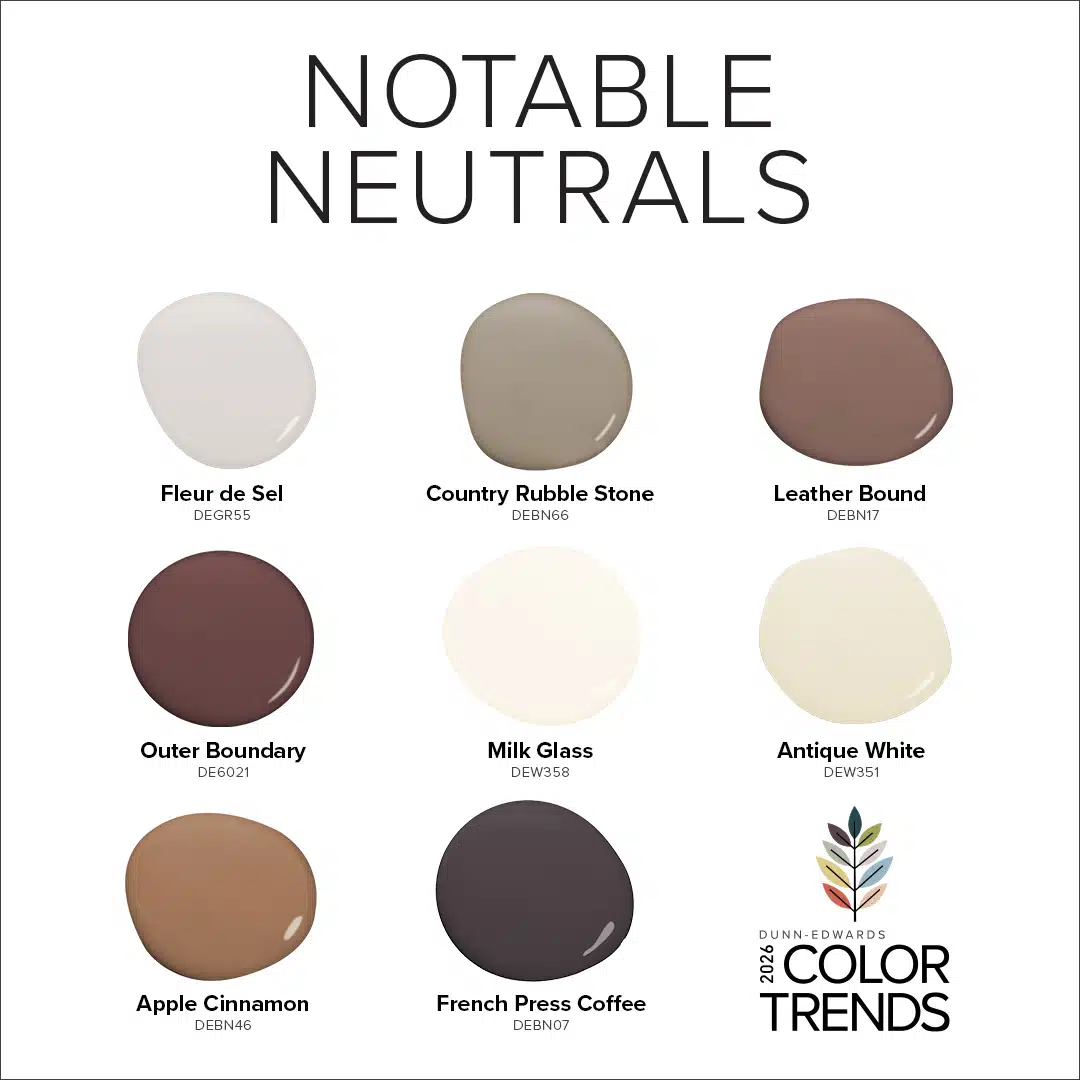
- Dunn-Edwards Leather Bound (DEBN17): A rich, muted brown, offering depth and an organic, luxurious feel. Great for accent walls or studies.
Soft Grays: Modern Serenity
For those who prefer a cooler, more minimalist aesthetic, soft grays remain a staple. They offer a clean, contemporary backdrop that allows furniture and artwork to pop. The key is to choose grays that aren’t too stark or that don’t lean too heavily into a blue or purple undertone unless that’s your explicit intention.
- Benjamin Moore Classic Gray (OC-23): A very light, crisp gray with just a whisper of warmth, preventing it from feeling cold. It’s sophisticated and airy.
- Sherwin-Williams Light French Gray (SW 0055): A slightly more saturated gray that maintains a soft, refined quality. It’s a beautiful backdrop for cooler palettes.
Muted Greens & Blues (The “New Neutrals”): Nature’s Calm
These colors are considered the ‘new neutrals’ because their muted tones allow them to function almost like a traditional neutral, bringing color without overwhelming. They’re perfect for embracing biophilic design and creating incredibly calming spaces. Think spa-like bathrooms or tranquil bedrooms.
- Sherwin-Williams Sea Salt (SW 6204): A truly ethereal, coastal-inspired green-gray-blue that shifts with the light. It’s incredibly calming and versatile.
- Benjamin Moore Palladian Blue (HC-144): A gentle, spa-like blue-green that is light and airy, bringing a breath of fresh air to any room.
- The Spruce’s Herbal Green: Referenced in SERP data, this indicates a trend towards soft, natural greens that are earthy enough to feel like an extension of nature rather than a bold color statement. Look for shades like Sherwin-Williams Evergreen Fog or Benjamin Moore October Mist.
Putty & Truffle Tones: Understated Elegance
These sophisticated shades, mentioned in SERP trends, are deeper, earthier versions of greige and taupe. ‘Putty’ often refers to a warm, soft gray-brown, while ‘Truffle’ implies a richer, darker, often cooler brown-gray. They are fantastic for adding depth and a touch of moody elegance without being dark or overpowering.
- Sherwin-Williams Dorian Gray (SW 7017): A sophisticated mid-tone gray with warm undertones, leaning into that ‘putty’ feel, offering substance without being dark.
- Benjamin Moore Grant Beige (HC-83): A beautiful beige with green/gray undertones that can lean into a rich ‘truffle’ like quality depending on the light, providing a strong, grounded neutral.
How to Choose Your Perfect 2026 Neutral: A Step-by-Step Guide
With so many gorgeous neutrals, how do you pick the one* for your home? It’s a process, but a rewarding one. Follow these steps to ensure you make a choice you’ll love for years.
Assess Your Lighting: Natural vs. Artificial
Light is the single most important factor affecting how a paint color looks. North-facing rooms tend to have cooler, bluer light, making warm neutrals feel cozier. South-facing rooms have warm, yellow light, which can make warm neutrals feel overly yellow, so cool neutrals can balance this out. East-facing rooms get bright morning sun, while west-facing rooms get warm afternoon light. Artificial lighting also plays a huge role – incandescent bulbs are warmer, LEDs can be cooler or warmer depending on their Kelvin rating.
Consider Your Existing Decor & Fixed Elements
You’re not painting in a vacuum! Look at your existing flooring (wood, tile, carpet), cabinets, countertops, and upholstery. Do they have warm or cool undertones? Your paint color should harmonize with these permanent features. If your sofa has a warm beige undertone, a cool gray paint with blue undertones might clash.
Test, Test, Test: The Power of Swatches
I cannot stress this enough: never skip testing swatches! Paint large (at least 18×24 inches) samples on poster board or directly on your walls. Observe them at different times of day – morning, afternoon, evening – and under both natural and artificial light. See how the color changes and interacts with your furniture and decor. Most paint stores offer sample pots for a minimal cost.
The “Five-Piece Rule” for Cohesion
When selecting a neutral, try to ensure at least five pieces in the room (e.g., floor, sofa, rug, curtains, and paint color) share a common undertone. This creates a cohesive, harmonious feel that’s pleasing to the eye, even if the colors themselves are quite different.
Elevating Your Neutrals: Beyond the Walls
Neutral walls are the foundation, but how do you ensure your room feels rich, interesting, and not at all bland? It’s all about layering and strategic choices.
Texture is Your Best Friend
When color takes a backseat, texture steps up. Incorporate a variety of textures through textiles (linen, wool, boucle, velvet), natural materials (wood, stone, rattan), and finishes (matte, glossy, brushed). A neutral room with varying textures feels dynamic and luxurious.
Strategic Pops of Color & Metallics
Neutrals are the perfect backdrop for thoughtful pops of color. Use accent pillows, throws, artwork, or decorative objects to introduce vibrant hues that can be easily changed with the seasons or your mood. Don’t forget metallics! Gold, brass, silver, and matte black accents add sparkle, sophistication, and a touch of modern glamour.
Natural Elements and Biophilic Design
Lean into the wellness trend by bringing the outdoors in. Plants, natural wood furniture, stone accessories, and botanical prints enhance the calm, grounding effect of your neutral walls. These elements add life, freshness, and an organic touch that elevates the entire space.
Common Mistakes to Avoid When Painting with Neutrals
Even with the best intentions, it’s easy to make missteps. Here are the common pitfalls to avoid to ensure your neutral paint project is a resounding success:
:max_bytes(150000):strip_icc()/RojoMarronSW9182-f7bbca38b9f64b64a233574ba2384150.jpg "These Will Be the Most Popular Paint Colors of 2026")
Ignoring Undertones
This is the number one culprit for paint regret. A ‘gray’ that looks blue, a ‘beige’ that looks pink, or a ‘white’ that looks sterile often comes down to clashing undertones with existing fixed elements or lighting. Always identify the dominant undertone of your chosen paint and ensure it harmonizes.
Skipping Test Swatches
Buying a gallon based on a tiny paint chip is a recipe for disaster. Light changes everything. Always paint large swatches and observe them for at least 24-48 hours in varying light conditions.
Underestimating Light Interaction
Remember that north-facing light is cool, south-facing light is warm. A warm neutral might look too yellow in a south-facing room, while a cool gray might look stark in a north-facing room. Consider your room’s orientation carefully.
Forgetting Ceiling Color
Often, people default to a bright white ceiling. While this can be fine, sometimes painting the ceiling the same neutral as your walls (in a flat finish) can create a more enveloping, sophisticated, and cohesive look, especially in bedrooms or cozy spaces. Don’t forget the trim color either!
Too Much of a Good Thing (Lack of Contrast)
While a monochromatic neutral scheme can be beautiful, it needs variation. If everything is the same shade of beige, the room can fall flat. Introduce depth through darker or lighter neutrals, varied textures, and strategic pops of color as discussed earlier.
Neutral Paint Colors 2026: Quick Reference & Comparison Table
To help you visualize and compare, here’s a handy table summarizing some of the top neutral categories and specific paint color examples for 2026:
| Neutral Category | Key Characteristics | Common Undertones | Best Uses / Vibe | Example Paint Colors (Brand & Name) |
|---|---|---|---|---|
| Warm Whites | Clean, bright, inviting, soft | Yellow, faint beige | Airy spaces, modern farmhouse, high contrast trim, ceilings | SW Pure White, BM White Dove |
| Creamy Off-Whites & Ivories | Buttery soft, sophisticated, enveloping | Yellow, peach, light beige | Cozy bedrooms, living rooms, classic elegance | SW Dover White, BM Acadia White, DE Melodious Ivory |
| Greiges | Highly versatile, balanced, modern classic | Green, blue, yellow, taupe | Open concept, versatile, family rooms, offices | SW Agreeable Gray, BM Revere Pewter, Valspar Accessible Beige |
| Earthy Taupes & Muted Browns | Grounding, rich, organic, sophisticated | Red, purple, gray, green | Biophilic design, accent walls, studies, cozy nooks | BM Edgecomb Gray, SW Nomadic Desert, DE Leather Bound |
| Soft Grays | Calm, clean, modern, airy | Blue, green, subtle purple | Minimalist aesthetic, modern homes, cooler palettes | BM Classic Gray, SW Light French Gray |
| Muted Greens & Blues (New Neutrals) | Serene, nature-inspired, refreshing, subtle color | Gray, blue, yellow | Bathrooms, bedrooms, spa-like spaces, biophilic connection | SW Sea Salt, BM Palladian Blue, ‘Herbal Green’ tones |
| Putty & Truffle Tones | Understated elegance, depth, sophisticated | Gray, brown, subtle green/red | Accent walls, traditional or transitional, moody spaces | SW Dorian Gray, BM Grant Beige |
Choosing a neutral for 2026 isn’t about settling; it’s about embracing a powerful design tool that elevates your home to new levels of sophistication and comfort. These aren’t just colors; they are the foundations for healthier, more harmonious living spaces that stand the test of time. By understanding undertones, testing thoroughly, and layering thoughtfully, you can create a home that truly reflects the enduring elegance and serenity that define 2026’s interior trends. Happy painting!
Frequently Asked Questions
Are neutral paint colors really trending in 2026, or are they always popular?
While neutrals always have a place, in 2026 they are specifically trending as part of a larger movement towards ‘quiet luxury,’ wellness, and enduring, thoughtful design. The focus is on sophisticated, nuanced neutrals with complex undertones that create serene and versatile backdrops, rather than just ‘safe’ choices.
What’s the difference between a warm neutral and a cool neutral?
Warm neutrals have underlying yellow, red, or orange tones, creating a cozy and inviting atmosphere (e.g., creamy whites, beige, some greiges). Cool neutrals have blue, green, or purple undertones, lending a fresh, crisp, and calm feel (e.g., cool grays, some greiges with blue-green hints, crisp whites).
How many paint swatches should I test before committing to a color?
It’s highly recommended to test at least 2-3 of your top choices. Paint large swatches (at least 18×24 inches) on poster board or directly on your wall. Observe them over 24-48 hours in different lighting conditions – natural daylight, overcast days, and artificial evening light – to see how the color truly behaves in your space.
Can I use different neutral colors in an open-concept living space?
Absolutely! Using different neutrals in an open-concept space can add depth and define zones without breaking visual flow. The key is to ensure the chosen neutrals share harmonious undertones (e.g., all leaning warm or all leaning cool) to maintain cohesion. You can transition subtly between a warm white in the kitchen to a slightly deeper greige in the living area.
What paint finish (sheen) is best for neutral colors?
For neutral walls, a flat or matte finish is often preferred as it hides imperfections, creates a soft, sophisticated look, and absorbs light beautifully. For high-traffic areas like hallways or kitchens, an eggshell or satin finish offers more durability and washability, with a subtle sheen. Semi-gloss or high-gloss are typically reserved for trim, doors, and cabinets to add contrast and emphasize architectural details.
How do I incorporate color into a room with neutral walls without overwhelming it?
Neutral walls are the perfect canvas for color! Introduce pops of color through easily changeable elements like throw pillows, blankets, artwork, decorative vases, or area rugs. You can also use accent furniture, plants, or even books to bring in vibrancy. The beauty of neutrals is they allow you to experiment with color accents that can be updated with trends or seasons without repainting your entire room.
Will a neutral paint color increase my home’s resale value?
Generally, yes. Neutral paint colors are highly appealing to prospective buyers because they provide a clean, versatile backdrop that allows them to envision their own furniture and style in the home. They create a sense of spaciousness and timelessness, making a home feel well-maintained and move-in ready, which can positively impact resale value.