Unlock Your Perfect Bedroom: Wall Colors for Dark Wood Furniture
Staring at your beautiful dark wood furniture – perhaps a rich mahogany bed frame, a sleek espresso dresser, or a sturdy walnut nightstand – and wondering what wall color will truly make your bedroom sing? You’re not alone. This is one of the most common, yet rewarding, design dilemmas. Dark wood furniture exudes elegance, warmth, and a timeless quality, but choosing the wrong wall color can make your room feel cramped, gloomy, or simply mismatched.
The secret lies in creating balance. We want to highlight the sophistication of your dark pieces, not overwhelm them. This isn’t just about picking a "nice color"; it’s about understanding light, undertones, and the mood you want to evoke every time you step into your personal sanctuary. Forget the guesswork – let’s transform your bedroom into a cohesive, inviting, and utterly stunning space.
The Essential Guide: Top Wall Color Categories for Dark Wood Furniture
Let’s dive straight into the colors that consistently harmonize with and elevate dark wood furniture. These aren’t just arbitrary choices; they’re selected based on fundamental design principles that ensure your room feels balanced and beautiful. We’ll explore various families of color, each offering a distinct vibe and solving a different design challenge.
Embracing Light: Whites & Creams
When in doubt, start light. Whites and creams are the ultimate partners for dark wood furniture, offering a crisp, clean backdrop that allows the richness of the wood to truly pop. They create a stark yet elegant contrast, making your furniture appear more substantial and luxurious. This combination is a classic for a reason – it’s timeless, versatile, and instantly brightens any space.
- Crisp Whites: Think bright, pure whites (with minimal undertone) that provide a gallery-like backdrop. They amplify natural light and create a feeling of spaciousness, perfect for smaller rooms or those with limited natural light. Your dark furniture becomes the focal point, commanding attention without feeling heavy.
- Warm Whites & Off-Whites: These whites have subtle hints of yellow, beige, or even a touch of pink, which adds softness and warmth. They’re less stark than pure white, preventing the room from feeling sterile. Warm whites are incredibly inviting and pair beautifully with dark woods that have reddish or orange undertones (like cherry or mahogany), bringing out their natural warmth.
- Creamy Hues: Creams lean further into the yellow-beige spectrum, offering a rich, buttery softness. They create a harmonious, cozy atmosphere, making a room feel enveloped and welcoming. Creams are excellent for bedrooms where you desire a softer contrast than bright white, maintaining an elegant, understated feel.
Pros: Maximizes light, creates a sense of spaciousness, provides classic elegance, makes dark furniture stand out, versatile for various decor styles.
Cons: Can feel stark if not balanced with textures, might show dirt more easily, requires careful undertone matching to avoid clashing (e.g., cool white with warm wood).
The Grounding Neutrals: Grays, Greiges & Taupes
Neutrals like gray, greige (a blend of gray and beige), and taupe offer sophistication and a contemporary edge. They provide a softer contrast than pure white, allowing the dark wood to blend more seamlessly into the overall scheme while still standing out. These colors are excellent for creating a serene and modern bedroom retreat.
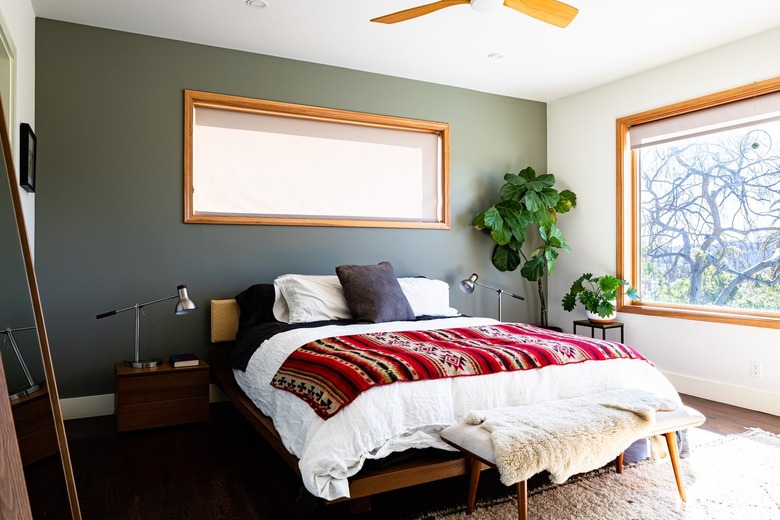
- Light Grays: A sophisticated choice, light grays provide a cool, calm backdrop. They work exceptionally well with dark woods that have cool undertones (like ebony or wenge), enhancing their modern appeal. For warmer dark woods, a light gray can offer a beautiful, balancing contrast, preventing the room from feeling overly heavy or traditional.
- Greige: The chameleon of neutrals, greige is incredibly popular for its ability to bridge warm and cool tones. It’s a fantastic choice for dark wood, as it usually has enough warmth to complement reddish or orange wood tones, but enough gray to feel contemporary and not too yellow or beige. Greige creates a cozy yet refined atmosphere.
- Taupe: Richer than greige, taupe leans more towards brown-gray with subtle purple or pink undertones. It offers a deeper, more enveloping neutral that feels luxurious and grounded. Taupe pairs beautifully with almost all dark woods, creating a sophisticated and comforting ambiance without feeling overly dark itself.
Pros: Sophisticated, versatile, creates a calming atmosphere, provides a soft contrast, ideal for modern and transitional styles.
Cons: Can sometimes feel flat if not layered with textures and other colors, cool grays can make a room feel chilly if not balanced with warm elements.
Serene & Soothing: Blues & Greens
Drawing inspiration from nature, blues and greens are inherently calming and perfect for a bedroom where relaxation is key. They create a beautiful harmony with dark wood, as both elements are prominent in natural landscapes. These colors can make a room feel fresh, tranquil, or even dramatic, depending on the shade and intensity.
- Soft Sky Blues: Light, airy blues evoke feelings of peace and spaciousness. They offer a gentle contrast to dark wood, creating a refreshing and tranquil environment. These shades are particularly effective in small bedrooms, making them feel larger and more open.
- Muted Sage & Olive Greens: Earthy greens, from pale sage to deeper olive, are incredibly grounding. They connect beautifully with the organic nature of wood, creating a balanced and harmonious space. Sage green, in particular, offers a soft, sophisticated look that feels both fresh and classic.
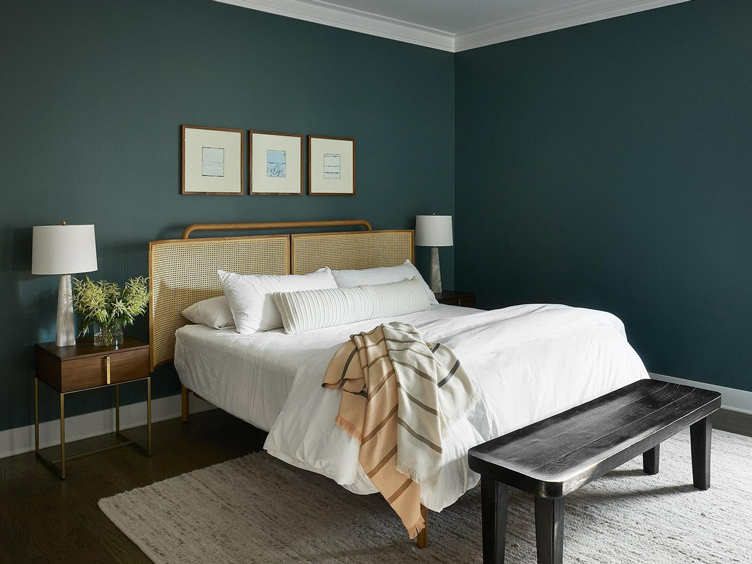
- Deep Teal & Navy: For a more dramatic and luxurious feel, consider darker blues and greens. A rich teal or deep navy can create a moody, enveloping atmosphere that makes dark wood furniture feel even more opulent. These colors work best in larger rooms or those with ample natural light to prevent them from feeling too enclosed. Pair with metallic accents for added glamour.
Pros: Creates a calming and natural environment, offers refreshing contrast, versatile range from airy to dramatic.
Cons: Darker shades require sufficient lighting to avoid feeling heavy, some cool blues might not complement very warm red/orange woods without careful balancing.
Dramatic & Sophisticated: Darker Hues (Plum, Deep Green, Charcoal)
Don’t shy away from rich, darker wall colors when working with dark wood. When done right, these can create an incredibly intimate, luxurious, and sophisticated bedroom. The key is balance and strategic lighting to prevent the room from feeling like a cave. Instead, it becomes a cozy, enveloping sanctuary.
- Rich Plum & Eggplant: These deep purples offer a touch of regal elegance. They pair wonderfully with dark wood, especially those with red or brown undertones, creating a warm and inviting yet opulent atmosphere. Plum can be surprisingly versatile, adding depth without feeling overtly feminine.
- Forest Green & Emerald: Deep greens bring the richness of nature indoors. They create a sophisticated, slightly masculine, and incredibly calming space. The dark wood furniture will feel perfectly at home against a forest green wall, enhancing its natural beauty and creating a cohesive, grounded look.
- Charcoal Gray: A powerful alternative to black, charcoal gray offers deep drama and modern sophistication. It creates a bold backdrop that makes dark wood furniture appear even more refined and intentional. Balance with lighter bedding and metallic accents to prevent the room from feeling too stark.
Pros: Creates an intimate, luxurious, and dramatic atmosphere; highlights the richness of dark wood; excellent for larger spaces.
Cons: Can make smaller rooms feel cramped, requires careful lighting, needs balancing with lighter elements to avoid overwhelming.
Warm & Inviting: Terracottas & Soft Yellows
If your goal is a bedroom that feels like a warm embrace, consider wall colors that lean into the warmer spectrum. These shades can soften the intensity of dark wood, creating a cozy and inviting retreat, especially beautiful in rooms that might otherwise feel cold.

- Muted Terracotta & Dusty Rose: These earthy, warm tones bring a sun-kissed, natural feel to the bedroom. They are particularly lovely with dark woods that have reddish or orange undertones, creating a harmonious and rustic-chic vibe. Dusty rose, in its softer versions, can add a touch of gentle warmth and sophistication without being overtly pink.
- Soft Butter Yellow: A very pale, muted yellow can infuse a room with a gentle glow, reminiscent of sunshine. It provides a cheerful yet soothing contrast to dark wood, making the room feel happy and inviting. Avoid overly bright or saturated yellows, which can be too stimulating for a bedroom; aim for soft, almost creamy versions.
- Warm Beige: While often overlooked, a well-chosen warm beige can be incredibly effective. Unlike cooler grays, warm beiges have distinct yellow or red undertones that complement and amplify the warmth of dark wood. They create a seamless, cohesive, and utterly comforting environment.
Pros: Creates a cozy, inviting, and cheerful atmosphere; excellent for rooms needing warmth; beautifully complements red/orange undertones in wood.
Cons: Can sometimes feel dated if not carefully chosen (avoid overly saturated yellows/oranges), might not appeal to those seeking a very modern aesthetic.
Beyond the Hues: Factors Influencing Your Wall Color Choice
Selecting a wall color is more than just picking a pretty shade from a swatch. It’s an intricate dance between your furniture, your space, and the feeling you want to cultivate. Let’s delve into the critical factors that should guide your final decision.
Understanding Your Dark Wood: Undertones Matter
This is a game-changer. Just like paint colors, dark woods have inherent undertones that dictate what colors will truly sing alongside them. Ignoring these can lead to clashes and a disjointed look. Spend a moment observing your furniture under natural light.
- Reddish Undertones (Cherry, Mahogany, some Walnuts): These woods are warm and rich. They pair beautifully with greens (complementary colors), warm whites, creams, and earthy neutrals like taupe or warm beige. Cool blues can also provide a stunning contrast, making the red pop.
- Yellow/Orange Undertones (Oak, some lighter Walnuts, older finishes): These woods are also warm but can sometimes feel a bit dated if not handled correctly. They shine with cool grays to balance the warmth, crisp whites for a modern look, or muted blues and greens to create a natural, earthy palette.
- Cool/Ashy Undertones (Ebony, Wenge, distressed finishes): These woods often have subtle gray or even purplish notes and lean modern. They are best complemented by cool whites, various shades of gray, cool blues, or even deep charcoals for a monochromatic, sophisticated scheme.
Hold a piece of white paper next to your wood. Does it lean more red, yellow, or neutral brown? This simple trick will inform many of your choices.
The Power of Light: Natural & Artificial
Light transforms color. A paint swatch can look completely different on your wall depending on your room’s orientation and artificial lighting.
- Natural Light:
- North-facing rooms: Receive cooler, dimmer light. Opt for warmer colors (creams, warm grays, soft yellows) to counteract the coolness and brighten the space.
- South-facing rooms: Bathed in warm, bright light throughout the day. Almost any color works here, but cool tones (blues, greens, cool grays) can feel especially refreshing, while warm tones will glow.
- East-facing rooms: Get bright, warm light in the morning, which turns cooler later. Choose colors that look good in both – perhaps a balanced greige or a muted blue-green.
- West-facing rooms: Receive warm, intense light in the afternoon and evening. Cooler colors can help balance this heat, or lean into the warmth with deeper, saturated tones for a dramatic evening glow.
- Artificial Lighting: Pay attention to your light bulbs. Warm white bulbs (2700K-3000K) will enhance warm colors and soften cool ones. Cool white or daylight bulbs (3500K-5000K) will make colors appear truer, sometimes even bringing out blue or gray undertones. Test your paint samples under the lighting you actually use!
Room Size & Layout: Making Spaces Work
The size and layout of your bedroom heavily influence how a wall color will feel with dark furniture.

- Small Bedrooms: To prevent a small room with dark furniture from feeling claustrophobic, prioritize light and airy wall colors. Whites, creams, very pale grays, and soft blues or greens will make the walls recede, expanding the perception of space. Utilize mirrors and ample lighting to further open up the room.
- Large Bedrooms: Larger rooms can handle more saturated or darker wall colors without feeling overwhelmed. You have the luxury of creating a dramatic, enveloping sanctuary with deep blues, greens, or even charcoal grays. These rich tones can make a large space feel more intimate and luxurious.
- Open Concept vs. Defined Room: If your bedroom is part of an open-concept living space, consider how the bedroom wall color will flow or contrast with adjacent areas. In a defined, enclosed bedroom, you have more freedom to create a distinct mood.
Desired Mood & Atmosphere
Ultimately, your bedroom should be a reflection of how you want to feel in that space. Do you crave a restful retreat, an energizing wake-up zone, or a luxurious escape?
- Relaxing & Serene: Soft blues, greens, light grays, warm whites, and subtle creams are your go-to. These colors promote calm and tranquility.
- Energizing & Fresh: Crisp whites, pale yellows, or vibrant (but still muted) greens can add a fresh, revitalizing feel, especially if you wake up with the sun.
- Luxurious & Dramatic: Deep charcoals, navy, forest green, or rich plums paired with dark wood create an opulent, sophisticated atmosphere. Add metallic accents for extra glam.
- Cozy & Inviting: Warm whites, creams, greiges, taupes, and soft terracottas will wrap your bedroom in comfort and warmth.
Practical Application: Designing Your Dream Bedroom
Now that you’ve got a handle on the theoretical aspects, let’s talk about bringing it all to life. These practical steps will help ensure your chosen wall color looks as stunning in your home as it does in your imagination.
The Art of Contrast & Harmony
You have two main approaches when pairing wall colors with dark wood furniture: contrast or harmony.
- Contrast: This is where light walls meet dark furniture. It creates a bold, striking statement and is excellent for making furniture pop and brightening a room. Think crisp white walls with an espresso bed.
- Harmony: This involves choosing a wall color that is either a deeper version of your wood’s undertone or a neutral that gently blends. For example, a warm greige with a walnut dresser or a deep sage green with a mahogany bed. This creates a softer, more integrated look, often feeling more traditional or cozier.
Don’t forget accessories! Lighter bedding, area rugs, throw pillows, and curtains can bridge the gap between dark furniture and lighter walls, or provide pops of color against a harmonious darker scheme. They are crucial for tying the entire room together.
Paint Finish Matters: Sheen & Durability
The finish, or sheen, of your paint isn’t just about aesthetics; it also affects durability and how light interacts with the color.
- Matte/Flat: Absorbs light, offering a rich, velvety appearance that hides imperfections well. Ideal for ceilings and low-traffic areas like bedrooms where a sophisticated, non-reflective look is desired. Less durable for scrubbing.
- Eggshell/Satin: Offers a slight sheen, making it more durable and washable than matte. Eggshell is popular for bedrooms as it provides a soft glow without being too reflective, and satin has a slightly higher sheen, great for trim or areas needing more durability.
- Semi-Gloss/High-Gloss: Highly reflective and very durable, often used for trim, doors, or furniture. Generally too shiny for entire bedroom walls, as it can highlight imperfections and feel overly stimulating.
For most bedrooms, an eggshell or matte finish is ideal, offering a serene backdrop that enhances the depth of your chosen color without competing with the textures of your dark wood furniture.
Testing, Testing, 1-2-3: The Crucial Step
Please, I beg you, do not skip this step! Paint swatches from the store are tiny and misleading. Colors change dramatically in different lighting and when surrounded by existing elements (like your dark wood furniture).
- Buy Sample Pots: Invest in sample pots of your top 2-3 color choices.
- Paint Large Swatches: Apply two coats of each color onto large poster boards (at least 2×2 feet) or directly onto a few different walls in your bedroom.
- Observe Throughout the Day: Live with these samples for at least 24-48 hours. Observe them in morning light, afternoon light, and evening artificial light. See how they interact with your dark wood furniture, your bedding, and any existing artwork.
- Consider Your Overall Palette: How does the color make you *feel*? Does it align with the mood you envisioned? This is where your gut feeling comes into play.
Expert Tip: Don’t Forget the Ceiling!
The ceiling is often called the "fifth wall" for a reason. While standard white is common, a tinted ceiling can dramatically impact the overall feel of your bedroom with dark wood furniture.
- Classic White: Brightens, lifts the eye, and creates a crisp boundary.
- Lighter Shade of Wall Color: Paint the ceiling a lighter tint (e.g., 25-50% lighter) of your chosen wall color. This creates a seamless, enveloping effect, making the room feel cozier and more sophisticated – perfect for a luxurious retreat.
- Contrasting Color: For bold design, a dark ceiling (like a charcoal gray or deep navy) in a very large room with light walls and dark furniture can be incredibly dramatic and luxurious, creating an intimate, jewel-box effect. This is a high-risk, high-reward move.
Wall Color & Dark Wood Furniture: A Quick Reference Guide
To help you visualize and choose, here’s a concise guide summarizing how different wall color categories interact with dark wood furniture, along with their pros and cons. Use this table as a jumping-off point for your own bedroom design journey.
| Color Category | Best Dark Wood Undertones | Mood Created | Pros | Cons | Example Paint Colors (Type) |
|---|---|---|---|---|---|
| Whites & Creams | All (match undertones carefully) | Bright, Airy, Elegant, Classic | Maximizes light, spacious feel, highlights furniture, timeless | Can be stark, shows dirt, careful undertone matching | Crisp White, Off-White, Cream, Buttermilk |
| Grays, Greiges & Taupes | All (greige for warm, cool gray for cool) | Sophisticated, Calm, Modern, Grounded | Versatile, soft contrast, serene backdrop, contemporary | Can feel flat without texture, cool grays can be chilly | Light Gray, Greige, Warm Gray, Taupe |
| Blues & Greens | All (especially red/orange woods for contrast) | Serene, Tranquil, Natural, Fresh, Dramatic | Calming, refreshing, natural harmony, wide mood range | Darker shades need light, some blues can clash with warm wood | Sky Blue, Sage Green, Deep Teal, Navy |
| Darker Hues (Plum, Deep Green, Charcoal) | All (plum/green for warm, charcoal for cool) | Intimate, Luxurious, Dramatic, Enveloping | Creates depth, opulent feel, sophisticated, ideal for large rooms | Can overwhelm small rooms, requires good lighting, needs balancing | Plum, Forest Green, Emerald, Charcoal Gray |
| Warm Hues (Terracotta, Soft Yellow) | Reddish/Orange (enhances warmth) | Cozy, Inviting, Cheerful, Earthy | Adds warmth, inviting feel, complements specific wood undertones | Can feel dated if too saturated, limited modern appeal | Muted Terracotta, Dusty Rose, Soft Butter Yellow, Warm Beige |
Choosing the perfect wall color for your bedroom with dark wood furniture is an exciting journey of discovery. By considering the undertones of your wood, the unique lighting in your room, and the atmosphere you wish to create, you’re well-equipped to make an informed decision. Remember to always test your chosen colors on large swatches, observe them through different times of day, and trust your intuition.
Your bedroom is your personal sanctuary, a place for rest and rejuvenation. With the right wall color, your dark wood furniture will not only shine but will contribute to a space that feels utterly cohesive, welcoming, and perfectly "you." Happy painting!
Frequently Asked Questions
What is the best wall color to make dark wood furniture pop?
To make dark wood furniture truly pop, light and contrasting wall colors are best. Crisp whites, warm off-whites, very pale grays, or soft creams provide a bright backdrop that highlights the richness and depth of the dark wood, creating a striking visual contrast and an elegant feel.
![8 Colour Schemes for Dark Wood Furniture [Trending Picks]](https://kukabyarterio.com/wp-content/uploads/2024/10/dark-wood-furniture-colour-schemes.webp "8 Colour Schemes for Dark Wood Furniture [Trending Picks]")
Can I use dark wall colors with dark wood furniture?
Absolutely! Using dark wall colors with dark wood furniture can create an incredibly intimate, luxurious, and sophisticated bedroom. Shades like deep teal, forest green, charcoal gray, or rich plum can create an enveloping, jewel-box effect. The key is to balance it with lighter textiles (bedding, rugs), reflective surfaces (mirrors, metallic accents), and ample lighting to prevent the room from feeling too heavy or cave-like.
How do I choose a wall color based on the undertones of my dark wood furniture?
Identifying your wood’s undertones is crucial. Reddish woods (cherry, mahogany) pair well with greens (complementary contrast) or warm neutrals. Yellow/orange woods (oak, some walnuts) often benefit from cool grays or blues to balance the warmth. Cool or ashy woods (ebony, wenge) harmonize with cool whites, grays, or deep charcoals. Hold a white paper next to your wood to help discern its underlying hue.
What colors should I avoid with dark wood furniture?
While personal preference plays a role, generally avoid overly saturated or harsh primary colors (like bright red, electric blue, or vivid yellow) as they can clash or overwhelm the sophisticated nature of dark wood. Also, be wary of muddy or dull beige/browns that are too close to your furniture’s shade, as they can make the room feel drab and indistinct without providing enough contrast or harmony.
Does room size affect wall color choice with dark furniture?
Yes, significantly. In small bedrooms, opt for lighter, airier colors (whites, pale grays, soft blues/greens) to make the space feel larger and prevent the dark furniture from dominating. For larger bedrooms, you have more freedom to experiment with deeper, more saturated colors (deep blues, greens, charcoals) to create an intimate, dramatic, and luxurious atmosphere.
Should I match my wall color to my dark wood furniture, or contrast it?
Both approaches can work beautifully! Choosing a wall color that contrasts (e.g., light walls with dark furniture) is popular for brightening spaces and making furniture stand out. Harmonizing (e.g., a warm greige with walnut, or a deep green with mahogany) creates a softer, more cohesive, and often cozier look. Your choice depends on the desired mood and the overall design aesthetic you’re aiming for.