Bedroom Wall Color Ideas with Dark Furniture: Your Definitive Guide to Stunning Spaces
Staring at your beautiful, deep-toned bedroom furniture, a common thought might be: “What on earth do I paint the walls?” Dark furniture, whether it’s a rich espresso bed frame, a weighty mahogany dresser, or sleek black nightstands, brings an undeniable sense of grounding and sophistication to any bedroom. But without the right wall color, that elegance can turn into a cavernous, gloomy space or, worse, feel stark and unbalanced.
You’re not alone in this design dilemma. Many struggle to find the perfect hue that complements, rather than competes with, their cherished dark pieces. The good news? Dark furniture is incredibly versatile, a fantastic anchor for a myriad of color palettes. The secret lies in understanding contrast, balance, and the mood you want to create. Ready to transform your bedroom from ‘okay’ to ‘absolutely breathtaking’?
Quick Picks: Top 5 Wall Colors That Always Work with Dark Furniture
Before we dive deep, let’s give you some immediate, fail-safe options. These colors are universally adored for their ability to harmonize with dark furniture, providing a strong foundation for your bedroom’s aesthetic.
Soft Whites & Creams: The Timeless Canvas
A classic for a reason. Soft whites and creamy off-whites create a crisp, airy backdrop that allows dark furniture to truly pop. They bounce light around the room, making the space feel larger and more inviting. Think shades like Benjamin Moore’s White Dove or Sherwin-Williams’ Alabaster.
Light Grays: Modern Sophistication
If pure white feels too stark, a light to medium gray is your best friend. Grays offer a contemporary edge, providing a subtle contrast that’s less dramatic than white but equally effective. They bring a cool, calm sensibility. Consider Farrow & Ball’s Skimming Stone or Sherwin-Williams’ Repose Gray.
Sage Greens & Dusty Blues: Nature’s Tranquility
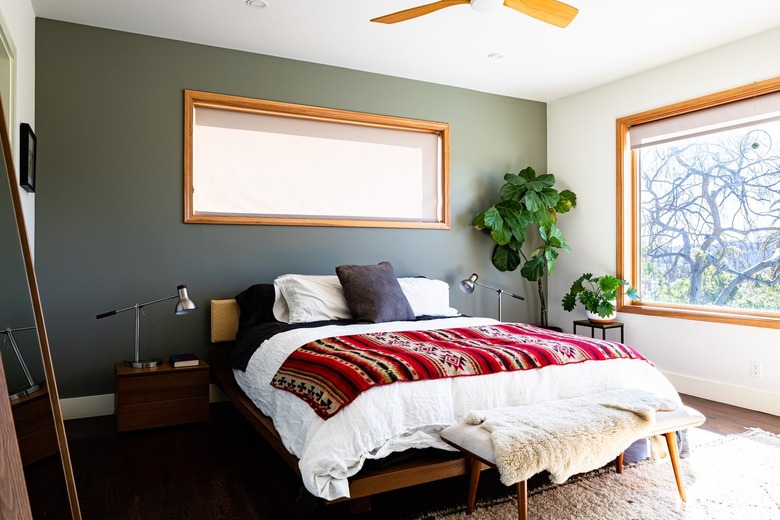
For a serene, spa-like retreat, look to muted greens and blues. Sage green evokes nature and calm, while dusty blues offer a soothing, sophisticated vibe. These colors feel fresh and organic, beautifully offsetting the richness of dark wood or metal. Explore Behr’s Back to Nature or Valspar’s Mountain River.
Deep Blues & Charcoals: Dramatic Elegance (The Bold Choice)
Don’t shy away from going dark! A deep navy, forest green, or charcoal gray can create an incredibly luxurious and intimate atmosphere. When paired with dark furniture, these colors blend into a cohesive, cocooning effect, often seen in high-end designs. This works especially well in rooms with good natural light or when seeking a moody, sophisticated vibe. Think Benjamin Moore’s Hale Navy or Farrow & Ball’s Down Pipe.
Warm Neutrals (Greige, Taupe): Subtle Depth
These chameleon colors blend gray and beige, offering warmth without committing to a strong color. Greiges and taupes provide a soft, welcoming embrace that complements the earthy tones in many dark woods. They’re excellent for creating a cozy, sophisticated feel without making the room feel heavy. Try Sherwin-Williams’ Accessible Beige or Benjamin Moore’s Revere Pewter.

Understanding the Power of Dark Furniture
Before we pick paint chips, let’s appreciate what dark furniture brings to the table – or rather, to your bedroom. Dark pieces are more than just functional; they’re foundational elements that dictate much of your room’s character.
Why Dark Furniture? Elegance, Grounding, Versatility
Dark furniture exudes a sense of timeless elegance. It’s often associated with quality craftsmanship and a sophisticated aesthetic. Functionally, dark pieces act as a visual anchor in a room, grounding the space and providing a solid point of reference. They’re also incredibly versatile, capable of transitioning between various design styles with ease.
Types of Dark Furniture: From Rich Wood to Sleek Metal
Not all dark furniture is created equal. The material and finish of your pieces can subtly influence your color choices:
- Dark Wood: Mahogany, walnut, espresso, ebony – these often have warm or cool undertones (reddish, brownish, grayish) that can be highlighted or contrasted with wall colors.
- Black Metal: Industrial or modern frames bring a sharp, graphic contrast.
- Dark Upholstered: Velvets, linens, or leathers in deep shades absorb light and create a soft yet dramatic texture.
The Psychology of Color: Setting the Mood
Your bedroom is your sanctuary, and color plays a critical role in how you feel in that space. When dark furniture is present, the wall color choice becomes even more impactful.
How Color Affects Sleep & Relaxation
Colors like blues, greens, and muted purples are often associated with calmness and tranquility, promoting relaxation and sleep. Warm colors like reds and oranges, while inviting, can be stimulating in their purest form, so they’re often best used in muted or earthy tones in a bedroom. Neutrals provide a sense of stability and peace.
Balancing Dark Furniture with Light Walls: Contrast & Brightness
This is the most common and often safest approach. Light walls create a strong visual contrast with dark furniture, making the furniture stand out as a focal point. This strategy:
- Makes the room feel larger and more open.
- Maximizes natural light, making the space brighter.
- Creates a crisp, clean aesthetic.
- Highlights the craftsmanship of your dark furniture.
Embracing Dark Furniture with Dark Walls: Cozy & Dramatic
This approach is bolder but incredibly rewarding when done right. Dark walls with dark furniture create a cocoon-like, intimate, and sophisticated atmosphere. This strategy:
- Makes large rooms feel cozier and more defined.
- Creates a sense of luxury and drama.
- Can obscure imperfections and create a seamless look.
- Requires careful consideration of lighting to prevent gloominess.
Deep Dive: Best Wall Color Categories for Dark Furniture
Light & Bright Neutrals: Expanding Your Space
These colors are the workhorses of interior design. They provide a clean slate, allowing textiles, art, and your dark furniture to shine. They’re perfect for smaller rooms or spaces lacking abundant natural light.
- Crisp White: For a gallery-like, stark modern look. Best with abundant natural light to avoid feeling clinical.
- Off-White: A touch softer than crisp white, often with subtle yellow, gray, or beige undertones. More forgiving and universally appealing.
- Cream: Brings warmth and softness. Excellent for traditional or transitional styles, making dark wood feel richer.
- Beige: Earthy and grounding, beige offers warmth and pairs beautifully with dark woods, creating a cohesive, natural palette.
- Greige: The perfect blend of gray and beige, offering warmth with a modern edge. Highly versatile and popular.
| Light Neutral Color | Psychological Impact | Best For… | Pairs Well With… |
|---|---|---|---|
| Crisp White | Clean, Airy, Modern | Small rooms, contemporary styles, maximal natural light | Black, dark espresso, metal furniture |
| Off-White/Cream | Soft, Warm, Welcoming | Any room size, traditional, farmhouse, transitional styles | Mahogany, cherry, dark oak, upholstered pieces |
| Greige/Taupe | Sophisticated, Balanced, Adaptable | Modern, transitional, industrial styles, creates depth | Walnut, black, gray-toned dark woods |
Cool & Calming Tones: Serenity Now
These colors are your go-to for creating a truly tranquil and restful bedroom environment. They evoke nature, water, and sky, helping to lower stress levels and promote sleep.
- Pale Blue: Think sky blue or a muted slate blue. Instantly calming, serene, and pairs beautifully with dark wood furniture for a coastal or classic feel.
- Sage Green: Earthy, organic, and incredibly soothing. Sage green with dark furniture creates a natural, restorative sanctuary.
- Mint Green: A lighter, fresher green that can add a touch of playful brightness without being overwhelming.
- Light Gray: The ultimate neutral cool tone. It offers a sophisticated backdrop that lets dark furniture stand out in a modern, understated way.
- Dusty Lavender/Muted Plum: For a touch of subtle romance and sophistication. These colors add depth without being overtly feminine or overwhelming.
Warm & Inviting Hues: Creating Coziness
If you want your bedroom to feel like a warm hug, these colors will get you there. They bring a sense of comfort and intimacy, especially when paired with dark furniture.
- Warm Gray: Grays with noticeable beige or yellow undertones. These are less stark than cool grays and provide a cozy, enveloping feel.
- Terracotta Undertones: Not bright terracotta, but muted, earthy tones that lean towards rust or blush. These can add a surprising depth and warmth, particularly with very dark brown furniture.
- Muted Peach/Blush: A very soft, desaturated peach or blush can introduce subtle warmth and a gentle, sophisticated glow, especially effective with black or dark gray furniture.
- Caramel/Warm Beige: Deeper than standard beige, these colors echo the richer tones found in some dark woods, creating a harmonious, cohesive, and incredibly inviting space.
Bold & Dramatic Statements: The Showstopper
Ready to make a statement? Dark wall colors can transform a bedroom with dark furniture into a truly dramatic and luxurious escape. This approach requires confidence and often works best in rooms with good natural light or thoughtful artificial lighting.
- Navy Blue: A timeless classic for drama. Navy with dark wood is rich and nautical, while with black furniture, it’s sleek and sophisticated.
- Charcoal Gray: A deep, smoky gray that creates a chic, modern, and highly sophisticated backdrop. It allows dark furniture to blend in for a seamless, minimalist look or stand out with lighter accents.
- Deep Forest Green: Lush, earthy, and opulent. A deep green evokes nature and luxury, creating a comforting, enveloping atmosphere, especially with wooden furniture.
- Eggplant/Deep Plum: For a truly regal and sensual feel. These deep purples are unexpected but incredibly effective in creating a dramatic, romantic bedroom.
- Black Accent Wall: A single black accent wall can provide incredible depth and drama, especially behind a dark headboard. It acts as a powerful anchor.
Beyond the Wall: Harmonizing Your Entire Bedroom
Your walls are just one piece of the puzzle. To truly maximize the impact of your dark furniture and chosen wall color, consider how other elements interact.
The Role of Ceiling & Trim Colors
- Standard White Ceiling: A classic choice that makes the room feel taller and brighter.
- Tinted Ceiling: Painting your ceiling a lighter shade of your wall color (or a very light complementary color) can create a more cohesive, custom feel, making the room feel more expansive or cocooning depending on the depth.
- Trim: White trim provides a crisp outline, separating walls from floors. Painting trim the same color as your walls creates a seamless, modern look, often enhancing the visual height.
Flooring & Rugs: Anchoring Your Design
Your floor is a significant surface area. Lighter flooring (light wood, carpet, or tiles) will provide contrast and brightness. Darker flooring can create a very grounded, luxurious feel, especially with dark walls. Rugs are your opportunity to introduce color, pattern, and texture, further enhancing or contrasting with your wall and furniture choices.
Lighting Strategies: Illuminating Your Masterpiece
Lighting is paramount, especially when working with dark furniture and potentially darker wall colors. It directly impacts how colors are perceived.
- Maximize Natural Light: Sheer curtains, open windows, and avoiding bulky furniture near windows will help.
- Ambient Lighting: Overhead fixtures, recessed lighting, or a statement chandelier provide overall illumination.
- Task Lighting: Bedside lamps, reading lights, or a desk lamp. These prevent harsh shadows.
- Accent Lighting: Up-lights, picture lights, or dimmable sconces to highlight artwork or architectural features, adding depth and mood.
Always consider lighting when testing paint swatches, as colors will look different in bright daylight, warm lamplight, and cool evening light.
Textiles & Accessories: Adding Layers of Interest
This is where your personal style truly shines and where you can soften, brighten, or deepen your overall aesthetic. Layers of texture and color through:

- Bedding: Crisp white, soft grays, patterned, or richly colored.
- Curtains: From sheer to blackout, they frame your windows and add softness.
- Throw Pillows & Blankets: Quick and easy ways to inject pops of color or texture.
- Artwork & Mirrors: Bright artwork can pop against dark walls; large mirrors amplify light.
- Plants: Greenery adds life and a natural element that contrasts beautifully with dark furniture.
Matching Wall Colors to Your Design Style
Your wall color should align with your desired aesthetic. Here’s how different styles interact with dark furniture and wall colors:
Modern & Minimalist
Wall Colors: Crisp whites, light grays, charcoal gray, or even black accent walls. Focus on clean lines and monochromatic palettes. The contrast should be stark, or the blend should be seamless.
With Dark Furniture: Black metal frames, sleek dark wood dressers. The furniture itself often serves as sculptural art.
Traditional & Classic
Wall Colors: Cream, warm beige, muted sage, pale blue, or a rich navy. Focus on timeless elegance and comfort.
With Dark Furniture: Mahogany, cherry, or dark oak pieces with ornate details. The wall color complements the richness of the wood.
Industrial & Urban
Wall Colors: Concrete gray, exposed brick (or a painted brick effect), dark blues, or a deep olive green. Raw and edgy.
With Dark Furniture: Black metal beds, dark reclaimed wood, leather accents. The wall color enhances the raw, utilitarian vibe.
Bohemian & Eclectic
Wall Colors: Cream, warm white, light terracotta, or even a deep jewel tone for a maximalist approach. The goal is a curated, free-spirited feel.
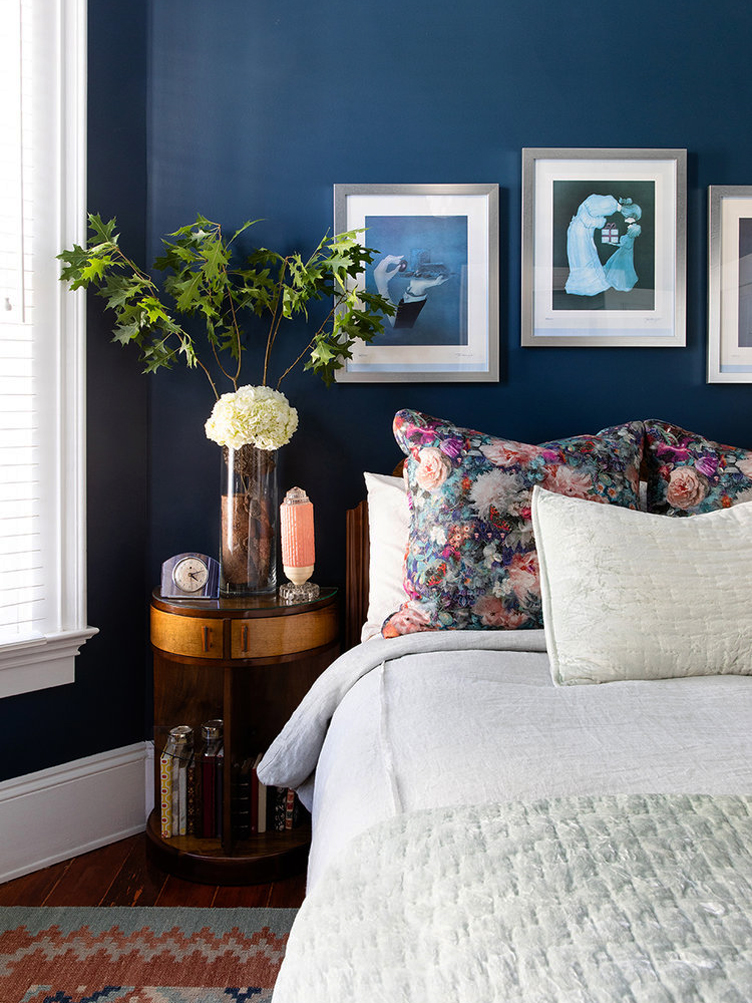
With Dark Furniture: Dark carved wood, distressed pieces, often mixed with lighter, global-inspired textiles. Wall colors provide a neutral backdrop or a vibrant foundation for patterns.
Farmhouse & Rustic
Wall Colors: Warm white, greige, pale blue, or a soft sage green. Emphasizes comfort, natural materials, and a lived-in feel.
With Dark Furniture: Distressed dark wood, reclaimed wood, often paired with crisp white bedding. The wall color keeps the space feeling fresh and light.
Your Step-by-Step Guide to Choosing the Perfect Color
Feeling overwhelmed by choices? Don’t be! Follow this methodical approach to confidently select your ideal bedroom wall color.
Step 1: Assess Your Room (Size, Natural Light, Existing Elements)
First, get real about your space:
- Room Size: Smaller rooms often benefit from lighter colors to feel expansive. Larger rooms can handle darker, more dramatic hues.
- Natural Light: How much light does the room get? What direction does the window face (north-facing rooms get cooler light, south-facing get warmer light)? Less light might push you towards lighter, reflective colors, while abundant light opens up possibilities for darker shades.
- Existing Elements: What can’t be changed? Flooring, window treatments, built-ins. Make sure your chosen color harmonizes with these.
Step 2: Define Your Mood & Style
What do you want your bedroom to feel like? This is paramount:
- Calm & Serene? Think blues, greens, light neutrals.
- Cozy & Inviting? Explore warm grays, creams, muted earth tones.
- Dramatic & Luxurious? Consider deep navies, charcoals, emeralds.
- Modern & Minimalist? Whites, light grays, or monochromatic schemes.
Step 3: Gather Inspiration (Beyond Pinterest)
Of course, Pinterest and Instagram are great, but also look to magazines, hotels, and even nature for color combinations. Collect physical swatches of fabrics, photos of furniture, and anything that resonates with your desired mood. This tactile approach helps visualize the overall palette.
Step 4: Test, Test, Test (Paint Samples Are Your Best Friend)
NEVER skip this step. Buy sample pots of your top 2-3 color choices. Paint large swatches (at least 2’x2′) directly onto your wall or on large poster boards that you can move around the room. Observe them:

- At different times of day (morning, afternoon, evening).
- Under different lighting conditions (natural light, overhead lights, bedside lamps).
- Next to your dark furniture and existing textiles.
Colors change dramatically in different light. What looks perfect in the store might look entirely different in your bedroom.
Step 5: Consider Your Furniture’s Undertones
Look closely at your dark furniture. Does it have:
- Reddish/Orange Undertones (e.g., cherry, mahogany): Pair well with greens (complementary), warm neutrals, or cool blues for contrast.
- Yellow/Golden Undertones (e.g., some walnuts, oaks): Harmonize with warm grays, creams, or deep blues.
- Cool/Ashy Undertones (e.g., black-stained wood, some grays): Look stunning with crisp whites, cool grays, deep blues, or even a soft blush.
Matching or gently contrasting these undertones will create a more cohesive and sophisticated look.
Embrace Your Dark Furniture
Dark furniture in a bedroom isn’t a limitation; it’s an incredible design opportunity. It offers a canvas for dramatic statements, a grounding force for serene retreats, and a sophisticated anchor for any style. By understanding the interplay of light, mood, and color, you can confidently choose a wall color that not only complements your dark pieces but transforms your bedroom into the stunning sanctuary you deserve. So, go ahead, pick up those paint swatches, trust your instincts, and create a space you absolutely love waking up to.
Frequently Asked Questions
What wall colors make a small bedroom with dark furniture look bigger?
For small bedrooms with dark furniture, opt for light and bright wall colors. Crisp whites, off-whites, pale grays, or very light blues/greens reflect light, creating an expansive and airy feel. This strong contrast allows the dark furniture to provide definition without overwhelming the space.
Can I use dark wall colors with dark furniture in a bedroom?
Absolutely! Using dark wall colors with dark furniture creates a dramatic, luxurious, and intimate ‘cocooning’ effect. This works best in rooms with good natural light to prevent it from feeling too gloomy. Incorporate lighter textiles, metallic accents, and ample layered lighting (ambient, task, accent) to add depth and prevent the space from feeling flat.
What type of lighting works best with dark furniture and dark walls?
Layered lighting is crucial. Maximize natural light with sheer window treatments. For artificial light, use a mix of ambient (overhead), task (bedside lamps), and accent lighting (picture lights, sconces). Dimmable warm-toned bulbs can create a cozy atmosphere, while brighter, cooler bulbs can be used for tasks. Mirrors also help amplify light.
Should I match my wall color to the undertones of my dark wood furniture?
Considering your furniture’s undertones is an expert trick. If your dark wood has warm, reddish undertones (like mahogany), complementary greens or warm neutrals can create harmony. For cool, ashy undertones, crisp whites or cool grays work well. You can also choose contrasting undertones for a more dynamic look, but ensure overall balance.
What are some common mistakes to avoid when choosing wall colors for dark furniture?
Avoid choosing a paint color from a tiny swatch; always test large samples on your wall. Don’t forget to consider your room’s natural light and existing elements (flooring, trim). Also, don’t shy away from contrast – dark furniture often needs a lighter backdrop to truly shine, or a carefully chosen dark color to create a luxurious mood. Lastly, avoid clashing undertones without a clear design intention.
How do accent colors fit with dark furniture and my chosen wall color?
Accent colors, introduced through bedding, throw pillows, artwork, or decorative objects, are key to personalizing your space. If you have light walls, bold accents can add pops of vibrancy. With dark walls, lighter or metallic accents can provide contrast and sparkle. Choose accent colors that complement both your wall color and your dark furniture, creating a cohesive visual story.