Wall Color With Dark Brown Furniture: The Ultimate Guide to Perfect Pairings
So, you’ve got beautiful dark brown furniture. Maybe it’s a stately mahogany dining set, a rich leather sofa, or a cozy espresso bedroom suite. Dark brown furniture is timeless, elegant, and often carries a sense of grounding warmth. But here’s the thing: while it’s incredibly versatile, it also presents a unique challenge when it comes to choosing the right wall color. Get it wrong, and your room can feel heavy, dated, or even a little gloomy. Get it right, and your space will transform into a balanced, inviting sanctuary where your cherished pieces truly shine.
You’re not alone if you’ve stared at paint swatches, feeling overwhelmed. The good news? Pairing wall colors with dark brown furniture isn’t about guesswork; it’s about understanding balance, contrast, and undertones. I’m here to walk you through the definitive guide, ensuring your dark brown furniture looks its absolute best.
Let’s cut to the chase for those eager for immediate solutions: The most universally loved wall colors for dark brown furniture fall into a few key categories:
- Creamy Off-Whites & Warm Greiges: For a bright, airy, yet grounded feel.
- Soft Blues & Sage Greens: To introduce serenity, sophistication, and a beautiful contrast.
- Muted Golds & Terracottas: For creating a cozy, enveloping, and richly warm atmosphere.
- Deep Charcoals or Navy: For a dramatic, modern, and undeniably chic statement (best for accent walls or well-lit spaces).
Ready to unlock the full potential of your home? Let’s dive in.
The Timeless Appeal of Dark Brown Furniture (And Its Color Challenges)
Dark brown furniture has been a staple in homes for centuries, and for good reason. It’s durable, often made from high-quality woods or leathers, and exudes a sense of permanence and classic style. From traditional cherry wood cabinets to modern wenge dining tables, dark brown furniture adds depth and a touch of sophistication to any room.
However, its inherent depth and richness also mean it can dominate a space. The common pitfalls:
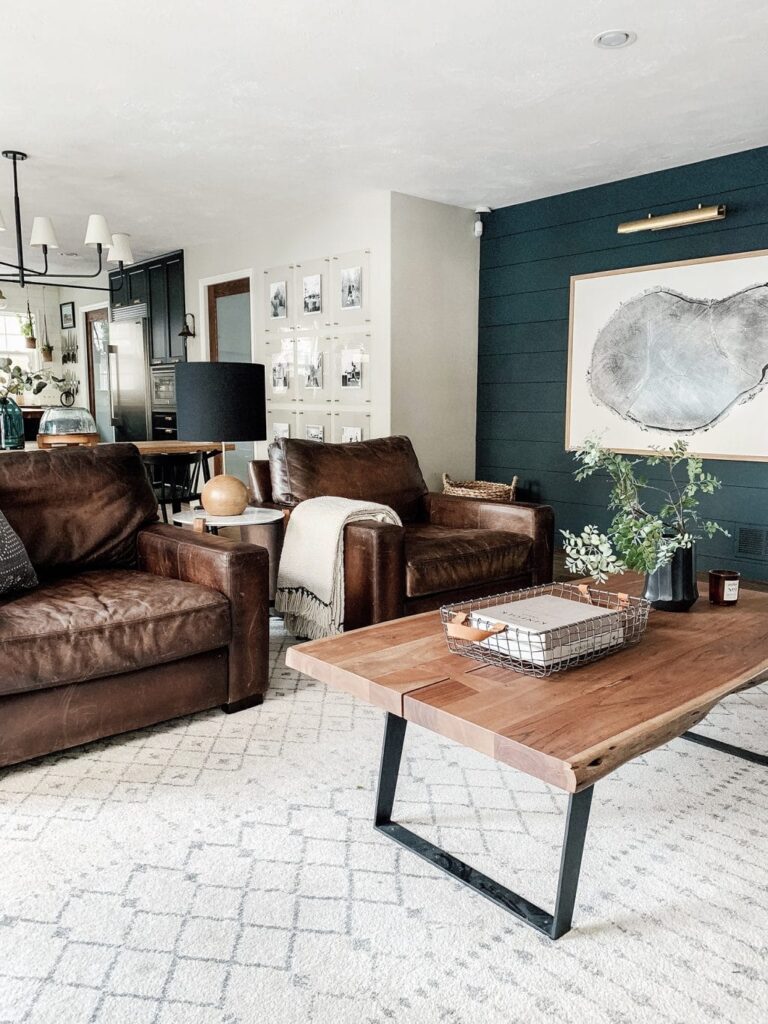
- Feeling too heavy: Without the right counterbalance, a room with lots of dark brown can feel weighty and oppressive.
- Looking dated: Certain dark brown furniture pieces, if not styled carefully, can hark back to bygone eras in a way that feels less charming and more stale.
- Appearing dark or small: Dark colors absorb light. If your walls and furniture are both dark, the room can shrink visually and feel cave-like.
Our goal isn’t to diminish the beauty of your dark brown pieces but to find wall colors that enhance them, making the room feel balanced, inviting, and utterly stylish.
Understanding Undertones: Your Secret Weapon
Before you even think about picking up a paint swatch, we need to talk about undertones. This is perhaps the most crucial concept in successful color pairing, yet it’s often overlooked. Undertones are the subtle colors beneath the dominant color that influence how we perceive it.
Think of it this way: not all browns are created equal. Some dark browns lean reddish (like mahogany or cherry), others yellowish (like some oaks or walnuts), and some have cooler, grayish casts (like espresso or certain stained woods).
How to Identify Undertones in Dark Brown Furniture:
- Look in natural light: Artificial light can distort colors. Bring a small white object (like a piece of paper) next to your furniture.
- Observe closely: Does the brown have hints of red, orange, yellow, green, or even purple?
- Compare: If you have multiple brown pieces, compare them. You’ll often notice one looks warmer or cooler next to another.
General Rule of Thumb:
- Warm Undertones (red, orange, yellow): Pair with wall colors that have similar warm undertones, or use cool colors with warm undertones for a beautiful contrast.
- Cool Undertones (gray, green, sometimes purple): Often looks fantastic with cool-toned wall colors or balanced with warmer neutrals to prevent the room from feeling chilly.
Matching undertones creates harmony, while intentionally contrasting them can create dynamic visual interest. Ignoring them can lead to a clash that just “feels off.”
The Best Wall Colors to Complement Dark Brown Furniture: A Deep Dive
Now that we understand undertones, let’s explore the specific color families that play beautifully with dark brown furniture.

1. Classic & Calming Neutrals
Neutrals are the safest and often most elegant choice, providing a clean canvas that allows your dark brown furniture to truly stand out. They lighten the room without competing for attention.
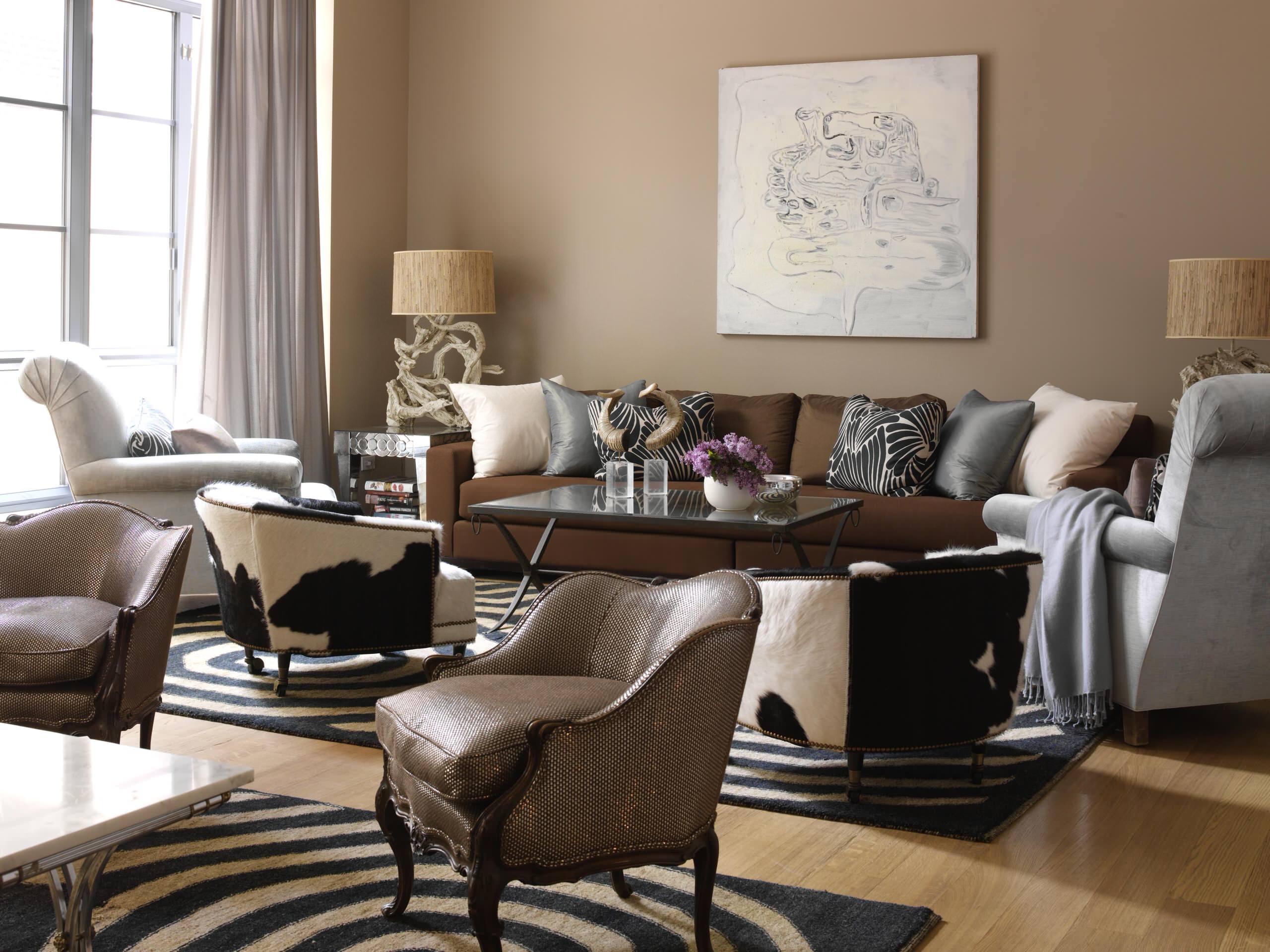
- Creamy Off-Whites: Forget stark, institutional white. Think soft, inviting off-whites with subtle warm undertones – like a luxurious ivory, a soft alabaster, or a gentle buttermilk shade. These colors offer a bright contrast that makes dark brown pop, creating an airy and sophisticated atmosphere. They prevent the room from feeling heavy and reflect light beautifully.
Best for: Brightening any room, creating a serene bedroom, making a small space feel larger.n - Warm Greiges & Tans: These are the chameleon colors that blend gray and beige. A soft, warm greige or a light, sandy tan provides a neutral backdrop that’s richer than white but still incredibly versatile. Look for shades with creamy, yellow, or even very subtle pink undertones to harmonize with warmer browns. They create a cozy, grounded feel without overwhelming the dark furniture.
Best for: A cozy living room, a welcoming entryway, adding subtle warmth and sophistication.n - Light Grays: If your dark brown furniture has cooler undertones (e.g., espresso, ash brown), a true light gray or a warm gray (one with a touch of beige or greige in it) can be stunning. It creates a crisp, modern contrast that feels clean and contemporary. Avoid icy blues or purplish grays unless your brown is extremely cool-toned, as they can sometimes make the room feel cold.
Best for: Modern interiors, creating a chic and sophisticated ambiance, balancing very warm brown furniture.n
Why they work: Neutrals provide a clean, airy backdrop, allowing the rich textures and lines of your dark brown furniture to shine without competition. They instantly brighten and expand the sense of space.
Considerations: Always test swatches! The undertones in neutrals are subtle but critical. Avoid stark, cold whites unless your goal is a minimalist, high-contrast look and your furniture has cool undertones.
2. Serene & Sophisticated Cool Tones
Cool tones offer a refreshing counterpoint to the warmth of dark brown furniture. They can introduce a sense of calm, elegance, and natural beauty.
- Soft Blues: From a muted sky blue to a dusky robin’s egg or a deep, calming denim shade, blues are fantastic with dark brown. The contrast of warm brown and cool blue is inherently appealing. Soft blues evoke tranquility and open up a space, while deeper blues add sophistication. Consider blues with a hint of gray to avoid them feeling too vibrant.
Best for: Bedrooms (for relaxation), living rooms (for a sophisticated yet comfortable feel), creating a coastal or classic look.n - Sage Greens & Olive Tones: These earthy greens are a natural match for brown, creating a harmonious, organic palette. Sage green is wonderfully calming and brings the outdoors in, while deeper olive tones can feel richer and more traditional. They lend an air of quiet sophistication and are fantastic for creating a retreat-like atmosphere.
Best for: Creating a natural, serene, or traditional feel; studies, bedrooms, or living rooms with a connection to nature.n - Deep Navy or Teal (Accent Walls): For a bolder statement, an accent wall in a rich navy or a striking teal can be absolutely breathtaking with dark brown furniture. These colors provide a luxurious and dramatic contrast, making the brown feel even richer. Best used in well-lit rooms or as a focal point.
Best for: Accent walls, dining rooms, dramatic living spaces, creating a luxurious and modern aesthetic.n
Why they work: Cool tones offer a beautiful contrast that prevents dark brown from feeling too heavy or overwhelming. They introduce serenity and sophistication, balancing the warmth with a touch of freshness.
Considerations: Be mindful of the intensity. Overly bright or icy blues can clash. Ensure good lighting, especially with darker cool tones, to prevent the room from feeling dim.
3. Rich & Inviting Warm Tones
Embracing warm wall colors enhances the inherent coziness of dark brown furniture, creating an enveloping and inviting space.
- Muted Golds & Ochres: A soft, dusty gold or a light, earthy ochre can create a truly opulent and welcoming atmosphere. These colors pick up on the warm undertones of many dark brown woods, making the entire room feel rich and cohesive. They’re less overtly “yellow” and more sophisticated, often leaning towards a warm mustard or deep straw color.
Best for: Traditional or transitional spaces, creating a cozy den, a formal dining room, or an inviting living room.n - Terracotta & Rust (Specific Styles): For a bolder, earthy, or bohemian aesthetic, certain terracotta or rust shades can be surprisingly effective. These are warm, reddish-brown tones that create a deep, soulful connection with dark brown furniture. Use with caution and ensure the room has adequate light to avoid feeling too heavy.
Best for: Eclectic styles, bohemian interiors, spaces with natural textures, creating a vibrant yet earthy feel.n
Why they work: Warm tones enhance the comfort and richness of dark brown, creating a cohesive and inviting environment. They can make a large room feel cozier or add vibrancy to a neutral scheme.
Considerations: These colors can make a room feel smaller or more intense if not chosen carefully. Balance with lighter accessories and ensure sufficient natural light to keep the space from feeling overwhelmed.
4. Bold & Dramatic Deep Hues (Accent Walls or Large Spaces)
For those who love drama and sophistication, certain deep hues can create truly stunning spaces when paired with dark brown furniture.
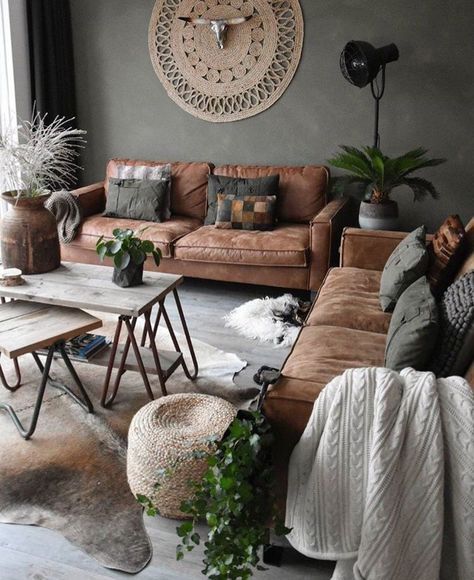
- Charcoal Grays or Slate: A deep, smoky charcoal gray or a rich slate can create a strikingly modern and sophisticated backdrop. This pairing feels edgy and refined, especially when balanced with metallic accents and lighter textiles. It’s a powerful choice for contemporary or industrial styles.
Best for: Modern living rooms, dramatic accent walls, sophisticated bedrooms, creating a gallery-like feel.n - Deep Forest Green or Emerald: For a luxurious, earthy, and truly dramatic effect, a deep forest green or jewel-toned emerald can be magnificent. This combination brings a sense of depth and natural elegance, feeling both grounded and opulent. It works particularly well with traditional or art deco-inspired dark brown furniture.
Best for: Creating a moody, luxurious ambiance; accent walls, formal dining rooms, studies.n
Why they work: These bold hues create a powerful statement, adding depth, luxury, and drama. They elevate dark brown furniture, making it feel intentional and high-end.
Considerations: These choices require ample natural light to prevent the room from feeling too dark. Balance with lighter elements in the decor to maintain visual interest and avoid a monochromatic heavy look. They are often best used on an accent wall or in very large rooms.
Choosing Your Perfect Wall Color: A Step-by-Step Guide
Ready to narrow down your options? Follow these steps to make an informed decision.
1. Assess Your Dark Brown Furniture
Go back to undertones! What kind of dark brown is it? Is it a rich, reddish mahogany? A cool, dark espresso? A warm, honeyed walnut? The furniture’s material (wood, leather, fabric) and its style (traditional, modern, rustic) will also influence your choice. A sleek, modern dark brown piece might pair better with cool grays, while a rustic, warm brown piece might sing with a sage green.
2. Consider the Room’s Function & Mood
What do you want this room to feel like?
- Living Room: Cozy and inviting? Bright and sophisticated? Calm and serene?
- Bedroom: Relaxing and tranquil? Romantic and luxurious?
- Dining Room: Formal and elegant? Warm and intimate?
Your desired mood will strongly guide your color family selection. For example, blues and greens are excellent for serenity, while muted golds add warmth and intimacy.
3. Evaluate Natural Light
Light is a game-changer. A color can look entirely different in a north-facing room (cooler, dimmer light) versus a south-facing room (warmer, brighter light).
- Rooms with little natural light: Consider lighter neutrals to reflect what light there is, or embrace the darkness with a rich, moody hue if you want a cozy ‘den’ feel.
- Rooms with abundant natural light: You have more freedom! Darker colors won’t make the room feel as small, and lighter colors will feel expansive.
4. Look at Existing Elements
Don’t forget the fixed elements of your room. What color are your floors (wood, carpet, tile)? What color are your trim and doors? Do you have a fireplace or built-in shelving? These existing colors need to be factored into your overall scheme to ensure harmony.
:strip_icc()/sofa-wing-back-chairs-living-room-49d69d3b-1c343aec145549eca6617c72370556b3.jpg "28 Brown Couch Ideas for Living Rooms")
5. Test, Test, Test!
This is non-negotiable. Buy several sample pots of your top contenders. Paint large swatches (at least 2’x2′) on different walls in the room. Observe them throughout the day in varying light conditions – morning, afternoon, evening, and with artificial lights on. See how they interact with your dark brown furniture. What looks good on a tiny swatch can be very different on a whole wall!
Beyond the Walls: How Accessories & Lighting Complete the Look
Your wall color is a huge step, but it’s not the only one. To truly integrate your dark brown furniture and chosen wall color, think about the other elements in the room.
- Incorporate Lighter Textiles: Use rugs, curtains, throw pillows, and blankets in lighter shades (creams, grays, soft blues) to break up the dark furniture and add visual softness. Patterned textiles can also introduce more colors and textures.
- Add Metallic Accents: Gold, brass, copper, or silver can bring sparkle and sophistication. These reflective surfaces bounce light around and provide a beautiful contrast to the matte richness of dark brown.
- Use Plants for Life: Greenery adds natural vibrancy and freshness, providing an organic counterpoint to the more structured feel of dark brown furniture.
- Layered Lighting: Don’t rely on a single overhead light. Incorporate ambient lighting (lamps), task lighting (reading lamps), and accent lighting (spotlights on art) to brighten corners, highlight features, and create a warm, inviting glow. This is especially important if you’ve chosen a darker wall color.
Wall Color with Dark Brown Furniture: A Quick Comparison Guide
Here’s a handy overview to help you quickly compare the most popular color categories:
| Color Category | Mood Created | Best For | Considerations/Tips |
|---|---|---|---|
| Creamy Off-Whites & Warm Greiges | Bright, airy, sophisticated, clean | Any room, small spaces, modern/transitional styles | Choose warm undertones. Avoid stark white unless minimalist. |
| Soft Blues & Sage Greens | Serene, calming, natural, elegant | Bedrooms, living rooms, spaces needing tranquility | Look for muted, grayed-down shades. Enhance with natural textures. |
| Muted Golds & Ochres | Cozy, inviting, rich, traditional, opulent | Living rooms, dining rooms, studies, traditional styles | Balance with lighter accessories. Ensure good light. |
| Deep Charcoals, Navy & Forest Greens | Dramatic, luxurious, sophisticated, modern | Accent walls, large rooms, contemporary/opulent styles | Requires ample natural light. Use sparingly or with careful balance. |
Common Mistakes to Avoid When Painting with Dark Brown Furniture
Even with all this guidance, it’s easy to stumble. Here are the most common pitfalls I see:
- Choosing a Wall Color Too Close to the Furniture: If your walls are a mid-tone brown that’s too similar to your dark brown furniture, the room can look muddy, drab, and lack definition. You lose the contrast needed to make both elements shine.n
- Ignoring Undertones: We’ve covered this, but it bears repeating. A warm brown sofa against a cool gray wall with no connecting elements can create an unpleasant visual tension.n
- Forgetting About Lighting: A color that looks vibrant in the store under fluorescent lights can look dull or completely different in your home. Always consider natural and artificial light sources.n
- Not Testing Swatches: This is the biggest mistake! Never commit to a full room without seeing how the color truly behaves in your space over a few days.n
- Making the Room Too Dark: While a moody, dark room can be intentional, inadvertently creating a gloomy space by choosing too many dark colors without enough contrast or light sources is a common error.
Conclusion: Your Dark Brown Furniture, Reimagined
Dark brown furniture is a magnificent foundation for almost any decor style. It’s robust, elegant, and full of character. By thoughtfully choosing your wall colors – understanding undertones, balancing warmth with cool, and considering the mood you want to create – you can transform your space from simply decorated to truly designed.
Don’t be afraid to experiment with paint samples and trust your intuition. Your home should reflect your personal style, and with these guidelines, you’re well-equipped to create a harmonious, beautiful, and inviting environment where your dark brown furniture feels perfectly at home.