The Definitive Guide to Popular Paint Colors for Bedrooms: Create Your Dream Retreat
Your bedroom isn’t just a room; it’s your personal sanctuary, the one place dedicated entirely to rest, rejuvenation, and comfort. But if you’re like most people, finding that perfect paint color can feel overwhelming. You want a space that feels calm and cozy, a true escape from the day’s demands, but with so many options, how do you choose? How do you ensure your chosen hue enhances sleep, reflects your style, and remains timeless?
You’re in the right place. This isn’t just another list of colors. We’re diving deep into the psychology, trends, and practicalities of selecting the absolute best and most popular paint colors for bedrooms. We’ll explore why certain shades dominate designer wish lists and homeowner favorites, and crucially, how to pick the one that transforms your bedroom into the peaceful haven you deserve.
The Science of Sleep and Serenity: Why Bedroom Colors Matter
Before we dive into specific colors, let’s talk about why color choice in the bedroom is so critical. It’s more than just aesthetics; it’s about creating an environment conducive to relaxation and sleep. Your eyes, even when closed, still perceive color and light, influencing your mood and even your circadian rhythm.
Psychological Impact: How Colors Influence Mood & Rest
Colors have a profound psychological effect. Warm colors (reds, oranges, bright yellows) can energize and stimulate, which is fantastic for a living room but often counterproductive in a bedroom. Cool colors (blues, greens, purples) tend to evoke feelings of calm, peace, and serenity, making them ideal for sleep spaces. Neutrals, with their understated elegance, provide a versatile backdrop that supports tranquility without distraction.
The goal is to choose colors that lower your heart rate, reduce stress, and promote a sense of security and coziness. Think about stepping into a high-end spa or a luxury hotel room – the colors are almost always soft, muted, and non-jarring. That’s the vibe we’re aiming for in your bedroom.
Light & Space: Optimizing Your Room with Color
Color interacts dynamically with light. A color that looks stunning in a brightly lit showroom might appear entirely different in your north-facing bedroom with limited natural light. Darker colors can make a small room feel even smaller, while lighter shades can expand a space visually. We’ll discuss how to harness these interactions to your advantage, making your bedroom feel perfectly proportioned and illuminated, no matter its inherent challenges.
:max_bytes(150000):strip_icc()/tranquil-yet-sophisticated-bedroom-paint-colors-350800-hero-fad897b742b049669237b47231236dce.jpg "14 Best Bedroom Paint Colors for a Relaxing Space")
Top Picks for Tranquil Bedrooms: The Most Popular Color Categories
Let’s get to the good stuff! While personal preference always reigns, certain color families consistently emerge as homeowner and designer favorites for their ability to foster a peaceful, beautiful bedroom environment.
Relaxing Neutrals: The Timeless & Versatile Choice
Neutrals aren’t boring; they’re the quiet backbone of sophisticated design. They provide a clean slate, allowing textures, art, and furniture to shine, all while promoting a sense of calm and order. They’re incredibly versatile and rarely go out of style, making them a safe and smart choice.
- Soft Whites: Far from clinical, modern whites offer warmth and depth. Think ‘off-white’ with subtle undertones. Popular choices like Sherwin-Williams Alabaster or Benjamin Moore Simply White aren’t stark; they carry hints of beige or gray, making them feel soft, airy, and incredibly inviting. They maximize light and create a feeling of spaciousness, perfect for smaller bedrooms or those seeking a minimalist aesthetic.
- Warm Grays: Cooler than beige but warmer than stark gray, ‘greige’ or warm grays are incredibly popular. Colors like Sherwin-Williams Agreeable Gray or Benjamin Moore Repose Gray strike the perfect balance. They offer sophistication and modernity without feeling cold. They adapt beautifully to various lighting conditions and blend seamlessly with almost any decor style.
- Calming Beiges & Taupes: For those who find gray too cool, beige and taupe bring undeniable warmth and earthiness. These natural tones evoke a sense of grounding and comfort. Look for complex beiges with a hint of gray, like Sherwin-Williams Accessible Beige, or a true taupe, which is a warmer, browner gray. They create a cocoon-like feel, perfect for a cozy retreat.
| Color Category | Key Characteristics | Mood Evoked | Ideal Bedroom Type |
|---|---|---|---|
| Soft Whites | Subtle undertones (cream, gray); reflects light well. | Airy, clean, spacious, serene. | Small rooms, modern minimalist, bright spaces. |
| Warm Grays (Greige) | Blend of gray and beige; adaptable. | Sophisticated, calm, versatile, balanced. | Any room, traditional to contemporary; complements most decor. |
| Calming Beiges & Taupes | Earthy, warm, with brown or gray undertones. | Cozy, grounding, natural, comforting. | Rooms needing warmth, rustic, transitional styles. |
Serene Blues: The Classic Choice for Calm
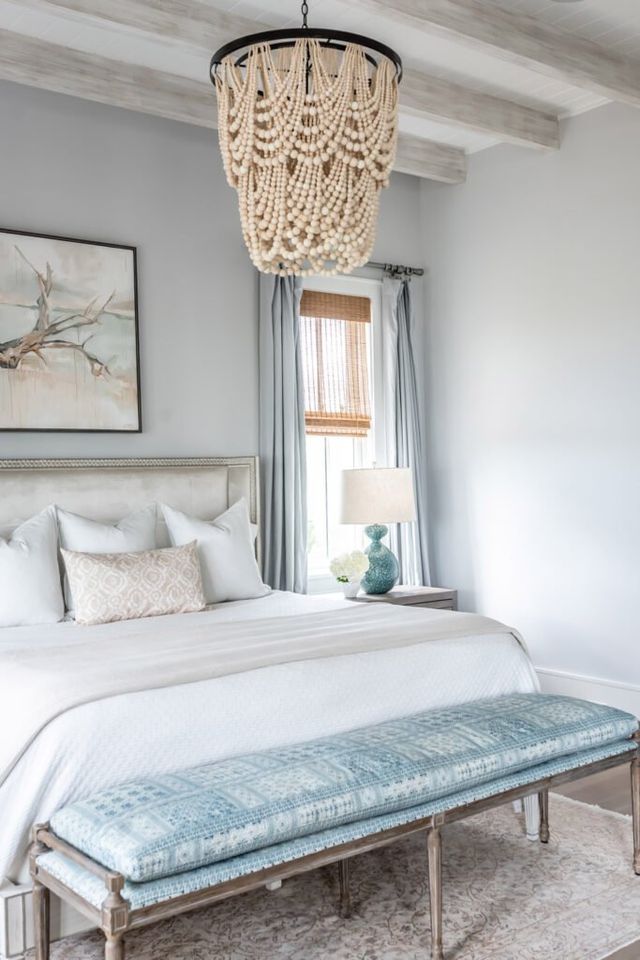
It’s no secret that blue is a favorite for bedrooms. Think of the sky or the ocean – blue inherently conveys feelings of peace, stability, and tranquility. Studies often show that blue light can actually help reduce heart rate, making it a natural fit for a sleep space.
- Soft Sky Blues: Light, ethereal blues, similar to a clear morning sky, are fantastic for creating a feeling of openness and freshness. They’re uplifting yet soothing, perfect for bedrooms where you want to feel calm but not too enclosed.
- Dusty Blues & Muted Navy: These are sophisticated and deep without being overpowering. A dusty blue with gray undertones offers a mature tranquility, while a muted navy (think Benjamin Moore Hale Navy, but softened) can create a wonderfully cozy and cocooning effect in a larger bedroom, especially when paired with crisp white trim.
Earthy Greens: Bringing Nature Indoors
The connection between green and nature is undeniable, and bringing these tones into your bedroom can create a truly restorative environment. Green is often associated with growth, harmony, and renewal, perfect for waking up refreshed.
- Sage Greens: This muted, grayish-green is arguably the most popular green for bedrooms right now. Sherwin-Williams Clary Sage or a similar shade evokes the calm of a serene forest. It’s sophisticated, neutral enough to pair with many colors, and incredibly soothing.
- Muted Olives: Deeper and earthier than sage, olive greens offer a grounding, sophisticated vibe. They work beautifully in rooms seeking a more rustic or organic modern aesthetic.
- Soft Mints: Lighter and brighter than sage, soft mint greens can be wonderfully refreshing. They’re subtle enough not to be stimulating but bring a clean, slightly energetic calm to a space, especially beautiful in rooms with good natural light.
Warm & Welcoming Hues: Subtle Pops of Comfort
While we generally avoid overly stimulating bright colors in the bedroom, some warmer tones, when properly muted and thoughtfully applied, can create a wonderfully inviting and cozy atmosphere.
- Blush Pinks & Terracottas (Muted): Forget Barbie pink; we’re talking about soft, dusty rose or blush tones that carry a sophisticated warmth. These colors can create a nurturing, romantic, and incredibly cozy feel. Muted terracotta, a desaturated burnt orange-pink, also offers a warm, earthy embrace without being too bright.
- Soft Lavenders: Purple can be tricky, but soft, muted lavenders (think almost gray-purple) have long been associated with tranquility and luxury. They can add a unique, serene elegance to a bedroom, promoting a truly restful sleep.
Beyond the Hues: Expert Tips for Choosing Your Perfect Bedroom Color
Knowing the popular colors is a great start, but how do you narrow it down to *your* perfect shade? Here are the practical steps and considerations designers use.
:strip_icc()/WhalesTail-3473099bd2224e18adc7553f9cd5b09d.jpg "25 Calming Bedroom Paint Colors for a Restful Retreat")
Consider Your Room’s Natural Light
This is perhaps the most crucial factor after personal preference. Natural light significantly alters how paint colors appear.
- North-Facing Rooms: These rooms tend to get cooler, indirect light. To counteract this, choose colors with warm undertones – creamy whites, warm grays, beiges, or even a soft blush – to prevent the space from feeling too cold.
- South-Facing Rooms: Bathed in warm, abundant light throughout the day, these rooms can handle cooler tones. Blues, greens, or grays will appear vibrant and true, without feeling chilly.
- East-Facing Rooms: Get bright, warm morning light, which turns cooler in the afternoon. Consider colors that look good in both lights, or embrace the morning glow with a soft green or light gray.
- West-Facing Rooms: Experience cool morning light and intense, warm afternoon/evening light. A neutral that adapts well, or a color that you love in its warm evening glow, might be best.
Room Size & Ceiling Height: Making Small Rooms Feel Larger
Light colors tend to make a space feel larger and more open by reflecting light. If you have a small bedroom, stick to lighter shades of your chosen color family – soft whites, pale blues, light grays, or delicate sage greens. For higher ceilings, you might consider painting the ceiling the same color as the walls (or a slightly lighter shade) to create a more intimate, continuous feel.
Existing Decor & Furniture: Creating Cohesion
Your bedroom walls don’t exist in a vacuum. Take stock of your current furniture, bedding, and artwork. What are their dominant colors and undertones? Your paint color should harmonize with these elements, rather than clash. If you have warm-toned wood furniture, a warm gray or beige might be more complementary than a cool blue. Bring fabric swatches or photos of your furniture when looking at paint samples.
Testing, Testing, 1, 2, 3: Why Swatches Are Non-Negotiable
This cannot be stressed enough: DO NOT skip paint samples! A tiny chip on a card will look vastly different on a large wall. Buy sample pots and paint large swatches (at least 2’x2′) on at least two different walls in your bedroom. Observe them at different times of day – morning, noon, and night, and under both natural and artificial light. This is the only way to truly see how the color will behave in your unique space.
The Importance of Sheen: Flat, Eggshell, Satin – Which is Best for Bedrooms?
The finish, or sheen, of your paint also impacts how a color appears and how practical it is for a bedroom. Higher sheens reflect more light, making colors appear brighter and more intense, but they also show imperfections more readily. Lower sheens absorb light, giving colors a softer, richer appearance and hiding minor wall flaws.
| Sheen Type | Finish Description | Durability/Cleanability | Best Use in Bedroom |
|---|---|---|---|
| Flat/Matte | No-sheen, velvety appearance; absorbs light. | Least durable, difficult to clean without marring. | Ceilings, low-traffic adult bedrooms for a sophisticated look. Hides imperfections. |
| Eggshell | Subtle, soft sheen, like an eggshell. | More durable than flat, moderately washable. | Most popular choice for bedrooms. Offers a soft glow with good durability. |
| Satin | Smooth, pearl-like finish with a noticeable sheen. | Very durable, highly washable. | Children’s bedrooms, high-traffic areas, or for a slightly more reflective wall. |
| Semi-Gloss/Gloss | High sheen, very reflective. | Most durable and washable. | Typically for trim, doors, or specific accent walls, not entire bedroom walls. |
For most bedrooms, an eggshell finish is the sweet spot: it offers a beautiful, soft glow, good durability for typical wear and tear, and is relatively easy to clean without being too reflective. A flat finish can look incredibly sophisticated in a low-traffic adult bedroom, hiding any wall imperfections, but it’s less practical for cleaning.

Common Bedroom Color Mistakes to Avoid
Even with all the best intentions, it’s easy to make a misstep. Learn from common pitfalls:
Overlooking Undertones
This is where many go wrong! A ‘gray’ can have blue, green, or even purple undertones. A ‘white’ can lean yellow, pink, or cool blue. These subtle background colors become more apparent on a larger surface and can clash with your existing decor or the lighting. Always check undertones by comparing your sample against a pure white sheet of paper and considering your room’s fixed elements (flooring, trim).
Choosing Too Bold or Stimulating Colors
Vibrant reds, bright yellows, or electric blues can be exciting in other areas of the house, but in a bedroom, they can disrupt the tranquility you’re trying to achieve. Stick to muted, desaturated versions of any color, especially if it’s naturally energetic.
Forgetting the Fifth Wall (The Ceiling!)
The ceiling is often overlooked, but it’s 25% of your room’s wall space! Painting it a crisp white is standard, but sometimes a lighter tint of your wall color, or a very pale blue (to mimic the sky), can make the room feel more cohesive and expansive.
Not Considering Artificial Lighting
Your beautiful paint color will look different at night under your lamps and overhead lights. LED bulbs come in various color temperatures (warm white, cool white). Ensure your chosen color looks good under the artificial light you typically use in the evenings. Warm bulbs (2700K-3000K) can enhance warm undertones, while cooler bulbs (3500K-4000K) will bring out cool undertones.
Current Trends vs. Timeless Choices: What Stays & What Goes?
While trends come and go, some bedroom color principles remain evergreen. The most popular colors often bridge this gap, offering both contemporary appeal and lasting comfort.
:max_bytes(150000):strip_icc()/Haywoodmade-7_11_23-9-9862376265fd401f87ace8fc1c5f45b0.jpg "18 Bedroom Paint Colors That Will Turn Your Space Into a Haven")
Embracing Biophilic Design (Greens, Earth Tones)
The trend towards biophilic design – connecting interiors with nature – means that greens, particularly muted sage and olive, are here to stay for a while. They offer organic tranquility and pair beautifully with natural wood tones and textiles. Earthy beiges and terracottas also fall into this category, bringing warmth and a sense of grounding.
The Rise of “Quiet Luxury” (Muted, Sophisticated Neutrals)
The ‘quiet luxury’ aesthetic emphasizes understated elegance, quality over flash, and serene palettes. This means sophisticated warm grays, complex off-whites, and soft taupes continue to be incredibly popular. They create a backdrop that feels expensive and curated without being ostentatious.
Timeless Staples: The Enduring Appeal of Soft Blues & Whites
Some things just work. Soft, muted blues will always be a go-to for bedrooms because their calming properties are universal. Similarly, crisp, clean, but warm whites remain a fundamental choice for creating a fresh, spacious, and versatile bedroom. These are colors you can invest in without fear of them dating quickly.
Ready to Transform Your Bedroom? A Step-by-Step Action Plan
Feeling inspired? Here’s how to move from inspiration to action:
Gather Inspiration
Browse Pinterest, Instagram, design magazines, or even hotel rooms you’ve loved. Pin images that evoke the feeling you want for your bedroom. Don’t focus just on color; notice the overall mood.
Test Colors
Order samples! Paint large swatches directly on your walls (or on large poster boards you can move around). Live with them for a few days, observing how they change with light and time.
Prepare Your Walls
Clean your walls thoroughly, patch any holes, and sand smooth. Use painter’s tape to protect trim and ceilings. A good primer is often a smart investment, especially if you’re going from a dark color to a light one, or if your walls are porous.
Paint with Purpose
Take your time, use quality brushes and rollers, and apply two thin coats for the best finish. Good prep and patient application are key to a professional-looking result.
Final Thoughts: Your Bedroom, Your Sanctuary
Choosing the perfect paint color for your bedroom is a deeply personal journey, but by understanding the psychology of color, learning from popular choices, and following a few expert tips, you can confidently create a space that truly serves as your tranquil retreat. Whether you opt for a soothing sage, a serene blue, or a calming greige, the goal is to craft an environment where you can unwind, recharge, and wake up feeling your best. Happy painting!
Frequently Asked Questions
What is the most popular color for a bedroom?
Soft blues, calming greens (especially sage), and warm grays (greige) consistently rank as the most popular choices for bedrooms due to their inherent ability to evoke feelings of serenity, peace, and relaxation, which are ideal for a restful space.
What colors promote good sleep in a bedroom?
Colors that promote good sleep are typically cool, muted tones like light blues, soft greens, and gentle grays. These colors have a psychological calming effect, helping to lower heart rate and create a tranquil environment conducive to rest.
Should a bedroom be painted a dark or light color?
It depends on the desired mood and room size. Light colors make a room feel larger and airier, while darker, muted tones can create a cozy, intimate, and sophisticated ‘cocoon-like’ atmosphere. For sleep, a medium to dark muted tone can be very effective at blocking out visual stimulation, but in small rooms, it might feel too enclosed.
How do I choose a bedroom paint color with existing furniture?
To choose a harmonious paint color, consider the undertones and dominant colors of your existing furniture and decor. If your furniture has warm wood tones, a warm gray, beige, or soft green might complement it best. For cooler-toned furniture, a cool gray or blue could work. Always bring fabric samples or photos of your furniture when looking at paint swatches, and test samples on your wall to see how they interact.
What paint sheen is best for bedroom walls?
Eggshell is generally considered the best paint sheen for bedroom walls. It provides a beautiful, soft, low-luster finish that is more durable and washable than flat paint, without being too reflective or highlighting imperfections like satin or semi-gloss can.
How many paint samples should I try for my bedroom?
It’s recommended to try at least 2-3 different paint samples, painting large swatches (at least 2×2 feet) on separate walls in your bedroom. Observe these samples at various times of day and under both natural and artificial light to see how the color truly appears in your unique space.