Beyond Basic Lavender: The Definitive Guide to Purple Paint Colors for Your Bedroom Oasis
Dreaming of a bedroom that feels both personal and polished? If you’ve ever considered purple, you’re tapping into a color family rich with history, depth, and surprising versatility. But let’s be honest, ‘purple’ isn’t just one color. It’s a vast spectrum, ranging from the whisper-soft sigh of lavender to the dramatic, jewel-toned embrace of aubergine. How do you pick the *right one for your sanctuary?
Many people shy away from purple, fearing it’s too childish, too bold, or simply too hard to get right. I’m here to tell you that with a little insight, purple can transform your bedroom into anything from a serene spa retreat to a glamorous boudoir. Forget those bland, generic paint swatches; your bedroom deserves a color that speaks to your soul. This guide will help you navigate the nuances, undertones, and pairing possibilities to find your perfect purple.
Why Purple for Your Bedroom? Unpacking the Psychology of a Majestic Hue
Before we dive into specific shades, let’s understand why purple is such a compelling choice for a bedroom. Purple, historically associated with royalty, luxury, and spirituality, is a blend of calming blue and energetic red. This unique combination gives it a fascinating psychological profile, making it incredibly versatile for creating different moods in your personal space.
The Calming Power of Light Purples
Imagine unwinding in a room that feels like a gentle hug. That’s the magic of light purples. Shades like lavender, lilac, and soft periwinkle are famous for their tranquil, serene qualities. They often have a strong blue or gray undertone, which enhances their calming effect, making them an excellent alternative to neutral grays or whites. They promote relaxation, reduce stress, and can even contribute to a better night’s sleep. Think of them as a visual lullaby for your walls.
The Royal Touch of Deep Purples
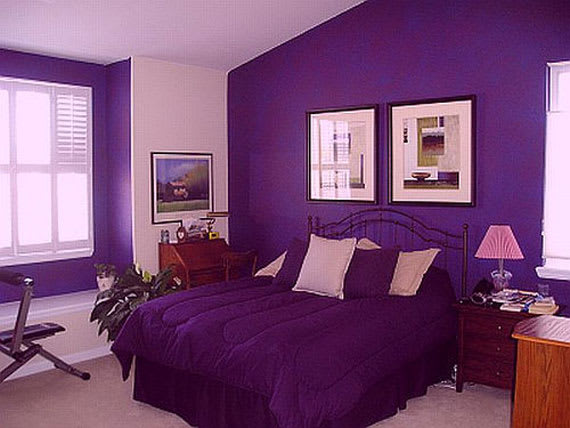
If you crave drama, sophistication, and a touch of the opulent, deep purples are your answer. Colors such as plum, aubergine, amethyst, and rich grape hues envelop a room in luxury. These shades are bold and commanding, creating an intimate, almost theatrical atmosphere. They evoke a sense of grandeur and creativity, perfect for someone who wants their bedroom to be a statement of personal style and refined taste. Don’t be afraid of their intensity; when balanced correctly, they can feel incredibly inviting and cozy.
The Creative Spark of Mid-Tone Purples
Mid-range purples, like true violet or a vibrant grape, strike a beautiful balance between the calming light shades and the dramatic deep ones. They can inspire creativity, introspection, and a sense of individuality without overwhelming the space. These hues are often seen as more playful or artistic, bringing a fresh and lively energy to the bedroom while still maintaining an element of sophistication. If you want a purple that feels unique and fosters a sense of personal expression, a mid-tone might be your perfect match.
Decoding Purple’s Undertones: Your Secret Weapon for Perfect Paint Selection
This is where many people go wrong. You see a beautiful purple online or in a magazine, but when it hits your wall, it looks entirely different. The culprit? Undertones. Every color has subtle hints of other colors peeking through, and for purple, these undertones dictate whether it leans cool, warm, or neutral. Understanding them is crucial for achieving the look and feel you envision.
Blue Undertones: Cool, Serene, and Expansive
Purples with blue undertones feel inherently cool and calming. Think of shades like periwinkle, certain lavenders, or purples that almost touch on indigo. These colors are excellent for creating a tranquil, spa-like environment. The blue helps them recede visually, making a room feel more spacious and airy. They pair beautifully with cool grays, crisp whites, and silver metallics. If you want a peaceful escape that feels refreshing, lean into the blues.
Red/Pink Undertones: Warm, Inviting, and Romantic
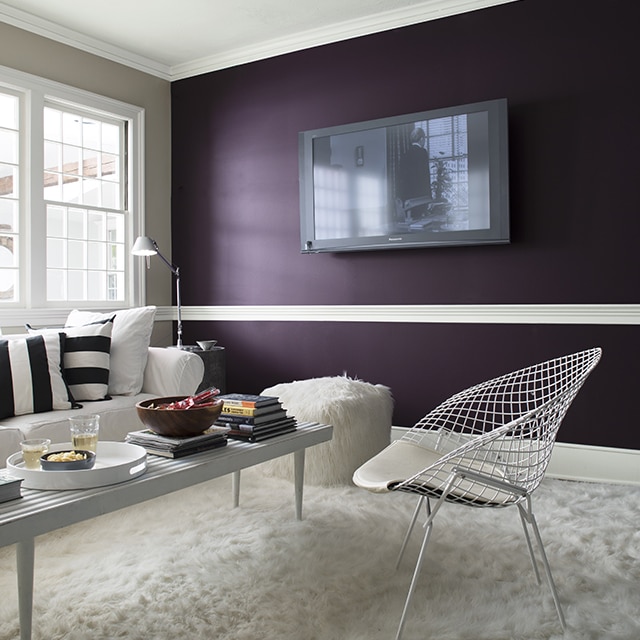
On the other side of the spectrum are purples with red or pink undertones, such as many mauves, orchids, and some rich plums. These purples bring warmth and intimacy to a room. They can make a larger bedroom feel cozier and more inviting, or add a touch of romance to any space. They often have a velvety, rich quality. Pair them with creams, warm woods, and gold or bronze accents for a truly luxurious feel. If your goal is a cozy, nurturing, or romantic retreat, these warm purples are your best bet.
Gray Undertones: Sophisticated, Modern, and Muted
For a contemporary, sophisticated, and understated look, purples with significant gray undertones are a game-changer. Think of a dusty lilac, a muted greige-purple, or a sophisticated ash violet. These colors are less overtly purple, making them incredibly versatile and easy to live with. They offer the unique character of purple without overwhelming the space, providing a chic, modern backdrop. They work wonderfully with other grays, crisp whites, and even black accents for a truly refined aesthetic.
Top Purple Paint Colors for Bedrooms: Shades We Adore
Now that you’re armed with the knowledge of psychology and undertones, let’s explore some specific, beloved purple shades that have proven themselves perfect for bedroom environments. Remember, monitor calibration varies, so always get a physical sample!
The Timeless Tranquil: Lavender & Lilac
These are the go-to choices for a serene bedroom. They offer a gentle splash of color that feels restful and sophisticated. They often have subtle blue or gray undertones, making them wonderfully calming.
:max_bytes(150000):strip_icc()/pink-and-purple-paint-colors-for-the-bedroom-350784-hero-c94e52789f1d493095b1362be19d9ac4.jpg "12 Best Purple Paint Colors for Bedrooms")
- Sherwin-Williams ‘Lite Lavender’ (SW 6554): A soft, airy lavender with noticeable blue undertones, perfect for creating a calming, spa-like atmosphere.
- Benjamin Moore ‘Lilac Haze’ (2070-60): A classic, delicate lilac that brings a sense of refinement and peace without feeling too pastel.
- Valspar ‘Fragrant Lilac’ (4001-5C): A slightly warmer lilac, inviting and gentle, excellent for a soothing feel.
The Sophisticated Muted: Mauve & Dusty Plum
For those who desire a more grown-up, subtle purple, mauve and dusty plum shades offer elegance and depth without being overly vibrant. They often carry gray or brown undertones, lending them a sophisticated, earthy quality.
- Sherwin-Williams ‘Ash Violet’ (SW 6549): A muted, smoky purple with significant gray undertones, offering a modern and chic look.
- Benjamin Moore ‘Mauve Desert’ (2113-50): A soft, sophisticated mauve that leans slightly brown-pink, perfect for a cozy and refined feel.
- Behr ‘Dusty Plum’ (N110-5): A deep, muted plum that provides a rich, luxurious backdrop without feeling overly dark.
The Bold & Luxurious: Deep Amethyst & Aubergine
If your bedroom is your castle, these royal shades will deliver. Deep purples create a dramatic, opulent, and incredibly intimate atmosphere. They are best suited for bedrooms with good natural light or those where you want to embrace a cozy, cocooning feel.
- Sherwin-Williams ‘Exclusive Plum’ (SW 6263): A rich, deep plum with a hint of brown, creating a warm and sophisticated ambiance.
- Benjamin Moore ‘Caponata’ (AF-650): A deep, velvety aubergine that offers incredible depth and a luxurious, dramatic feel.
- Farrow & Ball ‘Brinjal’ (No. 222): A sophisticated, deep eggplant shade that creates an intimate, almost black-purple effect in certain lights.
The Whimsical & Bright: Orchid & Grape
For a bedroom that exudes personality, creativity, and a touch of whimsy, consider the more vibrant mid-tone purples. These shades are lively and inviting, perfect for adding a pop of unique color.
- Benjamin Moore ‘Wild Orchid’ (2072-40): A vibrant, energetic orchid with noticeable pink undertones, perfect for a cheerful and romantic space.
- Sherwin-Williams ‘Grape Mist’ (SW 6548): A bright, playful grape purple that adds a youthful and creative spark to any bedroom.
- Behr ‘Violet Verbena’ (P550-5): A rich, saturated violet that’s both calming and stimulating, offering a unique balance.
Popular Purple Bedroom Paint Colors at a Glance
| Color Family | Example Shade | Mood Created | Key Undertone | Ideal Bedroom Style | Complementary Colors |
|---|---|---|---|---|---|
| Light Lavender | SW Lite Lavender | Calm, Serene, Refreshing | Blue, Gray | Modern, Minimalist, Spa-like | White, Light Gray, Silver, Pale Green |
| Muted Mauve | BM Mauve Desert | Sophisticated, Cozy, Refined | Pink, Brown, Gray | Transitional, Traditional, Parisian Chic | Cream, Greige, Gold, Dusty Rose |
| Deep Aubergine | BM Caponata | Dramatic, Luxurious, Intimate | Red, Brown | Glamorous, Eclectic, Art Deco | Black, Deep Teal, Brass, Emerald Green |
| Vibrant Orchid | BM Wild Orchid | Energetic, Whimsical, Romantic | Pink, Red | Bohemian, Youthful, Feminine | Bright White, Chartreuse, Orange, Light Wood Tones |
| Dusty Plum | Behr Dusty Plum | Rich, Subdued, Cozy | Gray, Red | Transitional, Contemporary, Rustic Chic | Sage Green, Warm Gray, Copper, Muted Gold |
Beyond the Walls: Pairing Purple with Complementary Colors & Decor
A bedroom isn’t just four walls; it’s a complete environment. The magic of purple truly comes alive when you understand how to pair it with other colors and decor elements. This is where you can refine your chosen purple’s mood and tie the whole room together.
:strip_icc()/purple-paint-lids-Fl3SLhtAqaN9RhaYc2f9p8-41bf670daf094da1bcc8d69edcde5fc6.jpg "10 of the Prettiest Purple Paint Colors to Upgrade Any Room")
Neutrals for Balance: Whites, Grays, and Creams
Neutrals are purple’s best friend. They provide necessary breathing room and prevent the color from overwhelming the space. Crisp whites (think pure bright white) make purples pop, giving a fresh, modern contrast. They work exceptionally well with lighter, cooler purples like lavender or periwinkle, enhancing their cleanliness. Soft grays, especially those with cool undertones, create a sophisticated and cohesive look with blues-based purples. For warmer purples (like mauve or plum), consider creamy off-whites or warm greiges to maintain a cozy, inviting feel. These softer neutrals prevent the room from feeling stark.
Metallics for Glamour: Gold, Silver, Bronze
Purple and metallics are a match made in design heaven, instantly elevating the room’s glamour factor. Silver and chrome accents pair beautifully with cool-toned purples (lavenders, violets) for a sleek, modern, or even Art Deco vibe. They enhance the cool sophistication. For warmer, richer purples (aubergine, plum, orchid), gold and brass bring out their inherent luxury and warmth. These metallics add a regal shimmer and a touch of antique charm. Bronze and copper can also work wonders with earthy mauves and dusty purples, adding an organic, industrial-chic elegance.
Contrasting Accents: Greens, Yellows, Teals
Ready to get bold? Purple’s complementary color on the color wheel is yellow, but a broader range of colors can create stunning contrasts.
Greens, especially muted sage or deeper forest greens, offer a natural, harmonious contrast to most purples. This combination feels organic and balanced, drawing from nature’s palette.
Bright yellow or mustard accents can add a vibrant, energetic pop against deep purples, creating a dynamic and playful space. Use sparingly to avoid overwhelming.
Teal and rich blues can create a luxurious, jewel-toned palette when paired with deep purples, giving your bedroom a high-end, boutique hotel feel. The key here is balance; use these bold accents in bedding, throw pillows, artwork, or small decorative items rather than on large furniture pieces.
The Practicalities: How to Choose & Apply Your Perfect Purple
You’ve got your favorite shades picked out, now for the practical steps to ensure your purple bedroom vision becomes a reality. This isn’t just about paint on a brush; it’s about careful planning.
:max_bytes(150000):strip_icc()/SmithHardyforLeighJones-54b11f96a44c46d88c25dfa7b63b89fc.jpg "25 Purple Bedrooms That Are Fit for Royalty")
Testing is Key: Swatches, Large Samples, and Lighting
Please, for the love of all that is beautiful, do NOT choose a paint color based solely on a tiny chip! This is the most critical step. Purchase a few sample pots of your top contenders. Paint large swatches (at least 2×2 feet) directly onto your bedroom walls, or on large poster boards you can move around. Paint at least two coats to get the true color saturation.
Why this effort? Because lighting changes everything. Observe your swatches throughout the day: in natural morning light, bright afternoon sun, and under your artificial evening lighting. A purple that looks serene in natural light might turn dull under warm lamplight or surprisingly vibrant under cool LEDs. Pay attention to how the color interacts with your existing flooring, furniture, and any fabrics you plan to keep.
Considering Room Size & Natural Light
The size of your bedroom and the amount of natural light it receives should heavily influence your choice of purple.
- Small Bedrooms: Lighter purples (lavender, lilac, periwinkle) will make a small room feel more open and airy. Darker purples can work in small spaces if you embrace the ‘cocooning’ effect, but be mindful that they will make the room feel smaller and more enclosed.
- Large Bedrooms: You have more freedom here. Deep, rich purples can create an incredibly luxurious and intimate atmosphere without overwhelming. Mid-tones can add vibrancy without feeling too bright.
- Rooms with Abundant Natural Light: You can get away with bolder, more saturated purples as the light will keep them from feeling too heavy.
- Rooms with Limited Natural Light: Lighter, brighter purples or those with significant gray undertones are safer bets to avoid a cave-like feel. If you must* have a deep purple, ensure your artificial lighting is excellent and strategically placed.
The Right Finish Matters: Sheen for Your Mood
The paint finish, or sheen, dramatically impacts how your purple color appears and performs.
- Matte/Flat: Absorbs light, offering a soft, velvety, and sophisticated look. Excellent for camouflaging minor wall imperfections. Ideal for a luxurious, understated feel, but less durable and harder to clean.
- Eggshell/Satin: Most popular choice for bedrooms. Offers a subtle sheen, reflecting a bit of light, making colors appear richer. More durable and easier to clean than flat, perfect balance of aesthetics and practicality.
- Semi-Gloss: Higher sheen, very durable, and highly reflective. Best for trim, doors, or accent walls rather than entire bedroom walls, as it can be too reflective and highlight imperfections.
For most purple bedrooms, an eggshell or satin finish will give you the best balance of rich color and practical durability. A matte finish can be breathtaking for a deep, dramatic purple, but be aware of its cleaning limitations.
Don’t Forget the Ceiling!
The ceiling is often called the fifth wall, and its color choice can significantly impact the overall feel of your purple bedroom. While traditional white is always an option, consider these alternatives:
- A Lighter Tint of Your Wall Color: Paint the ceiling a lighter shade of your chosen purple. This creates a cohesive, enveloping effect, making the room feel taller and more seamless.
- A Soft, Complementary Neutral: A very light gray or off-white can act as a gentle break, especially if your wall purple is very deep.
- A Bold Contrast: For the truly adventurous, a deep teal or even a metallic finish on the ceiling could create an unforgettable, dramatic statement, particularly striking with rich purples.
Ready to Embrace the Royal Treatment?
Choosing purple paint colors for your bedroom is more than just picking a shade; it’s about crafting an atmosphere, expressing your personality, and creating a space where you can truly thrive. From the tranquil whispers of lavender to the dramatic embrace of aubergine, purple offers an incredible spectrum of possibilities. By understanding its psychology, decoding its undertones, and considering the practical aspects of light and finish, you’re now equipped to make an informed, confident choice.
So, take a deep breath, grab those paint samples, and start envisioning the bedroom of your dreams. It’s time to unleash the majestic power of purple and transform your space into a truly unique and personal oasis. Your royal retreat awaits!