Beyond Basic: Finding the Best White Paint Color for Your Dream Bedroom Walls
Choosing the "perfect" white paint for your bedroom walls can feel surprisingly overwhelming. You picture a serene, airy sanctuary, but fear a stark, clinical operating room or a dingy, yellowish nightmare. Trust me, you’re not alone. White is anything but simple; it’s a chameleon, shifting with light, undertones, and the mood of your space.
Your bedroom is your refuge, a place for rest and rejuvenation. The right white paint doesn’t just cover walls; it transforms the atmosphere, influencing your sleep, your mood, and how you start and end your day. This isn’t just about picking a color; it’s about curating an experience. So, how do you navigate the endless sea of whites to find the one that truly sings in your sleep space? Let’s dive in.
Why White? The Timeless Allure of a White Bedroom
White has long been a go-to for designers and homeowners, and for good reason. It offers a unique combination of versatility, elegance, and peace, making it particularly suited for bedrooms.
The Psychology of White in a Sleep Space
Imagine walking into a pristine, uncluttered room. That’s the feeling white evokes. Psychologically, white is associated with cleanliness, purity, and simplicity. In a bedroom, this translates to a sense of calm and order, which are crucial for winding down after a long day. It helps declutter the visual noise, creating an environment conducive to relaxation and sleep. A white bedroom can feel like a fresh start every morning.
White as a Versatile Foundation
Perhaps white’s greatest superpower is its ability to be a blank canvas. It allows your furniture, artwork, and textiles to truly shine without competing for attention. Whether your style is minimalist, bohemian, modern farmhouse, or traditional, white walls provide a neutral backdrop that complements virtually any aesthetic. Furthermore, white naturally amplifies both natural and artificial light, making a bedroom feel more expansive and brighter – a huge benefit for smaller rooms or those with limited natural light.

Decoding White: Understanding Undertones, LRV, and Sheen
To truly understand white, you have to look beyond the surface. The subtle nuances are where the magic – and the potential pitfalls – lie. These three factors are your secret weapons for choosing wisely.
The Hidden Truth: Undertones Explained (Warm, Cool, Neutral)
This is the single most important concept when choosing white paint. Every white paint has a subtle undertone, a hint of another color that becomes apparent in different lighting conditions. Ignoring undertones is how you end up with a room that feels ‘off’.
- Warm Whites: These have undertones of red, yellow, or orange. They create a cozy, inviting, and soft ambiance. Think of a creamy, milky white. Warm whites are excellent for bedrooms, making the space feel more cocoon-like and less sterile. They counteract cool natural light beautifully.
- Cool Whites: These carry undertones of blue, green, or gray. They evoke a crisp, serene, and modern feel. Think of a bright, stark white. Cool whites work well in bedrooms where you want a very clean, contemporary look, or in rooms that receive abundant warm natural light that you want to temper.
- Neutral Whites: These are the trickiest, aiming for a balance without strong discernible warm or cool undertones. They often have a subtle gray or beige base. When done right, they are incredibly versatile, but in certain lighting, they can lean slightly warm or cool.
The Science of Brightness: Light Reflectance Value (LRV)
LRV is a numerical scale (0-100) that indicates how much light a color reflects. 0 is absolute black (reflects no light), and 100 is absolute white (reflects all light). For white paints, LRV typically ranges from about 70 to 95.
- Higher LRV (80+): These whites will make a room feel brighter and more spacious, reflecting more light. Ideal for bedrooms with limited natural light or smaller footprints.
- Lower LRV (70-80): These whites still feel white but have a bit more depth, absorbing a touch more light. They can feel softer and more grounded, perfect for larger, sun-drenched bedrooms that might otherwise feel too stark with a very high LRV white.
Understanding LRV helps you predict how lively or subdued a white will appear on your bedroom walls, influencing the overall brightness and spaciousness.
The Finish Line: Choosing the Right Sheen for Bedroom Walls
The paint’s sheen (or finish) isn’t just about how shiny it is; it significantly impacts how light reflects and how durable the surface will be.
- Matte/Flat: This is often the preferred choice for bedroom walls. It has almost no sheen, absorbing light rather than reflecting it. This creates a soft, sophisticated look and is incredibly forgiving, hiding minor wall imperfections. It’s not as durable or washable as higher sheens, but in a low-traffic area like a bedroom, it’s usually perfect.
- Eggshell/Satin: These finishes have a slight luster, mimicking the look of an eggshell or silk. They are more durable and washable than matte, making them a good compromise if you need a bit more resilience (e.g., in a child’s bedroom). They reflect a bit more light, adding a subtle glow.
- Semi-Gloss/Gloss: Generally avoided for main bedroom walls due to their high reflectivity, which can create glare and highlight every imperfection. Best reserved for trim, doors, or specific furniture pieces.
Our Top Picks: The Best White Paint Colors for Bedroom Walls
Now that you’re armed with the knowledge of undertones, LRV, and sheen, let’s explore some of the most beloved and versatile white paints that designers consistently recommend for bedrooms. Remember, always test samples in your own space!
Top Warm White Paint Colors for Cozy Bedrooms
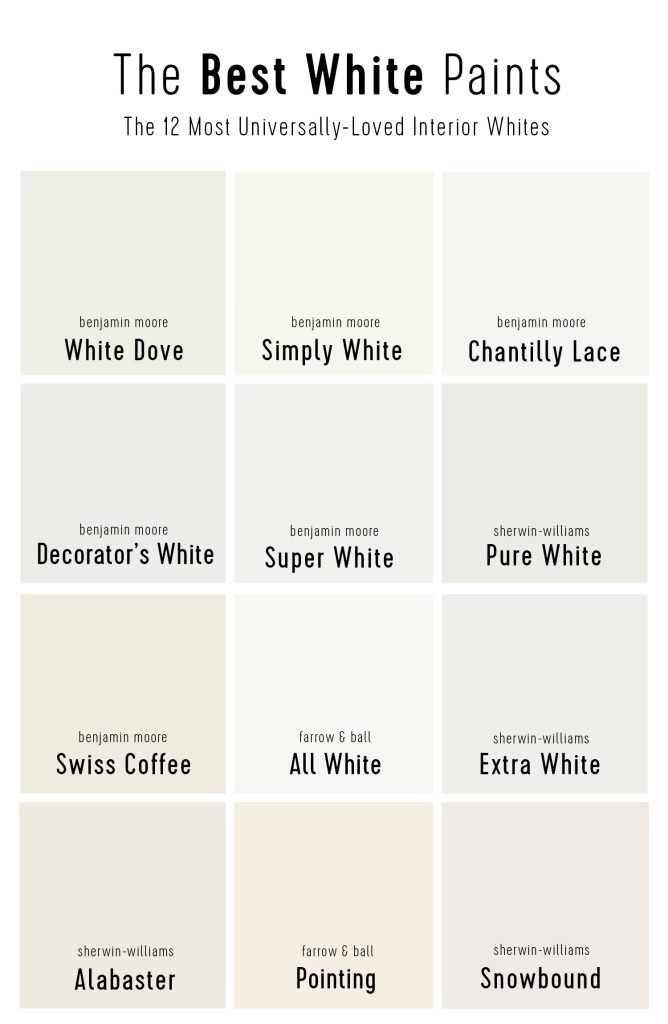
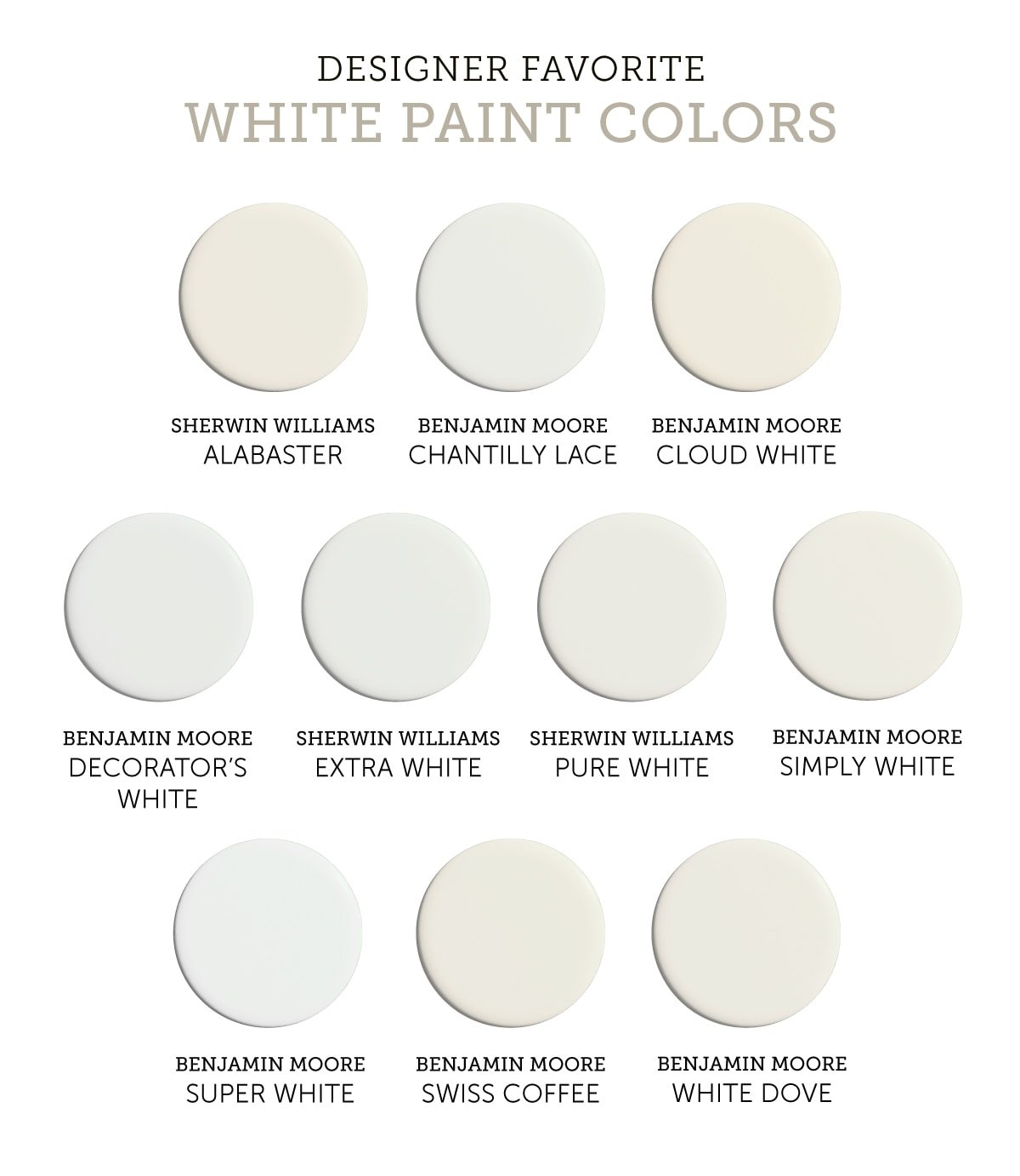
- Benjamin Moore White Dove (OC-17): A perennial favorite, White Dove is a creamy, soft white with a subtle gray undertone that keeps it from leaning too yellow. It’s incredibly versatile, providing warmth and depth without feeling heavy. It’s a classic for creating an inviting, tranquil bedroom retreat. Its LRV is around 85.38.
- Sherwin-Williams Alabaster (SW 7008): Chosen as Sherwin-Williams’ Color of the Year in 2016, Alabaster is a beloved off-white with warm, creamy, and very subtle beige undertones. It offers a soft, organic feel that’s perfect for a relaxed, restorative bedroom. It’s warm without being overtly yellow. LRV is 82.
- Farrow & Ball Wimborne White (No. 239): For a truly rich, traditional warmth, Wimborne White is a beautiful choice. It’s a clean white with a very slight yellow undertone, making it feel soft and comforting. It’s particularly stunning in bedrooms with period features or those aiming for a luxurious, inviting ambiance. Farrow & Ball paints are known for their depth of color.
- Sherwin-Williams Greek Villa (SW 7551): This is a very soft, natural white with creamy undertones that prevent it from feeling sterile. It’s brighter than Alabaster but still carries a beautiful warmth that makes a room feel welcoming and relaxed. Great for bedrooms wanting a subtle glow. LRV is 84.
Top Cool White Paint Colors for Crisp, Serene Bedrooms
- Benjamin Moore Chantilly Lace (OC-65): Often hailed as one of the purest, cleanest whites available, Chantilly Lace has minimal undertones, making it a truly crisp and bright choice. It’s a fantastic option for a modern bedroom where you want a stark, gallery-like feel, or to temper very warm light. Its LRV is 92.2.
- Benjamin Moore Super White (OC-152): If you’re looking for an incredibly bright, almost stark white, Super White delivers. It has very subtle cool undertones, making it feel incredibly fresh and clean. Best suited for contemporary bedrooms with ample natural light, or where you want high contrast with other colors/textures. LRV is 89.09.
- Sherwin-Williams Pure White (SW 7005): Don’t let the name fool you into thinking it’s stark. Sherwin-Williams Pure White is a remarkably balanced white with very slight cool (almost invisible) undertones. It’s bright and clean but without the clinical feel some cool whites can have. It’s a versatile choice for a serene, modern bedroom. LRV is 84.
Top Neutral White Paint Colors for Balanced Bedrooms
- Benjamin Moore Simply White (OC-117): Crowned Benjamin Moore’s Color of the Year in 2016, Simply White is a remarkably bright and clean white with just a hint of yellow undertone. This subtle warmth prevents it from feeling cold while maintaining a fresh, airy quality. It’s a fantastic all-rounder for bedrooms that need brightness without being stark. LRV is 91.7.
- Benjamin Moore Cloud White (OC-130): A beautifully soft, airy white that floats between warm and cool with very subtle hints of gray and cream. It’s sophisticated and timeless, creating a gentle, ethereal ambiance perfect for a bedroom. It’s not too stark, not too creamy – just right for many spaces. LRV is 87.35.
| Paint Name | Brand | Primary Undertone | LRV | Warmth/Coolness | Best For Bedroom Type | Notes for Bedrooms |
|---|---|---|---|---|---|---|
| White Dove (OC-17) | Benjamin Moore | Greige/Soft Gray | 85.38 | Soft Warm | Cozy, Traditional, Farmhouse | A designer favorite. Warm without being yellow, incredibly versatile for a tranquil space. |
| Alabaster (SW 7008) | Sherwin-Williams | Creamy Beige | 82 | Warm | Organic, Relaxed, Boho, Farmhouse | Very soft, subtle warmth. Avoids starkness, feels inviting and natural. |
| Wimborne White (No. 239) | Farrow & Ball | Yellow/Cream | 84 | Rich Warm | Luxurious, Traditional, Classic | Elegant and comforting. Has a historic feel without being dingy. |
| Greek Villa (SW 7551) | Sherwin-Williams | Creamy Beige | 84 | Soft Warm | Relaxed, Mediterranean, Modern Organic | Brighter than Alabaster but retains a lovely subtle warmth. |
| Chantilly Lace (OC-65) | Benjamin Moore | Very Subtle Cool (no strong undertone) | 92.2 | Pure White/Slightly Cool | Modern, Minimalist, Gallery-like | Exceptionally crisp and clean. Best pure white for a bright, unadulterated look. |
| Super White (OC-152) | Benjamin Moore | Cool Gray/Blue | 89.09 | Cool | Contemporary, High Contrast, Modern | Stark and very bright. Use when you want a strong, clean statement. |
| Pure White (SW 7005) | Sherwin-Williams | Minimal (very subtle cool) | 84 | Balanced/Slightly Cool | Versatile, Clean, Serene | A great "safe" white. Bright but not clinical, highly adaptable. |
| Simply White (OC-117) | Benjamin Moore | Soft Yellow | 91.7 | Bright Neutral/Slightly Warm | Airy, Bright, Transitional | Bright and fresh with just enough warmth to avoid coldness. Very popular choice. |
| Cloud White (OC-130) | Benjamin Moore | Soft Gray/Cream | 87.35 | Balanced Soft Warm | Ethereal, Transitional, Elegant | A sophisticated off-white that feels airy and gentle. Perfect for a serene sanctuary. |
How to Choose YOUR Best White: A Step-by-Step Bedroom Strategy
No matter how many designer favorites you read about, the ultimate test is how a white paint behaves in *your* bedroom. Here’s a foolproof method.
Step 1: Assess Your Bedroom’s Natural Light
The direction your bedroom windows face is perhaps the biggest determinant of how a white paint will appear. Light changes throughout the day, and so will your chosen white.
- North-Facing Rooms: These rooms receive indirect, cooler light throughout the day, which can make colors appear duller or more gray/blue. Choose a warm white with yellow or red undertones (like Alabaster or White Dove) to counteract the cool light and bring warmth into the space.
- South-Facing Rooms: Blessed with abundant bright, warm light all day. You have more flexibility here. A cool white (like Chantilly Lace) can provide a crisp, refreshing feel, while a warm white will amplify the cozy, sun-drenched ambiance.
- East-Facing Rooms: Get brilliant, warm morning light, which then transitions to cooler light in the afternoon. Consider how you use your bedroom most. If you love waking up to a sunny room, a slightly cooler white can balance the morning intensity. If you prefer a cozy evening, a warm white will serve you well.
- West-Facing Rooms: Experience cooler morning light, followed by intense, warm afternoon and evening light. A balanced neutral white or a slightly cool white can help neutralize the strong evening warmth, making the room feel more consistent.
Step 2: Consider Your Existing Decor & Furnishings
Your bedroom isn’t just walls. Look at your existing elements:
- Furniture: Do you have warm-toned wood, cool metal, or painted pieces?
- Textiles: Bedding, curtains, rugs – do they lean warm, cool, or neutral?
- Artwork: The colors in your art can pick up undertones from the walls.
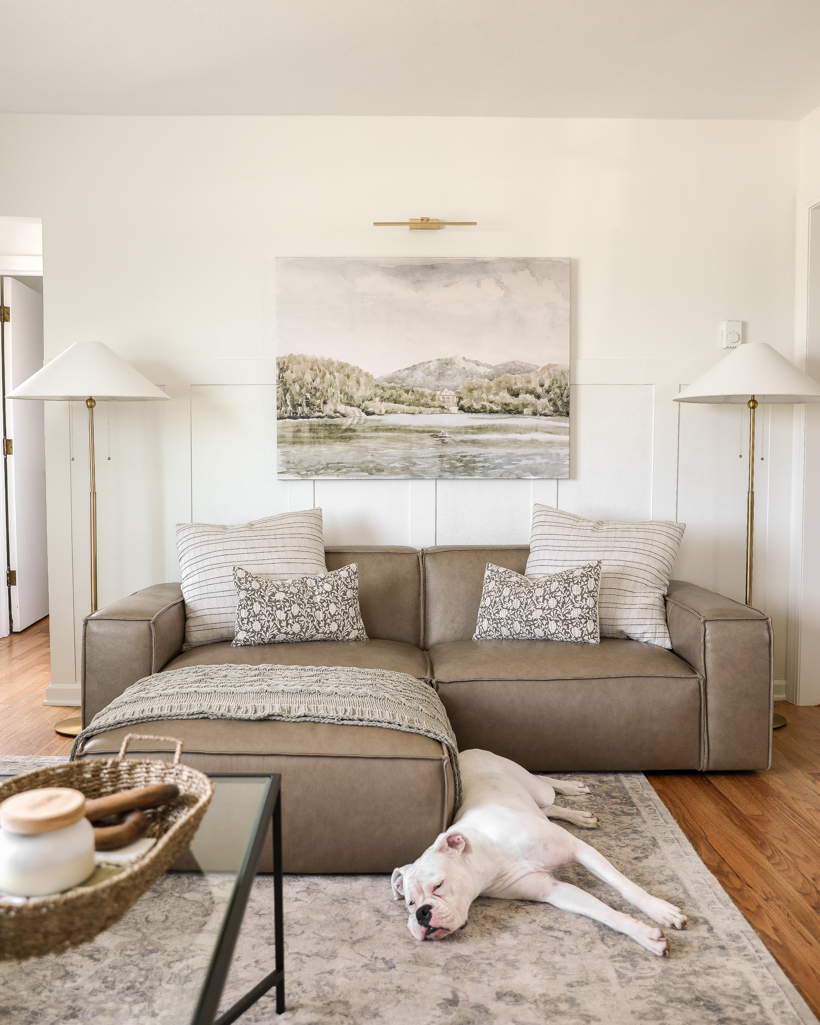
- Trim and Doors: Will your new wall color complement your existing white trim, or do you plan to repaint that too? Often, painting trim the same or a slightly brighter/cooler white than the walls can create a sophisticated, seamless look.
The goal is harmony. A white that clashes with your dominant decor can be jarring, even if it’s a beautiful white on its own.
Step 3: Test, Test, Test (The Critical Step)
I cannot stress this enough: DO NOT skip testing samples! Small paint chips are misleading. Buy sample pots of 3-5 of your top white choices and:
- Paint large swatches (at least 2’x2′) directly onto a few different walls in your bedroom.
- Alternatively, paint large poster boards and move them around the room.
- Observe the colors at different times of day: morning, midday, afternoon, and evening (with both natural and artificial lights on).
- Pay attention to how they look next to your existing furniture, flooring, and textiles.
This is where the magic (or the reality check) happens. You’ll quickly see how undertones reveal themselves and how light transforms each shade.
Step 4: Don’t Forget the Ceiling and Trim
The ceiling and trim play a huge role in the overall feel of a white room. Here are a few common approaches:
- Same White as Walls: For a truly seamless, enveloping feel, paint the ceiling and trim the exact same white as the walls, perhaps with a slightly different sheen (e.g., flat on walls, eggshell on trim for durability). This creates a modern, architectural look and makes the room feel taller.
- Brighter/Cooler White for Trim: If your walls are a warm white, using a slightly brighter or purer cool white (like Chantilly Lace) on the trim can make the wall color pop and feel even warmer by contrast.
- Classic Ceiling White: Many opt for a standard "ceiling white" which is usually a very bright, flat white. This can work but be mindful of any stark contrast with your wall color, especially if your wall white is very warm.
Beyond the Brush: Essential Tips for a Flawless White Bedroom
Choosing the paint is just one piece of the puzzle. How you furnish and light your white bedroom will define its success.
The Power of Lighting (Artificial)
Natural light is king, but artificial lighting can completely change the perception of your white walls, especially in the evening. Pay attention to the Kelvin (K) temperature of your light bulbs:

- Warm Light (2700K-3000K): Mimics incandescent bulbs, creating a cozy, inviting glow. This will enhance the warmth of warm white paints and can soften cool whites. Ideal for a relaxing bedroom.
- Neutral/Daylight (3500K-4000K): Closer to natural daylight. Can make whites appear truer but might feel less cozy for a bedroom.
- Cool Light (5000K+): Emits a blueish tint, making colors appear crisp and cool. Generally too harsh for a bedroom, as it can make even warm whites feel sterile.
Use dimmers! They are invaluable in a bedroom to adjust the mood and perception of your white walls.
Incorporating Texture and Layering
To prevent your white bedroom from feeling sterile or boring, embrace texture. This is where a white backdrop truly shines. Think:
- Soft Furnishings: Linen bedding, faux fur throws, chunky knit blankets.
- Window Treatments: Sheer curtains, bamboo blinds, blackout drapes.
- Rugs: Plush rugs, woven jute, or sheepskin.
- Materials: Wood furniture, metallic accents, ceramic lamps, living plants.
Layering different textures adds depth and interest, creating a sophisticated and inviting space without relying on bold colors.
The “Healthy Home” Angle: Low VOC Paints for Bedrooms
Since your bedroom is where you spend a significant portion of your life, considering the air quality is important. Traditional paints can emit Volatile Organic Compounds (VOCs) for years, which can impact indoor air quality. Opt for low-VOC or zero-VOC paints for your bedroom. Many major brands offer excellent options that perform just as well as their higher-VOC counterparts, ensuring a healthier sleep environment.
Common Pitfalls to Avoid When Choosing White Paint for Your Bedroom
- Ignoring Undertones: This is the biggest mistake. A beautiful white can look sickly green or stark blue if its undertone clashes with your light or existing decor.
- Not Testing Samples: As emphasized, small chips lie. Always, always test large swatches in your actual room.
- Underestimating Natural Light: The direction of your windows is crucial. What works in a south-facing living room won’t necessarily work in a north-facing bedroom.
- Going Too Stark Without Intention: A pure, cool white can be stunning in minimalist designs, but without careful consideration of texture and warmth from other elements, it can feel cold and uninviting for a bedroom.
- Forgetting About Artificial Lighting: Remember that warm bulbs will make even cool whites appear warmer, and cool bulbs can make warm whites look dingy.
Choosing the best white paint for your bedroom walls is an art and a science, but it doesn’t have to be a headache. By understanding undertones, LRV, and sheen, and by diligently testing your options in your unique space, you’ll uncover a white that not only brightens your room but also cradles you in comfort and serenity. Embrace the journey to your perfect white sanctuary!
Frequently Asked Questions
What is the best white paint color to make a bedroom feel cozy?
For a cozy bedroom, opt for a warm white paint color with subtle undertones of yellow, beige, or red. Popular choices like Benjamin Moore White Dove (OC-17) or Sherwin-Williams Alabaster (SW 7008) offer a soft, inviting glow that prevents the room from feeling stark, creating a comforting sanctuary.
How do I choose white paint for a bedroom with low natural light?
In bedrooms with limited natural light, prioritize whites with a high Light Reflectance Value (LRV) and warm undertones. A high LRV (e.g., above 85) will help bounce available light around the room, making it feel brighter and more spacious. Warm whites will counteract the cool, dim light, preventing the room from looking dingy or shadowed.
Should I use warm white or cool white for my bedroom walls?
This depends on the mood you want to create and your room’s natural light. Choose warm white for a cozy, inviting, and relaxing atmosphere, especially in north-facing rooms. Opt for cool white for a crisp, serene, and modern feel, particularly if you have abundant warm natural light that you want to temper.
What is LRV and why does it matter for bedroom paint?
LRV stands for Light Reflectance Value, a scale from 0 (absolute black) to 100 (absolute white) indicating how much light a color reflects. For bedroom paint, a higher LRV (e.g., 80+) can make a small or dimly lit room feel brighter and more spacious. A slightly lower LRV (e.g., 70-80) can provide a softer, more grounded feel in larger, very bright bedrooms.
What paint sheen is best for bedroom walls?
For bedroom walls, a matte or flat finish is generally recommended. It has little to no sheen, which absorbs light beautifully, creates a soft, sophisticated look, and helps to hide minor wall imperfections. While less durable than higher sheens, it’s ideal for low-traffic areas like bedrooms where durability is less of a concern than aesthetic appeal and a calming ambiance.
How can I make a white bedroom feel less sterile?
To prevent a white bedroom from feeling sterile, incorporate plenty of texture and layering. Use varied materials like linen, chunky knits, wood, metallics, and plants. Choose a warm white paint, use warm-toned artificial lighting (2700K-3000K), and add personal touches through art and decor to create a rich, inviting space.
Is it okay to paint my bedroom ceiling the same white as the walls?
Absolutely! Painting your bedroom ceiling the same white as your walls creates a seamless, enveloping effect that can make the room feel taller and more expansive. This modern approach often uses a flat finish for the ceiling and a slightly different sheen (like eggshell) for the walls or trim for subtle contrast in texture.