Choosing a paint color for your bedroom feels like a big decision, right? You want a space that feels calm, inviting, and truly *yours – a sanctuary from the daily grind. That’s why so many people, myself included, are drawn to light gray. It’s not just a trend; it’s a timeless, versatile foundation for a serene and stylish retreat. But here’s the thing: not all light grays are created equal. And the wrong one can turn your dream bedroom into a sterile, or worse, surprisingly blue, nightmare.
If you’re tired of scrolling through endless paint swatches, wondering which “light gray” will actually deliver that sophisticated, calming vibe without the dreaded undertone surprises, you’ve come to the right place. We’re going to dive deep, cutting through the noise to help you pick the perfect* light gray for your bedroom, ensuring it looks exactly how you envision it, day and night.
The Ultimate Guide to Choosing the Perfect Light Gray Paint for Your Bedroom
Why Light Gray is Your Bedroom’s Best Friend
Let’s be honest, there’s a reason light gray has dominated interior design for years. It’s not just popular; it’s profoundly effective, especially in a bedroom. It offers a unique blend of sophistication and comfort that few other colors can match.
The Serenity Factor: Cultivating Calm and Restfulness
Your bedroom is where you unwind, recharge, and sleep. Color psychology tells us that certain hues evoke specific emotions. Light grays, particularly those with subtle warm undertones, are intrinsically linked to tranquility and balance. They create a visual quietness that helps slow down a racing mind, promoting a sense of peace that is crucial for restful sleep. Unlike stark whites that can feel sterile or dark colors that can sometimes feel oppressive, light gray provides a soft, enveloping backdrop that feels safe and comforting.
Design Versatility: A Canvas for Any Style
One of light gray’s most powerful attributes is its incredible versatility. Think of it as the ultimate neutral canvas. Whether your style leans farmhouse chic, minimalist modern, Scandinavian simplicity, or even opulent traditional, a well-chosen light gray will complement it beautifully. It allows your furniture, artwork, and textiles to truly shine without competing for attention. This means you can easily update your decor with new bedding or accessories without needing a full repaint.
A Timeless Choice: Longevity in Design
Trends come and go, but some colors endure. Light gray has proven its staying power, evolving from a trendy choice to a modern classic. Its understated elegance ensures that your bedroom won’t feel dated in a few years. It’s a smart investment in your home’s aesthetic, providing a sophisticated foundation that you can live with and love for a very long time.
Decoding Undertones: The Secret to a Truly Perfect Light Gray
This is where many people get tripped up. You pick a light gray, paint your wall, and suddenly it looks… blue? Or green? Or even purple? That’s the magic (and sometimes menace) of undertones. Understanding them is the single most important step to finding your ideal light gray.
Warm Grays (Greige & Taupe-Gray): For Coziness and Comfort
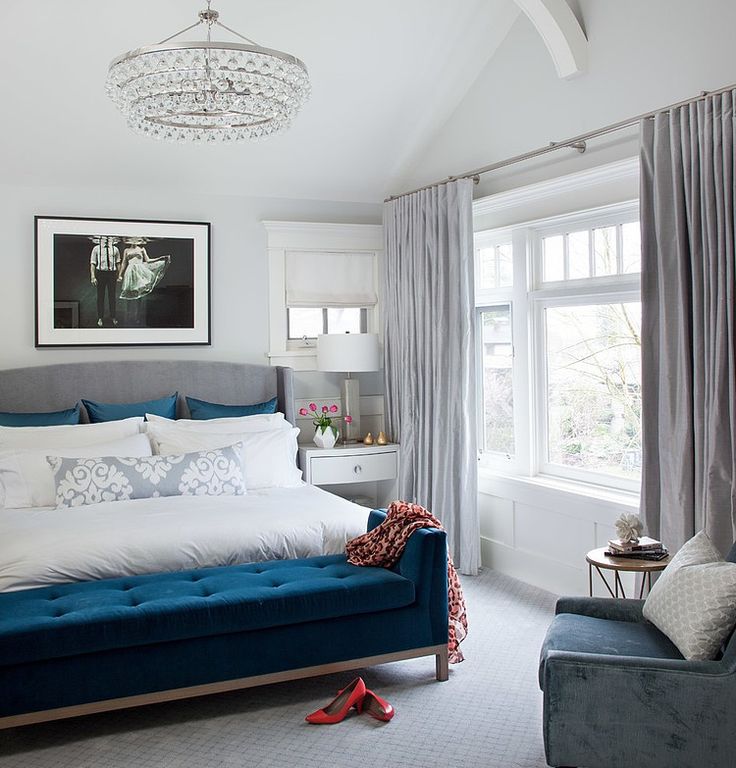
Warm grays often have subtle hints of beige, brown, or even a touch of yellow. These are often called “greiges.” They are incredibly popular because they marry the sophistication of gray with the inviting warmth of beige, creating a color that feels both modern and cozy. If your bedroom has warmer wood tones, natural fibers, or you simply crave a comforting, cocoon-like feel, a warm light gray is an excellent choice. It prevents the room from feeling cold or stark.
Cool Grays (Blue-Gray & Green-Gray): For Crispness and Modernity
Cool grays typically contain hints of blue, green, or violet. These grays can create a very crisp, clean, and modern aesthetic. They often feel more sophisticated and can make a room feel expansive and airy. If your bedroom is south-facing and gets a lot of direct, warm light, a cool gray can help balance that warmth. However, in north-facing rooms or those with limited natural light, cool grays can sometimes feel too chilly or sterile if not carefully selected.
The Elusive “True” Gray: Pure Neutrality
A true gray is one without noticeable warm or cool undertones. It’s like finding a unicorn! These grays are often described as pure or steel gray. While beautiful, they are rare and can be tricky. They rely heavily on the surrounding light and decor to define their character. If your room is perfectly balanced in light and you want a truly neutral backdrop, a true gray can be stunning.
Avoiding the “Blue” Trap: How to Identify Unwanted Undertones
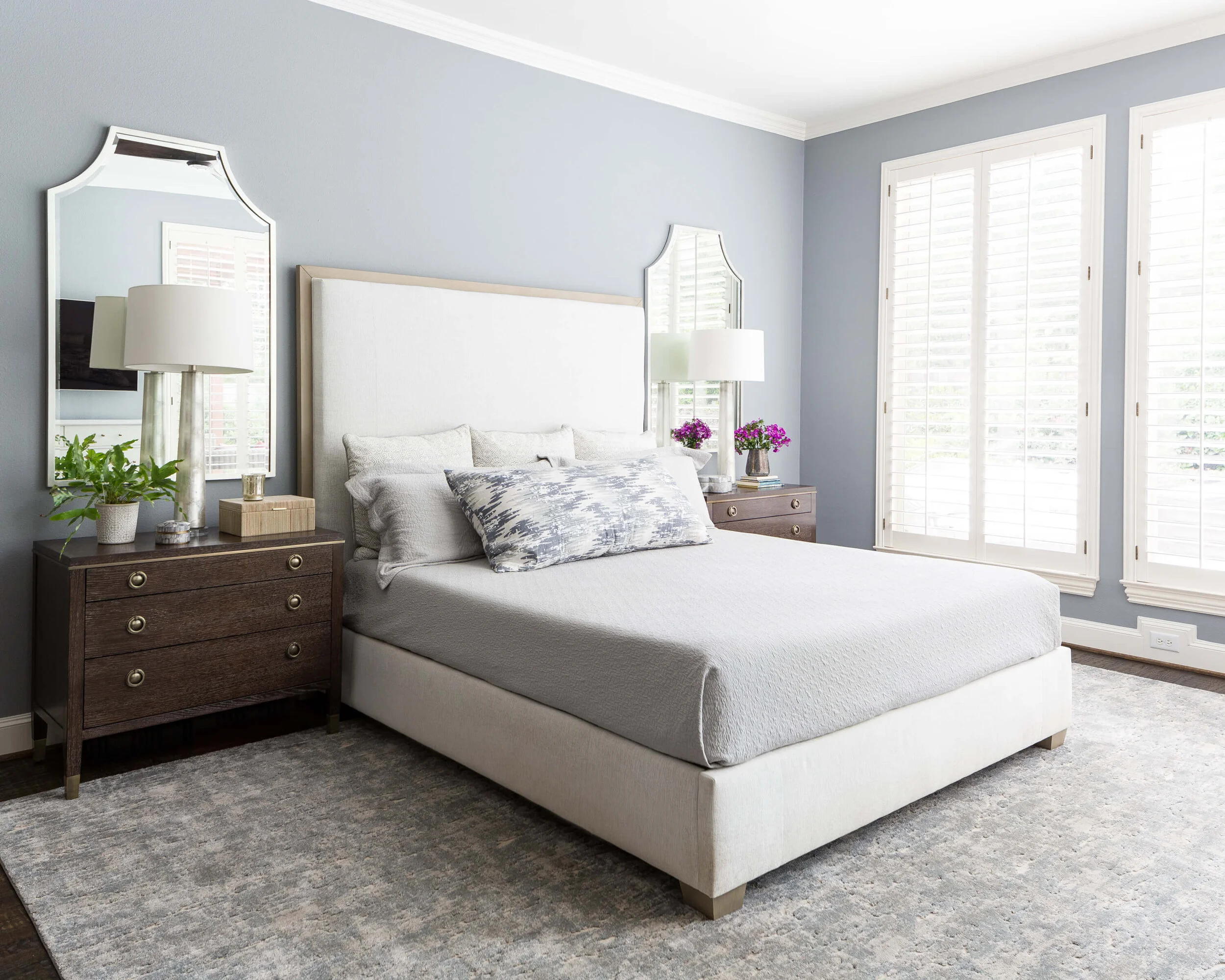
This is the most common complaint: “My gray turned blue!” To avoid this, always look at your paint samples against a pure white background and in various lights. Many grays are formulated with a touch of blue to keep them from looking muddy, and in certain light (especially north-facing rooms), that blue will jump out. If you want to avoid blue, lean towards greiges or grays with green or violet undertones instead. Green undertones tend to make grays feel more organic and earthy, while violet can add a subtle richness.
Light’s Influence: How Your Bedroom’s Exposure Transforms Light Gray
Light is a game-changer. The direction your bedroom windows face, and the type of artificial lighting you use, will dramatically alter how your chosen light gray appears. Don’t underestimate this!
North-Facing Rooms: Embracing the Cool, Adding Warmth
North-facing rooms receive indirect, cooler light throughout the day. This light often emphasizes blue or green undertones in paint colors. If you choose a cool gray here, it can sometimes feel too stark or chilly. For north-facing bedrooms, consider a light gray with noticeable warm (beige or taupe) undertones. This will help to counteract the cool natural light, making the room feel cozier and more inviting. If you prefer a cooler gray, ensure it has a balanced undertone, perhaps a subtle green, to prevent it from feeling too icy.
South-Facing Rooms: Taming the Brightness, Maintaining Balance
South-facing rooms are blessed with abundant, warm, direct light for most of the day. This is where cooler grays can really shine, helping to balance out the intensity of the light and prevent the room from feeling too yellow or overheated. A crisp, cool light gray can provide a refreshing counterpoint to the warm sunlight, creating a bright yet serene atmosphere. Even true grays or those with subtle blue undertones can work beautifully here.
:strip_icc()/AMADesigns_Wallington_byMariahTexidor_006-372b5a1f183940ce83502e677acdb4fd.jpg "12 Light Gray Paint Colors for the Perfect Neutral")
East-Facing Rooms: Morning Glow, Evening Serenity
East-facing rooms get beautiful, warm morning light, which then transitions to cooler, softer light in the afternoon. A light gray that is versatile and adaptable is best here. Grays with balanced undertones – not too warm, not too cool – can adapt well to both the morning warmth and afternoon calm. Greiges work exceptionally well, as they retain their warmth in the cooler afternoon light but don’t feel overwhelming in the morning sun.
West-Facing Rooms: Dynamic Light, Adaptable Grays
West-facing rooms have cooler light in the mornings but are bathed in intense, warm, golden light in the afternoons and evenings. This dynamic shift means your gray paint will look very different throughout the day. Similar to east-facing rooms, a balanced light gray or greige is often ideal. It will absorb some of the afternoon intensity without feeling washed out, and provide a pleasant neutrality in the morning. Avoid overly cool grays if you don’t want your room to feel frigid in the morning before the sun hits.
Artificial Lighting: The Impact of Bulb Temperature (Warm vs. Cool LED)
Don’t forget your light bulbs! The color temperature of your artificial lighting (measured in Kelvin, K) significantly impacts how your paint color appears after dark. Warm white bulbs (2700K-3000K) cast a yellowish glow, which will enhance the warm undertones in your light gray and soften cool ones. Cool white or daylight bulbs (3500K-5000K+) will emphasize blue or green undertones and make warm grays appear cooler. For a bedroom, a soft white or warm white LED is generally recommended for a cozy, relaxing ambiance, typically in the 2700K-3000K range. Always test your paint samples under both natural light and your typical artificial lighting.
Our Curated Picks: Top Light Gray Paints for a Dream Bedroom
Now that you’re armed with knowledge about undertones and lighting, let’s get to the fun part: specific recommendations! These are some of the most beloved and highly recommended light gray paint colors that consistently perform well in bedrooms. Remember, always sample these in your own space!
| Paint Name | Brand | Undertone | LRV | Best For | Key Consideration |
|---|---|---|---|---|---|
| Classic Gray OC-23 | Benjamin Moore | Slightly Warm (greige, hint of green/violet) | 75.76 | Bedrooms needing subtle warmth, natural light | Very light, can read off-white in bright sun |
| Gray Owl OC-52 | Benjamin Moore | Cool (green/blue) | 65.77 | South-facing rooms, crisp modern feel | Can look too cool in north-facing light |
| Revere Pewter HC-172 | Benjamin Moore | Warm (strong beige/brown, greige) | 55.51 | Cozy bedrooms, balances cool light, traditional | Darker than other light grays, can lean beige |
| Repose Gray SW 7015 | Sherwin-Williams | Warm-leaning (greige, subtle violet/brown) | 58 | Versatile for most rooms, modern traditional | Can show subtle violet in certain lighting |
| Light French Gray SW 0055 | Sherwin-Williams | Cool (true gray with slight blue) | 53 | Elegant, sophisticated, strong neutral backdrop | Definitely reads cool, can feel stark in low light |
| Ammonite No. 274 | Farrow & Ball | Slightly Warm (subtle stone/greige) | 61 | Understated luxury, sophisticated backdrop | Performs best with F&B’s primer for depth |
| Seize the Gray | Clare Paint | True Neutral (minimal undertones) | 65 | Modern, minimalist, truly neutral base | Can pick up surrounding colors easily |
Benjamin Moore Classic Gray OC-23: The Delicate Chameleon
This is a truly beautiful, incredibly light gray that often reads as a very soft, sophisticated off-white. It has barely-there warm undertones, often a whisper of green or violet, that prevent it from feeling cold. It’s fantastic for rooms where you want brightness and an airy feel, but still crave that subtle warmth. In very bright light, it can almost disappear, offering just a hint of gray. In dimmer light, its subtle depth emerges. It’s a favorite for bedrooms because it’s so gentle and calming.
Benjamin Moore Gray Owl OC-52: The Balanced & Bright Neutral
Gray Owl is a hugely popular choice for good reason. It’s a light gray with distinct cool undertones, typically reading as green-gray or even a very soft blue-gray, but it’s exceptionally well-balanced. It feels crisp and fresh without being stark. It’s a fantastic option for south-facing bedrooms where you want to counteract strong warm light. It creates a serene and sophisticated atmosphere, making it ideal for a modern or transitional bedroom.
Benjamin Moore Revere Pewter HC-172: The Beloved Greige
Often considered the king of greiges, Revere Pewter is a heavier, more saturated light gray that leans strongly into its warm, beige-brown undertones. While it’s darker than some “light” grays, it brightens considerably on the wall. It’s perfect for creating a cozy, enveloping feel in a bedroom, especially those with cooler natural light (north-facing). It pairs beautifully with rich wood tones and traditional decor, offering a comforting warmth without sacrificing sophistication.
Sherwin-Williams Repose Gray SW 7015: The Modern Versatile
Repose Gray is another iconic greige, falling squarely in the middle of warm and cool, though it often leans slightly warm. It has subtle violet and brown undertones that give it depth and complexity. This versatility makes it incredibly adaptable to various lighting conditions and decor styles. It’s a fantastic choice if you’re looking for a modern neutral that feels both fresh and inviting, providing a sophisticated backdrop for almost any bedroom scheme.
Sherwin-Williams Light French Gray SW 0055: The Elegant Cool
Don’t let the name fool you entirely; Light French Gray is a beautiful, true gray that leans cool, often revealing a hint of blue. It’s a sophisticated and elegant choice for a bedroom, offering a clean and crisp look. It’s a bit darker and more saturated than Gray Owl, providing more depth without being overtly dark. If you love a classic, refined aesthetic and your room can handle a genuinely cool tone (think south-facing or balanced light), this one is a winner.
Farrow & Ball Ammonite No. 274: The Understated Sophisticate
Farrow & Ball is known for its nuanced, sophisticated colors, and Ammonite is no exception. This is a very soft, understated light gray with a subtle stone-like warmth. It’s the kind of gray that provides quiet luxury, creating a wonderfully soothing atmosphere. It’s not overtly warm or cool but possesses an inherent softness that makes it incredibly appealing for a bedroom. It truly shines when paired with natural textures and a minimalist approach, creating an effortlessly chic space.
Clare Paint Seize the Gray: The Pure, Crisp Gray
Clare Paint’s “Seize the Gray” aims for a true, crisp gray without strong discernable undertones, making it an excellent choice for modern and minimalist bedrooms. It’s clean and bright, offering a refreshingly straightforward gray that doesn’t play tricks in varying lights as much as some others. If you’re after a truly neutral foundation that feels sophisticated and fresh, this can be an excellent contender, especially in rooms with plenty of natural light.
Crafting the Full Look: Complementary Elements for Your Light Gray Bedroom
Painting is just the first step! To truly bring your light gray bedroom to life, you need to consider how the walls interact with everything else in the room. This holistic approach ensures a cohesive and inviting space.
Trim & Ceiling: The Essential White Pairings (Crisp, Soft, Off-White)
- Crisp White: For a clean, modern, high-contrast look, pair your light gray with a bright, pure white trim (like Benjamin Moore Chantilly Lace or Sherwin-Williams Extra White). This makes the gray walls pop and defines the architectural details.
- Soft Off-White: To achieve a gentler, more seamless transition, especially with warmer grays or greiges, opt for a soft off-white (like Benjamin Moore White Dove or Sherwin-Williams Alabaster). This creates a harmonious flow and a softer overall aesthetic, which is often preferred in bedrooms.
- Painting the Ceiling: A classic white ceiling brightens the room. However, for a truly immersive and sophisticated look, consider painting the ceiling the same light gray as the walls. This creates a cozy, enveloping feel, especially effective in rooms with lower ceilings or when you want to make a statement.
Flooring: Grounding Your Space (Wood, Carpet, Rugs)
- Hardwood Floors: Light gray walls pair beautifully with both light and dark wood floors. Light woods (like natural oak or maple) maintain an airy, Scandinavian feel. Darker woods (like walnut or espresso) provide a sophisticated contrast and ground the room.
- Carpeting: For ultimate softness and warmth underfoot, consider a neutral carpet. Cream, beige, or even a slightly darker gray carpet can enhance the cozy factor.
- Area Rugs: If you have hardwood floors, an area rug is a must for adding warmth, texture, and defining the sleeping zone. Choose a rug in natural fibers (jute, wool), a geometric pattern, or a soft, solid color that complements your chosen gray.
Furniture: Materials and Finishes That Enhance
- Warm Woods: To prevent a light gray room from feeling cold, incorporate warm wood furniture (oak, cherry, mahogany). The natural warmth of the wood balances the coolness of the gray.
- Painted Pieces: White, off-white, or even a soft black furniture can create striking contrast against light gray walls, depending on your desired aesthetic.
- Metallic Accents: Silver, gold, brass, or matte black metals in hardware, lighting, or decorative pieces add a touch of glamour and sophistication.
Textiles & Linens: Adding Layers of Comfort and Texture
This is where your bedroom truly comes to life! Layering textiles adds depth, warmth, and personality:
- Bedding: Crisp white bedding is a classic choice with light gray walls, offering a clean, hotel-like feel. For more warmth, explore bedding in soft creams, beiges, muted greens, or subtle patterns.
- Curtains: Linen or cotton curtains in white, off-white, or a complementary muted color (like a soft sage or dusty blue) will soften the windows and add elegance.
- Throws & Pillows: Introduce different textures with knit throws, velvet pillows, faux fur, or patterned cushions. This adds visual interest and makes the bed feel incredibly inviting.
Accent Colors: Thoughtful Pops for Personality
While light gray provides a serene backdrop, strategic accent colors can infuse personality and vibrancy:
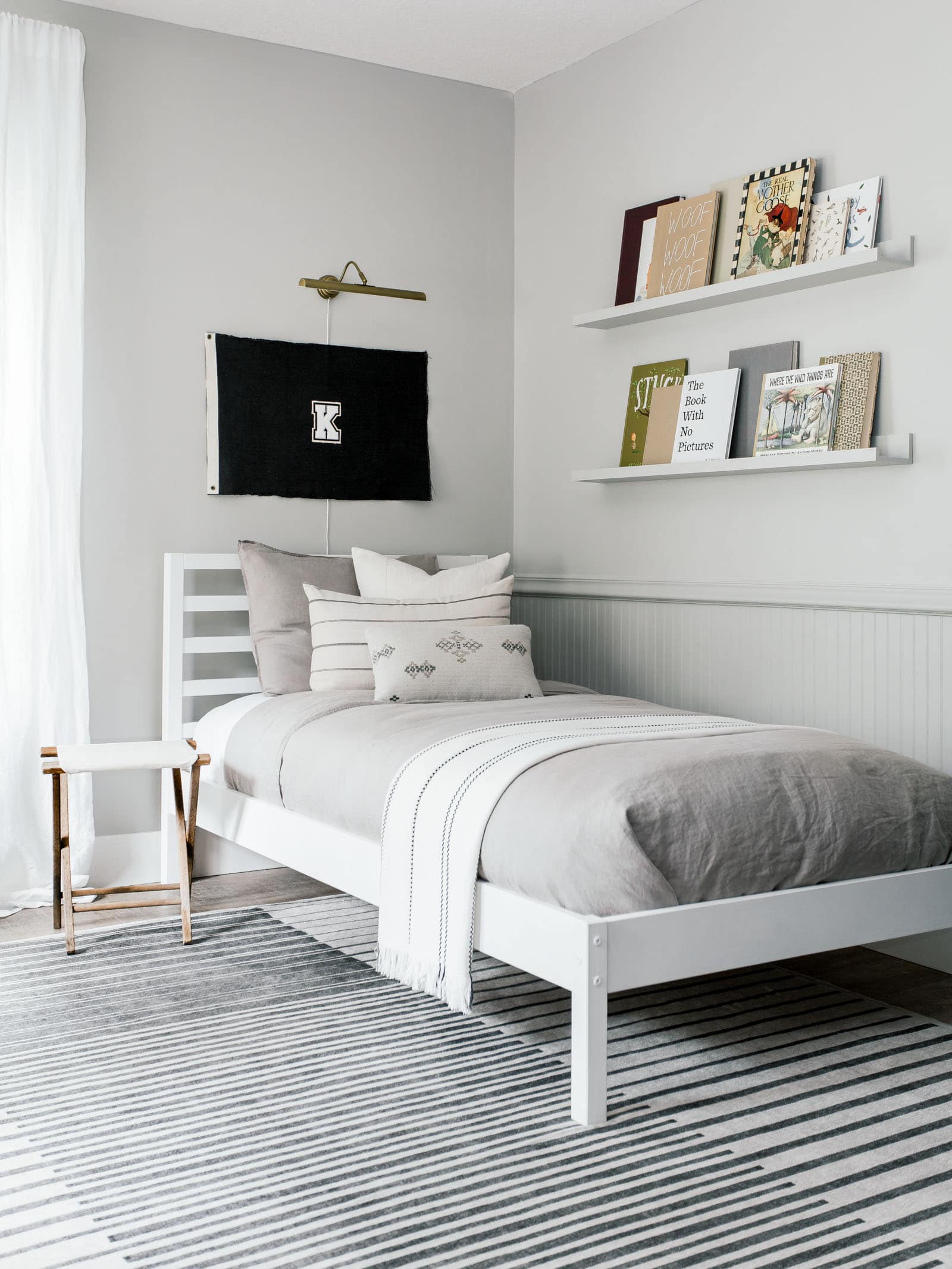
- Soft Blues & Greens: These are natural partners for gray, enhancing the calming effect. Think muted sage, dusty blue, or even a deep teal.
- Earthy Tones: Terracotta, rust, and warm browns can bring an organic, grounding feel to a light gray bedroom, especially those with warmer undertones.
- Blush Pink: For a touch of softness and romance, blush pink accents create a beautiful, delicate contrast.
- Mustard/Gold: A pop of rich mustard yellow or brushed gold can add sophistication and a vibrant focal point.
The Right Sheen: Picking Your Bedroom Paint Finish
The paint finish, or sheen, might seem like a minor detail, but it significantly impacts both the look and durability of your bedroom walls.
Flat/Matte: The Luxurious, Velvety Finish
Flat or matte finishes absorb light, giving walls a rich, velvety appearance. They hide imperfections well and offer a sophisticated, soft look, which is perfect for creating a cozy and serene bedroom. However, they are less durable and harder to clean than higher sheens, making them more suitable for low-traffic areas like bedrooms where scuffs and marks are less likely.
Eggshell: The Popular Durable Soft Sheen
Eggshell is a widely popular choice for bedrooms, striking a perfect balance between appearance and practicality. It has a very subtle, low sheen (like an eggshell, hence the name) that offers a touch more durability and washability than flat paint, while still maintaining a soft, elegant look. It’s forgiving on imperfections and generally easy to maintain, making it an excellent all-around choice.
Satin: A Touch More Lustre, Easy to Maintain
Satin finishes have a slightly higher sheen than eggshell, offering a smooth, pearl-like luster. They are highly durable and very easy to clean, making them ideal for trim, doors, and even walls in high-traffic areas. While some find satin a bit too shiny for bedroom walls, it can work in a very modern, minimalist space or if you prioritize extreme durability. For most bedrooms, eggshell offers a softer aesthetic.
Your Painting Project: Practical Tips for a Flawless Finish
Ready to get started? Here are some essential tips to ensure your light gray bedroom turns out exactly as you envisioned.
The Golden Rule: Always Sample (Large Swatches are Your Friend)
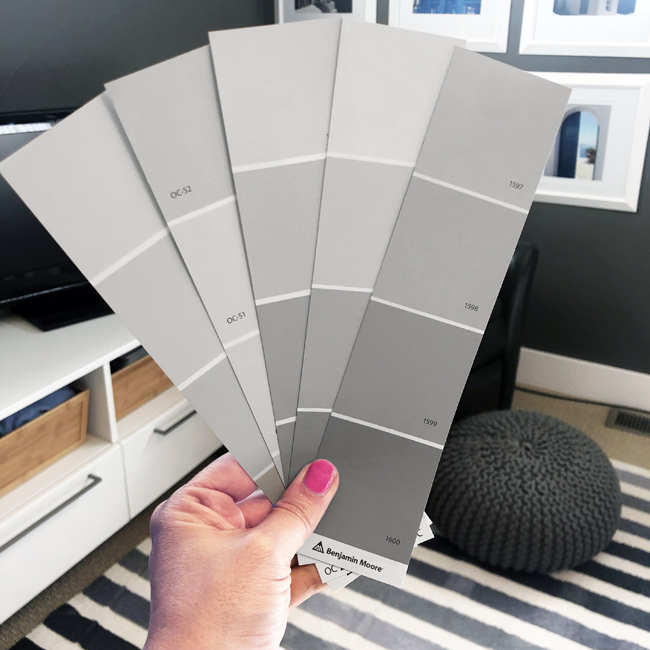
I cannot stress this enough: DO NOT skip sampling. Buy sample pots of your top 2-4 light gray choices. Paint large swatches (at least 2’x2′) on several walls in your bedroom, not just one. Observe them at different times of day – morning, afternoon, evening – and under both natural and artificial light. This is the only way to truly see how the color interacts with your unique lighting and existing decor. What looks perfect on a tiny chip or online can look drastically different on your wall.
Preparation is Paramount: Cleaning, Taping, Priming
A beautiful paint job starts with meticulous preparation:
- Clean Walls: Wash your walls with a sugar soap solution or a mild detergent to remove dirt, grease, and grime. Rinse thoroughly and let dry completely.
- Fill Holes & Sand: Patch any holes or cracks with spackle, sand smooth, and wipe away dust.
- Tape Edges: Use painter’s tape along trim, ceilings, and baseboards for crisp, clean lines.
- Prime: If you’re painting over a dark color, a glossy finish, or bare drywall, a high-quality primer is essential. It ensures even color absorption and true color representation. Tinting your primer to a similar shade as your topcoat can also help reduce the number of coats needed.
Tools of the Trade: Brushes, Rollers, and Beyond
Investing in good quality tools will make your painting project easier and yield better results:
- Brushes: A good quality angled brush for cutting in (painting edges and corners) is a must.
- Rollers: Use a roller with the correct nap length for your wall surface (e.g., shorter nap for smooth walls, longer nap for textured).
- Paint Tray & Liners: Make cleanup a breeze.
- Drop Cloths: Protect your floors and furniture.
- Extension Pole: Save your back and reach high spots easily.
Design Your Serene Retreat: Final Thoughts on Your Light Gray Bedroom
Choosing the perfect light gray for your bedroom is a journey, not a sprint. By understanding undertones, acknowledging the power of light, exploring top-rated colors, and considering complementary design elements, you’re well on your way to creating a space that is not only beautiful but truly nurturing. Take your time, trust your instincts, and most importantly, sample liberally. Your ideal light gray oasis awaits – a calming, sophisticated backdrop for years of peaceful rest and inspired living.
Frequently Asked Questions
What are the benefits of choosing light gray paint for a bedroom?
Light gray paint offers a tranquil and sophisticated backdrop for bedrooms, promoting a sense of calm and restfulness. Its versatility allows it to pair with almost any decor style, from modern to traditional, and it serves as a timeless choice that won’t quickly go out of style. It creates an airy, spacious feel without being stark.
How do I avoid a light gray paint looking ‘blue’ in my bedroom?
To avoid a blue appearance, focus on light grays with warm undertones (greiges, taupe-grays) or those with subtle green or violet undertones. Blue undertones are often emphasized in cool, indirect light (like north-facing rooms). Always sample large swatches on your walls and observe them throughout the day under both natural and artificial light.
Does the direction of my bedroom window affect which light gray paint I should choose?
Absolutely. North-facing rooms have cool, indirect light, so warmer grays or greiges work best to add coziness. South-facing rooms get bright, warm light, making cooler grays ideal for balancing the intensity. East-facing rooms get warm morning light, while west-facing rooms get intense afternoon light, both benefitting from balanced or adaptable grays that can handle shifting light conditions.
What’s the best paint finish for a bedroom?
For bedrooms, an eggshell finish is generally recommended. It offers a soft, low sheen that is more durable and washable than flat/matte paint, while still providing an elegant look. Flat or matte finishes are also great for a luxurious, velvety feel but are less durable, best suited for very low-traffic areas.
What are some popular light gray paint colors often recommended for bedrooms?
Some highly recommended light gray paints for bedrooms include Benjamin Moore Classic Gray OC-23 (delicate, warm-leaning), Benjamin Moore Gray Owl OC-52 (balanced cool), Benjamin Moore Revere Pewter HC-172 (classic greige), Sherwin-Williams Repose Gray SW 7015 (versatile greige), and Sherwin-Williams Light French Gray SW 0055 (elegant cool). Always sample these in your own space.
How can I complement light gray walls in my bedroom decor?
Light gray walls pair well with crisp or soft white trim. For furniture, warm woods, white-painted pieces, or metallic accents (silver, gold, brass) work beautifully. Introduce warmth and texture with bedding in soft creams, muted blues/greens, or natural fibers. Thoughtful pops of color like blush pink, sage green, or mustard yellow can add personality and depth.
Is an LRV (Light Reflectance Value) important when choosing a light gray for a bedroom?
Yes, LRV indicates how much light a color reflects. For a light gray bedroom, an LRV typically above 50-60 is considered ideal for maintaining brightness and an airy feel. Higher LRV means more light reflection, making the room feel larger and brighter, while lower LRV offers more depth and coziness. Consider your room’s natural light and desired ambiance when looking at LRV.