Light Blue Color for Walls: Your Definitive Guide to a Serene Home
You’re dreaming of light blue walls, a color that promises tranquility and open skies. But then you start scrolling, and suddenly you’re drowning in a sea of “sky blues,” “baby blues,” “robin’s egg blues,” and more. The sheer number of options can feel overwhelming, right? You’re not alone. Choosing the right light blue isn’t just about picking a pretty shade; it’s about understanding its undertones, how it dances with natural light, and what mood it truly creates in your space.
I’m here to cut through the confusion and help you confidently select a light blue for your walls that feels uniquely *you*. This guide will walk you through everything, from the psychology of this beloved hue to practical tips for sampling and pairing, ensuring your home transforms into the serene oasis you envision.
Why Light Blue is the Ultimate Wall Color Choice
Light blue isn’t just a trend; it’s a timeless classic for a reason. Its inherent qualities make it incredibly versatile and universally appealing, capable of transforming any room.
The Psychology of Blue: Calm, Clarity, and Expansiveness
Think about the sky on a clear day or the tranquil expanse of the ocean. Light blue evokes similar feelings of calm, peace, and serenity. It’s often associated with stability, intelligence, and cleanliness. When used on walls, it can:
- Reduce Stress: The soft, cool tones have a naturally soothing effect, making it ideal for bedrooms and relaxation zones.
- Promote Clarity: Its crispness can foster a sense of focus and organization, beneficial for home offices or study nooks.
- Inspire Openness: Light blue can make a room feel more expansive and airy, almost as if the walls recede.
Versatility Across Design Styles
Whether your home leans modern farmhouse, coastal chic, traditional, or minimalist, there’s a light blue to fit. It acts as a fantastic backdrop, allowing your furniture and decor to shine. It pairs beautifully with natural wood tones, crisp whites, and even bolder accent colors, adapting to your aesthetic without overpowering it.
Making Spaces Feel Larger and Brighter
This is where light blue truly excels. Its reflective nature, especially lighter shades, can bounce light around a room, effectively brightening even those spaces with limited natural illumination. By extending the perception of space, a small room can feel less confined and more open, an invaluable quality in many homes.
Navigating the Nuances: Understanding Light Blue Undertones
Here’s the secret sauce: undertones. No light blue is just “blue.” Every shade has a subtle hint of another color mixed in, which drastically changes how it appears on your wall. This is where many people get tripped up, and it’s also where you can truly elevate your design.
Warm Light Blues (Green/Yellow Undertones)
If you’re looking for a light blue that feels cozy rather than chilly, opt for shades with green or yellow undertones. These are often described as:
- Aqua: Think tropical waters – a clear blue with a strong green influence.
- Turquoise: A more vibrant blue-green, still leaning heavily on the warm side.
- Sky Blue (with yellow lean): Some classic sky blues can have a touch of yellow that keeps them from feeling too cool.
These warm blues bring a lively, inviting energy. They prevent a room from feeling sterile and can be particularly beautiful in spaces that receive northern light, which tends to be cooler.
Cool Light Blues (Grey/Purple Undertones)
For a crisp, calming, and more sophisticated feel, reach for light blues with grey or purple undertones. These shades feel more grounded and less saccharine:
- Dusty Blue: A muted, often elegant blue with a noticeable grey cast.
- Periwinkle: A soft blue with a touch of lavender or purple, creating a whimsical, dreamy feel.
- Icy Blue: A very pale blue with strong grey or even silver undertones, giving a crisp, airy impression.
These cool blues enhance relaxation and minimalism. They are perfect for rooms that get abundant southern or western light, as they can balance out the warmer natural glow.
The Role of Natural Light: How it Changes Everything
Your light blue paint won’t look the same at 9 AM as it does at 3 PM, or if your window faces north versus south. Natural light is the most important factor in how a color will be perceived.
- North-Facing Rooms: Receive cool, indirect light. A warm light blue (with green or yellow undertones) can prevent the room from feeling too cold.
- South-Facing Rooms: Bathed in warm, bright light throughout the day. Cool light blues (with grey or purple undertones) can beautifully balance this warmth, preventing the room from feeling overly yellow.
- East-Facing Rooms: Get bright, warm morning light, then cooler light in the afternoon. Almost any light blue can work, but consider a slightly more saturated one to hold its color through the day.
- West-Facing Rooms: Enjoy warm, intense afternoon and evening light. Cool blues will feel refreshing against the late-day glow, while warmer blues will amplify the sunset tones.
Here’s a quick guide to help you choose:
| Light Blue Type | Key Characteristics | Ideal Natural Light | Effect in Room |
|---|---|---|---|
| Warm Light Blue (Green/Yellow Undertone) | Inviting, soft, airy, hints of a sunny sky or calm sea. | North-facing, rooms needing warmth; diffused light. | Cozy, comforting, prevents chill, brightens subtly. |
| Cool Light Blue (Grey/Purple Undertone) | Crisp, serene, sophisticated, feels expansive and fresh. | South-facing, west-facing; bright, direct light. | Calming, balances warmth, elegant, minimalist. |
| Neutral Light Blue (Balanced Undertones) | Clean, true blue, adaptable, less dramatic shift. | East-facing rooms, or flexible for any exposure. | Consistently fresh, versatile, harmonious. |
The Best Light Blue Shades for Every Room in Your Home
Light blue isn’t a one-size-fits-all color, but its adaptability means there’s a perfect shade for virtually any space. Let’s break down where different light blues truly shine.
Bedrooms: Creating a Tranquil Retreat
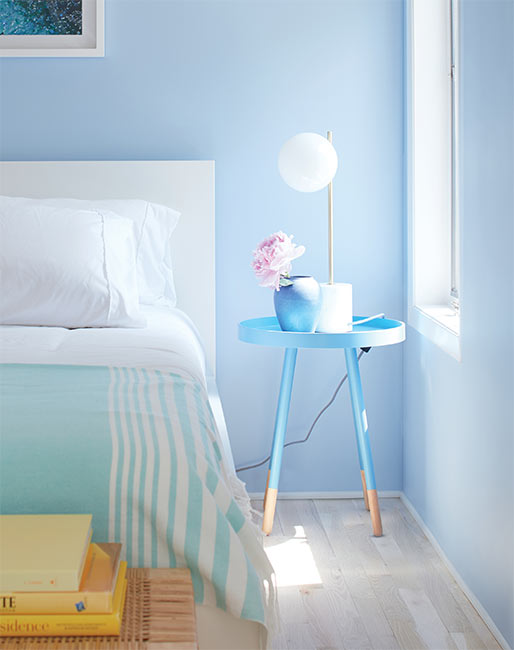
For a bedroom, you want a color that promotes rest and relaxation. A soft, muted light blue with grey undertones works beautifully, reminiscent of a quiet dawn sky. Think of colors like a dusty cerulean or a very pale French blue. These shades can pair well with natural wood furniture, soft white linens, and metallic accents for an elegant, understated feel. Avoid anything too vibrant, as it might hinder sleep.
Bathrooms: Spa-like Serenity
Transform your bathroom into a personal spa with a crisp, clean light blue. Aqua or a light blue with subtle green undertones can evoke feelings of clear water and refreshing breezes. Paired with white tiles, chrome fixtures, and natural textures like bamboo or sea sponges, these blues create a bright, sanitary, and invigorating space. Consider a shade with a slight hint of grey to keep it sophisticated.
:max_bytes(150000):strip_icc()/colors-match-light-blue-4802082-hero-ddcf2c8fa8394e15ab46ff8963213b2e.jpg "30 Light Blue Paint Colors")
Living Rooms: Inviting and Airy
In a living room, light blue can foster an inviting, airy atmosphere. A versatile sky blue with balanced undertones or a pale blue-grey offers a sophisticated backdrop. It allows you to introduce warmer elements like wooden furniture, plush rugs in cream or tan, and vibrant artwork without clashing. It’s the perfect canvas for layering different textures and colors, making the space feel both open and grounded.
Kitchens: Fresh and Clean
For kitchens, light blue brings a sense of freshness and cleanliness. A clear, slightly vibrant light blue (think a soft robin’s egg or a very light cornflower) can make the heart of your home feel cheerful and bright. It works wonderfully with white cabinetry, stainless steel appliances, and butcher block countertops. Avoid overly dark or moody blues here; the goal is light and appetizing.
Nurseries & Children’s Rooms: Gentle Growth
Light blue is a classic for nurseries, and for good reason. A soft, powdery blue creates a calm, gentle environment conducive to sleep and play. Paired with soft whites, pastel yellows, or even muted greens, it fosters a sense of peace. As children grow, these gentle blues remain versatile, easily adapting to different themes and decor as their interests evolve.
Home Offices: Focus and Calm
In a home office, light blue can enhance focus and reduce mental fatigue. A muted, slightly greyed light blue promotes concentration without feeling heavy or distracting. It pairs well with functional furniture in dark wood or white, and touches of greenery. This color helps maintain a clear head and a productive mindset, especially during long work hours.
Perfect Pairings: What Colors Go Best with Light Blue Walls?
The beauty of light blue is its incredible ability to harmonize with a wide range of colors. The right pairings can elevate your design, adding depth, warmth, or a pop of unexpected interest.
Classic Neutrals: White, Cream, and Greige
These are your go-to companions for light blue. Crisp white trim creates a clean, classic contrast, enhancing the blue’s freshness. Cream or off-white introduces a softer warmth, ideal for a more traditional or cozy aesthetic. Greige (a mix of grey and beige) offers a sophisticated, grounding neutral that complements both warm and cool light blues beautifully, adding depth without heaviness.
Earthy Tones: Wood, Tan, and Terracotta
To bring the outdoors in and create a grounded, natural feel, combine light blue with earthy tones. Warm wood finishes (oak, walnut, rattan) provide a natural counterpoint, while sandy tans or linen textures evoke a tranquil beach house vibe. A touch of terracotta or burnt orange in pottery or textiles can add a rustic, artisanal warmth that beautifully contrasts the cool blue.
:strip_icc()/Glidden_OceanCruise_RGB-d29324a196c7437dad276894a529965d.jpg "29 Best Blue Paint Colors for Perfectly-Hued Walls")
Complementary Colors: Coral, Peach, and Soft Yellow
For a lively, cheerful, yet still harmonious scheme, look to colors opposite blue on the color wheel. Soft coral or gentle peach accents can bring a playful, inviting energy to a light blue room, perfect for living spaces or children’s rooms. A pale, buttery yellow can add a sunny disposition, making the space feel brighter and more joyful without being overwhelming.
Contrasting Accents: Deep Navy, Emerald Green, and Gold
Don’t be afraid to go bold with accents! Deep navy blue in throw pillows, rugs, or a single piece of furniture can add gravitas and sophistication. Rich emerald green offers a jewel-toned pop that feels luxurious and organic. And for a touch of glamour, gold or brass accents (in light fixtures, hardware, or decorative objects) provide a warm, reflective sparkle that stands out beautifully against light blue.
| Accent Color Category | Specific Colors | Mood/Style Created | Best Used For |
|---|---|---|---|
| Classic Neutrals | Crisp White, Cream, Greige, Light Grey | Clean, timeless, sophisticated, expansive | Trim, ceilings, large furniture, bedding, large rugs |
| Earthy Tones | Natural Wood, Tan, Beige, Linen, Terracotta | Organic, grounded, natural, warm, coastal | Furniture, flooring, textiles, pottery, decor accents |
| Soft & Subtle Complements | Pale Coral, Dusty Rose, Soft Peach, Butter Yellow | Cheerful, inviting, gentle, playful, harmonious | Throw pillows, small artwork, accent chairs, floral arrangements |
| Bold Contrasts & Metallics | Deep Navy, Emerald Green, Mustard Yellow, Gold, Brass | Dramatic, luxurious, sophisticated, energetic | Accent walls, statement furniture, lighting, decorative objects, art |
The Impact of Paint Finish: Sheen Matters
Beyond color, the paint finish you choose will profoundly affect how your light blue walls look and perform. Each sheen level has its own characteristics, influencing everything from perceived depth to durability.
Matte/Flat: Soft, Velvety, and Hides Imperfections
A matte or flat finish absorbs light, giving your light blue walls a soft, sophisticated, and velvety appearance. This finish is excellent for hiding minor wall imperfections, making it a popular choice for bedrooms and formal living areas where minimal traffic is expected. However, it’s less durable and harder to clean, so it’s not ideal for high-traffic zones or moisture-prone areas.
Eggshell/Satin: Durable, Subtle Sheen, Easy to Clean
Eggshell (very subtle sheen) and satin (slightly more noticeable sheen) finishes are workhorses. They offer a gentle, pearl-like glow that reflects a bit of light, adding a touch of elegance. Crucially, they are far more durable and washable than flat paints, making them perfect for busy living rooms, dining rooms, hallways, and even bathrooms and kitchens. These are often the most recommended finishes for general wall application.
Semi-Gloss/High-Gloss: Reflective, Dramatic, and Best for Trim
Semi-gloss and high-gloss finishes are highly reflective, creating a mirror-like surface. While not typically used for entire walls in light blue (it can be too intense and highlight every imperfection), they are superb for trim, doors, cabinets, and accent furniture. A crisp white semi-gloss trim against light blue walls provides a beautiful, clean contrast and is highly durable and easy to clean.
Choosing Your Perfect Light Blue: Expert Tips & Tricks
Ready to narrow down your options? Follow these expert tips to ensure you make the right choice.

Sample, Sample, Sample! (Peel & Stick vs. Paint Swatches)
This is non-negotiable. Do not skip sampling! Paint chips are small and can be deceptive. Invest in peel-and-stick samples (like Samplize offers) or actual small cans of paint to brush onto poster board. Apply these samples to different walls in your room.
Observe Throughout the Day (Different Lighting)
Live with your samples for a few days. Observe them in morning light, afternoon light, and evening light, as well as under artificial lights. Pay attention to how the undertones shift. Does a warm blue suddenly look too green at night? Does a cool blue feel sterile in midday sun? This step is critical.
Consider Existing Elements (Flooring, Furniture, Art)
Your walls don’t exist in a vacuum. Hold your paint samples up against your flooring, existing furniture, rugs, and artwork. Ensure the light blue harmonizes with these fixed elements. If you’re planning new furniture, gather swatches of fabric or wood samples to bring into the room.
Don’t Forget the Ceiling (White vs. Toned Ceiling)
The ceiling is your fifth wall! While a crisp white ceiling is a safe and classic choice that enhances the light blue’s freshness, consider painting the ceiling a lighter shade of your wall color or a soft, tonal white for a more enveloped, sophisticated feel. This can make the room feel taller and more cohesive.
Think About Flow Between Rooms
If your home has an open-concept layout or rooms that flow into one another, consider how your light blue will interact with the colors in adjacent spaces. You don’t need perfect matches, but aim for a cohesive palette that feels intentional as you move from room to room.
Common Mistakes to Avoid When Painting with Light Blue
Even with the best intentions, it’s easy to make a misstep. Here are some common pitfalls to watch out for:
Ignoring Undertones
The biggest mistake! Choosing a light blue based solely on a small swatch without considering its underlying green, grey, or purple tones can lead to a color that feels ‘off’ or doesn’t match your desired mood. Always evaluate undertones in your specific lighting conditions.
:max_bytes(150000):strip_icc()/0Y7A5605-b3a8a4ee1d7149b2998a7d61d64fd0e6.jpg "30 Light Blue Paint Colors")
Forgetting Trim Color
Your trim (baseboards, crown molding, door frames, window casings) plays a huge role. Painting light blue walls with yellowed white trim can make the walls look dingy. Ensure your trim color is a clean, complementary white (or another intentional contrasting color) that works with your chosen blue’s undertones.
Underestimating the Room’s Light
As discussed, light is paramount. A light blue that looks gorgeous in a magazine photo (likely professionally lit) might look entirely different in your north-facing living room. Always test in your own space, under all lighting conditions.
Not Testing Enough Samples
Don’t be shy! Narrow down to your top 3-5 shades and get generous samples. Paint large swatches or move your poster boards around. The small paint chip will almost certainly look darker and more saturated on your wall than you expect, so seeing it in a larger format is crucial.
Conclusion: Embrace Your Light Blue Oasis
Choosing a light blue for your walls is an investment in your home’s atmosphere. With its inherent ability to soothe, brighten, and expand, it’s a color that consistently delivers. By understanding undertones, appreciating the role of natural light, and carefully considering your pairings and finishes, you can move beyond simply choosing a color to crafting a truly harmonious and serene environment.
Take your time, trust your instincts (after doing your homework!), and prepare to fall in love with the calm, inviting beauty of your new light blue walls. Your personal oasis awaits.
Frequently Asked Questions
What kind of mood does light blue create in a room?
Light blue typically creates a calm, serene, and relaxing mood. It’s often associated with peace, tranquility, and clarity, making spaces feel more expansive and airy.
How do I choose between a warm or cool light blue?
Warm light blues have green or yellow undertones and feel cozier, ideal for north-facing rooms with cool light. Cool light blues have grey or purple undertones, creating a crisp, sophisticated feel, best for balancing warm, bright light in south or west-facing rooms.
What colors pair best with light blue walls?
Light blue pairs beautifully with classic neutrals like crisp white, cream, and greige. Earthy tones such as natural wood, tan, and terracotta add warmth. For gentle complements, consider soft coral or pale yellow. Bold accents like deep navy, emerald green, or gold can add sophistication and contrast.
Does light blue make a room look bigger?
Yes, lighter shades of blue, especially those with cooler or more muted undertones, are known to reflect light and create a sense of depth and spaciousness. This makes them an excellent choice for smaller rooms or spaces with limited natural light.
What paint finish is best for light blue walls?
For walls, eggshell or satin finishes are generally recommended. They offer a subtle sheen, are durable, and easy to clean. Matte or flat finishes provide a soft, velvety look but are less durable, while semi-gloss or high-gloss are typically reserved for trim and doors due to their high reflectivity and durability.
How important is natural light when choosing a light blue paint color?
Natural light is extremely important as it significantly alters how a light blue appears throughout the day. North-facing rooms require warmer blues, while south-facing rooms can benefit from cooler blues. Always test large samples on different walls and observe them under various lighting conditions.