Unlocking the Power of Green: Your Ultimate Guide to Green Paint Colors for Walls
Ever walked into a room and felt an instant sense of calm, renewal, or vibrant energy? Chances are, green paint played a starring role. Green isn’t just a color; it’s an experience, a direct connection to the tranquility of nature, right within your home. But let’s be honest: standing in front of dozens of green swatches can feel less like an adventure and more like an overwhelming task. Sage, olive, emerald, mint – where do you even begin?
You’re not alone. Choosing the perfect green for your walls can be tricky, especially when you factor in lighting, undertones, and how it plays with your existing decor. But don’t worry, I’m here to demystify the process. This isn’t just a list of popular greens; it’s your definitive guide to understanding, selecting, and falling in love with the green paint that transforms your space.
Why Green? The Enduring Appeal of Nature’s Hue
Before we dive into specific shades, let’s appreciate why green has such an enduring appeal in interior design. It’s more than just a trend; it’s deeply rooted in our psychology.
- Psychological Comfort: Green is often associated with nature, growth, harmony, and renewal. It’s known to evoke feelings of peace, balance, and reduce stress – making it an ideal choice for creating a soothing environment.
- Versatility Unleashed: From the brightest lime to the deepest forest, green encompasses an incredible spectrum of shades. This versatility means there’s a green for every style, every mood, and every room – from traditional and rustic to modern and minimalist.
- Connection to the Outdoors: In an increasingly digital world, green brings a touch of the natural world indoors, fostering a sense of connection and grounding.
Decoding Green Undertones: The Secret to Perfect Wall Colors
This is where many people get tripped up. You pick a gorgeous green from a tiny swatch, put it on your wall, and suddenly it looks completely different. Why? Undertones.
Every color has subtle underlying hues that become more apparent in certain lighting or when placed next to other colors. For green, these undertones are usually blue, yellow, or gray, and they dramatically influence the overall feel and temperature of the shade. Understanding them is key to choosing a green you’ll truly love.

Green with Blue Undertones: Cool, Serene, and Sophisticated
Greens with blue undertones lean towards the cooler side of the spectrum. Think of colors like seafoam, cool mint, emerald, or certain sages. These greens often feel crisp, refreshing, and incredibly serene. They can evoke the calming presence of the ocean or a quiet forest after rain.
- Vibe: Tranquil, sophisticated, refreshing, crisp.
- Best For: Bedrooms, bathrooms, spa-like spaces, offices where focus is desired.
- Pairs Well With: Cool grays, crisp whites, navy blues, natural wood tones, silver or chrome accents.
Green with Yellow Undertones: Warm, Inviting, and Earthy
On the flip side, greens with yellow undertones are warm and inviting. Imagine olive green, moss green, chartreuse, or earthy khaki greens. These shades bring a sun-kissed, organic feel to a room, reminiscent of lush meadows or vibrant spring foliage. They often feel more traditional or rustic but can be stunning in modern contexts too.
- Vibe: Cozy, inviting, natural, earthy, vibrant.
- Best For: Living rooms, dining rooms, kitchens, areas where warmth and hospitality are desired.
- Pairs Well With: Creamy whites, warm beiges, terracotta, deep reds, gold or brass accents, rich wood furniture.
Green with Gray Undertones: Muted, Modern, and Timeless
The “new neutral,” greens with gray undertones are incredibly popular for their sophisticated, understated elegance. Think of colors like a softened sage, muted olive, or a sophisticated deep forest green that leans almost charcoal. These greens are often desaturated, making them feel incredibly versatile and timeless. They provide color without overwhelming the space.
- Vibe: Modern, subtle, sophisticated, calming, versatile.
- Best For: Contemporary homes, minimalist spaces, offices, bedrooms, and almost any room where you want a calming backdrop that isn’t white or gray.
- Pairs Well With: Pure whites, light to dark grays, natural textures, black accents, blush pinks, and metallics of all kinds.
Finding Your Shade: Popular Green Paint Colors & Their Vibe
While undertones are crucial, it’s also helpful to think about the general depth and saturation of green you’re drawn to. Let’s break down some common categories.
Light & Airy Greens: Creating Spacious Serenity
These are the greens that feel like a breath of fresh air. Think mint, pale sage, pistachio, or a very light seafoam. They reflect light beautifully, making rooms feel larger, brighter, and more open. Ideal for smaller spaces or rooms lacking natural light.

Mid-Tone & Versatile Greens: Balanced Beauty
This category includes a vast array of popular greens – from a classic forest green to a warm moss, or a balanced sage that isn’t too light or too dark. These shades offer a great balance of color and comfort, making them incredibly versatile for many different rooms and design styles. They provide noticeable color without feeling overwhelming.
Deep & Dramatic Greens: Luxurious Sophistication
For those looking to make a statement, deep greens like emerald, hunter green, or rich teal-greens are absolute showstoppers. They create an intimate, luxurious, and sophisticated atmosphere. Perfect for accent walls, formal dining rooms, cozy dens, or bedrooms where you want to evoke a sense of drama and comfort.
| Green Shade Category | Example Mood/Vibe | Ideal Room Types | Common Undertones |
|---|---|---|---|
| Light & Airy Greens (e.g., Mint, Pale Sage, Pistachio) |
Fresh, open, serene, uplifting, spacious | Small rooms, bathrooms, nurseries, kitchens (for a bright feel), hallways | Blue, Yellow (subtle), Gray |
| Mid-Tone & Versatile Greens (e.g., Classic Sage, Moss, Forest Green, Olive) |
Balanced, comforting, natural, grounded, sophisticated | Living rooms, dining rooms, larger bedrooms, home offices, entryways | Yellow, Gray, Blue |
| Deep & Dramatic Greens (e.g., Emerald, Hunter Green, Deep Teal, Dark Olive) |
Luxurious, intimate, dramatic, sophisticated, cozy | Accent walls, formal dining rooms, dens, master bedrooms, libraries, powder rooms | Blue, Gray, Yellow (rich, earthy tones) |
Room by Room: The Best Green Paint Colors for Every Space
Different rooms have different needs and atmospheres. Let’s explore how green can enhance each space.
Living Rooms: Warm Welcomes & Relaxed Gatherings
For the heart of your home, green can create a wonderfully inviting and relaxed atmosphere. Consider warm olives or deeper forest greens for a rich, enveloping feel, especially if you have ample natural light. A more muted, mid-tone sage with gray undertones provides a sophisticated backdrop that pairs beautifully with both traditional and modern decor, encouraging conversation and comfort.
Bedrooms: Sanctuary & Serenity
Your bedroom should be a haven of rest. Here, soft, muted greens are your best friends. Think of a pale sage with subtle blue or gray undertones, a gentle seafoam, or a soothing mint. These shades promote tranquility and create a calming environment conducive to sleep and relaxation. Avoid overly vibrant or dark greens unless you’re aiming for a very specific, moody effect.
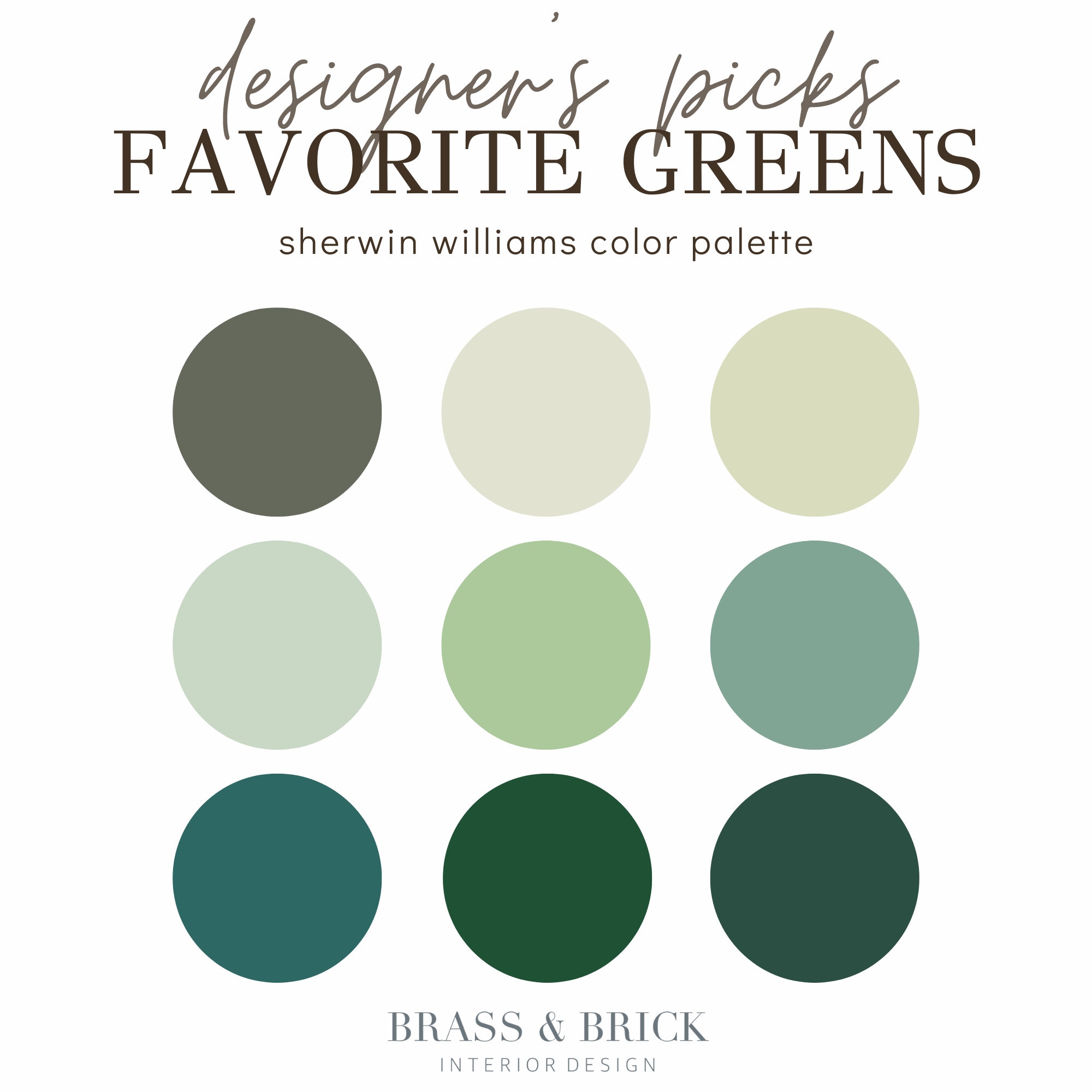
Kitchens: Fresh & Functional
Green can bring a fresh, organic feel to the kitchen. Herb greens (think a brighter sage or a soft, earthy green) can make a kitchen feel vibrant and clean. For a more classic or farmhouse look, consider deeper, richer greens for lower cabinets or an accent wall, paired with creamy whites or natural wood. A light mint can give a retro or cottage charm.
Bathrooms: Spa-like Retreats
Transform your bathroom into a personal spa with the right green. Cool greens with blue undertones like seafoam, aqua-green, or a very light, crisp mint are ideal. They evoke cleanliness and serenity. Even a deeper emerald or hunter green in a powder room can create a luxurious, jewel-box effect, especially when paired with metallic fixtures.
Home Offices & Studies: Focus & Creativity
For a space dedicated to work, green can enhance focus and reduce eye strain. Sophisticated gray-greens or deeper, more saturated greens (like a rich forest green) can create an environment that feels grounded, serious, and inspiring. They provide a backdrop that allows the mind to concentrate without feeling sterile.
Dining Rooms: Elegance & Warmth
Dining rooms benefit from colors that encourage gathering and conversation. A deep emerald or a rich teal-green can create a dramatic, elegant, and intimate setting, perfect for dinner parties. If you prefer something lighter, a warm olive can feel inviting and classic, especially when complemented by rich wood furniture.
Pairing Green: What Colors and Materials Work Best?
No paint color exists in a vacuum. The magic truly happens when you consider how your green walls interact with other elements in your room. Here’s a quick guide to smart pairings:
:strip_icc()/CascadeGreenSW0066-ed4358cc979745babb35ab6a654dfb5b.jpg "The Top Green Paint Colors Designers Swear By")
- Neutrals (White, Cream, Gray, Beige): These are your safest and most versatile companions.
- Crisp Whites & Cool Grays: Pair beautifully with cool greens (blue/gray undertones) for a fresh, modern look.
- Creamy Whites & Warm Beiges: Harmonize with warm greens (yellow undertones) to create a cozy, earthy, and inviting atmosphere.
- Natural Materials: Green naturally thrives alongside wood, rattan, wicker, stone, and linen. These elements reinforce the connection to nature and add texture and depth.
- Metals:
- Warm Metals (Brass, Gold, Copper): Enhance the richness of warm greens and add a touch of glamour.
- Cool Metals (Silver, Chrome, Black Iron): Complement cool greens for a modern, refined aesthetic.
- Accent Colors: Don’t be afraid to introduce pops of complementary colors!n
- Pinks & Corals: Especially stunning with deep or muted greens for a vibrant yet balanced contrast.
- Blues: Create a soothing, analogous palette, particularly with greens that have blue undertones.
- Yellows & Oranges: Bring energy and warmth, particularly with earthy or forest greens.
- Terracotta & Rust: Ideal for creating a warm, Mediterranean, or bohemian vibe with olive and moss greens.
Practical Tips for Choosing and Applying Your Green Paint
Even with all this knowledge, the actual process of selecting and painting requires a few smart moves.
The Power of Light: Natural vs. Artificial
This is critical. Natural light changes throughout the day, and artificial light sources (warm yellow incandescent, cool blue LED, neutral white LED) will drastically alter how your green paint appears. A green that looks perfect in morning light might feel dull in the evening under lamps, or too bright under overhead LEDs.
Don’t Skip the Samples!
Seriously, this is non-negotiable. Buy several sample pots of your favorite green contenders. Paint large swatches (at least 2’x2′) on different walls in the room you’re planning to paint. Observe them at different times of day – morning, noon, evening, and under your room’s artificial lighting. This is the only way to truly see how the color behaves in your specific space.
Consider Your Paint Finish (Sheen)
The finish, or sheen, of your paint also impacts its appearance and durability:
- Matte/Flat: Absorbs light, creating a rich, sophisticated, and soft look. Great for hiding imperfections but less durable.
- Eggshell/Satin: Most popular for walls. Offers a subtle sheen, good durability, and easy cleaning. Balances matte’s softness with a hint of reflectivity.
- Semi-Gloss/High-Gloss: Highly reflective, very durable, and easy to clean. Best for trim, doors, or accent pieces, as high sheen on walls can highlight imperfections.
Generally, a matte or eggshell finish is preferred for main walls with green to allow the color’s depth to shine without excessive glare.
Harmonizing with Existing Decor
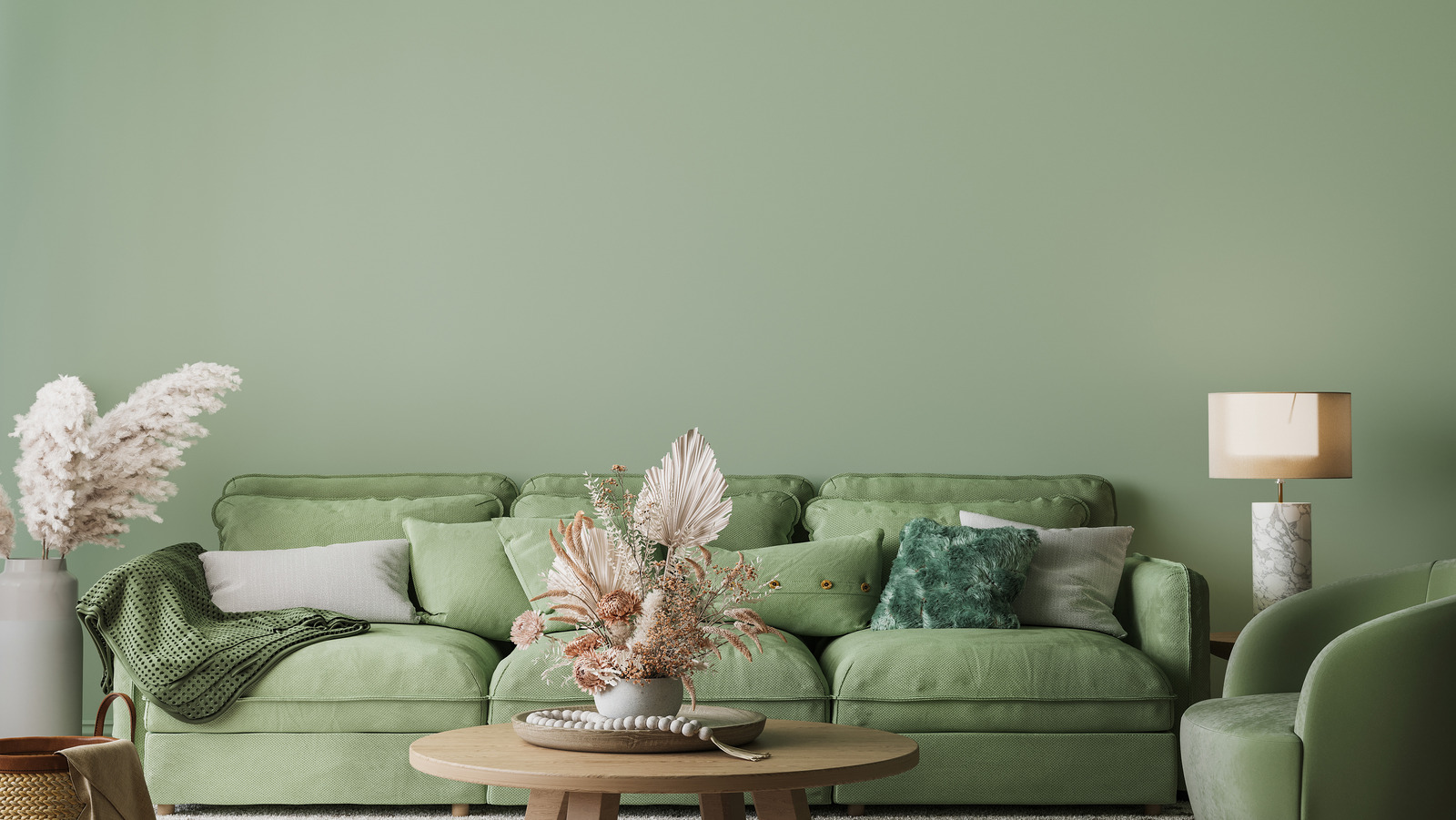
Take stock of your existing furniture, flooring, artwork, and textiles. Your new green wall color should complement these elements, not clash with them. Bring fabric swatches, wood samples, or photos of your furniture when you’re looking at paint chips to ensure a cohesive look.
Expert Picks: Timeless Green Paint Colors You Can’t Go Wrong With
While I can’t name specific brand colors here, I can tell you that certain *types* of greens consistently win over designers and homeowners alike:
- The Perfect Muted Sage: Often with a hint of gray, these greens are universally appealing for their calming, sophisticated presence. They work almost anywhere.
- The Deepest Forest or Hunter Green: For those seeking drama and luxury, these rich, saturated greens make a powerful statement, especially in rooms with natural wood and leather.
- The Lively, Balanced Olive: Earthy and inviting, a good olive green can feel both rustic and refined, bringing a grounded warmth to living spaces.
- The Crisp, Gentle Mint: Ideal for freshness and a touch of vintage charm, especially in kitchens and bathrooms.
Conclusion: Embrace the Green Revolution
Choosing green paint for your walls is an investment in creating a home that feels naturally beautiful, calming, and truly yours. By understanding undertones, considering your room’s function, and testing samples thoroughly, you’re well-equipped to select a green that will bring joy for years to come.
So, take a deep breath, embrace the versatility of green, and get ready to transform your space into a vibrant sanctuary. Your walls are waiting for their green glow-up!